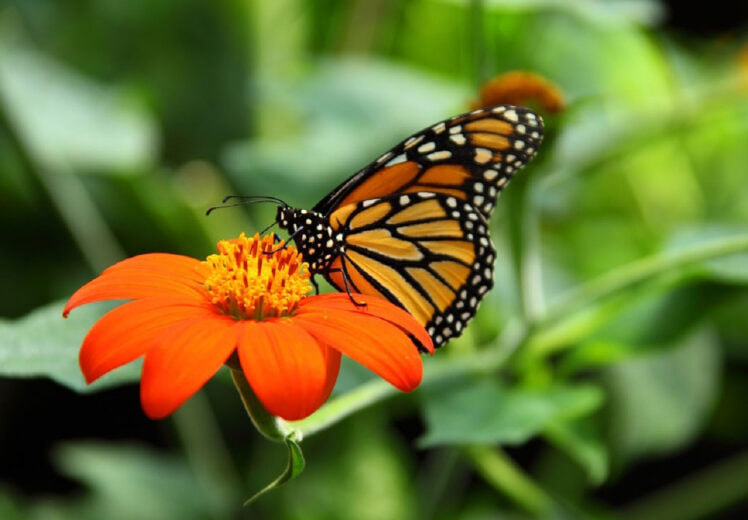
This happened to me last year. I’ve been thinking of ways to try and protect them- it’s hard when the predators are so small they can slip through most netting if they really wanted. I hope to come up with something soon! We have a high paper wasp population that is very docile towards us so I’ve always left them alone. And they do help keep populations of unhelpful bugs down. I just don’t want them eating the monarchs!
I love that concept! I was thinking about making something similar. I think spring monarchs/caterpillars has been pretty rare where I am. Someone I know who is tracking/protecting them annually in my area said she’s only once seen this and it was about 10 years ago. That’s partly why it broke my heart that they were all eaten.
Monarchs, and honestly most bugs, lay enormous numbers of eggs. I think rather than try to protect the catepillars, and likely screw something up, cause some random perverse effect, or just fail at protecting them, it’s better to just set up conditions for way more catepillars.
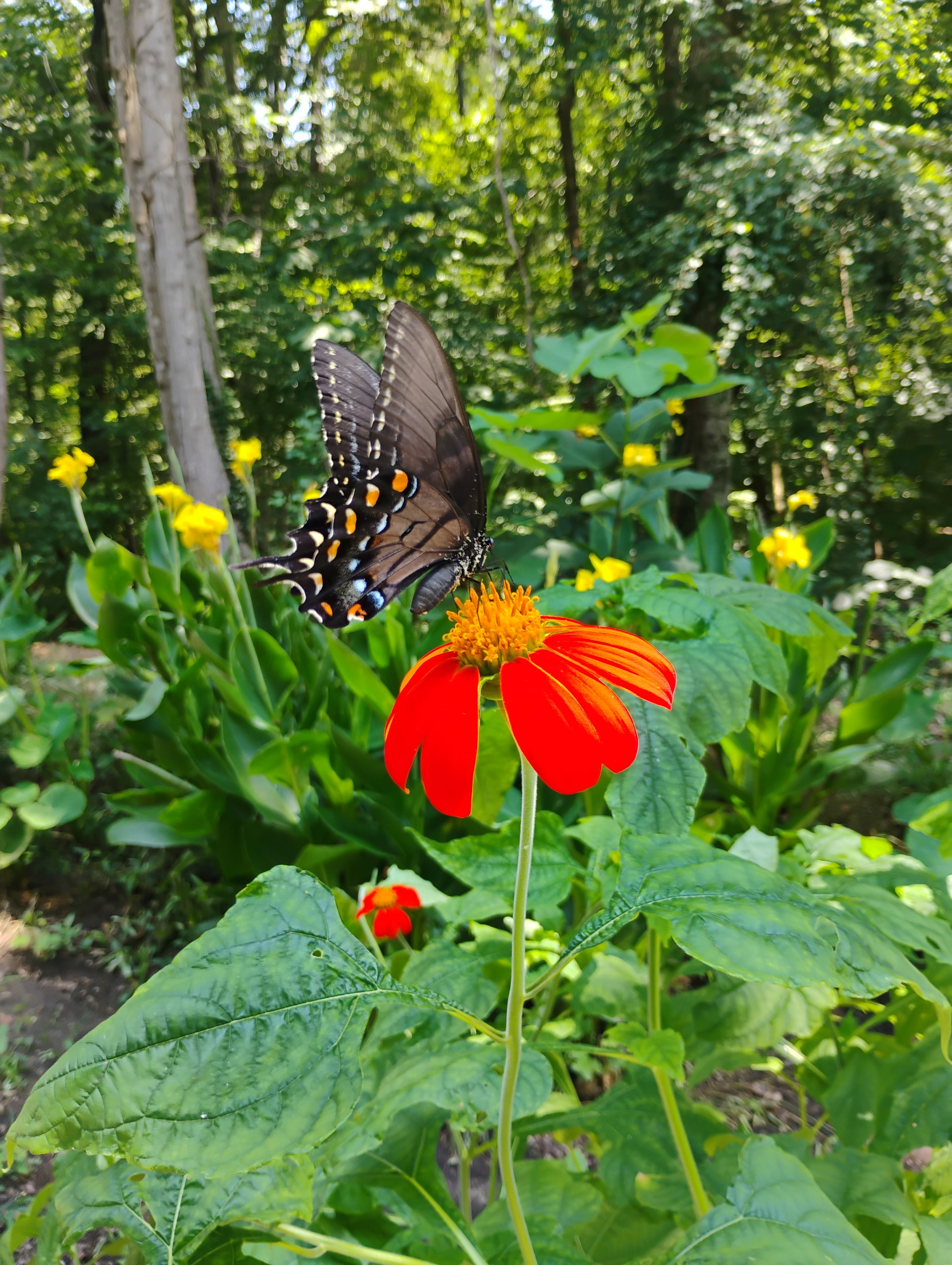
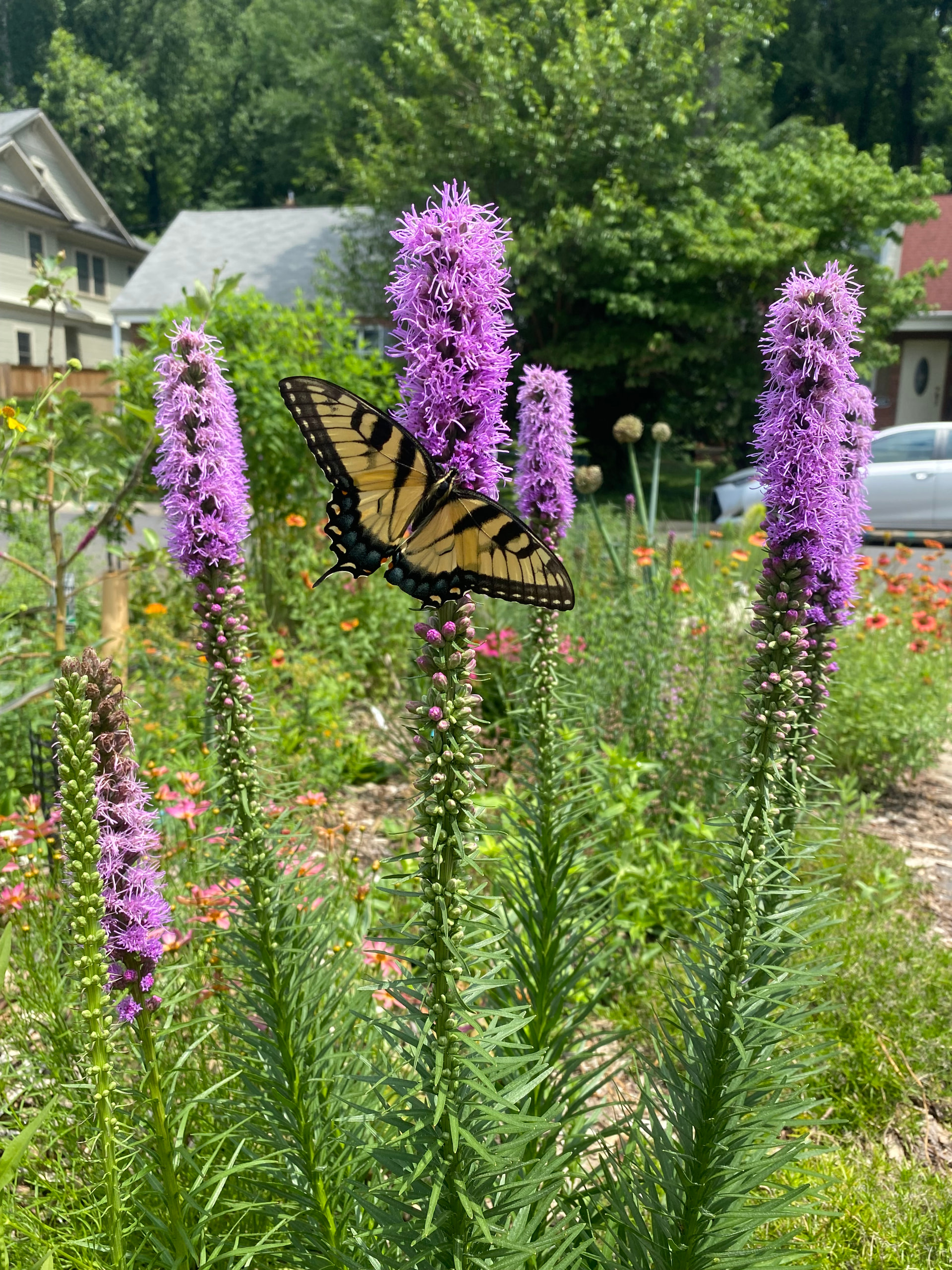
The effort of setting up some protection could just go towards planting more milkweeds and nectar plants. And more Apiales, sassafras, spicebush, Dutchman’s pipe, etc. because swallowtails deserve some love too.
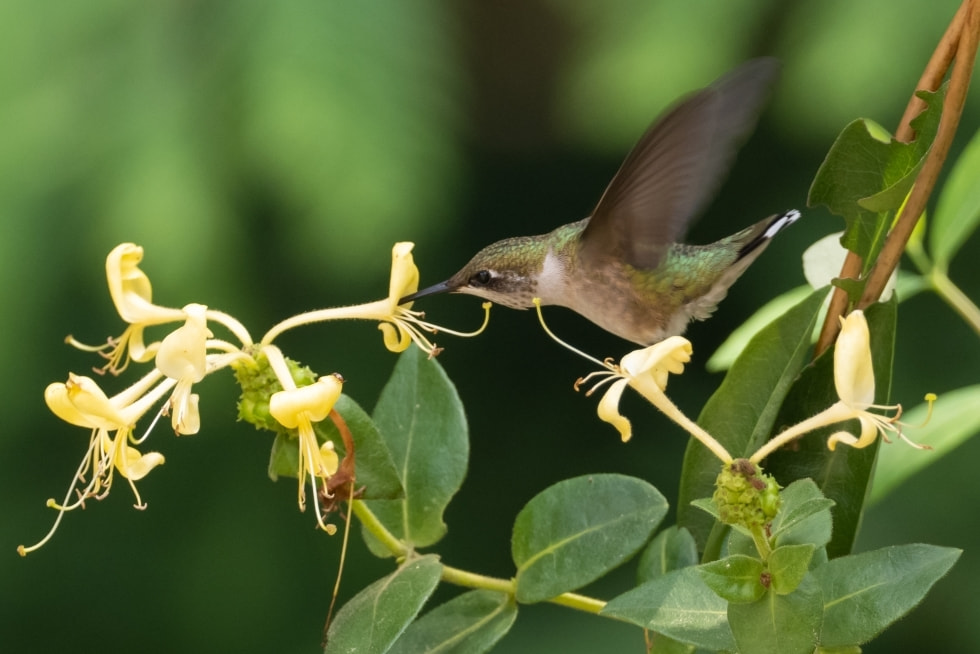
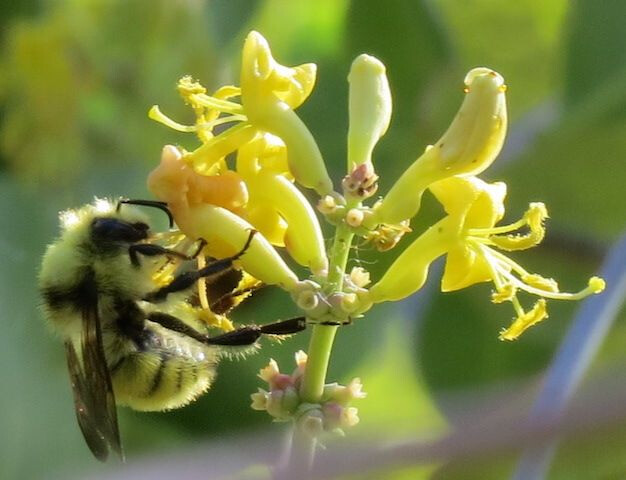
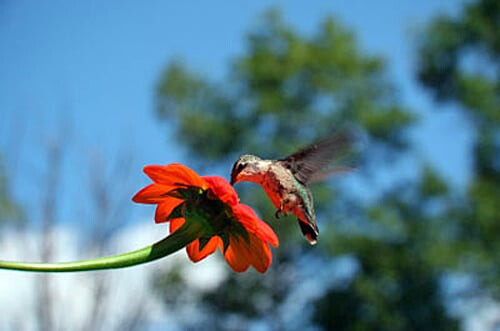
I am plagued or blessed.. with honeysuckle. I have erected fencing around most of my my orchards.. and honeysuckle has bombarded many of them.. Bees, Butterflies, Hummingbirds.. as well as birds and moths all favor it. A few years ago i really got into putting out hummingbird feeders as i wanted them to help control SWD plus i really enjoy hummingbirds. With lots of observation i found that i dont need feeders at all.. they prefer my honeysuckle.
Here they grow onto trees, shrubs..and love fences. I think the birds deposit the seeds everywhere… I will never ever get rid of them even if i tried… so i have learned to enjoy what nature seems to think that my property needs.
Nature vs Nurture takes awhile to get going but is very rewarding to me.
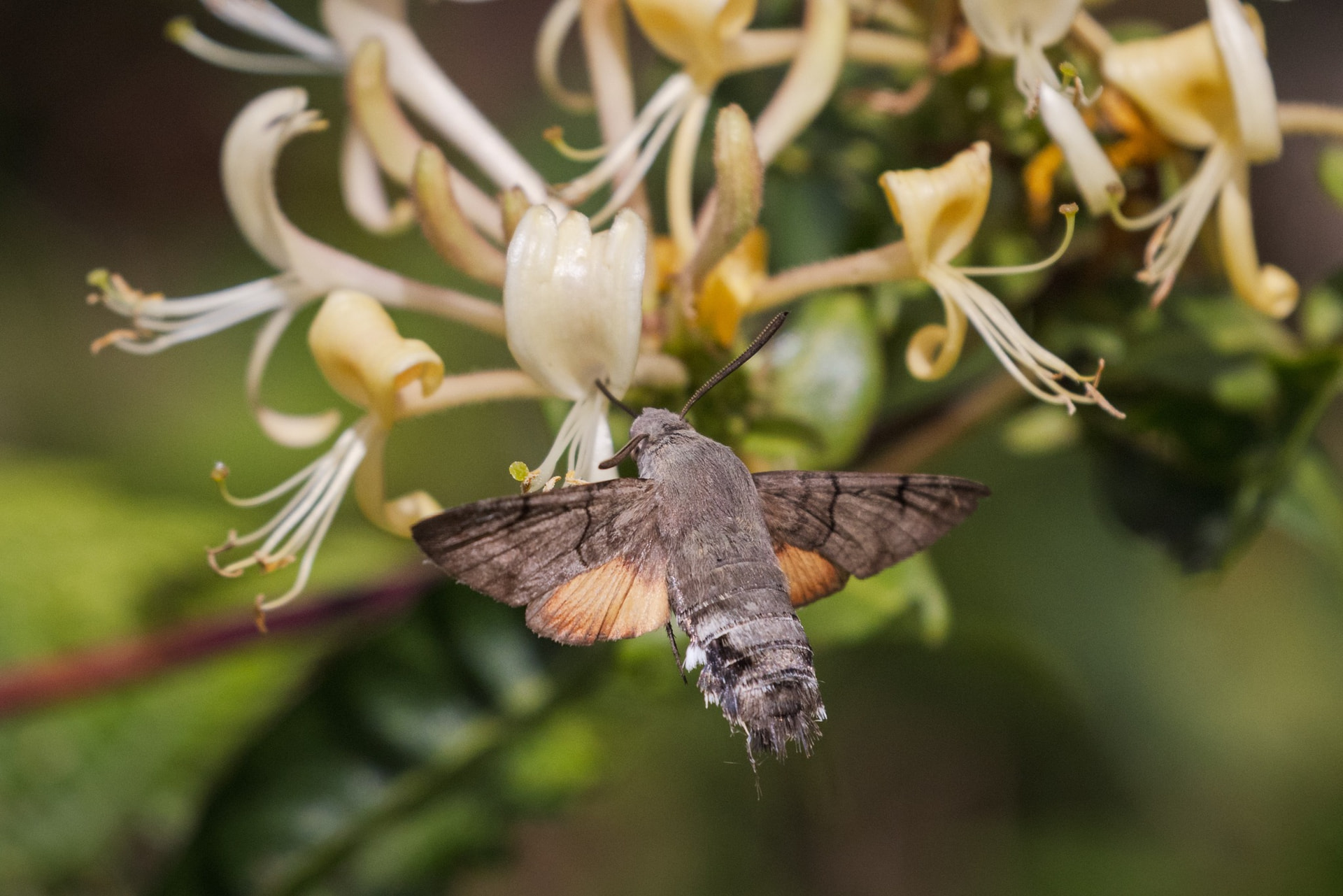
Many moths including the hummingbird moth also enjoy them.
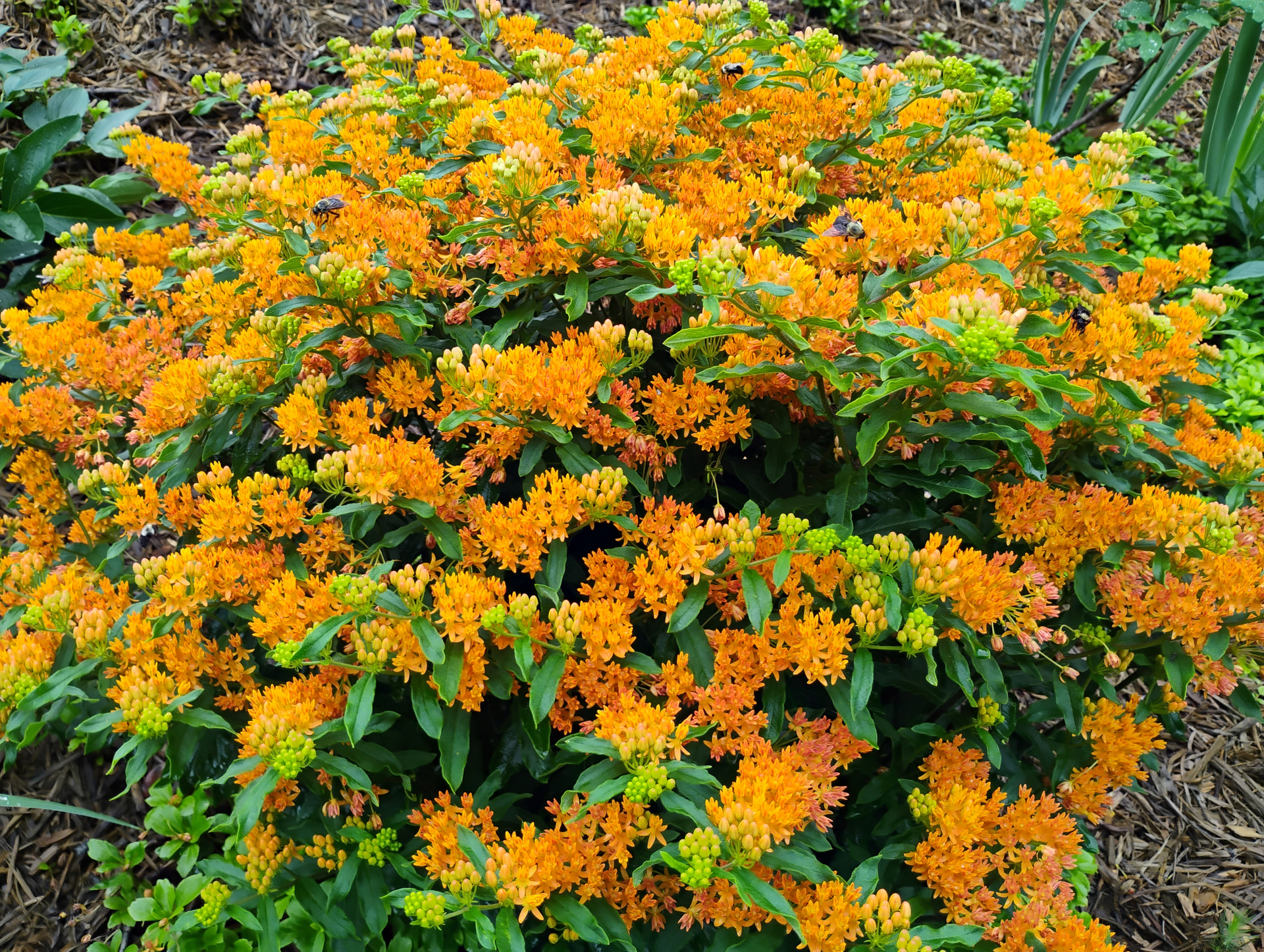
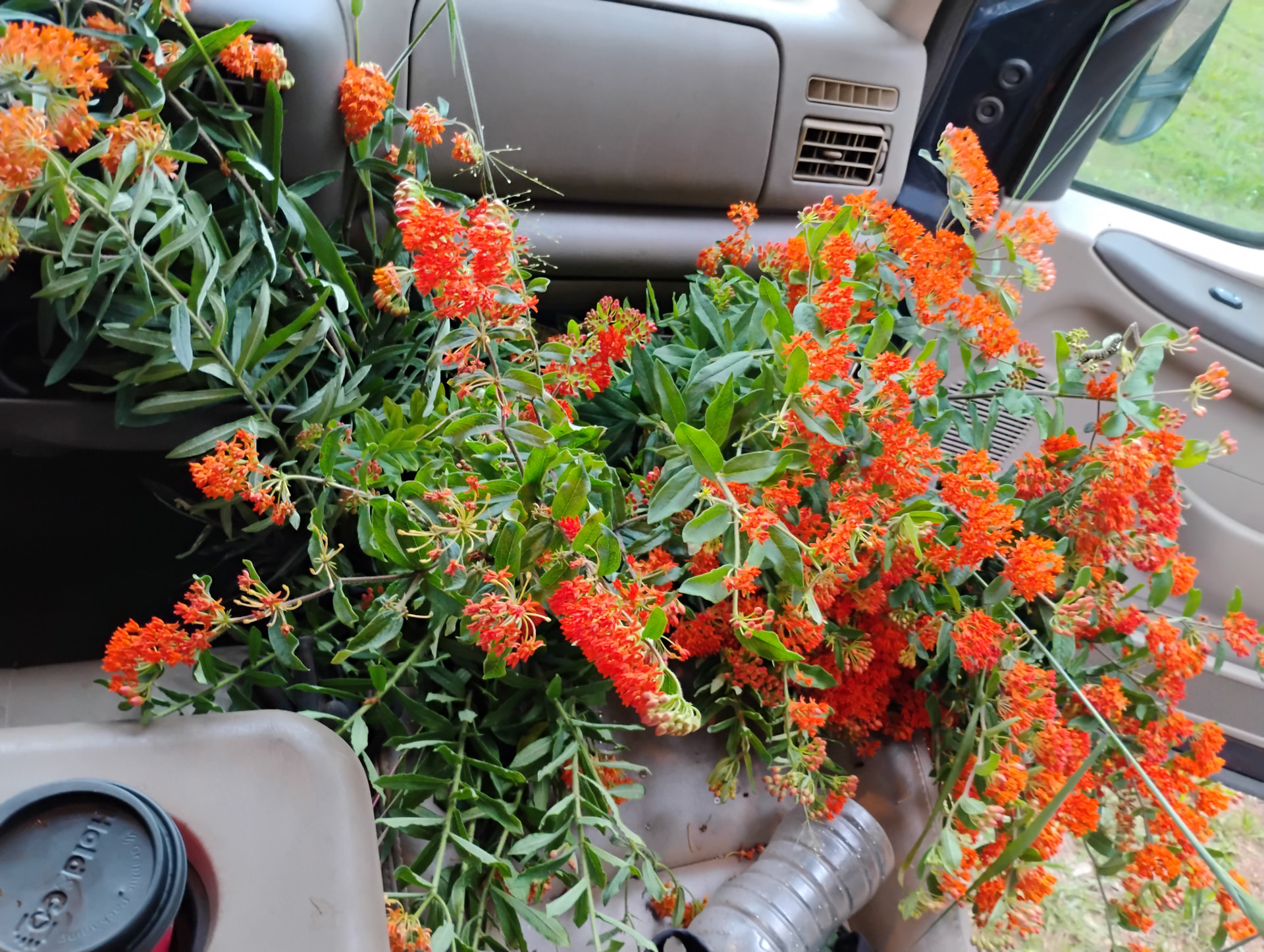
I have been planting the store-bought green onions (similar to Eme) and leaving them to grow for as many years as they can, but this year I’m on a new hunt: in addition to the Miss Huff lantanas I planted last fall I’m planning to add butterfly weed. A customer was showing me hers
that was transplanted from the wild, and was showing how much better it is growing than what other plants she had purchased a few years ago. This morning I was blessed to locate some growing along a country road in an area that is hard for the county brush mower to attack.
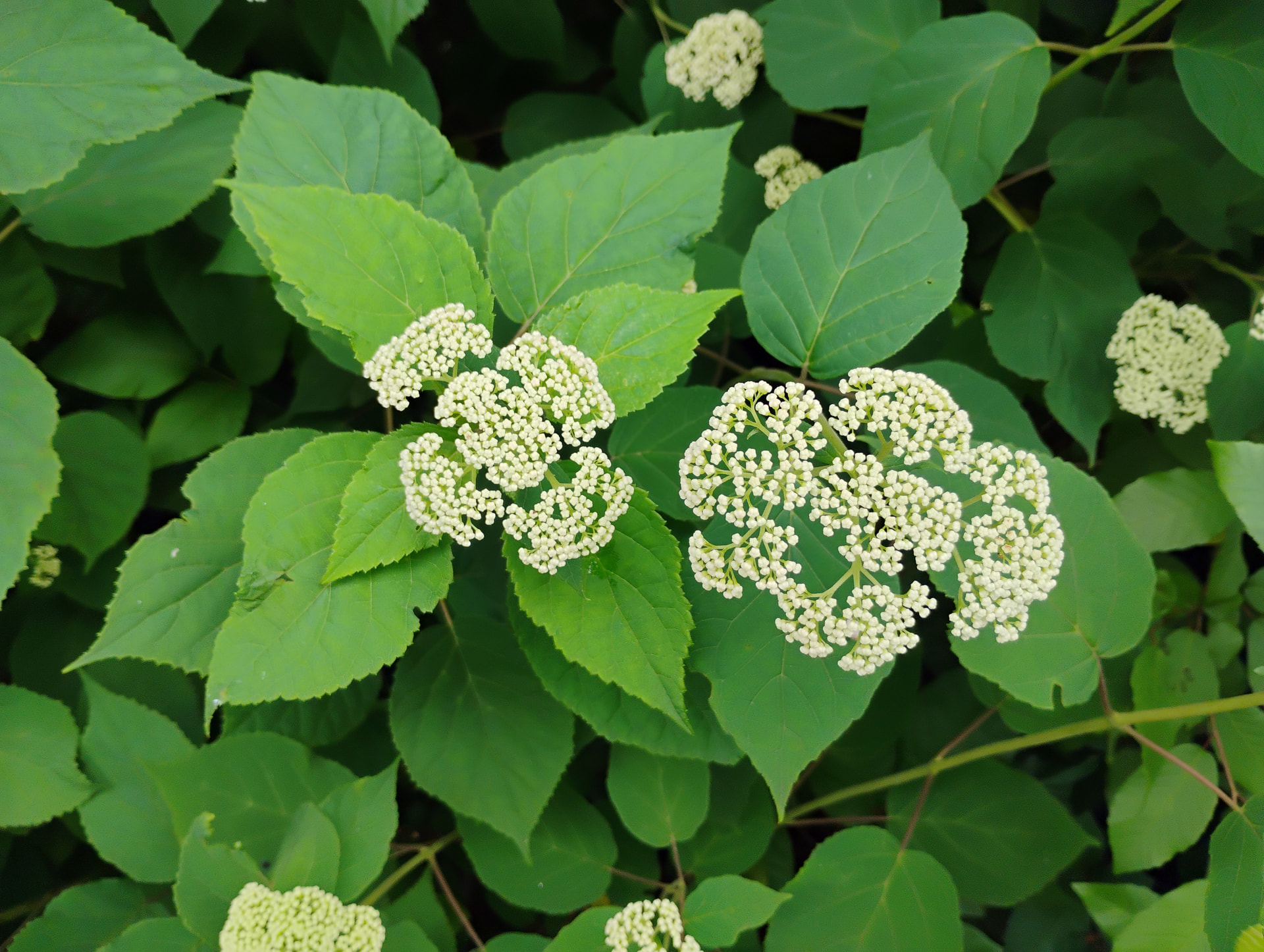
Later on I spotted some white flowers that aren’t the queen Anne’s lace nor the elderberries that are in bloom everywhere along fence rows and wild areas infrequently mown by the county. It turned out to be smooth hydrangea
another plant worth trying to add for pollinators before the power line clearing contractors push back the woody growth.
Now I’ve just got to determine how and when I ought to tackle these specimens.
Not super apparent in that picture of the butterfly weed was the multitude of (bumble bees?) which were happily feeding. It reminded me of the sleepy bees I saw on the coneflower plants in August.
although I don’t bother to save the seed, instead letting it fall to the ground and reseed itself each year. Unfortunately, it appears that the birds ate so many of the seeds last year that there is only one sprout, and it has already been showing for over a month, so I am not expecting more unless I buy some seed. After the first frost I break off the seed heads and drop them, tossing the stalks onto the compost mulch hill nearby, and then applying a fresh layer of spent coffee grounds on top of where the seeds will have fallen.
Since deer like to munch on them I have been using a pair of rings of remesh (the same stuff I use to keep the deer off of my fruit trees) to protect them from browse. Heavy rainstorms also break branches at crotches so helping to carry that weight is beneficial as well. This year I think that I’ll switch it up and use the same method I use for my Jerusalem artichokes: sink some of the lighter duty T posts that some silt fence is installed with, dry bamboo sticks zip tied to them, deer netting zip tied to the bamboo in order to create a polygonal fence around the flowers seven feet tall.
If you have trouble, growing butterfly weed like I did for years, I discovered my drainage wasn’t good enough. Then I stumbled across clay adapted butterfly weed that’s available from one source on the Internet. I forget which Nursery may be Prairie Nursery in the Midwest. It works like a champ here.
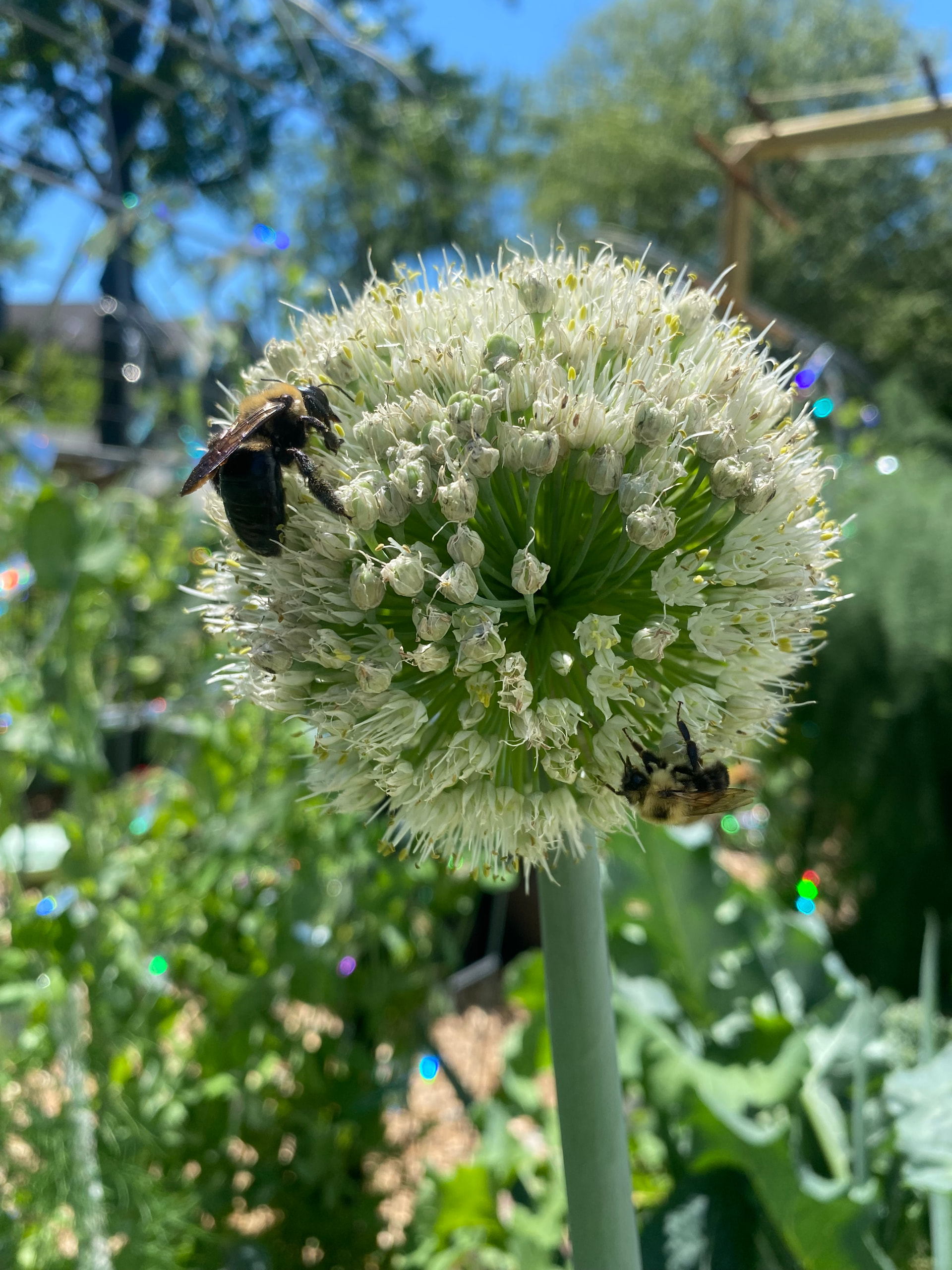
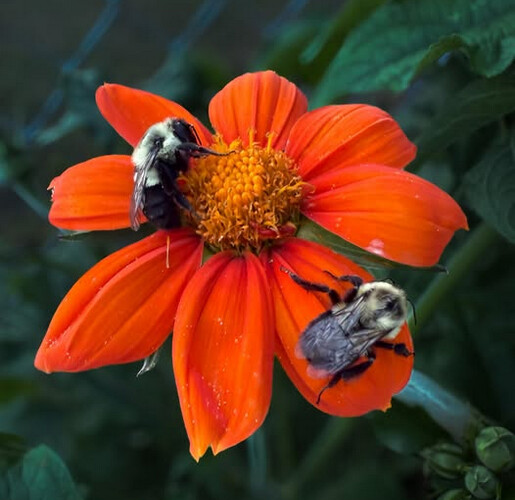
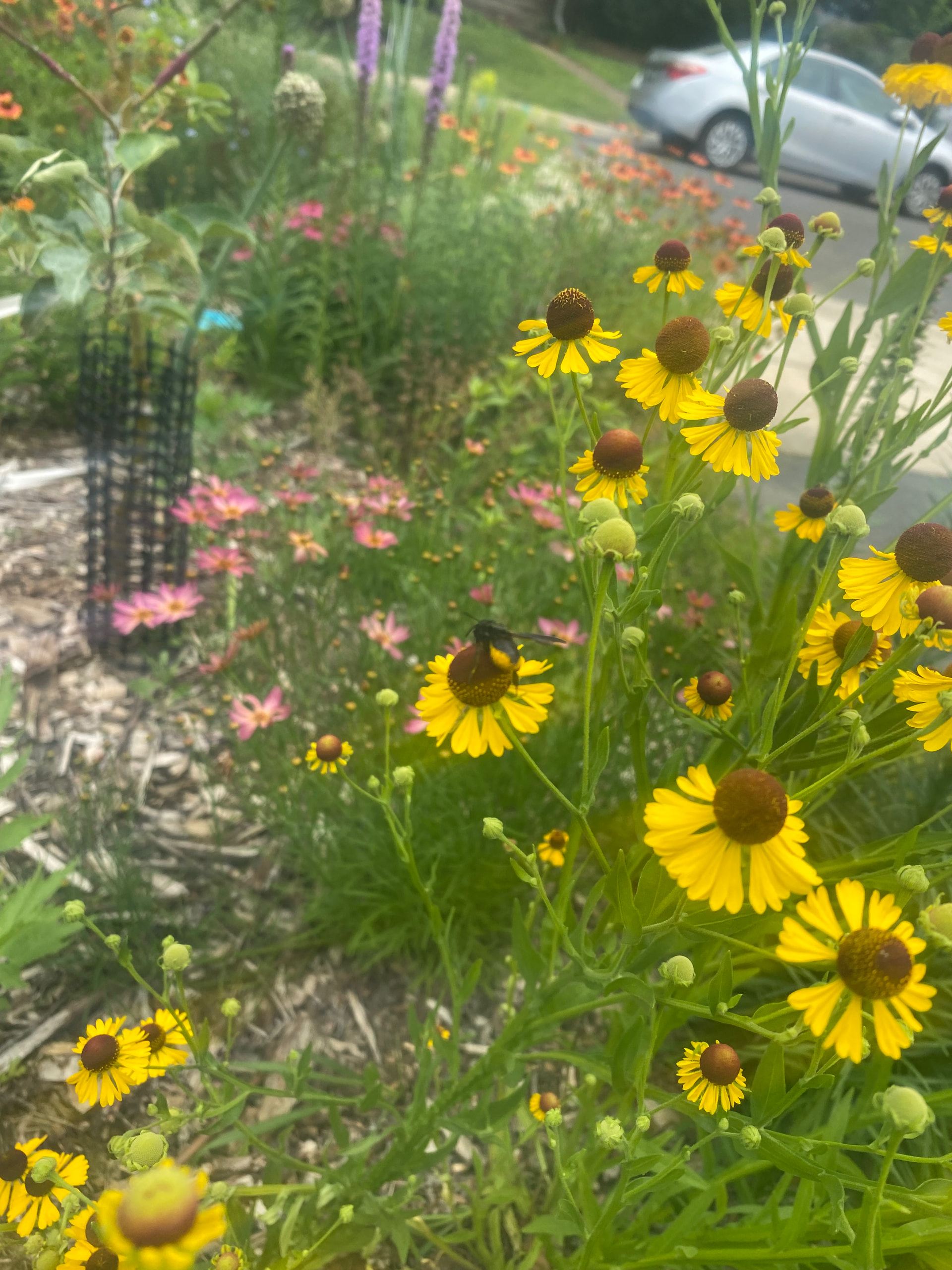
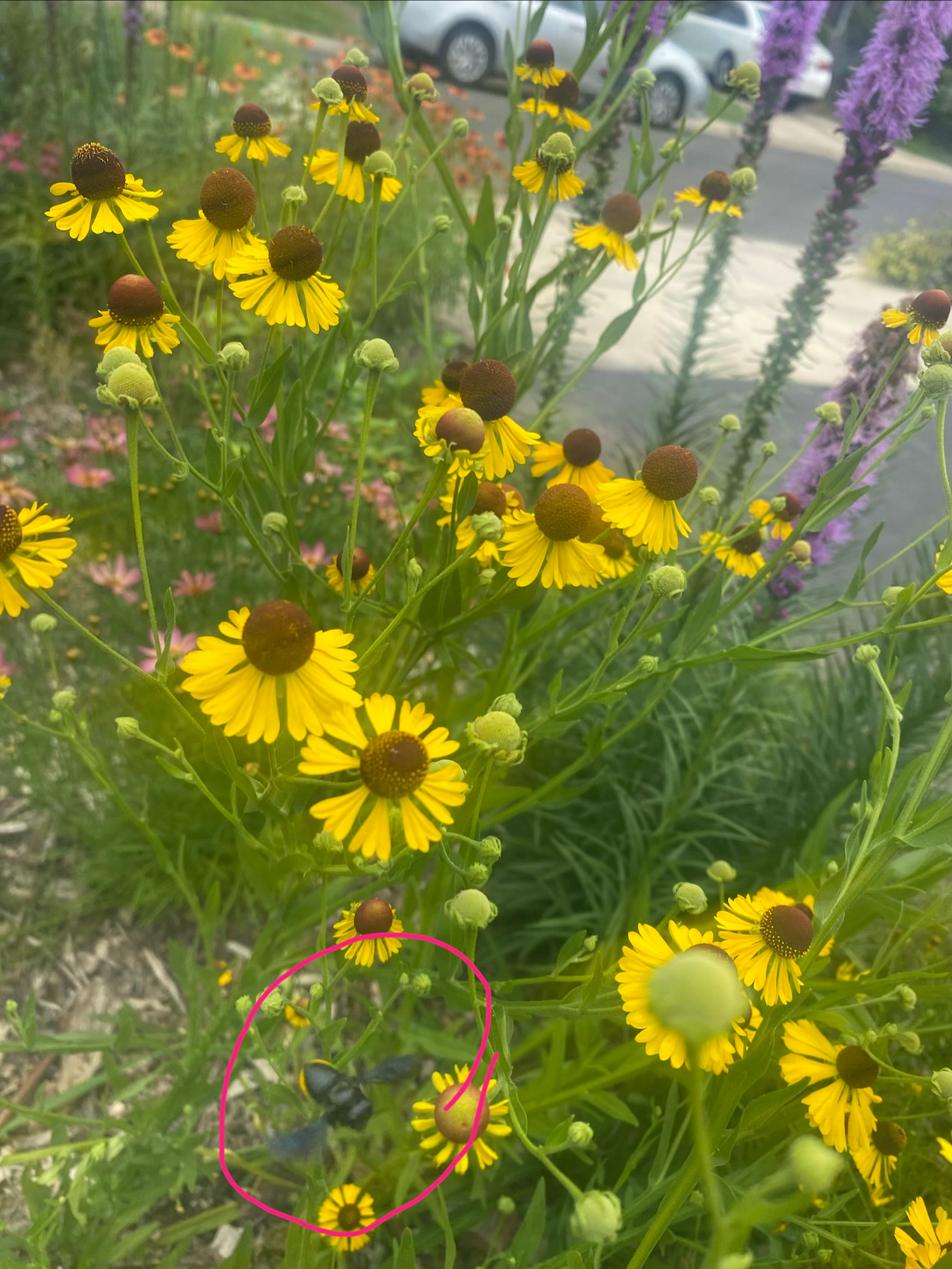
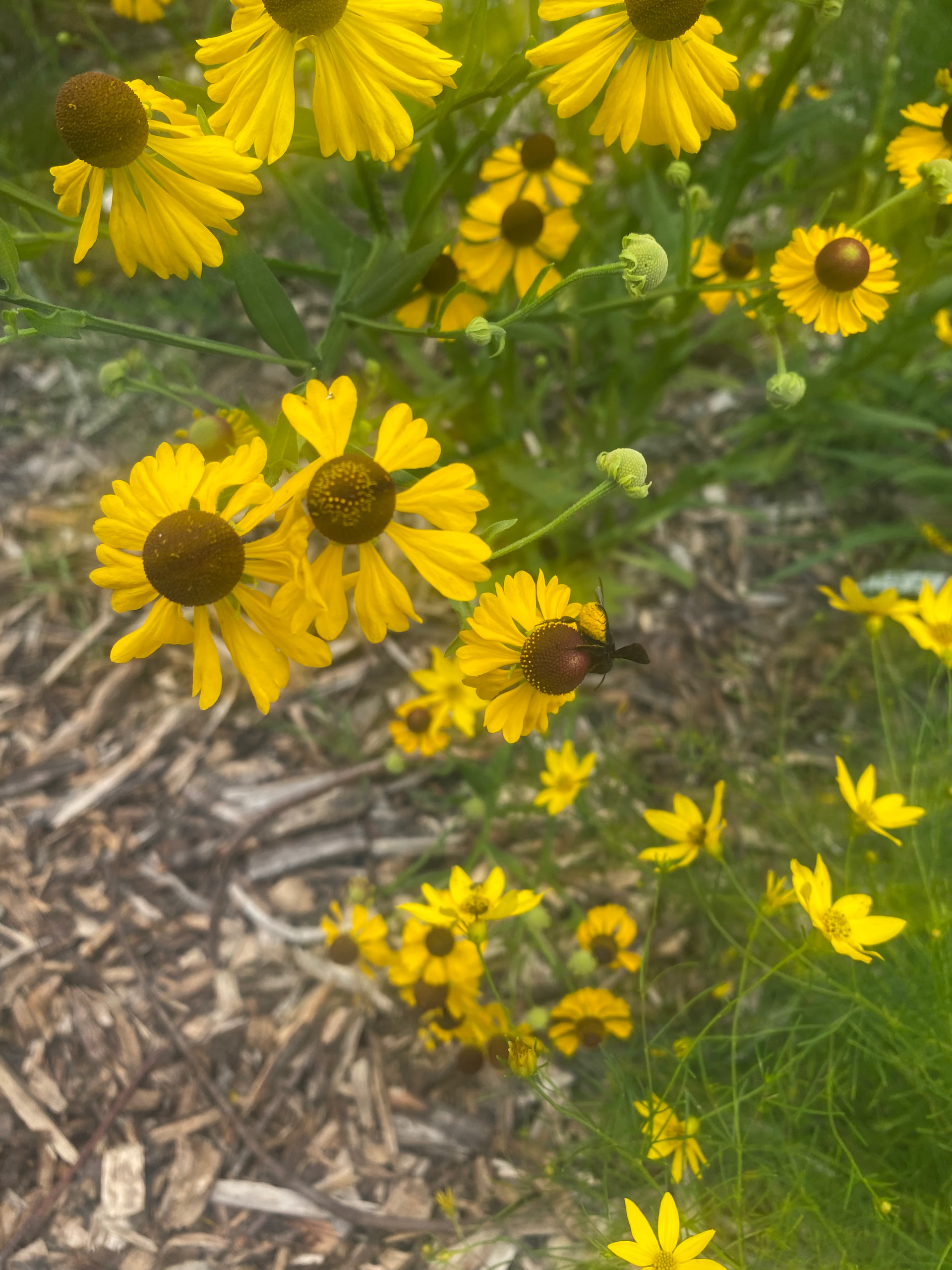
Two bees I don’t remember seeing before. The nearly all black one was walking a circle on each flower at rapid speed. Internet leads me to believe it’s a type of carpenter bee.
I’m not sure these count as your traditions pollinator, but we have been thrilled to see tons and tons of fireflies out in the backyard at night! It seems like we went from none after construction to just a constant mini fireworks display. Even saw a bat circling the other night and got back on the bat box kick, but it’s likely a pipe dream for our lot.
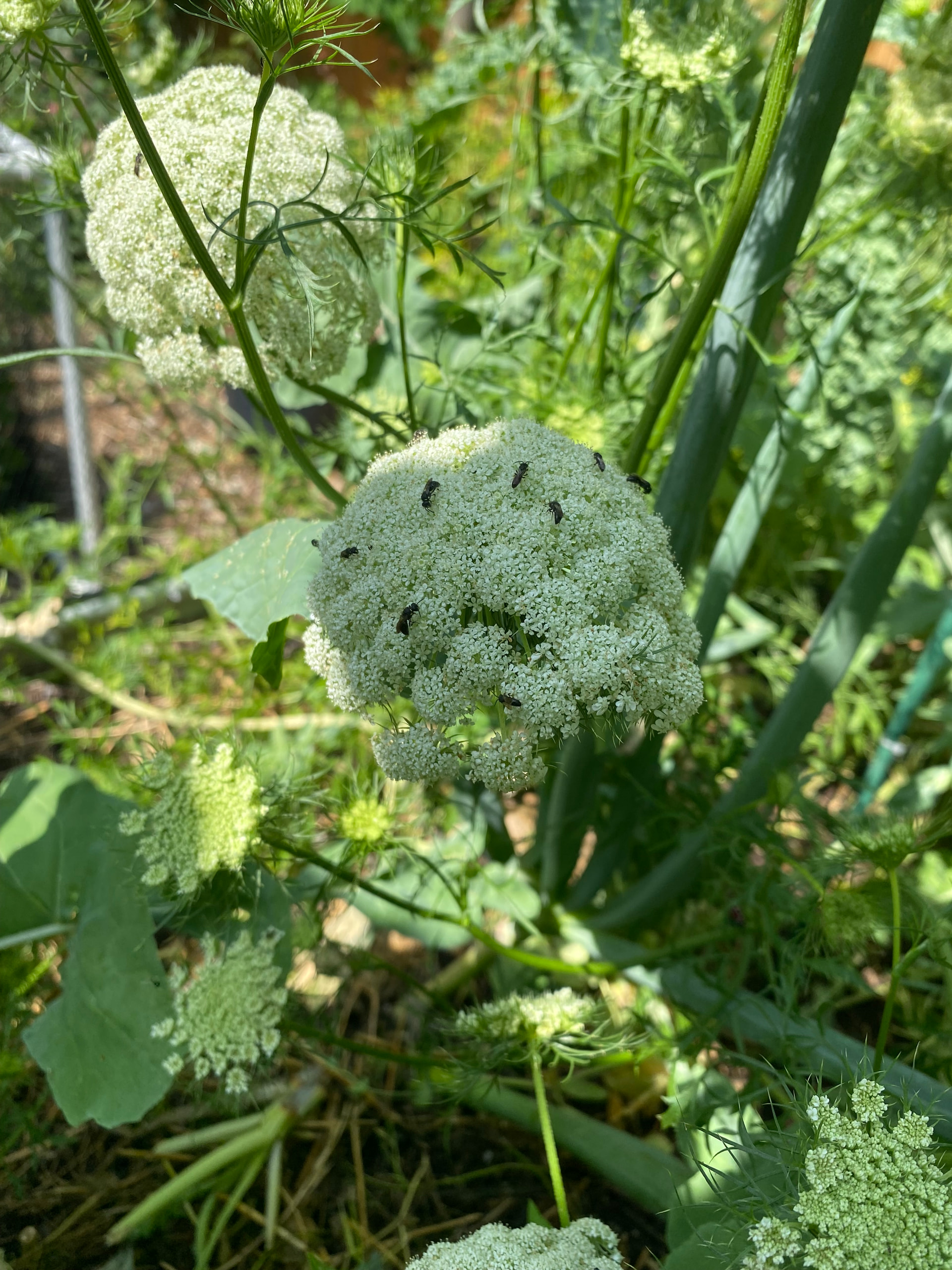
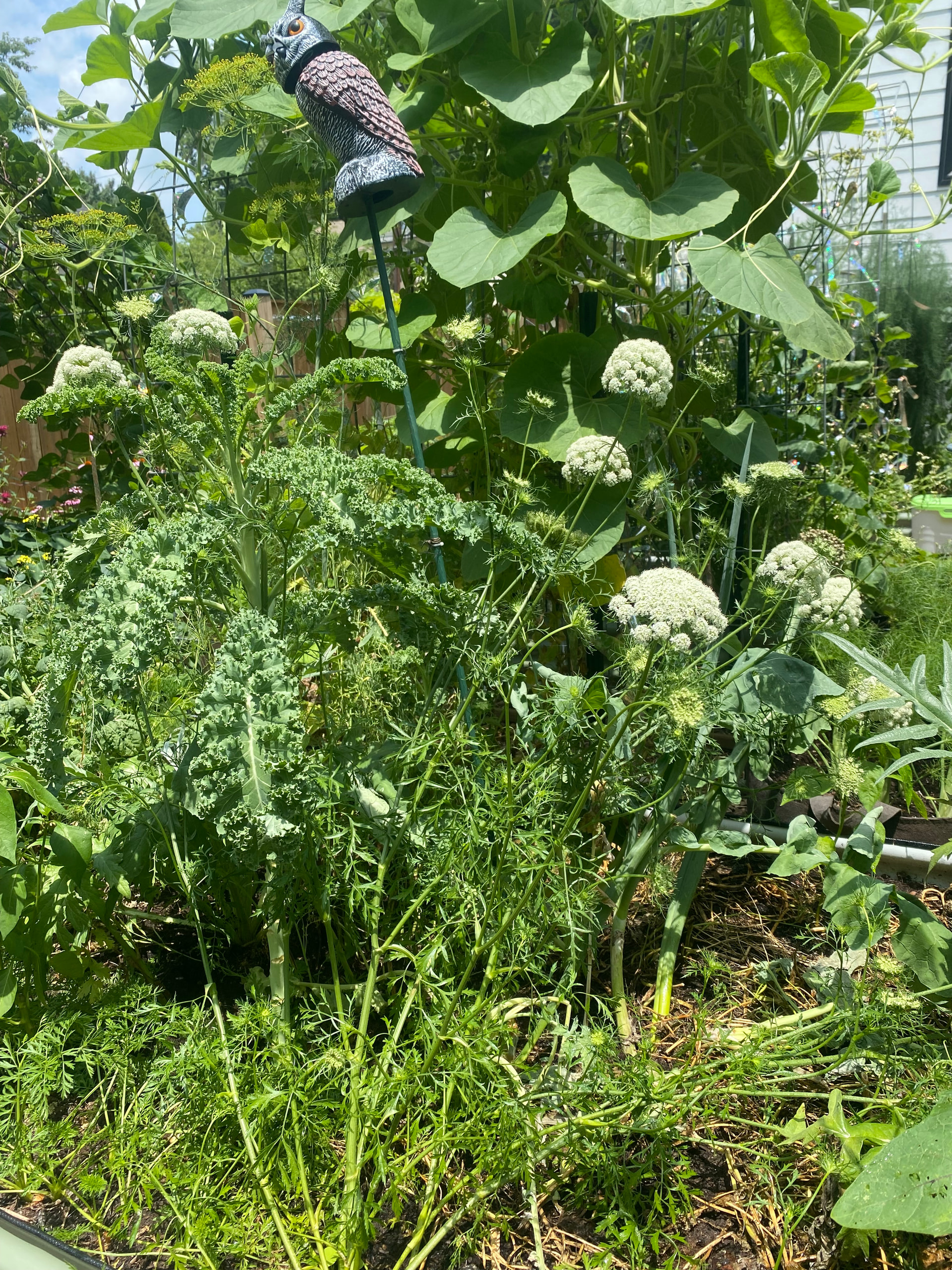
Apparently, I left a carrot in from last year. It has been blooming profusely and swarmed with good little things. I’ll always leave a few from now on.
How are you liking growing ironweed so far? I’ve added the asclepias tuberosa butterfly weed and have been on the lookout for additional plants to re-home. I stopped this evening to check on what initial identification had suggested many weeks ago to be asclepias incarnata swamp milkweed and found that much of the area had been mowed and sprayed with herbicide, but nearby I found a few ironweed growing further away from the roadside and unmolested.