If its truely honeybees you can usually get a beekeeper tobcome smoke em out and take them
4 Likes
I did contact a local person who has removed hives for friends, but they agree it’s best to seal it up.
1 Like
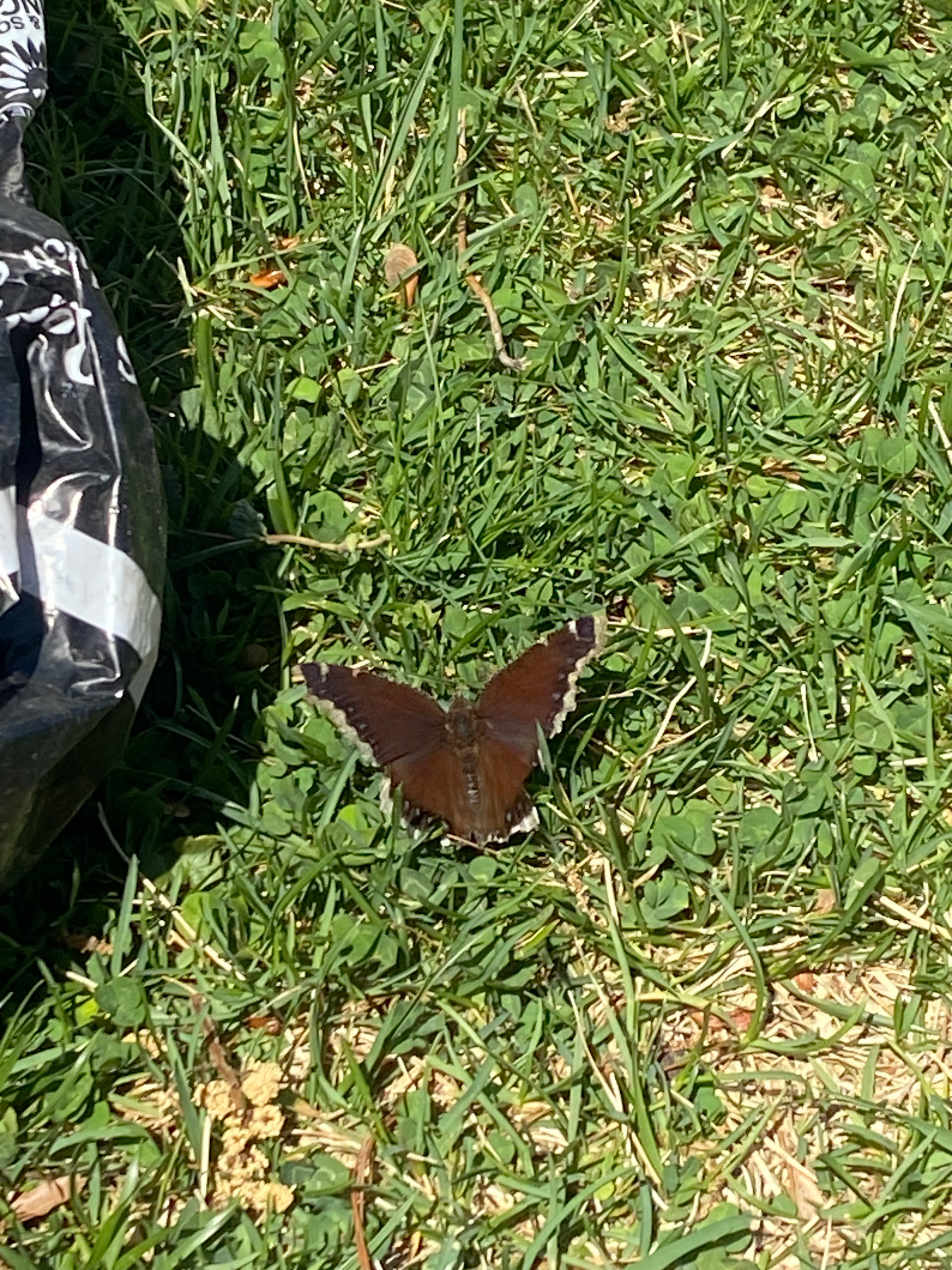
Anyone know what this is? I’ve looked at pictures of all the maryland butterflies and it doesn’t quite fit any of them. I think it’s closest to morning cloak. Yesterday at my house
3 Likes
https://www.butterfliesandmoths.org/ you can submit a butterfly or moth to this site and an expert will id it for you, i use it all the time. its cool
4 Likes
I’d say you’re correct, looks like a Mourning Cloak to me.
4 Likes
Very cool!
1 Like
Mourning Cloaks are quite distinctive, hard to mistake. Your photo shows an over-wintered adult, quite tattered, making it a little harder to identify.
Maryland Butterflies
^ scroll about halfway down for Mourning Cloak.
3 Likes
Yup that’s the site I was looking at to ID it. Interesting note on overwintering.
1 Like
Same. They like the spring flowers; deadnettle, henbit, creeping Charlie especially. Later in the year they like basil and sedums.
They’re the most common bee in my yard now. The bumblebees are just starting to come out. There are semi-feral honeybees around also.
Meanwhile ichumenoid wasps have been living in my house for about a month. No idea why they are here but I accept their services.
We planted Joe Pye weed in a semi-wet place. Based on our experience, I would expect to water it for around 5 years, whenever it’s stressed, until it establishes. They are a water loving plant, they take time to develop a strong root system that can handle drought.
Bumblebees love Joe Pye weed.
1 Like
I expected the same when I planted this in a full sun spot that dries out quickly. However, I found that it established after one year and doesn’t seem to mind the intermittent droughts we get. Supposedly, I have coastal joe pyeweed from a pick up during beginning of pandemic and I didn’t notice the incorrect variety. Was supposed to be gateway or hollow and I expected it to fail. But, it get to be 6-7’ so it might be mislabeled.
1 Like
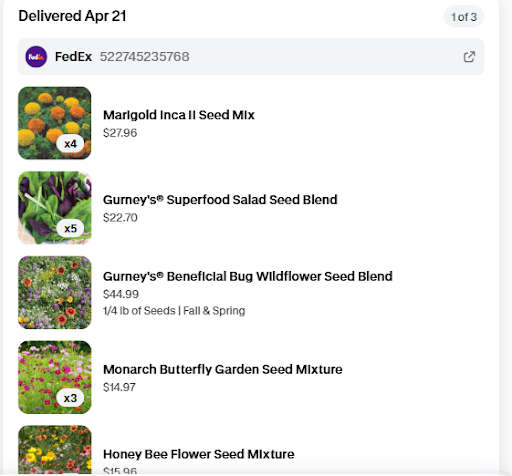
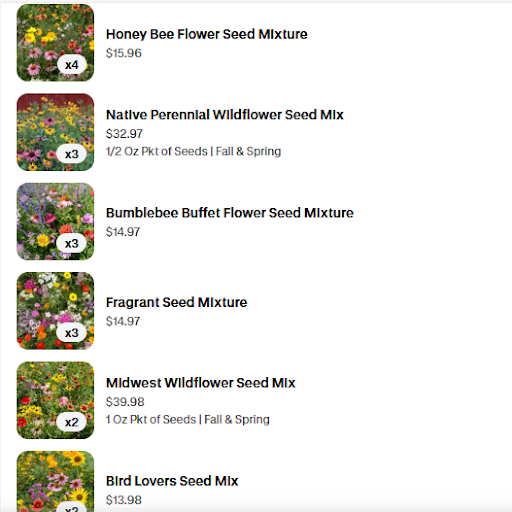
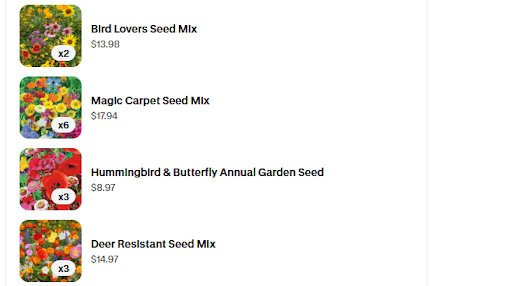
Hello all, I recently purchased many many flower seeds,(attached) and I was wondering if anyone had any ideas, thoughts, opinions, tips or tricks, or anything else that would be of use for planting or possibly arrangement of specific mixes (what packs for what level of sun/water, etc). Any and all help or feedback is appreciated as I have very little knowledge of what I’m doing other than the basics.
Thanks!
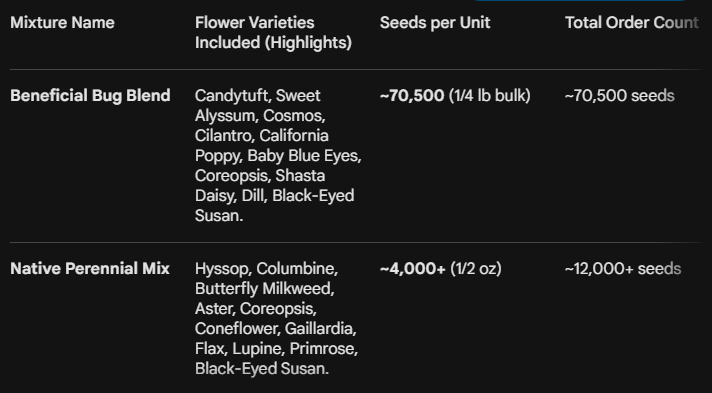
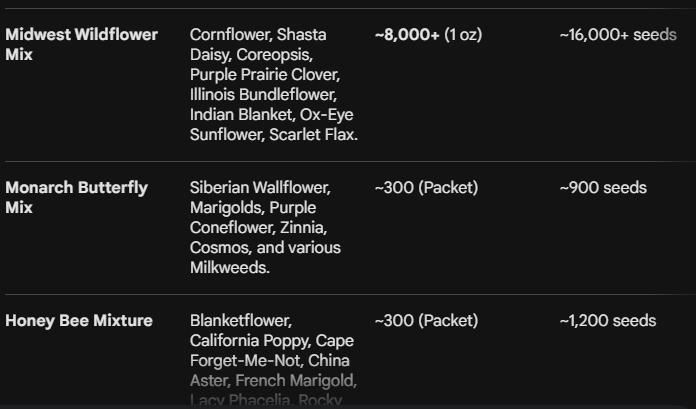

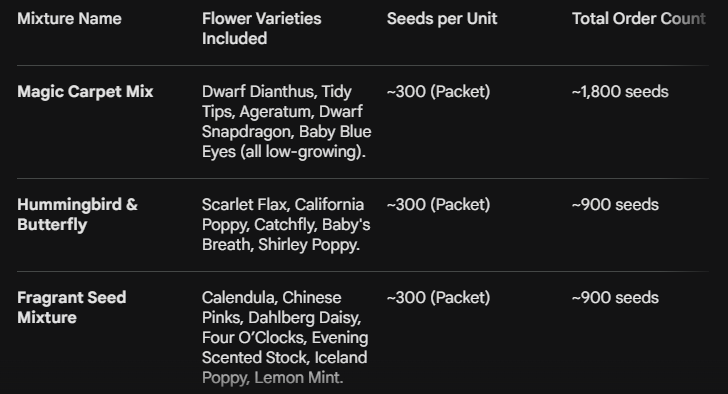
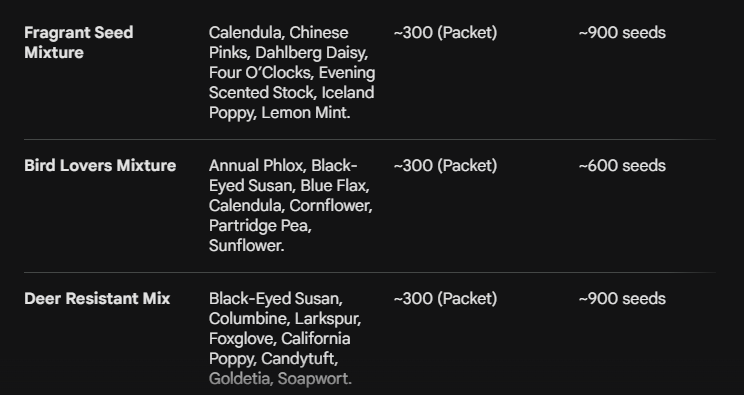
I think we have hollow Joe Pye weed. It gets 6-8’ tall depending on the year. They are planted in a flood zone, but otherwise our soil drains well. Interesting that yours adapted so quickly.
1 Like
Wow, that’s a lot of seed mixes! I briefly scanned- a lot of those will need to overwinter to germinate. It’s really hard to give any advice because you have such a smorgasbord of seeds and within each packet. Some are annuals, some are perennial, some need cold stratification, many are drought tolerant but others not…the only theme I see is part to full sun. maybe starting looking them up to get an idea of what you purchased. you can create a great meadow if you have an area prepared (but add grasses and less showy things). Expect it to be scraggly and weedy for the first two years at least starting from seed. In the future, prairie moon nursery or other native site might be better to purchase from as they’ll give a lot of info about necessary planting conditions for each mix.
5 Likes
A few weeks ago, there was a monarch flitting around the gardens for a long time. It kept going to all the little milkweed plants and I watched it on and off over 2 hours wondering why the silly little girl wasn’t going to all my early spring bloomers to eat. Well, it was laying eggs! I was moving around volunteers and just happened to see this. I had no idea they would lay eggs this early. I’ve never heard of monarch caterpillars before end of summer. (The brown top of the plant is frost damage from 4/21)
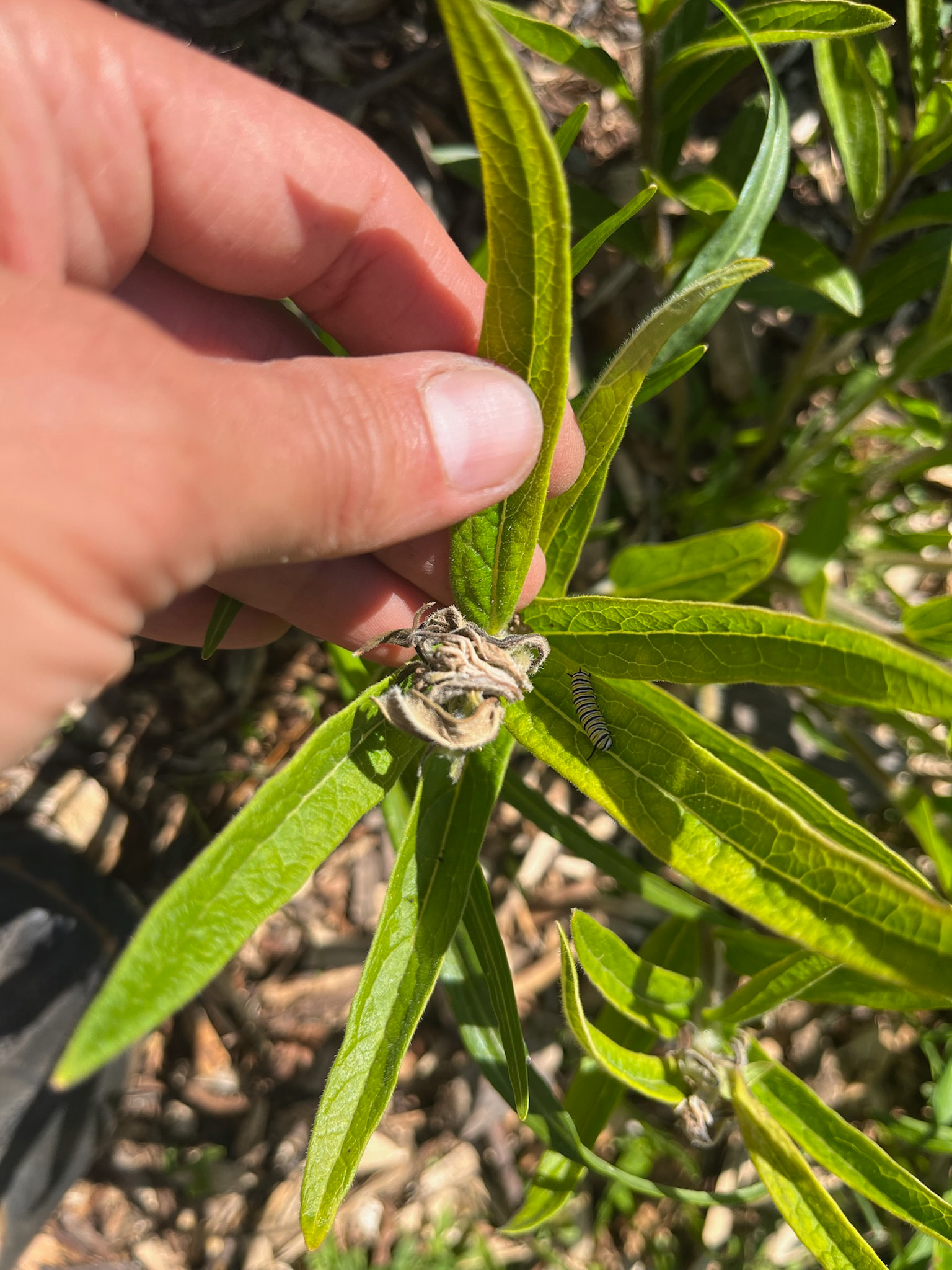
Edit- it’s not just one! They’re all appearing on 4 of 5 patch’s of milkweed. It’s really amazing considering the plants were maybe 2-3” tall when the monarch was here. We brought two inside to our butterfly enclosure. I’m worried for them…and that there won’t be any milkweed left to flower and host the last summer ones.
9 Likes
Sadly, ALL the caterpillars have vanished. Something is eating them, which is shocking because they’re poisonous. We brought two inside to raise that have made chrysalises. Wish I had brought in more like we do in the fall. The usual fall batch definitely has disappearances, but less than 50%. I saw a hornet searching around the milkweed- can they actually eat them? At least in the late summer they have more protection with the plants big and big plants all around them. This was very sad.
1 Like
they can but its part of natural selections. generally its not recommended to rear butterflies because it harms them, the weak dying is just part of the whole thing.
IMO its fun to do a few, but i wouldnt do it at any scale
I
3 Likes
My understanding is that Monarchs get the toxicity from eating milkweed. Very young caterpillars would likely be pretty good fare for a hornet or yellow jacket, since the level of poison would still be low.
Some years ago I saw a film in which a songbird grabbed adult monarch butterflies hanging from its winter tree and discarding all those that tasted of milkweed, eating those that had feasted on something else. The percentage was high enough to encourage such destruction.
1 Like
That makes sense. I really think the hornets were eating them and they had so little protection since the plants were so small. Normally in late summer, everything is so full and grown like a meadow; you have to really search to find them. Poor things didn’t stand a chance.
1 Like
Maybe building a cage with wire mesh or just some type of netting to use temporarily over the plants would help in the future.
Sorry to hear they’re gone.
1 Like