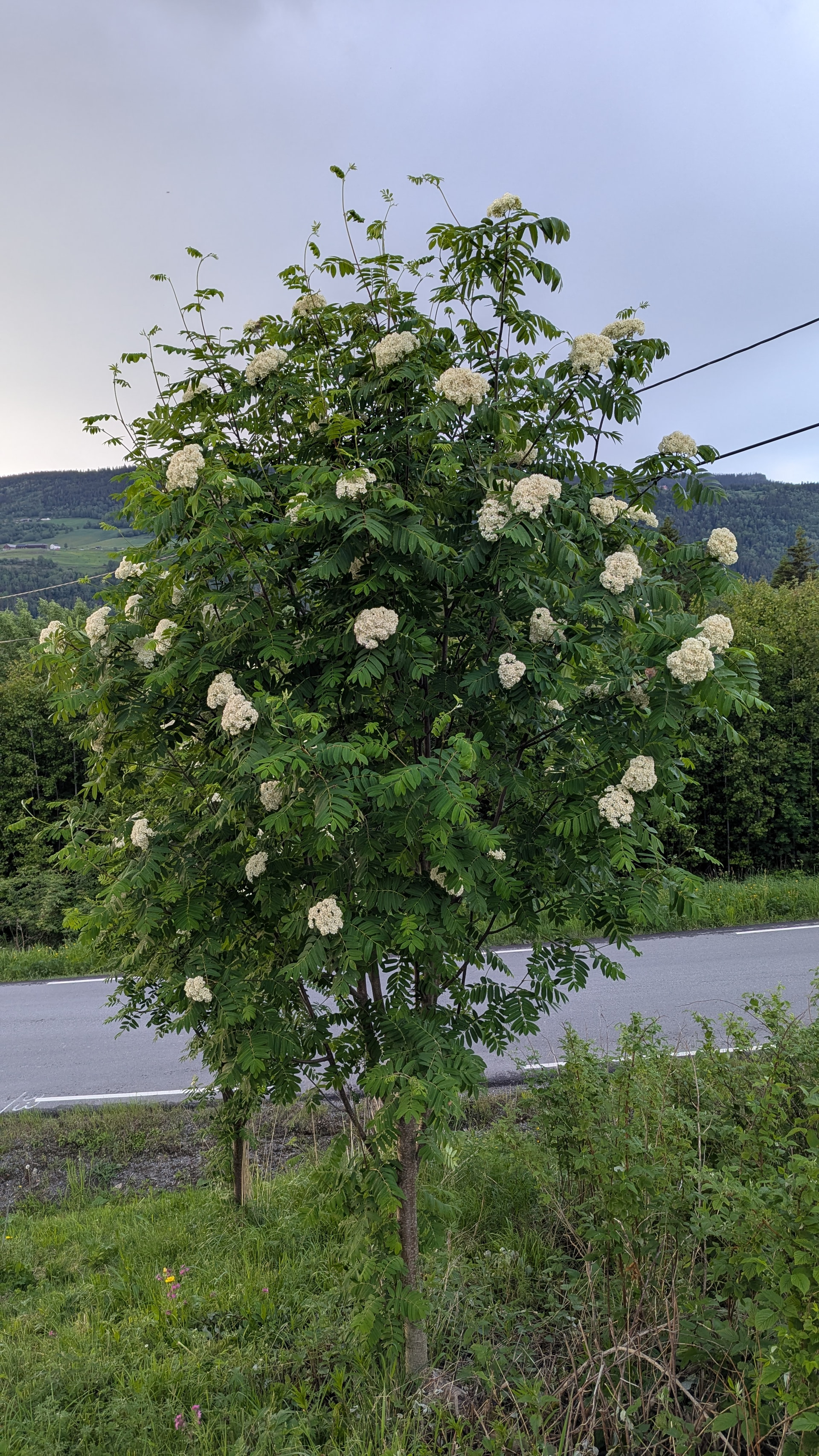
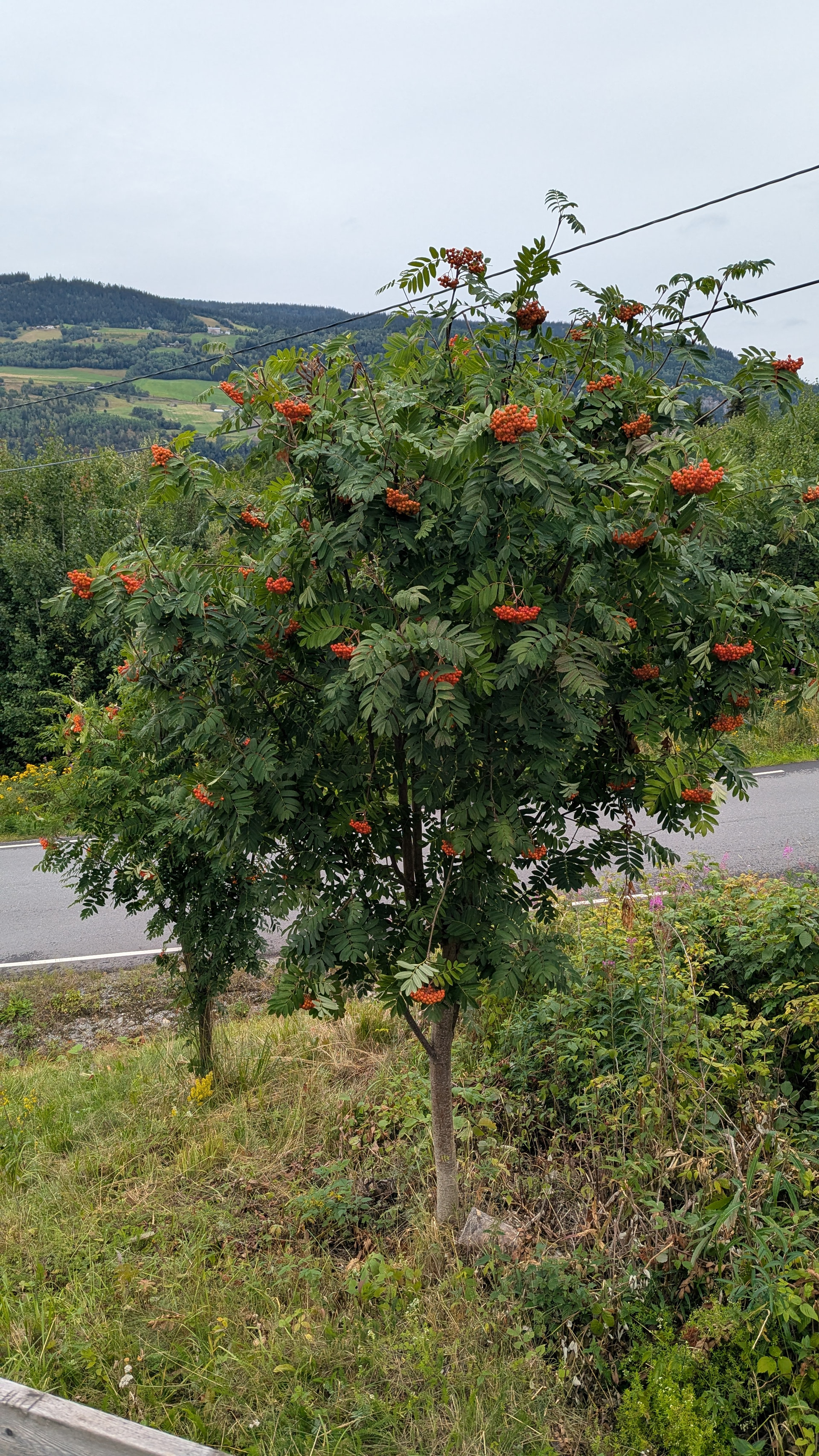
This year seems to be a great year for the Rowan/European Mountain Ash trees here. They are blooming more than usual, and will likely produce a lot of horribly tasting berries.
Apparently that gives the Apple fruit moth(Argyresthia conjugella) no reason to go for my, or my neighbors apples, because they prefer the Rowan-berries. Or so I have been told.
So does that mean that one should surround the home orchard with these types of pest-distracting plants? Or will that just increase pest population, and when the wild plants have a bad year, there are more pests to attack your fruit and berries?
Are there other examples of wild plants that pests prefer attacking more than our plants?
PS: the Codling moth will probably enjoy that the Apple fruit moth is busy with the Rowan-berries…
my properties ringed with 30ft. mtn. ash that fruit heavily and only the robins headed south bother eating them. my grandfather told me many moons ago people used to make jams with them along with chokecherries and lilac. he used to make chokecherry wine also..
In my experience with vegetables I don’t really know how much of an impact trap crops have. It would be worth trying out.
I would still breed for further non-preference/create optimum conditions in the crop I actually want.
Mexican bean beetles mainly live in the soybean fields surrounding me. When I plant green beans, they still fly to my property, doesn’t matter if I plant a variety they really like (Jade) or one they don’t (Wade). Bugs will make use of any plant they can. The difference is that on resistant varieties their damage is negligible, while on susceptible ones they can cover the whole plant.
However, I only see a small number fly over in any given year. So I don’t believe my green beans are that attractive to them.
Spinach leafminers originally came from these fields too, whenever they were left fallow for the year and lambsquarters grew in them. They prefer my spinach and leave the lambsquarters alone. In my second year saving seed I am starting to see some spinach plants they leave alone in favor of others. My saved seed is a mix of hybrid spinaches.
Each bug and disease is different and we don’t really understand the specific ‘why’ behind them all.
I’m still trying to figure out potato beetles. They are very strange bugs. They probably lived on horse nettle nearby before finding my yard. But they don’t show a strong preference for potatoes. They will eat tomatoes too, but most die from predators hiding in the tangled vines.
The one benefit to small fruited trap crops is that birds will eat the fruit more easily. I see this with my crab apple & codling moths. The apples are berry sized and the birds carry most of them away.
My great grandfather made a lot of chokecherry wine and I would pick them for my grandmother to make chokecherry jelly. She also made a nice chokecherry liquid spread for pancakes. My mother in-law makes a nice dandelion jam.
If you’re interested in mountain ash for jam, I believe this video had Ieuan Evans (Evans cherry) speak highly of a specific variety he has on his personal property.
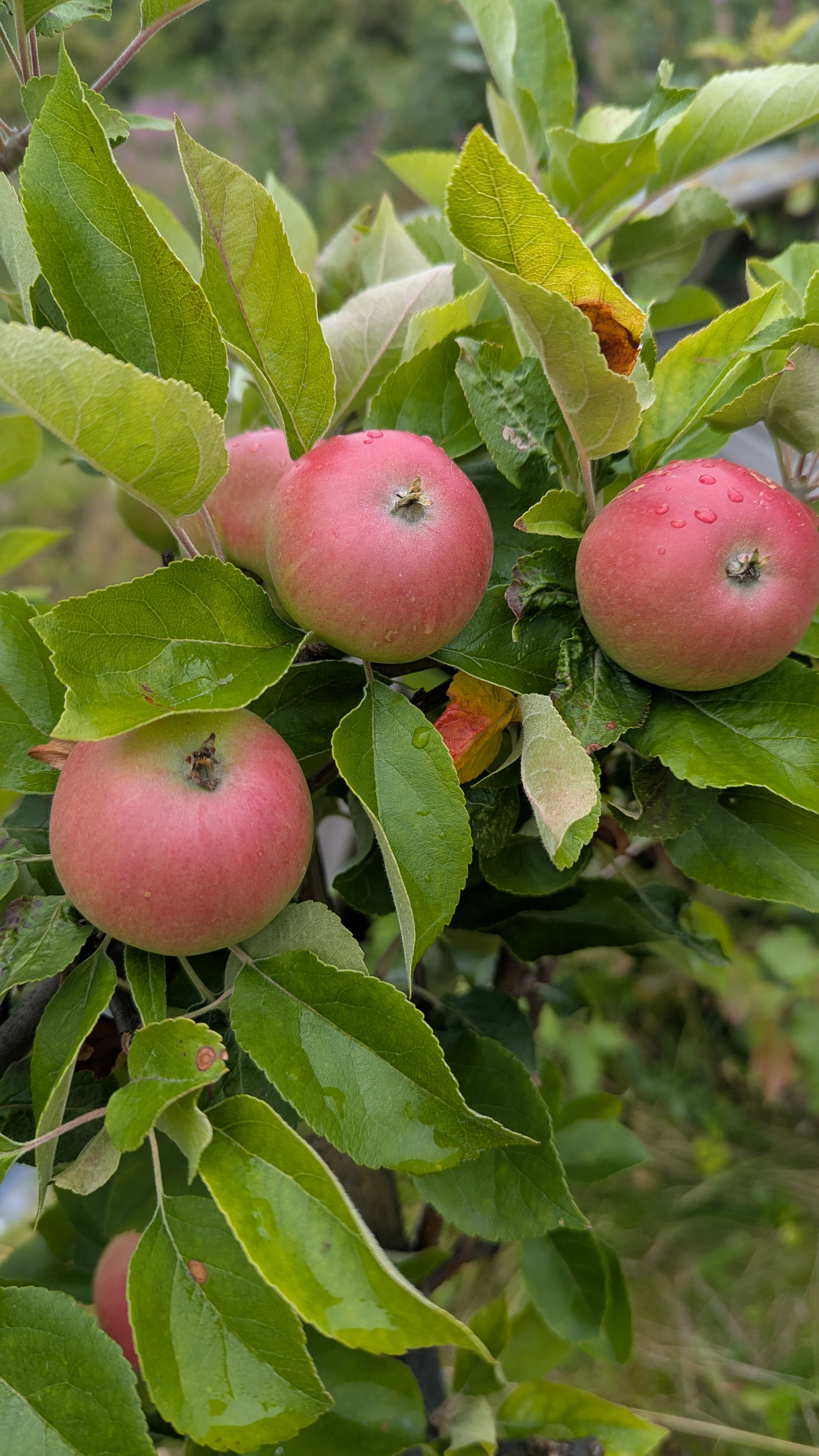
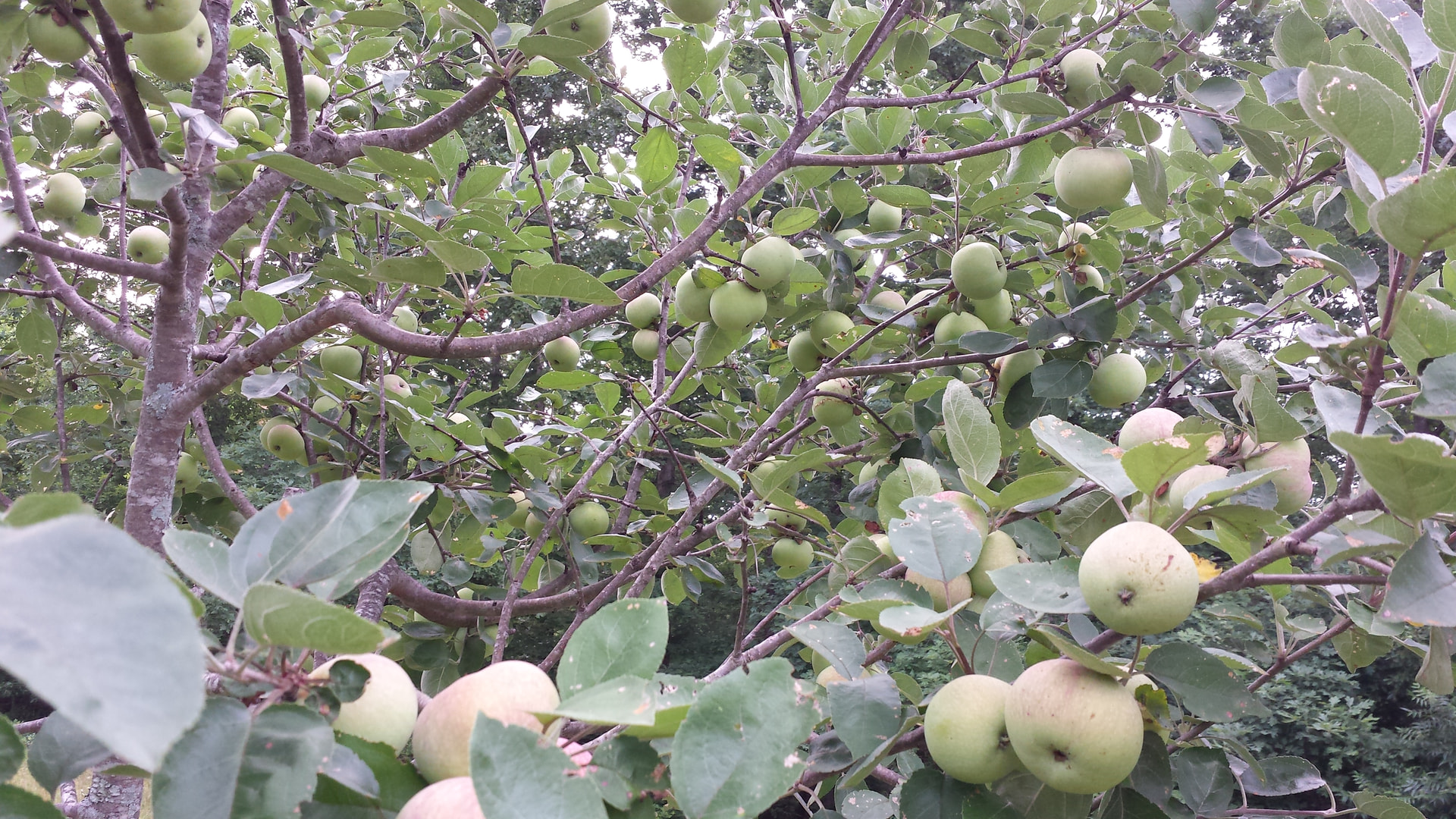
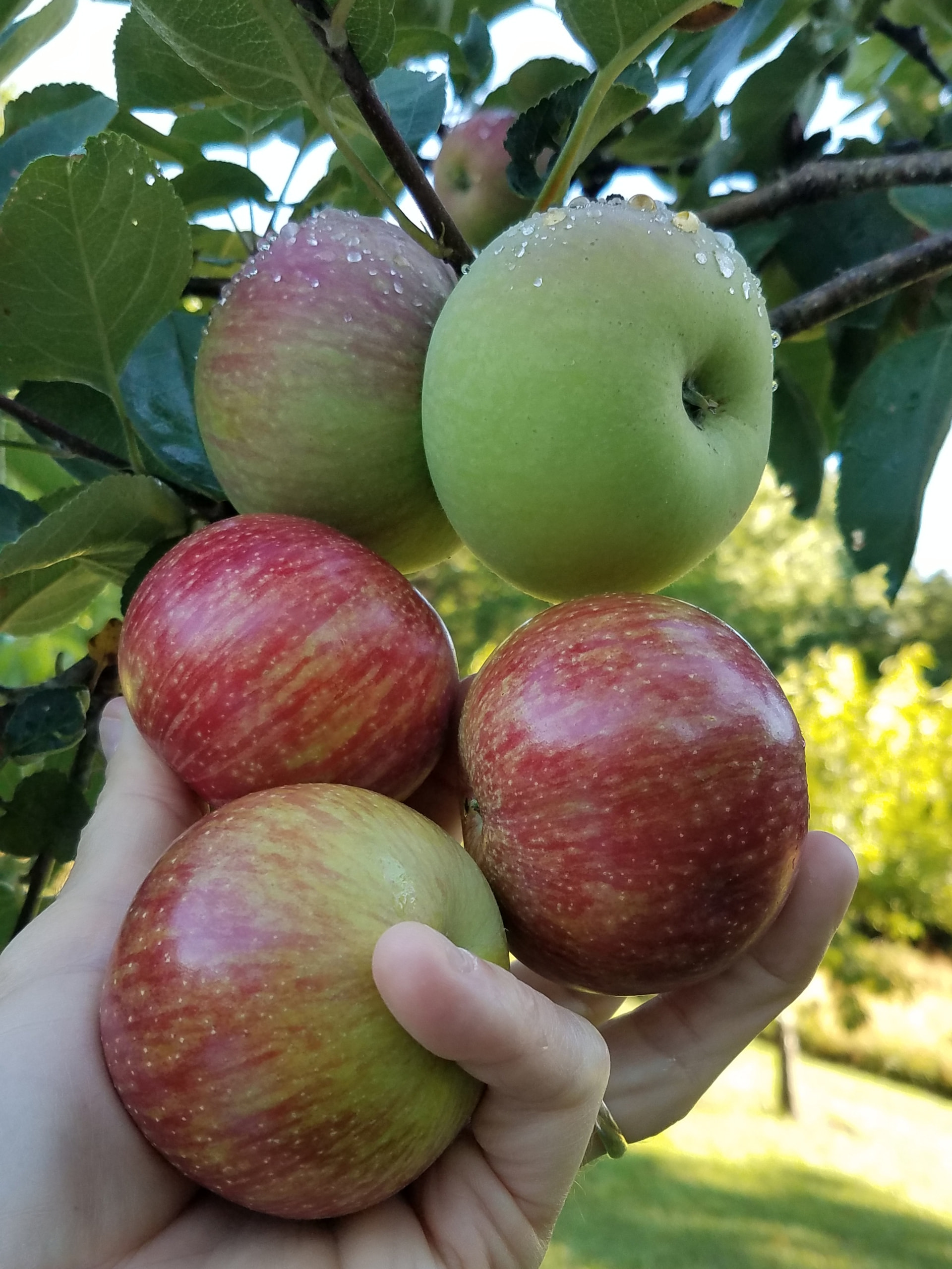
My neighbor has a soft skinned green apple variety, Transparent Blanche. His apples are more frequently infested with worms.
I have two red, firmer skinned varieties, Discovery and Summerred.
To the point of trap crops, I have had Tansy and Goldenrods that were overrun with aphids, growing close to my plum trees. And I have thought that having these plants close, keeps the aphids from attacking my trees. But I cant help but think that it also gives them easier access, and somewhere to multiply..
“Keep your friends close, but your enemies closer” does not sound to smart when growing fruit and vegetables..
I do worry about that with the honey berry bushes tips being the first green aphid vector in the garden and then they filter out to the new growth on apples after having had a decent early starting point for the season.
Another pro to having a diversity of wild plants surrounding your garden/orchard, is that hopefully it creates habitat for the creatures that eat the pests as well?
Less fluctuation in pest pressure when there isnt a monoculture in both what you are growing, and what surrounds the things you are growing?
The tansy and goldenrod observation is interesting. I’ve noticed something similar with umbellifers near my plum trees, they seem to pull a lot of the aphid predators in and keep things more balanced. Hard to say how much of it is the trap crop effect versus just generally better habitat for beneficials, but the correlation is there.
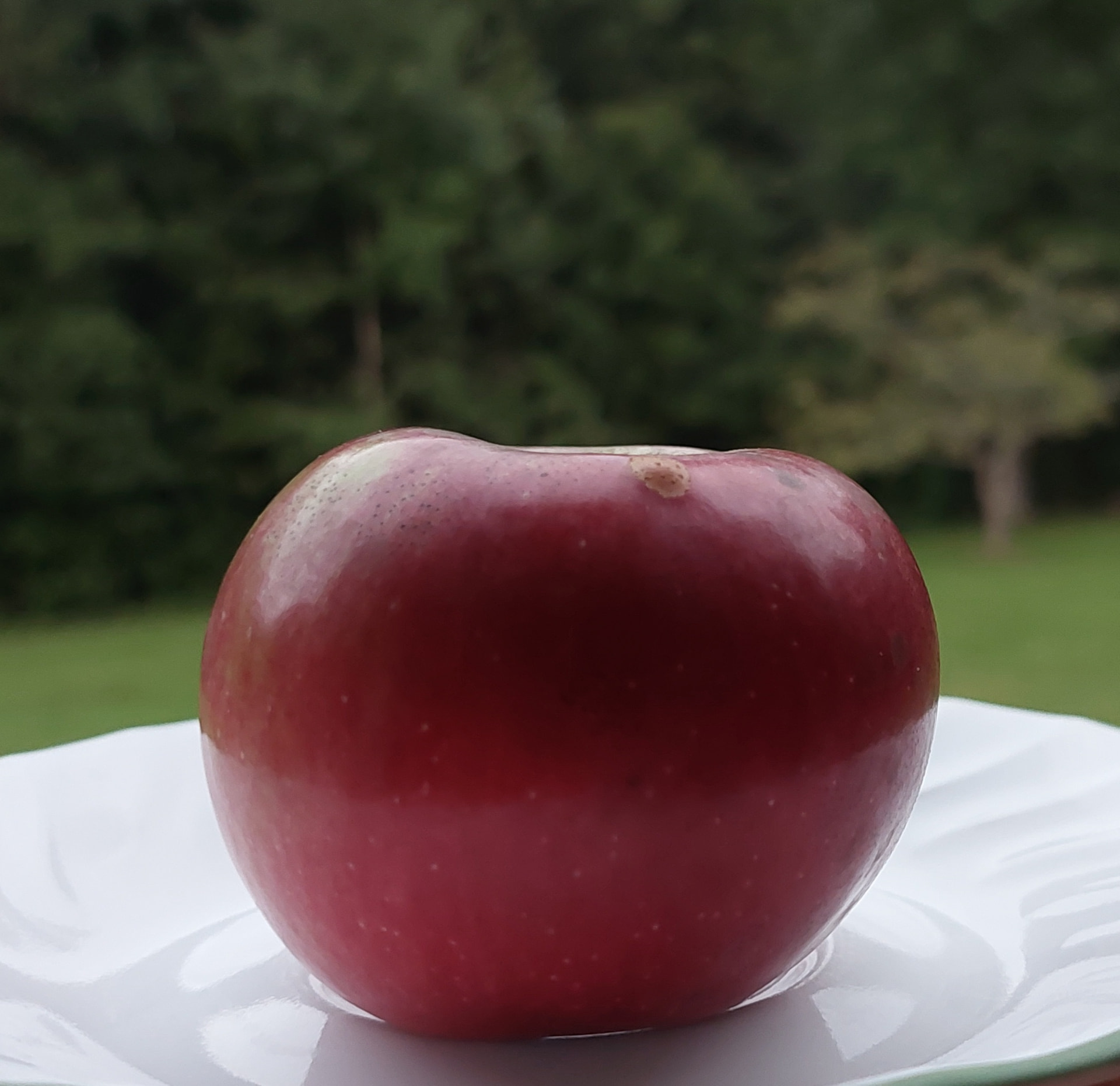
This one was from 2021… same thing.. no spray and no pest at all… perfect beautiful apples.
Now days I use CM traps… (containers with a mix of half molasses and water) one for each scaffold branch… and I get some really good results more often.
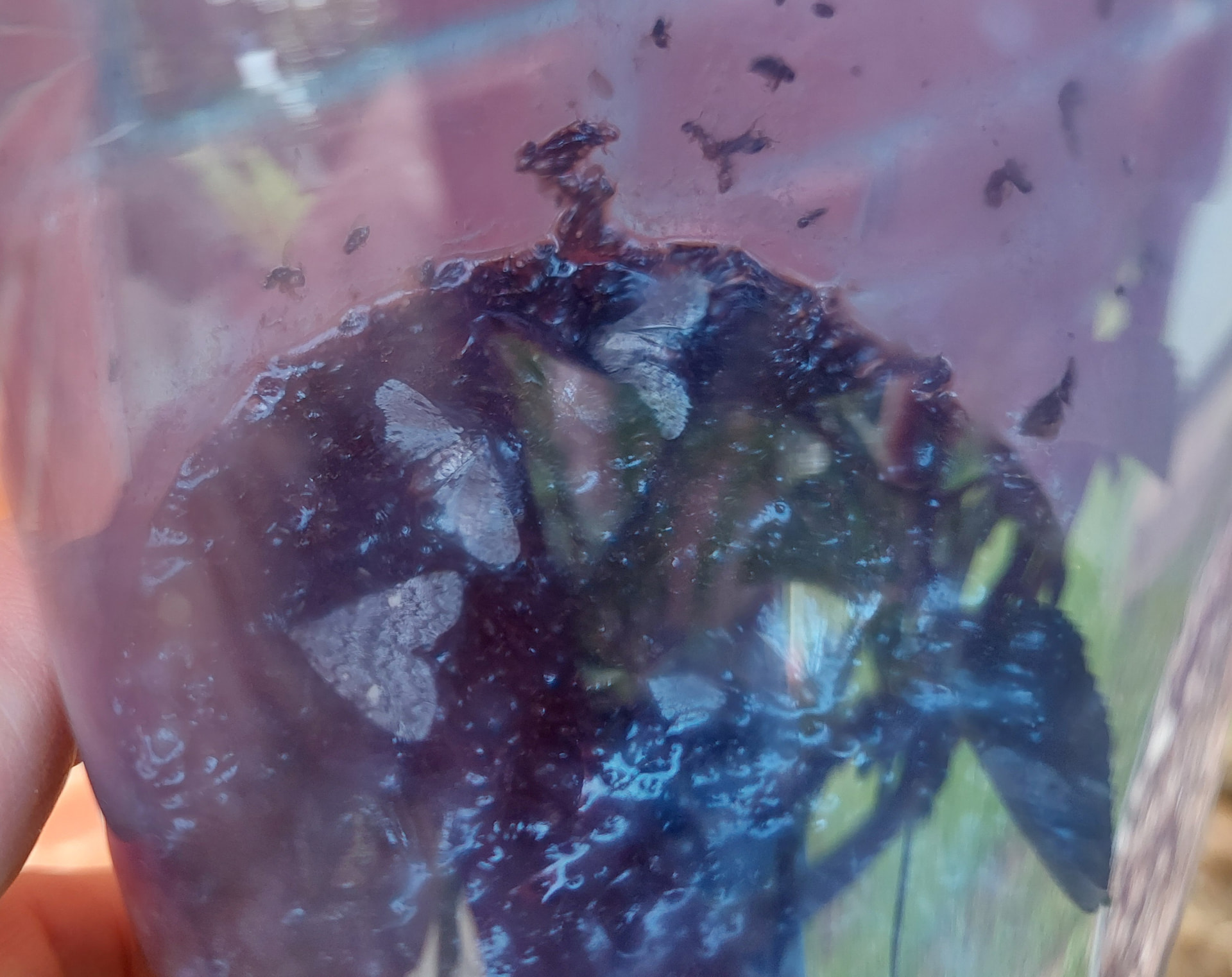
The traps will be full of CMs… and my apples look like below..
@Gardener2… Stefon at Miracle Farms (youtube)… has a video on the CM traps. That is where I got the idea.
He uses the plastic oil containers.. like you would get a quart of oil in.
He says they hold up well… last for years.
I am using some cheap plastic containers I found at Walmart.
Around the top of the container wall.. I drilled 3/8 inch holes.. 4 of them.
That let’s CMs in but keeps many other pollinators out.
A simple mix of 50/50 molasses and water and fill the container 3/4 way.. then simply hang it in your tree. I have found that 1 on each scaffold branch that is bearing fruit works well.
Less may work.. but I only have 3 apple trees so I will keep doing one per fruit bearing branch.
Did you notice anything different on those “good” years?
Unusual weather, or like me this summer, native wild trees having a good year?
Argyresthia conjugella (Apple fruit moth), prefers the Rowan-berries, according to online sources. And in years where there are fewer of those, they attack apples instead.
That said, we also had a late spring, with freezes into early May. Followed by a warm, dry June. And then an even warmer, drier July.
Maybe that type of weather is bad for the moths, and ideal for the Rowan trees.
Whatever the reason is, it is interesting, and very nice
@Broadway.. in those years when I had very clean apples with no spray, no traps (nothing).. I did not notice anything different.. but kept thinking to myself something must be different this year.
I wish that happened more often.
In the last 3 years I have been using the CM molasses/water traps and have had a high % of clean apples each year.
The traps are full of CMs and lots of other similar and smaller sized critters.