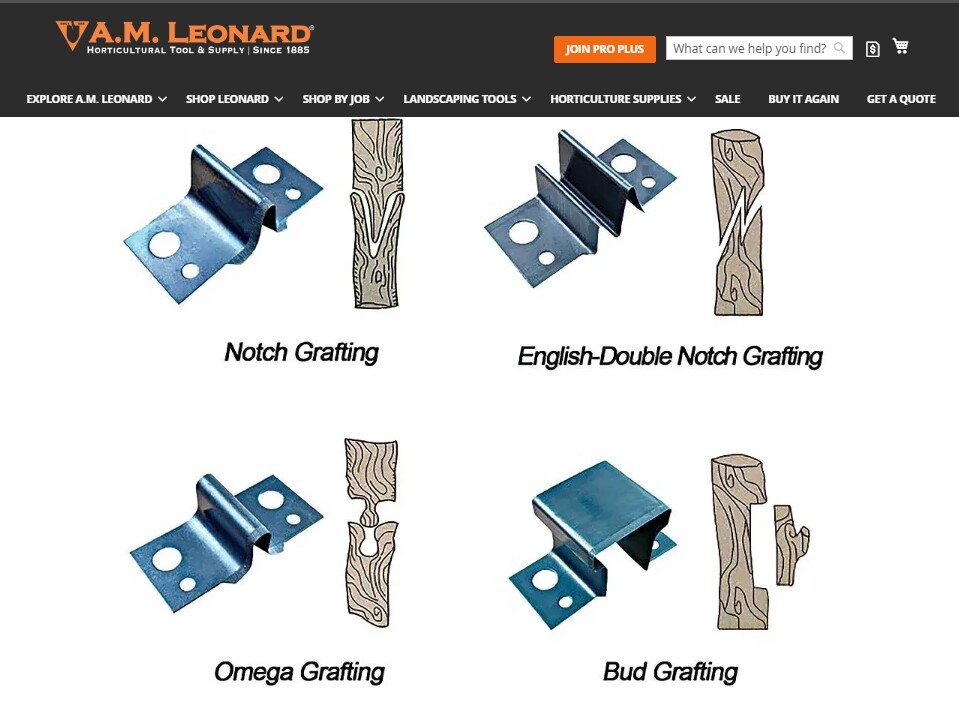
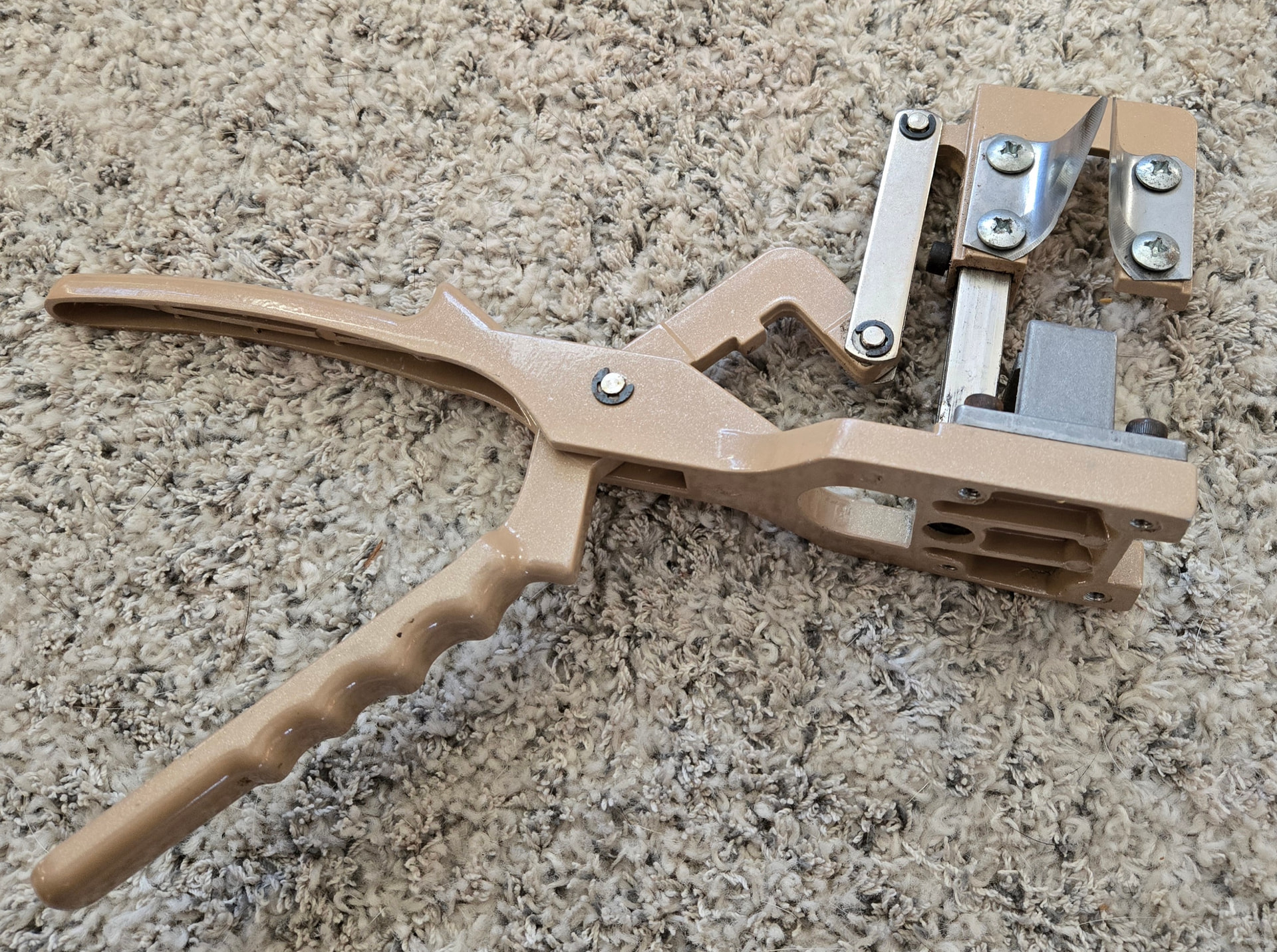
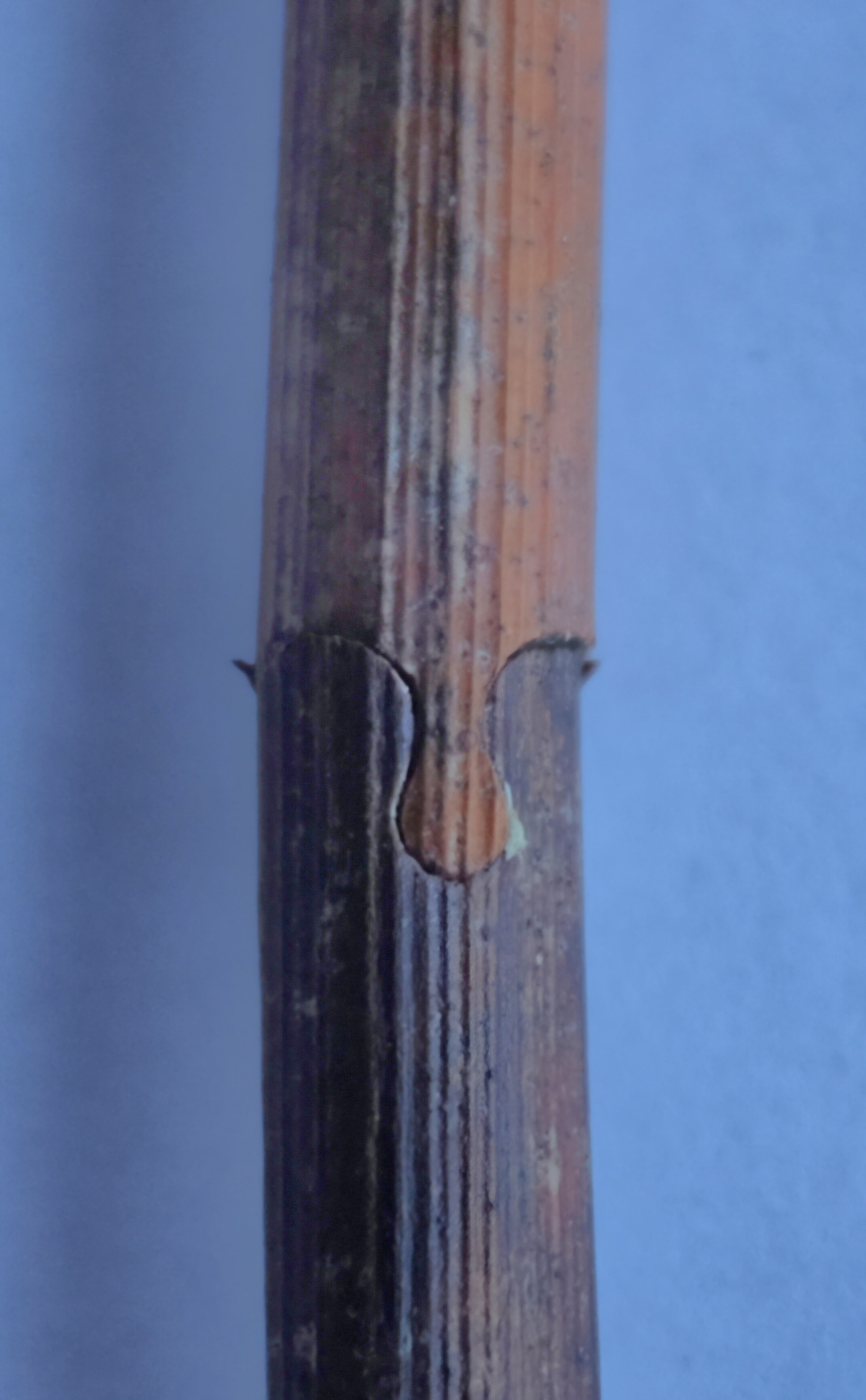
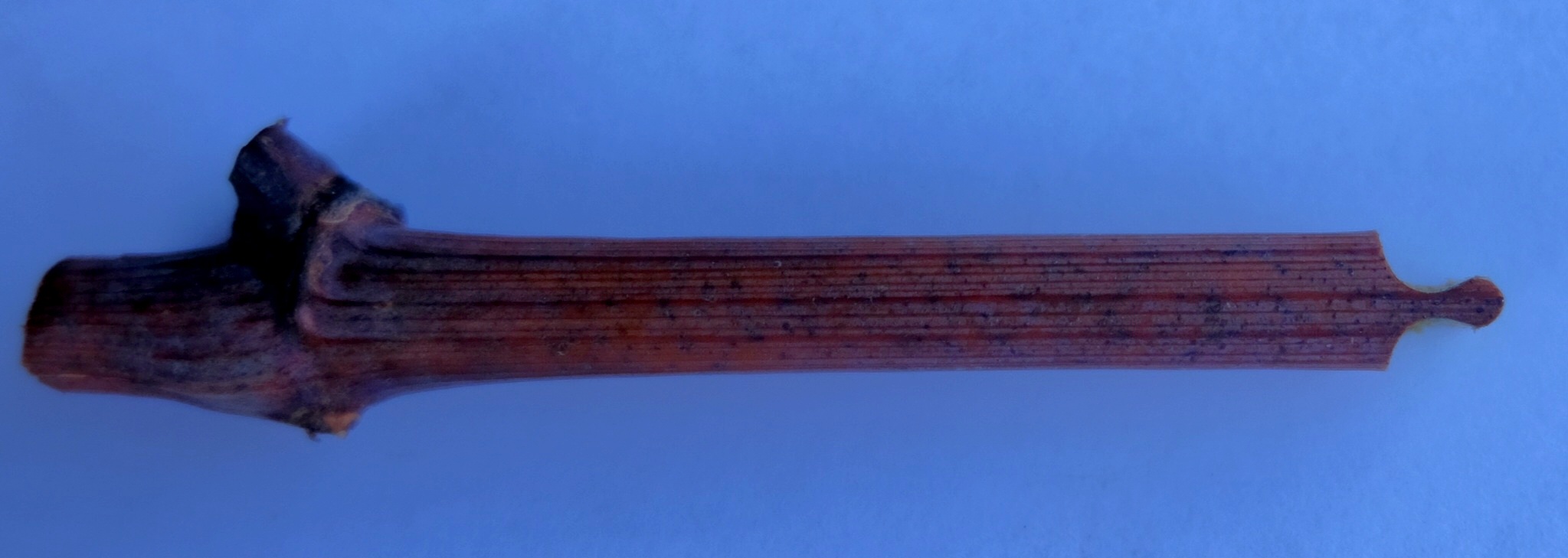
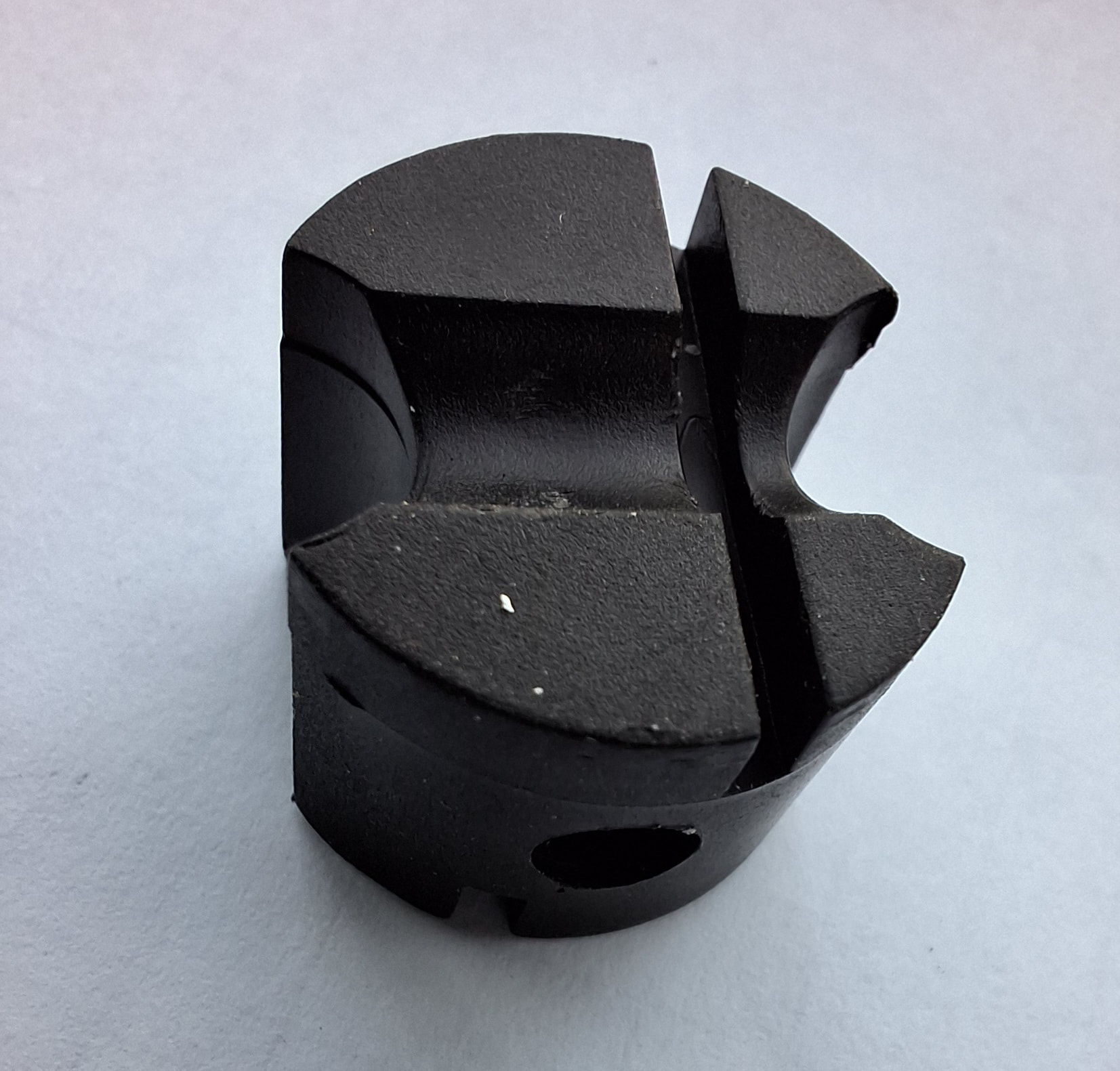
I’m not a grafter, so just because I didn’t know about them is not a big deal. I like to thumb through the Leonard catalog to learn things, so last night I learned they existed.
Have you used one? Is it better than a knife or not as good?
What about all the crazy cuts? Can you get by with one style of cut or is it a personal preference thing? Or do you need different style cuts for different varieties of trees for best results?
I’ve leaned on one the whole time. Having a sharp clean cut is important so being able to sharpen the blade is a concern for me with all of those neat shapes. Otherwise it is a helpful tool. I plan to build my ability to graft with a knife going forward since that is very useful, but on high value scions im still leaning on my cheat tool. Its basically a field bench grafter.
I got a similar one on Amazon a few years ago. I use the “omega” shape and it works very nicely IF the Scion wood is the right size (pencil width). It is not very adaptable to larger or smaller or unevenly matched sticks.
That was another concern with shapes. There have been plenty of times with small scions where even the simple two blade triangle mine has is oversized. In that case knife skills would be best.
I wish the blades sit together better but at least they are easy to sharpen.
I got one for my birthday and do not like it as I thought I would. Unless you have seriously large 1/2” caliper wood it is too large. And it is not that strong.
I use my elcheapo Chinese tool more.
But since I found some razor shears; I rarely use either.
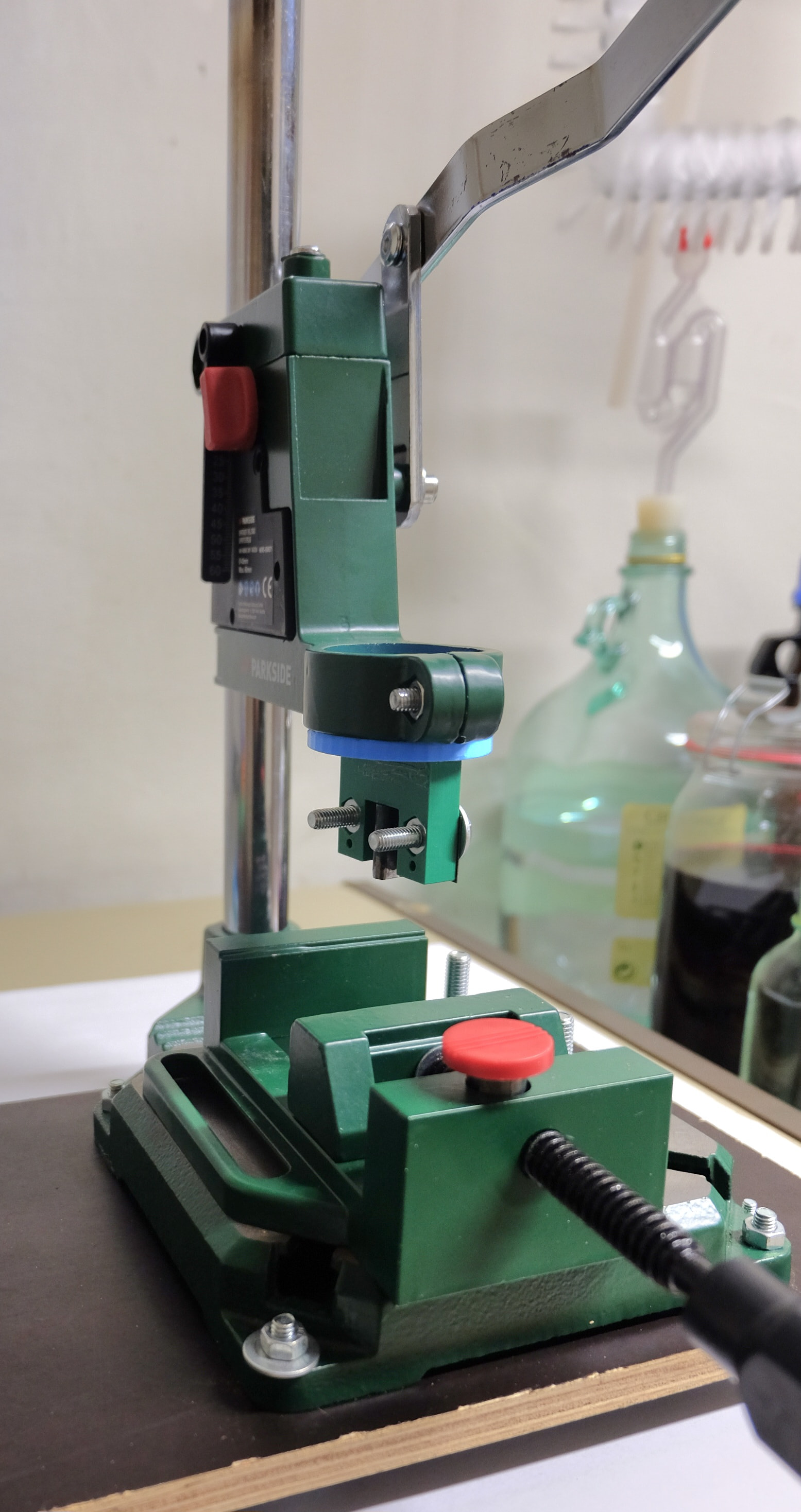
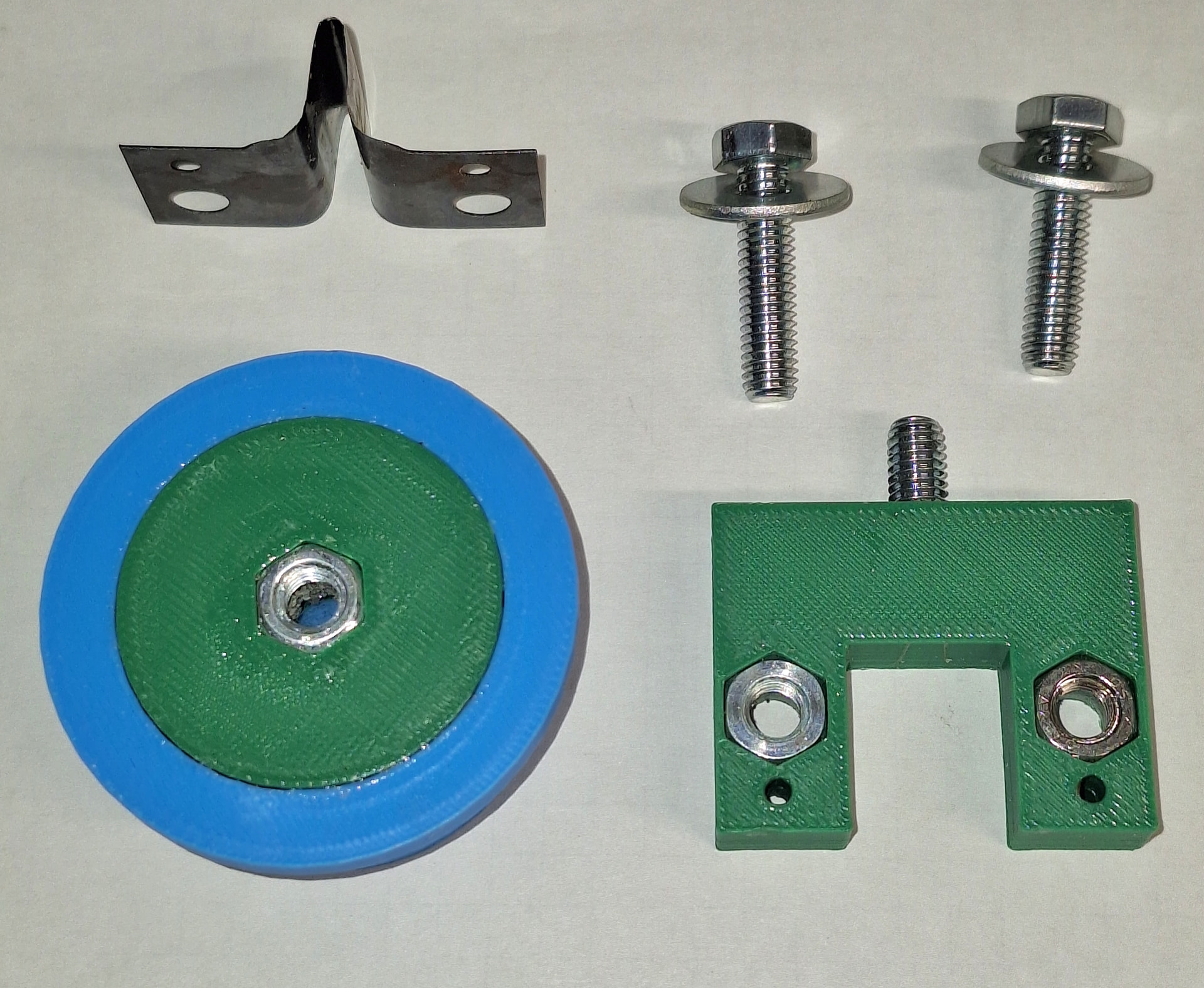
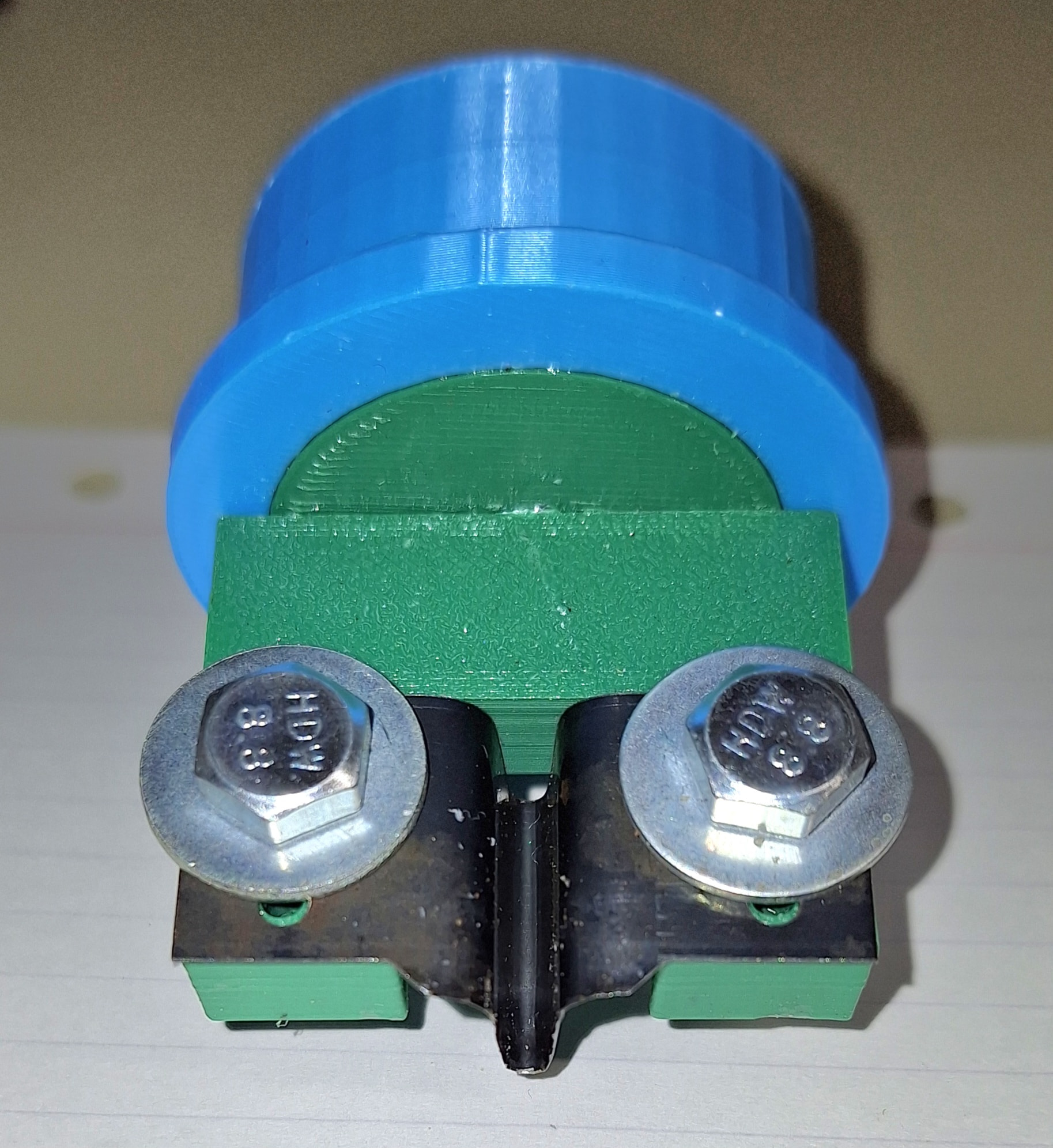
Many years ago, I also bought this A.M.Leonard grafting tool. In the beginning, I didn’t have much success with it. After sharping the blades with a high-grit grinding tool, the results were much better. But I use it only as a bench grafting tool. So I decided to change the setup into a real bench grafter. I bought a small drill stand, and with a 3D-printer I made a die holder and some blade-holders.
Drillstand with a bladeholder fitted (without die-holder).
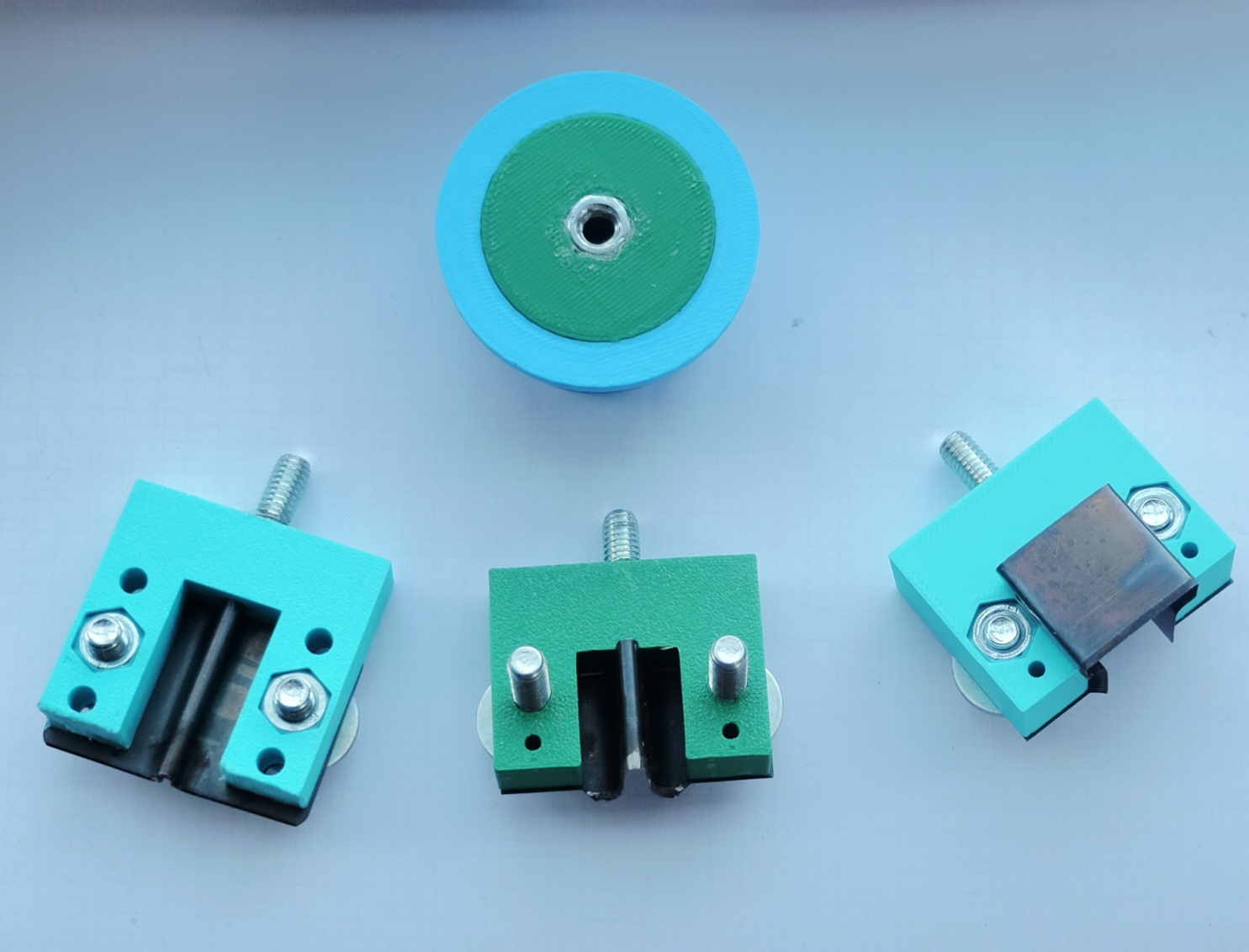
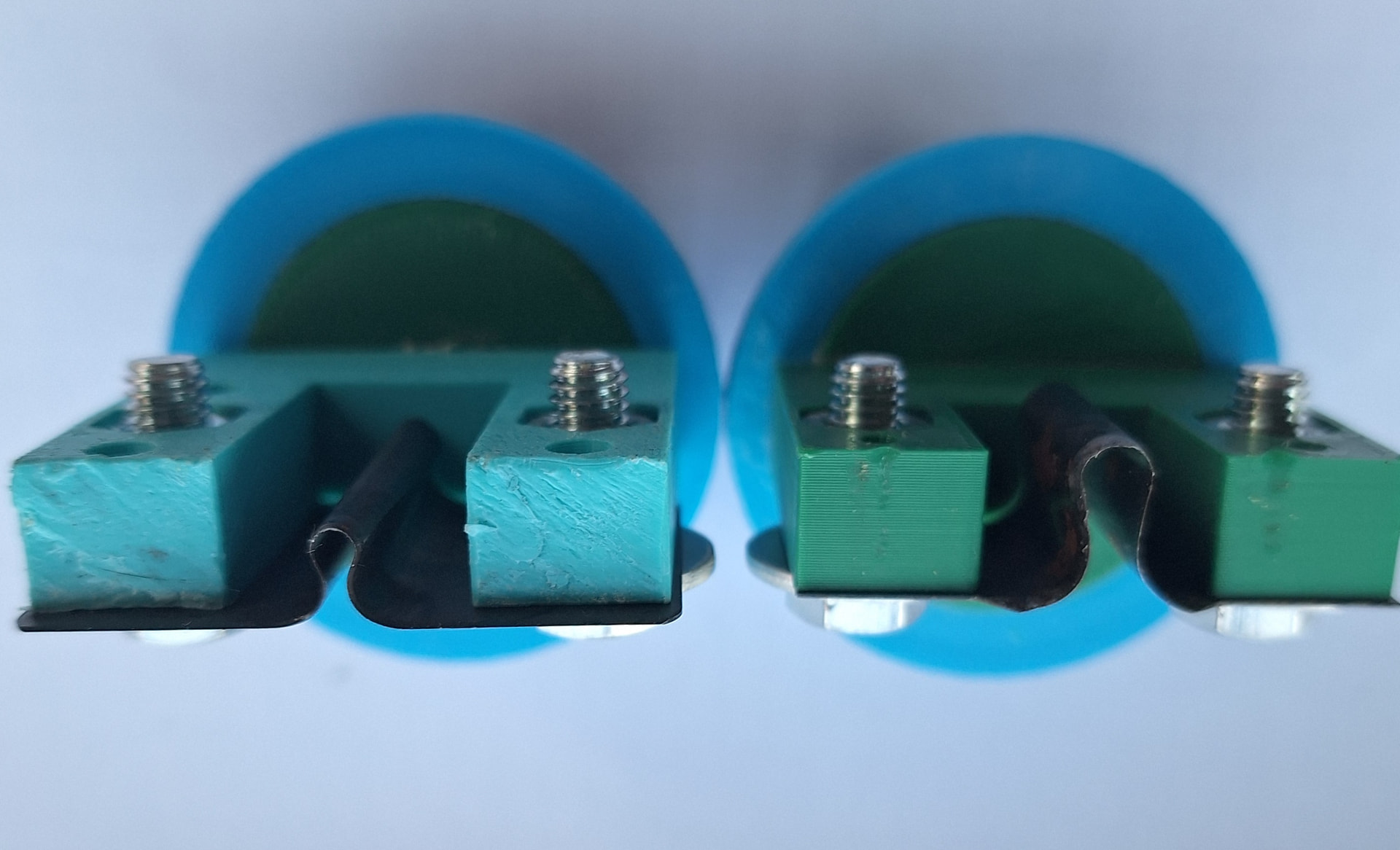
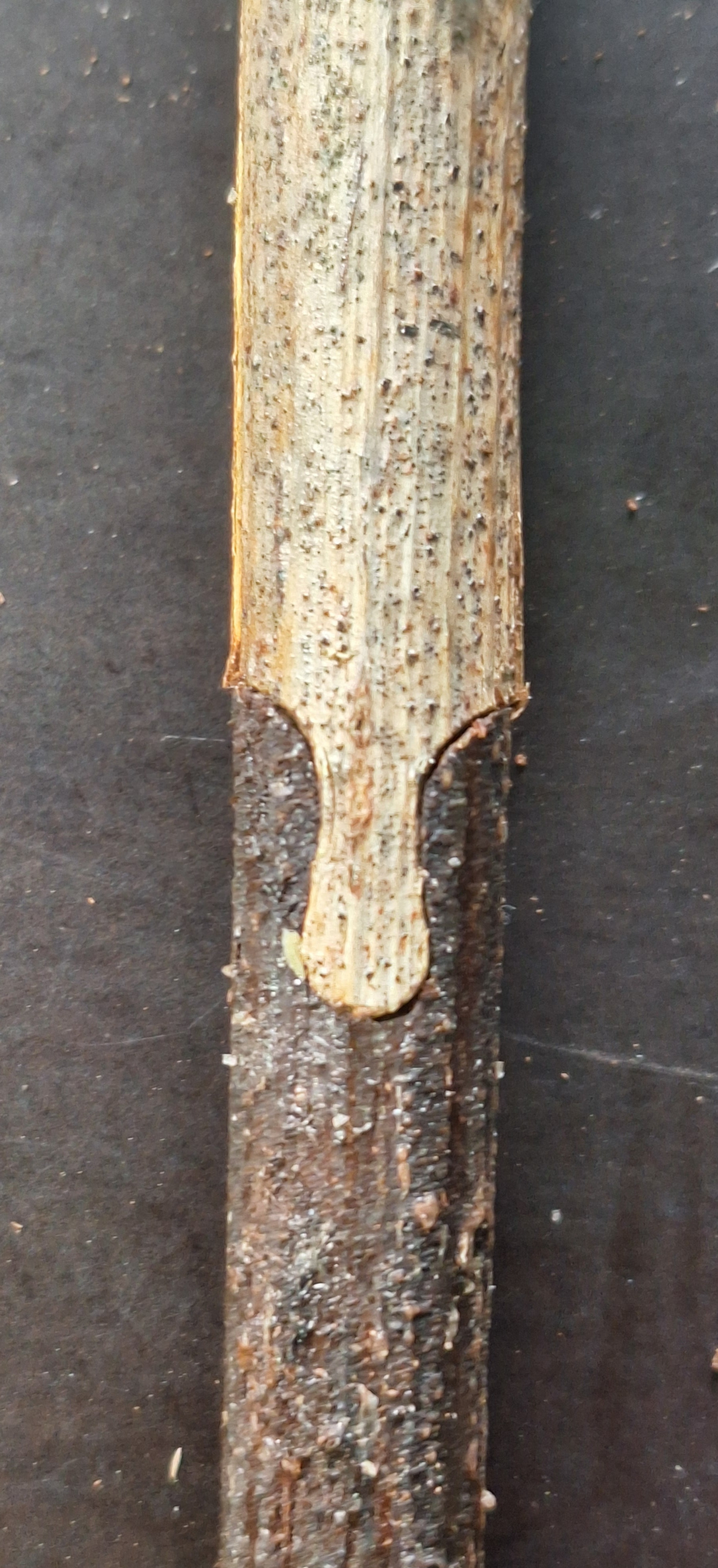
As already said in some replies above, the blades are not suitable for thinner scions and rootstocks. Since my setup with the drillstand works very well, I decided to order professional spare omega-blades and a die (see Omega-Wahler grafting machines). Printed some new blade- and die-holders and now I can make very sharp omega-cuts, even in 5 mm scions (rootstocks). See the difference of the omega-blades in next picture. Left, you see the professional blade, right is the blade of the Leonard-tool.
I have the one AM Leo makes and a cheap one from Amazon. The AM Leo one cuts better, but the cheap one is much lighter and cuts ok too. I find myself using the cheap one most often. We had a conversation about it a few years ago here:
And here:
I think you will find the last link especially enlightening. It’s the thread where @Barkslip shows us how he altered a cheap tool to upgrade it.