me too, and maybe some varieties do, I just never tried any Physalis grisea berries at all.
1 Like
I have wild groundcherries here in Kentucky. They aren’t my favorite, but it’s edible. It’s mainly the tomato like texture I don’t like. Raw tomato are just gross.
they do a little bit. tart sweet.
1 Like
uh… idk what tomatoes you are eating but groundcherries are wayyy more drier than juicy tomatoes, I supose maybe the more fleshy/meaty tomatoes you are comparing wild groundcherries? Groundcherries have a similar texture to Tomatillos x Pea.
I think I know exactly the type you’re talking about, NEVER going to grow those ones ever again after tasting the pure tropical goodness of other varieties xD
1 Like
Idk either….. they taste good but have the texture of a watery cherry tomato.
@ThisIsThatGuy and @Professor_Porcupine
They are just wild ones that grow random places in the yard. I’ve never actually had an “improved” or tropical variety.
There are some stores that sell them sometimes, it is your MISSION to find them xD
1 Like
Interesting… I don’t think I’ve ever heard of any Groundcherry (Physalis spp.) that is this juicy or watery. I didn’t think it was possible for the genus.
Unless you are talking about Black Nightshades (Solanum nigrum complex)?
1 Like
I’m not, but I’m also not sure what species it is.
They don’t get very tall. Maybe 12 inch and below? I’ll try to take photos this year
2 Likes
Good idea!
i feel like all of the ones ive had from the store have wet bursting texture like a cherry tomato
2 Likes
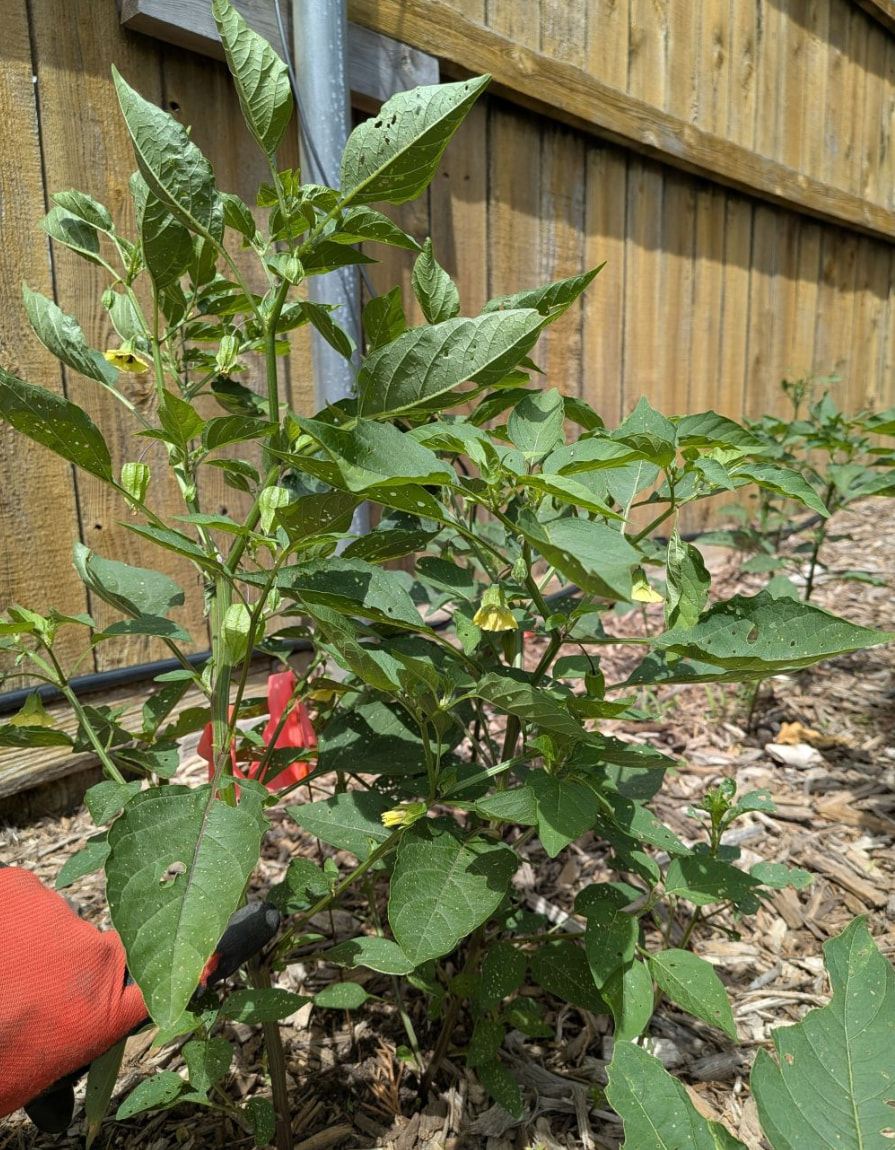
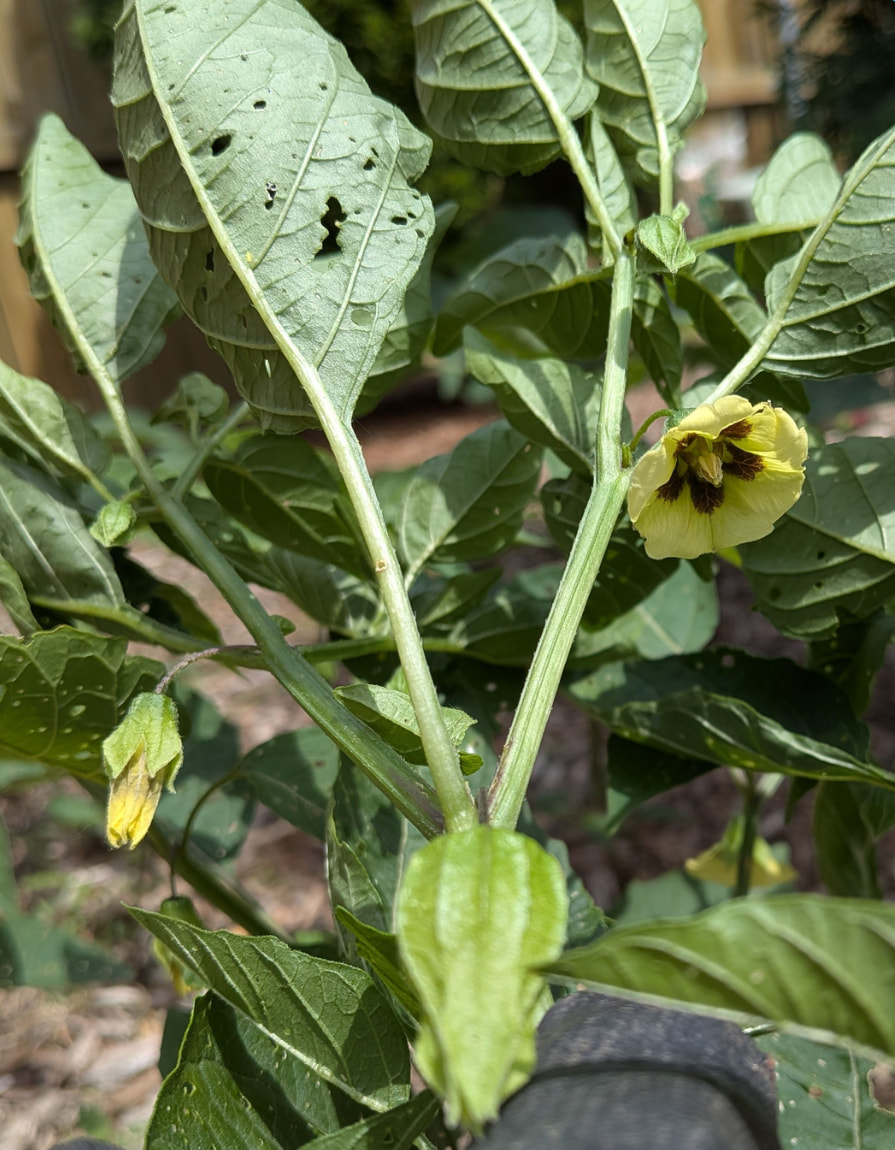
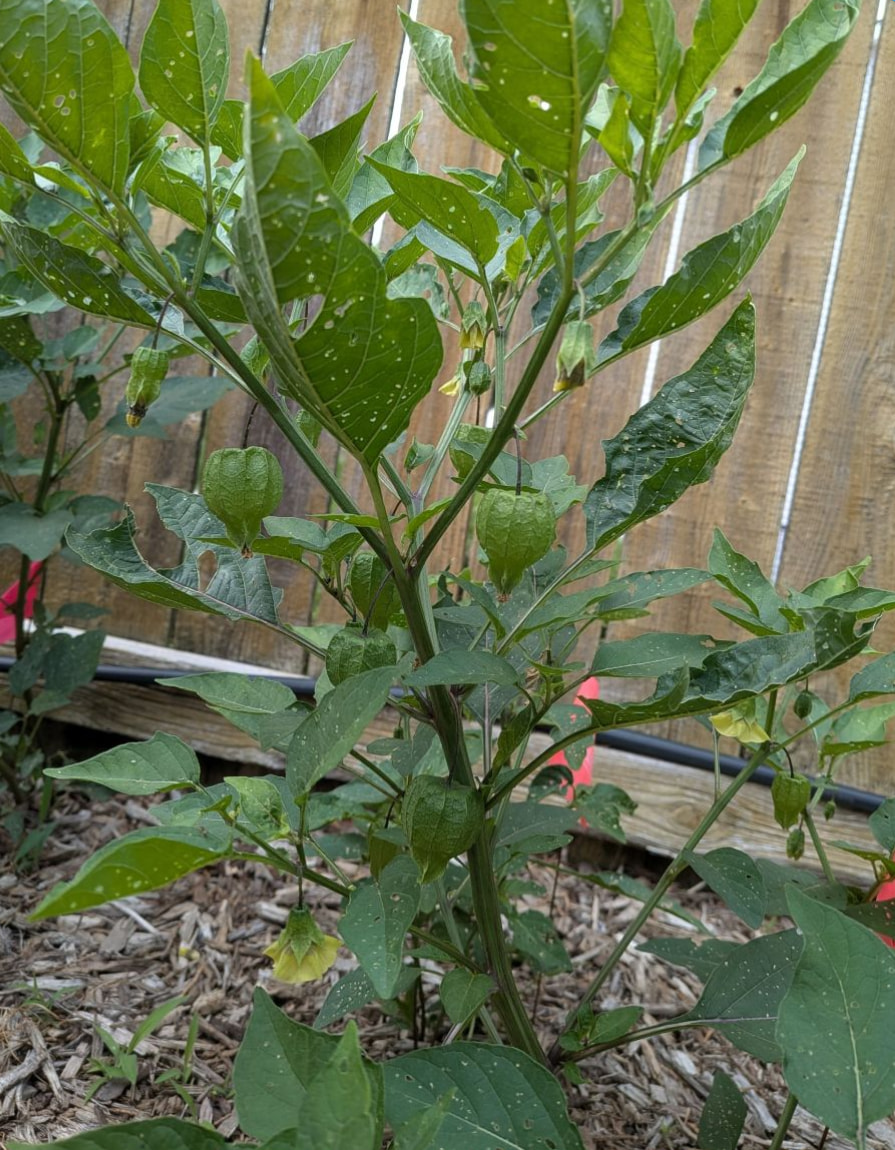

Yup! You 100% have Physalis longifolia var. longifolia because the hairs on the flower calxy all point in 1 direction (anthrose) and it’s var. longifolia because the anthers are yellow (I don’t see any purple tinge on the anthers).
Is this plant from the Eastern U.S.? var. subglabrata is found on the eastern side of the U.S vs var. longifolia more on the western side.
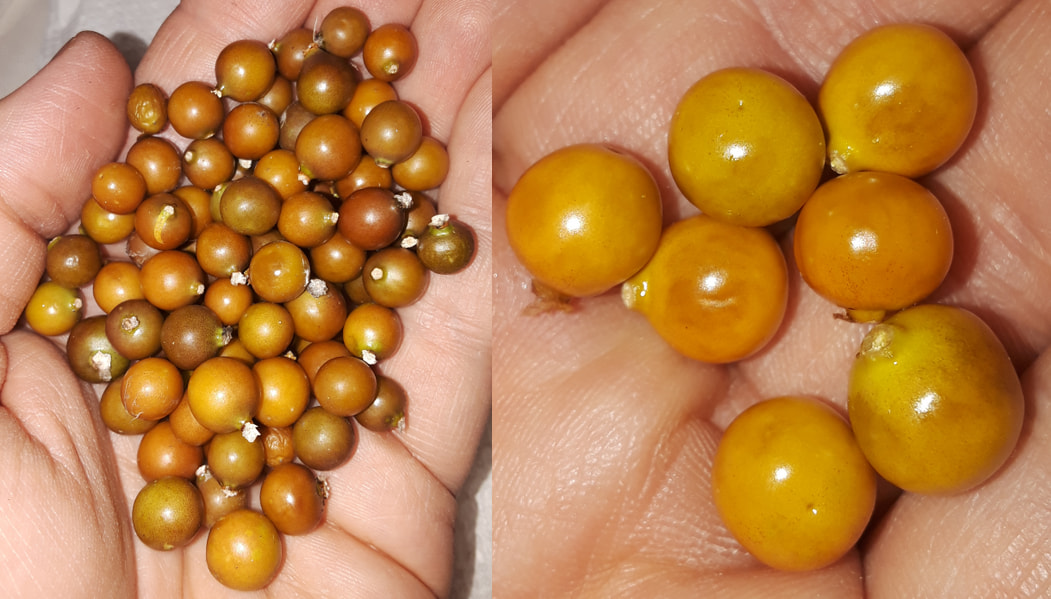
Also definitely take photos of the ripe fruits & berries. I’m curious what the fruit color of var. longifolia is because my populations of var. subglabrata came in 2 pheotypes, an Deep Bronze-Orange type that taste like Maple-syrup flavored groundcherries (left) VS a Yellow-fruited phenotype with more brighter lemony flavor groundcherry (right). Both are P. longifolia var. subglabrata but ripen at different times & taste different.
4 Likes
tried to get you some more closeups of a couple different stages:
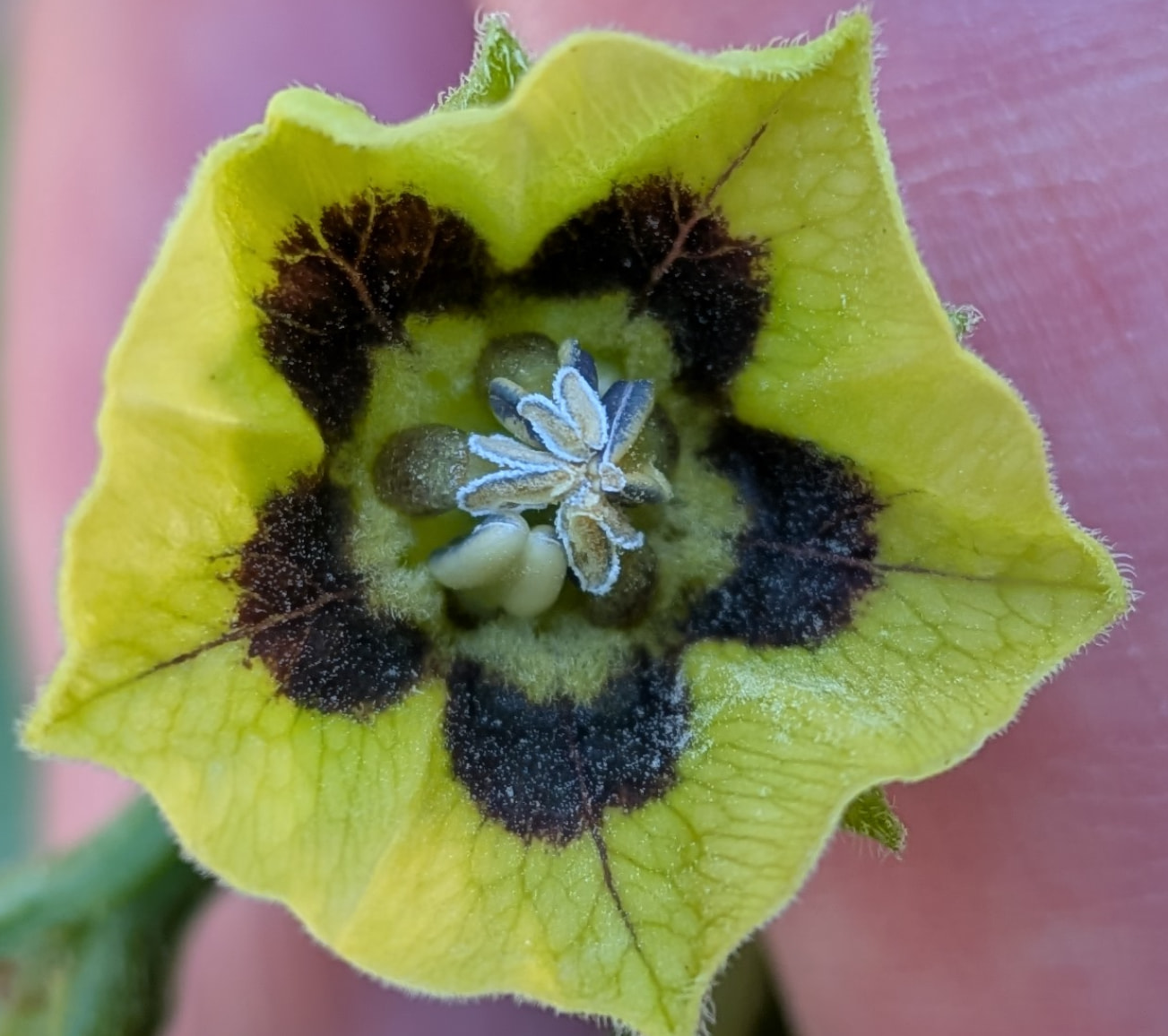

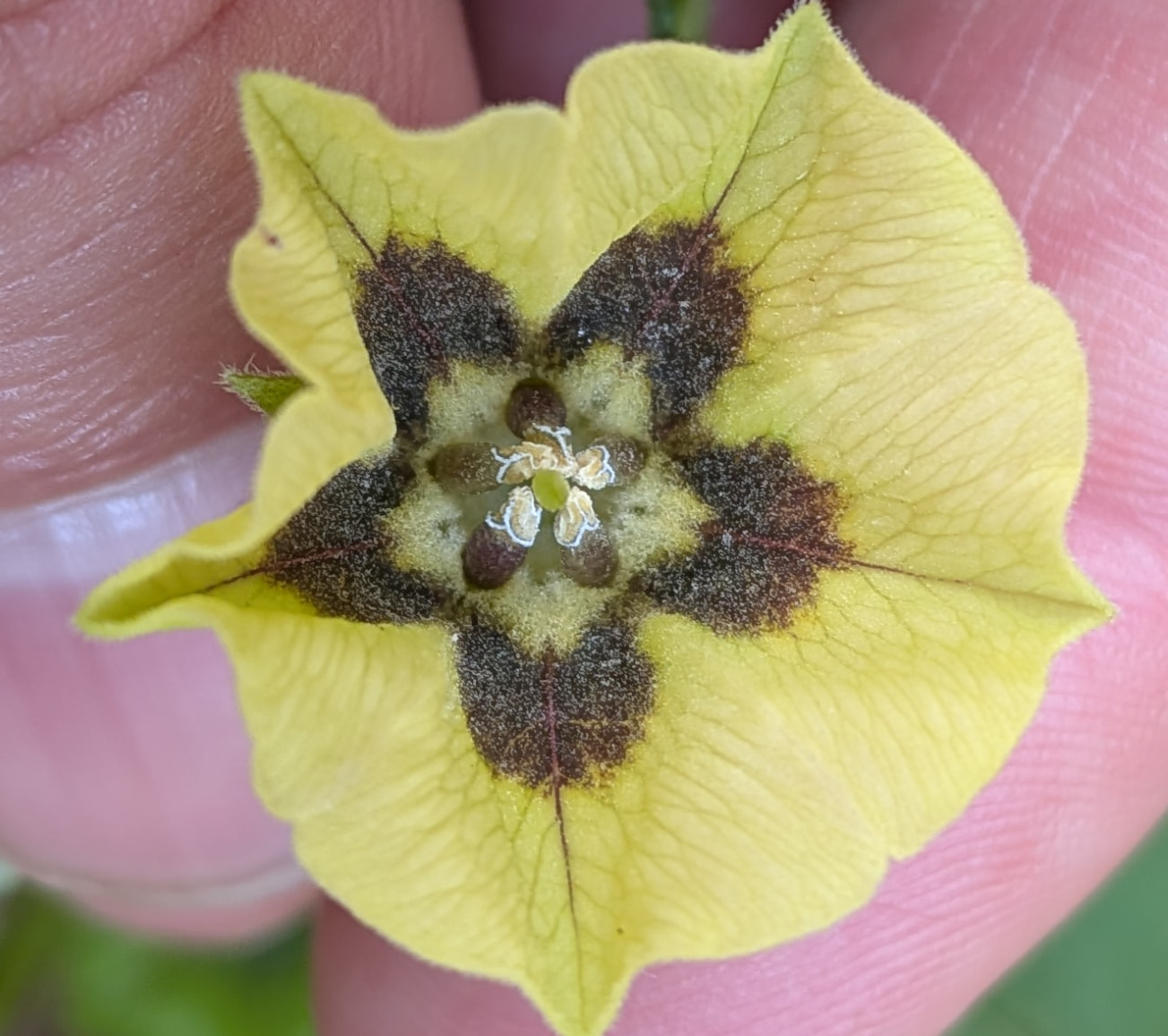
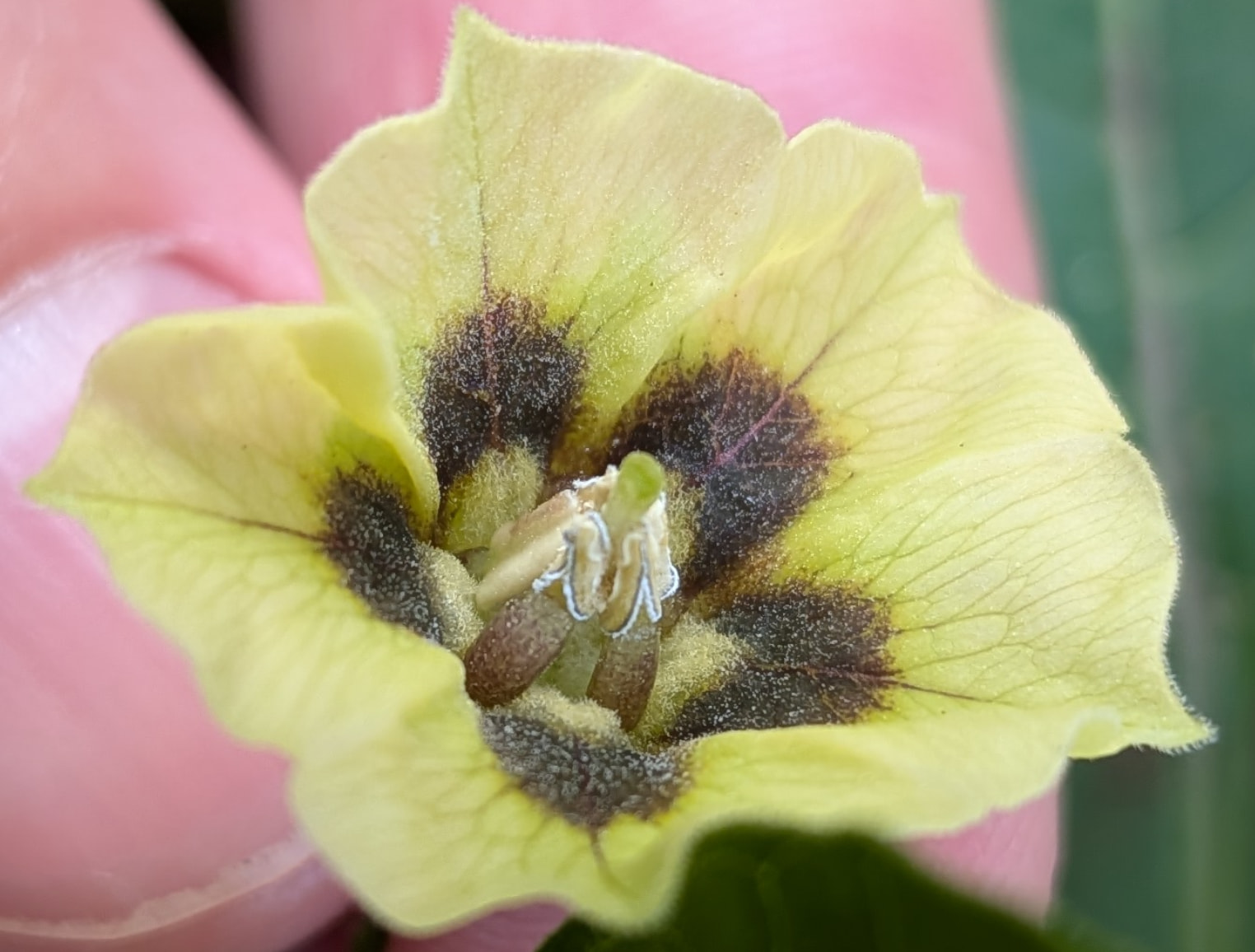
im in central iowa so more west.
will do.
1 Like
WOW! So it seems you have both var. longifolia & var. subglabrata (Maybe this is a hybrid between both types)?
The 1st photo with the blue/purple stamens is var. subglabrata however all the other 3 are var. longifolia. Are all 4 pictures from the same exact plant or 2 seperate plants growing near by? also all of them are fantastic photos!
You’re more likely to have var. longifolia to be more common. However var. subglabrata might still be found just far less common in your region.
1 Like
they are of different plants or flowers at different stages.
the plant app said longifolia iirc.
Ah that explains why the 1st picuture has purple tinged anthers vs the 2nd picture has fully yellow anthers. This means you have both var. longifolia & var. subglabrata! Congratz you got excellent Physalis longifolia diversity!
3 Likes

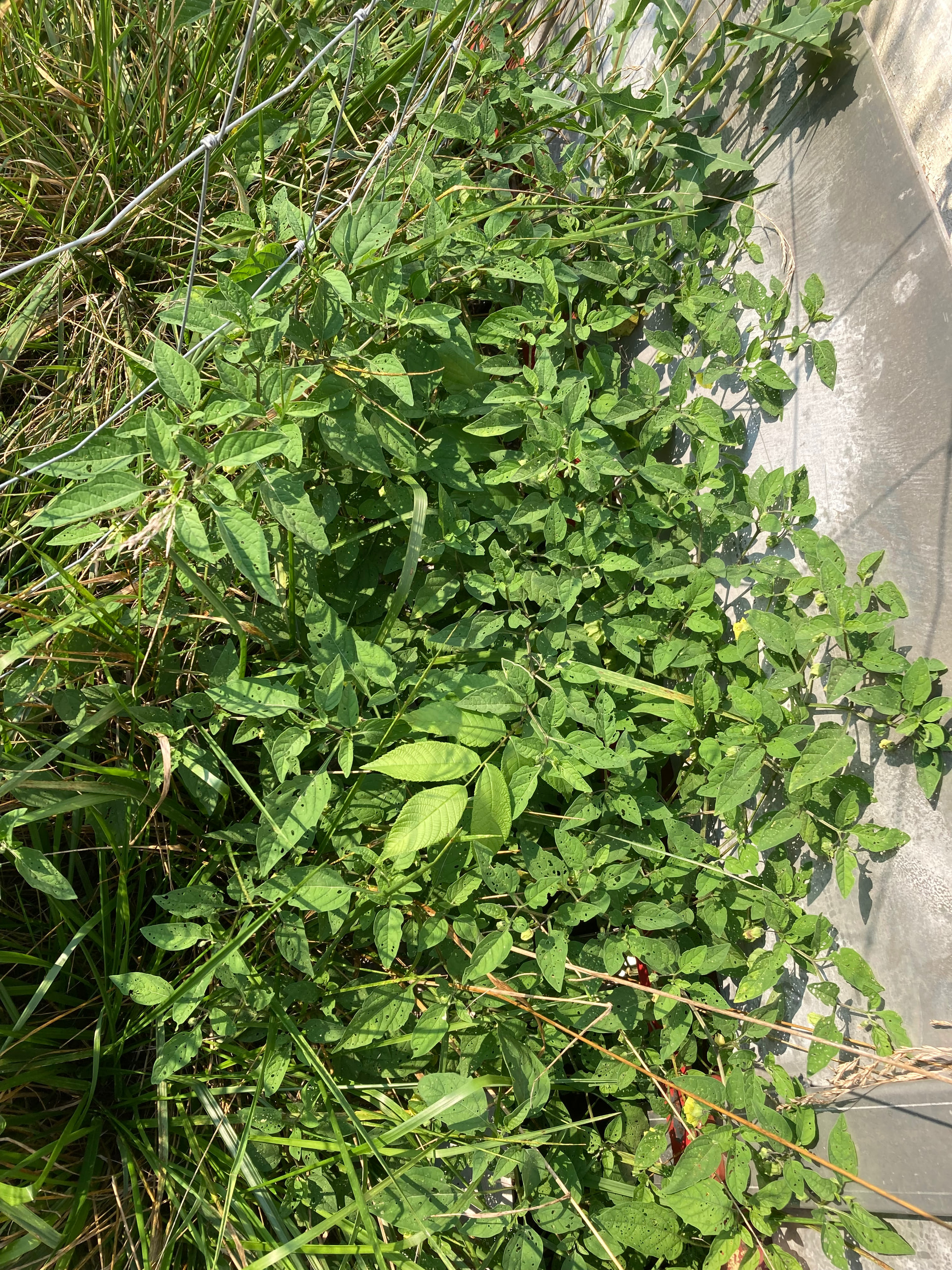
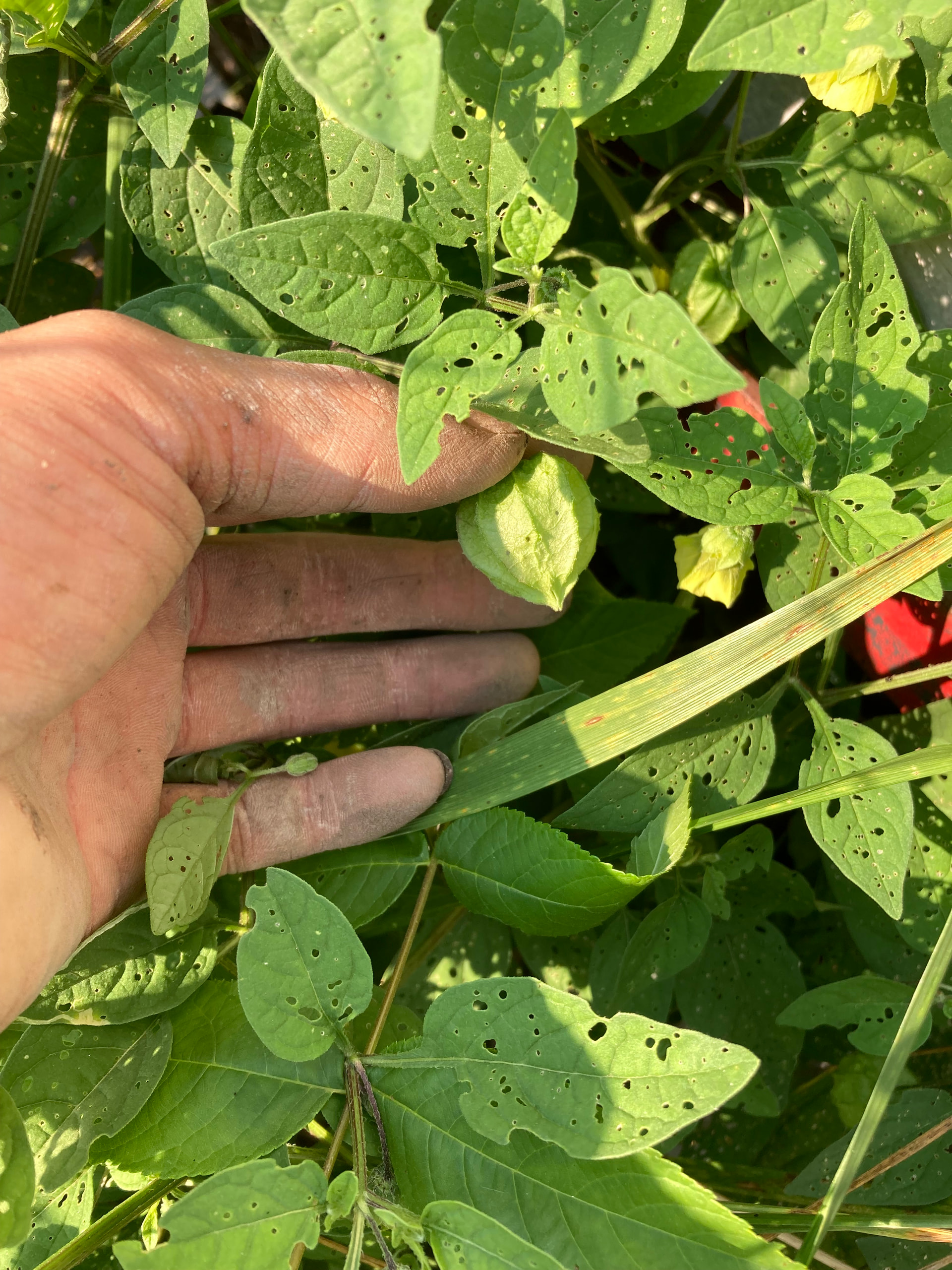

So yea I found out recently that you can actually clone these things 
Keep them in your seed starting areas and just snip them down and/or take secondary clones from them to avoid getting root bound over the winter and then you’ll have a nearly unlimited number of fully mature plants to put in the grounf after frost passes 
Will probably post pictures of my own huge plants, too tired right now.
4 Likes
They seed themselves reliably in zone 6 here, usually come up once the soil warms. The plants start slow but once they hit their stride mid-summer they’re pretty prolific. Worth giving them more space than you think they need, they sprawl a lot.
1 Like