I guess it depends on what is old and what is new. Figs produce fruitlets even as they grow.
Loquats wait until the branch is fully mature. So that’s atleast 6 months. But it is current seasons wood.
By that reasoning breba fruit are produced on current years wood in South Florida.
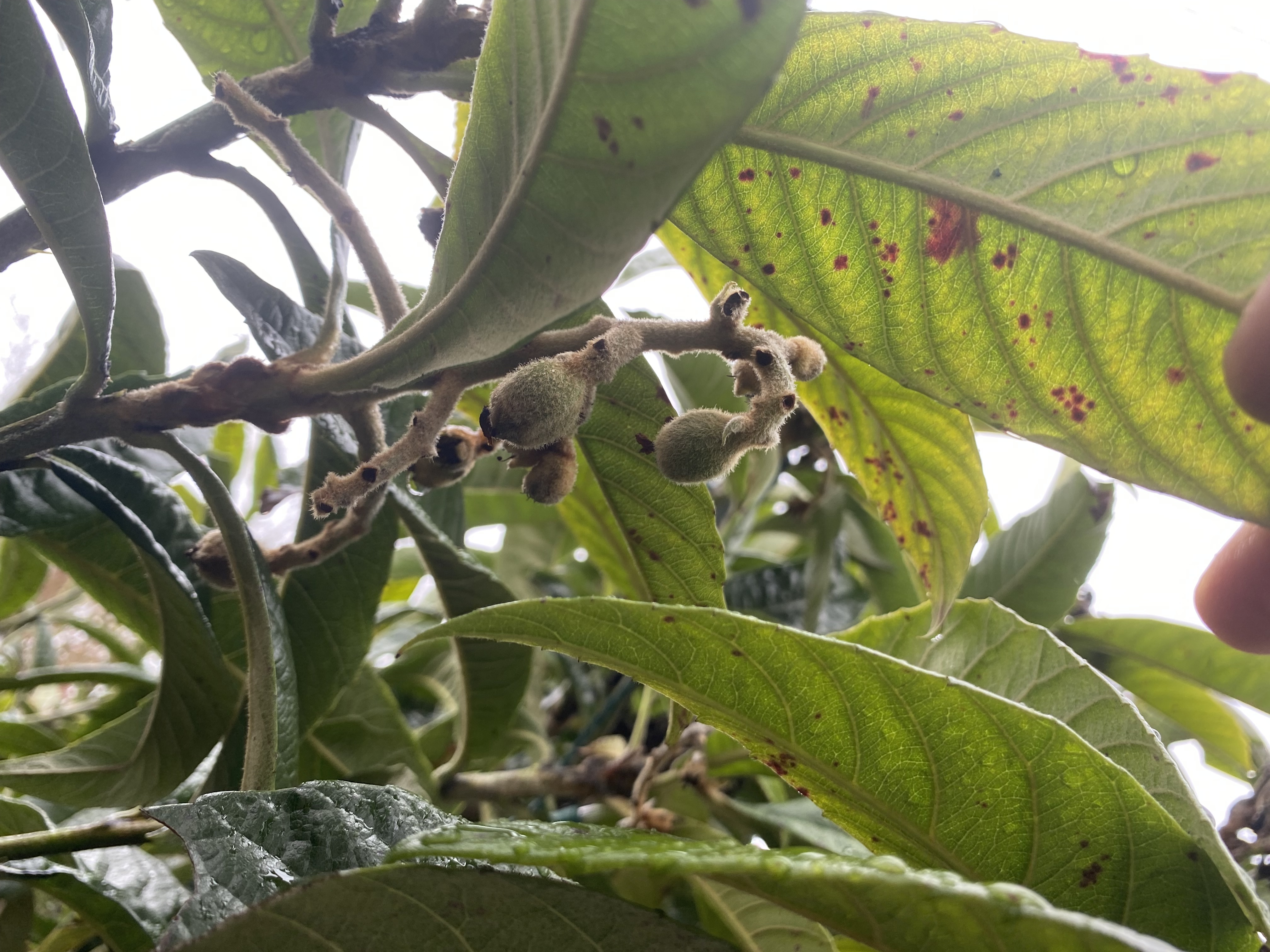
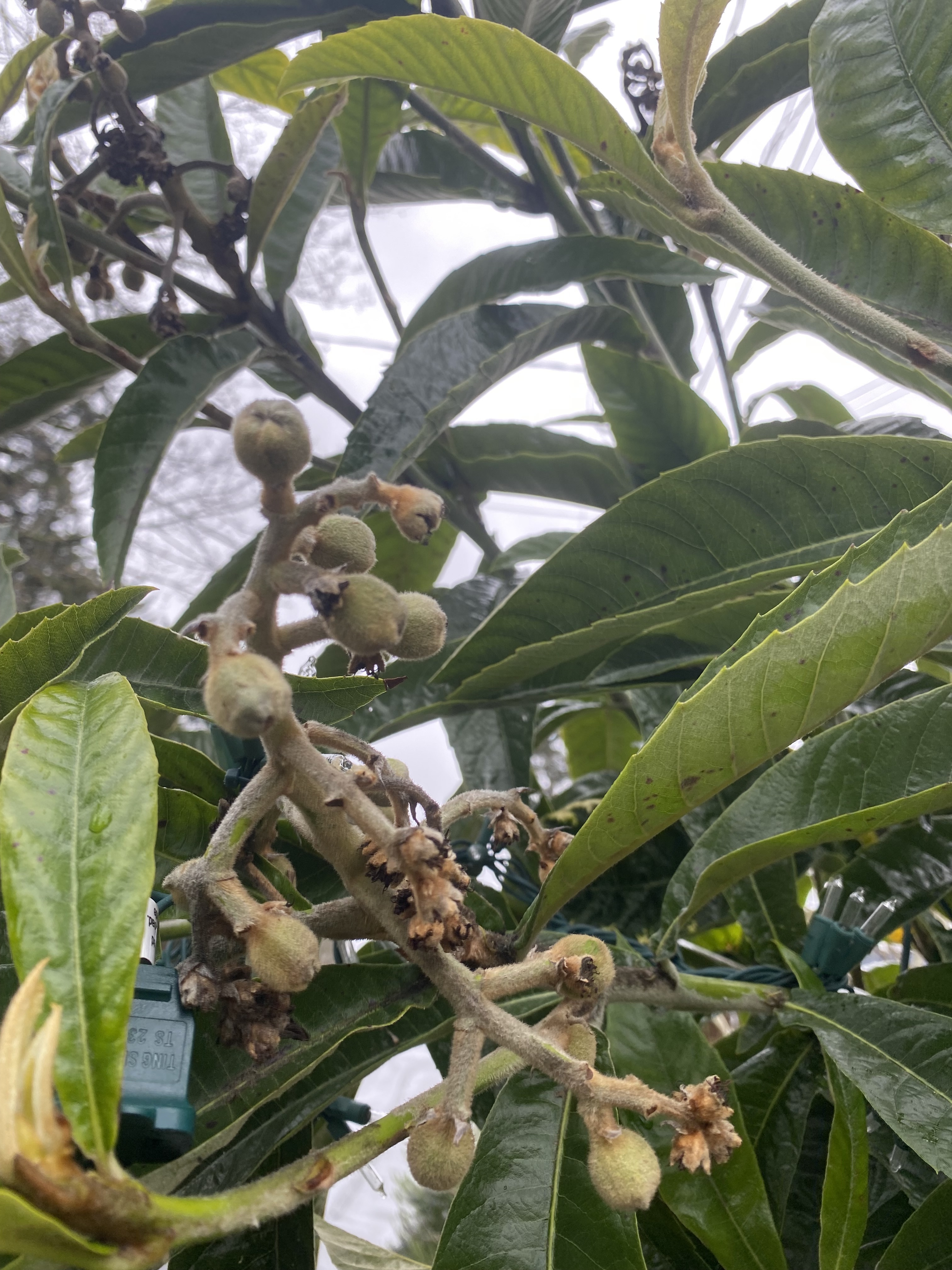
Most advanced fruits currently on my trees. I have others in blossom stage and very early fruit stage as well.
It promises to be a nice long season
4 Likes
Our fruits in SoCal are already yellow, almost ready to pick by April looks like. Took a brix reading on the Big Jim, it was only 9.5, still a month away before ripe.
3 Likes
On my loquat, the flowers have emerged from the terminal growing point of branches. Each branch tip either pushes a new shoot, or a flower cluster.
1 Like
I understand better now. The wood on a loquat still needs to mature for quite awhile before it begins its fruiting process. I’ll have to experiment to learn how much I can take off after harvest and still get good production the following year.
The reason I’m even wondering about how much wood can take off is to learn how small it’s possible to keep a loquat in a greenhouse culture while still getting good yields.
Prune back half the branches after fruiting. Depending on how early the fruit is, you can prune it back and have it fruit next year. More likely in 2 years.
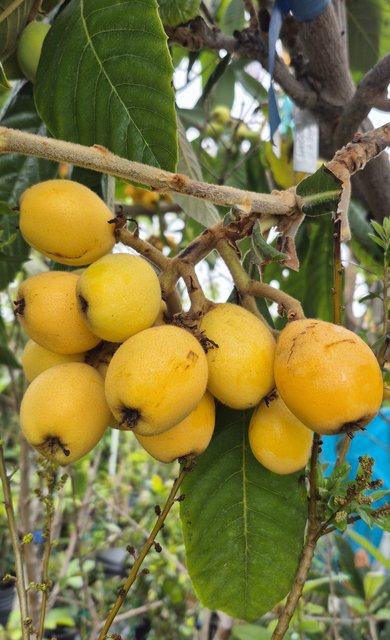
Here’s my Big Jim (SoCal). Photo taken 3-24-25
5 Likes
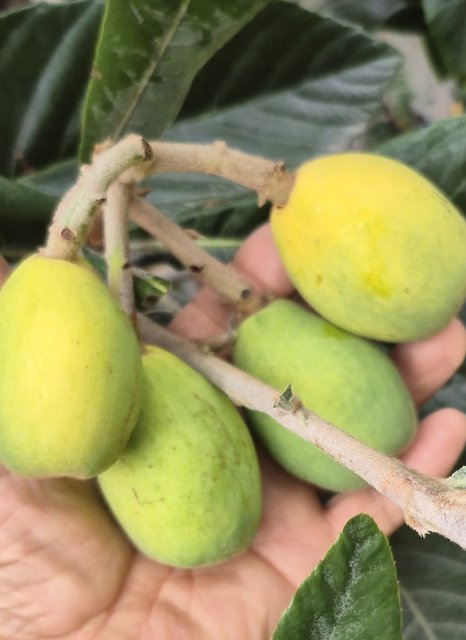
Here’s the peluche.
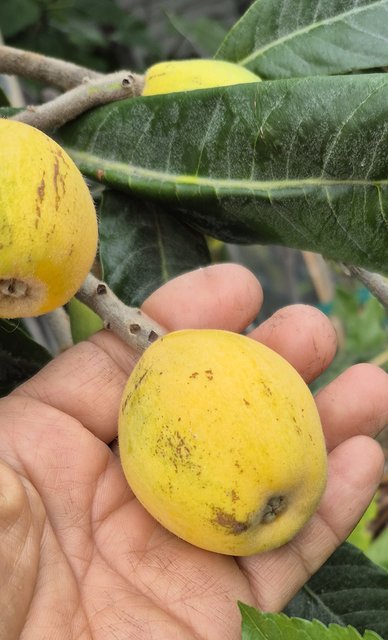
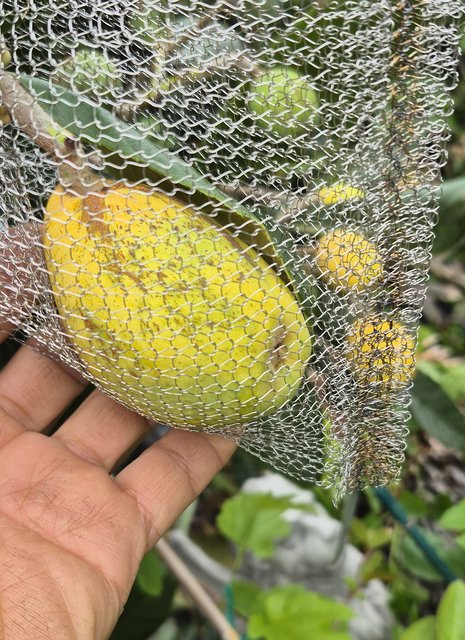
4 Likes
Wow both so far along, what month do they bloom for you?
My loquats bloom between late November and January, so mine are all like maximum grape sized this year. Also due to such heavy snowfall this year I have far less fruit than the year prior.
In coastal south Georgia (I assume a seedling) had all fruits turning orange and some ripening last week, it’s probably the higher temps leading to faster ripening rather than blooming much earlier than yours
Bloom time has little to do with it. Winter temps do. SoCal is warm all winter long
Mine started blooming in late august and September. Now they are the size of large peas.
But I have others that are just opening blossoms!
2 Likes

Me too! I was wondering about the Bullock 1 you sent me along with the Angelino. I put those on the quince rootstock. Are they an early or late blooming variety?
I still have blooms on bullock 1
1 Like
Is that typical? A loquat blooming near the end of March is quite advantageous is it not?
Yes, Bullock 1 can resist cold better than most.
1 Like
That’s great. Thanks for much for sending that too. I mean that sincerely. I am a member of a local master gardener program and I’d love to get some loquat trees planted at the demonstration garden. Sounds like bullock makes a good candidate.
2 Likes
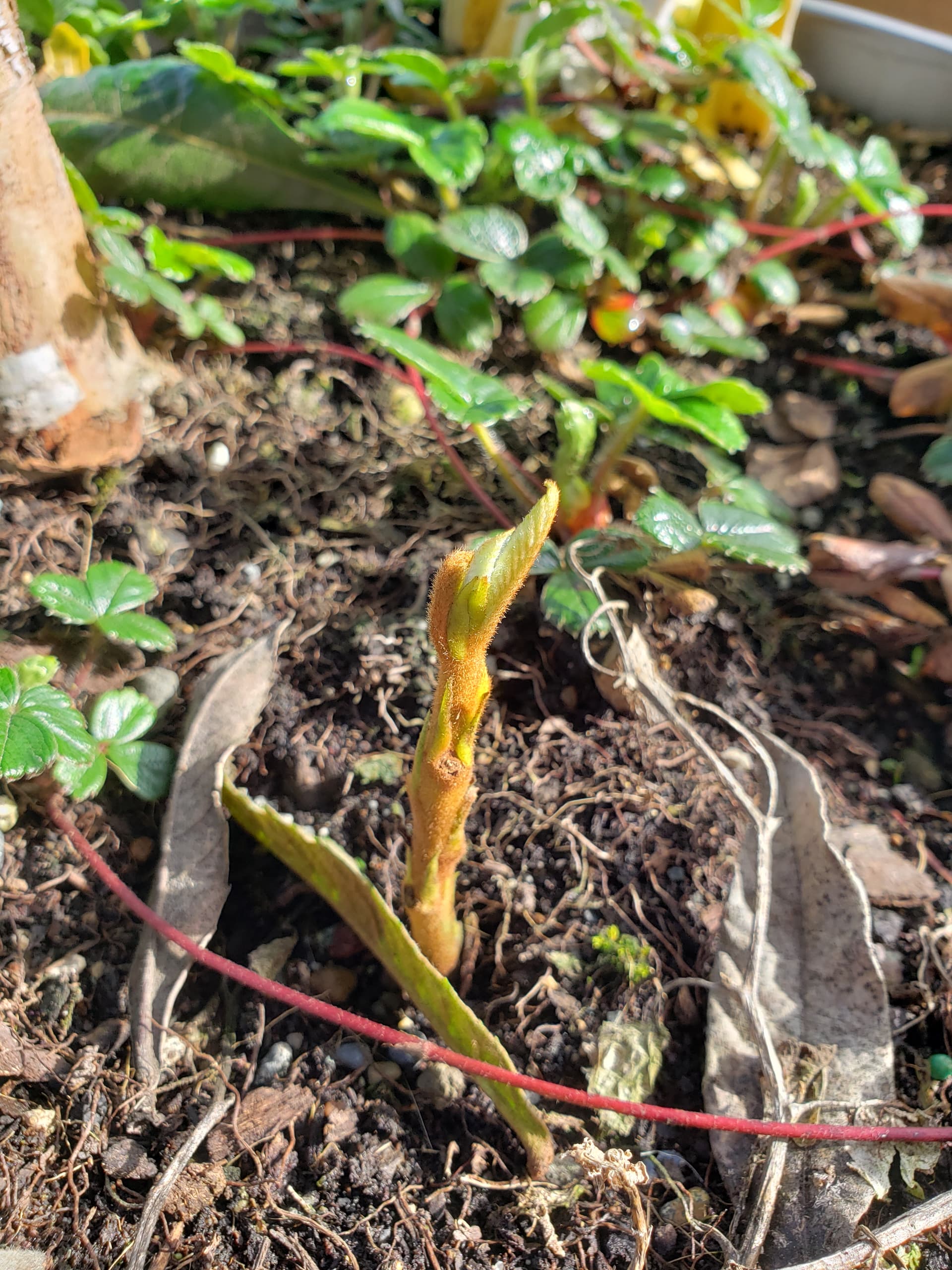
A month after sticking a cutting in soil after pruning we’ve now got new growth. I know that new leaf growth isn’t an accurate representation of root growth and that this cutting could easily still die off. But who knows, maybe it will live! Sharing as I know loquat cuttings are notoriously hard to root. I’ll provide updates in a few months.
4 Likes
Since I have a graft of the Chinatown tree, I can talk about my experience outside of the microclimate of the original tree. The minimum temperature near the tree was 21.2F. But it was covered with fleece so it didn’t have to experience any winds.
Despite this, more than half the flowers were destroyed by the rather moderate cold we had this winter. I will still likely get a few fruits. Meanwhile one of my best varieties for cold is Shambala. It has done much better than this tree in terms of production. Not to mention possessing larger and better tasting fruit.
6 Likes