I finally got around to digging up my seedling hazels today. They had developed a good root system over the 1 year and I had to be careful extracting them from the large container. It’s hard for me to see how any amount of win could blow them over. I kept 3 for myself to either plant or graft onto my existing hazel trees. I’m still waiting on my trees to give me a few nuts to try out. My 1 American bush bears plenty of small nuts but they require more effort than I want to exert to remove them from the shell. Hoping this will be the year for my hybrids to start fruiting. If anyone is interested there are some pictures of the seedling hazels in the post Hazels 2025.
12 Likes
I planted 2 yamhill and 2 jefferson seedlings 2 years ago and they have made it to about 3 ft tall. No nuts yet but hoping in a few years I’ll get something.
3 Likes
I am in Texas and I am getting weird flowering times this year so far. Pretty sure it was due to some particularly erratic weather but just a little different than past years. On the other hand my trees are maturing which maybe affects flowering time too.Usual order is my two unrelated wild Corylus americana always first, then followed very shortly by Yamhill, Barcelona and it appears Tondi di Giffoni followed by Doris and the Beast,then last are Precocious, then Select One (these two are not varieties, Oikos had a group of plants they selected and gave them names, but no two are alike in my hands), Theta and maybe Felix. This year one of my C. americana’s is half way finished with pollen and is flowering, my other C. americana has not flowered nor released pollen yet but is usually the very first. Yamhill has not release pollen yet, Dorris is starting to flower and maybe The Beast. Select One is my late pollen producer and it is starting to produce pollen now. All very strange. Anyway our weird winter weather here sort of pushes flowering times around a bit, is more compressed (from early to “late”) than Oregon, and then this year it actually changing relative variety flowering and pollen release times. Probably the weather, but messes up my pollen plans, need some early, mid and late pollen. Theta made finally tassels this years so that will be my only late pollen it appears.
I have other varieties and am still waiting so see if they flower this year especially Somerset, Raritan and Grand Traverse, but they are just starting to come out of dormancy based on the buds I think these three varieties and probably Hunterdon are going to be mid season for me. Jefferson is I think 7 or so years old, 7 ft tall (bush) and if it doesn’t flower or produce tassels this year, I think it is not going to at all. Very happy to see Tondi di Giffoni is flowering here as it is another large nut type along with Dorris. Now lets see if I get nuts from either. Yamhill is my best variety so far and the non “varieties” Precocious and Select One. Noted before that Barcelona really doesn’t work in TX, maybe a few nuts a year. Had high hopes for Polly O as it grows well but it is getting decent size, but still waiting on the flowering, based on size should be happening. If you are further north don’t take any of this as a guide for what you get, the unique TX weather environment causes significant challenges and is so variable from winter to winter. This may be relevant to other crazy people who try to grow these so far south.
Been continuing to shift my varieties towards more Yamhill, and have a few more Dorris and Tonda di Giffoni. My best producers are small like Select One (0.4-0.5g kernels) or medium sized with Yamhill and Precocious (0.7-1.0g kernel weight). For reference Barcelona, Dorris and Tonda di Giffoni range in the 1.5-1.7g kernel weight for comparison (based on reports). Select One is supposedly an American hazel but as small as those kernels are, the are bigger than my wild American trees that produce 0.1-0.2g kernels. The other wild American produces micronuts so far, but it is there for pollen so doesn’t matter. Now if I can get a larger kernel variety come through for me, Dorris and/or Tondi di Giffoni since Barcelona and likely Jefferson are a bust here. But if it comes to it, I will do a Yamhill orchard if I have too (already expanding their numbers), as it handles Texas extreme weather the best for European hazels so far and produces nuts. I am in the “keeping my fingers crossed mode” for Dorris and Somerset hoping they start producing this year, with Somerset handling the heat here better than Raritan and Hunterdon. Maybe find out if Tondi di Giffoni produces nuts next year. I should note again for those further north this may be irrelevant to you, this is really range pushing hazels and TX is not ideal at all for them. Just sharing for others in the deep south who are trying, maybe useful for them.
2 Likes
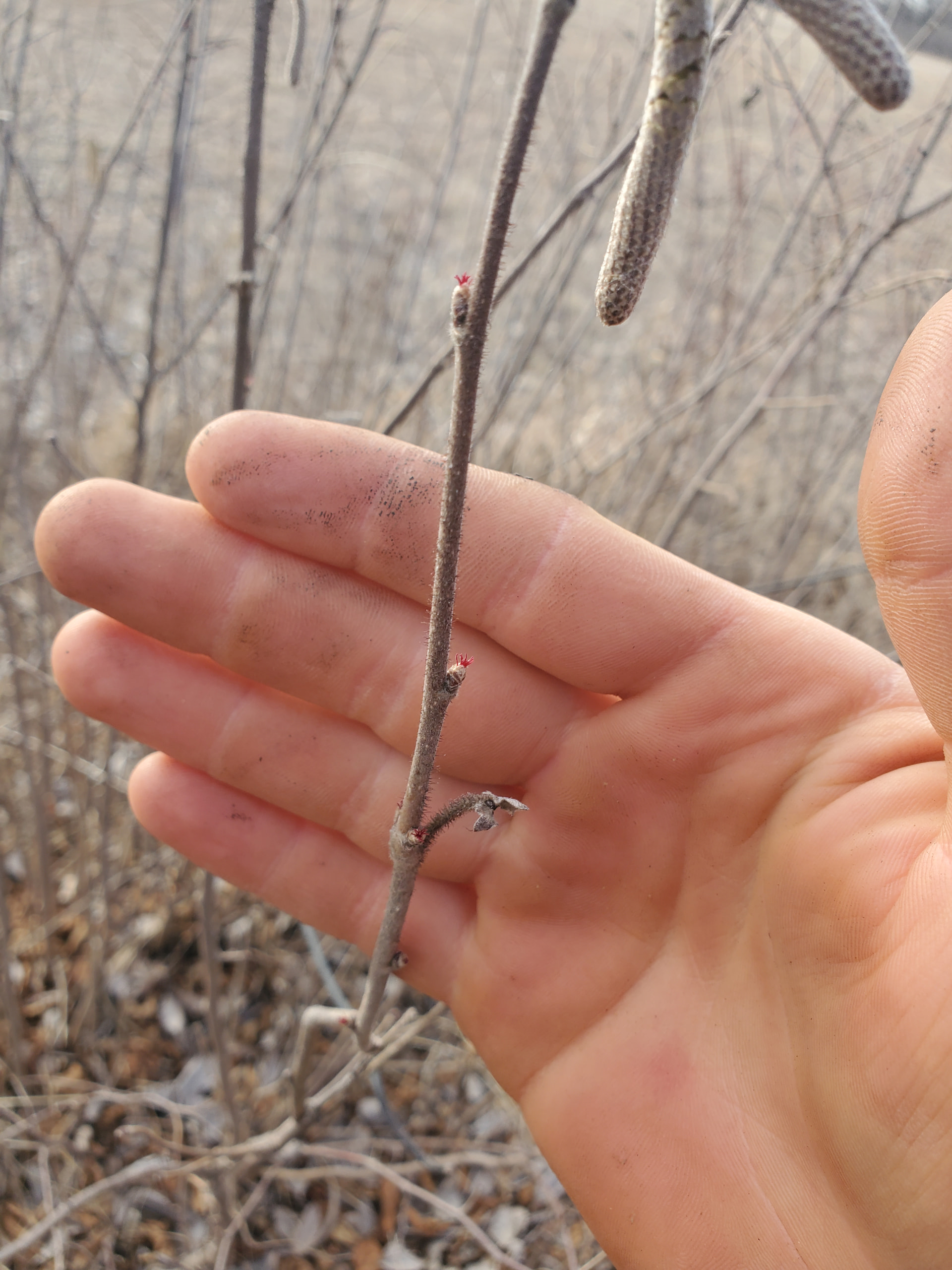
Texas update. It appears my Somerset are indeed flowering for the first time here. For our very hot harsh environment this is great (got to see if I get nuts, no guarantee) Somerset grows particularly well compared to others in the brutal Texas summer heat. If it produces nuts at a good rate then I would have two named varieties that work here with the other Yamhill. (By “working” and producing nuts, note I do not expect to get bushes full of nuts, just some small fraction of what you would get in Oregon, I will never get the production Oregon does, if I get 10% that is a success in my experiments here.) While Yamhill does take the heat too it does lose a few leaves in mid summer from it, not a lot. Somerset in contrast the leaves do not drop at all and have less signs of being burnt by the sun too mid summer. So if Somerset produces nuts for me at the predicted size then it might be a bit better than Yamhill given its foliage growth and health in mid summer heat. Last but not least the Somerset plant is about 3-4 feet tall and I think 3 years old, maybe 4 so it starts flowering young. This was noted by Rutgers in their patent so not a huge surprise, except lots of things in other growing areas don’t happen in the Texas environment.
There were a couple flowers on The Beast last year, but this year it has many flowers opening so that is working here too. Next is to see if it gives me nuts this summer. The Beast really did not start flowering till the bush was 10 feet tall maybe a bit more. It does grow fast but the flowering took a while to start. Maybe 5-6 years old? Average for handling the heat but once it gets big it handles it better so you got to get it established and baby it a bit while young.
Supposedly Raritan flowers a week or two after Somerset according to the patents. So we shall see if I can get some flowers on my first Raritan. Raritan is one or two years older than Somerset and this tree is about 5 feet tall bush but has not flowered for me to this point. It is not noted for being a particularly early flowering variety like Somerset so this is not necessarily unusual. My Hunterdon’s are still too young to flower which rounds out the Rutgers varieties I have. Both Raritan and Hunterdon have been sort of average on handling the Texas heat so far.
Yamhill is now pushing flowers finally which is really late, it usually is one of the first to flower and release pollen. It is still not releasing pollen yet but looks to kick off in the next few days finally. This is most likely weather related here. The flowering and pollen release is all out of whack this season. In any event good news so far despite weather.
3 Likes
Trying to remember the scientific articles I read on flower and pollen cold hardiness after dormancy and starting to flower. Flowers are more cold hardy than pollen. I think 20F for flowers, and around 25F for male flowers producing pollen. That is for open flowers and tassels actively producing pollen. Dormant flowers and tassels can handle much ore cold, down to at least 5F for short periods where I am at. Now i assume the study I was looking at was about European Hazels as they are the ones they farm. it may well be American Hazels are even ore cold hardy. They do grow pretty far north in some cold states. Anyway male flowers during pollen production are more sensitive to the cold than the female flowers but they can handle some frost.
4 Likes
Femalle flowers are very hardy and you wont ever have to worry about them. My catkins do sufferfrom physical wind damage and deer browsing. Having a mix of genetics will lower the effect of losing key pollinators. As well as having planting bisected by a 1100’ row of hybrids of slate and farriss seed. For my dedicated pollinators I use hybrids Linda, cheryl and carmela from grimo for the extra hardiness
2 Likes
That’s good to know. Seemed kinda toast with them blooming in February and we alway get single digits in march.
I have a bunch of different hybrid hazelnut seed from ‘z nutty ridge’ in my air pruning bed, so hopefully I’ll have plenty of variation.
2 Likes
I like growing hazels other than the difficulty of getting a good crop of nuts. It doesn’t take much effort on my part to have a vigorous and healthy looking tree. Over the last 3 years I have grafted in several varieties to help with what I think is mostly a pollinating issue. It is a bit early to determine what the outcome will be. In the last week the few nuts are getting big enough to see on my morning walk through. Just wondering if you’re having similar issues and how are you dealing with it.
3 Likes
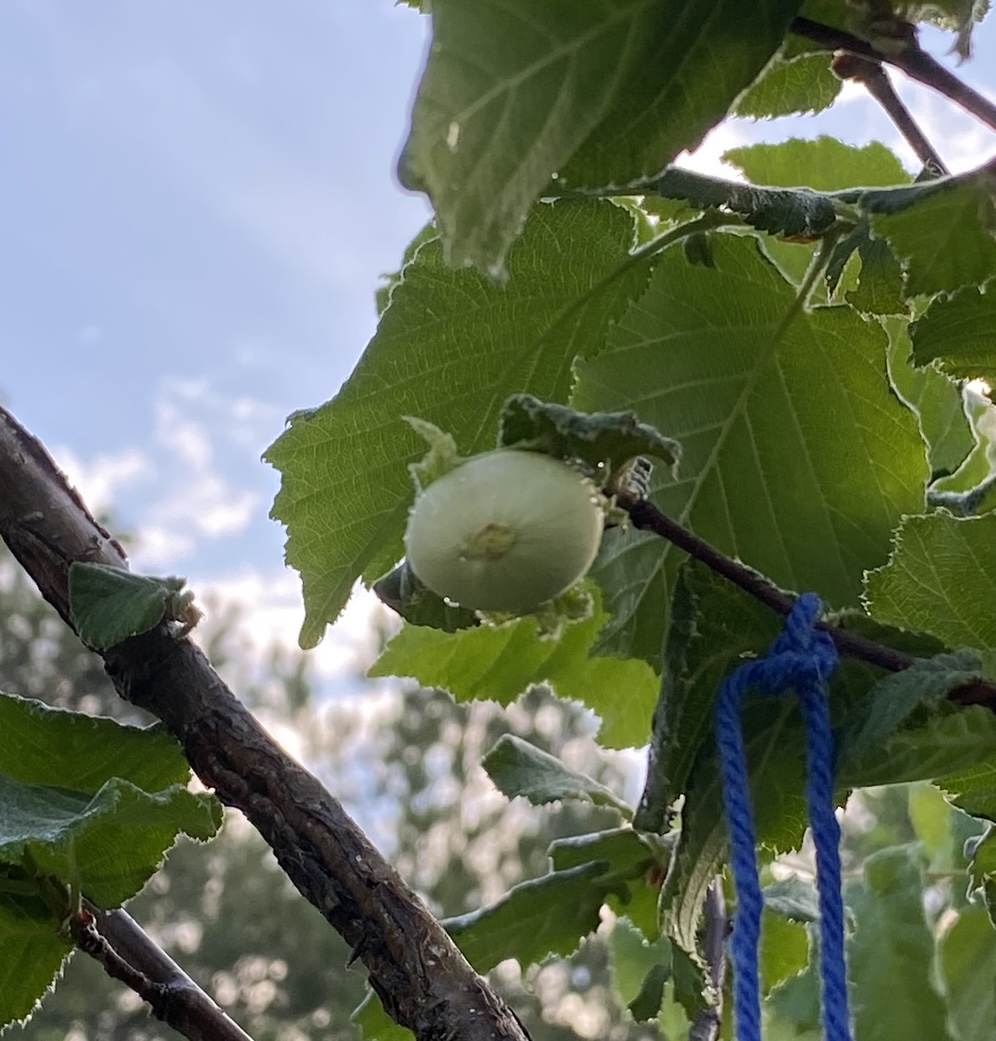
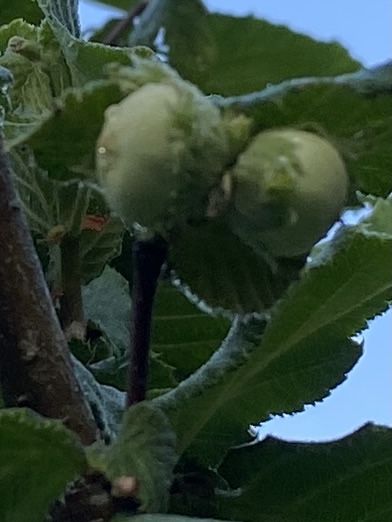
This is some Jefferson hazelnuts and there are only a few. Could this be my first of the larger nut size to mature? I have about 4 Jefferson, 2 Theta, 1 Yamhill, and 1 York. Wishing that I had more than I could count.
5 Likes
damn my baby winkler got chomped down to the based. i wasnt expecting to need to protect it in the spring, usualy i just protect in winter
1 Like
While I did not get around to ordering or planting new Hazels this year (yet) my 6 are looking great. Excited to see how much I can harvest
1 Like
Have had a horrible time trying to grow hazelnuts from seed. Planted over a hundred hybrid hazelnut seeds in the ground last November of different variety strains in a spot safe from any rodents or animals, and have only one runted 3" seedling of Nitka that came up over a month ago.
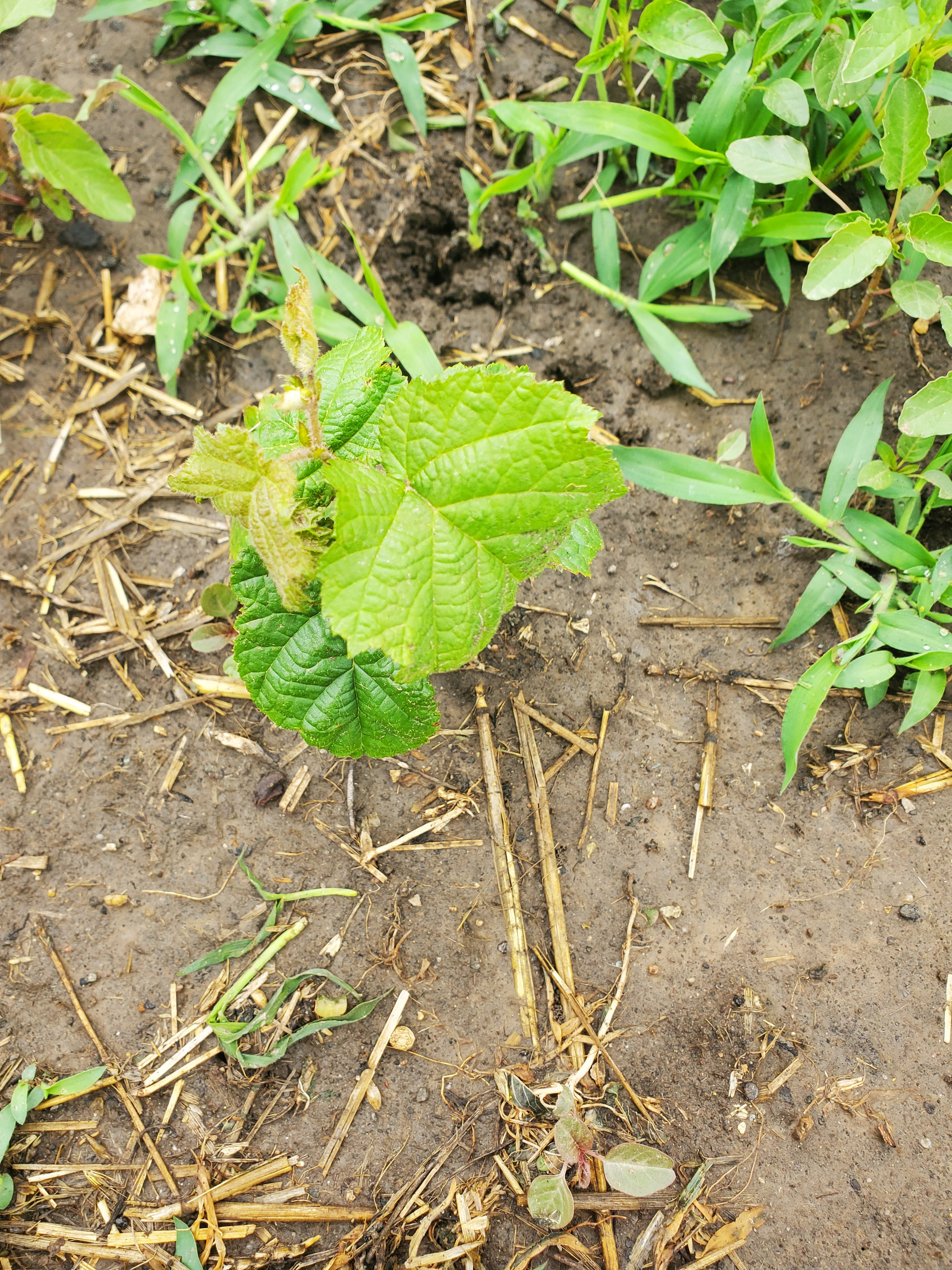
Did have 2 other seedlings of other ones pop up, and looked good for a couple weeks before dying for who knows why.
I had stuck some cuttings of of some local wild hazelnuts in there the same time as I planted the seeds and they rooted and are still good. Had planted chestnuts, pecans, and jujube in the same area last year and they did great. Dug up a few of the nuts and they looked fine on the outside, but when I cracked them open they either were moldy around the nut meat or were a stinking mush.
What could be what is so wrong with the hazelnuts?
2 Likes
From what I’ve read the initial parts of that female flower are formed during the summer and require ample amounts of N during that time and also promotes it being pollinated successfully. Foliar N july and post harvest is recommended for many varieties like Somerset, carmela, etc. Or they might go biennial even. Hope this helps.
2 Likes
I haven’t been fertilizing my hazels until this year. I put a little 13-13-13 around them 2 times and the leaves look healthier now.
1 Like
Ive started hundreds by seed in a controlled environment starting as early as mid february. Seeds are float tested/ sanitized in peroxide as soon as they fall or are ready in husk. Pat dry, store in moist peat (squeeze any excess water out) in sealed dark container in fridge. Do not allow to dry out. Start checking in Nov, dec, and jan for humidity. They will begin to pop in february and i lay nut on side with radicle 1st root facing down in 16oz solo cups. Sometimes youll get twins. Place under a high intensity grow light and maintain temp above 70, ph 6.5. Kelp and mycorhyzals help
1 Like
Do you think the reason they failed, was because they were sent dry?
Not if nut meat was spoiled wet.
1 Like
My one time experience was planting them in a container on my back deck. I planted in early winter and in the spring almost all of them germinated. These nut were from an American hazel that I assume was pollinated with one of my hybrids. The nuts were very dry when planted.
1 Like
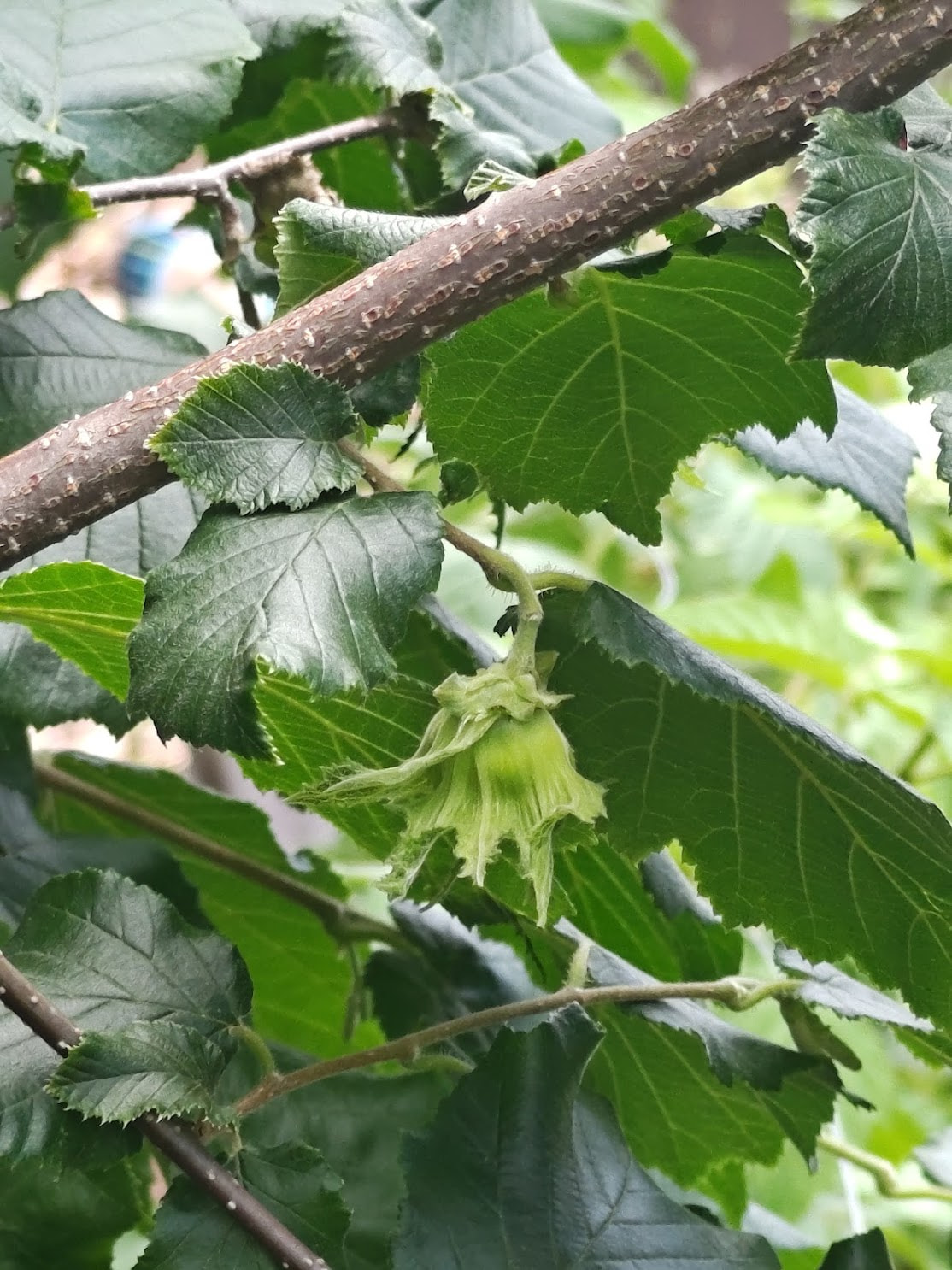
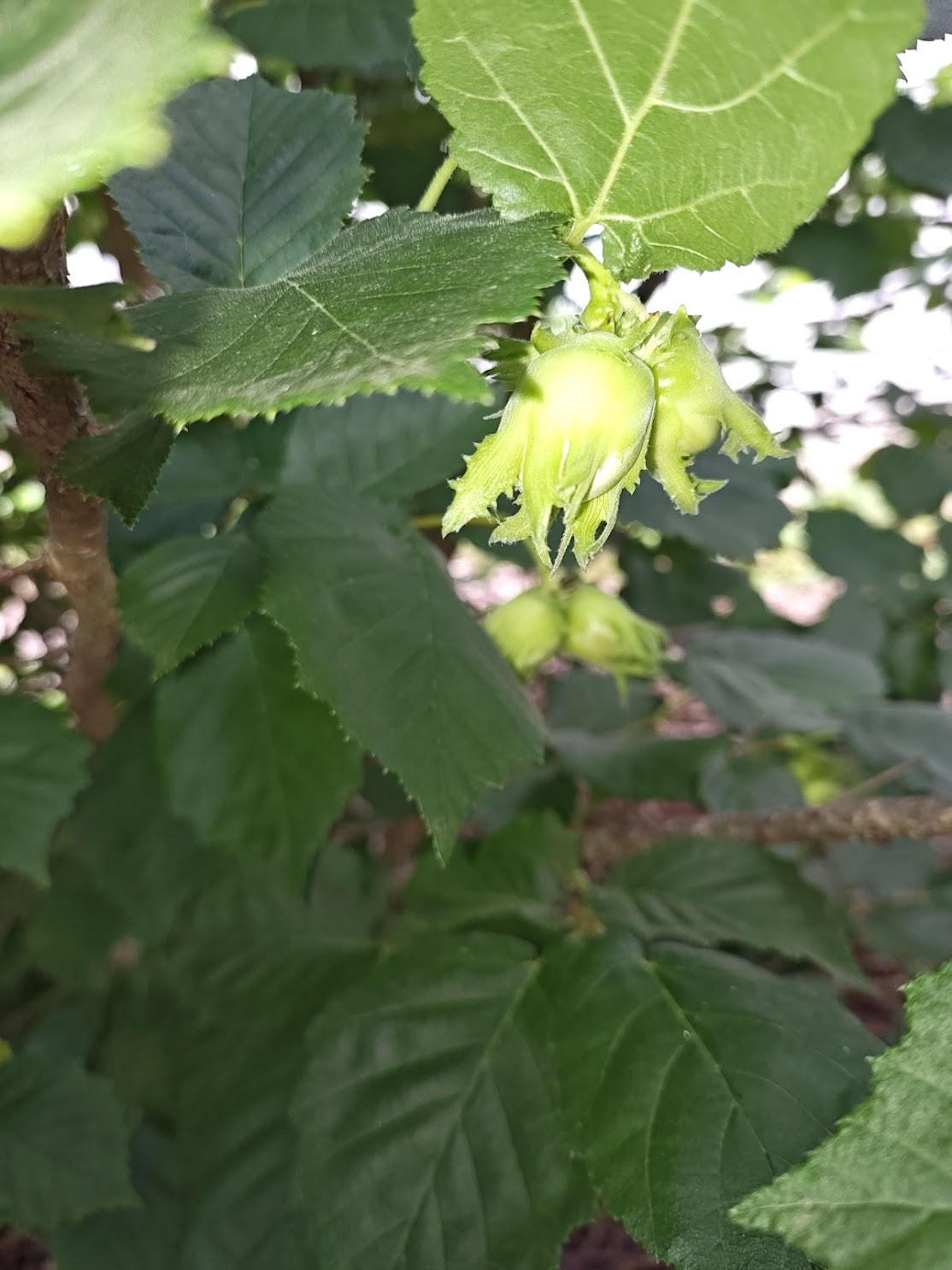
My filbert trees, planted 3 yeas ago, have nuts! I was afraid they never would!! (might not be cold enough, climate too wonky, etc.) The first photo is the Felix hazelnut, second is Grand Travers. I hope to have my favorite nut from 22 years ago this fall. (Green hazelnuts.) I have Raritan, The Beast, Felix, Grand Travers, Somerset. All x-pollinate bar R and S, unclear if bloom time ok. 7B N Alabama
5 Likes