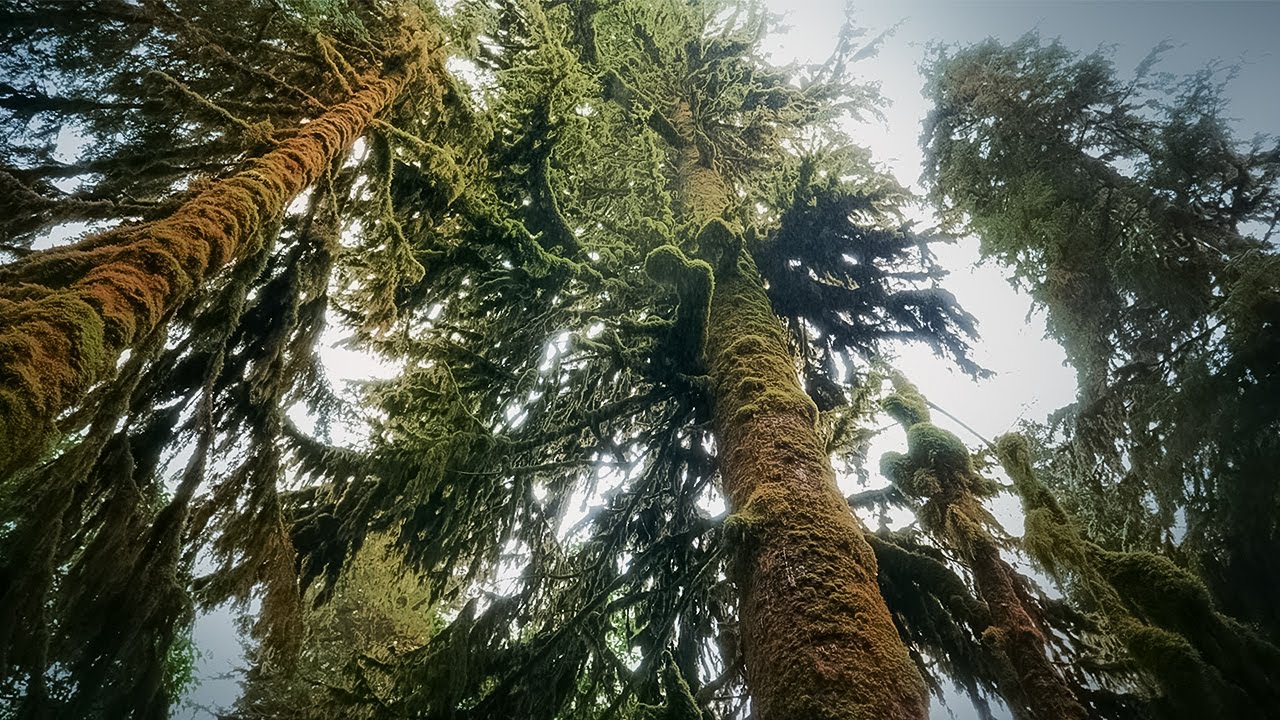
I need to clear my baby forest underbrush. I had a bottle of Eliminator Weed & Grass Killer Concentrate (glyphosate and isopropylamine salts formula). For a test run I sprayed the edge of the forest. The bottle say that I should see some progress in 12 hours, but looking at it this morning the brush seems as happy go lucky as yesterday…
Should it just need more time or do I need something else? I see the local Home Depot has BioAdvanced Brush Killer Plus, which has triclopyr and triethylamine salts.
For what is worth the underbrush is mostly composed of high bush cranberry, some wild currants, baneberries, twisted stalk, cow parsnip, tall bluebells, elderberry, wild rose, plus on the periphery yarrow, fireweed, dandelions, false dandelions, plantain, lupine, dogwood, woolly cranesbill, and a few minor others I’m forgetting.
Are you trying to alter the understory or eliminate it? If the latter, may I ask why? Just curious, no matter the answer, I will not follow with a sermon. Personally, though, I would only alter the forest to eliminate invasives or augment nut production. Or maybe tweak it a bit to encourage more attractive pants in the understory that also nourish wildlife. I tend to cut out competition towards our native dogwoods (cornus Florida). I’ve also planted grafted chestnuts on my forest’s edge that have me cutting down competing trees. They are far me and wildlife and produce a lot of food. Even deer prefer them to acorns.
Most of those plants i mentioned propagate through long roots, you leave a tiny amount and they snap back in record time. I cleared a small track to plant improved high bush cranberries, probably 4x4. It was a royal pain in the ass digging roots and now they are still popping up. That tool would be like painting a room with a1/4" brush.
I’m pretty sure Eliminator is just glyphosate without other active ingredients.
It’s capable of killing underbrush, yes. Ideally, bushwhack everything, wait for tender new regrowth, spray it, wait two or three weeks, and spray anything that hasn’t been controlled yet. Repeat if needed. Plants that sucker and have woody growth and/or waxy leaves are the most likely to need a few hits.
The other stuff you mentioned would also work, and probably with fewer applications. But it’s also much more likely to cause damage to stuff you didn’t want to kill.
I’ll second what others are asking, why are you trying to kill off the under story? There are good reasons you might want to of course, but it’s a pretty drastic thing to do so we’re curious what’s the reason for it. The reason will also have an impact on what the best method of control will be.
Mechanical control is going to be way, way more damaging and harmful than chemical. And it’ll be physically difficult if not impossible by hand. Strongly recommend against this sort of option.
Tearing up the ground, exposing the soil, and damaging the roots of whatever plants he might want to keep is a really bad idea and it’s many times more harmful ecologically than a few sprays of glyphosate.
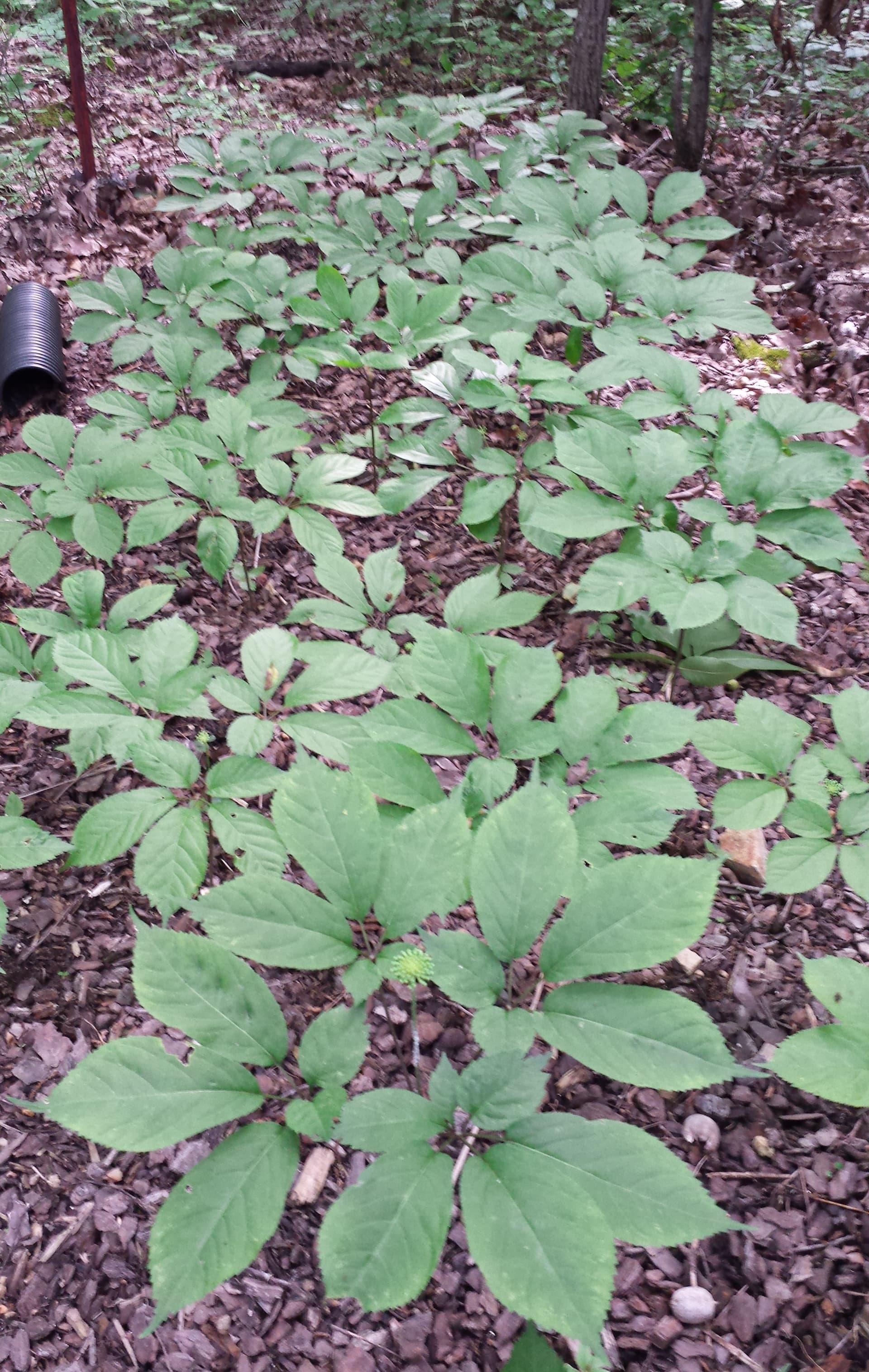
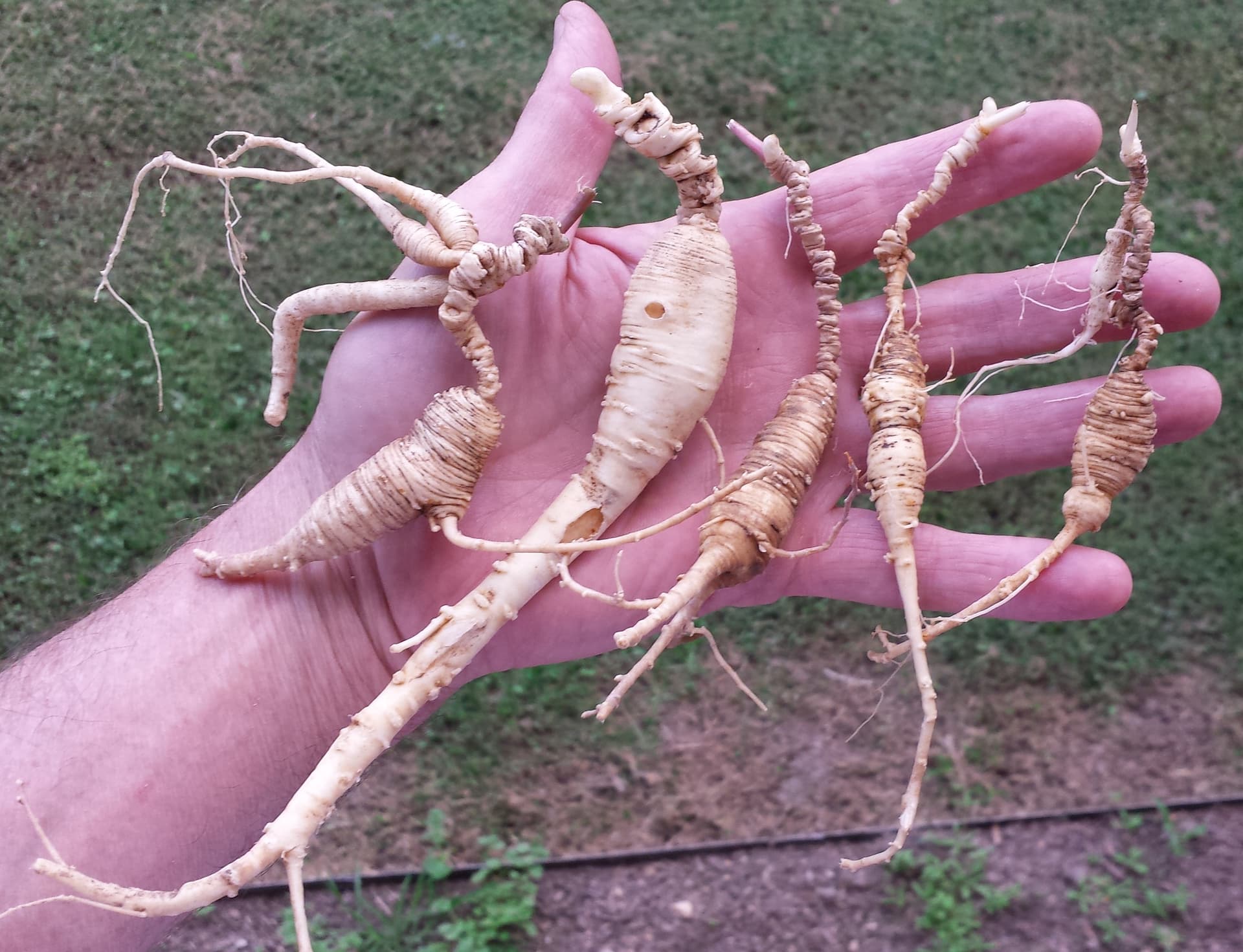
I’m trialing ginseng! I started with a small amount of 3 year old roots last year. Granted, we had a mellow winter but they came back. More than the temperature the real question is whether they have enough epigenetic adaptation range in them to get used to the seasonal light extremes.
I want to clear a small track of forest so i can put some raised beds. Earlier i cleared a mere 4’ x 4’ to plant improved high bush cranberries and trust me on this; clearing by hand is not something you would want to do. It was a pain and things already started popping back anyways.
Even after the chemical warfare plants and insects around it will come back with a vengeance, this would just buy me a running start. I’m not a fan of chemicals so going forward the jungle would be pushed by hand.
Planting older rootlets is a good way to get berry production underway. I harvested older wild roots and planted them in this bed to get berry production going fast. Most of the roots in that bed were 30 years old or older.
I harvested 400-500 berries yearly from it.
2 seeds in most berries.
If you dont protect them from rodents… they will sure rob you of those.
A ginseng plant started by seed will start producing berries usually in year 4 5 6.
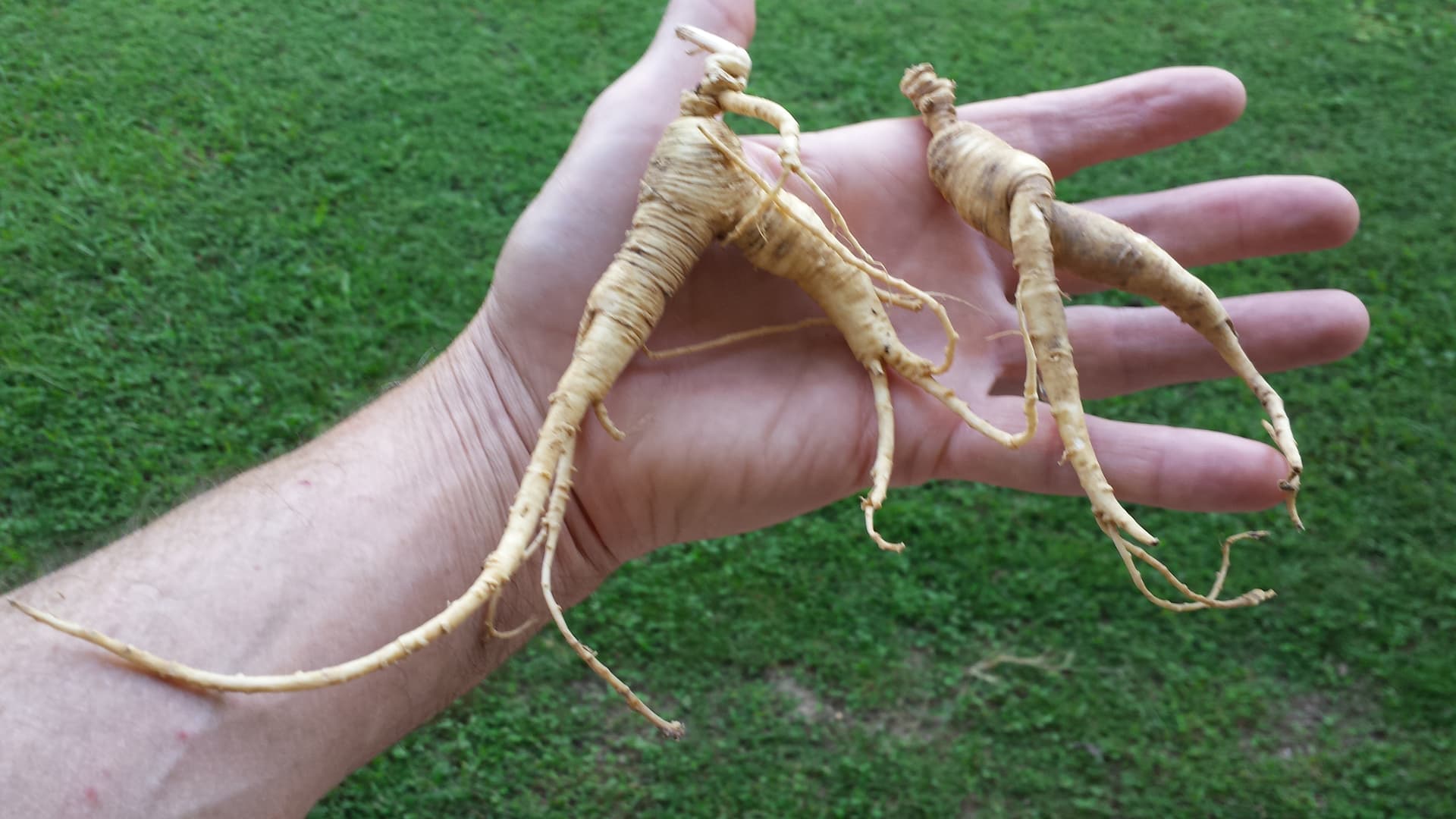
Here at my place… it takes 10-14 years to produce a nice marketable root from seed planting. In really ideal locations that can happen in 7 or 8 years (wildgrown) style.
In artificial shade cultiivated bed plantings … they can harvest in as little as 4 years. The roots grown like that do not look wild and only bring a small fraction of the price.
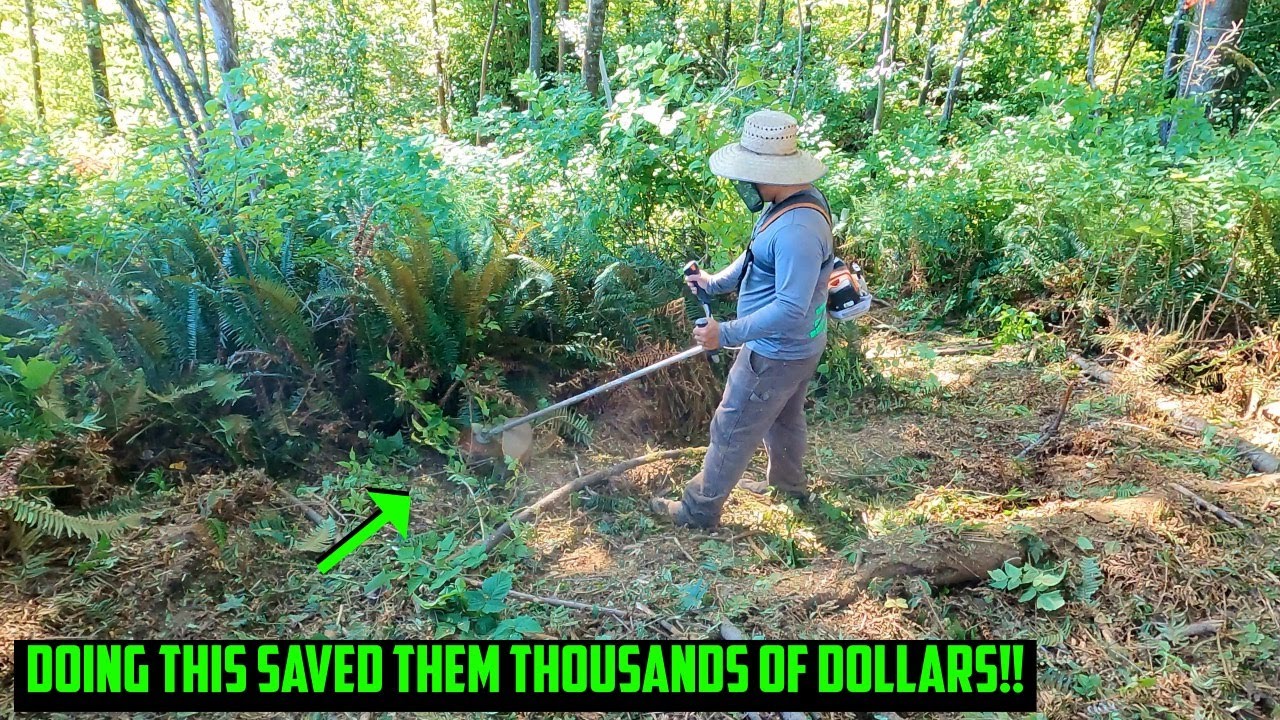
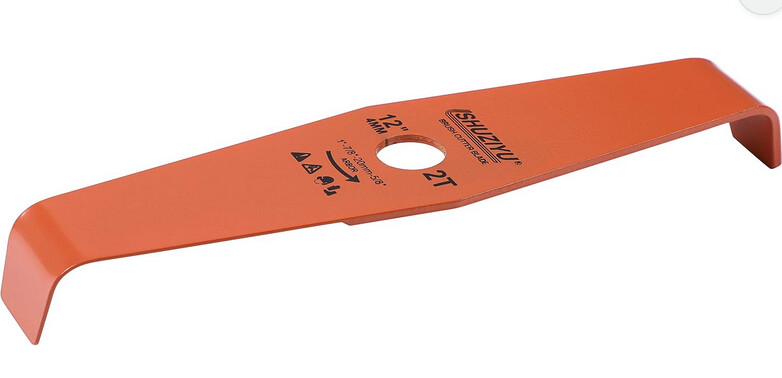
I also wonder why you’d want to control under brush with herbicides. Your forest trees must be still small, so brush competes with light; in which case I would worry about killing the trees as well. I would get a scythe with a ditch blade.
I mean, if trees are chatting to each other through their roots, I’d submit the notion that maybe severing their roots, ripping up the soil, and blasting the soil microbial life with oxygen, dry air and UV light might cause some pretty dramatic damage down there.
That’s exactly what happens when you use hand tools or machines to mechanically remove undesired plants: it tears up and destroys the soil ecosystem, especially in undistributed forest soils.
Often times, traditional methods are more damaging than modern methods. Poisons like glyphosate are way less harmful, especially since from the soil’s point of view the underbrush getting chemically controlled is effectively the same as a controlled burn. The established trees are unharmed, but all the underbrush die at the same time and release their nutrients. Whereas mechanical control is basically the same effect as really bad erosion.
I bought from wildgrown last year, but so far their site is under maintenance. I hope that doesn’t mean that they are not going to be around this year. The roots I got from them came up fine so I’m proceeding with the next step in my one-man study.
You don’t happen to have the contact info for Guy, or remember where he was? He would accelerate my testing by at least 6~8 years, if I can manage to get seeds that already posses as much epigenetic adaptation as they can muster. Phenotypic Plasticity is a fast acting, but getting a plant to adjust to the ultra short seasons and the confusing light signals (one day there is ton of daylight, the next is winter) takes longer.
Nope. A lot was cleared for the house, and the forested area is relatively narrow. That means the forest floor get sun exposure from the sides, not from the top.
Not to mention that Alaska plants are resilient as fudge. If you are familiar with the list of plants I posted, most propagate through long roots and rhizomes. Cutting them would only make them laugh, next year they would come back as if nothing happened. killing them outright would buy me enough of a running start so from then on I can do manual maintenance on those discrete areas.
@don1357 … sorry but my only contact with Guy… was on the forum on the wildgrown site. We talked there about ginseng with several others… some who just hunted seng… but most there both hunted it and grew it.
One of the guys there from KY… got sort of famous for his ginseng hunting and dealing experiences. He was on the TV series Filthy Riches for a few seasons.
His name was Billy… and when I made my seed producing bed… Billy sent me two big ole KY mountain seng roots to go in the bed to help with genetics. His mountain seng had long berry stems… most of mine were shorter.
I know, we love your forests. I don’t know where you are coming from but chances are we have forests (multiple) larger than your entire State. We are very keen on protecting our ecosystem from real treats such as the pebble mine project. Wanton use of herbicides in densely populated and already polluted areas is a concern. I’m not in the habit of using them, but the extremely limited use I plan for them in less than 100 square feet is not enough to create a problem.
Carefully and responsibly used, they’re an incredible important tool. There’s a reason every state Department of Natural Resources, whose primary jobs is conservation, all use herbicides and publish guides on how to use them. The US Forestry Service, the National Parks system, Ducks Unlimited, the EPA, etc all consider them a very important tool for conservation. Even the Sierra Club supports judicious use of herbicides.
I personally would love to see many insecticides and pre emergent herbicides banned from big box retailers, or at least restricted. So I’m no great fan of pesticides. But they are a very important tool, one that should be used carefully and wisely.