I’m hoping to get a local farmer interested in agroforestry and think that the planting of Honey Locust might be a good place to start. I have read that various selections aren’t hardy for zone 5. Does anybody have experience with ones that are hardier? I would also like to know of the ease of grafting this tree. Thank you.
3 Likes
we have street trees in town that are thornless honey locusts that are about 30 yrs old. they are about 30-35ft tall. they were planted when this area was z3a. we are now z4b. definitely hardy for all the continental u.s as well as s. alaska. i grew out some millwood h. locust seed that were developed at the turn of the century for their large pods, high in sugar, used as supplemental livestock feed. once these trees produce pods, ill offer the seed on here if any ones interested in growing them. i got about a doz. trees to plant out next spring.
3 Likes
Caution on planting Honey Locust as livestock feed/fodder. The thorn gene is dominant, it can turn a pasture with a few fodder trees into a nightmare 20 years later. Read about Bill Mollison in Australia.
People often don’t think about this because you see Honey Locust planted all over as landscape trees, covering the ground with pods and seeds and hardly ever a volunteer tree around.
The Honey Locust seeds need scarified for them to germinate. The problem comes when a cow or sheep eats the pod and the seed passes through it’s body, now the seeds are scarified and will grow.
4 Likes
i would think the livestock would just eat the seedlings as the leaves are edible, unlike black locusts. and i dont think honey locusts come back from the roots like b,locust does. the leaves are so small you can grow fruit bushes under them also. why they are planted as street trees. the leaves dry to almost nothing.
1 Like
The Honey Locust will sprout back up from the stumps.
They are beautiful landscape trees, they are low maintenance provide a nice dabbled shade and the leaves are small enough to not really need raking.
The landscape ones that you see are thornless and often podless, but I do see alot that do have pods.
The seeds in the pods are hard to germinate without a scarfing process. The seeds passing through the stomach of a ruminant would be a excellent way to achieve this.
Those seeds would most likely grow into a tree with big, nasty thorns.
Think Callery/ Bradford pear X 10
2 Likes
I was just putting this out there as information.
I certainly would not want these growing in my pasture. Looks nothing like the landscape one’s that you see, but it is the exact same tree.

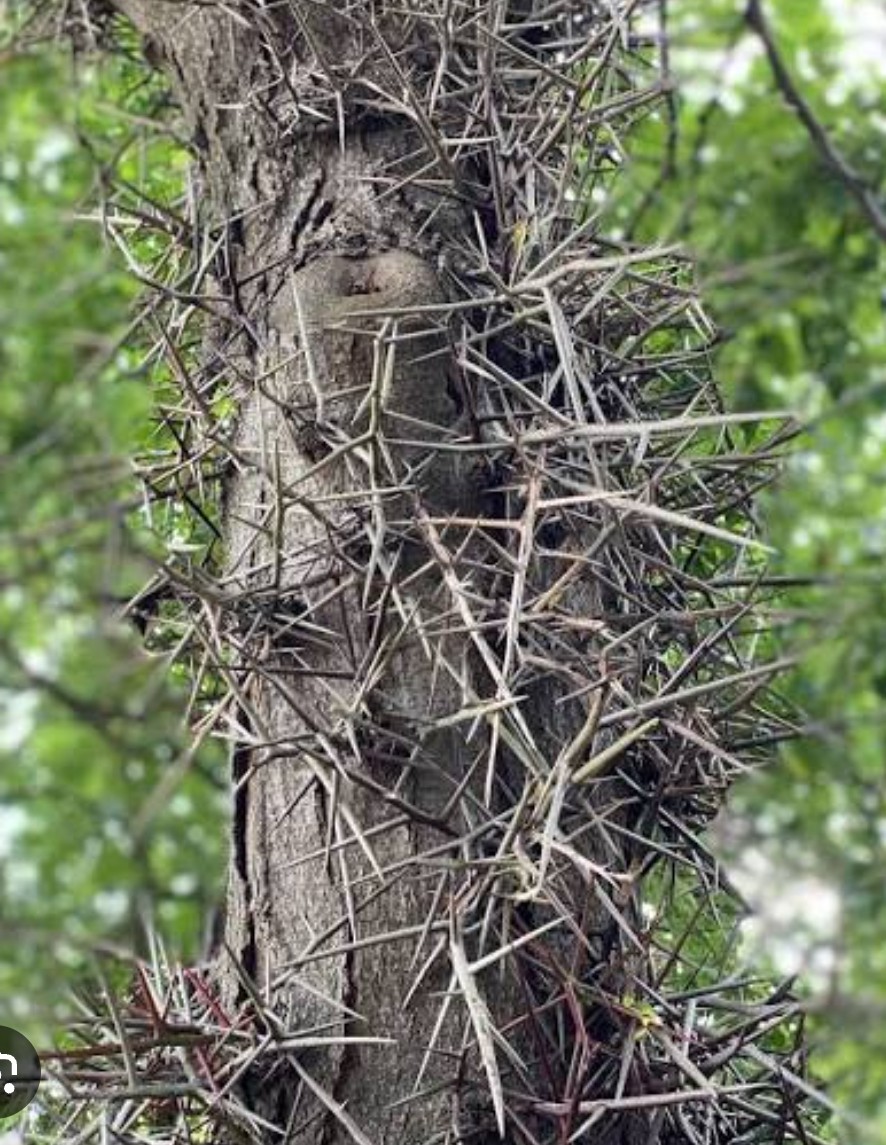
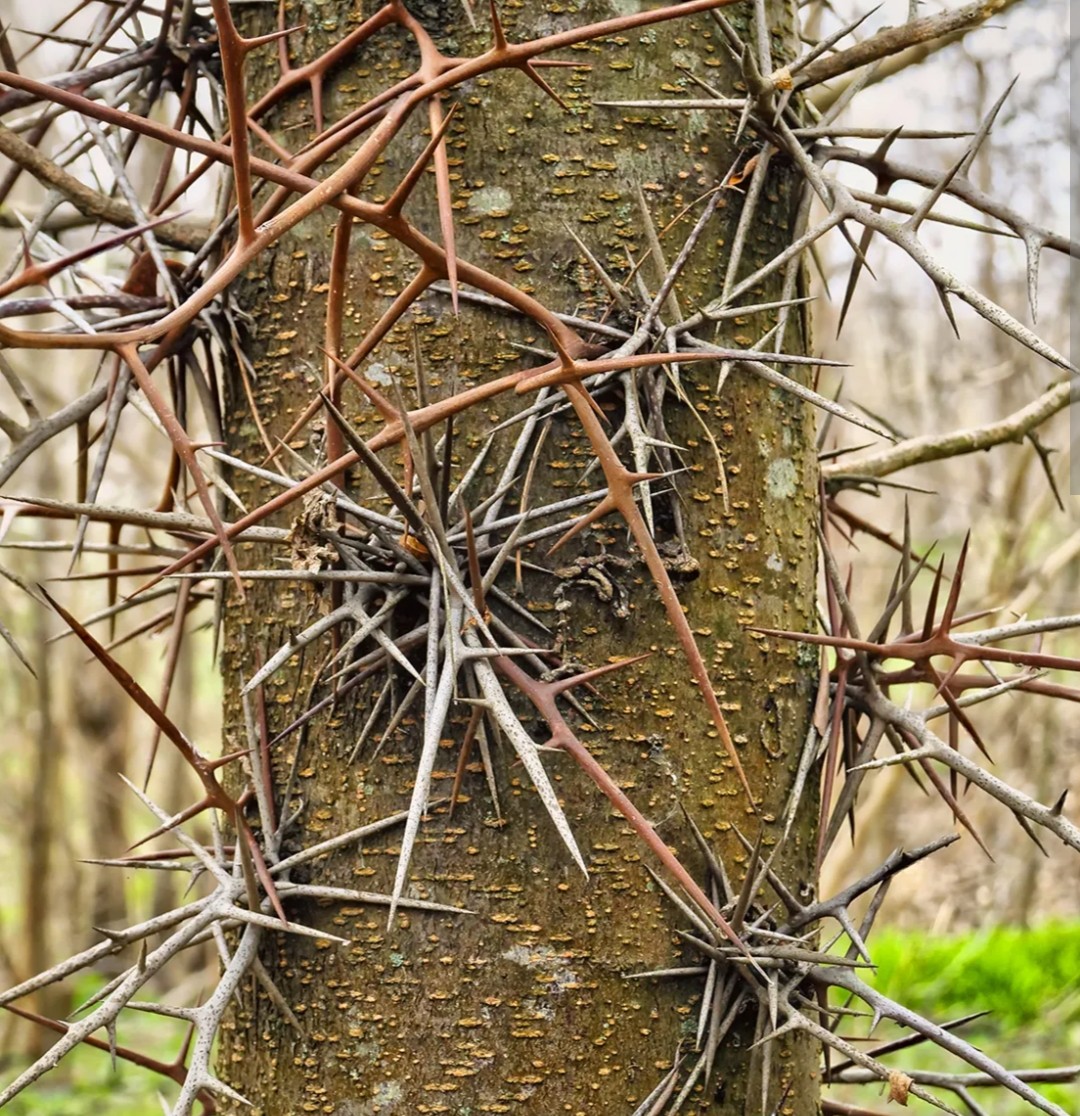
Photo’s borrowed from Google Images.
2 Likes
i read somewhere that they evolved those thorns to protect the trees from herbivore dinosuars from destroying them. native tribes used the thorns as needles and like a button to hold up pants and hold other clothing together. i didnt realize they came back from the stumps.
1 Like
Honeylocust can be invasive around here, and can be a pain, but really are pretty tame as long you burn the pasture occasionally. Cutting them off can make them sucker on the roots unless you stump treat them. The thornless ones here are trees we leave, they make really good firewood and lumber.
The thorns can get nasty.
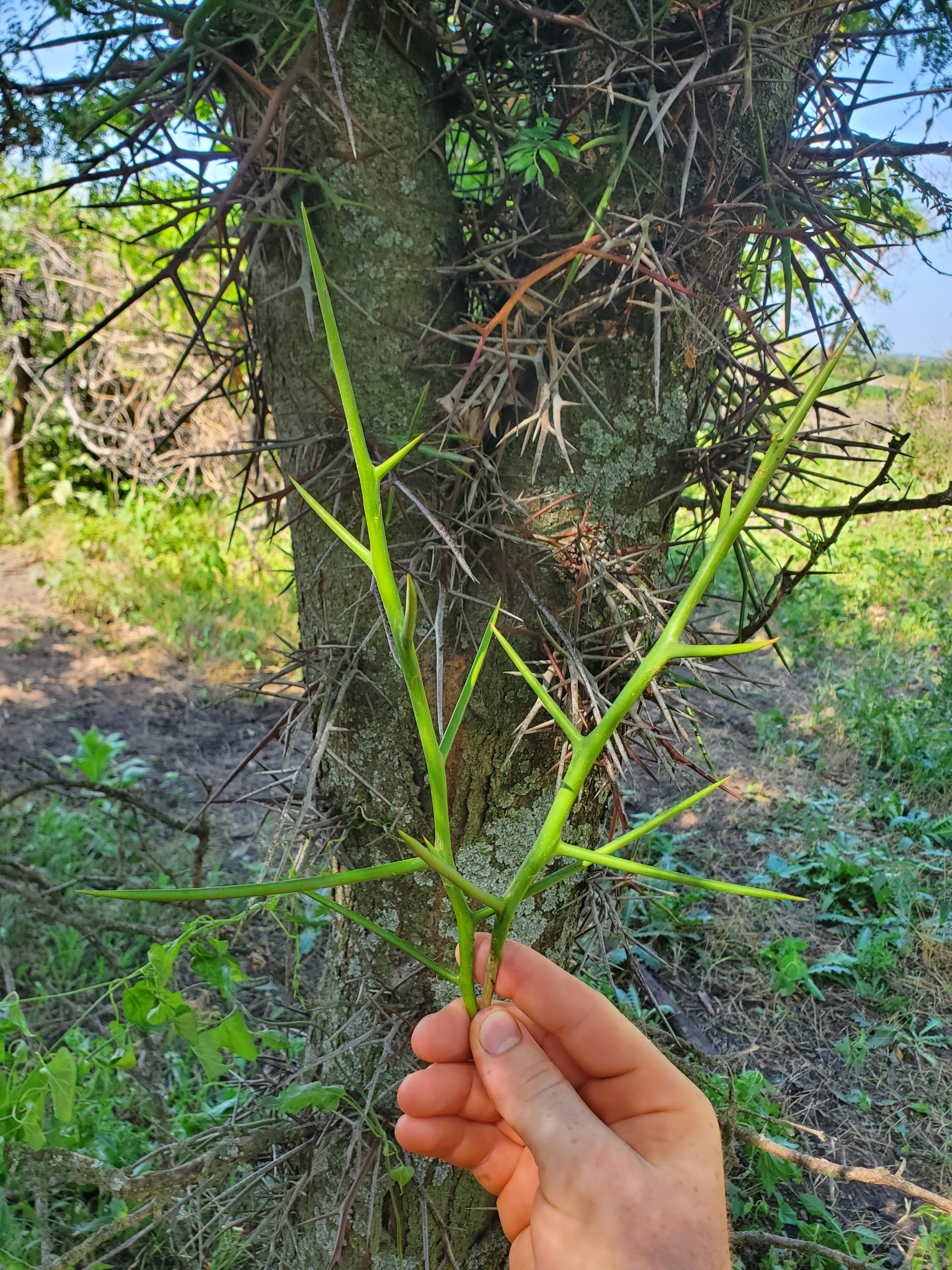
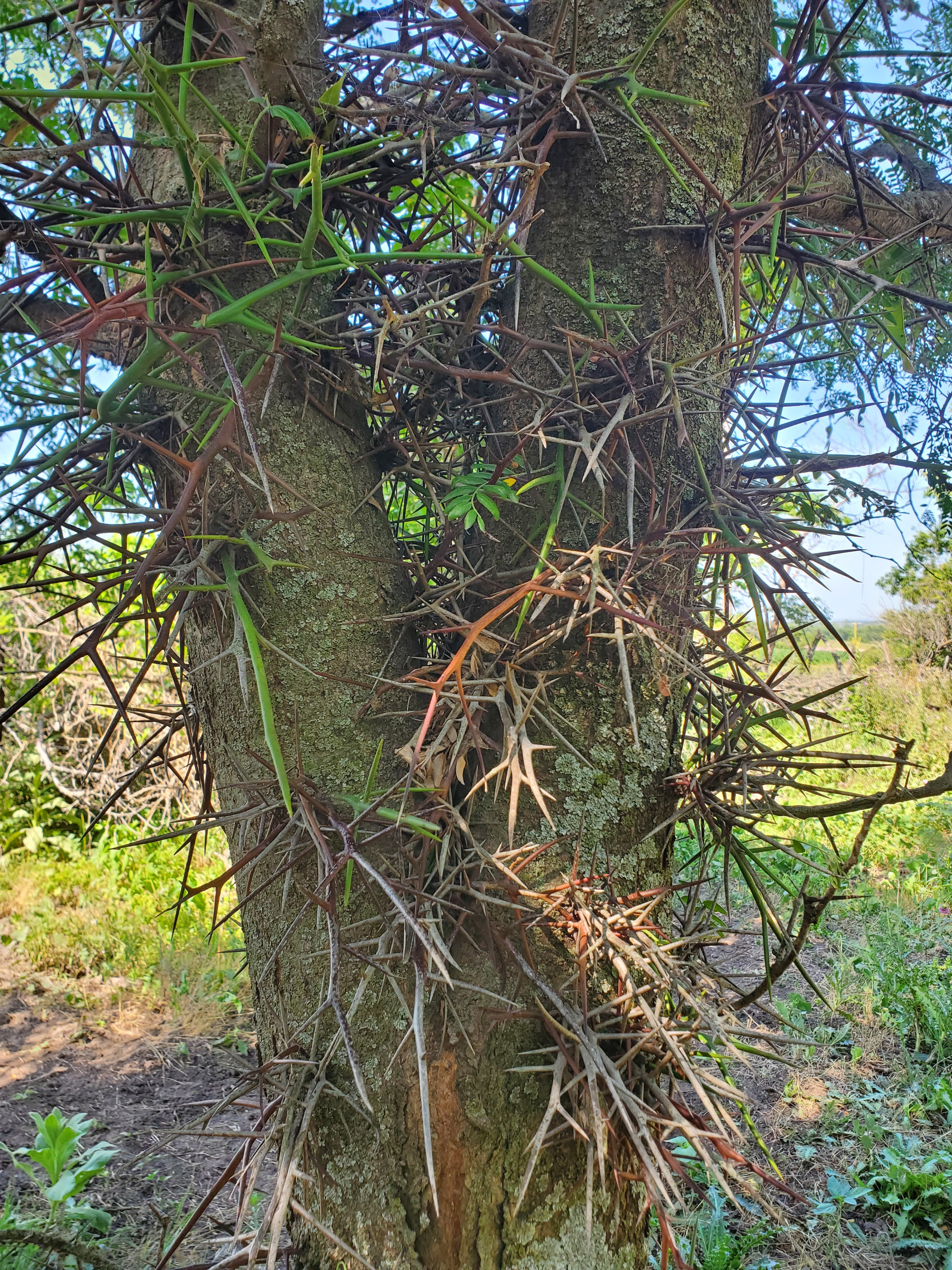
I want to graft over a bunch to the thornless ones with the big sweet pods and keep all of the thorny ones exterminated, so we can have some nice trees here.
Pop the tires on all the tractors with those thorns.
1 Like
I know the intent is to have these trees for grazing and letting ruminants utilize them when they drop.
However, you can also collect them, and put them through some processing to smash up the seeds along with everything else to make it more bioavailable for the livestock.
I’ve also heard certain animals are capable of crushing the seeds.
That would be ideal. Run the whole pods through a grinder or hammer mill of some sort. The seeds are high in protein and the pods are high in calories, but the seeds need crushed to be usable.