thats what im growing. wont know for probably 10yrs.
3 Likes
both the locust grow well here but are all street planted trees of the thornless type. ive seen black locust trees growing in yards as far north as the st. lawrence in QC
3 Likes
I had a few in my backyard at one house used to live in. The thorns were HORRIBLE. I would have to make sure to cut the thorns off since my children would play in the backyard area. The thorns would definitely do some bodily damage and take out an eye.
3 Likes
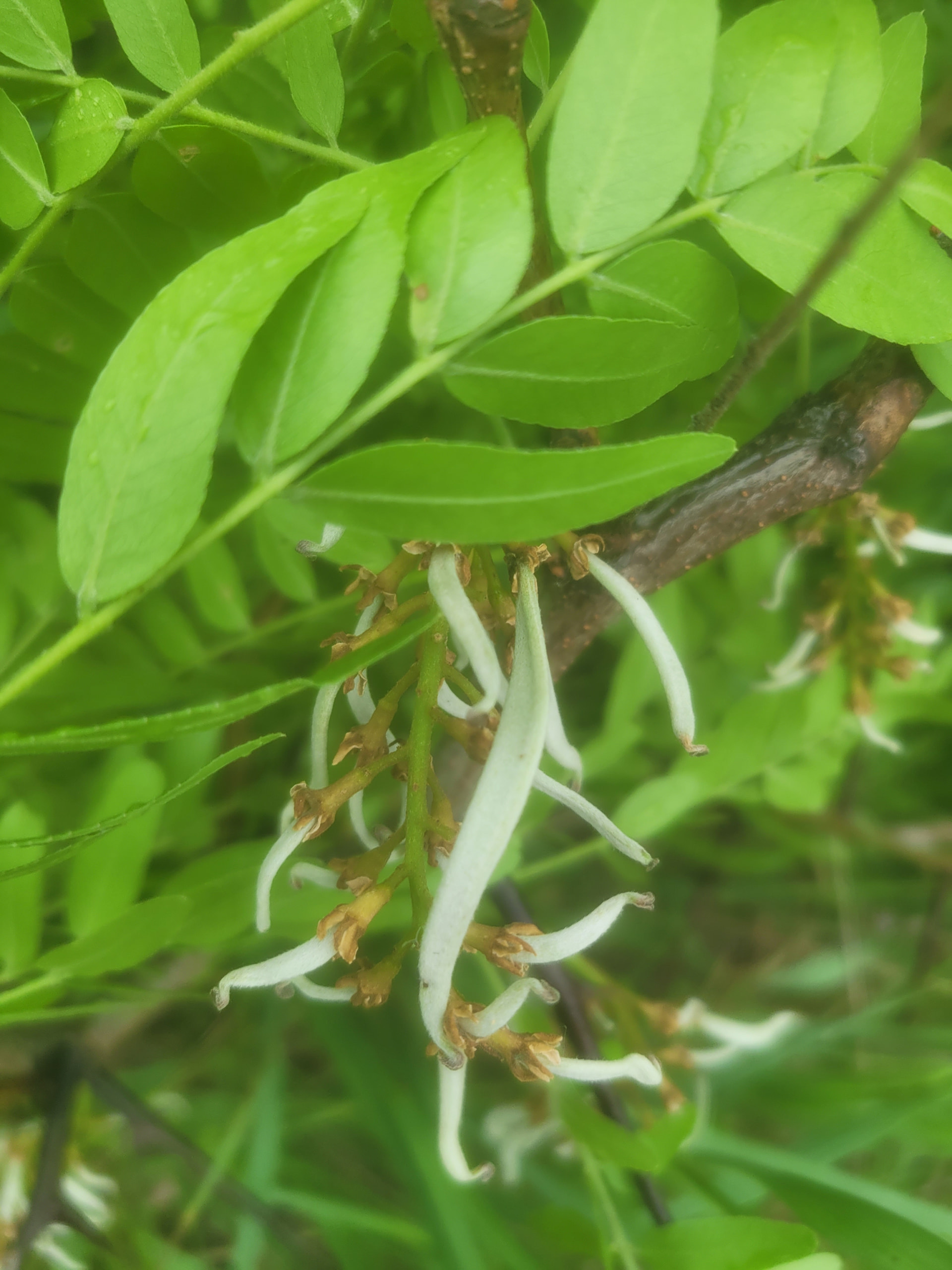
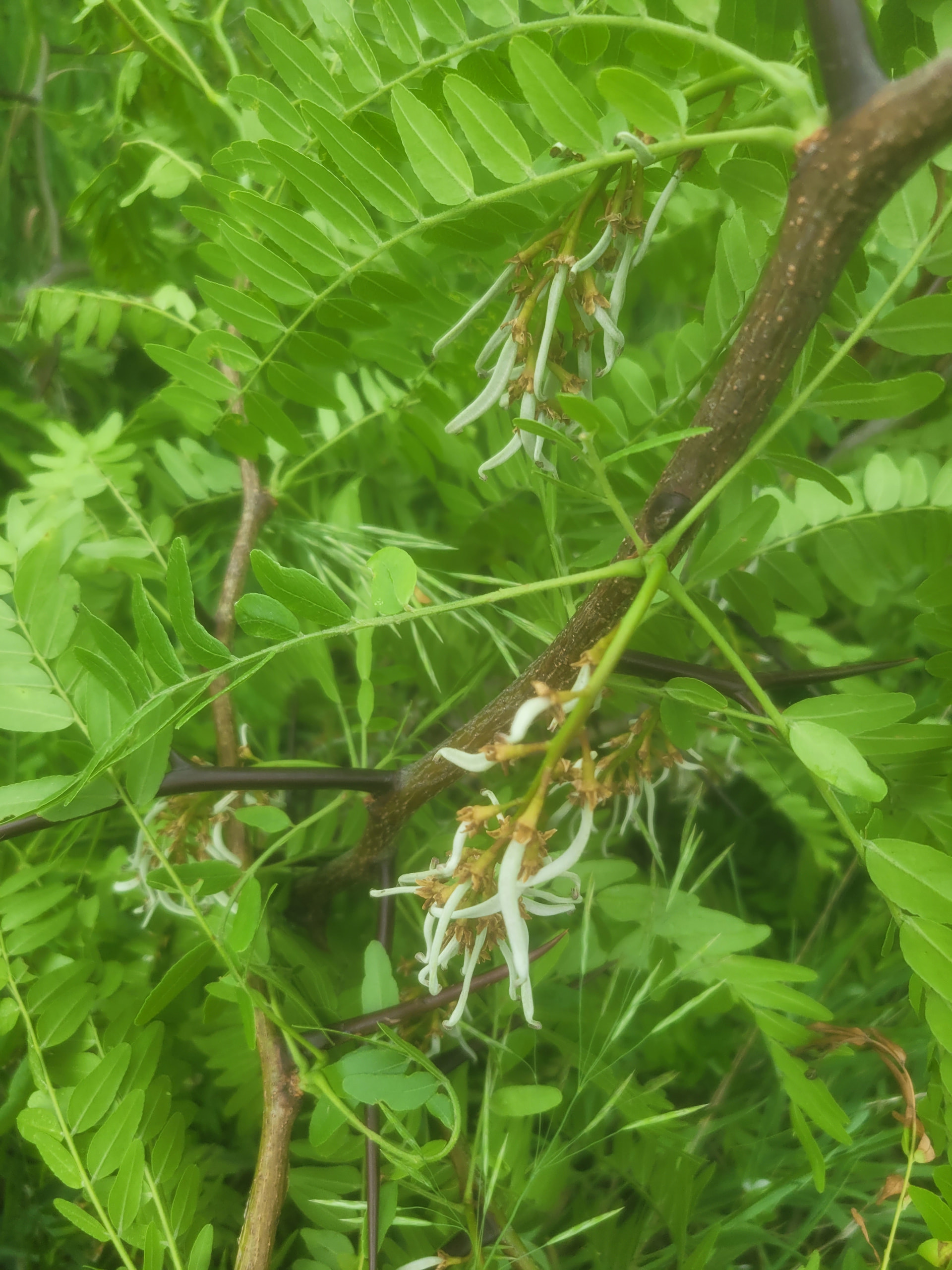
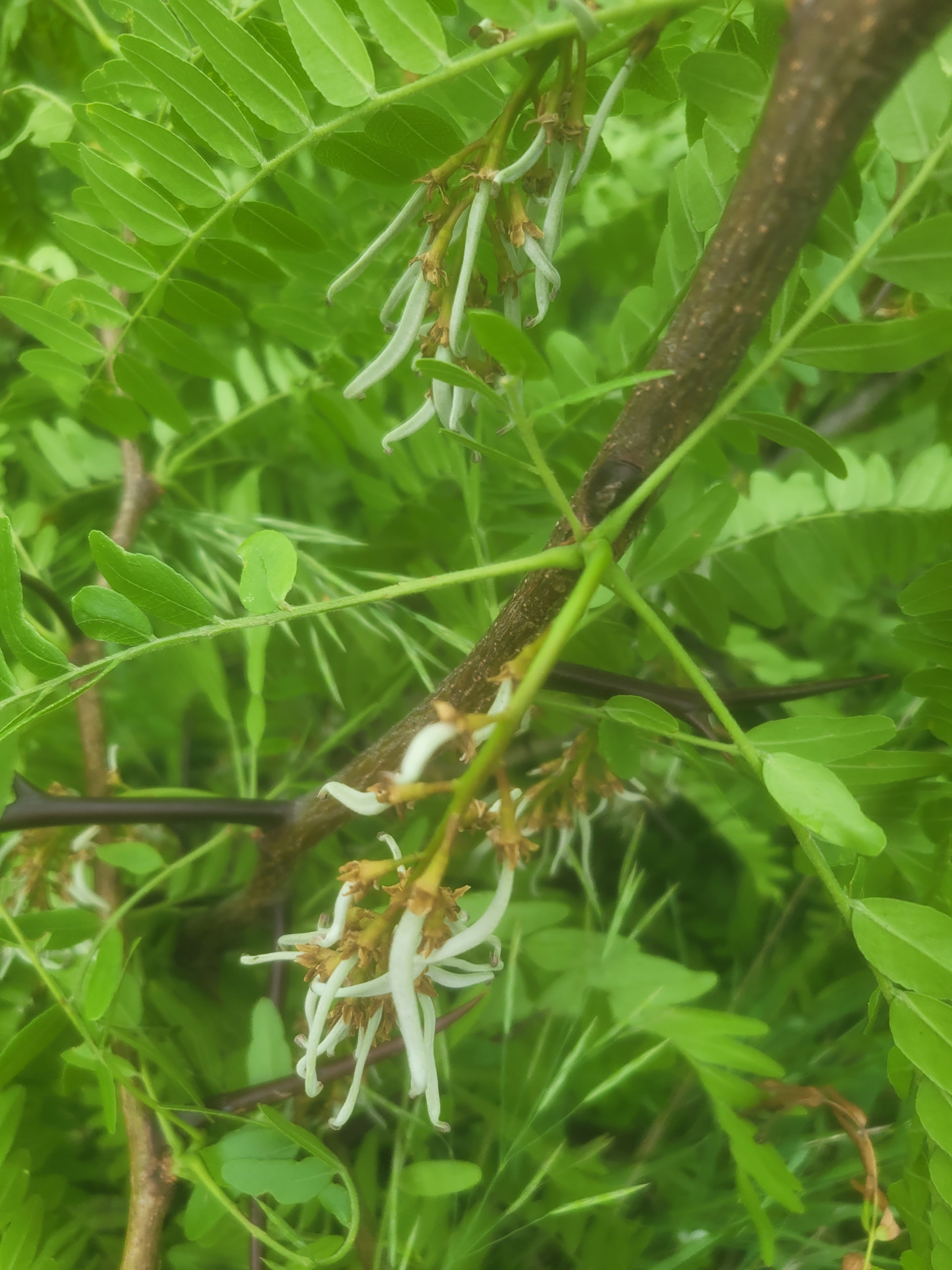
For anyone who does not understand how numerable the edible pods are I took some photos. These pods are new they get very large. These pods eventually contain seeds which is exactly what I want to eliminate.

3 Likes
I’m curious how similar honeylocust pods to carob if processed the same way, especially if using pods from improved varieties?
3 Likes
there are some videos on youtube about it. its doable but pretty labor intensive. the book ’Tree Crops’ explains how it was used to supplement livestock 100 yrs ago as was mulberry, hickory and walnuts. be a great way to bring in deer to a hunting property. im going to donate several of mine to some local farmers to try out.
3 Likes
I guess I have to do some experimentation myself.
2 Likes
The best use case is allow livestock to immediately eat the drops as they drop and especially for livestock that will chew the seed themselves, or else you have to grind them yourself (sheep, goats, deer I assume, cows mostly swallow the seed so believe)
If you do it that way you have no processing and they have good forage (approximately the same as dent corn) in late fall and early winter
3 Likes
I guess I was more of asking of its use in cooking. Like making chocolate bars or chocolate milk out of honeylocust powder instead of cocoa, the same way carob is used.
3 Likes
“This pulp can contain a surprisingly high concentration of sugars, giving it a distinctly sweet taste, hence the tree’s name. However, not all pods are created equal.
“ Can You Eat Honey Locust Pods?
Can You Eat Honey Locust Pods?

In this article:
-
Can You Eat Honey Locust Pods? Exploring the Sweet and Thorny Truth
Show more…
Can You Eat Honey Locust Pods? Exploring the Sweet and Thorny Truth
The short answer is yes, you can eat honey locust pods, but with critical caveats. While the pulp inside mature pods can be surprisingly sweet and was traditionally used as a food source by some Native American tribes, proper identification, preparation, and an understanding of potential risks are absolutely essential before consumption.
Honey
You may also want to know: Can Bearded Dragons Eat Succulents? · Can You Eat Thyme Stems?
Related reading
Food
Detailed guide:
Can You Eat Honey Locust Pods? →
For a more detailed explanation, see this guide on shiftychevre.com.
The Honey Locust: A Double-Edged Delicacy
The honey locust tree (Gleditsia triacanthos) is a common sight across North America, easily recognizable by its long, flattened seed pods and formidable thorns. Reaching heights of up to 70 feet, these trees are resilient and adaptable, thriving in a variety of environments. But beyond their aesthetic value and hardiness lies a fascinating, and sometimes contentious, edibility. The pods, particularly the pulp surrounding the seeds, are what intrigue foragers. This pulp can contain a surprisingly high concentration of sugars, giving it a distinctly sweet taste, hence the tree’s name. However, not all pods are created equal, and understanding the nuances is crucial.”
“ Harvesting and Preparing Honey Locust Pods: A Step-by-Step Guide
Timing is everything when it comes to harvesting honey locust pods. The optimal time is in late autumn or early winter, after the first frost. This is when the pods have reached their peak sweetness and the seeds have fully matured.
Honey
-
Selection: Choose mature, brown pods that are dry and crisp. Avoid pods that are green, moldy, or showing signs of insect damage.
-
Preparation: Wash the pods thoroughly to remove any dirt or debris.
-
Consumption: The most common method is to simply chew on the pulp surrounding the seeds. The seeds themselves are hard and indigestible and should be discarded. You can also grind the pods into a powder for use in baking or brewing.”
“While honey locust pods offer a natural sweetness, they are not without their risks.
-
Toxicity: While the pulp is generally considered safe in moderation, the seeds and other parts of the plant contain cyanogenic glycosides, which can release cyanide when ingested. While the concentration is usually low, it’s best to avoid consuming the seeds altogether.
-
Allergies: As with any food, allergic reactions are possible. Start with a small amount to test your tolerance.
-
Pesticide Exposure: Trees growing near roads or in agricultural areas may have been exposed to pesticides. Thoroughly wash the pods before consumption.
-
Digestive Issues: Consuming large quantities of honey locust pods may cause digestive upset, such as gas, bloating, or diarrhea.
Honey Locust Pods: A Historical Perspective
Honey locust pods have a long history of use by Native American tribes. Some tribes, such as the Cherokee and Pawnee, used the pods as a food source, grinding them into flour for baking or using them to sweeten beverages. The pods were also sometimes used medicinally.
Modern Uses of Honey Locust Pods
Beyond foraging, honey locust pods are also being explored for other uses, including:
-
Livestock Feed: The pods are a nutritious and palatable feed for livestock.
-
Biofuel Production: The high sugar content of the pods makes them a potential feedstock for biofuel production.
-
Soil Amendment: The pods can be used as a soil amendment to improve soil fertility.
FAQs: Diving Deeper into Honey Locust Pods
FAQ 1: Are all honey locust trees edible?
Not necessarily. While the species Gleditsia triacanthos generally produces edible pods (with the caveats mentioned above), individual trees can vary in sweetness and potential toxicity. Some trees may produce pods that are less palatable or contain higher levels of toxins. Always err on the side of caution and sample small amounts initially.”
2 Likes
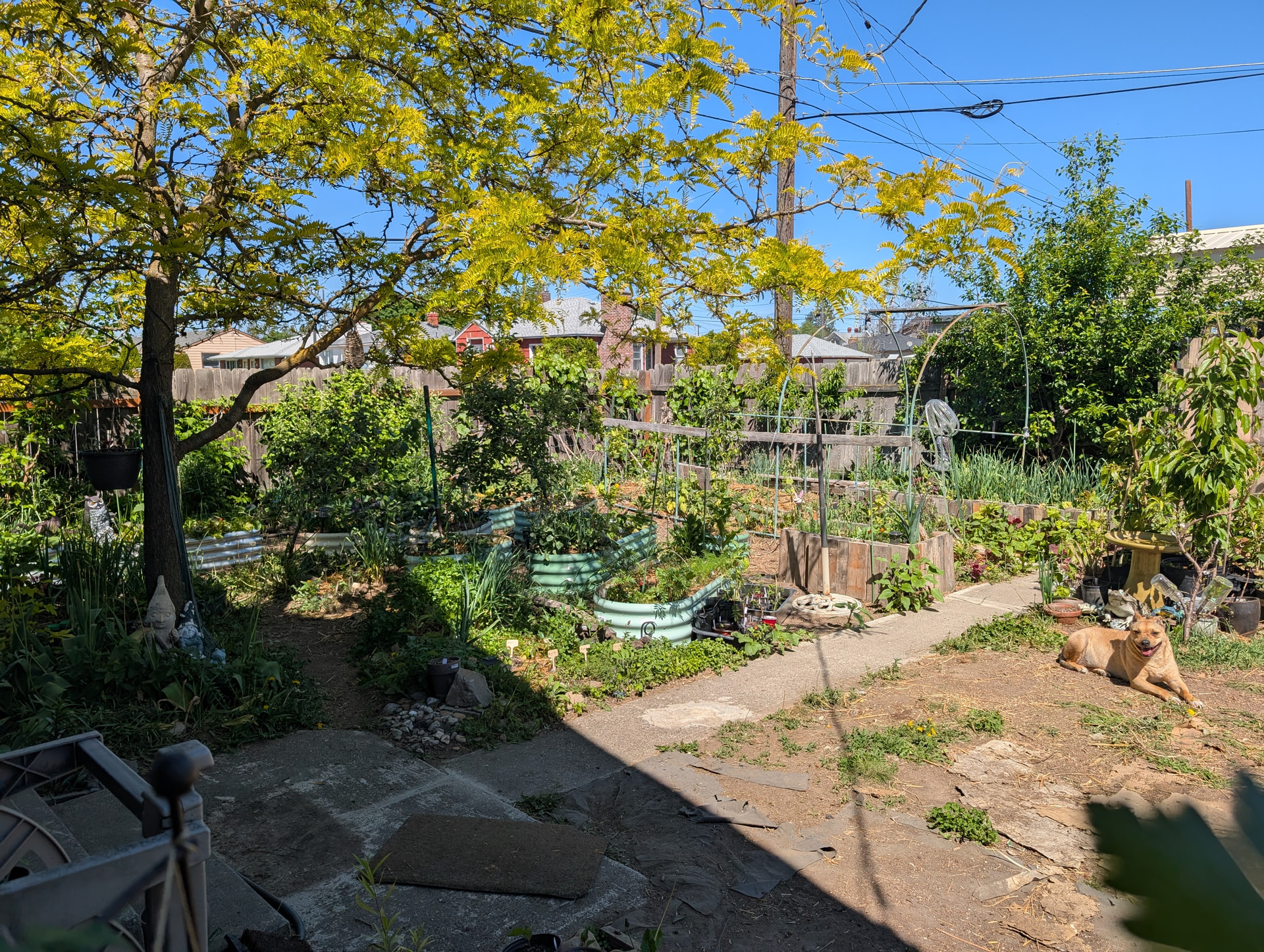
we have a 24 year old thornless honey locust. it gives good dappled shade to part of the garden and makes MASSIVE amounts of tiny pods which fall and dry up in the paths- i just rake them into the compost as there’s nearly no pulp.
someone said you can tap a honey locust like a maple? is this true, i would try it if so.
4 Likes
I read this past year you can tap them. They are supposed to give a sap that yields one gallon of syrup for 20 gallons of sap. Sugar maples give one gallon per 40 gallons of sap.
It also said it’s common to tap Black Walnut which I will try this next year.
Hickory, beech, sycamore, and a few others also yield sap for sugar but at a inferior ratio. I think sycamore was 60:1. I’ve heard of Black Walnuts giving sugar but not these other trees.
3 Likes
yellow and white birch give syrup but at 60:1. i tried some in AK. it was good but didnt have the depth of flavor maple syrup did. St. Lawrence nursery sells a siver maple developed to make syrup that starts producing in half the time sugar maple does and can grow in wetter conditions than sugar maple. i forget the name. but if i had the land id plant a orchard of it and plant the high sugar pod h. locusts as well and also make syrup with them.
4 Likes
Hmm what I read said 120 gallons for one gallon of syrup. It seems most use the pods for a much better syrup.
3 Likes
the pods are extremely small and dry, i can’t see myself processing them (especially since i already do for sorghum at about the same time). i love birch syrup and birch beer so i might try to tap it. I’m not sure when, I’ll have to do some reading.
1 Like
From Wikipedia:
Honey locust was given its scientific name of Gleditsia triacanthos by Carl Linnaeus in 1753. The species name is derived from Greek and means “three thorns”.
The common name most often used for the species is “honey locust”. This name comes from the slightly sweet pulp that surrounds the seeds in the tree’s pods and their resemblance to the pods of the carob or “locust tree” from the Middle East.
Honey locust is also used for the genus as a whole or for other species in it.
In the late 1800s honey locust was sometimes used as an alternate name in localized areas for other species such as for mesquit (Prosopis juliflora) in Texas and New Mexico, for black locust (Robinia pseudoacacia) in Minnesota, and for clammy locust (Robinia viscosa) in New York and New Jersey.
4 Likes
the pods of the millwood variety i just bought are supposed to have 12-14in. long pods. you scrape the inside of the pods to collect the sweet sap inside or chop them up and feed to livestock.
4 Likes
I think part of the reason honey locust as a food source isn’t more popular is because the optimal time to eat the pulp is before the pods turn brown. At least around here, the pods are still a long way from dropping at that stage, and the trees are huge, making it impractical to harvest them. Maybe the improved cultivars are different. I know their pods have a significantly higher Brix level than the average tree.
4 Likes
ill probably grind the whole pod up and give to the chics. not worth the work involved.
5 Likes
These are landrace trees, or feral trees, or the species native to your area?
1 Like