Is the climate different in Japan or is black knot a problem there too with all these Japanese varieties of plums?
1 Like
is native to america and has not established its self in Japan. There is active quarenteen of materials and moniting to detect it.
5 Likes
Also, most “Japanese” plums are hybrids between Asian and American species. Until recently, there weren’t that many varieties of plum grown commercially in Japan, and most of the varieties we grow here were bred in the US. As far as I know, it’s not a super popular fruit in Japan.
2 Likes
I wouldnt say they dont like the Chinese plums we call Japanese. They just turn everything into an experance fruit
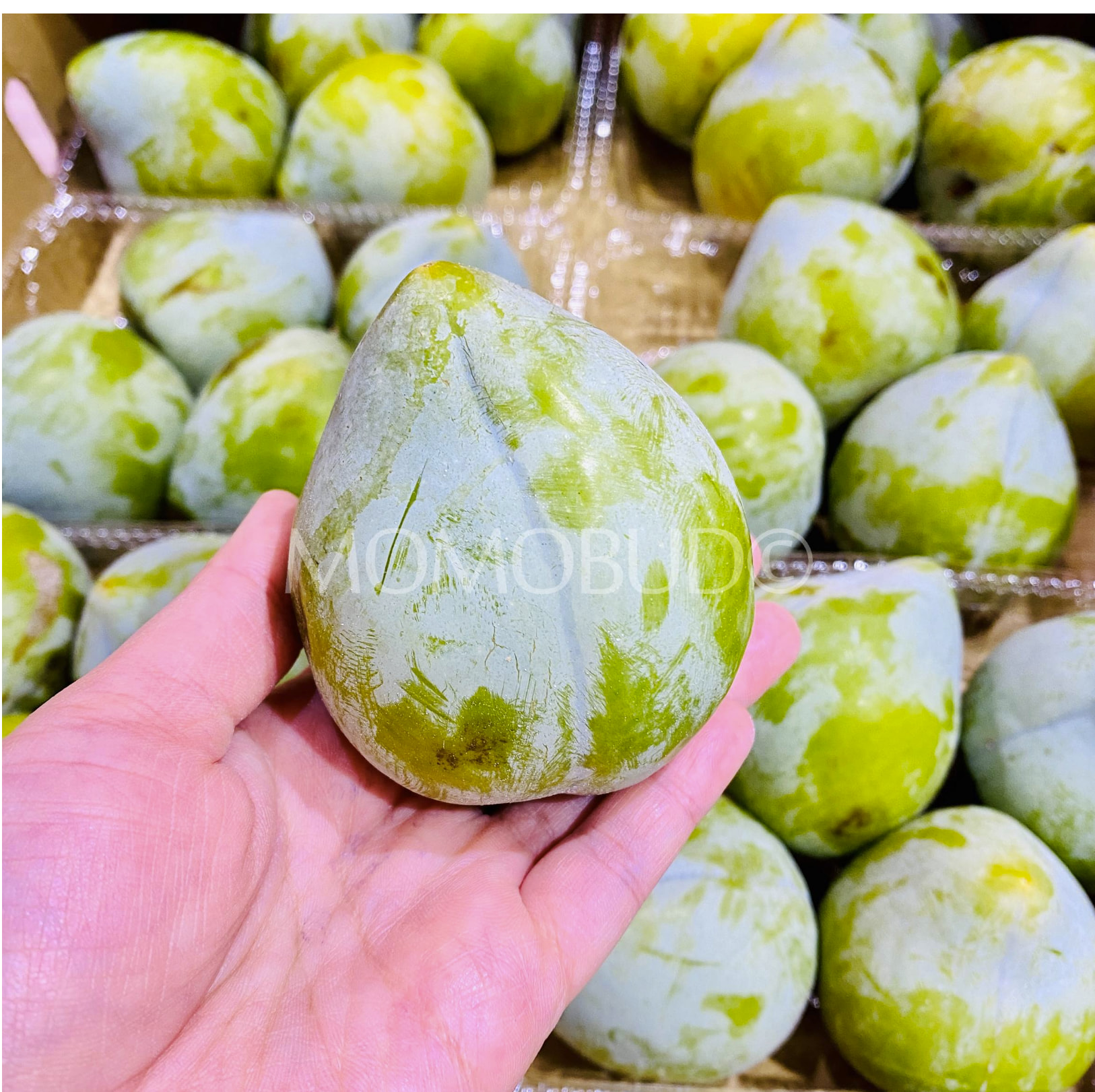
But yea they do seem to apprecate plums diffrently then the rest of us. Simular to how I rarely get served a ripe mango in trinidad. Everything is either served green or preserved.
Ume plum(apricots) never get to ripen
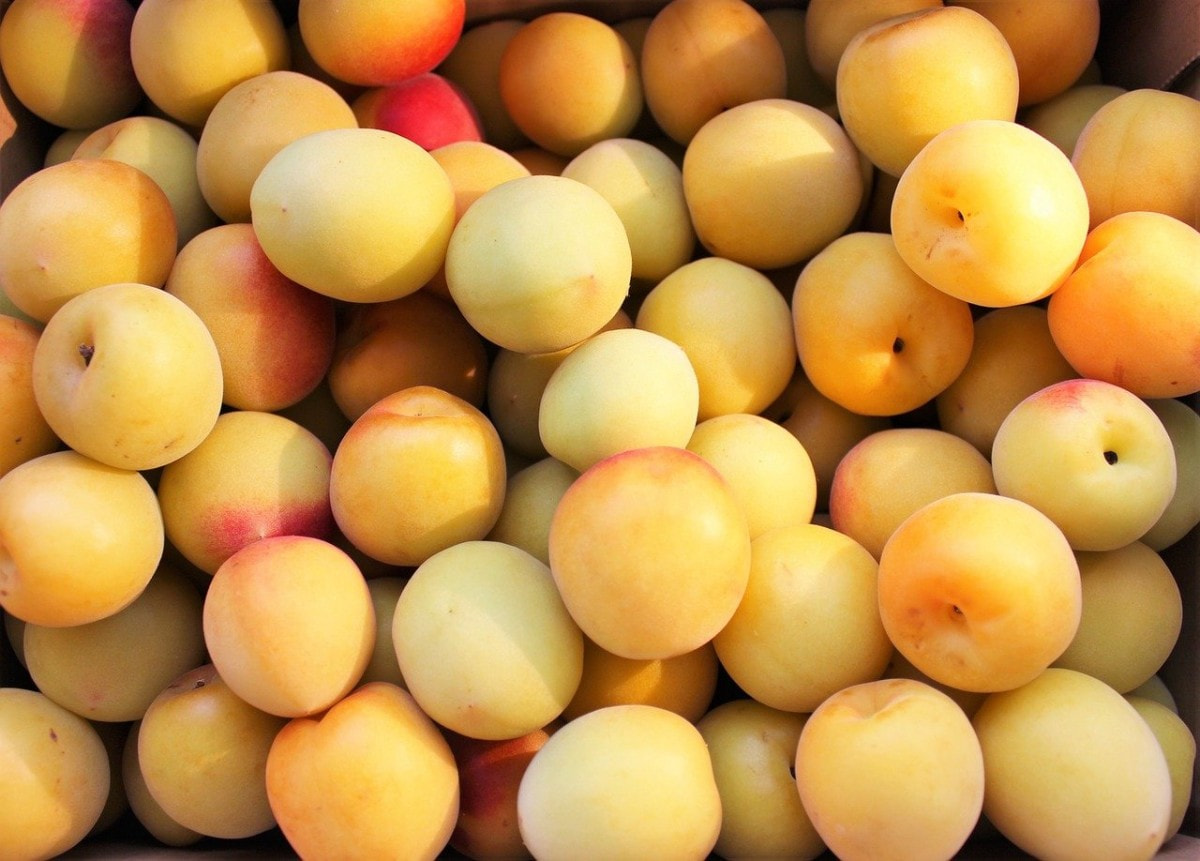
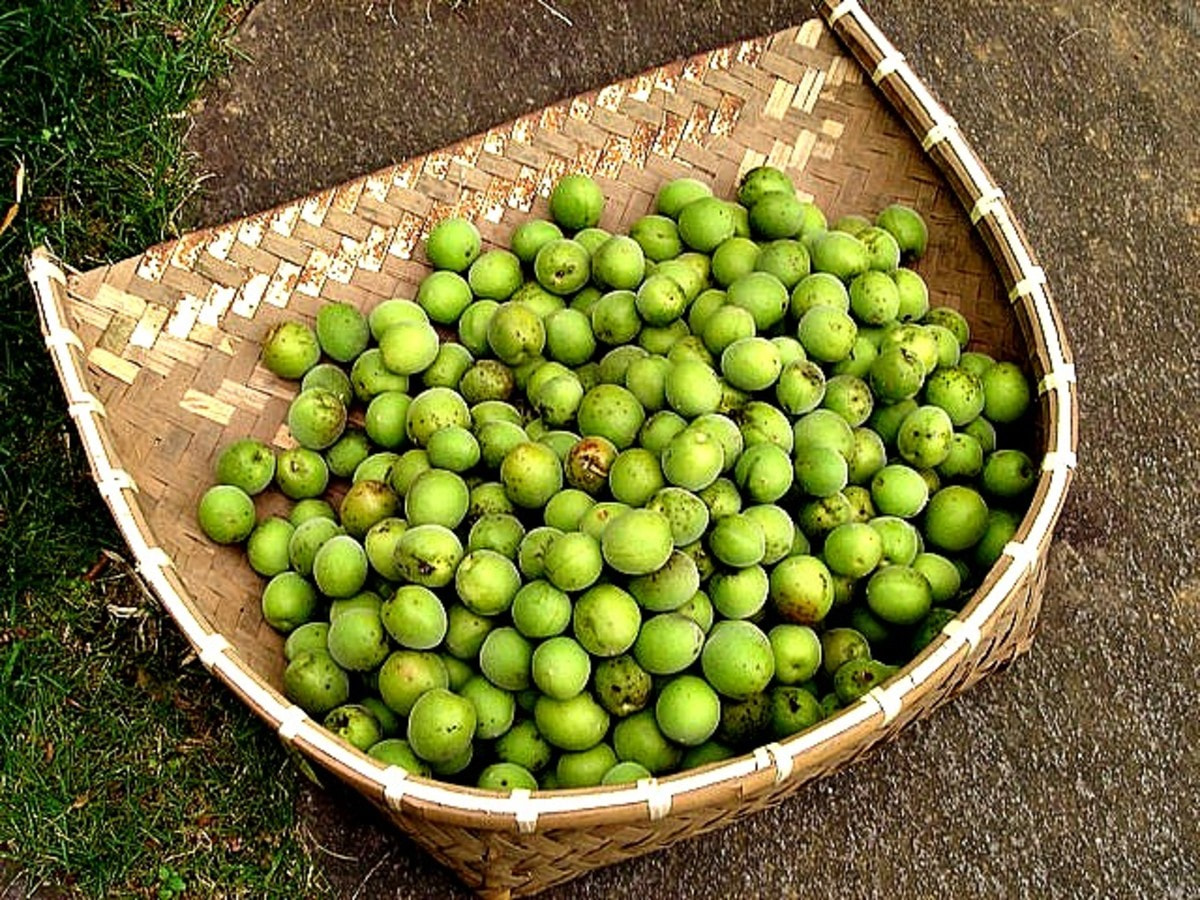
they strip them all from the tree green to make perserved plums
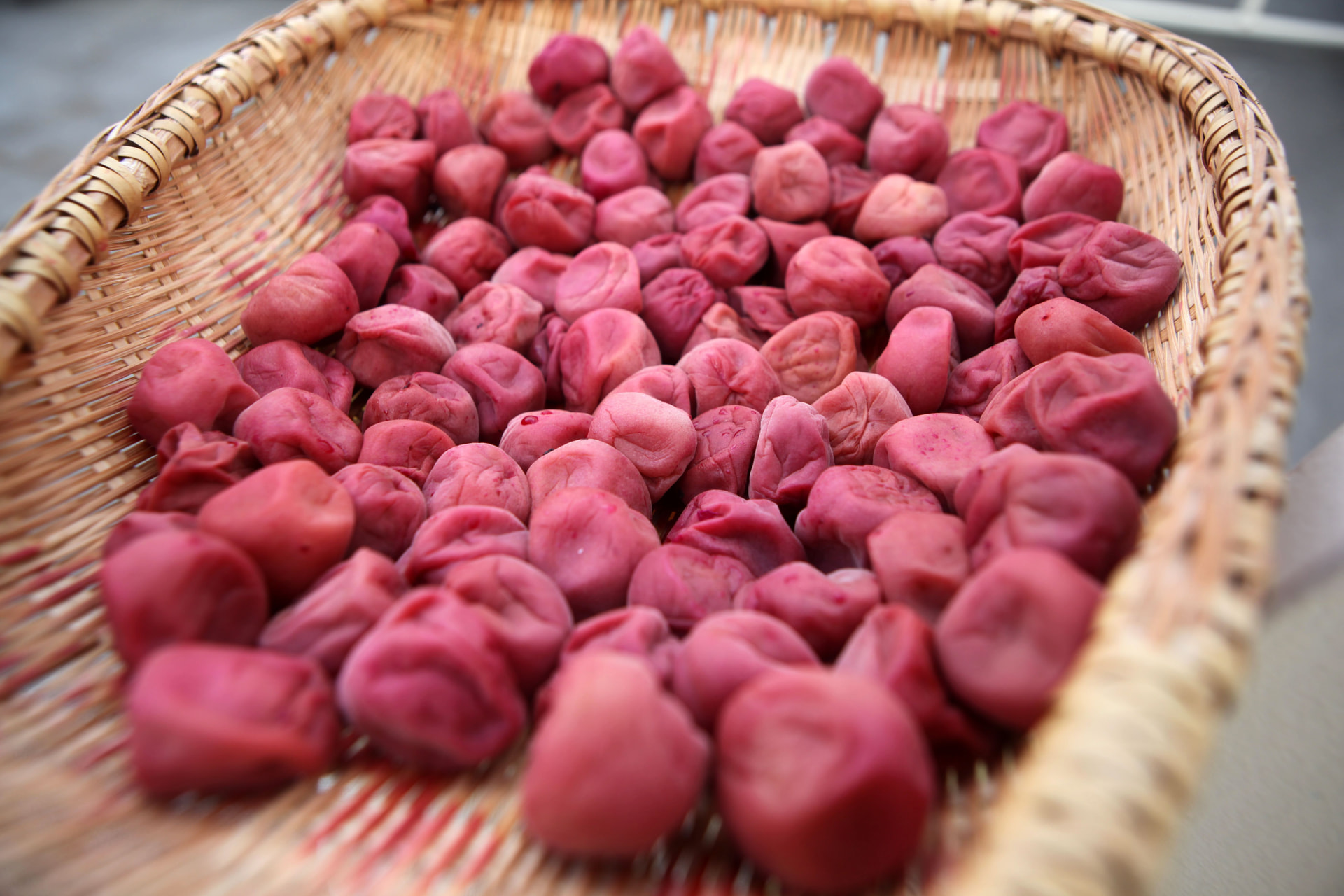
getting one of these with a meal is the norm
of infusing into wine

4 Likes
Compared to peaches, plums occupy a far smaller share of the market, and they don’t get the same kind of gift fruit status that apples, pears, and melons do. Plums definitely exist in Japan, but until recently most varieties just weren’t that good. They’re literally called “sour peach” in Japanese.
Unless you’re making the crunchy kind of umeboshi, they are picked close to ripe. For plum wine, greener fruit is better.
2 Likes
Thanks! Didn’t know that.
1 Like