How to safely cook dried Lablab/Hyacinth Beans (Lablab purpureus)

How do we safely boil & eat dried Lablab beans (Lablab purpureus)?
I’ve read they require 2 changes of water & a long boiling time to destroy the toxic cyanogenic glucosides (How long?). How exactly do we effectively do this? by 2 changes of water, do we boil & drain it twice? Or does presoaking, discarding water & then boiling count as 2 changes of water?

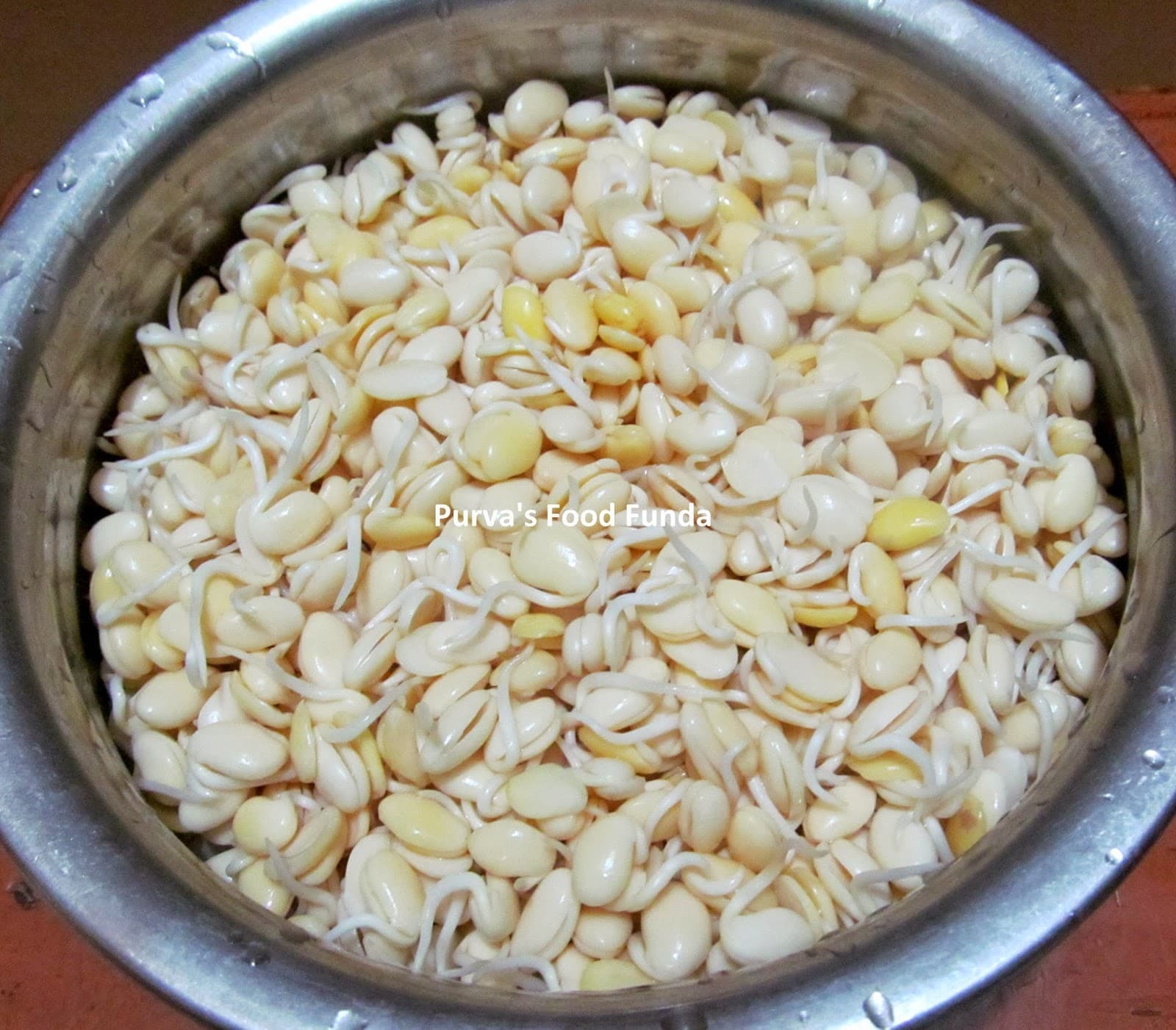
I have tried presoaking White Lablab Beans “Surti Val” overnight, discarding the water & then boiling them once, (Exactly like common beans). The result is a creamy/earthy bean flavor but also bitter & my stomach feels weird afterwards. So I’ve tired to fix my mistake & boiled them again for 11 more minutes. They still taste the same, altho maybe slightly less bitter (Idk if this is me wanting them to be less bitter or they were actually less bitter). I don’t know what I did wrong.
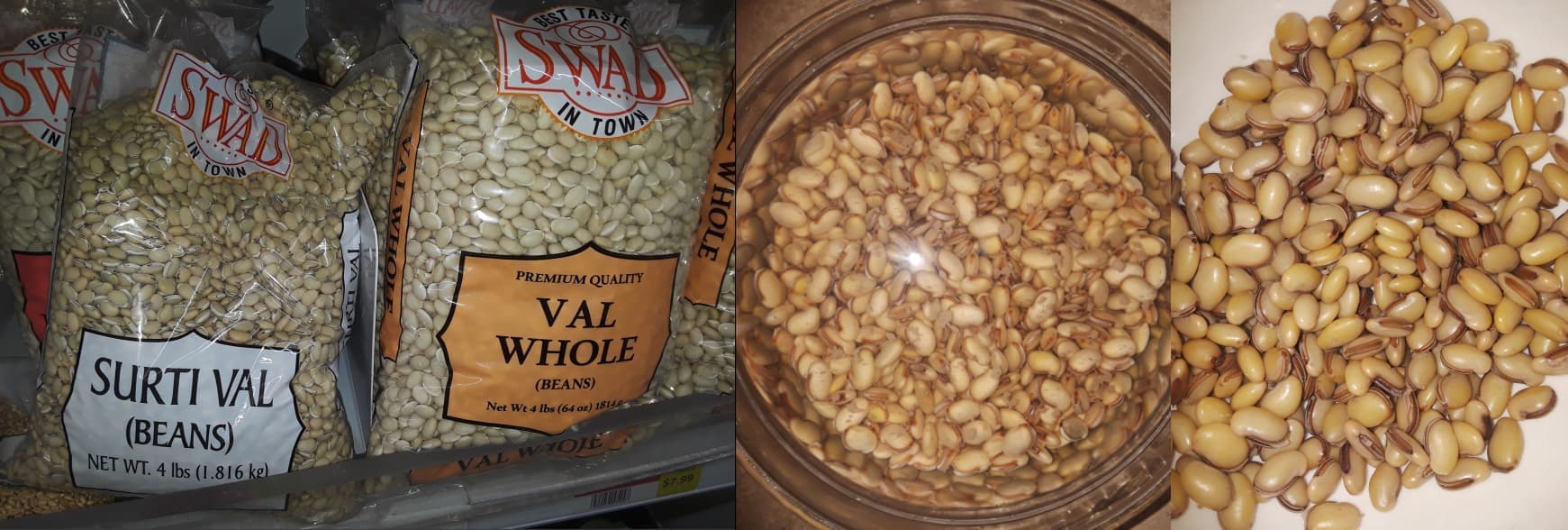
These were White Hyacinth Beans, not the brown types which apparently contain even more toxic cyanogenic glucosides. Below is what the brown Lablab beans look like (I didn’t try eating them yet). Both kinds of light & dark brown mixes.
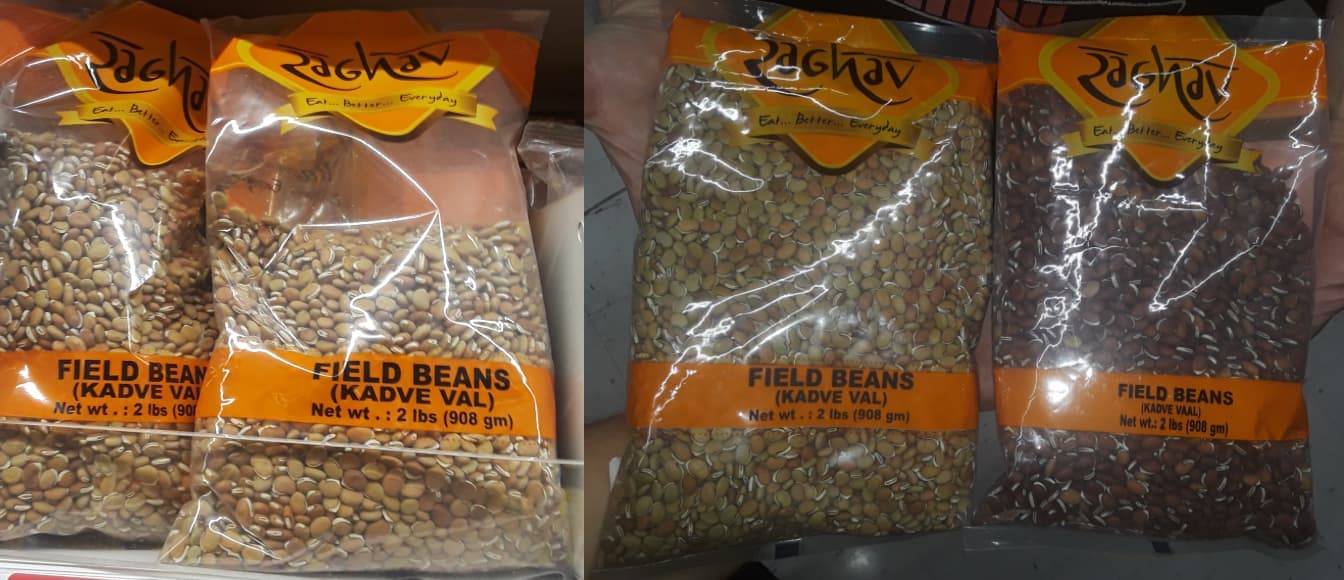
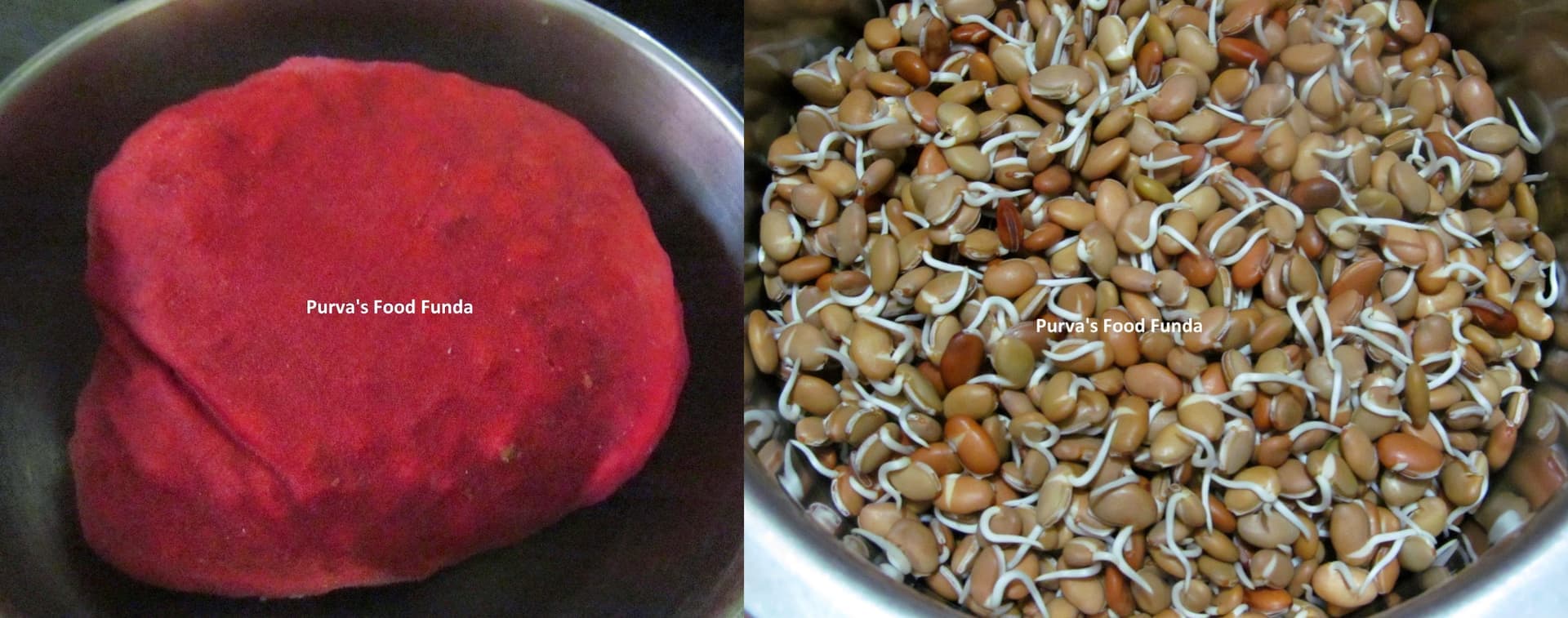
The brown Lablab beans are known as Field Beans or in India as “Kadave Val”. Simply boiling dry seeds in 2 changes of water isn’t enough for these, sprouting is aparently required. They are first

  1. pre-soaked overnight (10 hours), water drain & wash again so they don’t become sticky.

  2. wrap in cloth/blanket & place in a warm room for 16-20 hours to get them sprouting.

  3. Pour lukewarm water on sprouted beans & keep aside for 30min, (this moisturizes them, making skin easier to peel)

  4. Use thumb + index finger to press each bean lightly to peel skin (Take care to keep sprout intact)

  5. Finally they are ready to cook. Do we change 2 times water after this or no?
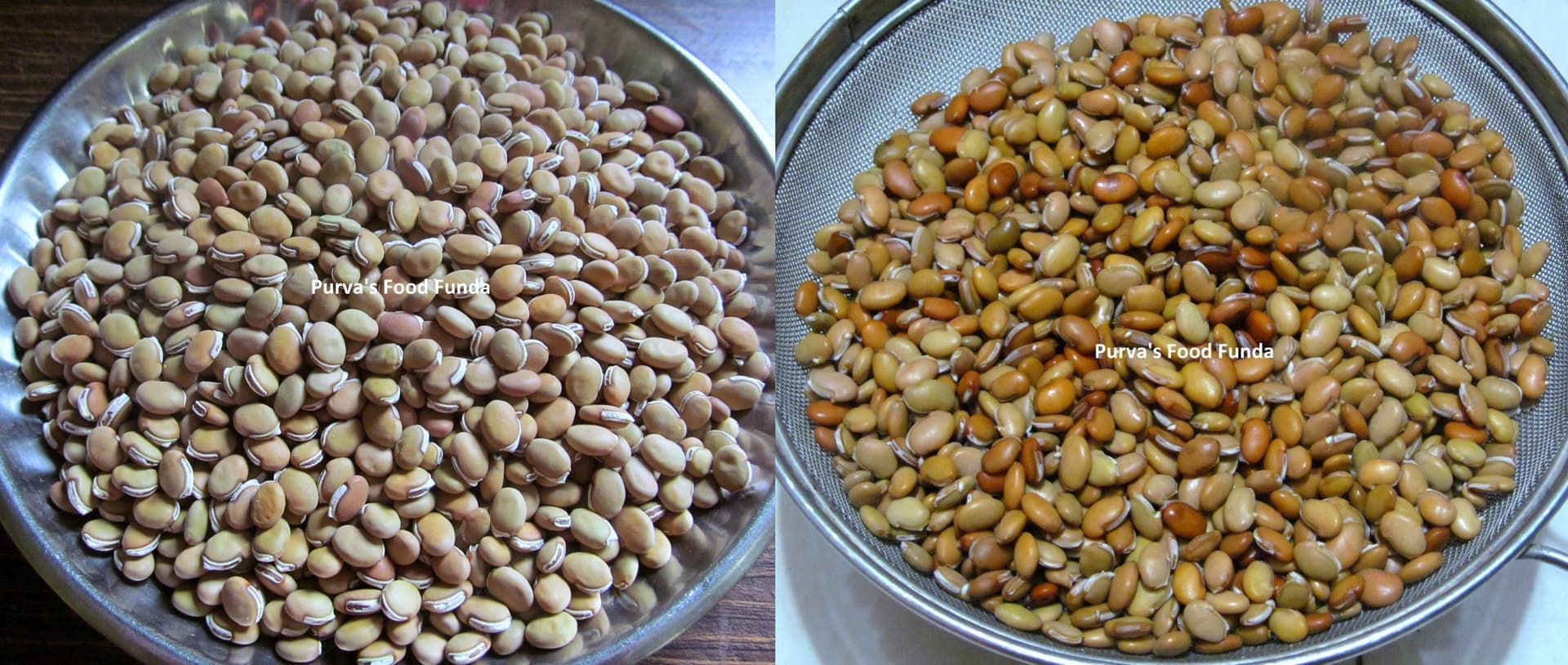
I haven’t tried cooking the sprouted (aka Lablab Bean Microgreens) yet. Is this effectively the only safe way to eat dried Hyacinth Bean seeds?
This links to the blog I learned about the sprouting/cooking technique

According to EatTheWeeds, dried beans require 2 changes of water & longer time to cook.

This study talks about Chemical compostions of Lablab Beans, I had a hard time finding anything about how to effectively destory the toxin.
https://www.researchgate.net/publication/381962911_An_underutilized_bean_hyacinth_bean_Lablab_purpureus_L_sweet_bioactive_compounds_functional_activity_and_future_food_prospect_and_applications

According to this EPIC Study : https://www.journalijdr.com/sites/default/files/issue-pdf/26828.pdf
“Mature seeds are consumed as a cooked food or a sprouted seed.”
“Some varieties (mostly dark-seeded types) contain high levels of a cyanogenic glycoside in their seeds. When cyanogenic glycosides are hydrolyzed by plant enzymes during cooking, or possibly by intestinal enzymes after ingestion, cyanide can be released and lead to cyanide poisoning”

So cooking causes the toxic cyanogenic glycosides to become hydrolyzed & thus cyanide is released? Is this why the water is discarded? But isn’t cyanide destroyed by heat/cooking/boiling anyways? So what gives bruh!? Why were the boiled beans I tried slightly bitter? Again what did I do wrong?

I hope together as a community, we can figure how to safely cook Dried Hyacinth Beans. Please share your thoughts, I need bounce off ideas to better wrap my mind around it.

As a quick answer just from my general understanding of legumes and such with bitter alkaloids, tannins and whatnot…
More water changes. Keep changing until no longer bitter.

hmm… more changes of water, I guess I’ll have to test & figure it out.
I wonder if it needs a longer soaking time or 2 pre-soaks overnight?

Why bother?

2 Likes

That’s what I want to answer myself!
If the mature seed is just bad/not very useful as food, than maybe the mature seeds is just not worth it. But somehow the Indians figured it out, and I want to figure it out too!
However the plant also has many other really good edible parts, which may more than make up for it. It’s a very underutilized crop that is super easy to grow.

  1. Leaves are edible raw or cooked
  2. Tender immature pods edible cooked & make good stirfry
  3. Flowers edible raw or cooked & taste sweet from what I’ve read
  4. Perennial cultivars produce edible cooked tubers, some varieties are selected for this purpose.
  5. Finally the mature seed is edible cooked, but still not sure how exactly with what changes of water & how sprouting changes the edibility.

Have you ever thought… this plant is trying to kill me to protect its self… Obviously toxic… with a purpose.

What amount of soaking or boiling and pouring off water… makes the remaining plant toxins safe ?

Safe… or… at least so I can eat it without noticing any serious side effects.

Polk Weed, Polk Salad (common here in the south)… has such a load of plant toxins in it including oxilates… it makes most people very sick if they don’t boil it and pour the water off 2 or 3 times before they eat it.

I would caution that not all humans have the same adverse reactions to plant toxins. I have seen people that can eat polk weed like a salid green uncooked. Where others would get very ill from even a small amount of that.

What works to make it tolerable for you… might not work for other members of your family.

Be careful… some plants are trying to kill you or at least to make you very ill to protect themselves.

In my mind… I am better off… avoiding those completely.

TNHunter

2 Likes

Not worth the effort unless there really is nothing else to eat. Then, it is good to know how to prepare!

These methods were born of necessity.

1 Like

Of course, the seed is the part I’m trying to eat which is the plants offspring. I just don’t understand why Hyacinth beans are so special? Mung Beans, Pinto Beans, Lima Beans, Runner Beans, Black Eyed Peas, Fuzzy Beans, Bambara Ground Beans, Adzuki Beans, Pigeon Peas, & so many more other legumes don’t have this problem (Needing only a simple presoak & drain + boiling, but Hyacinth beans have a problem with this?

Improperly prepared Lima Beans & Kidney beans also have this issue, when they haven’t been cooked long enough or if the pre-soak stage was skipped.
However, why are the pods less toxic?

I think it’s wise to be cautious, different people react differently to the same toxins.
I just wonder why we don’t extend the same caution to other plants? I’ve seen people eat green bean pods raw even tho they are still toxic in small quantities. I’ve even seen some people eat raw hyacinth bean seeds when tender/wet & unripe (Which scares me a bit).

I feel you are right, altho I wonder why they sell them at the grocery store in the first place if they are only created thru necessity & not enjoyment? Maybe it’s nostalgia or just unique flavor? Idk, I was hoping to find someone who had experience with eating these beans.

I just found an interesting study on solving the anti-nutient problems in Lablab Beans

https://sci-hub.se/https://doi.org/10.1007/BF01089196

They tested different cooking methods, using Baking Soda in presoak stage, boiling with baking soda & antoclaving for 45 minutes (Which is pressured steaming, often used by scientist to sterilize things). Do pressure cookers do the antoclaving effectively?

“Soaking seemed to have limited effect in eliminating phytohaemagglutinating
activity, whereas antoclaving (45 min) seemed to eliminate the haemagglutinating activity completely.”
So is baking soda pre-soak + antoclaving for 45 minutes the best method?
Please share your thoughts below, curious how other cooking methods affect toxicity/anti-nutrients break downs.

I just tried cooking Lablab Beans again with the new tips I’ve learned! This time I presoaked them with Baking soda overnight twice (Total timespan 2 & 1/2 days) than I boiled them with more baking soda & citric acid for ~2 Hours, drained water & tried eating them. They taste slightly less bitter, very strong earthy flavor. Perhaps this is just how they naturally taste? I don’t mind it too much but my brother says they taste like earwax beans (Less biased taste tester).

For now I don’t notice a weird stomach feel yet, so perhaps the poison has finally been solved?
Well see how I feel later (Or maybe I developed Microbes for Lablab beans)?

Again these are the same White Surati Lablab beans I’ve tried last time. I still have Red & Brown types to try, maybe they will taste better (Altho I’ve read the brown/red types taste even more bitter/earthy)?

1 Like