I tried to airlayering Nikita’s Gift 10 years ago and only see callous but no roots. I think it needed more time to form roots . I airlayered it in July and the weather got cold in late September so no go. You my try to Airlayering your hybrid persimmons early in the Spring to give it more time to form roots. I may airlayer one of my JT-02 early in the Spring of 2023 to see if it a go this time around.
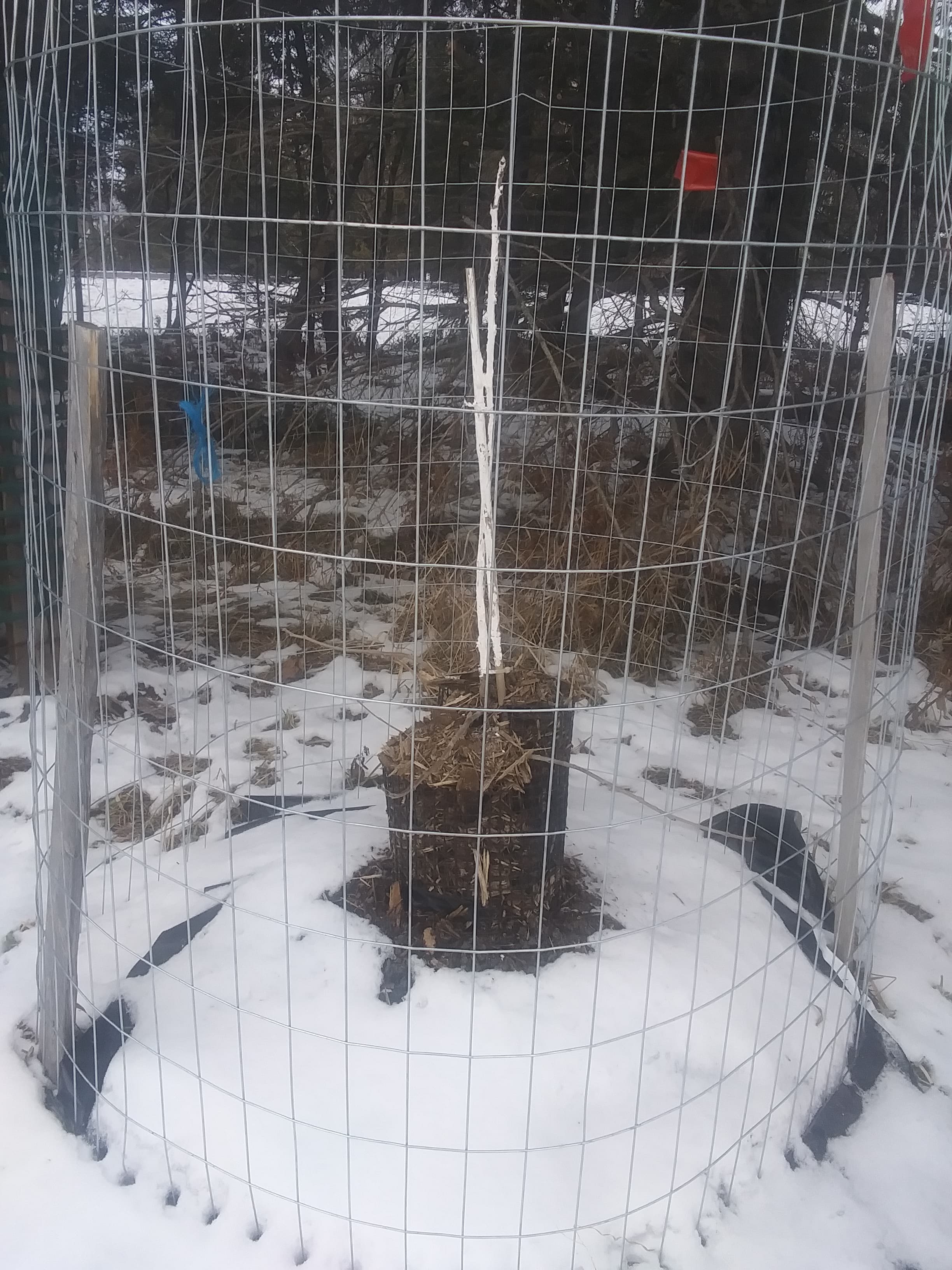
For example this Meader died to just above the graft union, because it was unprotected over winter. Now after two years of babying, it is doing appreciably better. Squeezed out a few fruits this year.
@ramv – I don’t get that rationale. Deer can graze the ground. Deer can stand on hind legs to eat anything under 6-7’. And obviously they can munch anything in between. How does grafting at 18-24" help prevent deer damage?
@Kaki-pistacia – I think you are overcomplicating it. You live in Z7A, which implies roughly 0 F for a winter low. JT-02 should be bulletproof at that temperature.
I’m in 6B/7A. I have JT-02 in the ground. It’s a young tree, almost 2 years post graft. I planted the tree at the same level as in the pot. I don’t plan to take any steps to protect it.
I’ve had Kassandra in the ground since 2017. No special treatment. No damage at all.
hi yes, but it is because of the idea. Tony‘s information is very helpful to me
I have not only jt-02 but also other plants that are not so extremely cold tolerant.
e.g. some of my Diospyros kakis have frozen dead in extreme winters.
some information can be helpful in many ways
Hi Joe,
He sells different trees, some grafted as high as 3 feet. True — they won’t stop deer but hopefully they will grow faster and then be able to protect themselves sooner. He does this even with pawpaws and American persimmons which are hardy in his climate.
@ramv – I don’t know his motive (maybe he can weigh in). I was surprised to read someone say that he does it for improved cold hardiness. At least that’s what I remember reading.
I’ve done a lot of high grafts myself but the reason is that I was using whip & tongue grafts, trying to match the diameter of the rootstock to the diameter of the scion. I made the graft wherever the diameter matched.
I read that many citrus growers grafted their plants highly because the air is warmer upstairs.
for example, during light spring frosts, rosseyanka freezes but above 6ft the leaves remain intact
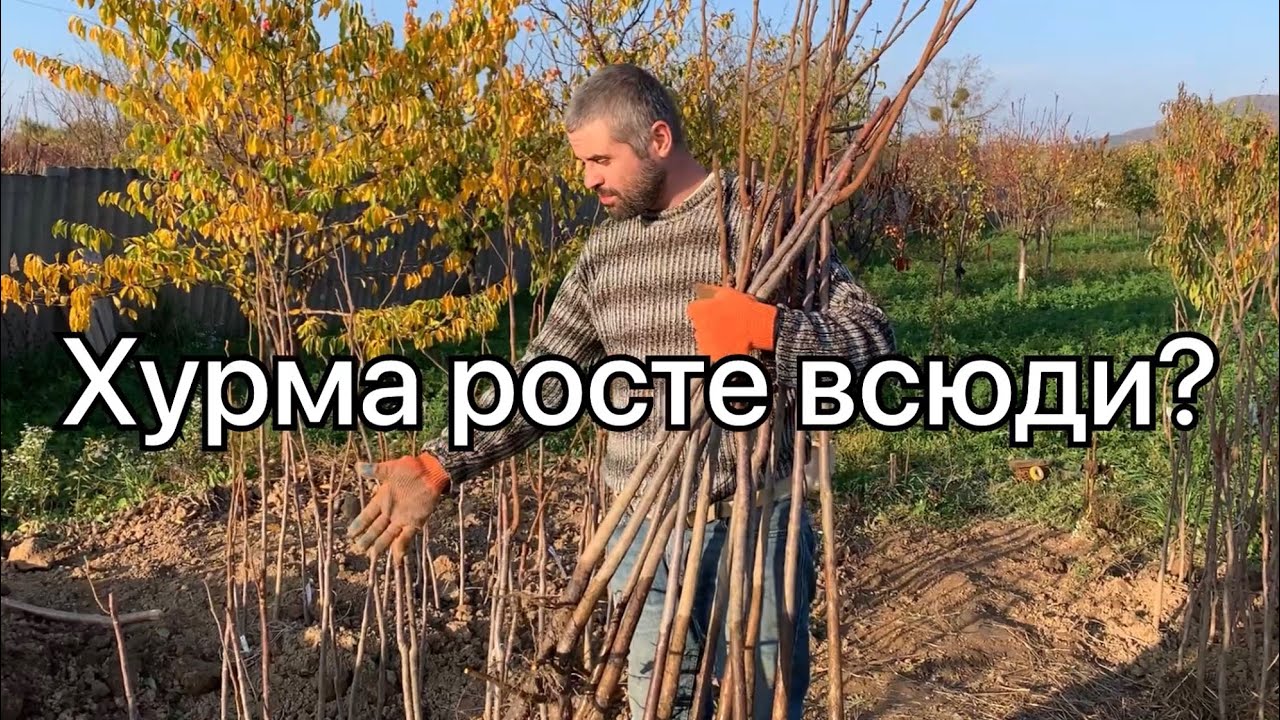
I have seen videos of Ukrainian growers explain that they graft high for cold tolerance at about 3 feet. They further explain and show evidence in the video (typical low graft and 3 foot high graft tree grown side by side) showing that the Virgin rootstock better handles freeze thaw cycles associated with snow fall. The goal is to keep the hybrid or eastern scion above the snow line.
The trees that were grafted low suffered complete damage with bursting of the cambium layer. This resulted in either complete death or much weaker tree, where as the high virgin stock was intact and continued to grow well.
Later I will try and find the video and post it here
@JCW has multiples in that thread. I’m not saying it’s the best way to go, but it definitely is worth exploring once you find some capable. I think I have a few, we’ll see in the spring.
Thanks for the link.
I will try it again.
I wanted to know how the true rooted grows. whether they are a good rootstock. and because of the abortion of the grafted ones, it could be a solution…
From the study I read, either they can do it or they can’t. So if you are trying again, maybe pick different varieties to experiment with. Please document any success and share!
Dax mentioned pecan grafting where higher grafts are more cold tolerant than grafts made within roughly 12 inches of the soil surface. This is due to an effect where the juvenile rootstock is more cold tolerant than the scion. This is generally true for pecan where juvenile tissue can handle cold temperatures that reproductive phase tissue can’t. However, pecan seedlings grown from extreme southern cultivars such as Elliott (origin Mexico) are usually cold susceptible. Also, once the tree transitions from juvenile to reproductive phase, the juvenile effect is lost and the trunk that was previously very cold tolerant can now be killed by temperatures it once withstood. This has been documented many times by pecan researchers.
D. Virginiana has several thousand years of adaptation to colder climates. This is a physiological adaptation where the bark is a bit thicker - especially in mature trees - and the trunk of the tree does not retain as much water in winter which makes it much less susceptible to freeze/thaw cycles typical of cold climates. Freezing and thawing cause cracking in the cambium which kills D. Kaki. Grafting D. Kaki higher on D. Virginiana rootstock avoids the surface freezing effect where the temperature at ground level is often a few degrees colder than the temperature a few feet higher. The temperature below the soil surface may be several degrees higher than the air temperature just 6 inches above the surface. This temperature differential is enough to protect a buried stem of D. Kaki which is the method some growers are using to keep the graft alive in extreme cold. The top of the tree dies, but the buried section can sprout a new tree. So both burying the graft a few inches and grafting higher on the tree have potential to protect D. Kaki from extreme cold.