so im out weeding from 6 to noon , my lips starts burning . I look over and my New Neighbor is spraying chemicals and its windy . so my pawpaws , mullberrys, apples and bananas are all effected . my herbs and Medicinal herbs all effected . even my rhodadendron trees the leaves are wilting. so i went over and let the new neighbor know . i asked him what he was spraying and he said I do not know . How can you not know i asked and he just walked away. with in 6 hrs the plants started showing signs of distress. ive lost several . any ideas what i can do besideds buy more ? thanks in advance Tammy
4 Likes
I would be more worried about you breathing in whatever he sprayed (likely roundup), which caused your lips to burn. I would go to a doctor, call the police, let him have it. Or at least tell him, this is what you’re going to do, if it happens again.
5 Likes
This is why there are laws, and the label is the law. You probably can never be friendly with such a neighbor, which really sucks, so you either stick up for your rights with everything you have or move. By all means, see if your local police can intervene, otherwise gather evidence and consider a law suit. You need to prove pesticide drift.
CHAT GPT gave me a very good list of strategies you can follow, but you need to act while residue can still be identified and get as much documentation as you can- pictures of plant damage especially. CHAT even gave me the phone number of the regulatory agency to call in NY. If your own exposure can be proven, it certainly would help your case, so go to emergency care ASAP.
However, sometimes it is best to exhaust all diplomacy possibilities before going to war, especially with people who are neighbors. Sometimes a good cop can be an objective intermediary and if you begin the process by making it clear that is what you are trying to do- that is, come to an understanding between the neighbor and yourself you can accomplish a lot more with less emotional and financial effort. Lawyers love “war”. They always win them.
4 Likes
this is what the local people told me …
**From:**noreply@mail.drupal.oregonstate.edu
**To:**sheltieslave@yahoo.com,lanemg@oregonstate.edu
Mon, Jul 6 at 11:12 AM
This email address is not monitored for new questions. If you have questions, please contact your local extension office with the contact information listed below.
Date:
2026-07-06
Description of problem/question:
My neighbor sprayed his lawn and it is now wilting my fruit trees. i asked them what they use as we grow organic and he doesnt know he had a gas mask and gloves . he said it was a mix of weed killers . how do i test for what he used is there a place i can have it done? Im afraid to eat my mulberries apples and pawpaws
Response:
Hi Tammy,
We’re sorry that your plants have been subjected to unwanted pesticides. Tests to determine the ingredients are expensive and you have to know what to look for before they can test for it. You could contact the main OSU plant clinic:
https://bpp.oregonstate.edu/plant-clinic
for more information.
The National Pesticide Information Center has some helpful information about coping with unwanted pesticide exposure:
https://npic.orst.edu/faq/garden-drift.html
Here is a page about health and environment questions:
https://www.npic.orst.edu/faq/index.html
There is nothing you can do about wilted leaves on your fruit trees, except to hope that the damage is minor and that the trees will recover.
Office information:
Lane County Extension Service
Master Gardener Plant Clinic
Monday-Thursday 9 AM – 12 PM & 1 PM – 4 PM
Oregon State University |Lane County Extension
541-344-0265 | 996 Jefferson Street | Eugene, OR 97402
3 Likes
I don’t think they gave you the best info for your situation. First of all, the list of what needs to be tested for probably comes to just a couple of possibilities. From CHAT
The most likely culprit, given breezy-weather spray + serious broadleaf plant distortion/damage + burning lips/airway sensation, is a lawn broadleaf herbicide, especially a 2,4-D / dicamba / MCPP or MCPA “three-way” mix, or possibly triclopyr. If the damaged plants show cupping, twisting, strapping, puckering, distorted new growth, epinasty, or stunted shoots, that points strongly toward growth-regulator herbicide drift such as 2,4-D or dicamba. Extensions specifically note that 2,4-D and dicamba drift can distort grapes, raspberries, vegetables, tomatoes, peppers, etc., and severe drift can partly kill sensitive plants.
If the neighbor refuses to show you what was sprayed you should document, photograph, write down timing and wind direction, preserve damaged leaves if possible, call Poison Control about your burning lips, and file a pesticide drift complaint with the state pesticide regulator. The exact product matters, and the neighbor’s refusal to clearly identify it is itself important.
Just be clear with the neighbor that you want and need to know exactly what he was spraying because of your physical symtoms, if he fails to cooperate you can lay down or fight. Neither option is great, but it is probably one or the other.
2 Likes
I asked him 3x he keeps saying he doesnt knbow its a mix.
hes old and should know better last time i went with Mark and asked him i said Please i need to know to save my plants and he told me Vinager, flat out lied to me . he imo knows what he sprayed. i am very concerned with what it is . i took photos and need to take more you can see the trail it left in the drift, and only 1 side of each plant is damaged the one facing his home the side at the main street look good for now. i told him i would have to send off samples and he just walked away.
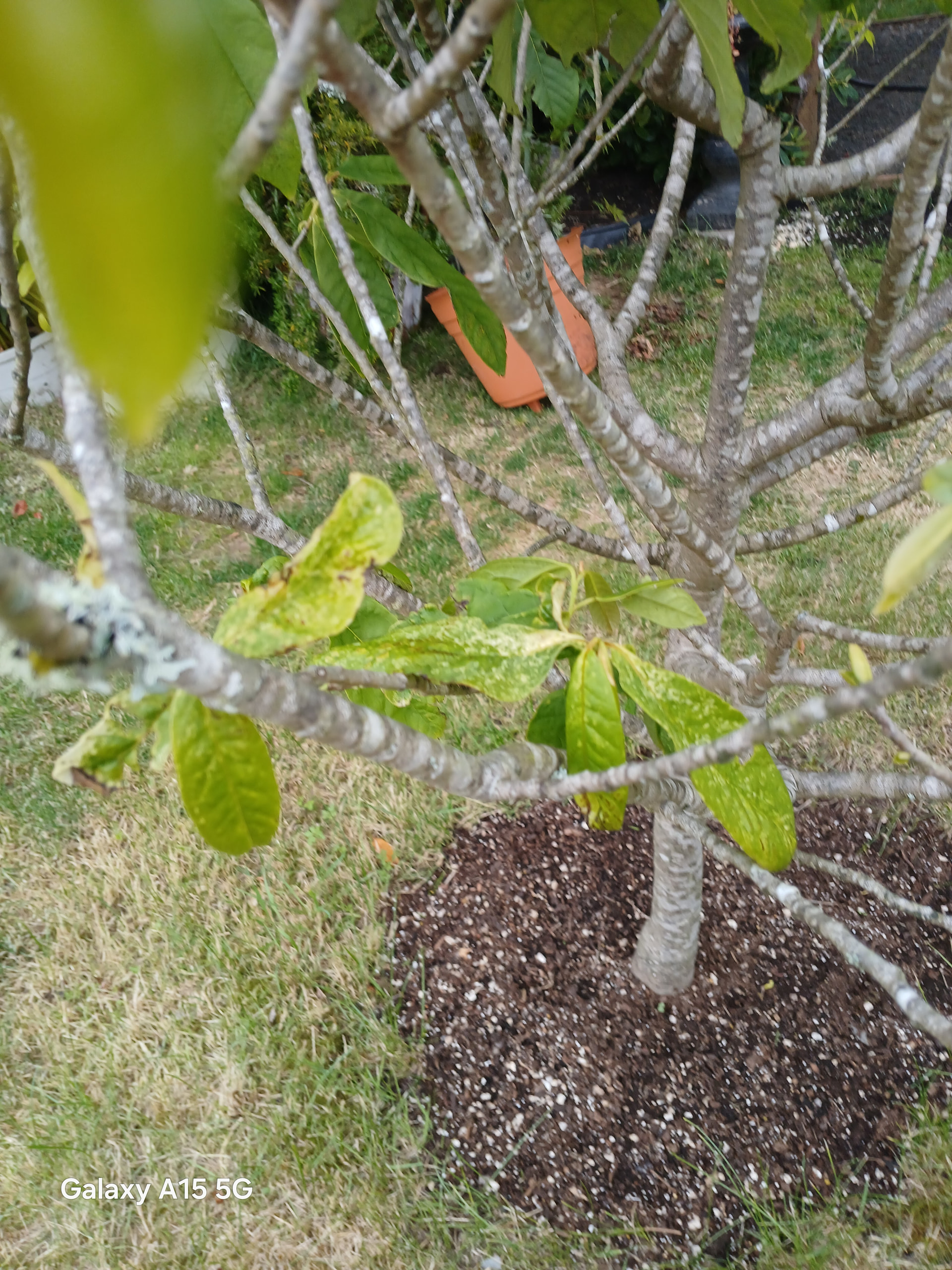
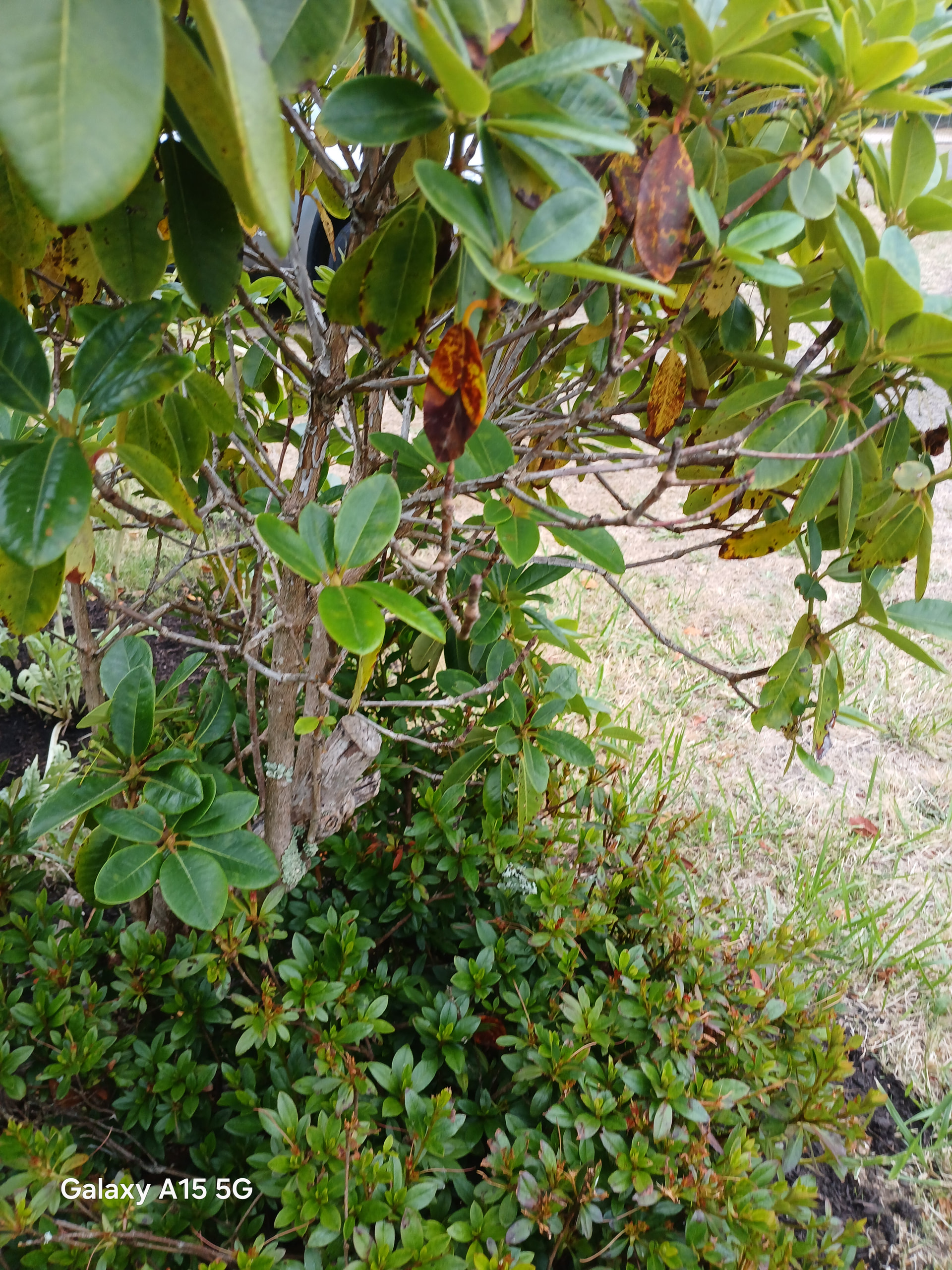

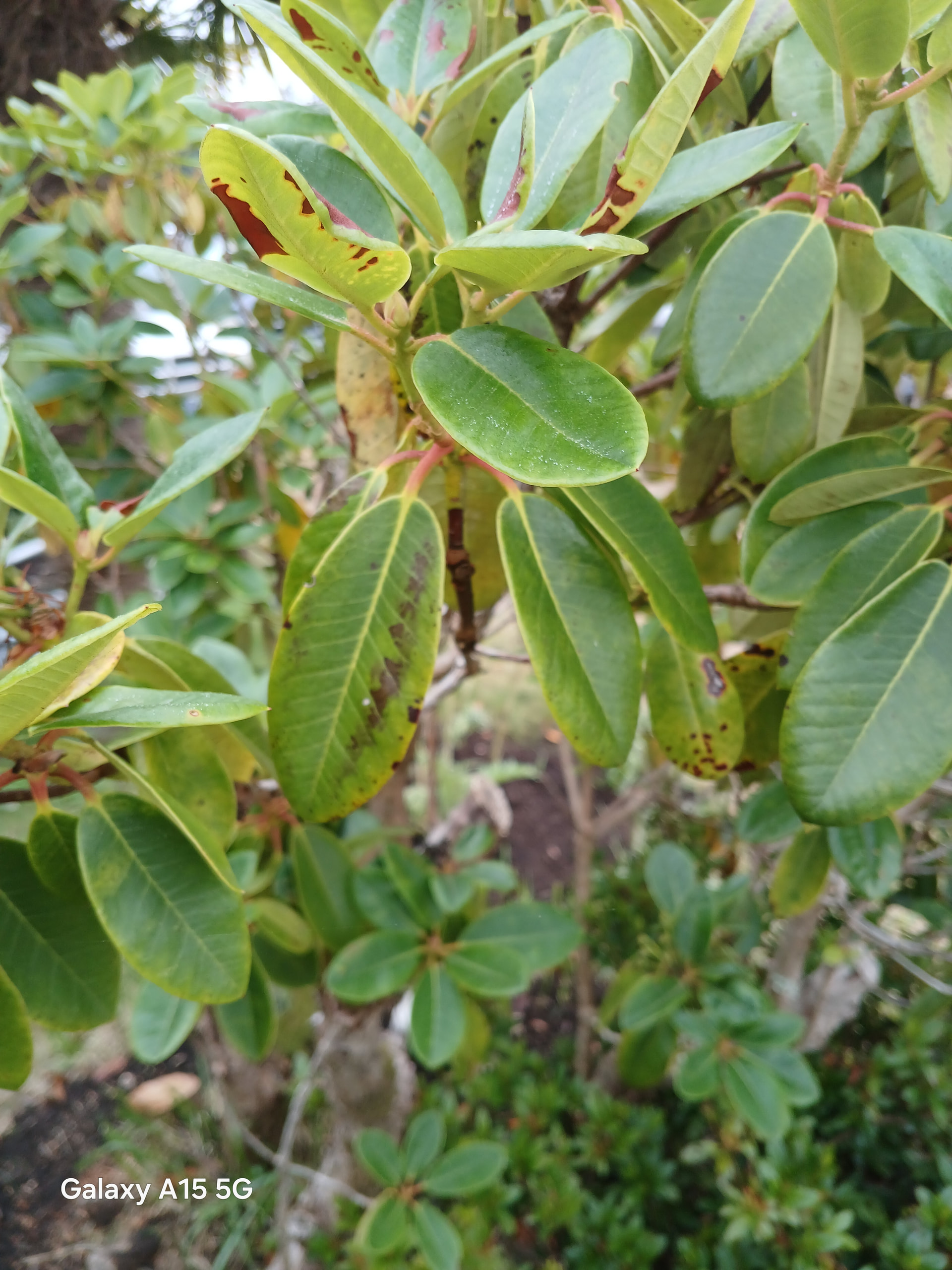

i have 200 photos just waiting to upload
How long ago did he spray? He likely used the most availabe broad leaf weed killer for lawns so I doubt analysis woud be that expensive.
Here’s CHAT’s estimate- If you were testing for only two common lawn care chemicals, how much would it likely cost?
For only two common lawn-care herbicides, say 2,4-D and dicamba, I’d expect roughly:
$200–$500 per sample for a lab analysis, with $225–$300 per sample being a realistic ballpark when the lab already has an “acidic herbicide” method that includes those compounds. Idaho’s state lab fee schedule, for example, lists Acidic Herbicide: $225 per sample, Acidic Herbicide with saponification: $230, General Screen: $190
Maybe a general screen woulld be adequate for your purposes. You need to scare this guy.
1 Like
My guess is the neighbor is being somewhat honest when he says he doesn’t know what is in it. That leaves you with figuring out 2 things
Is it pesticide which is likely
Is it herbecide which is likely
“Herbicide Drift and Drift Related Damage
Pesticide applicators are responsible for drift related damage and could face a potential lawsuit.
-
Share
Updated:
September 19, 2025
Skip to the end of the images gallery
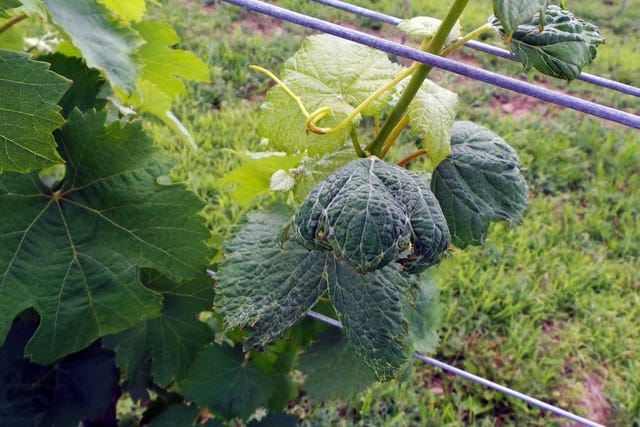
Grape leaves exhibiting phenoxy-type herbicide damage in 2017. Photo: T. Delvalle, Penn State
Skip to the beginning of the images gallery
Herbicide drift. It is probably not the first time you have heard of it, and it will not likely be the last. If you cause a substantial amount of drift-related damage, you may get a call from the Department of Agriculture or potentially even a lawyer. It is likely that you would not even know that you caused the damage until someone knocks on your door. The most important thing to remember is that you (the applicator) are responsible for pesticide drift, even if environmental conditions are the cause. And despite what you may think, it does not take much chemical to cause damage to a nearby crop. For example, grapes can be damaged by 2,4-D at up to 100 times less than the labeled rate for controlling weeds!
Herbicide drift onto vegetable and fruit crops, unfortunately, occurs regularly across Pennsylvania, especially in the spring. Why? Because spring is the time of year when herbicides are applied to various crops to kill newly emerged weeds, both on farms and in lawns. This also coincides with the time of year that certain crops (i.e., grapes and tomatoes) are most susceptible to herbicide damage.
Drift can occur in two ways: particle drift or vapor drift. When small spray droplets move long distances due to wind, it is called particle drift. To minimize particle drift, it is recommended to use air induction nozzles and/or low-pressure nozzles, in addition to spraying in low winds. Vapor drift is when a pesticide volatilizes or evaporates into the atmosphere and moves off-site, and damages non-target plants. It is suggested to use amines instead of esters in warm temperatures for this reason.
Field crops are not the only place where drift comes from. Documented drift has come from many sources, including vegetable fields, lawn care applications, right of way and industrial areas, forest weed control applications, aquatic weed applications, and even homeowner-related lawn and garden applications. Certain plants are more susceptible to herbicide drift. These include (but are not limited to) grapes, tomatoes, fruit trees, watermelons, tobacco, sweet potatoes, and certain ornamentals. In fact, some plants are up to 20 times more sensitive to 2,4-D or other auxin-related herbicides than to glyphosate.
When drift occurs, depending on the crop, damage may take several weeks to show up. Additionally, a single case of drift can affect plant growth and harvests for several years. For example, a single instance of 2,4-D drift onto a grape plant can minimize or prevent a harvest for two or three years. An applicator may be summoned to court for lost income if this happens (and it does).
The following herbicides are typically associated with increased risk for drift-related damage to non-target crops: 2,4-D, MCPA, MCPP, triclopyr, dicamba, picloram, clopyralid, aminopyralid, and quinclorac. Whether you are a crop grower, a lawn care professional, or a right-of-way professional, you have likely used or continue to use products that contain one or more of these ingredients.
Remember that drift—especially vapor drift—can travel in excess of one mile, especially when ester products are used in warm temperatures (drift is not always caused by high winds). Be sure to read the label and use common sense. Take note of air temperature and the formulation you are using, look at the wind speed and wind direction, and finally, understand what type of crops are nearby, especially downwind of your intended application. If there is a vineyard nearby, you should pay close attention to your product choice and environmental conditions. Speak with your local farmers and develop a relationship with them. By taking the initiative to go through these steps, you could save yourself or your company from fines or potentially even a lawsuit.

Grape cluster showing phenoxy-herbicide damage in 2017. Every plant on several acres exhibited this symptom. You can imagine how poor the harvest will be this year, and probably next year as well. Photo: T. Delvalle, Penn State
Tanner Delvalle
Former Extension Educator
Pennsylvania State University”
“Introduction to Pesticide Drift
Pesticide spray drift is the movement of pesticide dust or droplets through the air at the time of application or soon after, to any site other than the area intended. Pesticide droplets are produced by spray nozzles used in application equipment for spraying pesticides on crops, forests, turf and home gardens. Some other pesticides are formulated as very fine dry particles (commonly referred to as dust formulations).
On this page
Related Information
Effects of Pesticide Drift
Pesticide drift of sprays and dusts can affect people’s health and the environment, and damage nearby crops.
Health and Environmental Risks
Pesticide drift can pose health risks when sprays and dusts are carried by the wind and deposited on other areas:
-
Nearby homes, schools, and playgrounds.
-
Farm workers in adjacent fields.
-
Wildlife, plants, and streams and other water bodies.
Economic Effects
Pesticide drift can cause economic loss:
-
Drift of herbicides can injure some crops. Crops on nearby farms can become unsellable if the drifting pesticide is not registered for use on the crop.
-
State and local agencies receive thousands of complaints about drifting pesticides each year and spend substantial resources investigating drift complaints.
Actions for Consumers to Reduce Spray Drift and Runoff from Pesticide Product Applications
When applying pesticides around your home, follow these good stewardship practices to protect water resources by reducing runoff and spray drift.
-
Only apply the pesticide directly to the treatment area.
-
Be mindful of the location of storm drains, drainage ditches, gutters, or surface waters during a pesticide application. Apply the pesticide in a manner that does not allow the product to enter these areas.
-
Applying pesticides during calm weather conditions, when rain is not predicted for the next 24 hours, will help to ensure that wind or rain does not blow or wash pesticide off the treatment area.
-
Rinsing application equipment, such as watering cans, low pressure hand wands, backpack sprayers, etc. over the treated area will help avoid runoff to water bodies or drainage systems.
-
When applying granular products, sweeping any product that lands on a driveway, sidewalk, street, or other hard impervious surface, back onto the treated area of the lawn or garden will help to prevent runoff to water bodies or drainage systems.
-
When watering treated areas, refer to the watering-in instructions on the label, and ensure you do not water the treated area to the point of runoff.
Additional Resources for Pesticide Applicators
Webinars on Pesticide Application and Managing Pesticide Spray Drift
In 2018, EPA organized and hosted a series of webinars to help growers, pesticide applicators, and other interested stakeholders manage pesticide spray particle drift. The spray drift series includes:
Strategies for Managing Pesticide Spray Drift Webinar: Fundamentals of spray drift management, presented by Dr. Greg Kruger, a weed science and pesticide application technology specialist from the University of Nebraska-Lincoln.
Best Practices for Aerial Application Webinar: Methods of aerial application, best practices for reducing spray particle drift from aerial applications, nozzle selection, and the use of adjuvants as it relates to aerial application, presented by Dr. Bradley Fritz, an agricultural engineer and Research Leader at USDA’s Agricultural Research Service.
Best Practices for Ground Application Webinar: Ground application technologies, best practices for ground application, and optimization for weed management, presented by Dr. Greg Kruger from the University of Nebraska-Lincoln.
More information about reducing pesticide drift is also available from various sources:
-
Center for Integrated Pest Management: Pesticide Drift
-
University of Georgia: Reducing Spray Drift
-
North Dakota State University: Air Temperature Inversions”
You have to deal in facts that you know which is that the lip reaction was likely caused by an allergic reaction. Why Do My Lips Feel Numb? 6 Causes of Numb or Tingling Lips
Before reacting know it could also be Epsom salts aka magnesium which would be preferred for your situation but I doubt it was
2 Likes
My lips where burning . Not Numb. my tongue went dry and my eyes did as well, i went inside after trying to talk to my neighbor, they have only lived next door for 2 weeks didnt even know about the creek next “ between our houses that down the road the City of florence water pull water from . no sure if thats for human use or for the lakes and ponds around here all loaded with Wild fish. im still reading and Thank you so much . I really want to fix my plants . i do not think he was honest because he lied and said Vinager , here is how i know that was a lie he asked me how i kill my Dandylions i said Vinager water and a table spoon of baking soda
3 Likes
I am not sure where you plan to upload the 200 photos to?
Besides wanting to find out what chemicals you neighbor used, do you have a plan to take a legal action (or at least contact an authority) about the neighbor’s action? You have already spoken with him and it does not seem to stop him for his possible future offense.
4 Likes
You have done the right thing by contacting a regulating body and taking photos. That is a place to start. Regulation is handled by those regulatory agencies and others like them. Oregons laws are very different from Kansas. In Kansas we make agreements with neighbors on these types of things. We had poison Ivy between another neighbor and I. The children would get very sick with reactions from the poison Ivy if left unattended. We each sprayed to control our own share of it to control it. I would attempt diplomacy with the neighbor. I would immediately wash everything down with water. My guess would be it was a herbicide and pesticide cocktail they sell for lawns under the many names they use “ lawn weed and pest control”
5 Likes
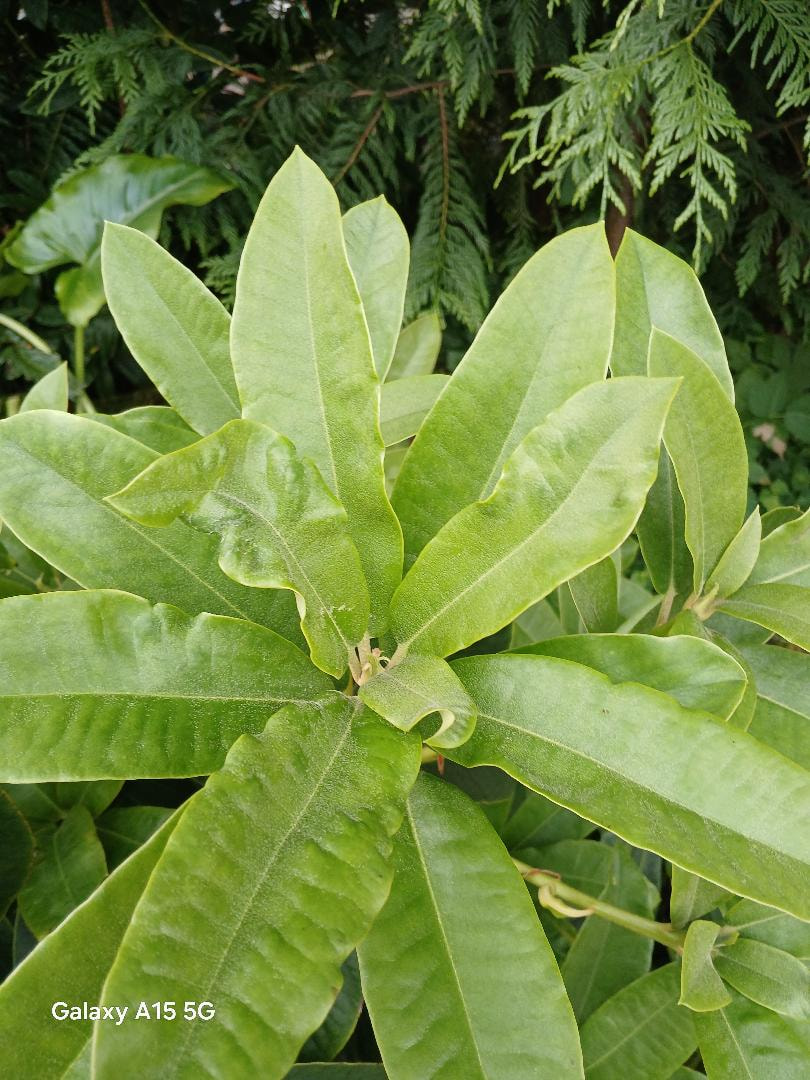

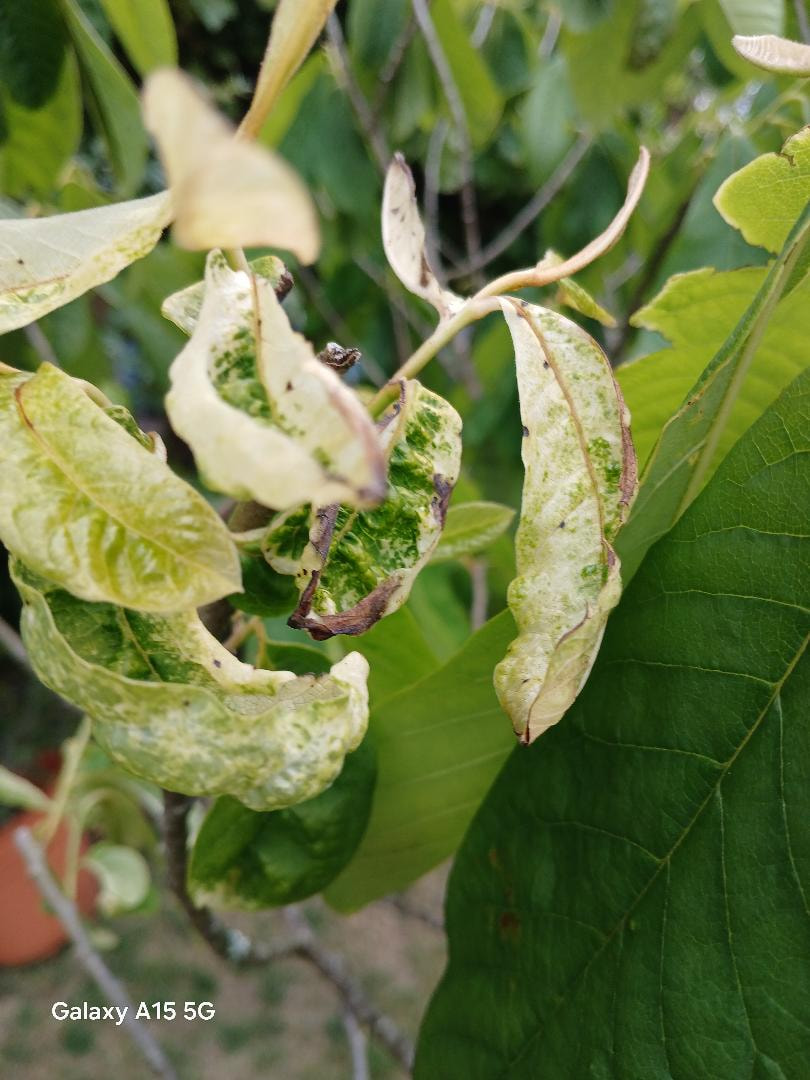
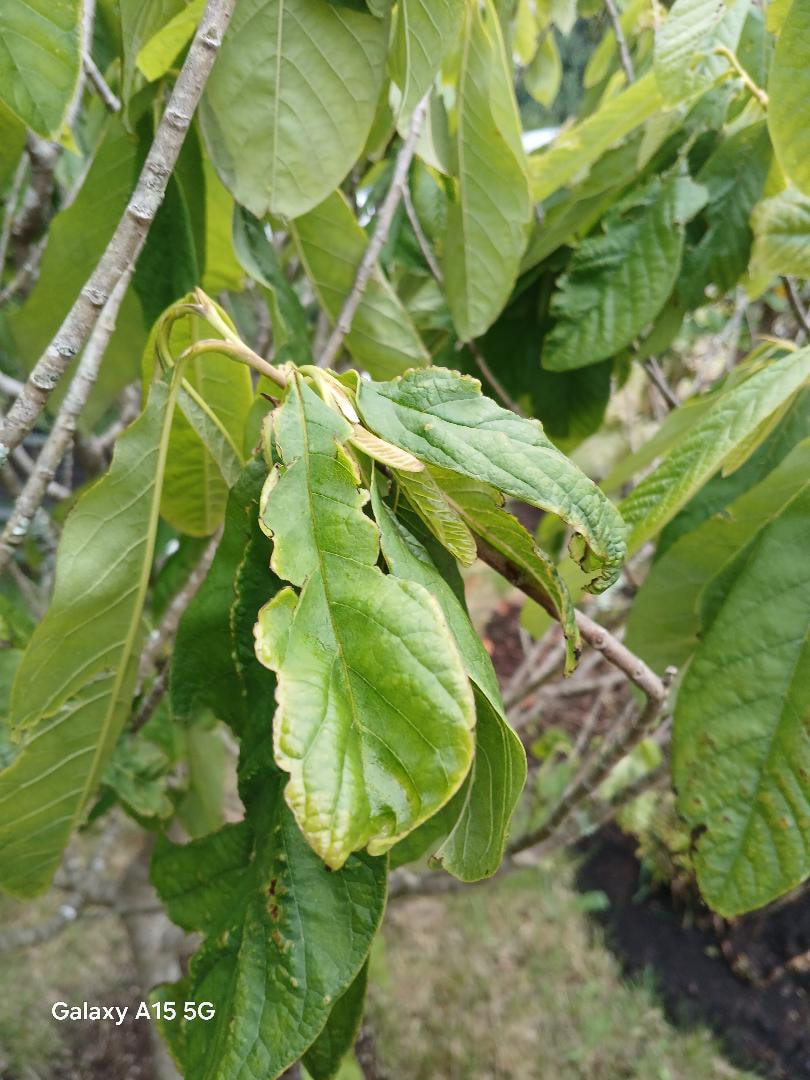
2 Likes
Ill contact asap they are open tomarrow wrighting email now and will call first thing
3 Likes
I am being Very civil trust me i wanted to Yell but i was calm . im angry . but i honestly do not think he is a bad guy just ignorant and his yard was full of those things that you walk on and they get into your clothes shoes and itch, like i said my goal is to sve my plants . the Pawpaw is a rare one i got to name a gift from a friend who is no longer with me . its green little but has a yellow line threw every single pawpaw i have photos on here som where i named her Timpletons Oreo. came from an old plantation in S carolina from my friends family so her last name and oreo cookies lol ive sprayed every thing down so much im going to Hate to see my water bill , Normally runs 148 and thats just watering garden and normal home stuff for a family of 2.. whats got me is he lied straight to my face when i was begging him so i could save my plants ,
1 Like
legal action costs alot of money at this time i do not have . but i will be having someone of athority talk to him , and make notes i wish i could take him to court but i just had 2/3 of my huge tree limbed at the cost of 3000.00 . and to be honest they couldnt of dont that job with out stand and kathy allowing them to use their property for the boom trucks and shredders . Im trying to be really desent about it . but let him know its a real concern to me , I am organic since i moved here in 1999. i have removed all sand don 3 ft added organic soils composts and Rabbit manure from the rabbits i raised , Home made Bone,blood and feather meal, Yes i butcher rabbits chickens and quail , but the plants i grow are my main concern right now i am documenting everything and will be calling from above another person so kind on here posted for me . Im not backing down . i want him scared to spray again yet still be a civil neighbor, I do not think he did it in a hateful or vicious way, i dont see him like that . if he ever sprays again ill own his ass . those will be the things i want passed onto him , 1 time mistake second time OWNED, does that make since to you ? my photos are uploading to my computor and for the emails im sending to higher authorities liek aphis, and the oregon person Tish i believe
2 Likes
My best luck with neighbors… Is at our current home (in the middle of 30 acres).
My neighbors are all about 1/2 mile away… I can only see the roofline of one other house when the leaves are off the trees and it is across a deep hollow.
Having neighbors right next door is not for me… been there and done that. That can be a real pain in multiple ways.
TNHunter
3 Likes
A friend/forum member here with the handle name @thecityman has had a herbicide drift happened to him 3 times with serious damages.
Here’s one of the threads. Reading his saga may help give you some ideas.
6 Likes