Insect and Disease Identification Thread

Certainly looks like raspberry mosaic although I suppose it could always be rust, it looks a bit too consistent.

1 Like

You know sometimes you get these cracks as the tree grows. It’s the expansion of the girth and since the bark is dead it cracks in a controlled manner due to rapid growth.

It’s very common but I would say it starts when a tree gets around 4” in caliper. If you look around you may see it elsewhere.

Typically, the crack is “full” so to speak. It has tissue in it or a web like network. Its not wanting to lose moisture or let pest or pathogens in. A frost crack will usually be clean and you might be able see the xylem and is damage.

Pears are fast growing. So there may be some irregular growth in that area.

It’s the first step in a tree having fissures, flaking and scaly bark.

Thats my two cents worth from what I can see from the picture.

5 Likes

Can someone help identify these? several of my apple trees have these. I had trouble finding them because when the leaf is disturbed they drop off.
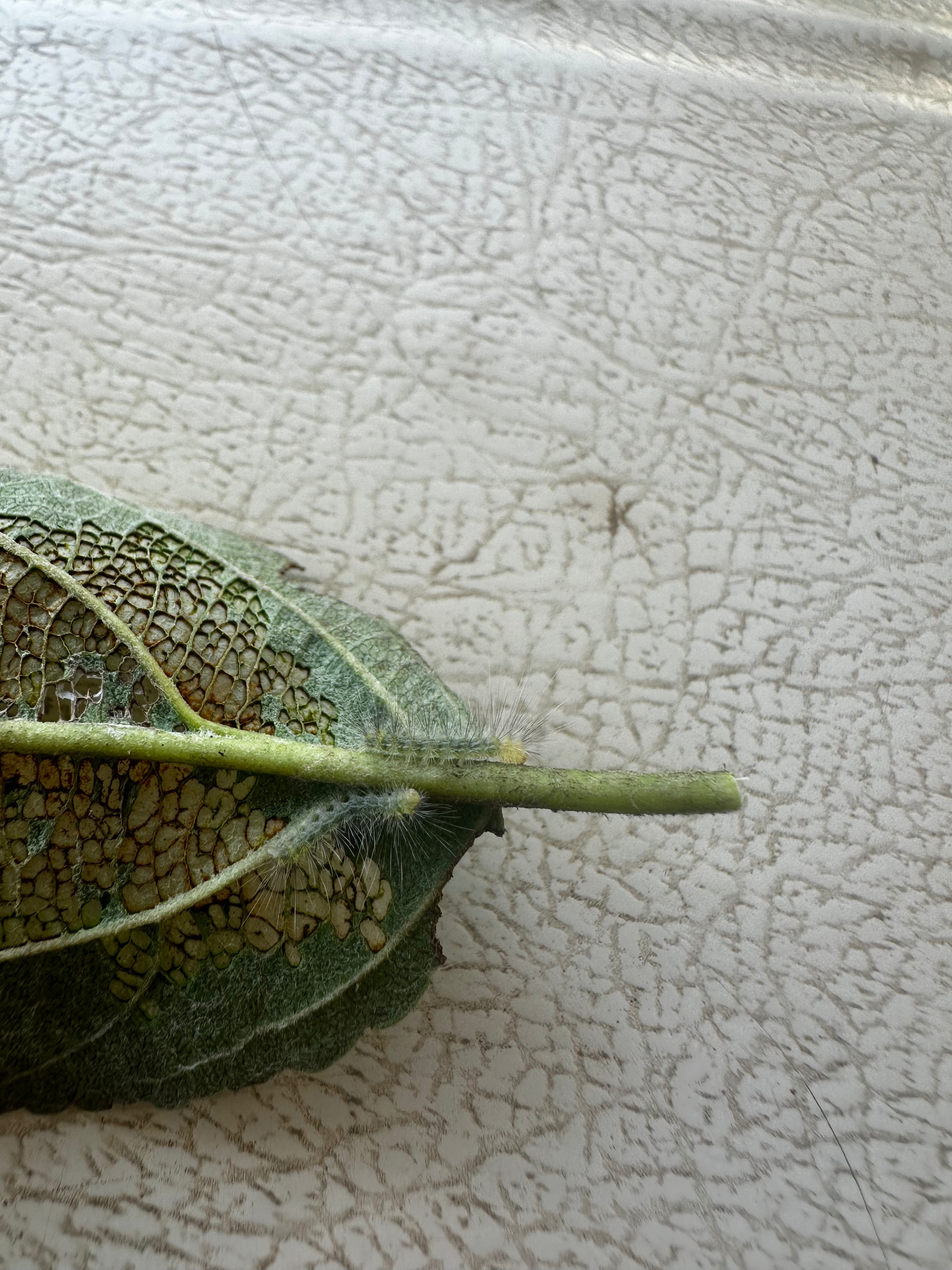
This may be an older specimen or a completely different type, only found one of these.
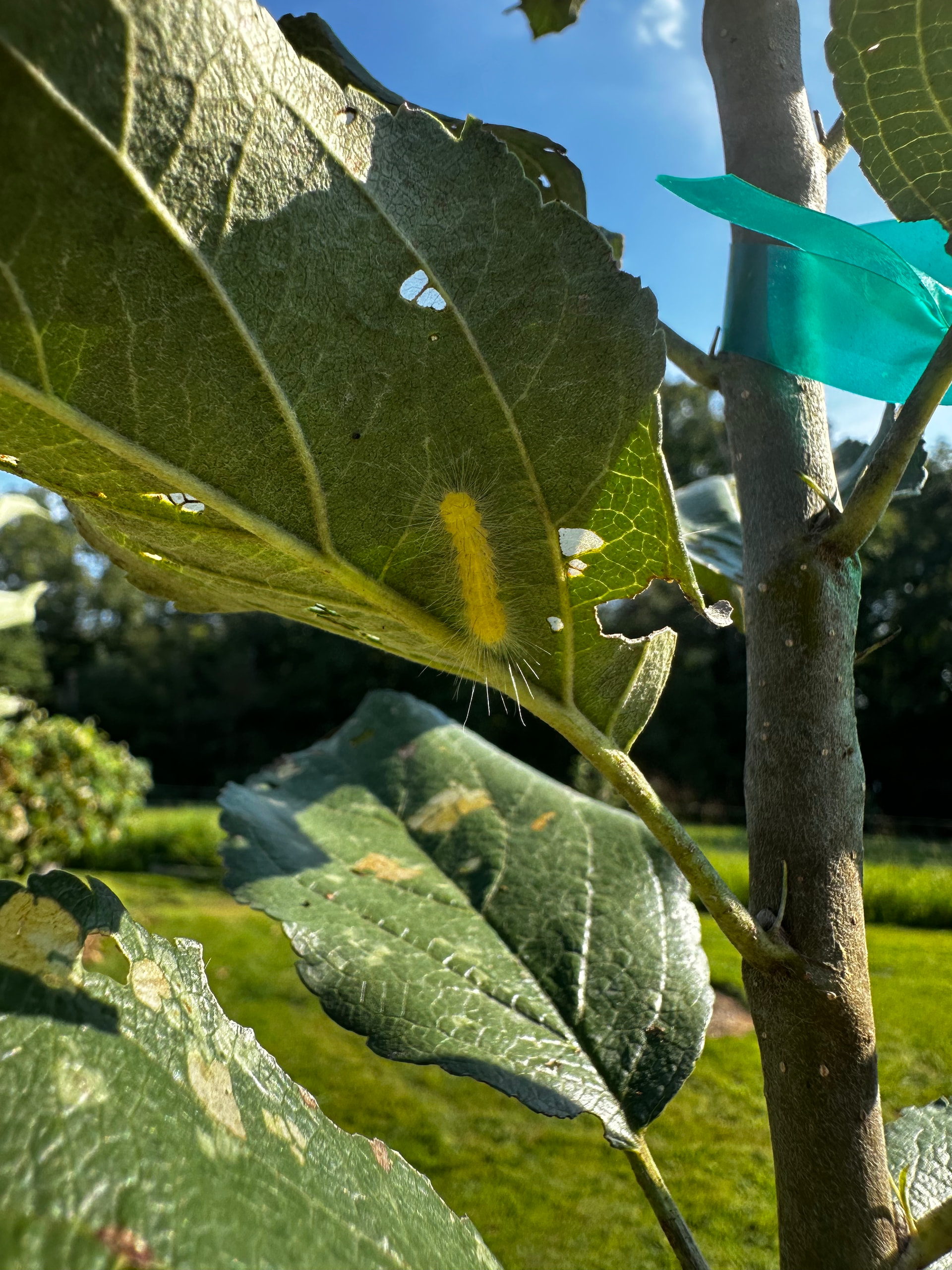
As you may be able to see, in the first pic they are skeletonizing the leaves rather than eating it entirely.

Would BT kill them or would you use insecticide, or leave them unless they start to cause significant damage. I would prefer to not use insecticide but realize they are sometimes necessary.

BT is specific to caterpillar and grubs(?) so it would likely do the job with minimal effects beyond your pest problem. I’m not familiar with the species though.
Personally if there are not a bunch of them i leave them for the wasps.

1 Like

These look like squash bug eggs. But they are clustered on my apple? I guess proximity to pumpkin vines is enough.

anyone recognize these guys?

3 Likes

I found squash bug eggs on an assortment of non-squash leaves this year.

1 Like

I’ve probably seen a few:

2 Likes

If it were a Tussock Moth Caterpillar, the feeding pattern of eating between veins is consistent with the early stage.

1 Like

I have volunteer pumpkin plants randomly scattered in the area so they are not at want for homes.

they are getting bigger. apparently its the Eastern Giant Swallowtail:

Sometimes referred to as “orange dogs”, “orange pups”, or “bird poop caterpillars”[10] by farmers, the larva targets all varieties of citrus plants, often causing significant damage to new foliage and younger trees, which they can more thoroughly defoliate. Large mature citrus trees are not generally significantly impacted. Outside of farms, the species is valued for its aesthetic appeal and can also be raised to butterflies successfully at home.

glad i could be the citrus host for them here in iowa :joy:

one of them got got:

the other is growing rapidly and developing a snake head:

5 Likes

That is… scary looking! And cool.

2 Likes

Whats this on tart Cherry leaves? Just appeared on leaves of one branch. Little patches that are brown and look like they have powdery mildew on them and curled leaves. Bad pictures I quickly took, can get better tomorrow.

Great question mine have this too and its dropping leaves. Was going to spray hort oil once dormant

It’s weird because it looks like powdery mildew but the brown spots and hard curling leaves make it seem like something else. This is when powdery mildew is showing up sparsely in the pumpkin patch around it. I don’t think it’s insect, but I could be wrong. I’m not sure there’s much to do at this point if it’s powdery mildew. If it’s a bug of some sort, I could spray…