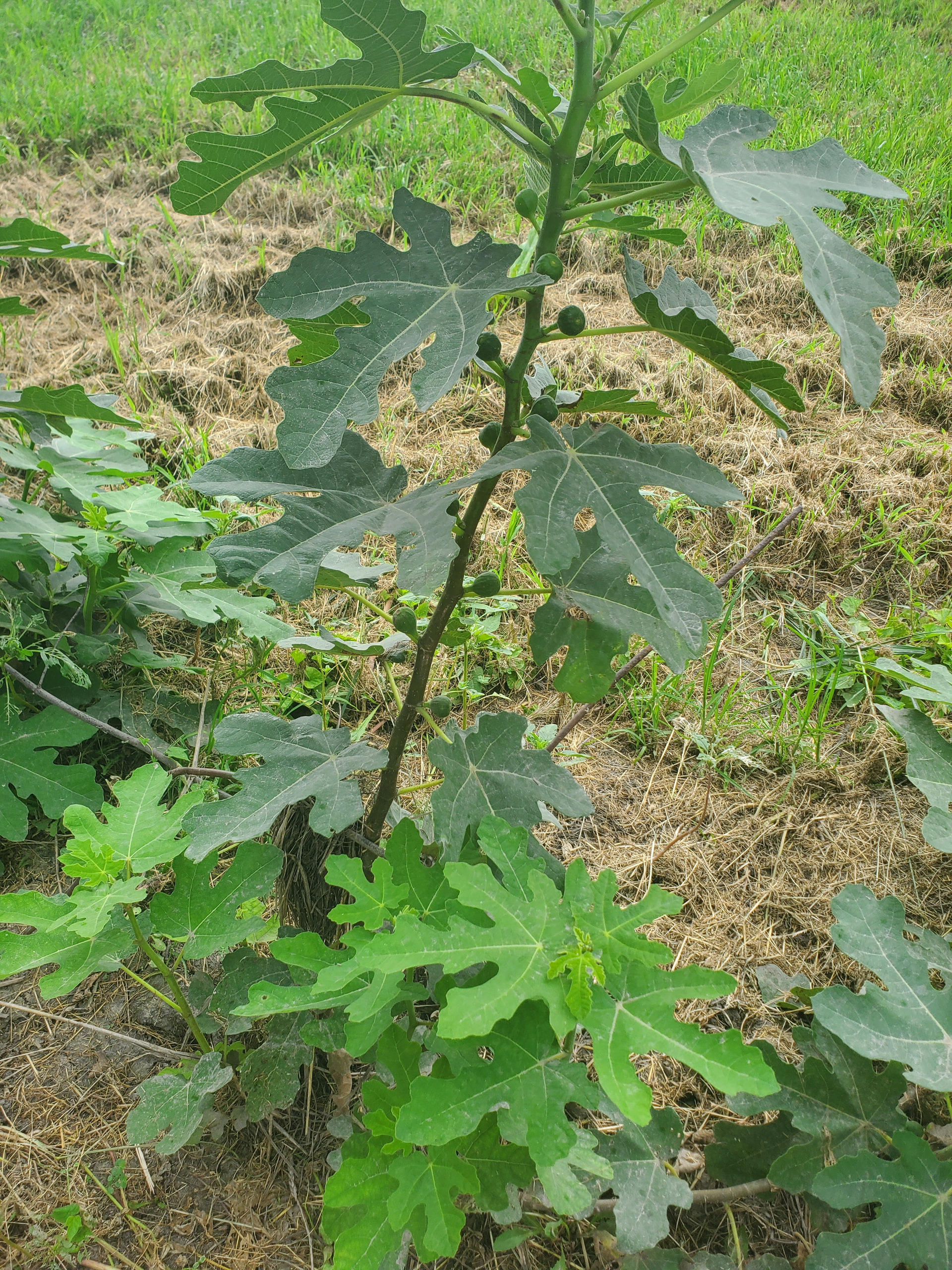
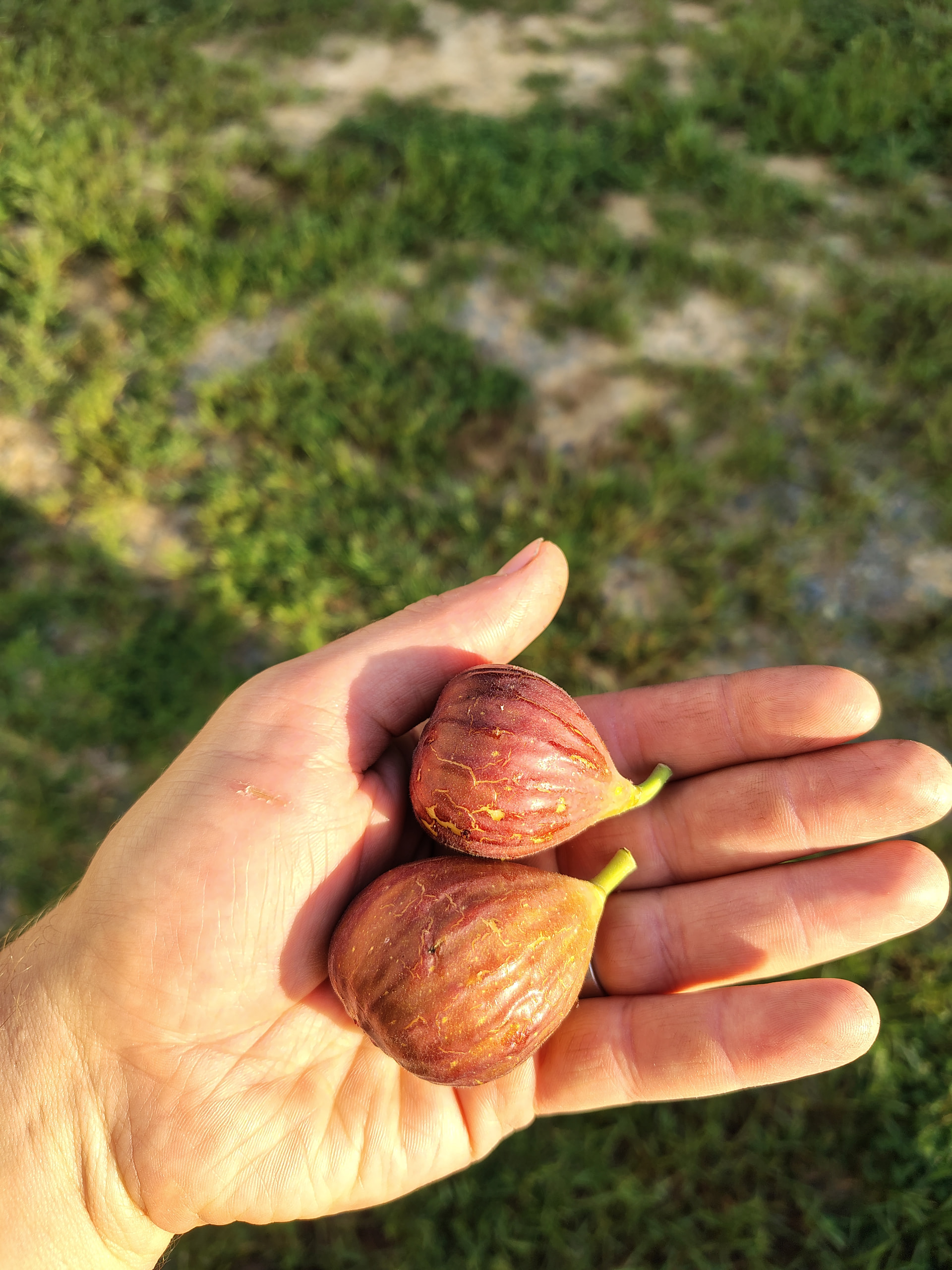
My Chicago Hardy produced a bunch of figs but only 1 ripened so far. And it was taken over by ants. The fig was miniscule. As big as a fingernail. I don’t know if could be eaten even with no ants. I don’t think it was a breba fig. About now from what I gather Chicago Hardy should be ripening.
Is that what Chicago Hardy produces in size? If so, it is garbage!
I got 35 varieties of figs and will trash what does not produce decent figs. I’ll give them a year or two, but that is it. But if I know it is garbage from the start, then it is out of here.
Why do you garden with such anger??? You need to take a deep breath and relax.
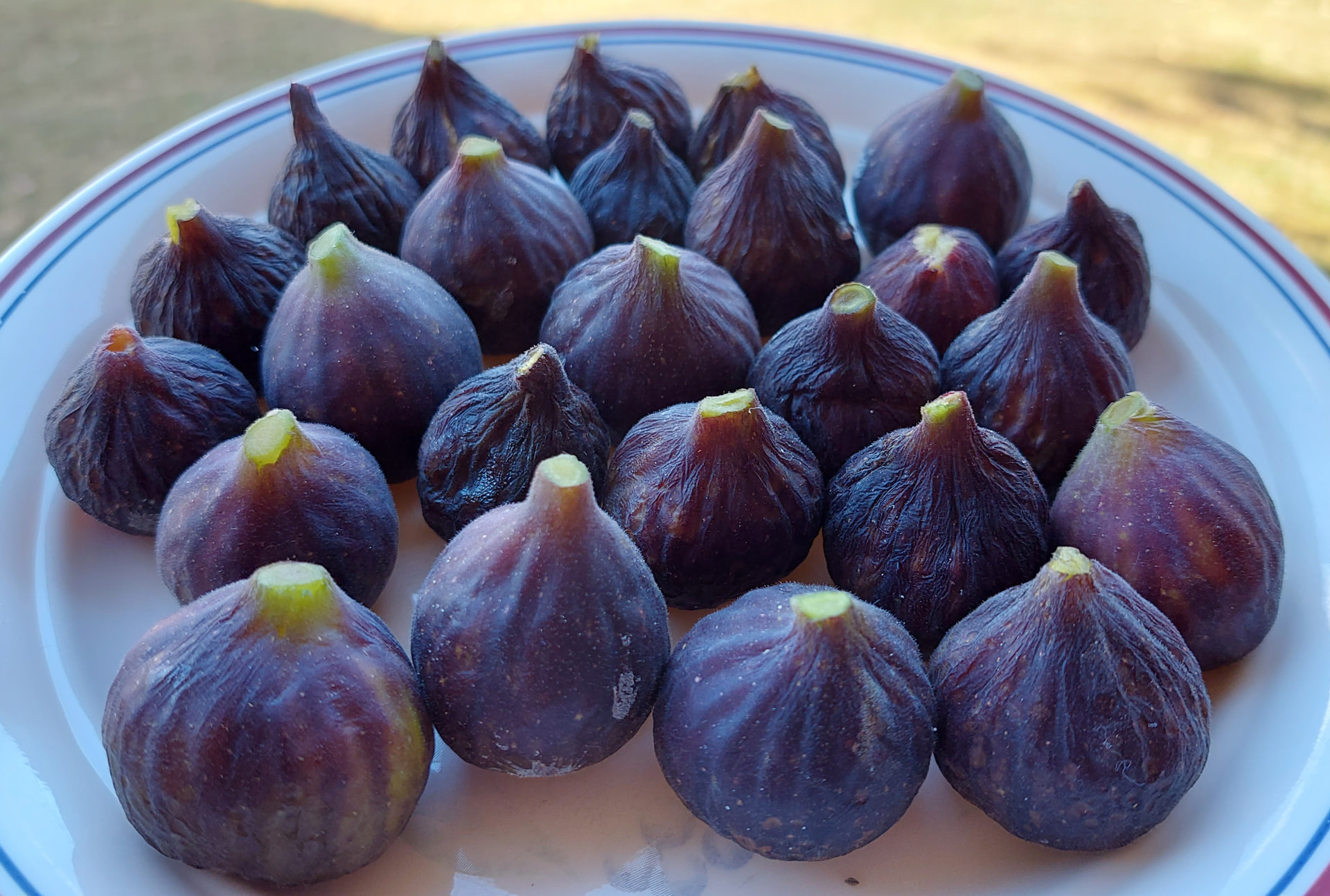
Put the tip of your index finger on the tip of your thumb. That’s roughly the size of a ripe Hardy Chicago. It’s a very reliable producer, not the best quality but very decent if properly grown and ripened.
If you think about it for a second, you’ll realize that people have been growing Chicago Hardy (and similar) for millennia. That’s how it survives today. They didn’t grow it for fruit the size of a fingernail. Immigrants to the U.S. did not bring along dormant scions so that they could produce garbage,
If your figs fall short, the fault is not with the figs. Take a look in the mirror; figure out where you fall short; and fix it. You’ll be rewarded with excellent fruit.
My only fig.. Chicago Hardy growing over here in southern middle TN.
We got 25 figs from ours in year 1.
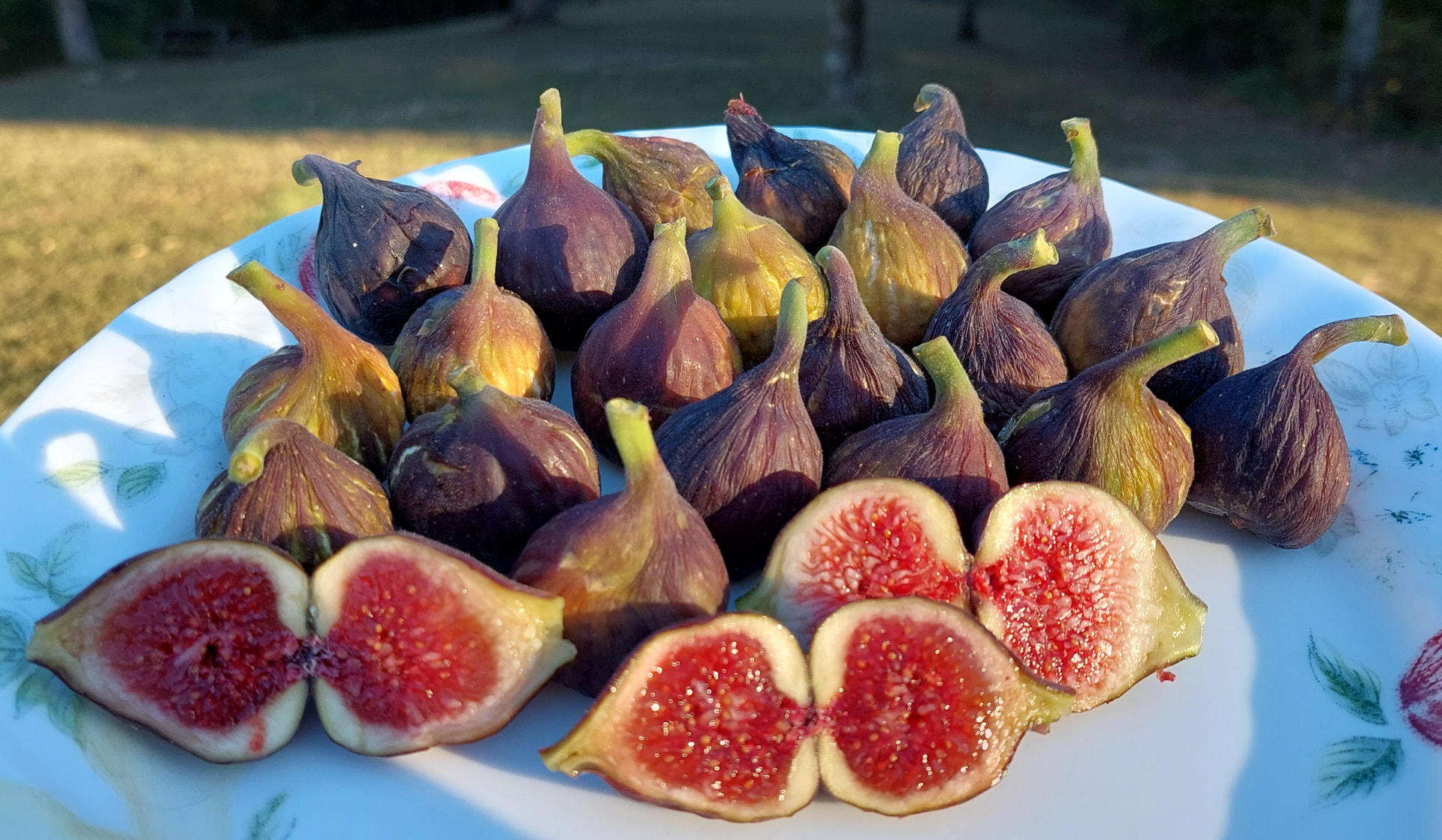
Now some evenings I harvest 20 or more figs.
Happy with CH here in TN.
Mine came from OGW.
They are delicious.. the only fruit that competes with persimmons for best fruit here.
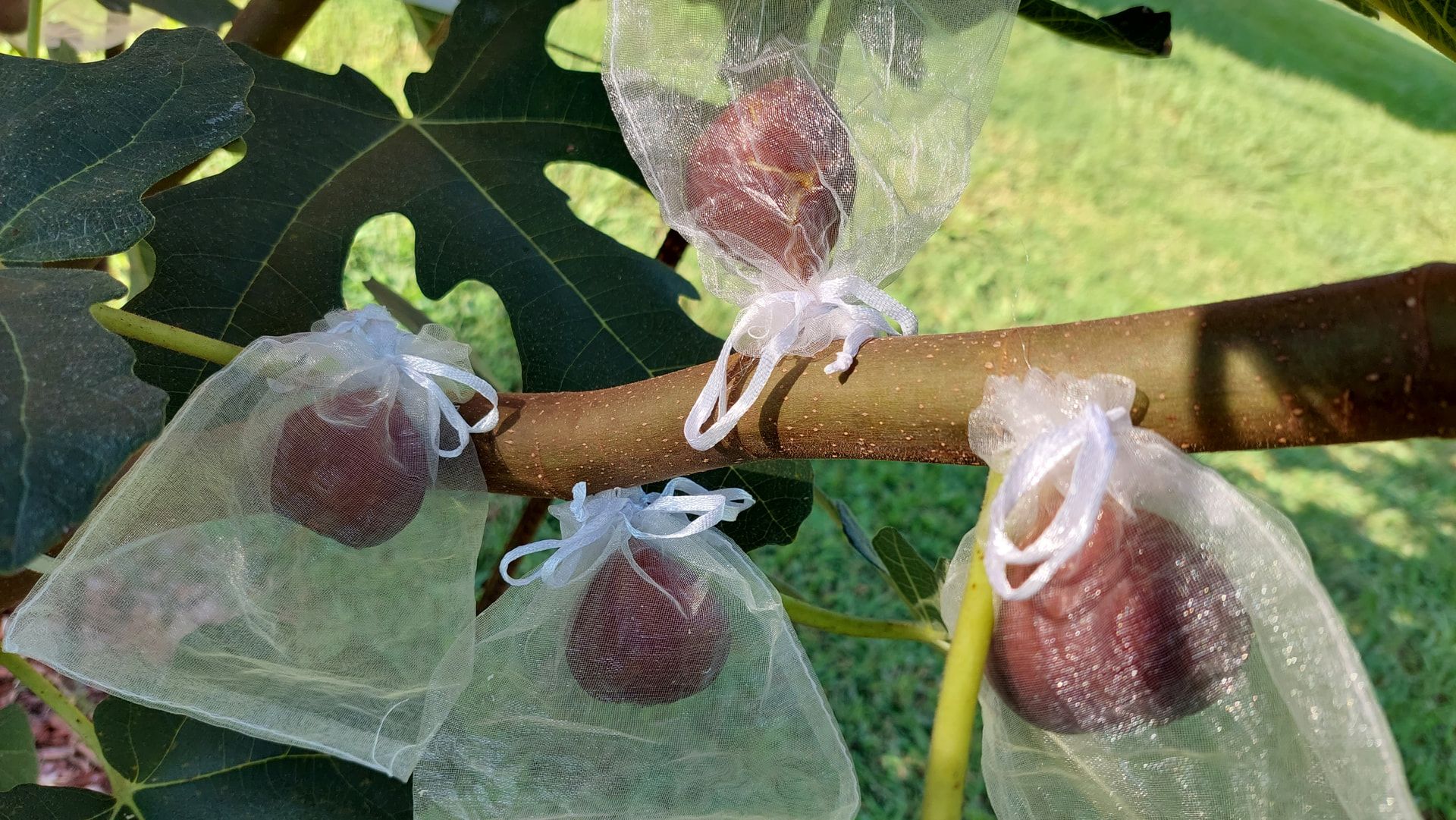
If you learn how to tie those organza bags on tightly… with out breaking the fruit off.. when they first turn ripe color.. a few days later you get perfect ripe figs… no ants, no yellow jackets, no wasp, no Japanese beetles.
This cultivar was brought to the US by immigrants from L’Aquila IT. For a short time it circulated as Abbruzi, but was renamed by a plant seller in PA and given a false origin story.
I’m curious – Do you have success with any other figs varieties?
My brother-in-law grows figs in the ground in northern GA (Gainesville) and he has outrageous success, irrespective of variety. That’s after the trees get established. They need ample water until they get established in that hard red clay.
We are sandy loam and a bit more on the monsoonal side here. Many do well here. Some do not. I may have to add more water retaining materials for other figs.
I’ve got 77 trees in pots, though I’m trying to shrink the collection to ~50. There’re probably 20 varieties; I haven’t counted recently. And I’ve tried but discarded another 20 varieties. If you need cuttings (or suggestions), let me know.
Mine is a few years old now and the size has definitely improved as it matured. First year or two the figs were small and some didn’t ripen properly. They’re a decent size now and I get a good handful of ripe ones most years. Zone and rootstock seem to make a big difference from what I’ve read.
FWIW, my experience is that you shouldn’t expect much in the first couple years. It’s best to just remove the fruit and throw it away so the tree can focus on growth. I would take a small harvest in Year 3 but I wouldn’t make a critical assessment quality until Year 4.
That said, figs come into fruit faster than most species. I know people who have waited 7-10 years to get ANY fruit from a standard apple, pear, plum.
Chicago Hardy has been super reliable for us in both zone 7b NY and zone 8a NC. It grows vigorously and sets fruits at every node even after die back. I’ve always enjoyed the fruit as much as the rest of our figs, especially when properly ripened.
It takes a year or two two for the figs to size up and improve in quality. Sometimes you can get decent figs the first year, but not always. Like others have said, fruit size is medium, maybe similar to a small apricot.
Here’s a Chicago hardy of mine on its second year from a cutting and freezing to the ground this last winter. Had no signs of growth until early-mid May.
@KS_razerback – That looks great. If you can protect some of that growth over the winter, you’ll do better next year. The simplest approach would be to select that big shoot plus 2-3 other root suckers (which are starting to grow), cut them all down to 4-6", surround them with hardware cloth to deter voies, then cover the stubs with a big pile of mulch. The ground probably never gets colder than 26-28 F. Bring the ground to the tree.
And maybe cover it all with an upside-down trash bin.
Here’s some figs we picked off a tree going into its third season!
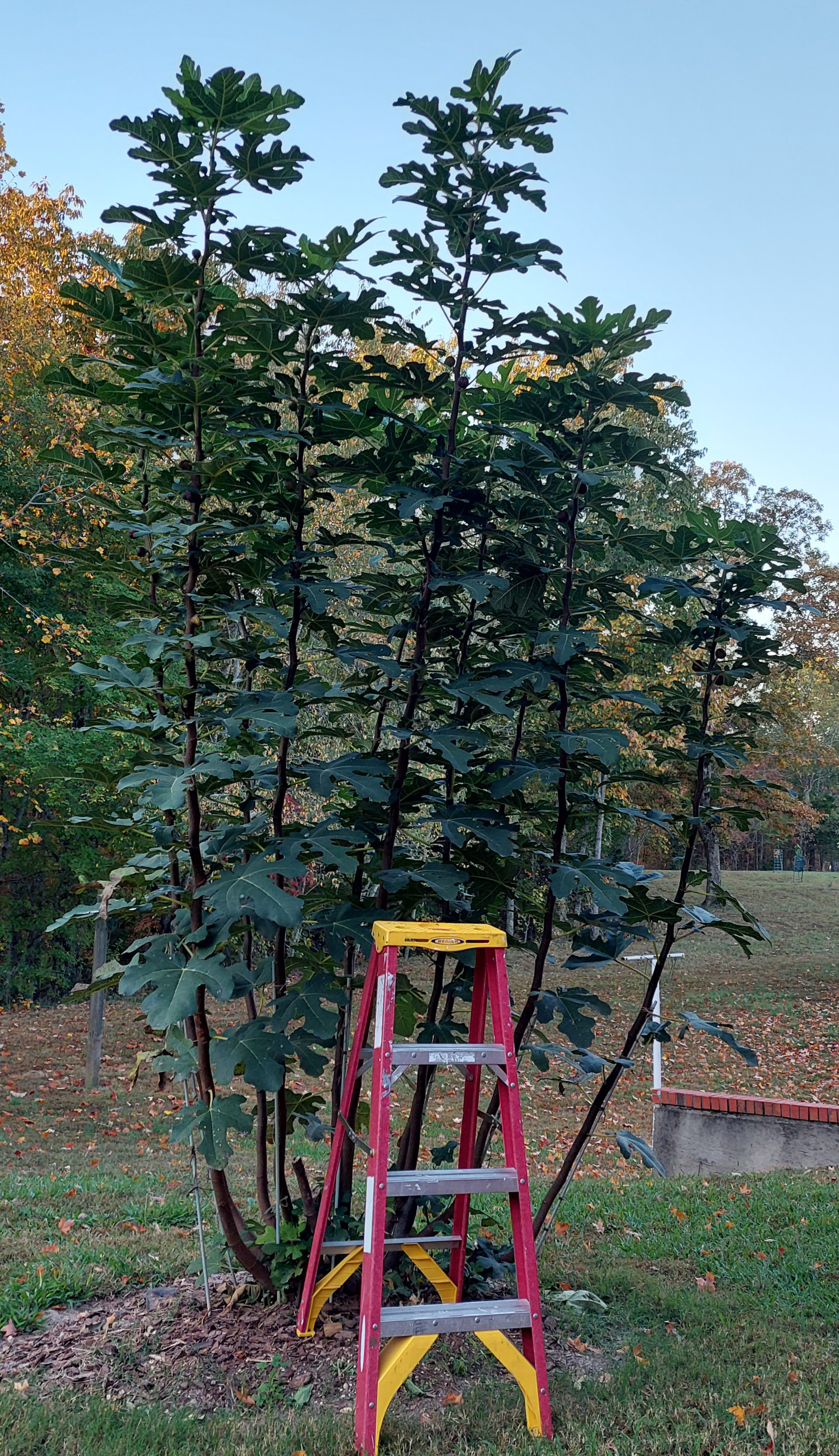
I have to get a picture of the tree later, but I think it’s quite large considering its age. I have it planted at my job. I’m lucky to have employer who let me do such things!
Here are progeny from @TNHunter infamous Chicago Hardy (thanks again Trev). They are in 7 gallon pots and are about 5’ tall. I won’t get figs from them this year, but I’m a rookie grower, just started my foray into fig growing this year. It was an interesting process to learn how to turn cuttings into these monsters!