I only use Michael Phillips’s spraying recipe
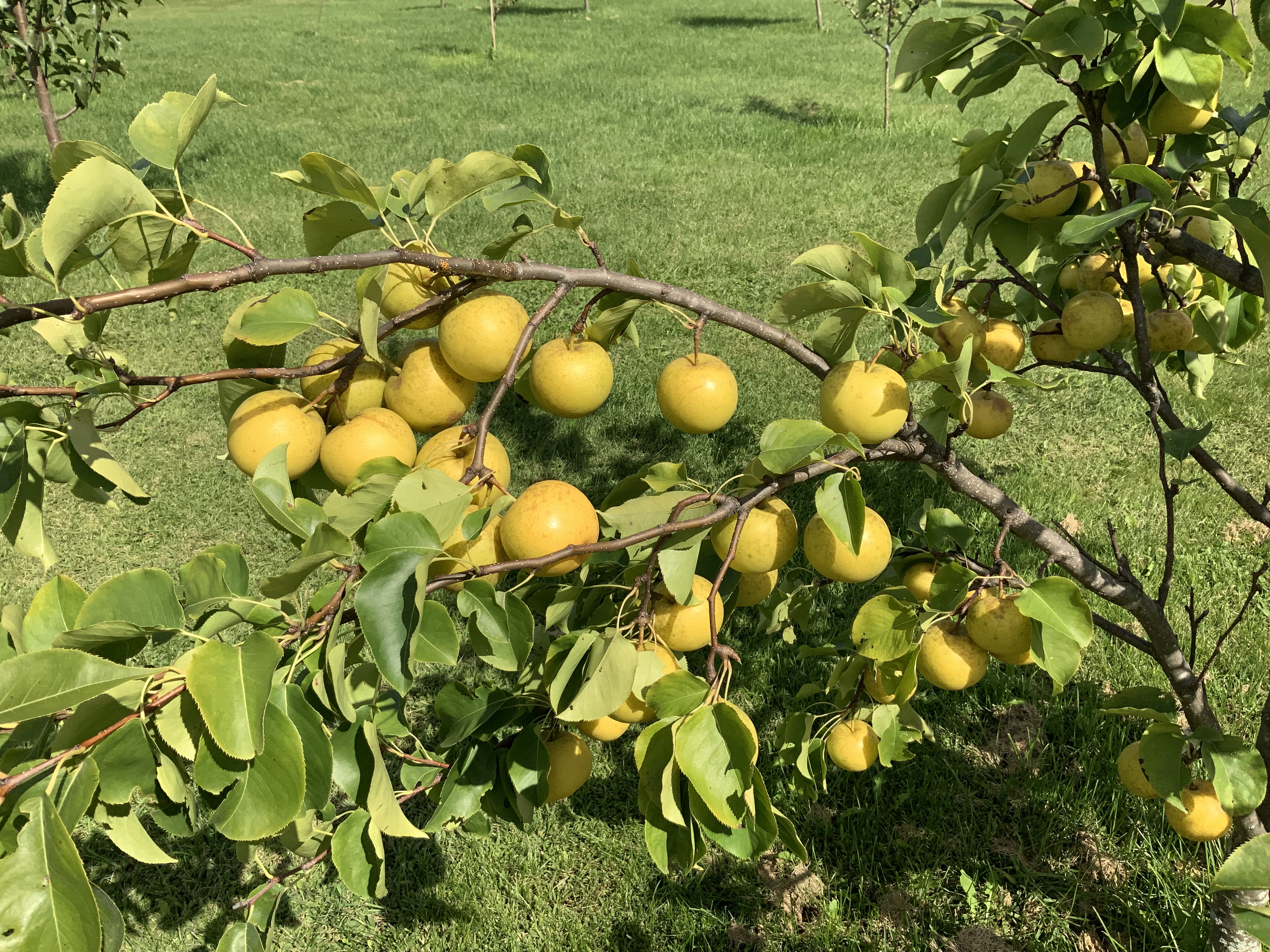

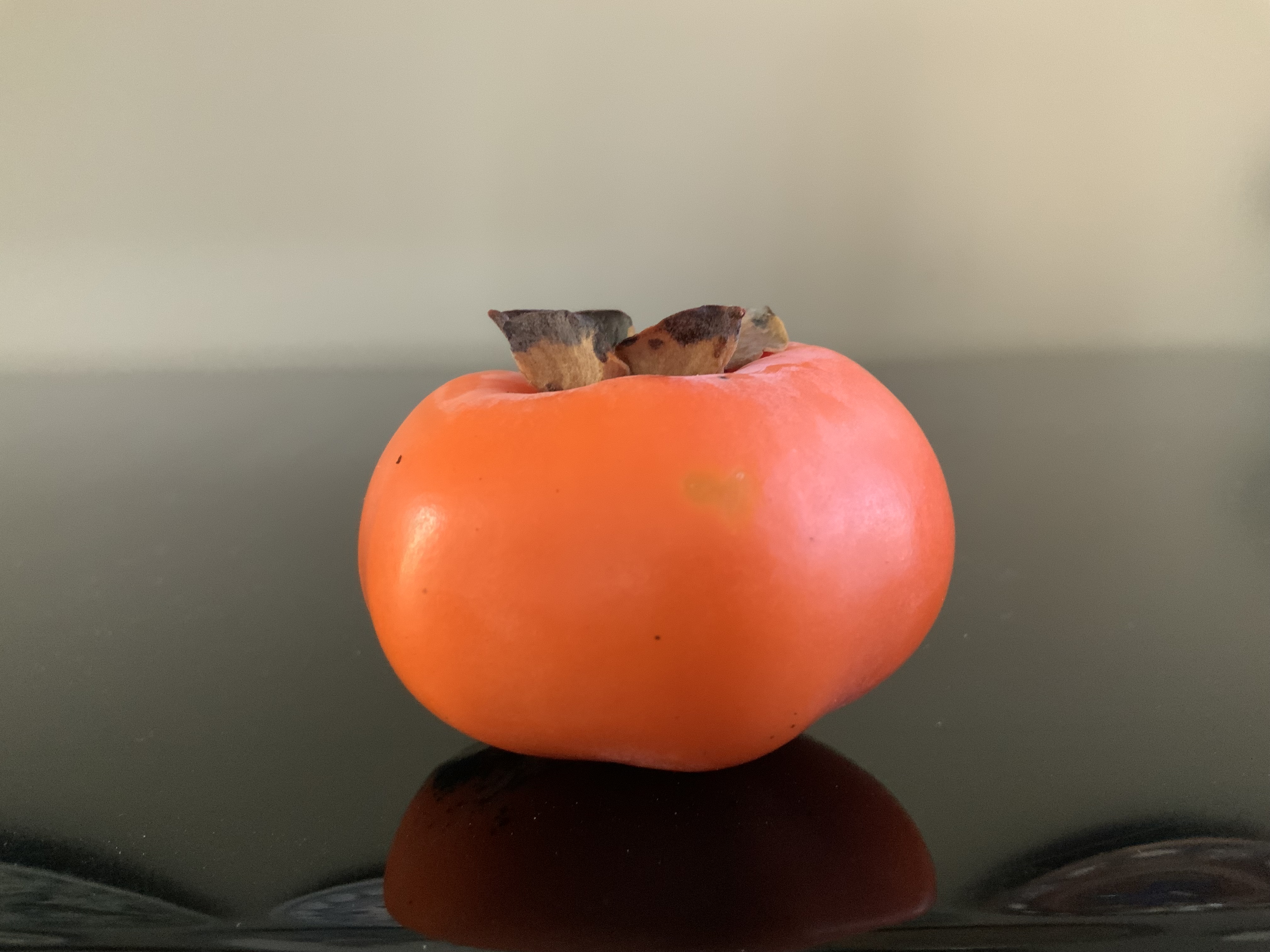
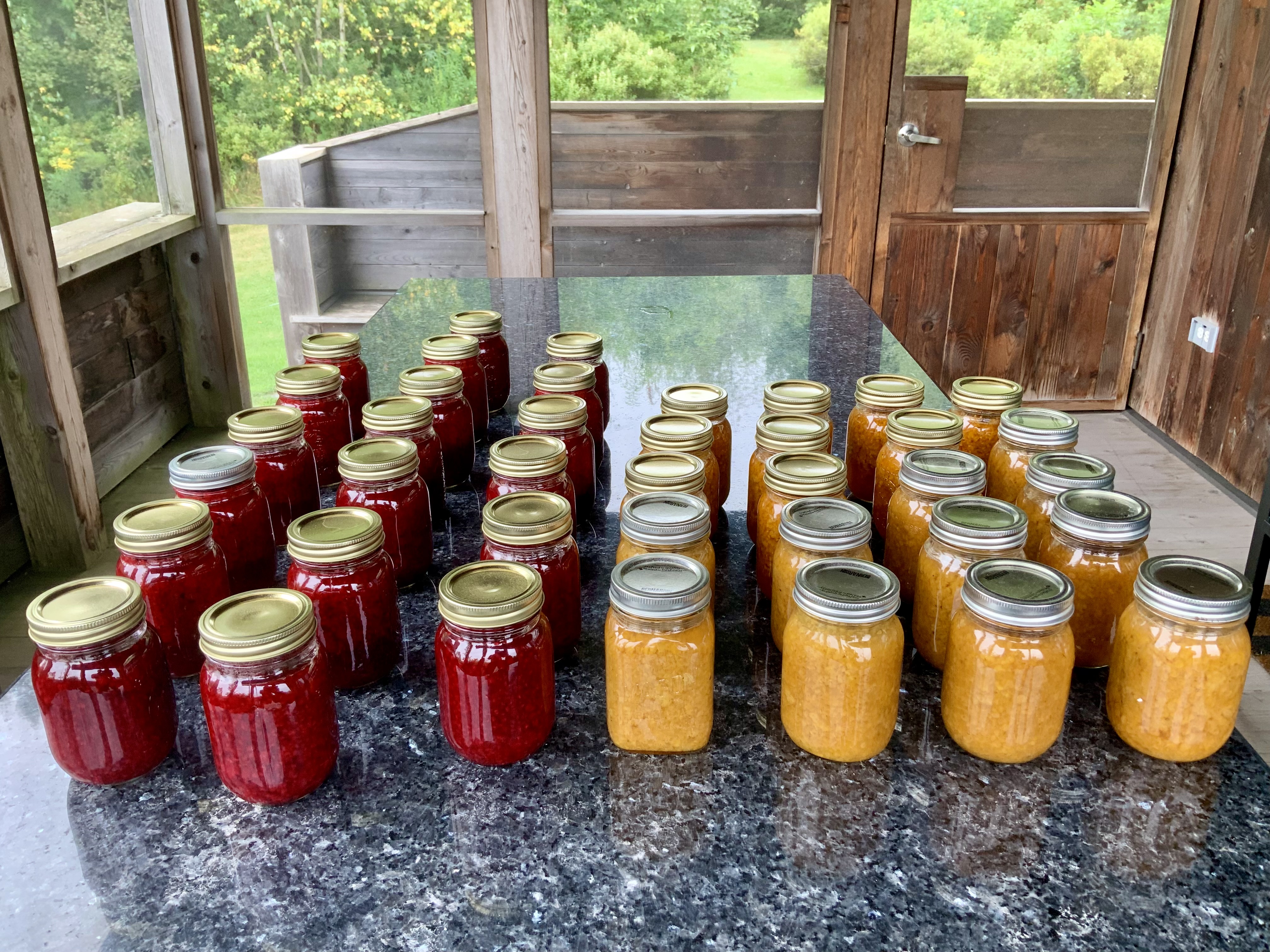
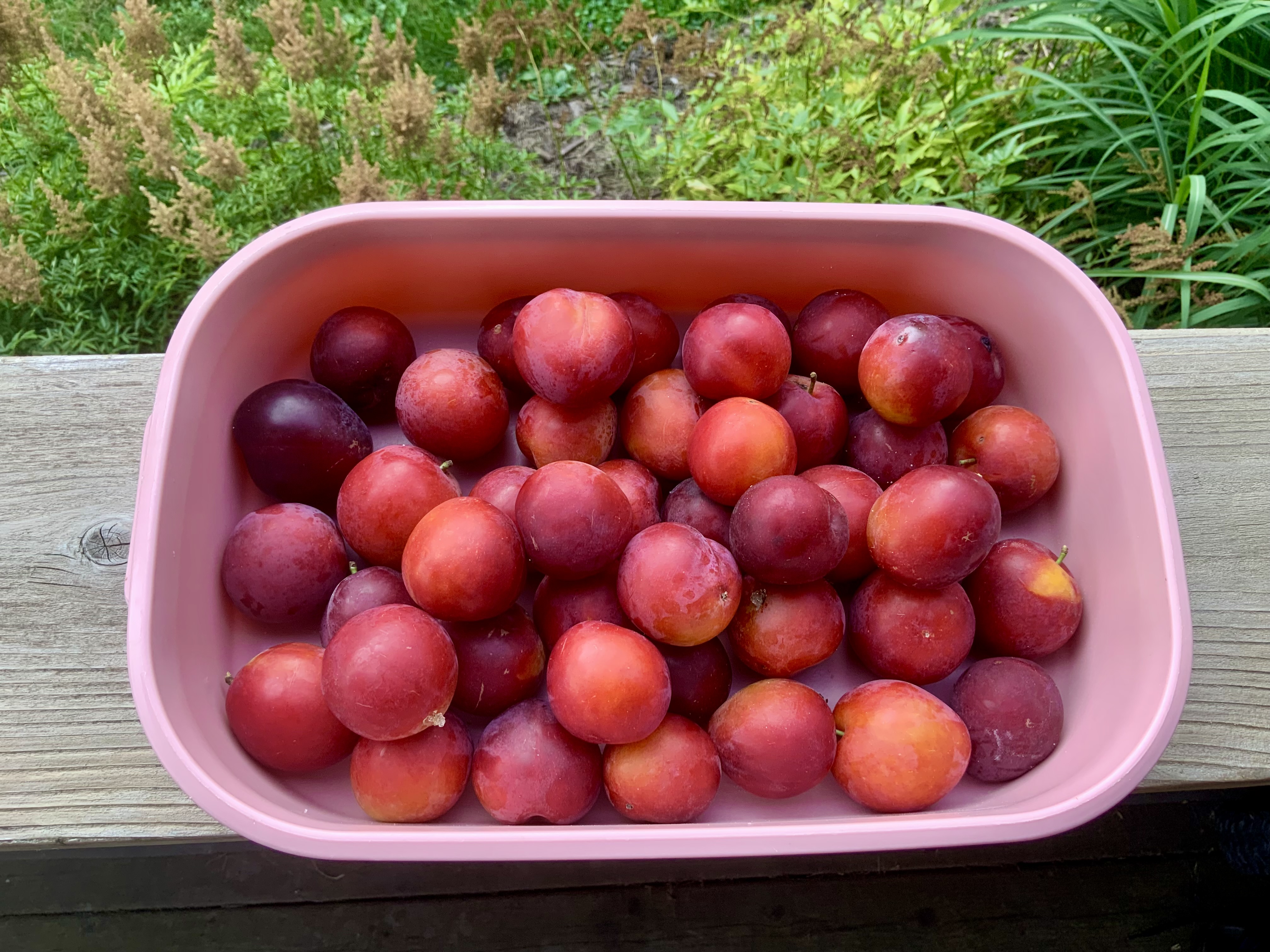


11 Likes
ive gotten away with not spraying insecticides but need fungicides esp. for stone fruit. ive had blossom end blight and brown rot do serious damage even when spraying if i dont use it often enough. its great that you dont need to but once those diseases show up you need to start spraying regularly or you could even lose trees.
1 Like
I’d be curious to know how many sprays you are doing per season? I was able to for instance keep apple tree leaves free of CAR using the Michael Phillips method. Whereas less spraying of Myclobutanil achieved the same.
1 Like
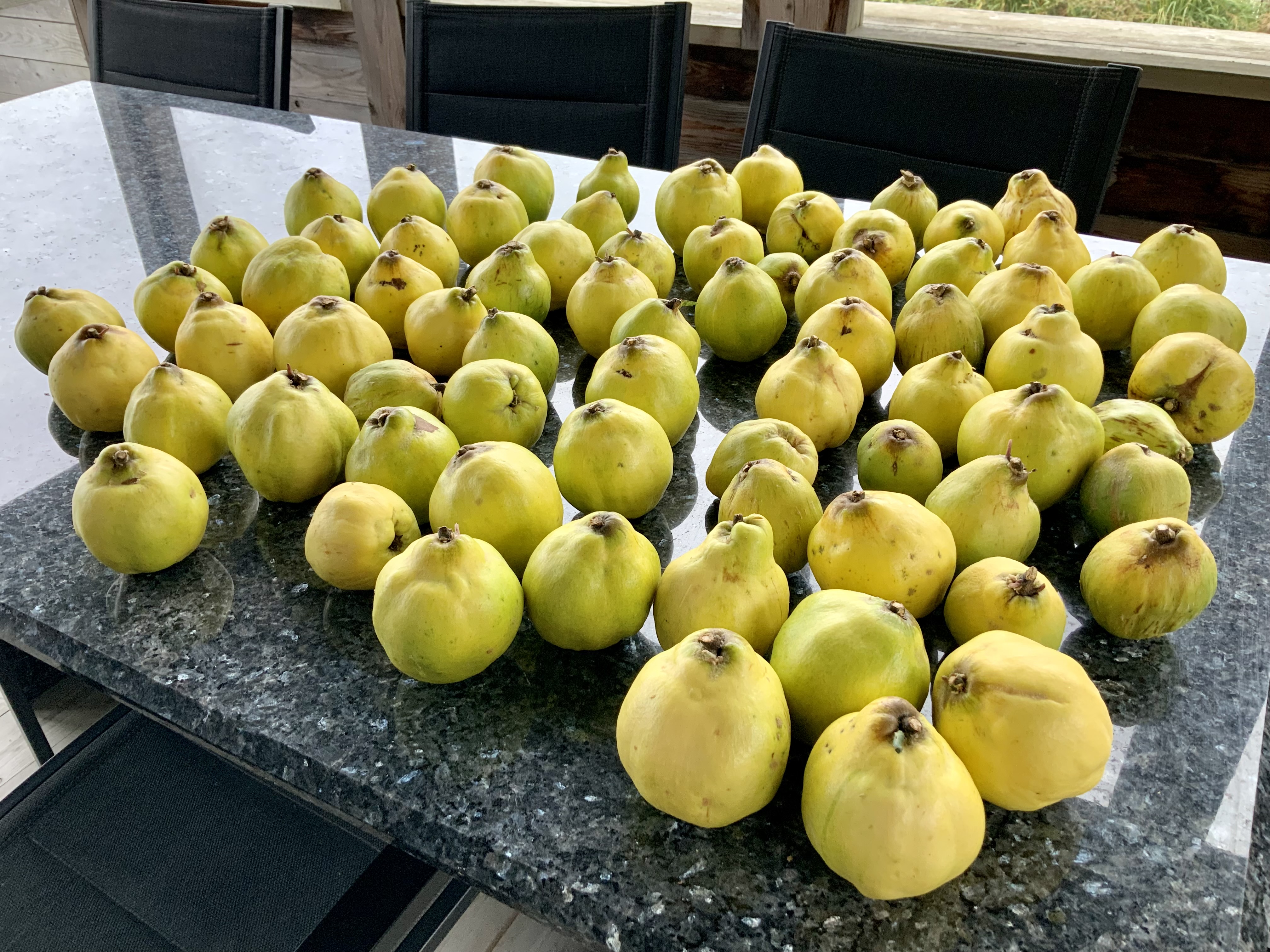
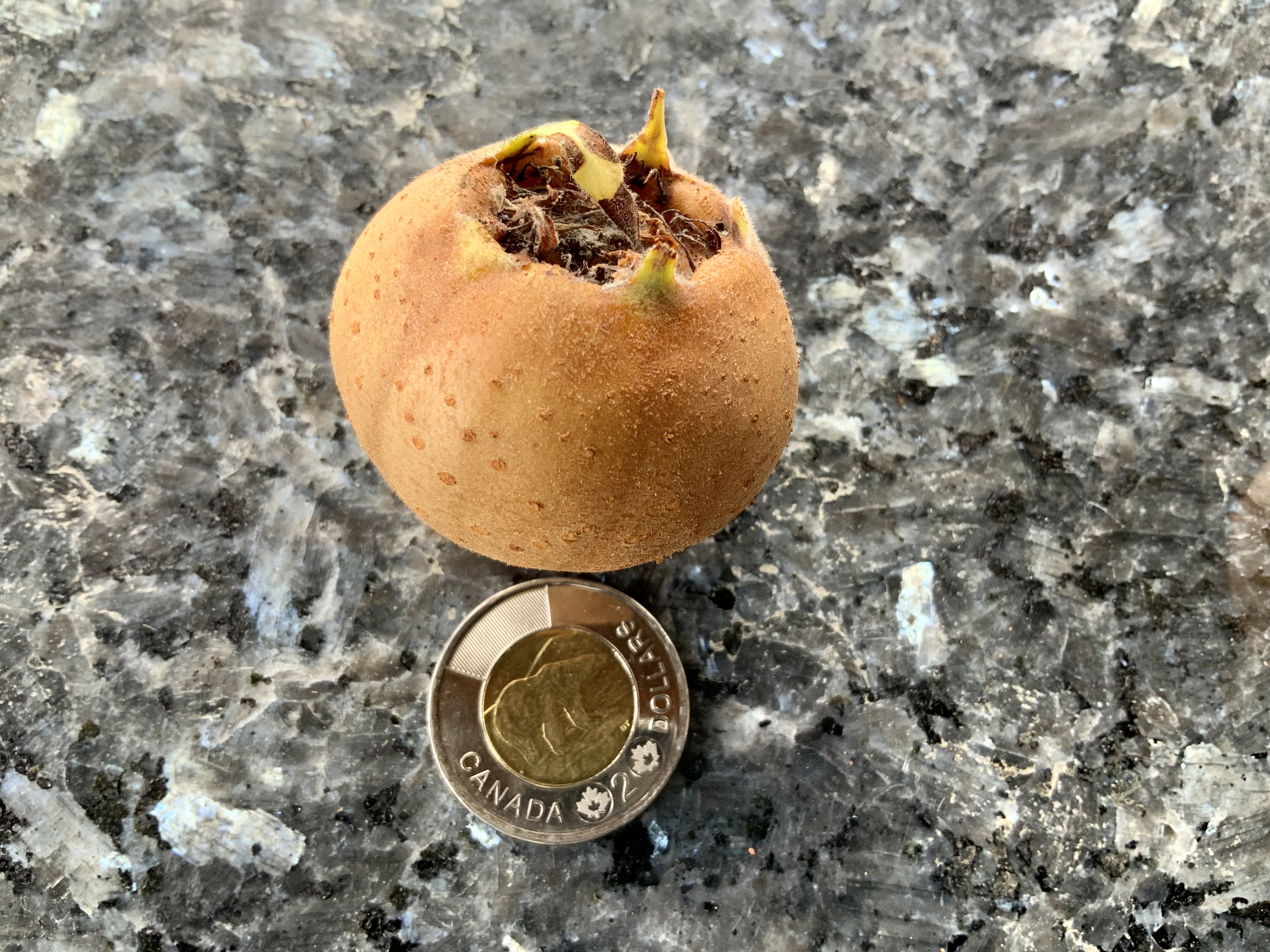
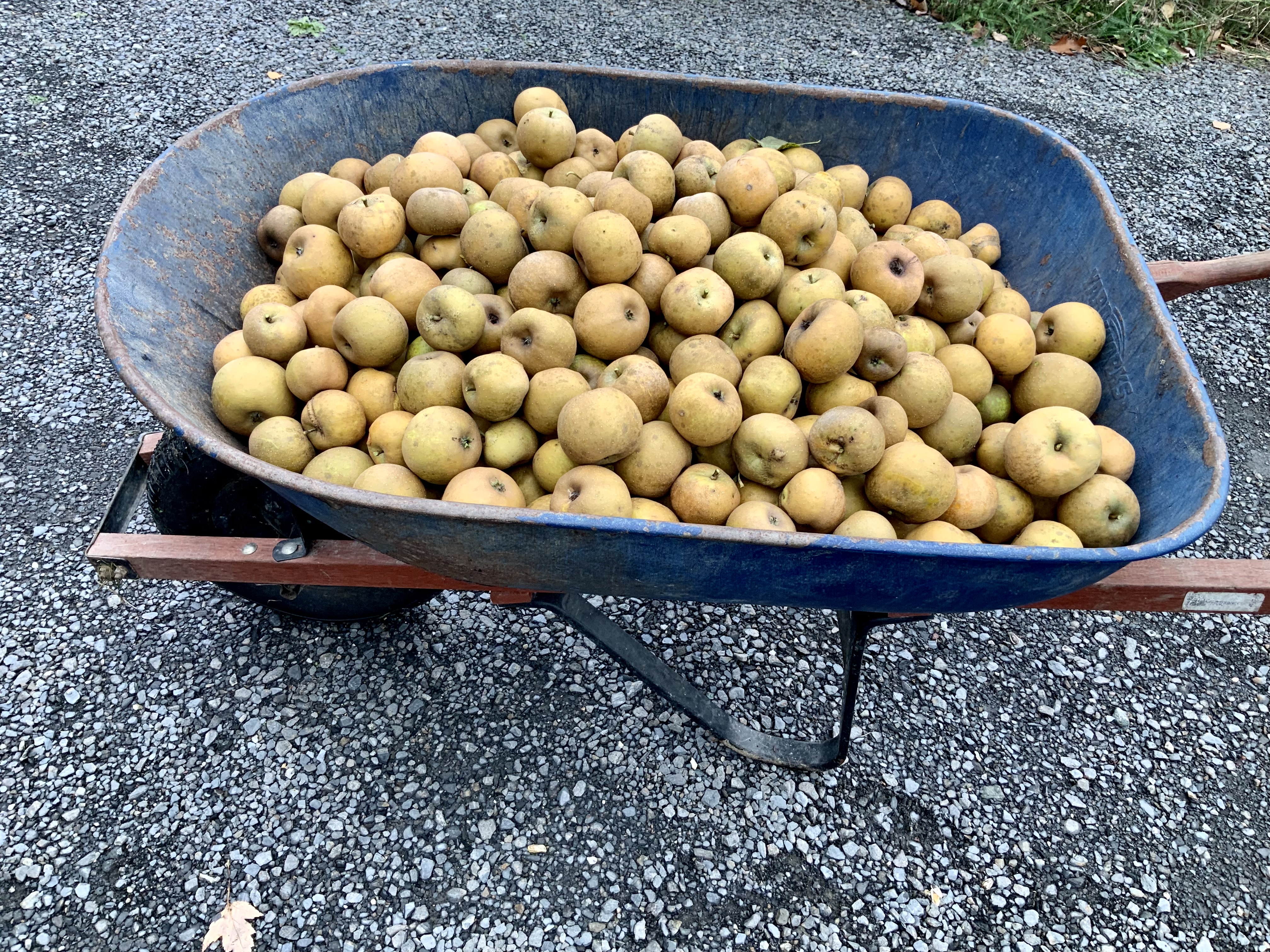
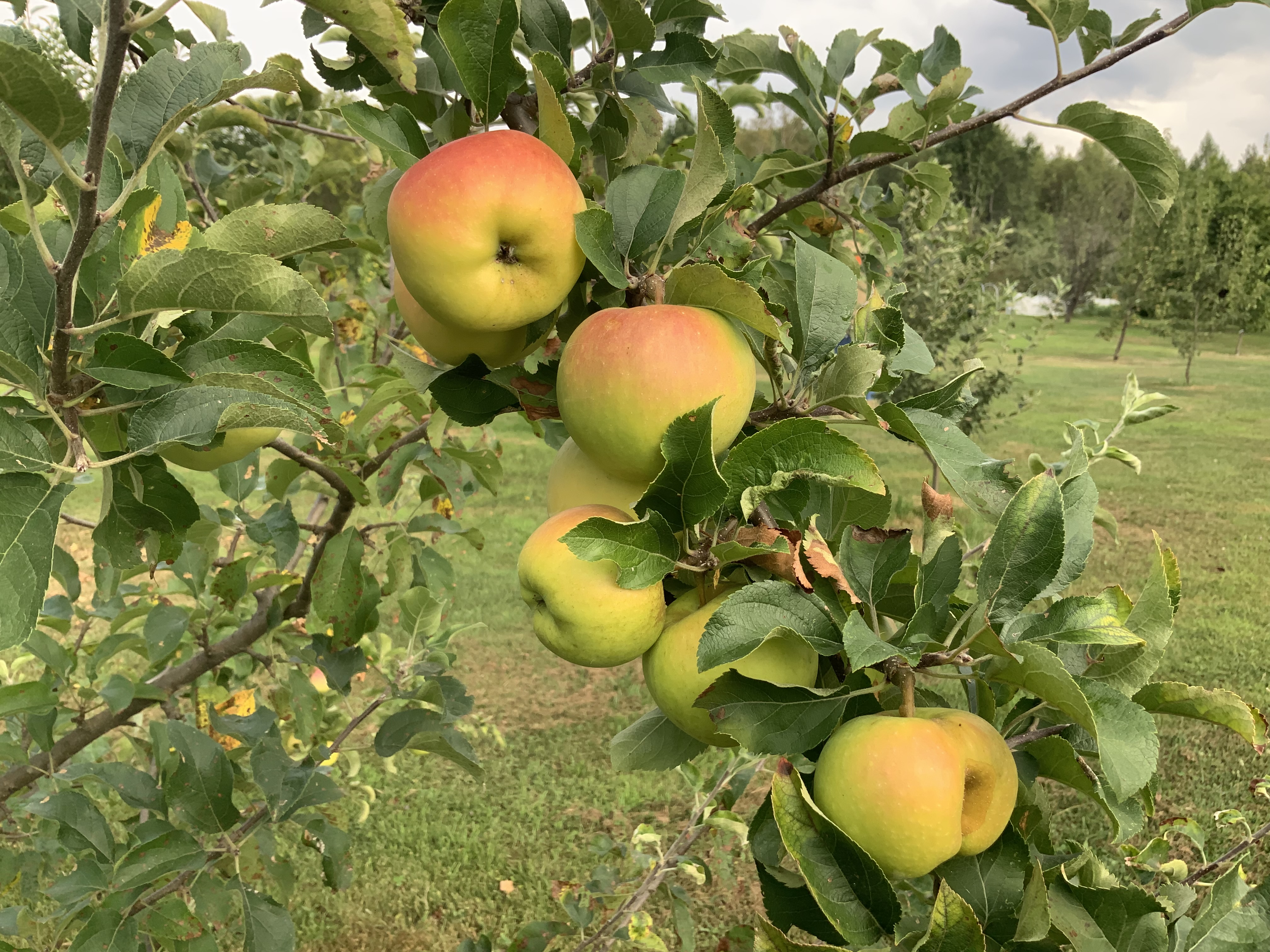
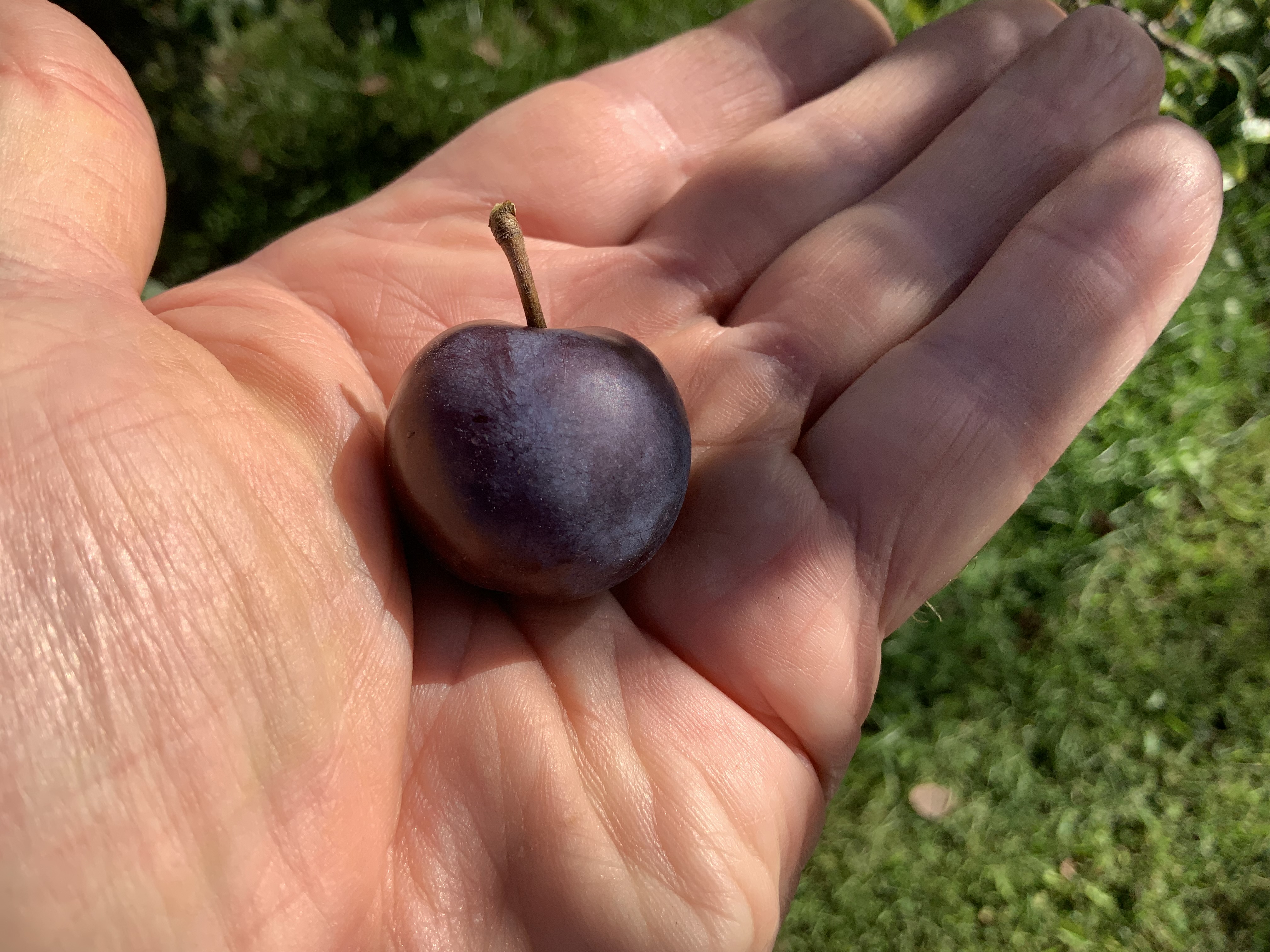
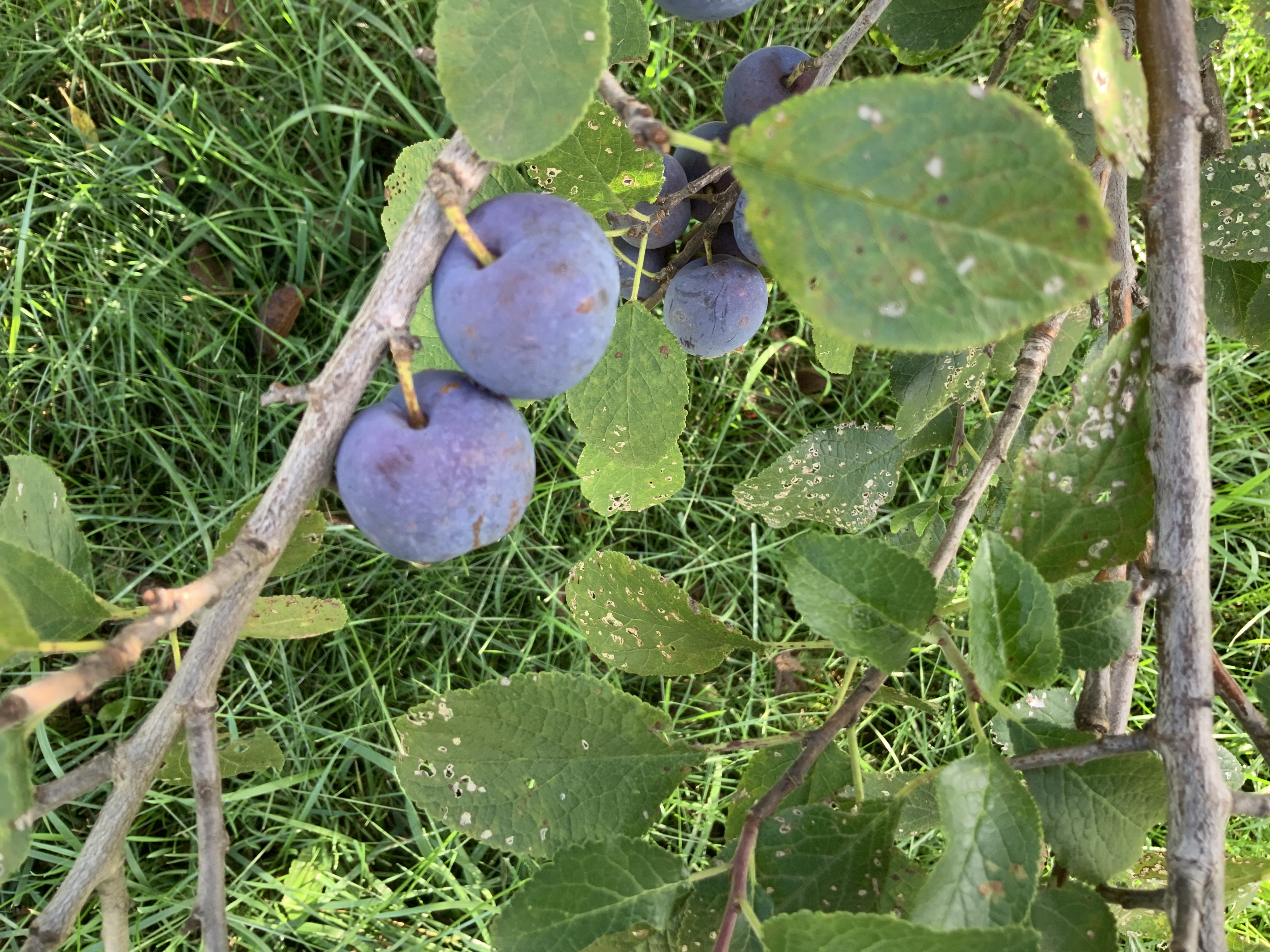
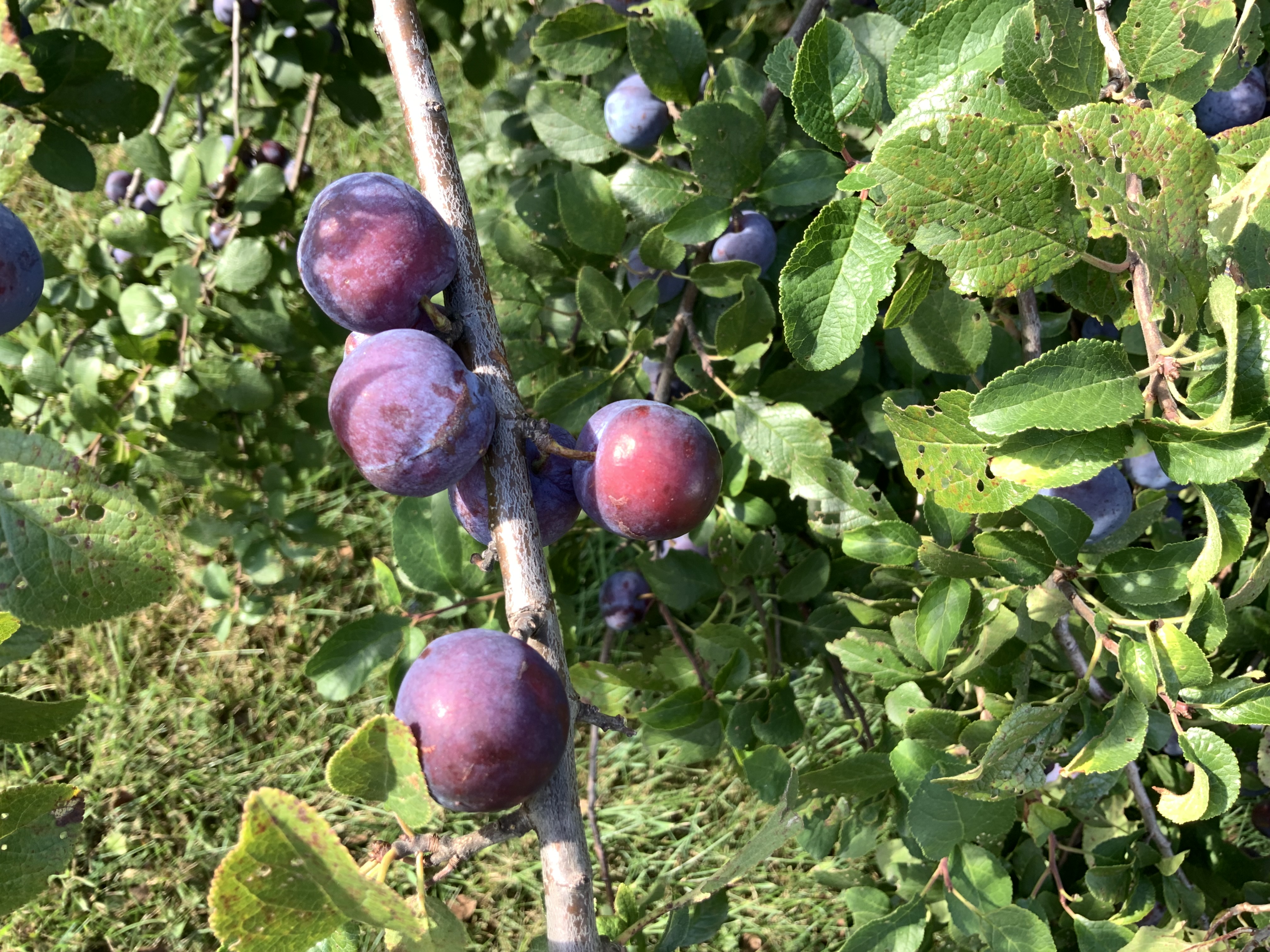
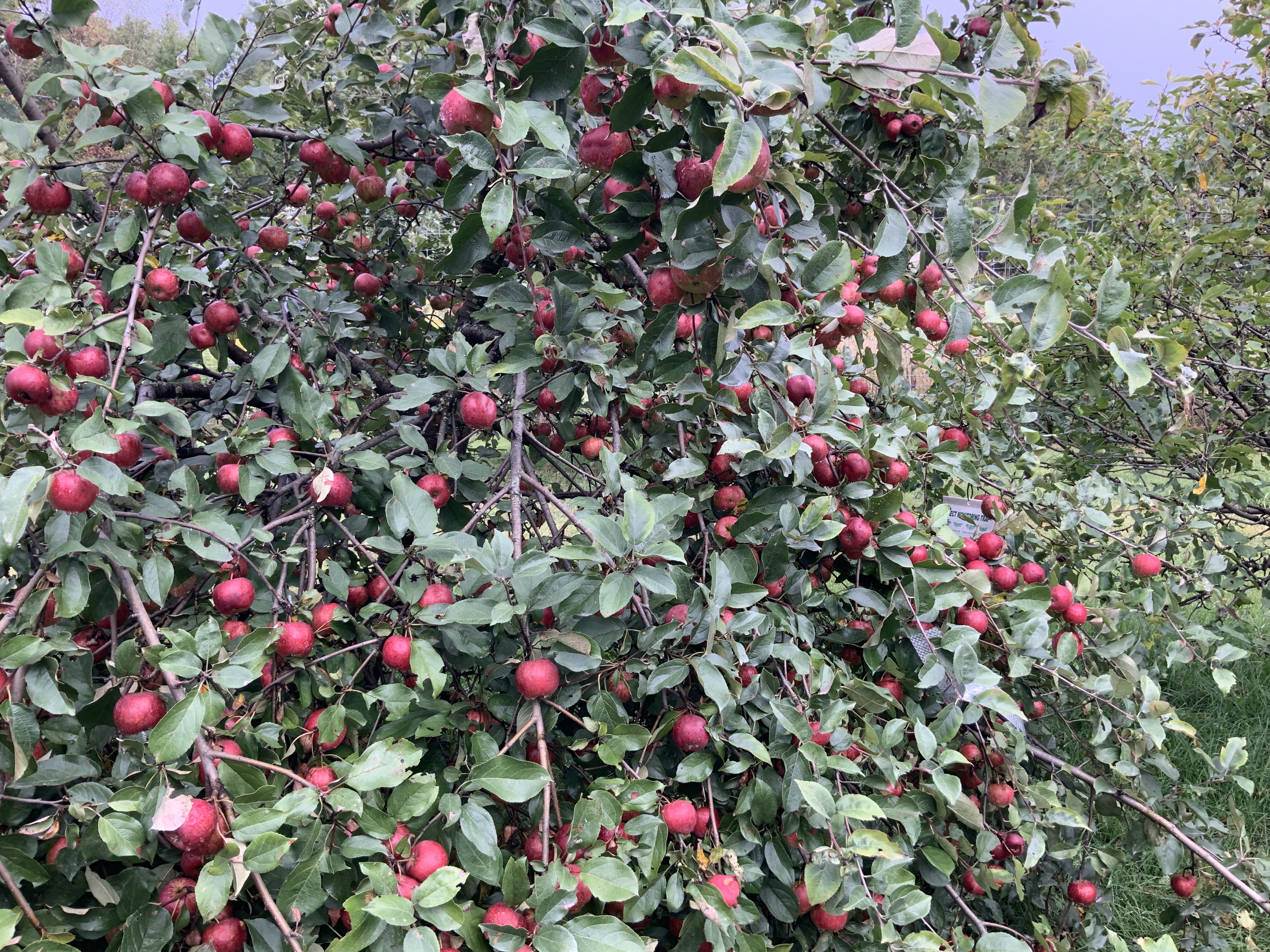
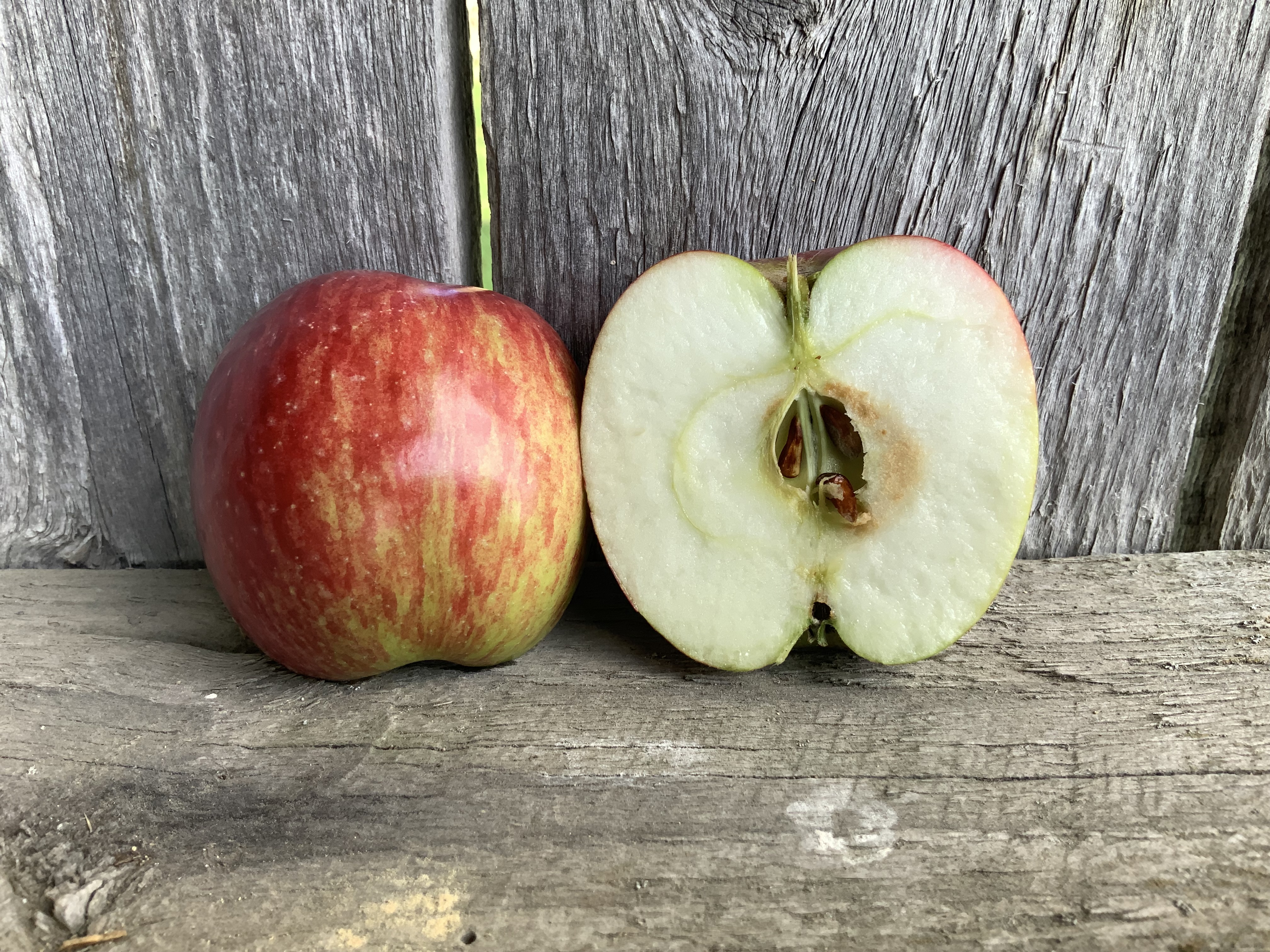
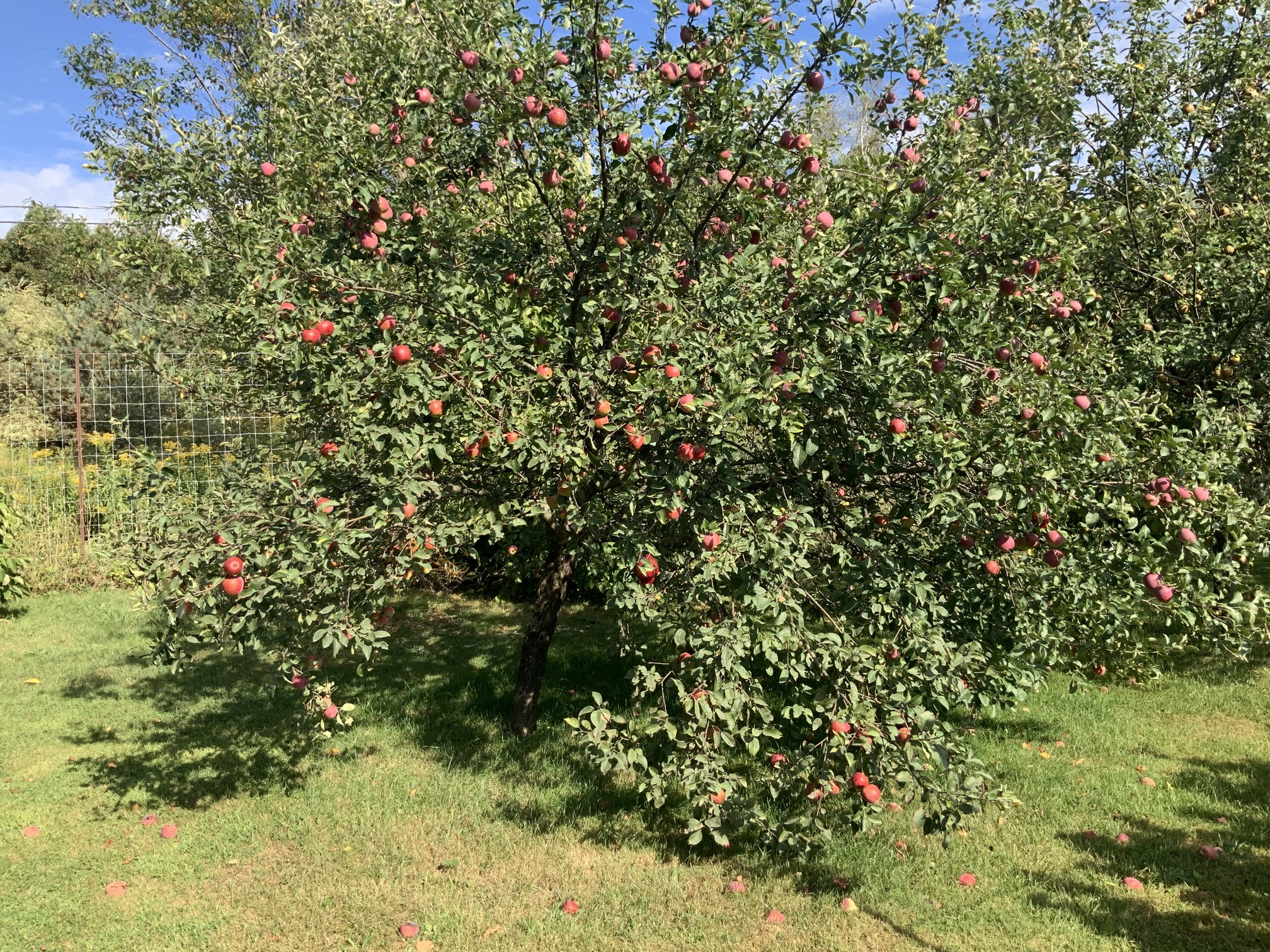
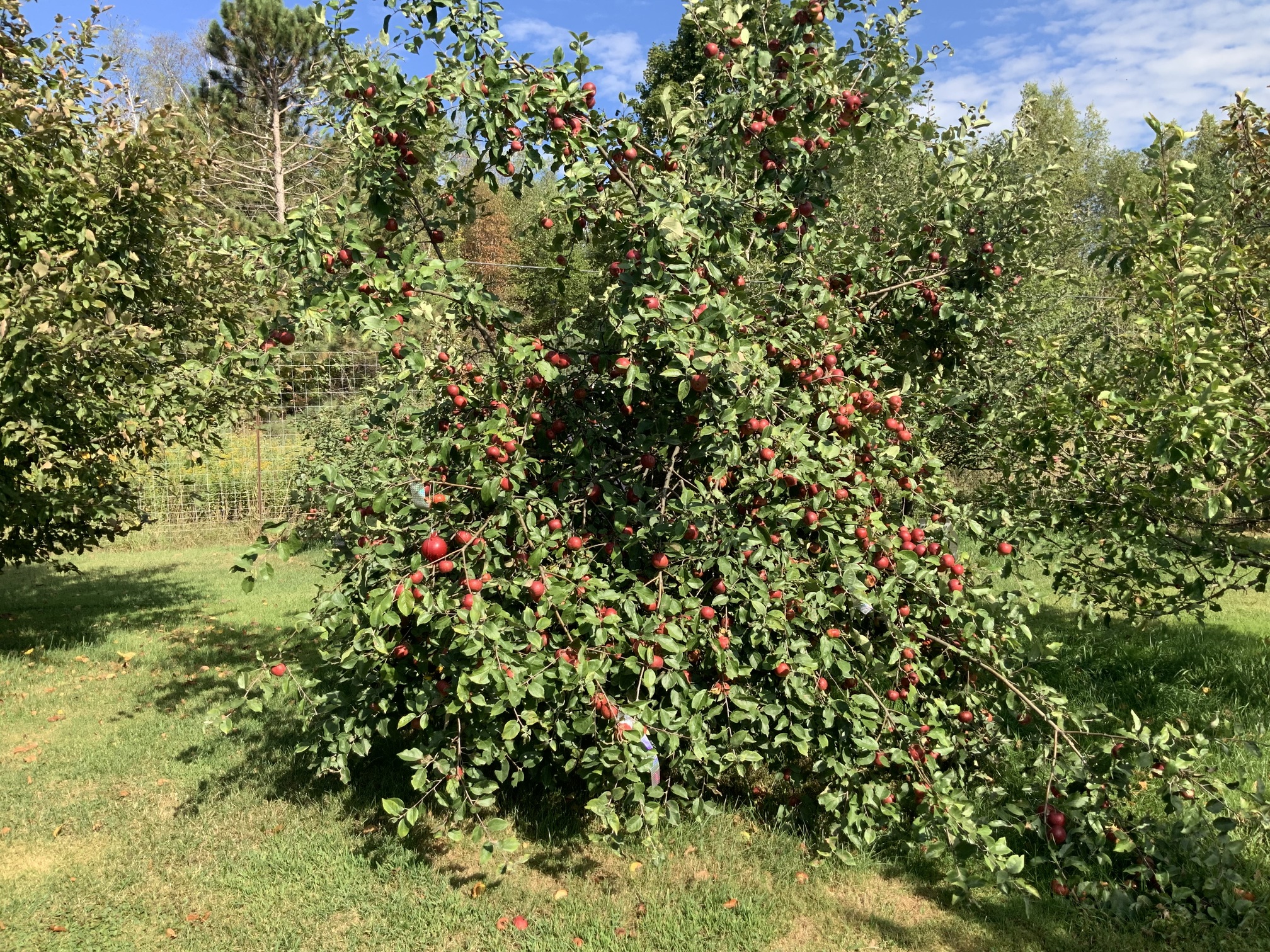
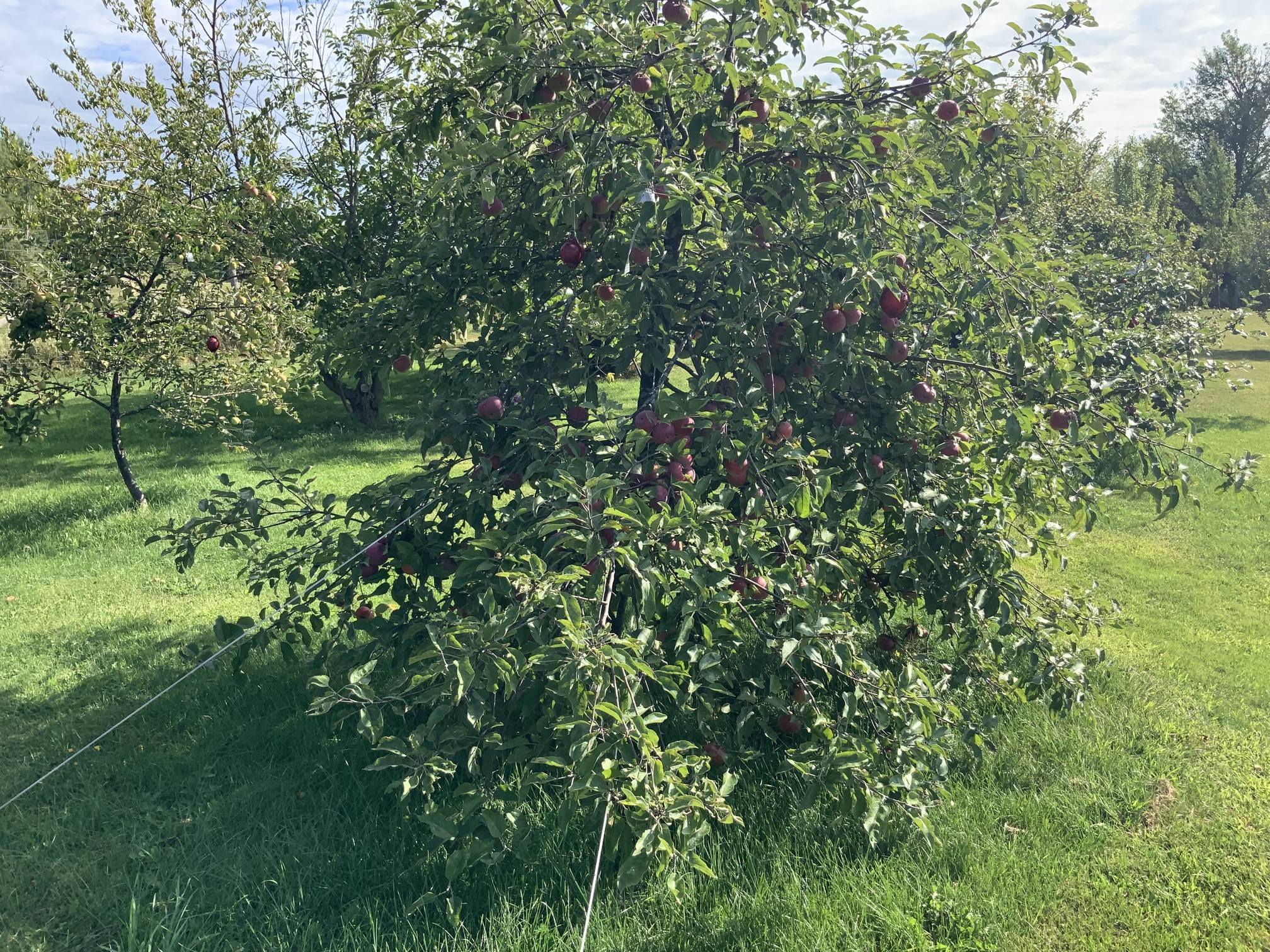
Those are great looking fruit and a lovely orchard. I really like the countryside around the Montreal and Trois-Rivieres area, at least in summer, it always seems so lush while still being pleasant and mild. How old are most of those trees?
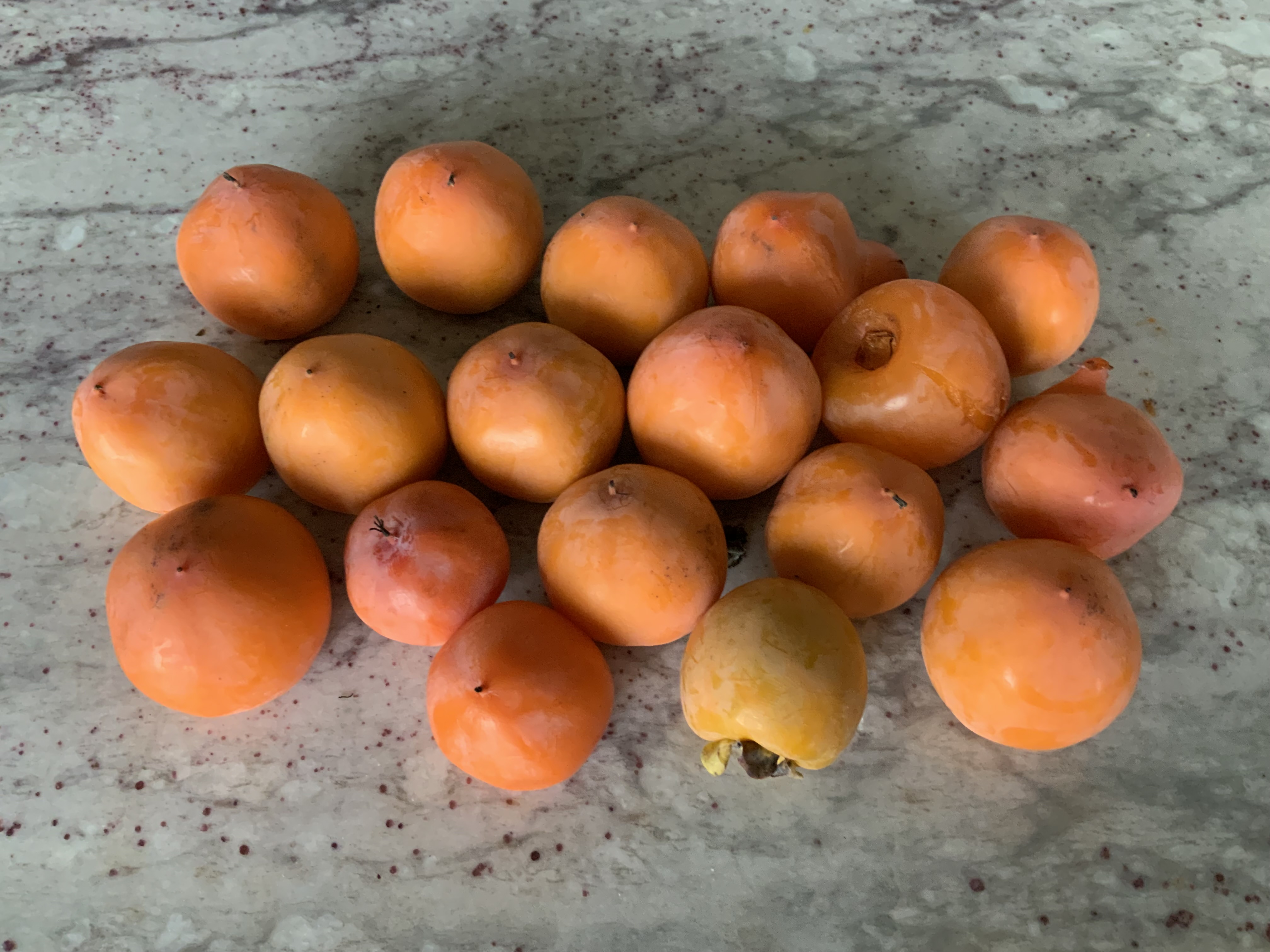
Are the persimmons in pots? I’d be interested to know how you are protecting them over the winter.
I am a bit amused by the title, how you say “even in 4b.” To my mind, the lower the zone number, the better the chances are for no-spray or low-spray to work. Winter is the great purgative, the colder and longer the winter, the fewer pests remain. Also, I’ll quibble and say you are spraying chemicals, and not just in the pedantic sense of “oh, water is a chemical too you know.” I mean chemicals in the “these are complex, toxic substances.” Neem oil contains the triterpene insecticide nimbin

And the tetranortriterpenoid endocrine-disruptor type insecticide azadirachtin
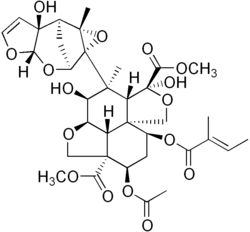
As an insecticide, azadirachtin is most similar to other IGRs like methoprene and pyriproxyfen.
The toxicity of azadirachtin and nimbin is highest to insect and aquatic life, but higher animals are also affected. In humans, toxicity presents as encephalopathy with secondary symptoms of vomiting, tremors, and seizures. That’s been well-established in case studies from real life neem oil poisoning occurrences. What’s not clear yet is if they’re carcinogenic, though it is known that these chemicals in neem oil do cause significant oxidative stress, chromosome damage, and DNA fragmentation.
Don’t take this the wrong way, I’m not trying to make the comment about the chemicals the main point of my post, it just takes more words to say that than to mention that I’m impressed by the fruit you’re getting and love how nice your orchard looks. My main take-away is, while to me the way you describe it is a bit amusing, I’m glad you have a system that works for you and that is reasonable and practical.
4 Likes
I do think that there is less disease pressure the colder/farther north you go. Some plant based pesticides are truly toxic to humans. Many of the smaller ones are the antioxidants in vegetables and fruits. Spinach doesn’t want you to eat it. It wants to grow up, make seed, and reproduce. We obtain better health from the hormetic effects of these mild irritants in plants that they create to stop us from eating too much of them. With fruits, the tree wants you to eat the fruit and spread the seed.
John S
PDX OR
4 Likes
Fantastic!
One spaying in those months: May, June, July and August and that’s it.
1 Like
Hi.
All my fruit trees are planted the moment I received them (seedlings or grafted trees from nurseries. 85% are grafted, others seedlings. I’m a damned Darwinist: you survive and thrive in your place or die. No winter protection for most except pawpaw and persimmons for their first 3 years. No netting, no organza bags. I got -31 C on February 2023 and I get -24 to -26 regularly.
I’m not totally convinced that insect pressure are less damaging in my zone than zones 7,8 or 9. I need proof. Solid scientific peer reviewed proof.
I have been using 100% cold pressed neem oil for 20 years plus. I’m totally convinced that internal use (swallowing) in extremely dangerous, even mortal (depending on quantity ingested). I don’t use any security measures when using it.
I have been a medical librarian 34 years before retiring. I have done more than a trillion medline searchings and consulting countless other multiple reputable databases and found no proof of any dangers, except for insects eating neem oil that has been applied on leaf, of course.
Growing fruit.org doesn’t accept short videos of any kind, at least I was not able to upload any. The photos provided do not give justice to my orchard as videos would…
Next time you maple syrup stock is low come and visit me in the most important maple syrup production region (Eastern Townships) IN. THE. WORLD. !!!
4 Likes
Neem oil looks pretty toxic to me. But safer than many others. We need to keep developing safe alternative pesticides. I prefer some of the newer chemicals as they are short acting. I take six drugs, manmade drugs everyday. I would probably die without them.
So I myself am quite impressed with the drugs man has developed. It seems like they keep getting safer all the time. I believe we will defeat these pests as we learn more and more every decade. I like the direction medicine is going as medical drugs become safer all the time. We used to take speed for weight loss with terrible side effects. Now weight loss drugs correct your cholesterol and carbohydrate and sugar levels in the bloodstream. Statins look to prevent lung cancer. We seem also to be focused on finding out why cancer rates, autism and other problems are occurring and I expect positive change in the future. I’m confident we will keep our food supply safe yet be able to protect it from pests. The future looks very bright to me.
2 Likes
By micheal phillips spraying recipe, you mean this?
Thanks
Beautiful! I never spray. I don’t like chemicals and am too busy to be a slave to the trees. But my apples are nothing like yours.
This is what Google said.
Michael Phillips’s Core Holistic Fruit Tree Spray Recipe
- 10 ounces of liquid fish.
- ½ cup of blackstrap molasses mixed with ½ cup of warm water.
- 2.5 ounces of pure neem oil.
Sadly most of his detailed online notes and recipes are not accessible since his passing. His website was a rich resource. Below are the notes I’ve taken over the years from his blogs, website, and books.
I don’t use oils anymore or any type of pesticide. Instead I focus on nutritional only sprays for dwarf and semi-dwarf. For large standard trees I don’t do any sprays and instead focus on the nutrition at the ground and soil level. And of course the benefits of air flow can’t be overstated as a no-spray tool.
Holistic Notes
Holistic Orcharding Notes
-
Liquid Fish – **unpasteurized hydrolysate
- Foliar rate of 1-2 Gallons per acre
- Ground rate of 4 Gallons per acre
- Organic Gem is one brand
-
Seaweed– liquid kelp is cold processed and more biologically active
- If sprayed the afternoon before a freeze it can increase the protection of flowers by 2 to 4 degrees.
-
Sea Minerals
- SeaCrop
-
Biological Reinforcement
- EM-1 product
- In a 1 gallon jug, add ¾ cup of molasses, and then fill the jug 2/3 of the way full with hot tap water, and shake well to dissolve the molasses. Then add about 1 to 1.5 ounce of EM-1 to the water, and fill the jug the rest of the way with lukewarm water. Shake again to mix. Cover the jug with a towel to help keep it warm and place on top of the fridge.
- Try to keep it warm for the first 3 days. Then it’s okay to keep it room temp or slightly warmer for 5 to 7 more days.
- Use after about 7 to 10 days. You can check that pH has dropped below 3.8, or check the smell and it should be sweet and earthy.
- EM-1 product
-
Oils
- Oils used as dormant sprays and as pesticide during certain sprays during the growing season.
- Also used on the ground around tree at certain times of year. Taking advantage of fatty acids to help against certain fungi overwintering in the bark crevices and the fallen leaves around the tree. Fish hydrolysate also helps with this.
- Neem oil – us pure cold pressed. Best source: Neem Oil, Leaf, Bark Powder, Karanja Oil & Other Products
- Karanja oil – can help make neem more effective. Easier to work with because it tends to stay liquid and not clog the sprayer as much as pure neem.
- Need an organic soap for emulsifier
-
4 Sprays of Spring
- Quarter inch ‘green’ to half inch ‘green’. Spray on ground as much as the tree.
- Open cluster early pink, to pink stage (no neem oil during bloom & no fish hydrolysate during bloom)(so for bloom really just EM, Kelp SeaCrop, maybe BT for bud worms)
- Petal fall
- 7 days later ‘first cover” (first spray after petal fall)
-
Fruit sizing and ripening sprays
- All about cuticle defense and building the waxing protective layer of the fruit.
- This is a good time to start using herbal teas
- Use hot water to extract nutrients into the water.
- Let ferment 7 to 14 days
- Horse tail is good after the head opens and separates. At this point it’s high in silica
- Nettle is good at the seed stage. At this point it’s highest in silica
- Comfrey is good for the calcium.
- Garlic scapes in the tea can help the nutrients pass through the membrane layer.
- Include effective microbes (EM-1)
Fungal dominance is really important. Focus on the ground/soil even more than the tree.
-
Spread compost in fall after most leaves have fallen.
- Helps decompose leaves and viruses
- Nutrition will be available for spring feeder root flush
-
During fruit set there is a flush of feeder root growth scavenging for nutrients.
- This is a good time for “biological mowing”
-
Thinning
- Once fruit set you have about 30 days to thin to reduce the chance of biennial bearing.
- Any thinning after 30 days will help fruit size, but not next year’s crop.
-
Fall Maintenance
- Mowing to reduce vole cover and chop of leaves, thus reducing scab
- Compost in fungal duff zone
- Fall Holistic Spray
-
Fall Holistic Spray
- This gets sprayed on the ground even more than the tree
- Liquid fish at double the spring rate
- EM double the spring rate
- Neem oil or Karanja oil (I preferred Karanja because it was easier to work with)