I wouldn’t remove it just because of black streaks in the scionwood. That alone isn’t enough to be confident they are infected with KSDS in my experience. I have some healthy trees that started as scionwood with black streaks.
3 Likes
If the tree has KSDS, you won’t be able to stop it by pruning symptomatic branches. It will eventually kill the whole susceptible portion of the tree (i.e., if the rootstock is D. virginiana that will survive).
2 Likes
This appears to be the imposter Dar sofi, and Journey has not been confirmed through fruiting yet, but it it is growing strong and has set a couple fruits this year.
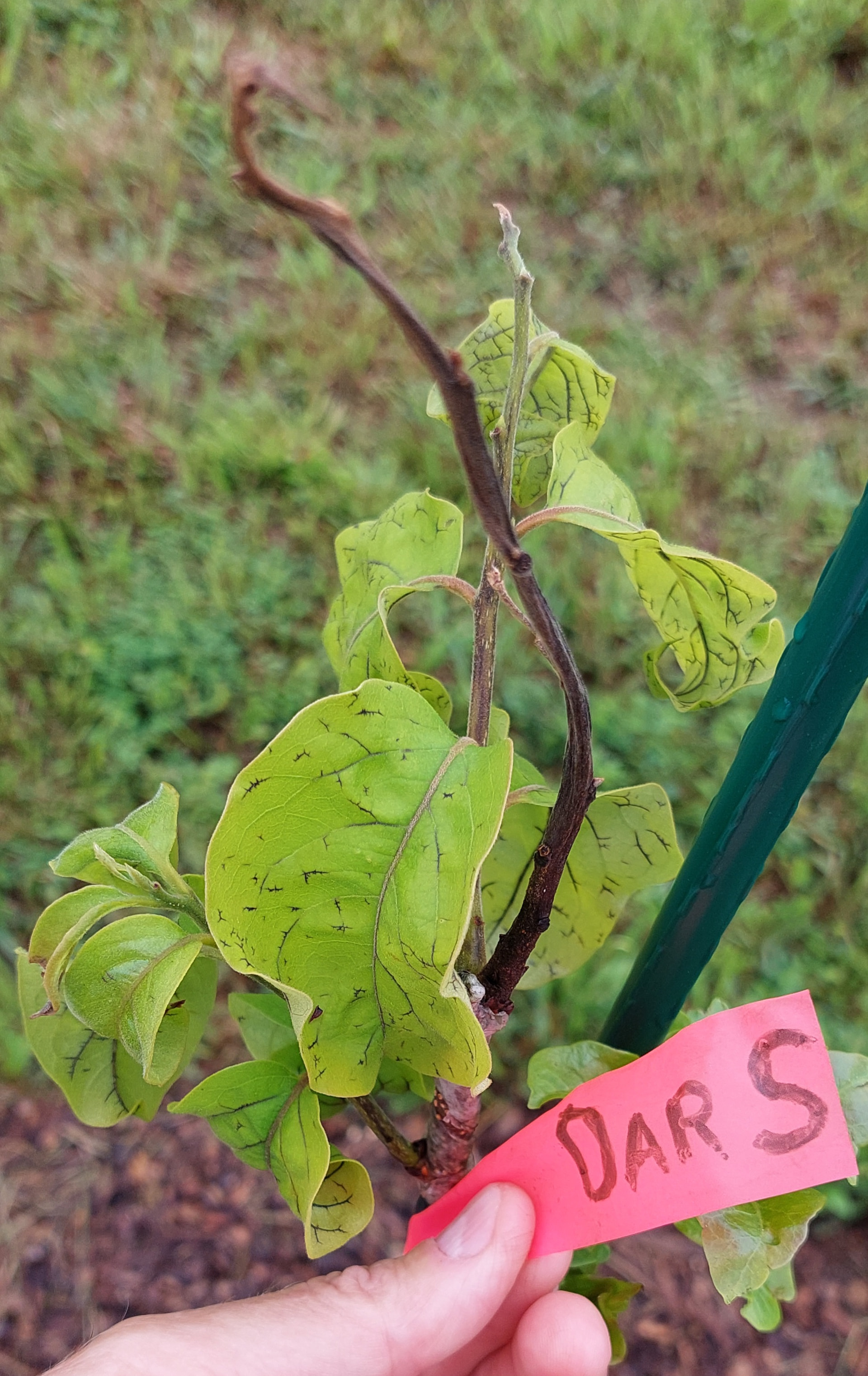
Last spring.. I grafted Dar Sofiyivky to a nice wild dv… It grew well initally and then went down looking like this.
This spring.. I grafted Giboshi to that same rootstock.. and it did the same.
TNHunter
3 Likes
Two years ago, I grafted Nikita’s Gift both to an established DV tree and a seedling. The grafts on the established tree, which I’m pretty sure is a carrier of KSDS, were rejected. On the other hand, the graft on the tree grew well for two years. And it started off this year well; there are lots of flower buds.
BUT yesterday I noticed that one branch looks bad. As I examined it more closely, I saw what i’mm pretty sure is early evidence of KSDS. Stay tuned . . . .
I am working my way through this thread but wanted to post this first. Is this KSDS?
Journey grafted to a wild dv earlier this year. Grew about 18” and seemed to be doing well, then today I noticed this.
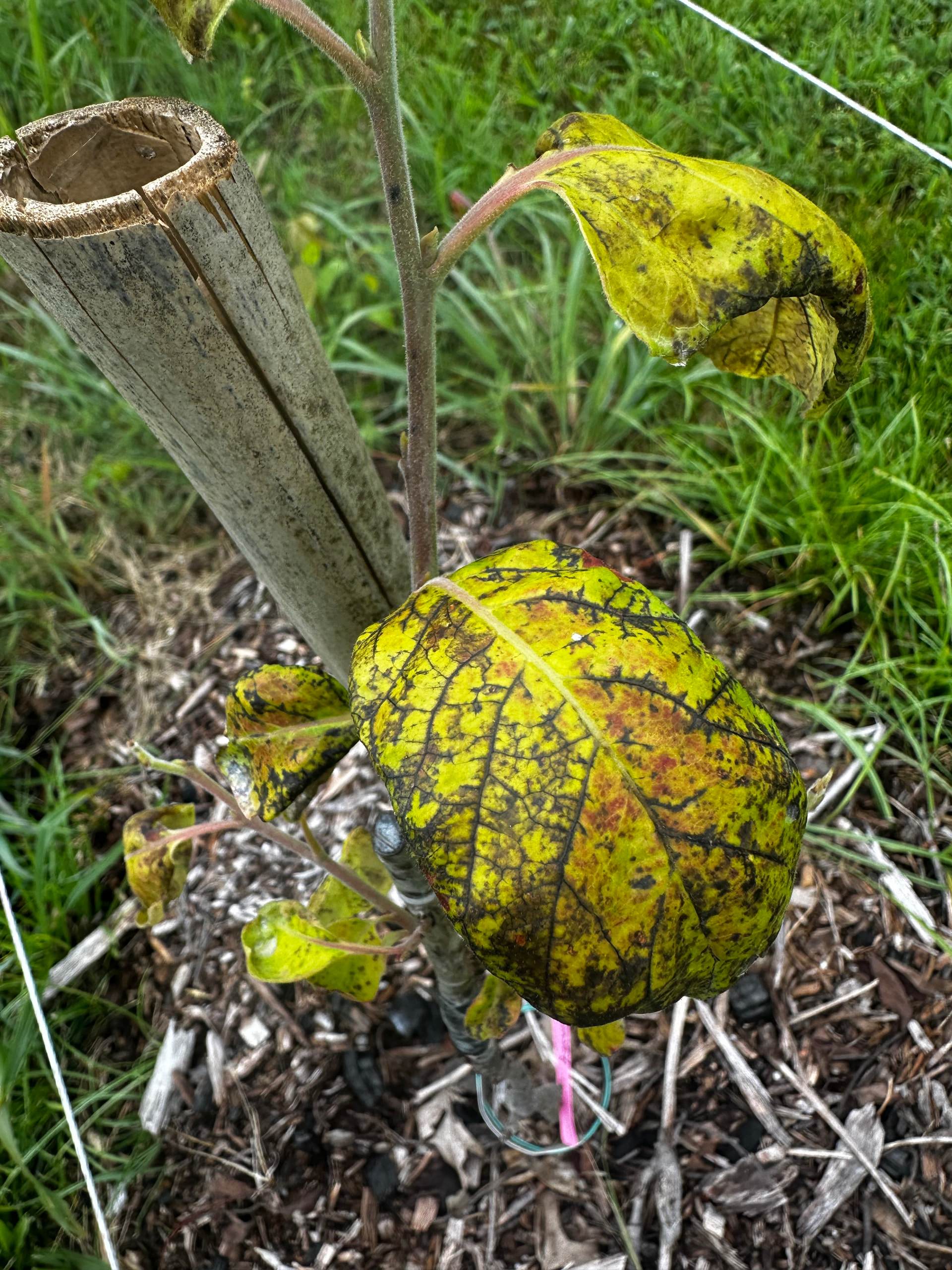
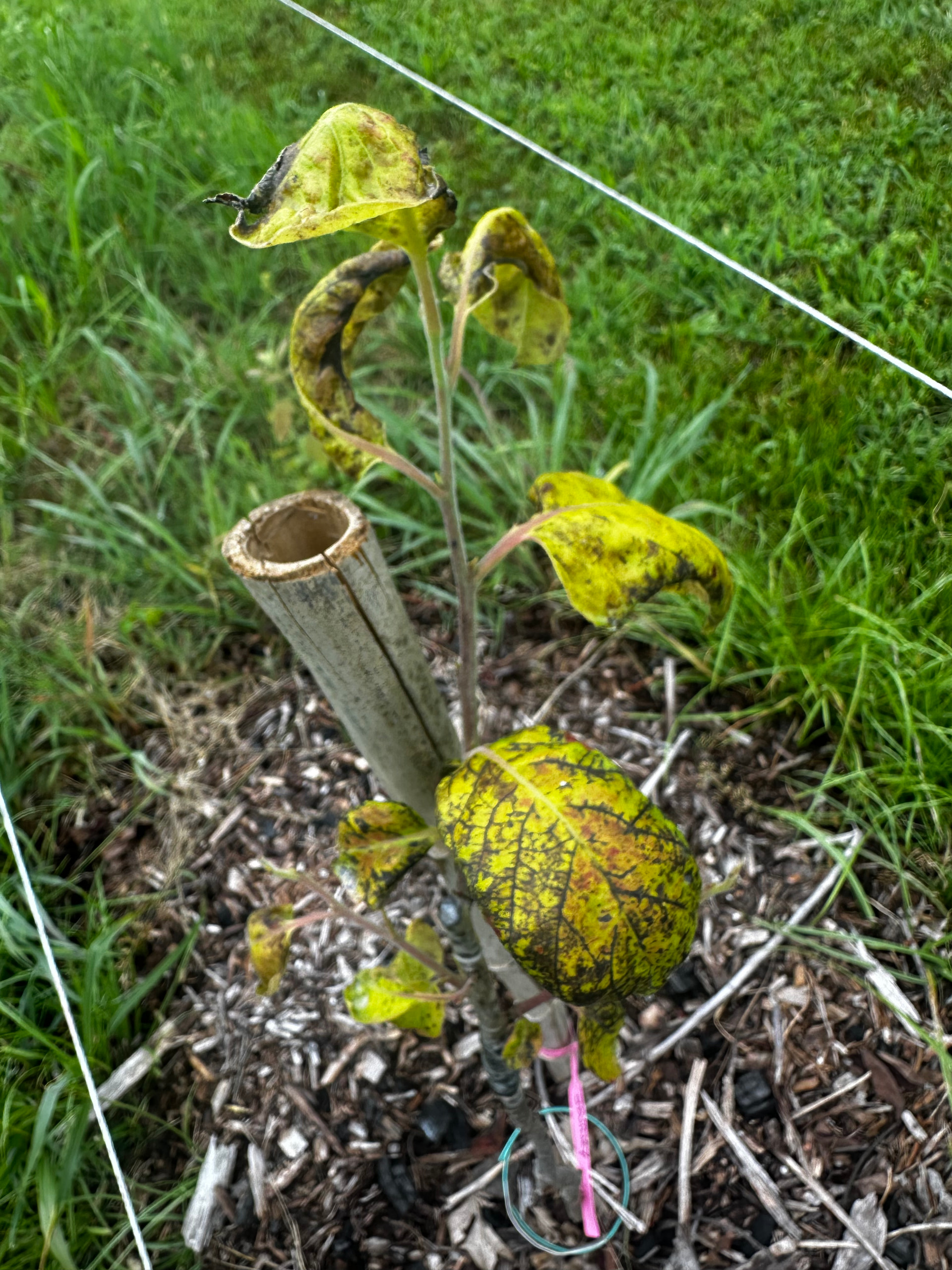
It doesn’t look exactly like the usual symptoms but if I were to guess I would say yes.
1 Like
I think I can give a mostly-full report on my attempts to graft hybrids to some apparently KSDS-infected stocks.
I tried these varieties:
Chuchupaka
Kasandra
NB-02 aka Zima Khurma
V. Derevyanko
UKR 12-21
I made several versions on one known bad stock. I thought some would make it but it looks like it will be a zero. Here is a picture of two weeks ago, things look worse now on the few left:
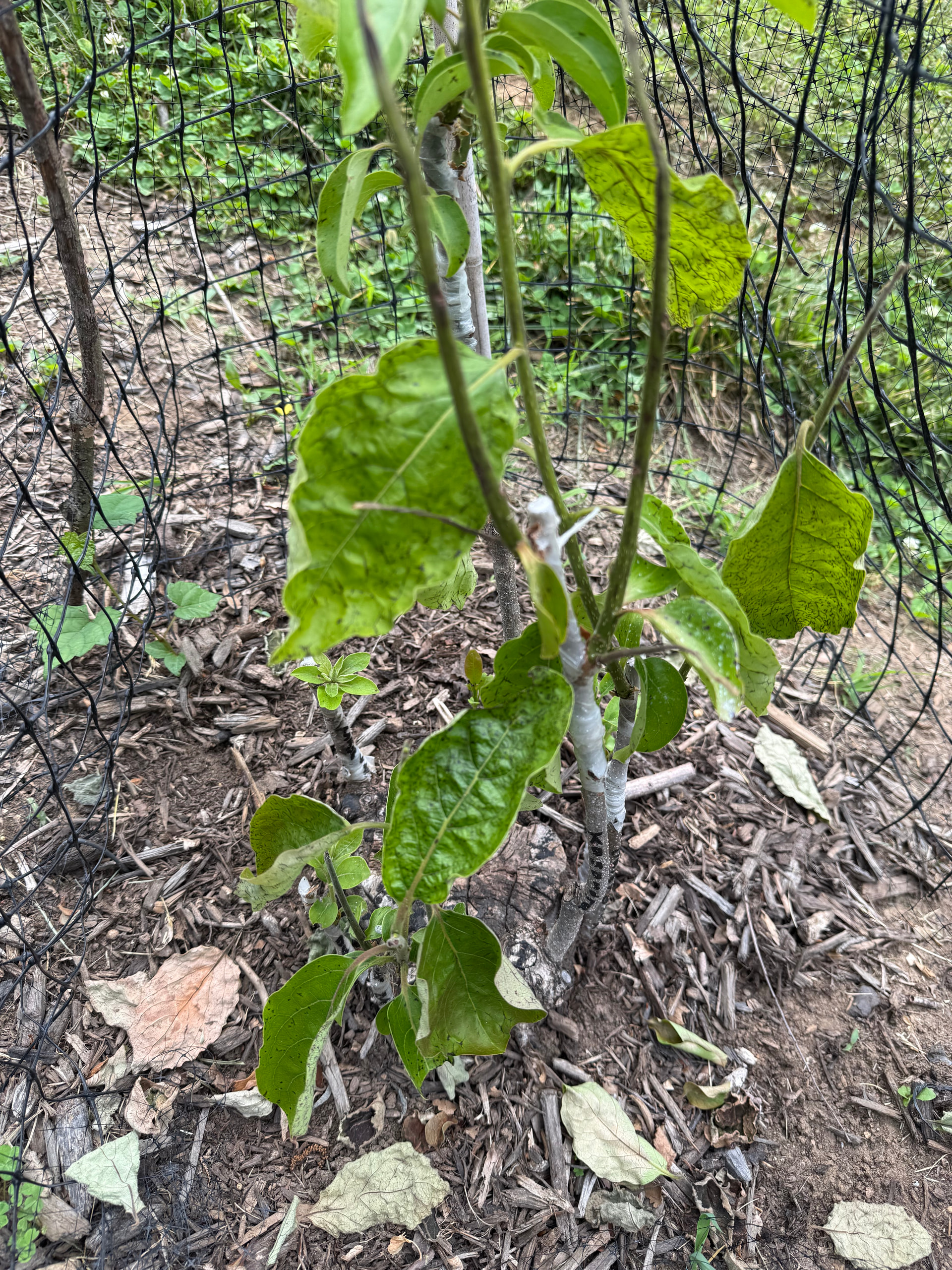
All the bigs ones here are clearly bad and got a lot worse and then I removed them; the little ones still look OK here but they don’t look OK now.
I also tried Chuchupaka, Kasandra, and Zima Zhurma on my JT-02 which was grafted successfully to a bad stock a few years ago. The Chuchu died early but the other two grew vigorously and I thought they would be OK. Well no more, they are showing the symptoms now. Here is a pic:
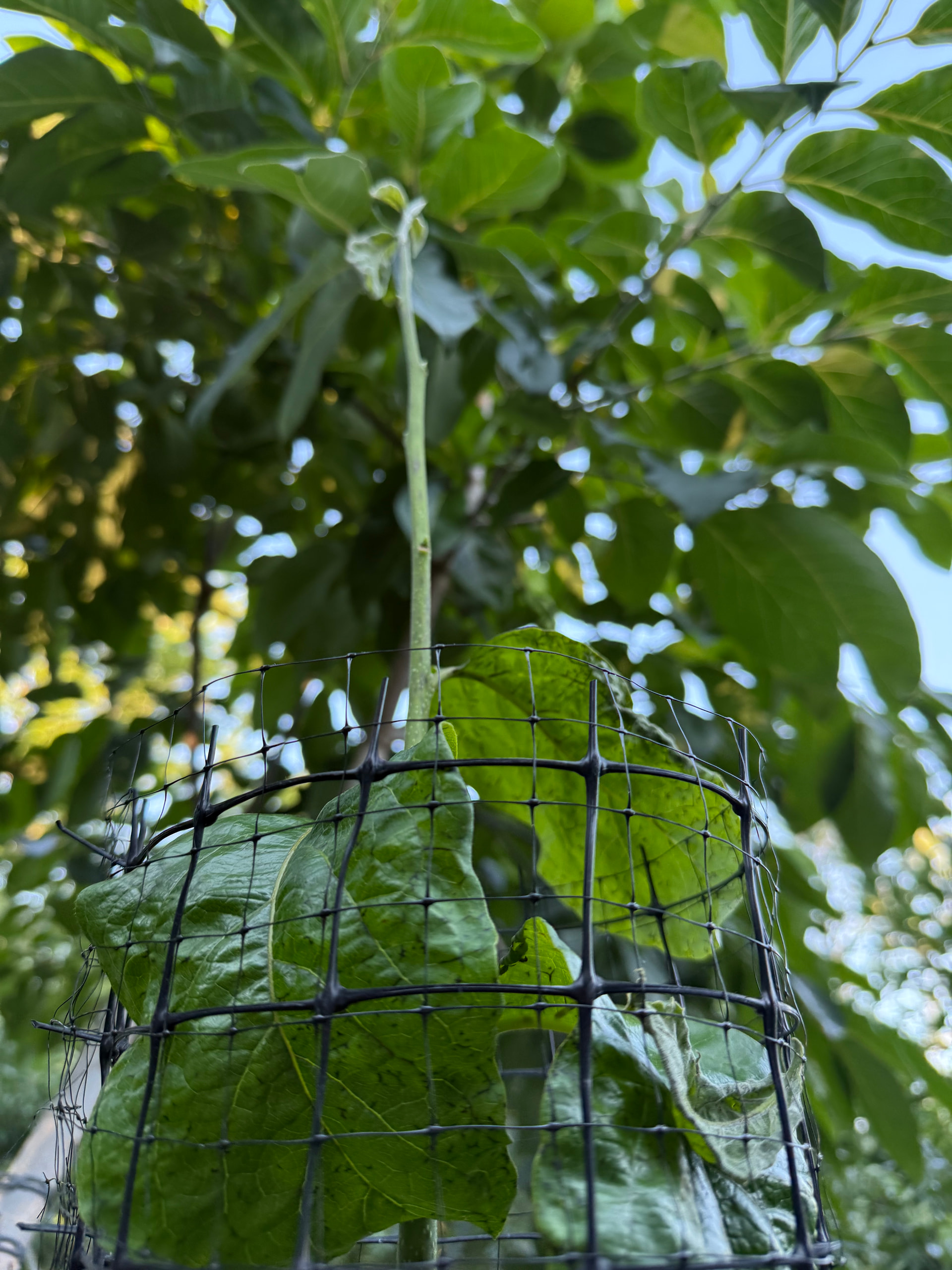
You can see the defoliation and if you zoom in there are black veins.
To me the fact that these are failing pretty much eliminates the graft incompatibility argument, they would also have to be incompatible with JT-02 which is a hybrid like they are. I also inspected all the graft unions on the ones I took out and they all looked great.
Note that while I got my JT-02 from a reputable nursery I’m not 100% sure it’s the right variety. It has not fruited enough for a good ID. I should know this fall for sure.
When the main rootstock failed I budded Chuchupaka, V. Derevyanko, and UKR 12-21 to some other KSDS-infected stocks I had to see if some were better than others (I skipped Zima and Kasandra because I still thought the JT-02 top works would make it at that point in time). Right now the Chuchu is growing well but it’s in the honeymoon period so doesn’t mean much yet (the other two I just forced the buds on today). I expect all three of these will fail but it could be that one rootstock is better than another.
Anyway not good results, eh? I was hoping at least a couple would stick. I still hold out some hope on the re-grafts but not a super lot.
I think next year I will just graft some pure American varieties to any bad stocks. Or I may decide to dig the whole planting up, let it lie fallow for a year, and start over with all new trees.
7 Likes
@tonyOmahaz5 do you have any males resulting from crosses with JT-02 yet? I would be interested in using male progeny of JT-02 to breed hybrids with KSDS resistance. Based on @scottfsmith’s results, it would seem that many of the hybrids with Rosseyanka parentage are susceptible to KSDS, but JT-02 has resistance. Grafting hybrid scions to a previously infected D. virginiana rootstock seems like a relatively quick way to screen for KSDS resistance.
3 Likes
No male from JT-02 yet.
1 Like
Has anyone had KSDS on hybrid rootstock?
1 Like
@SMC_zone6 do you have any male hybrid persimmon offspring of JT-02? From your pictures and descriptions, it looks like your JT-02 might be different from mine. I got my scionwood from Cliff England. It sounds like their might be more than one “JT-02” in circulation.
1 Like
I do have some male offspring.
Lots of fruit on my JT-02 this year. I’ll take some new photos to post.
2 Likes
Thanks, I would love to see more photos, and if you have scionwood of your JT-02 male offspring to spare, I’d like to trade for or purchase them in the winter to try to breed some KSDS resistant hybrids for the southeast US where KSDS is our most significant concern for growing Asian and hybrid persimmons.
5 Likes
There has been some speculation that KSDS is related to graft incompatibility, but that doesn’t seem consistent with my experience. I don’t have any persimmons on hybrid rootstock, but I don’t think the rootstock confers any resistance to KSDS. I would expect any susceptible rootstock (Asian or hybrid) to die if infected and any American rootstock to survive infection and continue growing asymptomatically and passing the pathogen on to any susceptible scion. I’m hopeful that there are some resistant hybrids that still have some desirable Asian persimmon traits (like JT-02 for instance, though @zendog has reported that it’s also susceptible). Maybe there is more than one “JT-02” hybrid in circulation, and that is why we have conflicting reports about its KSDS resistance.
I’ve been looking at all the graft junctions as my scions die and they all look bomber. Having seen graft incompatibility it doesn’t look like that to me either.
Here’s a recent picture of the Zima Khurma on JT-02: the leaves got the black veins and started dropping, but a few weeks later it budded afresh from the top. I have seen this before (with Saijo I think), it seems like it’s a KSDS vs Zima battle going on. I’m going to let it go to see how it turns out. The Kasandra on there is still green but has stalled and not re-budded.
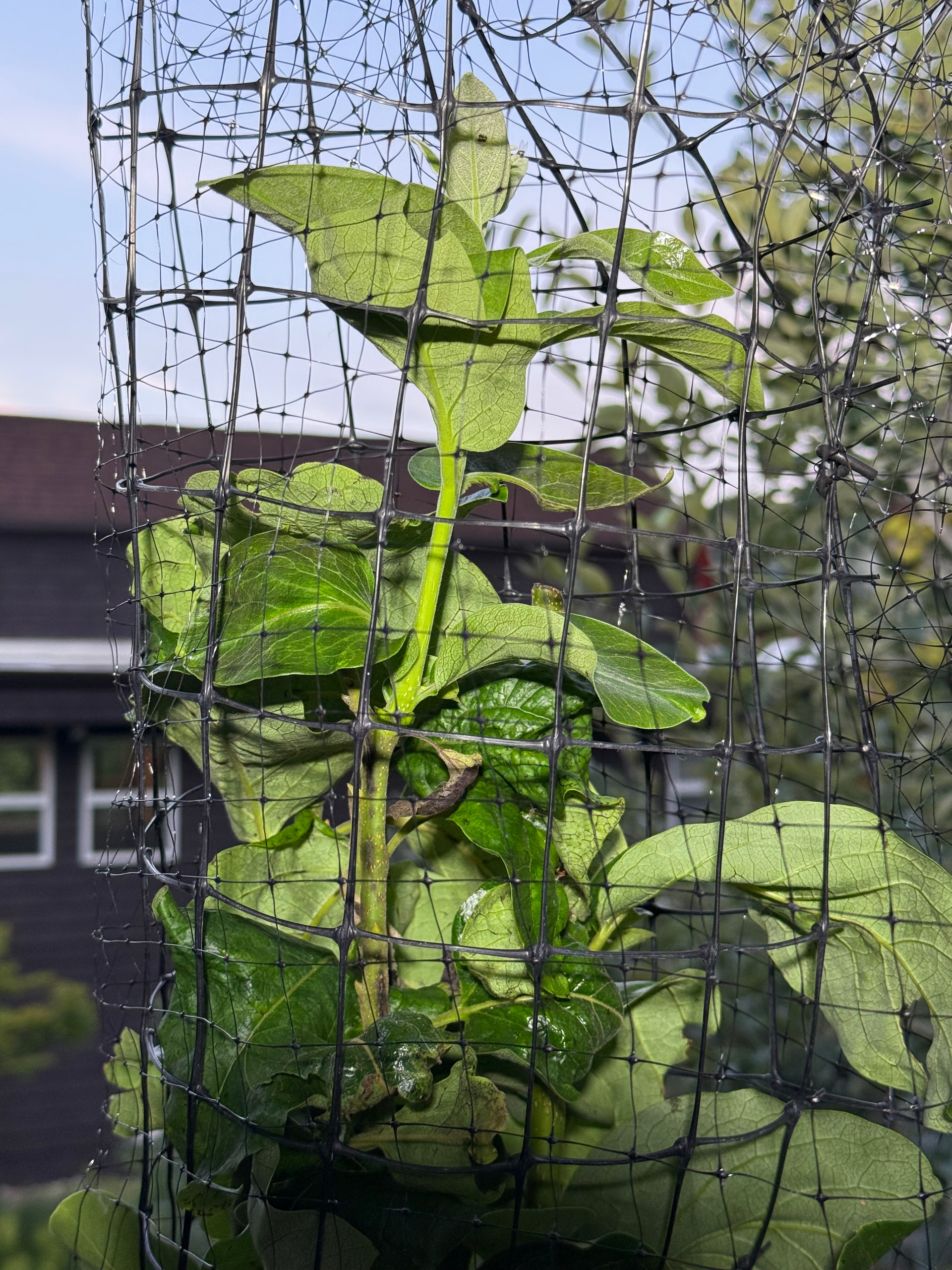
It’s not the best picture but you can see black streaks on the lower part of the shoot and a point where a nice clean green shoot comes out. Grow Zima!
4 Likes
Has anyone with a dead tree cut a cross section and posted pictures?
Here’s a fun wrinkle: a wild DV I just found on my property this morning exhibiting symptoms of SDS- albeit without dying:

2 Likes
Last winter, a friend gave me scions of Kolgospnytsya, which is the mother of Dar Sofiyivki. I split the scions in 4 pieces. Three I grafted to an established in-ground Kasandra – two of these are growing well; one seems to be popping, belatedly. The final one I grafted to a potted Nikita’s Gift. I figured that this was the safe, backup bet – Nikita’s Gift is the mother of Kolgospnytsya, so the scion and rootstock should be very compatible. The Nikita’s Gift is potted, stored in a garage over the winter, so the graft would be protected from a harsh winter.
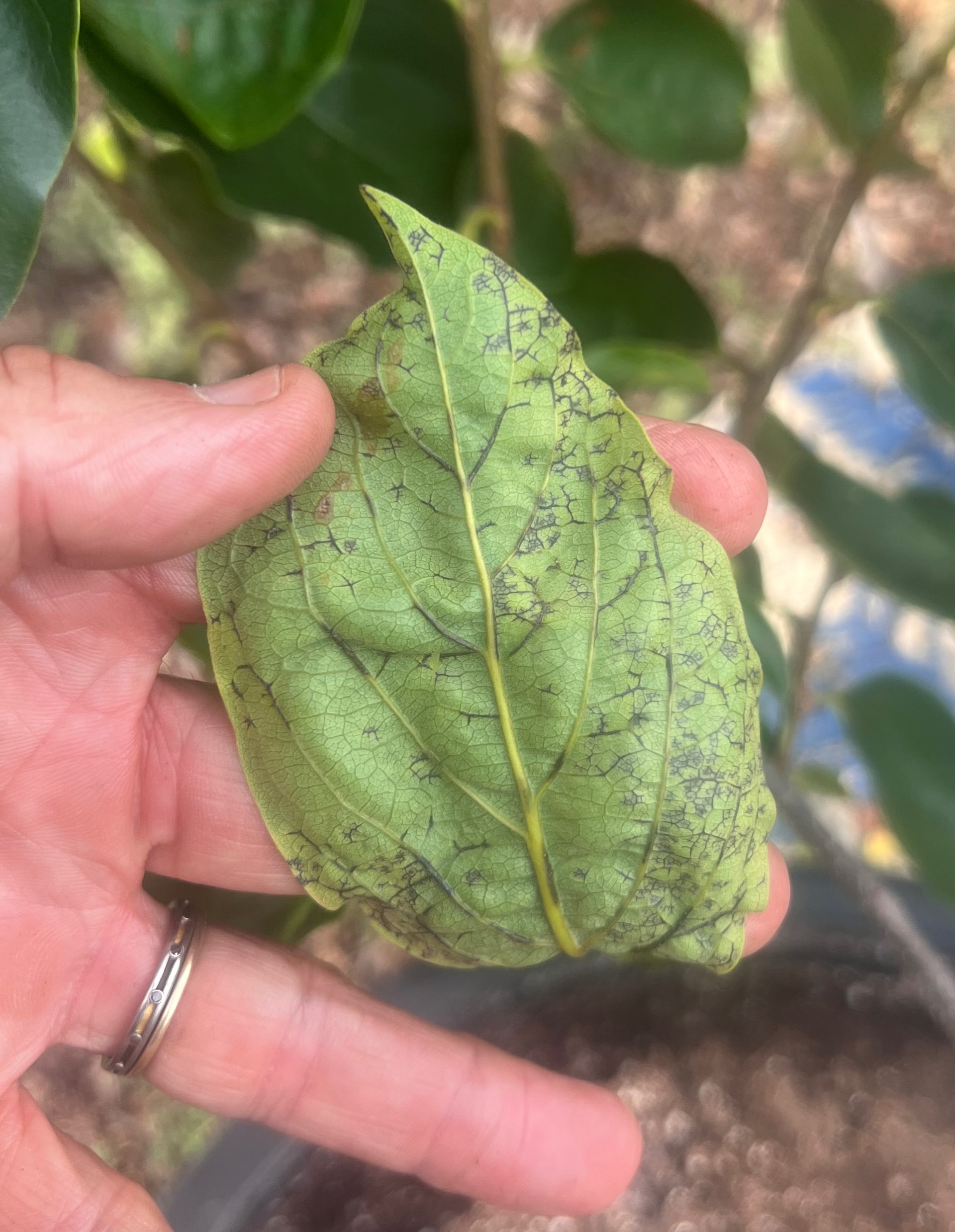
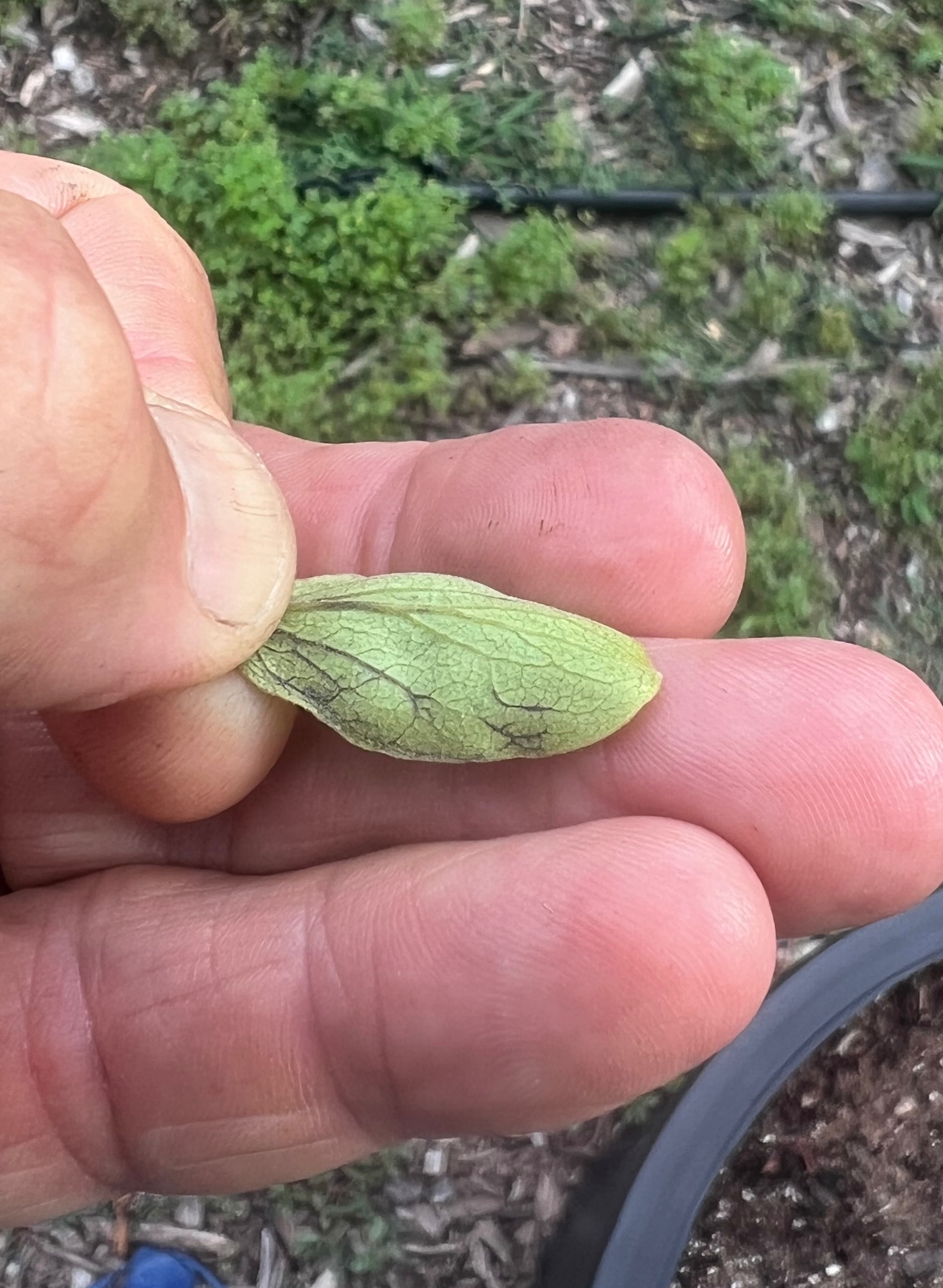
The potted Nikita’s Gift has been growing well since I grafted it to purchased DV seedling rootstock in 2024. But this year – after my grafts – it started to show symptoms of KSDS (see top pic). Predictably now, the graft is showing symptoms too. I touched a leaf and it fell off (see bottom pic).
The best laid plans . . .
2 Likes
I agree on the thought that mixed types on DV seems to be the culprit:
In 2003 I started converting most of my Chocolate branches with hybrids of both Dv and kaki scions. My tree was from Willis orchards and was about 4 years old. Willis said it was DV rootstock. It had fruited several years so I wanted to use it as a pollinator. On 5/20/2003 I Grafted on Chocolate: 1 ea Rosseyanka, David’s Candy: 1 ea, Nakitas Gift: 1 ea, Kasandra: 2 ea, Zima Kurhma, 1 ea
Failures: Great Wall 2 ea, Jin YongTam Gam: 1 ea, ZimaKhurma/Early Golden: 1 ea, Rosseyanka: 1 ea
Many of them budded out and started to look vigorously until I noticed one had black veins and was withered. Within about 2 weeks all had withered! I cut the entire tree down and burned it immediately. Pretty sure it was SDS.
I have other multiple variety trees that are doing fine
Dennis
Kent Wa