Losing my perismmons and pawpaws

hi all, i’m in NW Pennsylvania growing apples, pears, plums, peaches, pawpaws and persimmons. All doing well except for the latter 2. the paw paw grafts have mostly died, the persimmons grafts are struggling, and rootstock of both are throwing out suckers.

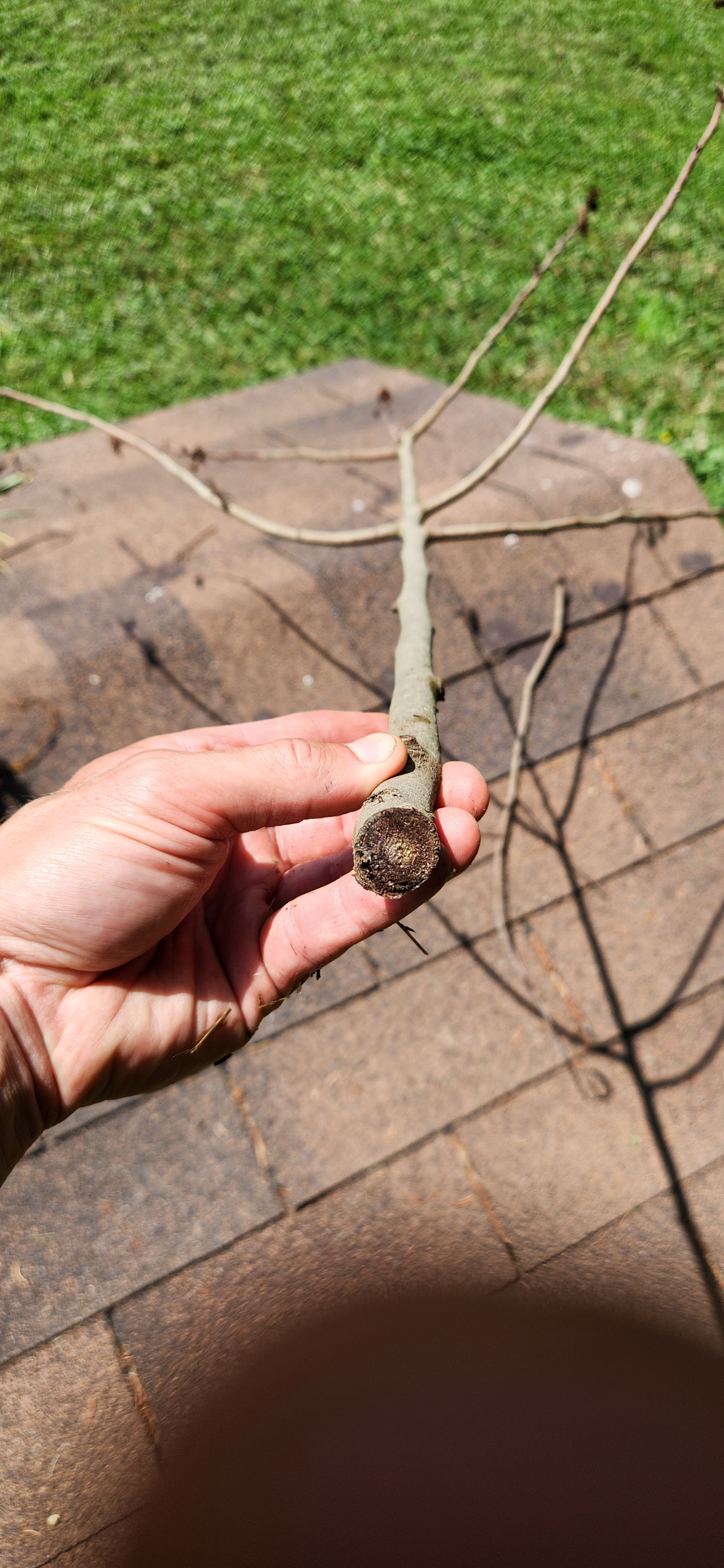
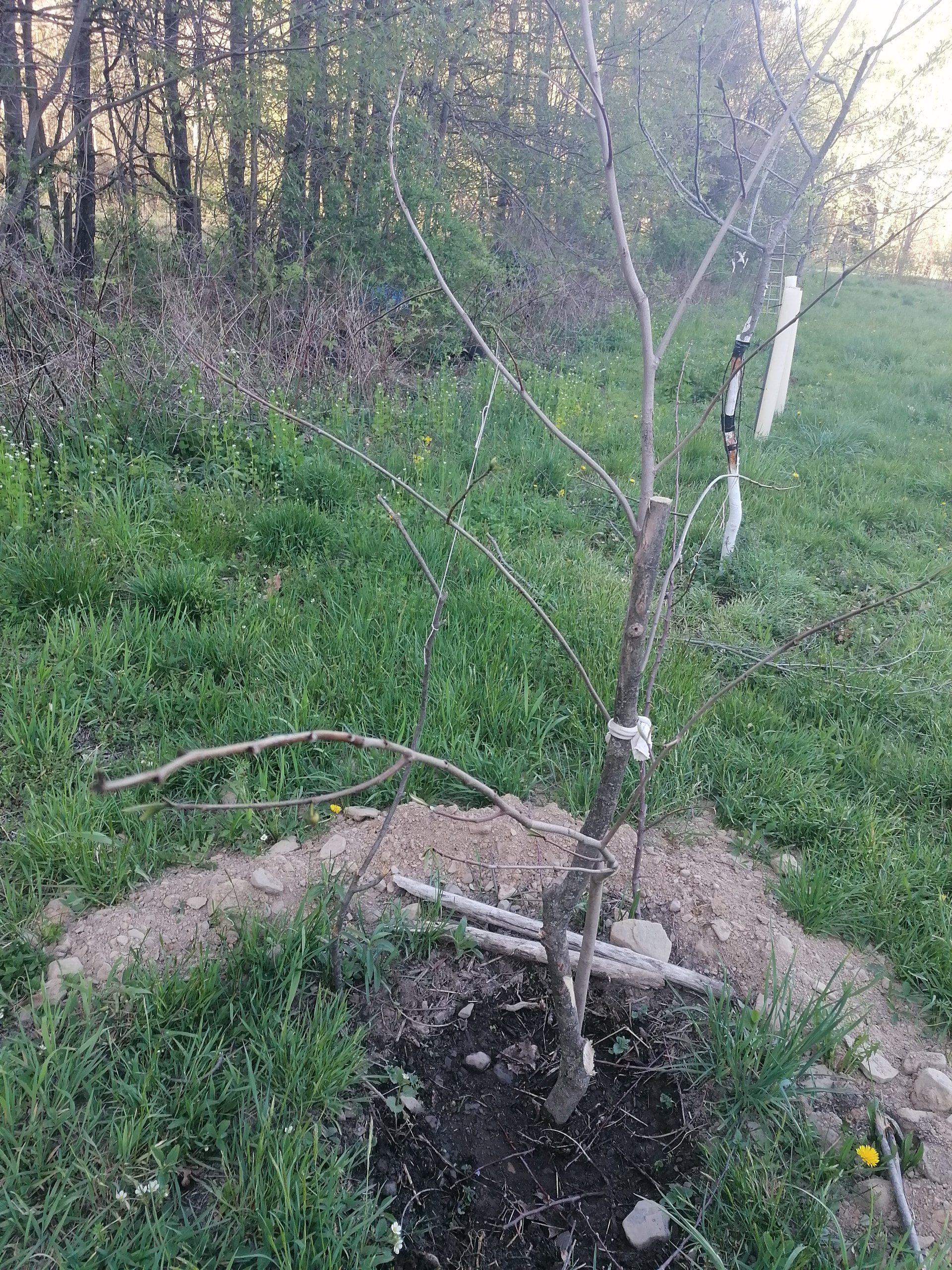
I’ve lost 4 of 6 paw paws over the last few years. pattern is they do well for a year or 2 and then begin to die off. here is a 4 year old amish delight (?). it, a summer delight, and an NC-1 all tried leafing out this spring but leaves were small, then wilted and died.
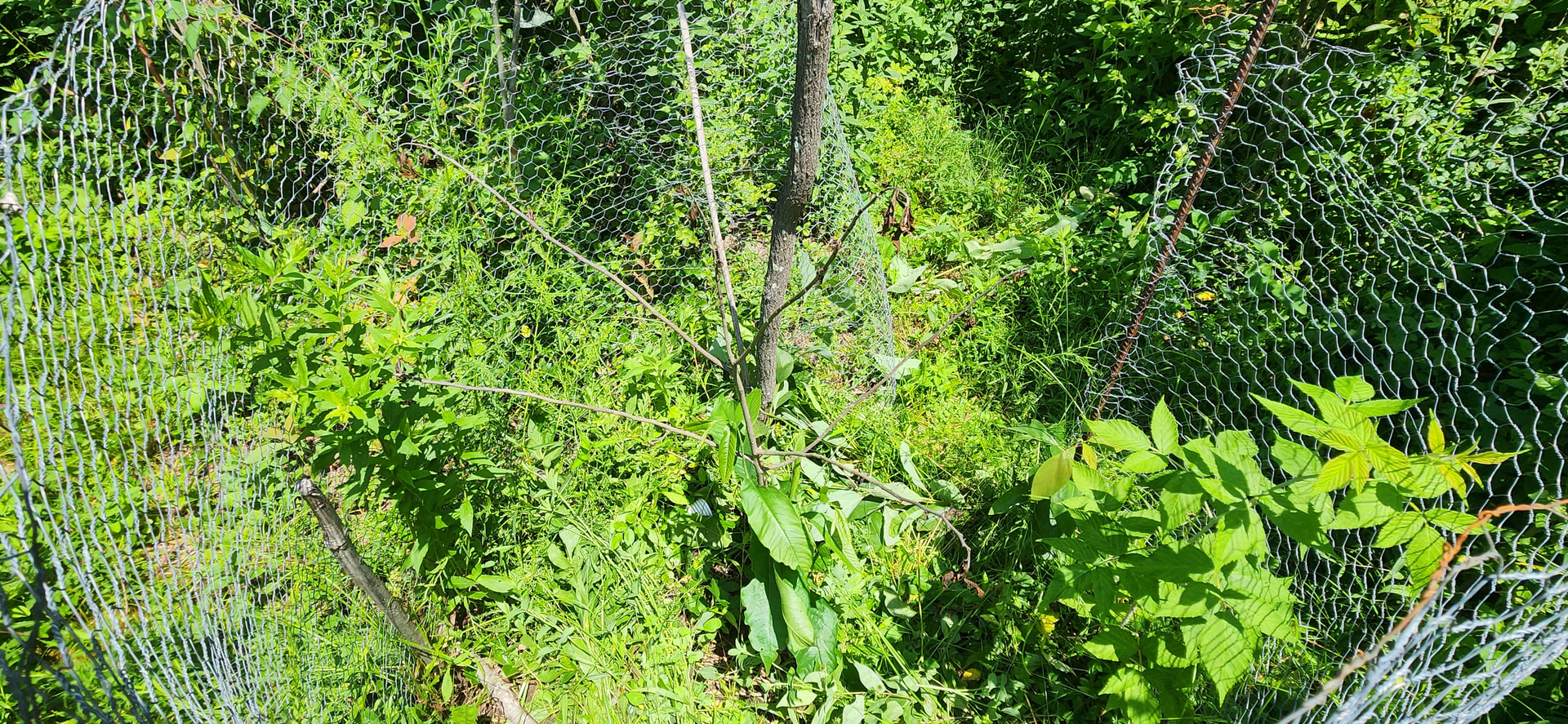
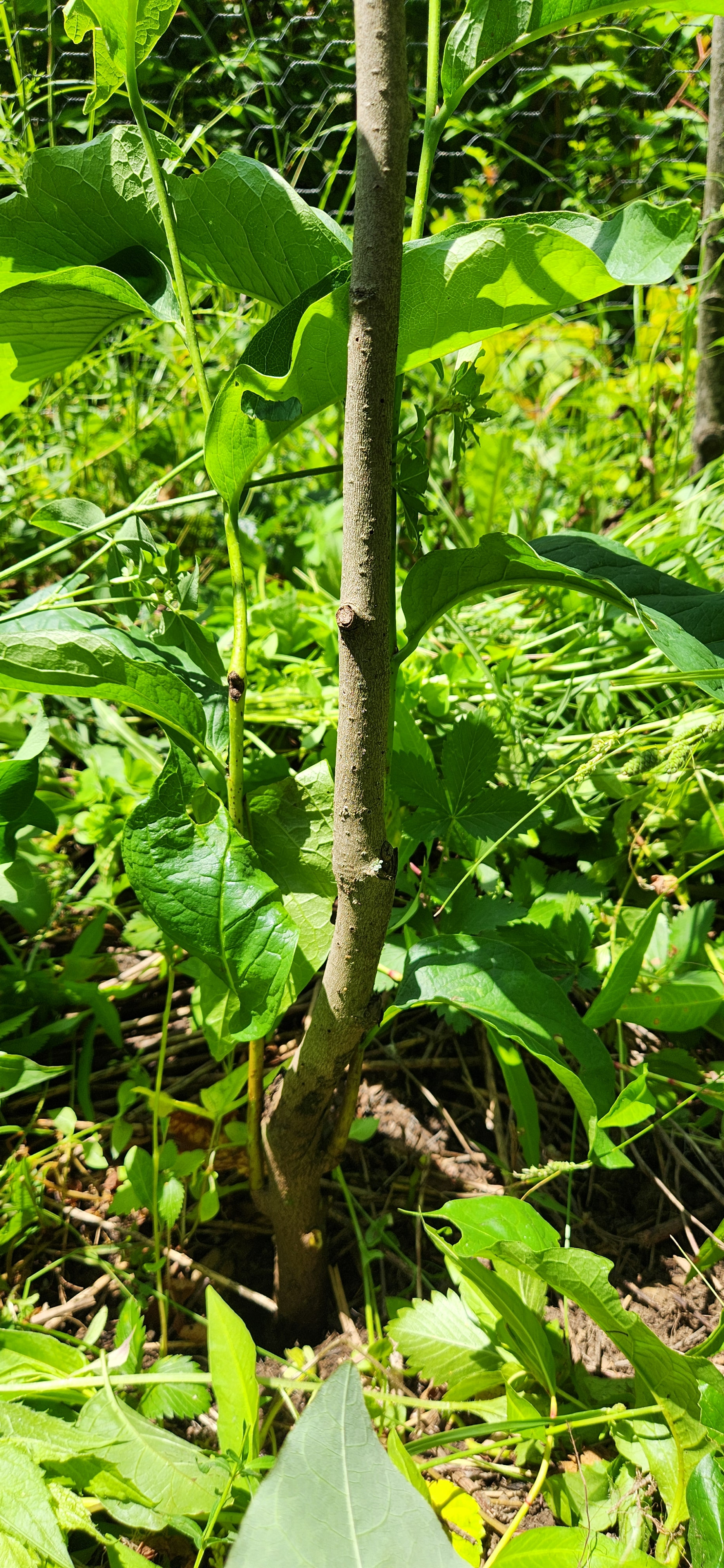
no obvious rotting of trunk but wood is all dead. I have noticed some bark peel/rot on the others that have died, especially right above the graft union. trees comes from multiple sources. here is a summer delight, can see some bark deterioration where i cut it.
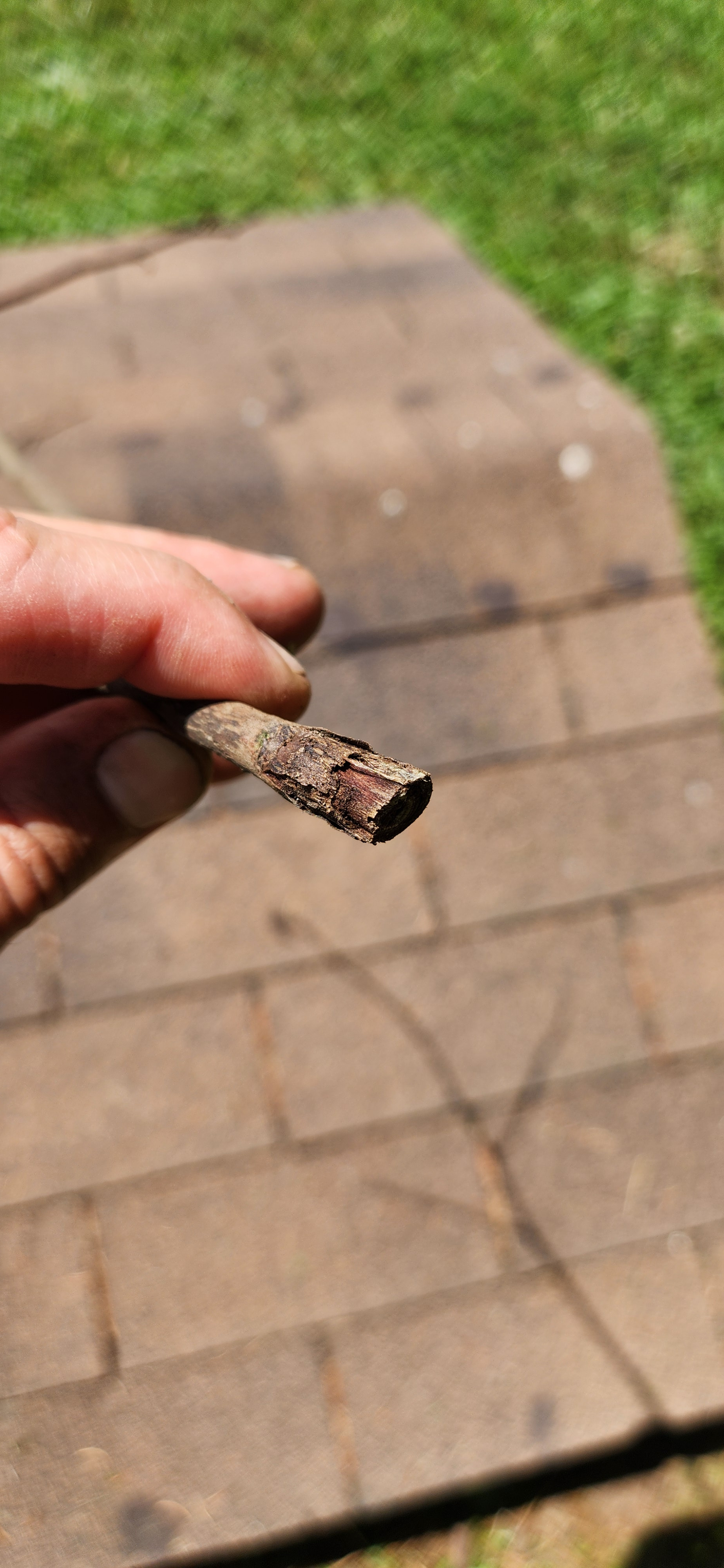
have 2 healthy looking ones remaining that i got from blake last year. hoping to figure out what’s up so they can be preserved as these paw paws are pricey.

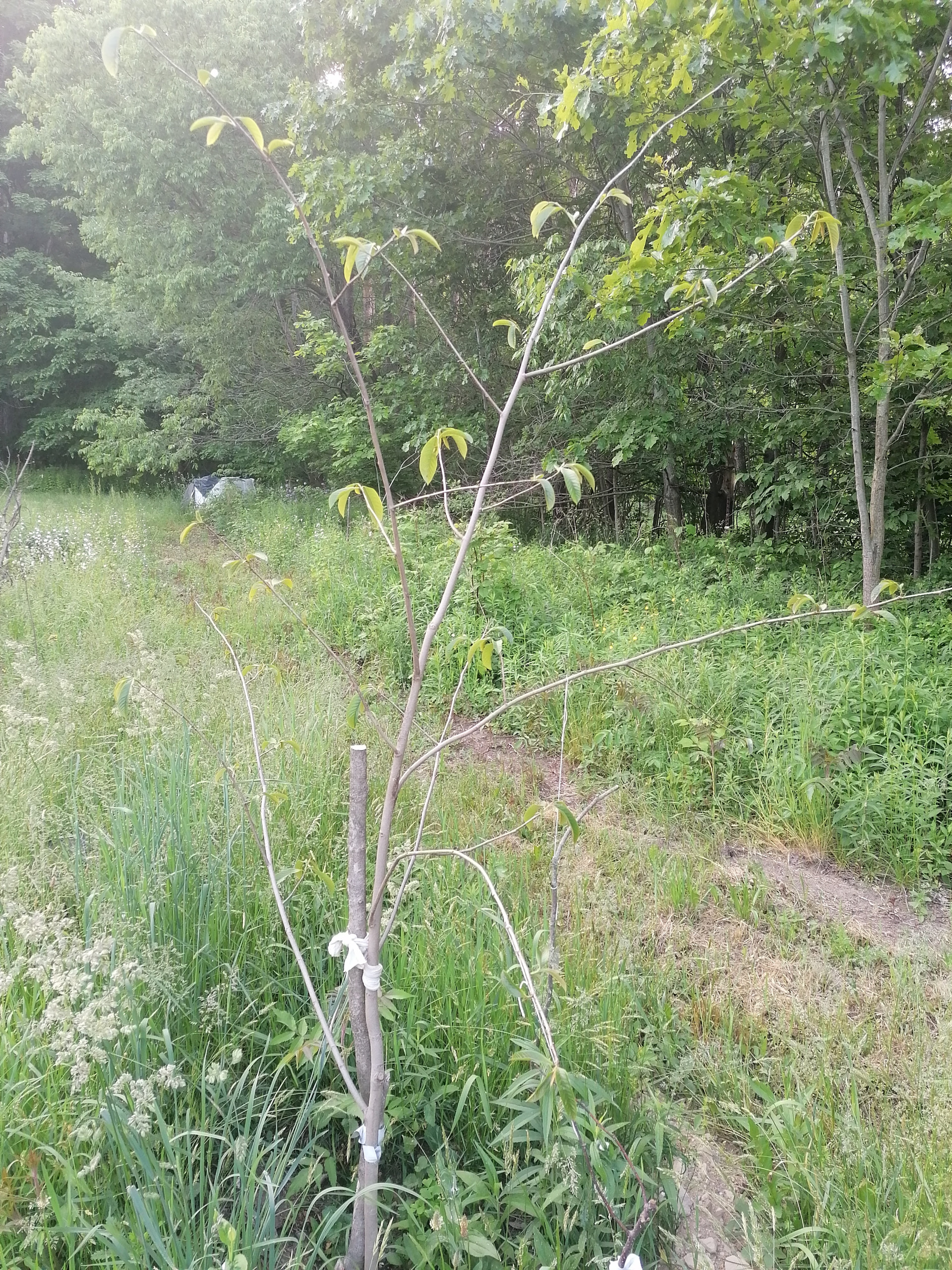
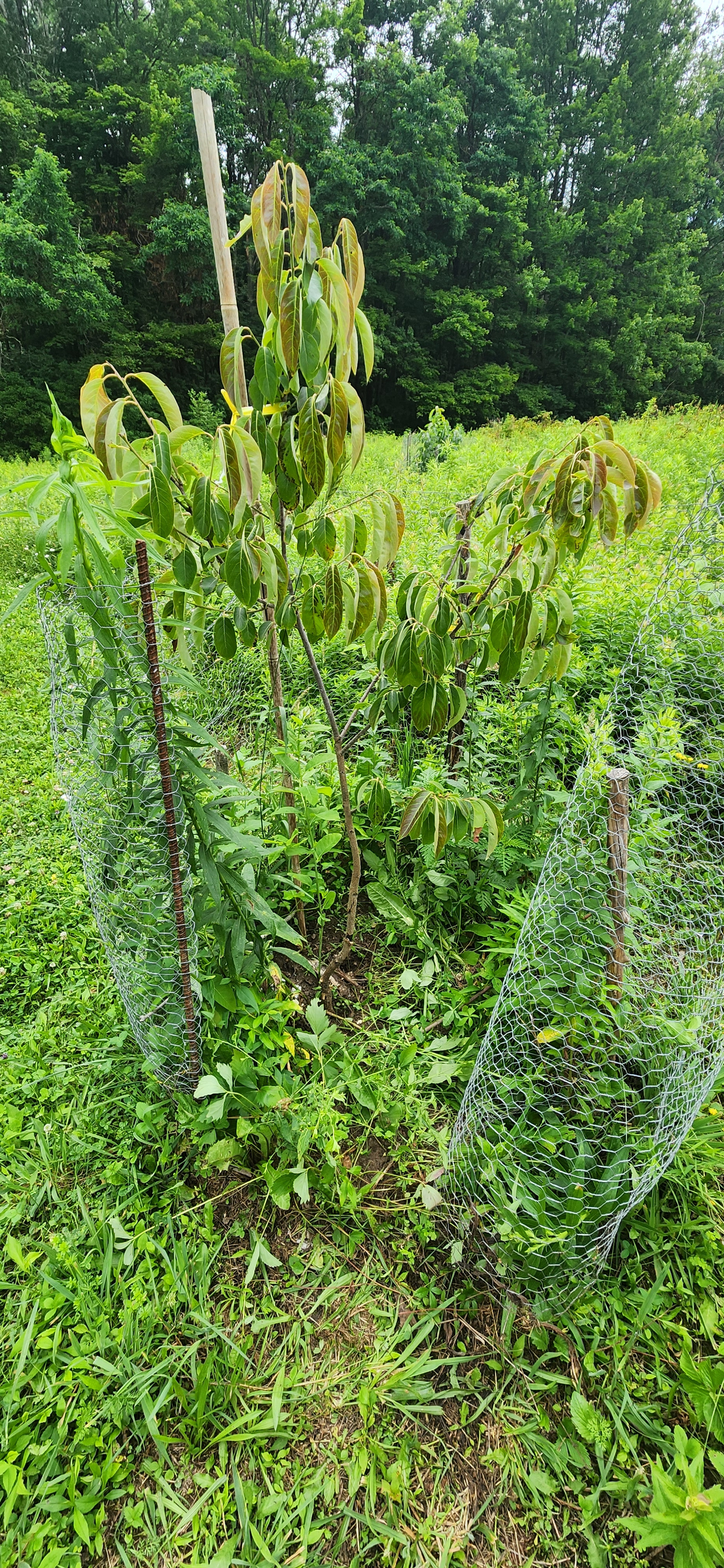
and then something similar happening with a couple of my persimmons, all 3 - 4 years old.

graft is looking kinda tired here and roots were throwing out a half dozen suckers. i removed all but the biggest.
notice all of the bark slipping/rotting/cracking -
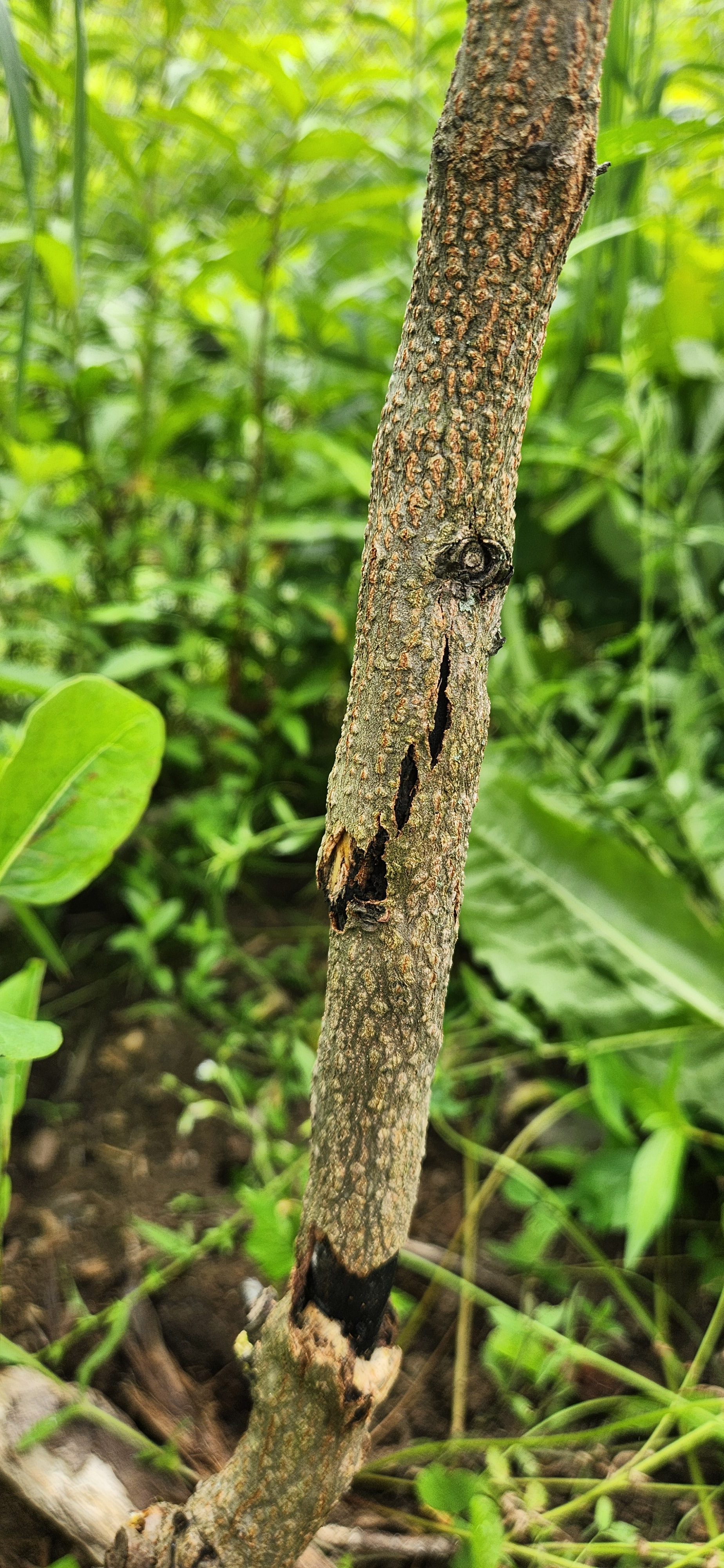
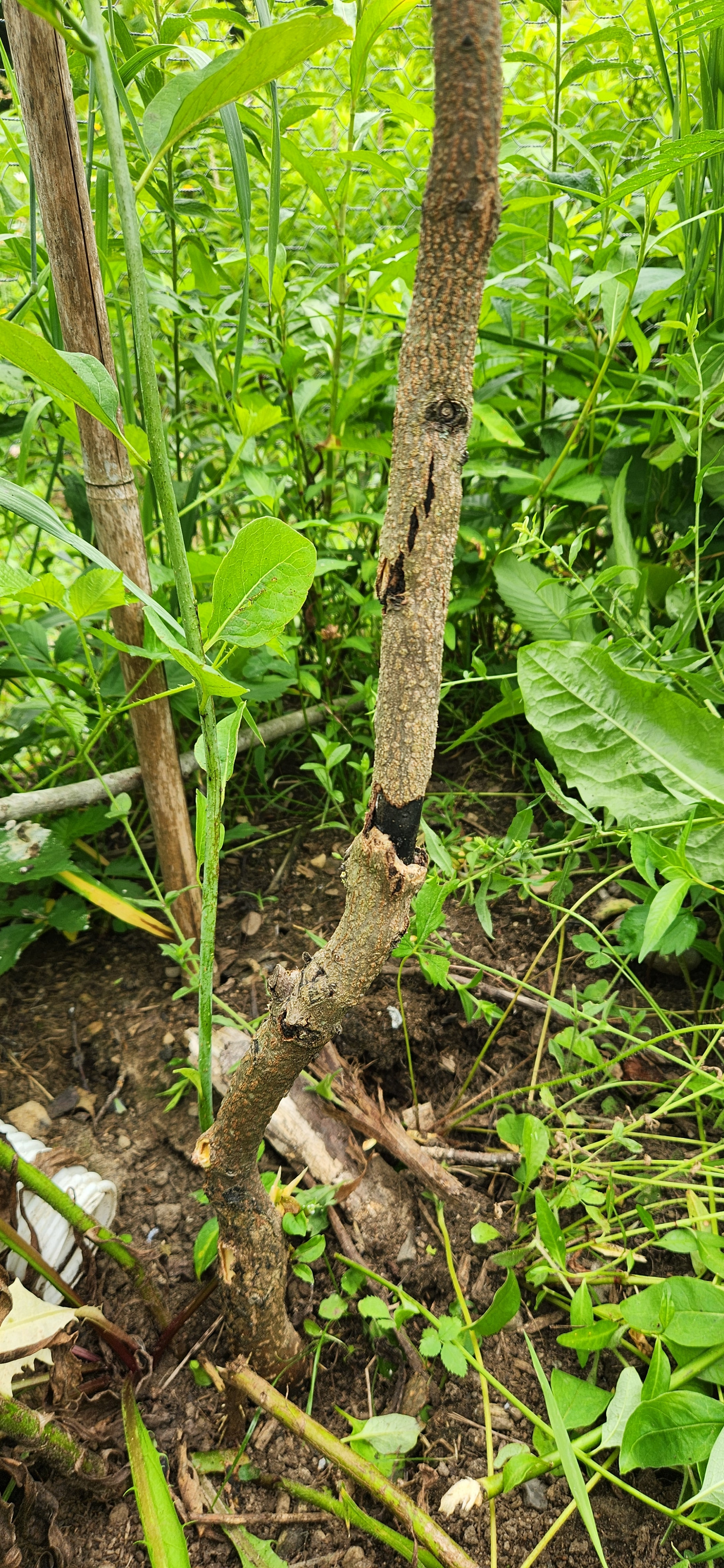
spongy feel when i press into the bark on those spots. soil seems good. i top with bark and manure in early spring. use the white spiral tree guards in winter though i do not see a pattern there with the damage as on some it is present within where the guard wraps and on others above.

in summary, roots seem good as there is profuse suckering/budding from the root stock but grafts on these 2 have high mortality rate. apples, pears, plums, peaches all doing well.

any ideas? thank you!!!

5 Likes

I’m sorry to hear that! I have some questions that may help us suss out what’s happening:

  • What is your soil like? Clay, sand, silt?
  • Do you amend your planting holes, or backfill with native soil only?
  • Are the trees dying only above the graft, or down to the roots?
  • Do you remove all competing growth below the graft, or let any rootsuckers, etc, grow?
  • What do the rootballs look like when you plant them? Are they at all constricted?
  • What are your winter lows?
2 Likes

I have an amateur theory that this is freeze damage from the 80 to 25 degree 2026 April weather the Northeast had, and specifically caused by (or amplified by) plastic tree guards.

In investigating odd deaths of 3 apple trees they all have dried-out, discolored shades of brown, and cracked bark from the top of the rootstock up to exactly the top of where the 48” plastic tree guards were - which is just below the first wire on my trellis. The trees appear to have leafed out, used up their energy, and are now wilted. No sap or ooze - just 48” of dried out bark.

4 Likes

Freeze damage was also my first leaning when looking at the pictures.

2 Likes

thanks jcg, answers to your questions -

  1. alvira/hanover silt loams so susceptible to high water table and some slow drainage during fall/winter/spring wet seasons.

  2. no amended during planting. back fill with native soil only. i ‘ve been green mulching around trees by hacking n slashing the field weeds. early this spring i placed layer of cardboard or bark around tree (at least 1-2 inches from trunk) then topped with couple inches of aged manure.

  3. above graft. roots must be good (?) as both persimmons and pawpaws threw out a lot of suckers the past few weeks.

  4. i’ve always removed growth below graft.

  5. being paw paws and persimmon they were all in container pots when planted so roots were not spread(ing) like when planting a bare root apple for example

  6. im in what has been historically 5b. definitely got into the neighborhood of -10 this past winter.

2 Likes

i’m pretty sure i lost a apricot to that swing. and i’ve wondered too if the tree guards are a factor but some of the damage on these trees is above the top of where those guards were. this is the first year i’ve noticed trouble with the persimmons while i also lost at least one or 2 paw paws last year as well from (i am assuming) whatever this issue is.

With the rootstock viable and the top dying you could attempt cutting several buds from the top and grafting to the rootstock. Keep a sucker to allow the rootstock to thrive.

2 Likes

Sounds like you’re doing everything right. I’m inclined to agree with the freeze injury theory. Pawpaws are especially prone, as are most young trees before their bark thickens up. Do they get a lot of light on the trunks in winter? What happens is the SW side of the trunk can warm up enough that it wakes up a little and starts moving water around. Then night comes and the water freezes, which damages or kills the tree.

Solution is to shade the trunk in winter or paint the trunk white.

3 Likes

One thing I noticed about my persimmon grafts is that once they failed, it’s almost impossible to regraft using that same rootstock. I think by rubbing off all the shoots below the original graft, it learned to send up lots of little suckers instead of putting much energy into new shoots or grafts.

3 Likes

Interesting hypothesis. But it should also be true for persimmon grafts that succeeded. Granted this is just an anecdote – we don’t usually redraft successes – but . . . . a couple years ago, I bought and planted a Dar Sofiyivki. Of course, I removed all lower branches and buds. It turned out to be a imposter – it was DV. So this year, I removed the growing DV and regrafted with my own new Dar Sof scions. The grafts took fine.

Maybe you should consider the possibility that the rootstock tree is infected with KSDS, which would cause the failure of both the original graft and any subsequent re-grafts.

4 Likes

Pawpaws can be tricky in NW Pennsylvania. They really want consistent moisture and protection from wind when they’re young, and the grafted ones seem to be more fussy than seedlings in my experience. The pattern you describe of doing well for a year or two then declining sounds like it could be root related, either cold damage over winter or the graft union struggling. Have you tried growing any from seed as rootstock and letting them establish for a few years before grafting? The seedling roots tend to be hardier and better adapted to your specific soil conditions.

1 Like

i have not grown any paw paw from seed, however roots must be ok as they are also throwing out suckers once the graft dies.

have 2 paw paws left, both from blake, so want to protect them from similar fate. Will paint trunks white this winter tho in the persimmon picture, the bark splits are on ne/nw sections.

also going to try chip budding on to the persimmon suckers. thanks all for the thoughts and suggestions!

This is not consistent with my experience. I do find occasionally find a particular rootstock is very resistant to accepting a graft, and it will get culled from the pool.

1 Like

Imposter trees are very common. You need to be careful about who you buy from and identify your trees and if they were grafted immediately.

I was being semi-vigilant when I bought extremely cheap and interesting fruit trees her in Moscow for the first time: redflesh apples, Asians pears, and Rossyanka persimmon, when I picked them up at the delivery point, I only checked to see if they were alive and grafted. When I got home I started thinking and remembered how the persimmon scions my friend gave me looked, I started checking and they were all grafted apples. I would have been really angry, but I should have known better because all the trees were under $4 and the Rossyanka persimmon (that was actually a grafted apple) was under $2, so I learned you need to buy from reputable nurseries, not places like an equivalent of eBay marketplace.

And as an American I should have known: “You get what you pay for.” Which isn’t exactly true when you think about bare root vs potted, but I’m rambling.

I am not an expert on pawpaws, so definitely take what I’m saying as the opinion of a novice pawpaw grower.

Even though we don’t know what caused the top of your trees to die, you now have an established rootstock. In a year, you should graft to that rootstock. Pawpaw are a bit notorious for having difficulty with transplanting and getting established. I feel like sometimes, if they’re not well established, they kind of “give up” on what you are considering the tree - but to the pawpaw it’s a ramet in the clonal colony. Once there are bigger, better roots this seems to happen less.

Anything you can do to help them establish and get growing is probably a good idea. On one tree I have that had weak growth, some fertilizer this spring has really turned the situation around. I’d also get your soil tested to see if it’s deficient in anything or has very low pH. I read that the alvira series can have very low pH. Pawpaw seem to like a good amount of calcium in the soil, so if that’s low, it would also be worth supplementing.

I also agree with the many that postulated that some sort of freeze-thaw injury is a real possibility. Even if it’s not “south west” you can get south-west injury on the north-west side of the tree if your winds are from the north. Or you can get tree injury if there is a warm fall followed by sudden drops in temperature. This is something that can happen to any fruit tree, but pawpaw bark is thinner and more fragile than many of the other trees.

If your issue was due to drying, cold, winds it would also explain why the damage was above the tree guard if the tree guard was protecting the bottom from wind.

I feel like the reputation isn’t particularly warranted, as it comes from trying to transplant wild dug suckers with little to no root system. Container-grown grafted trees are really quite reliable. I definitely agree on the calcium side of things, but that’s more likely to just slow things down.

2 Likes

yes, I have had excellent luck even transplanting suckers. But they are SLOOOWWW to establish.

2 Likes

My success with suckers has been about 50%, but hey they’re free! The sad one was a really big one that didn’t make it in the second season, it was 7’ tall when it died, oh well it was actually my second largest despite being the tallest, and I replaced all the dead ones from the same donor trees again, all free from my Dad’s friend. There were 27 alive after replacing and adding.

Now when I transplant, I do a lot more pruning, and if I want to keep branches, I break buds off, then I get fewer leaves, which is the goal of transplant pruning generally anyway.

1 Like

That damage on the persimmon looks exactly like the freeze damage my grafted persimmons get. Painting the trunk white with interior latex really makes a difference, although it might not completely mitigate the effects of extreme temperature swings.

2 Likes

thanks, im gonna go latex white this fall. any idea why this seems to effect grafts rather than seedlings? or is that not accurate and both get it?

one of the persimmons was already cooked but yesterday I did some bud grafting from the other onto a sucker :crossed_fingers:

1 Like