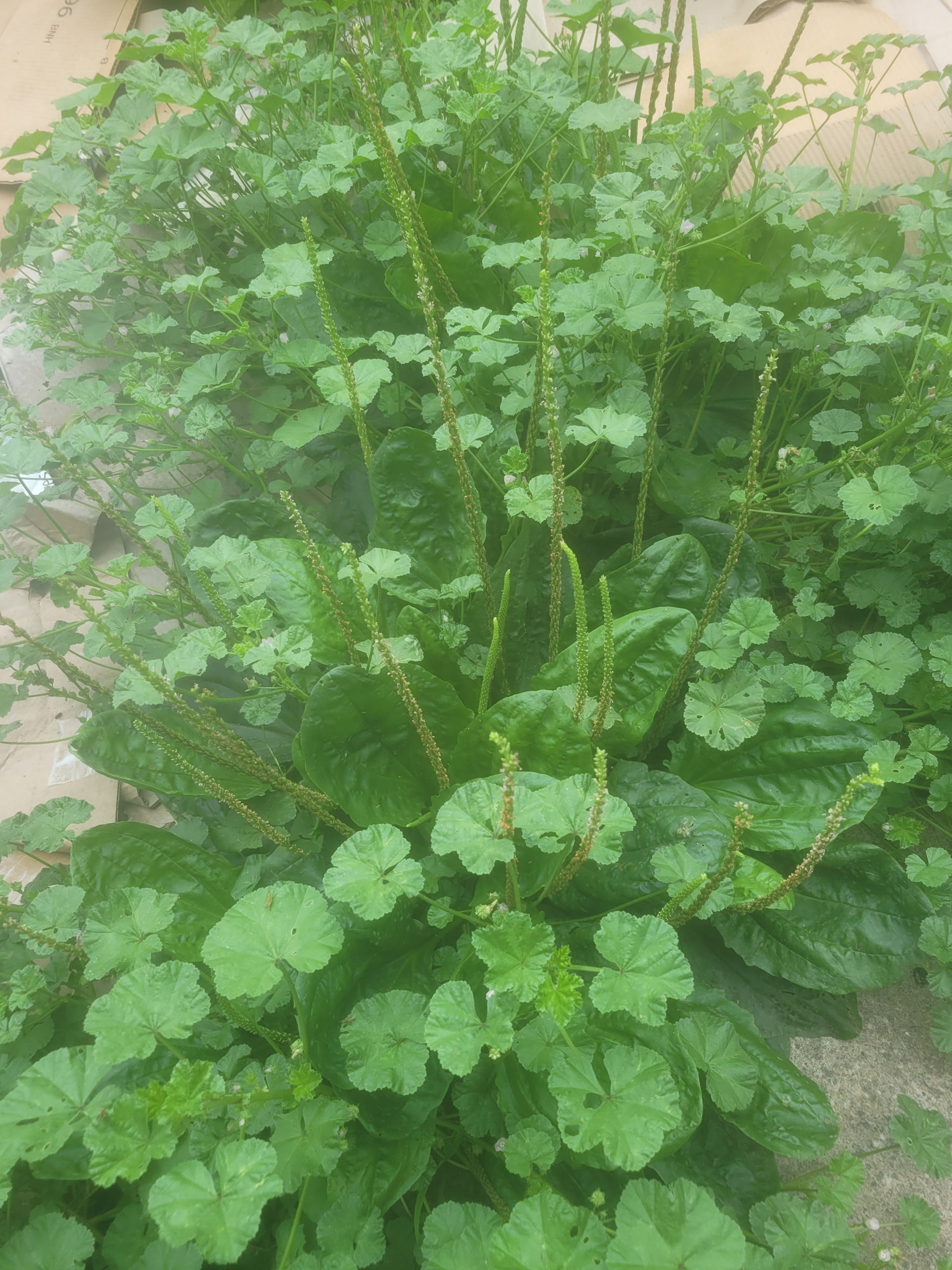
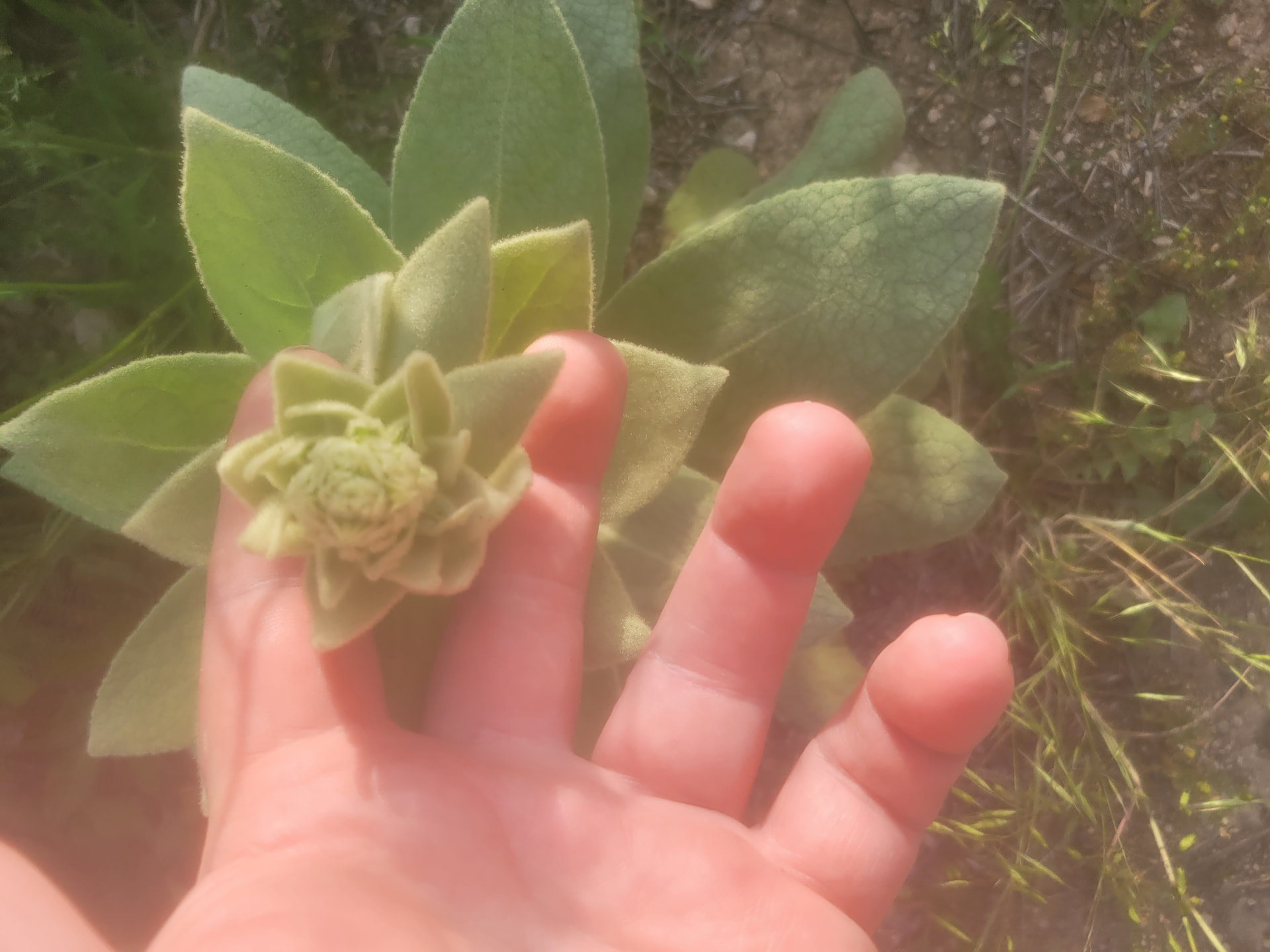
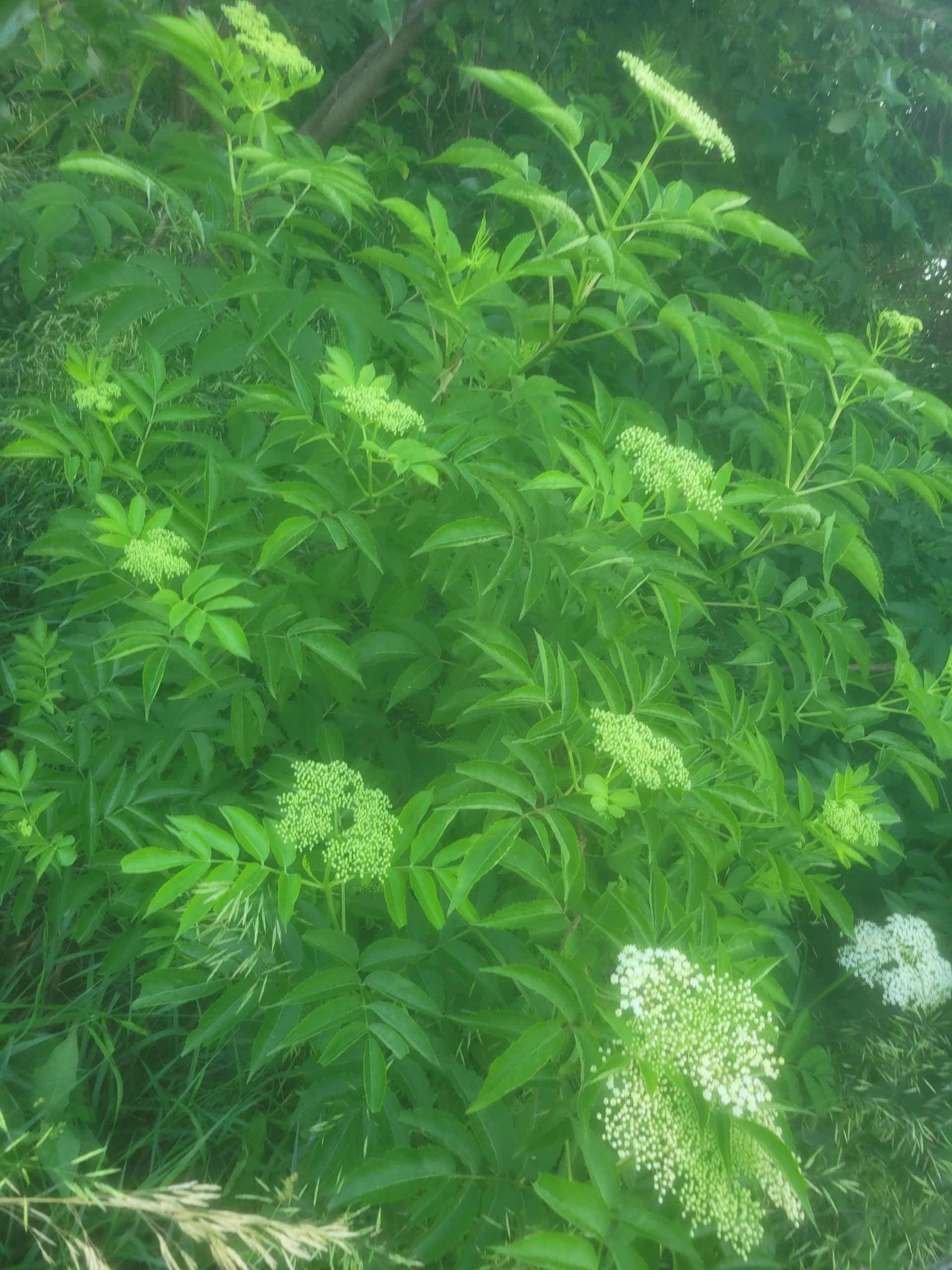
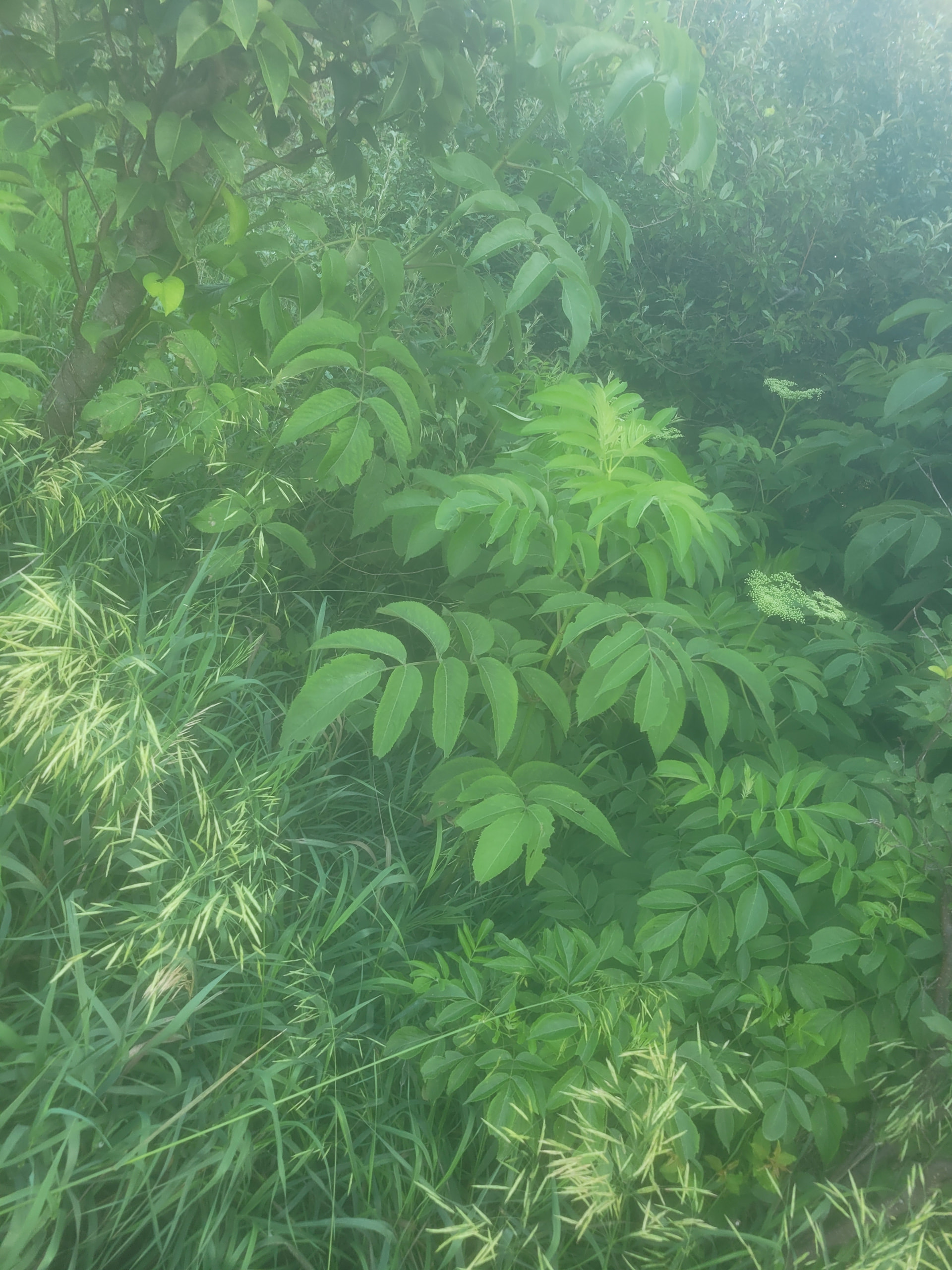
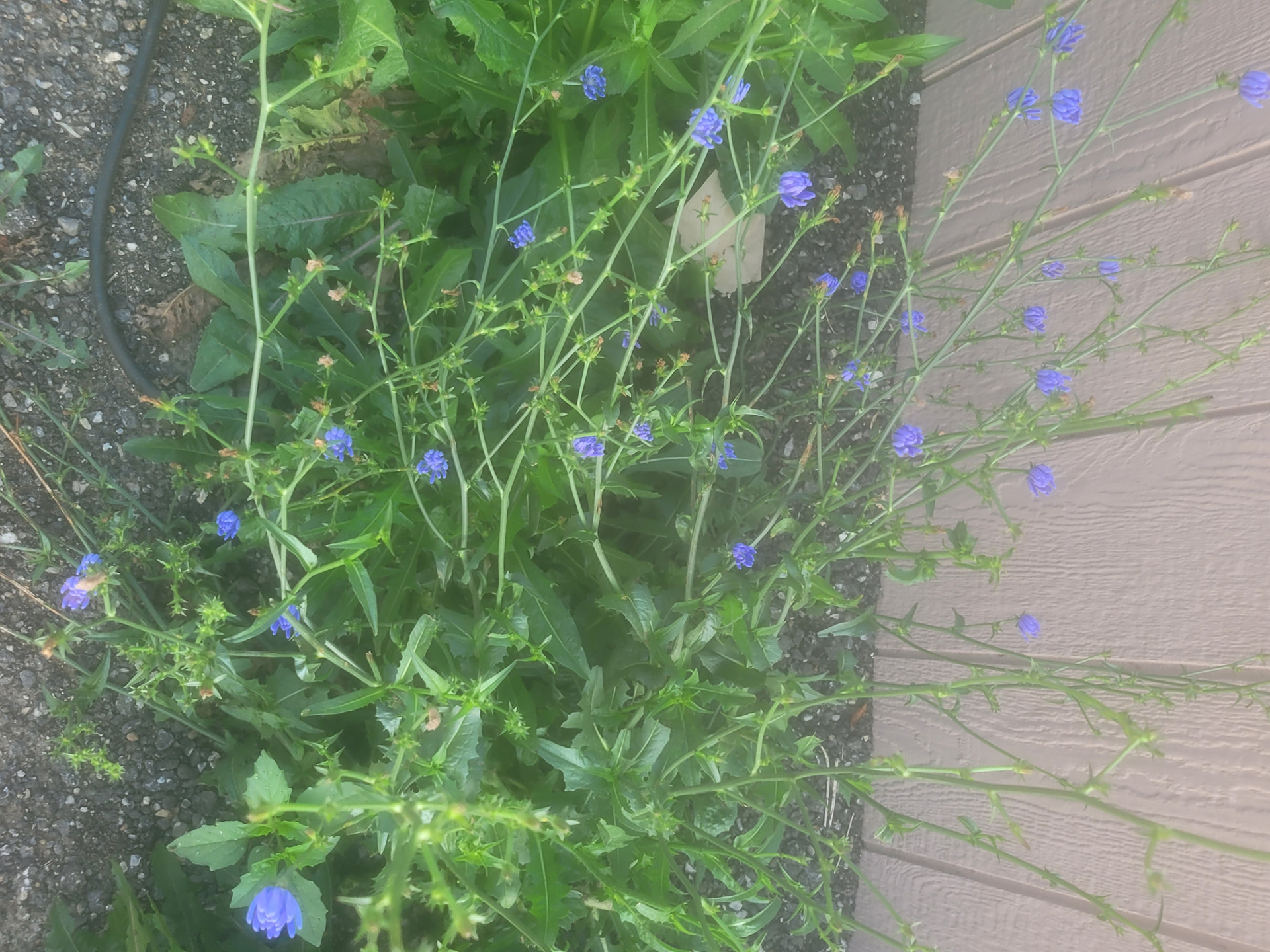
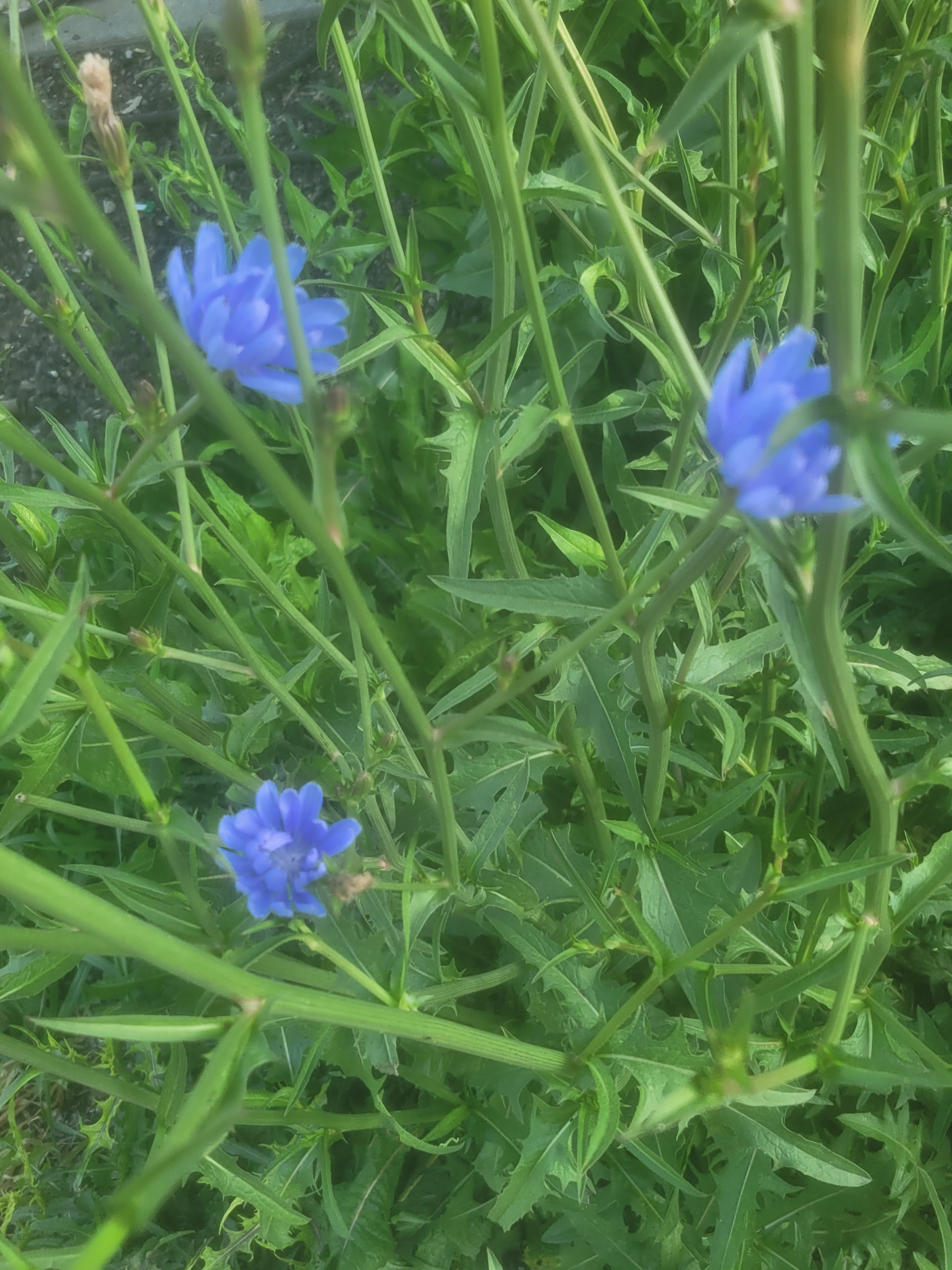
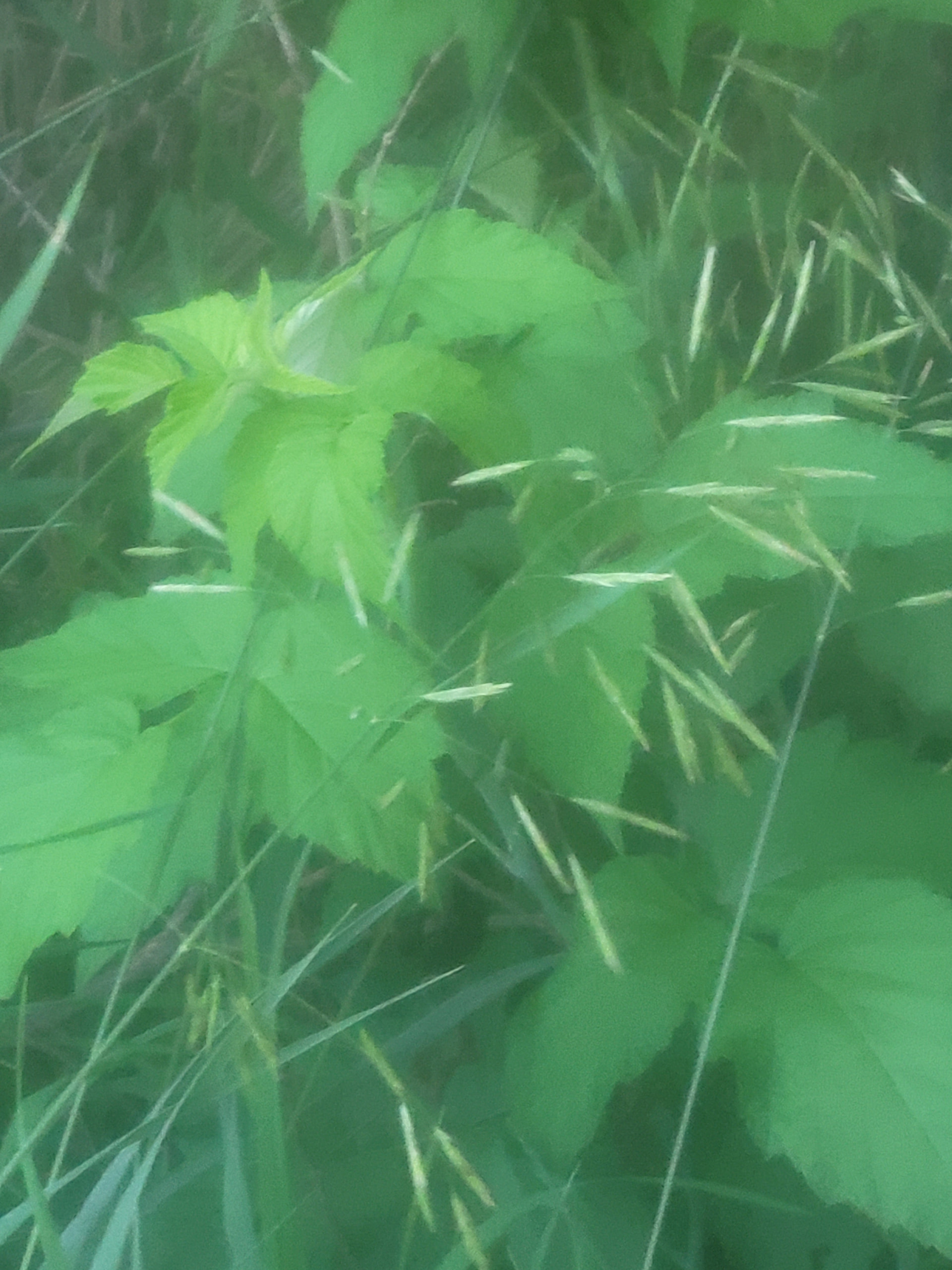
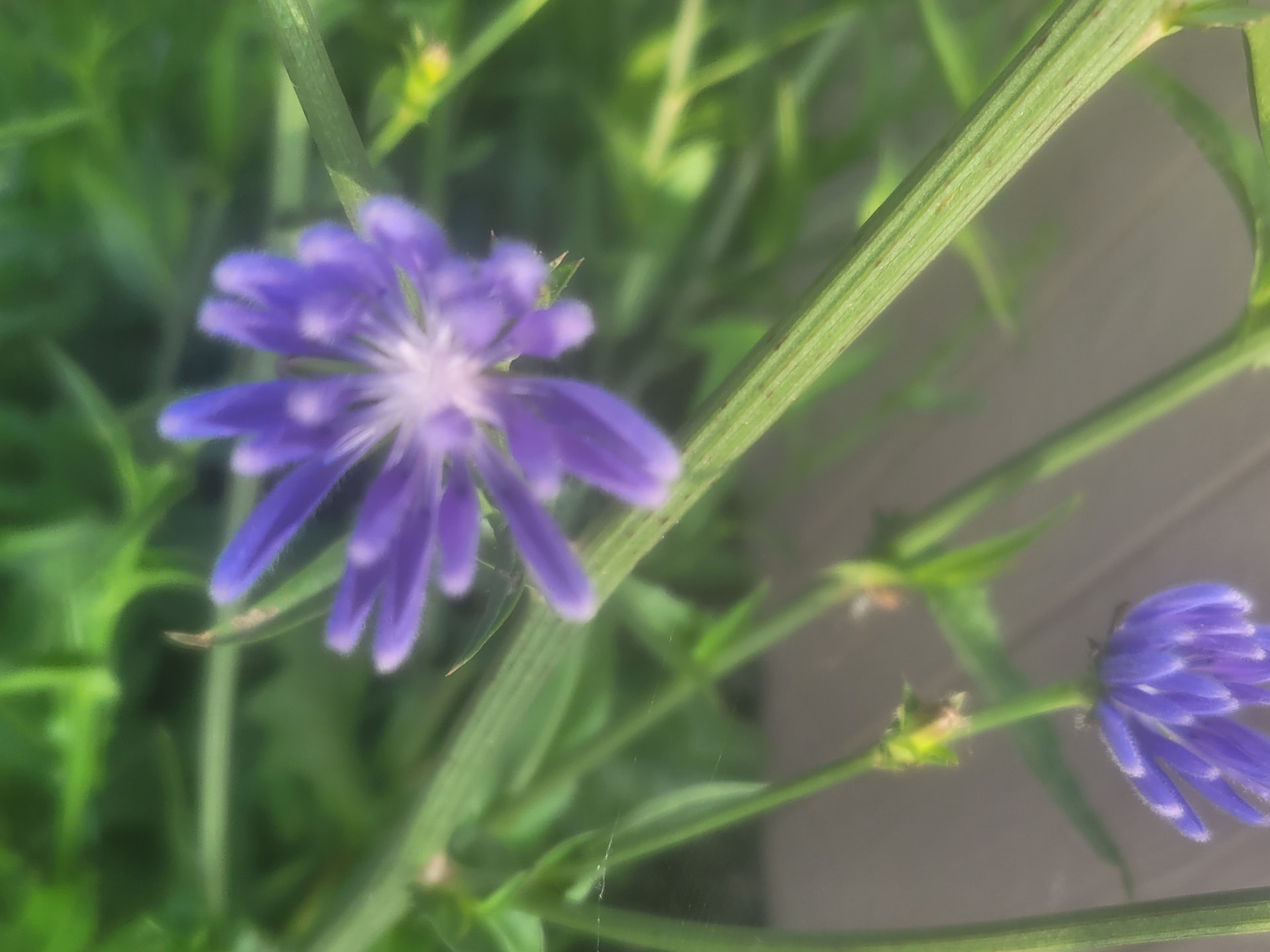
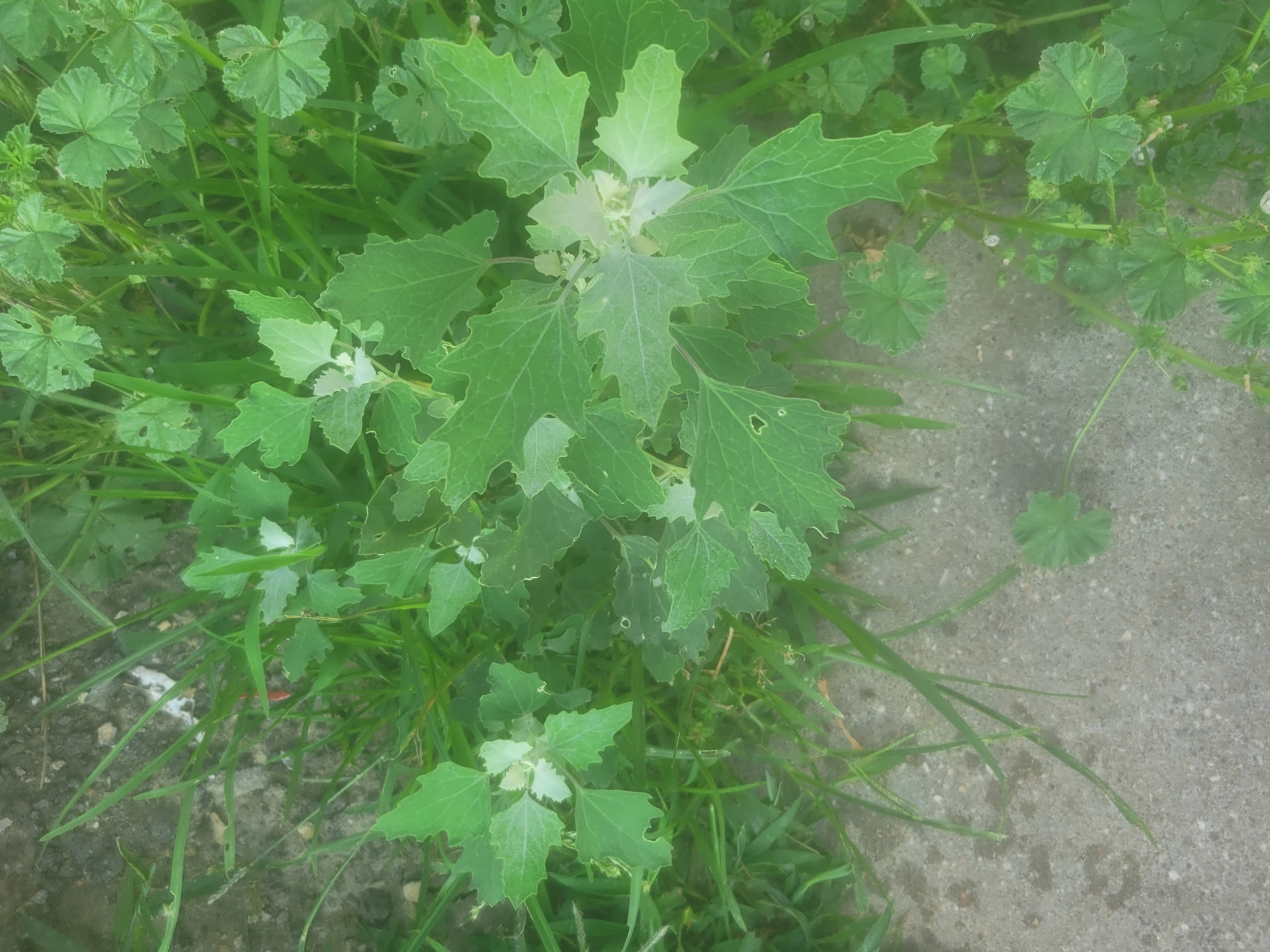
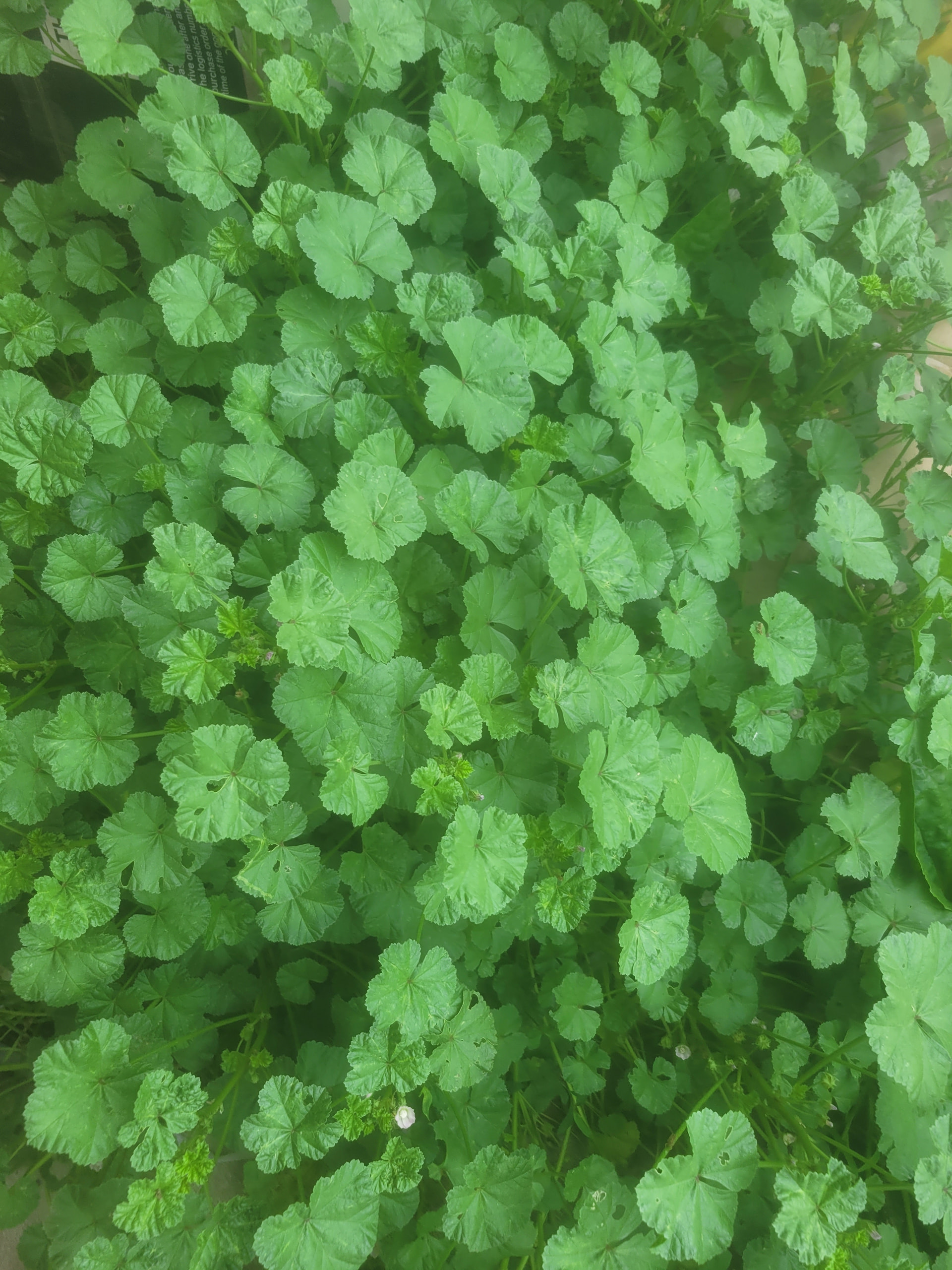
Simple question, I have had many people call this marshmallow but is it? Note the small flowers
It can be a companion to plantain as shown here.
Simple question, I have had many people call this marshmallow but is it? Note the small flowers
It can be a companion to plantain as shown here.
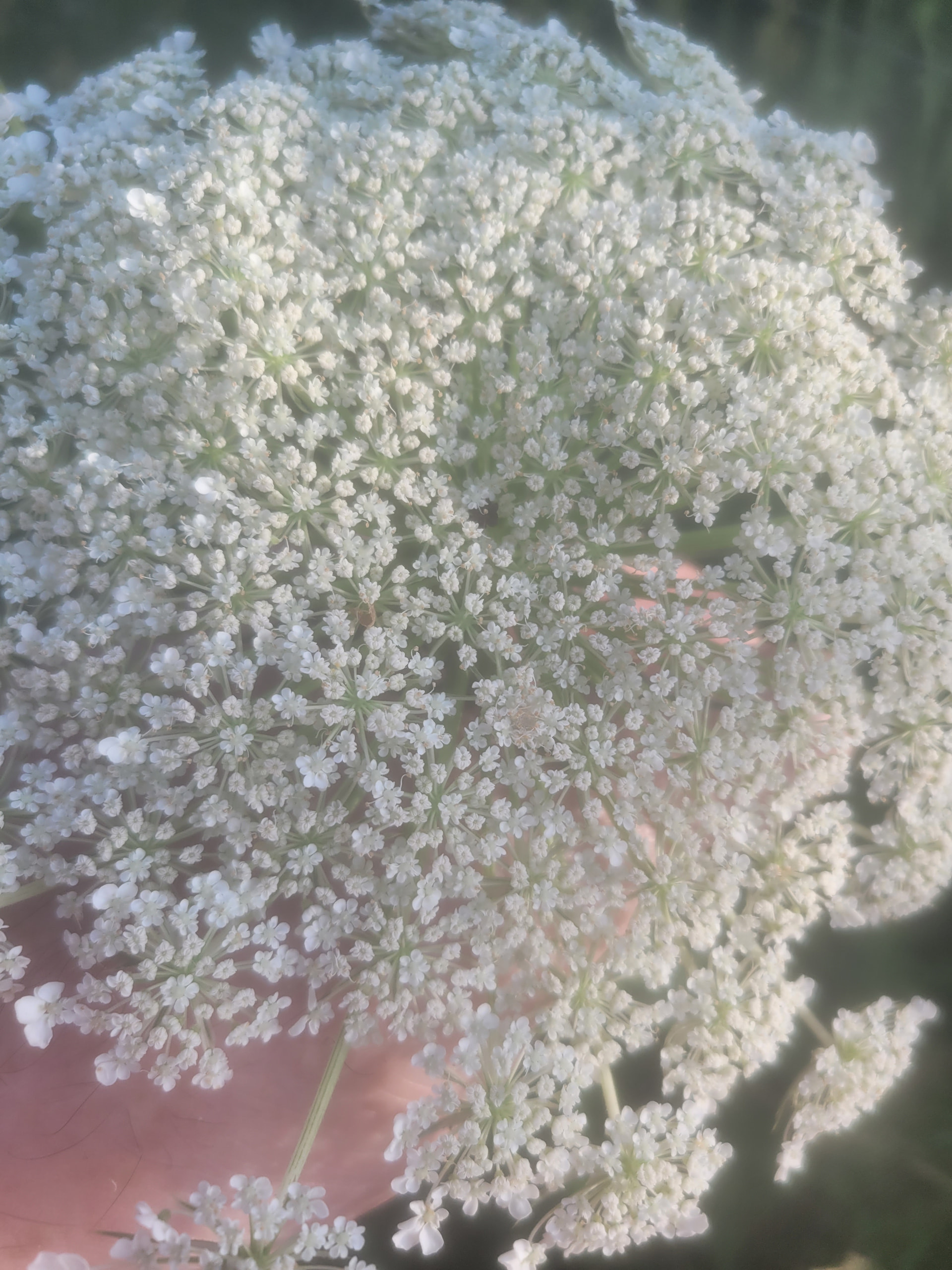
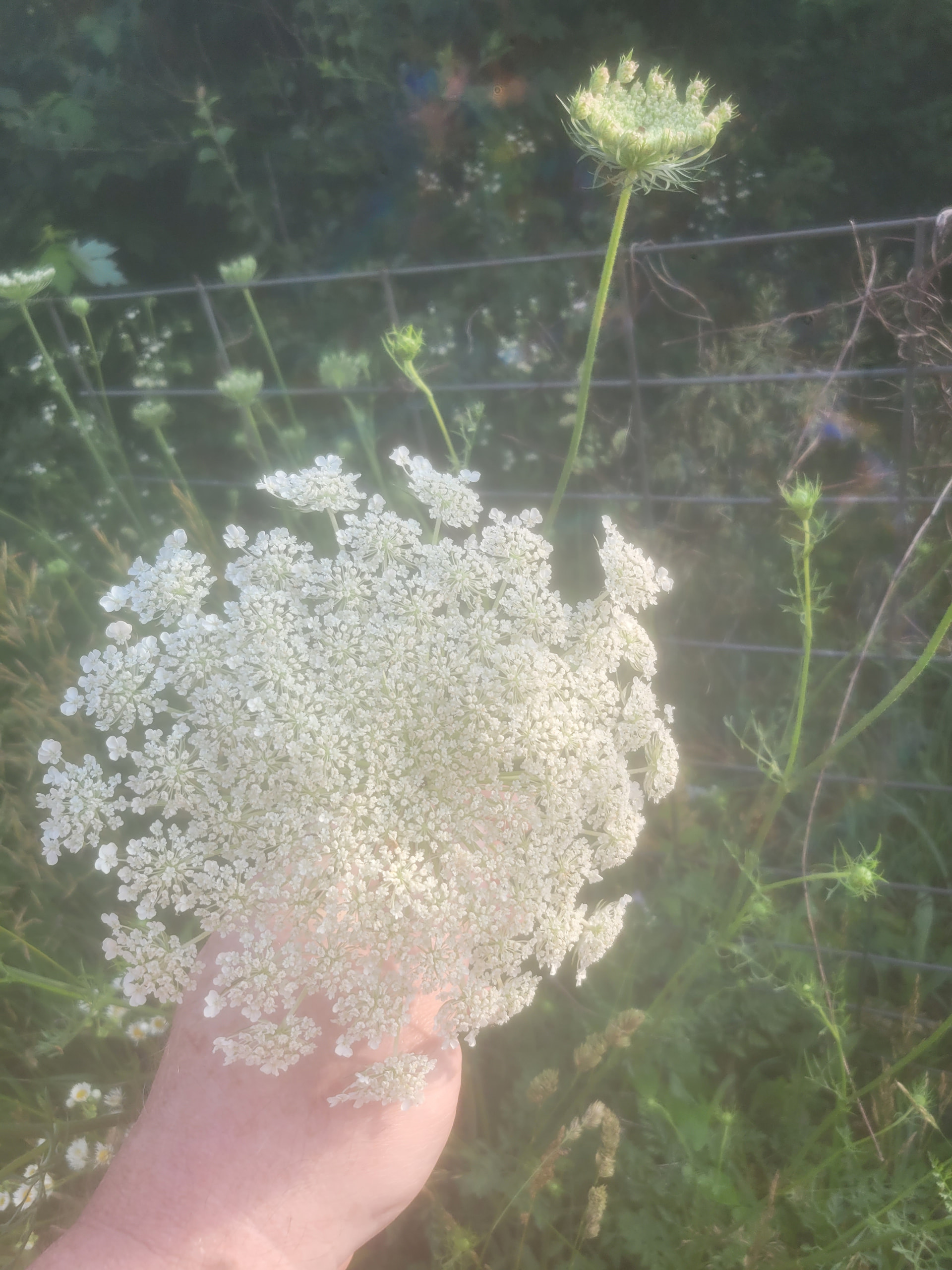
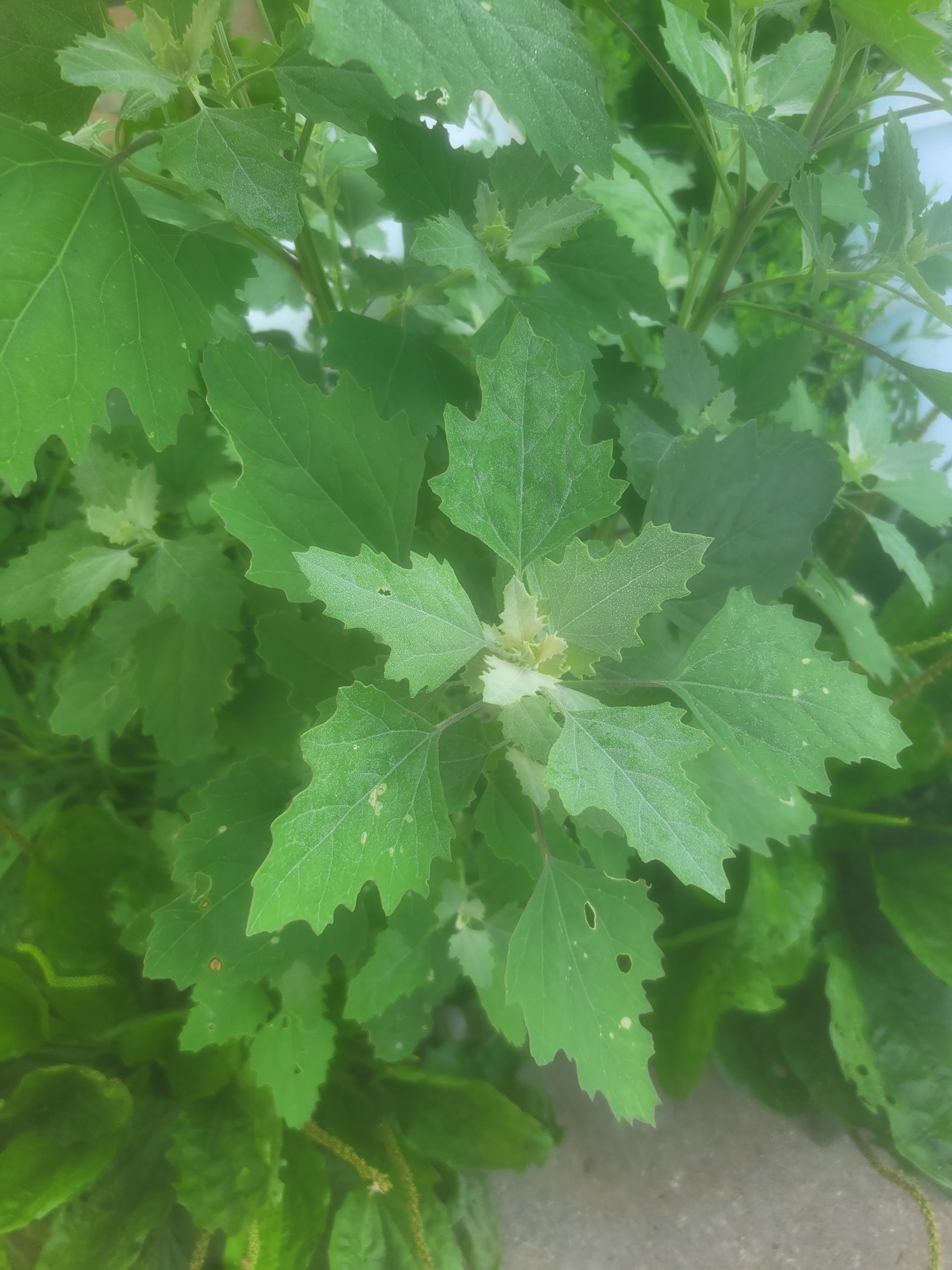
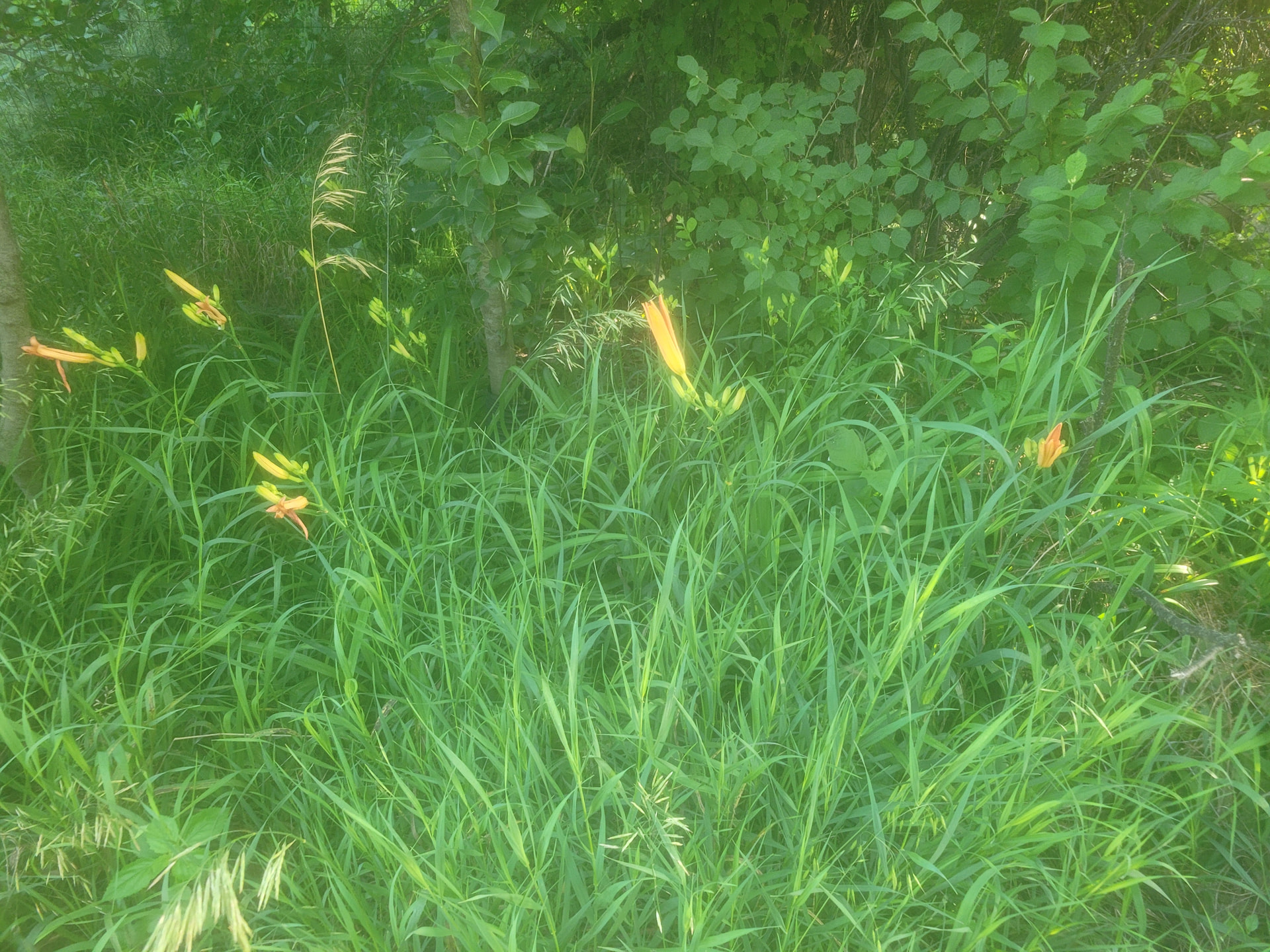
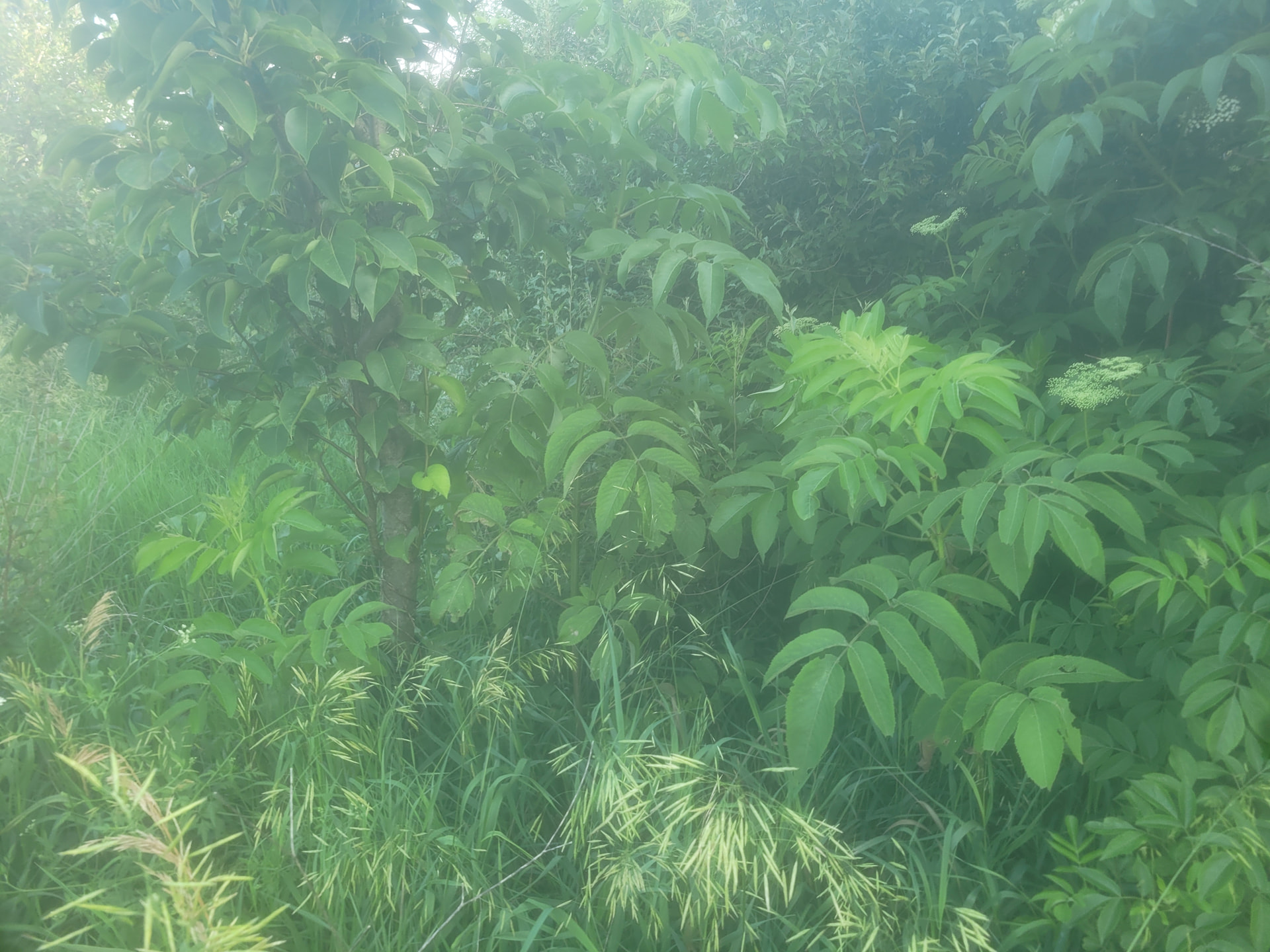
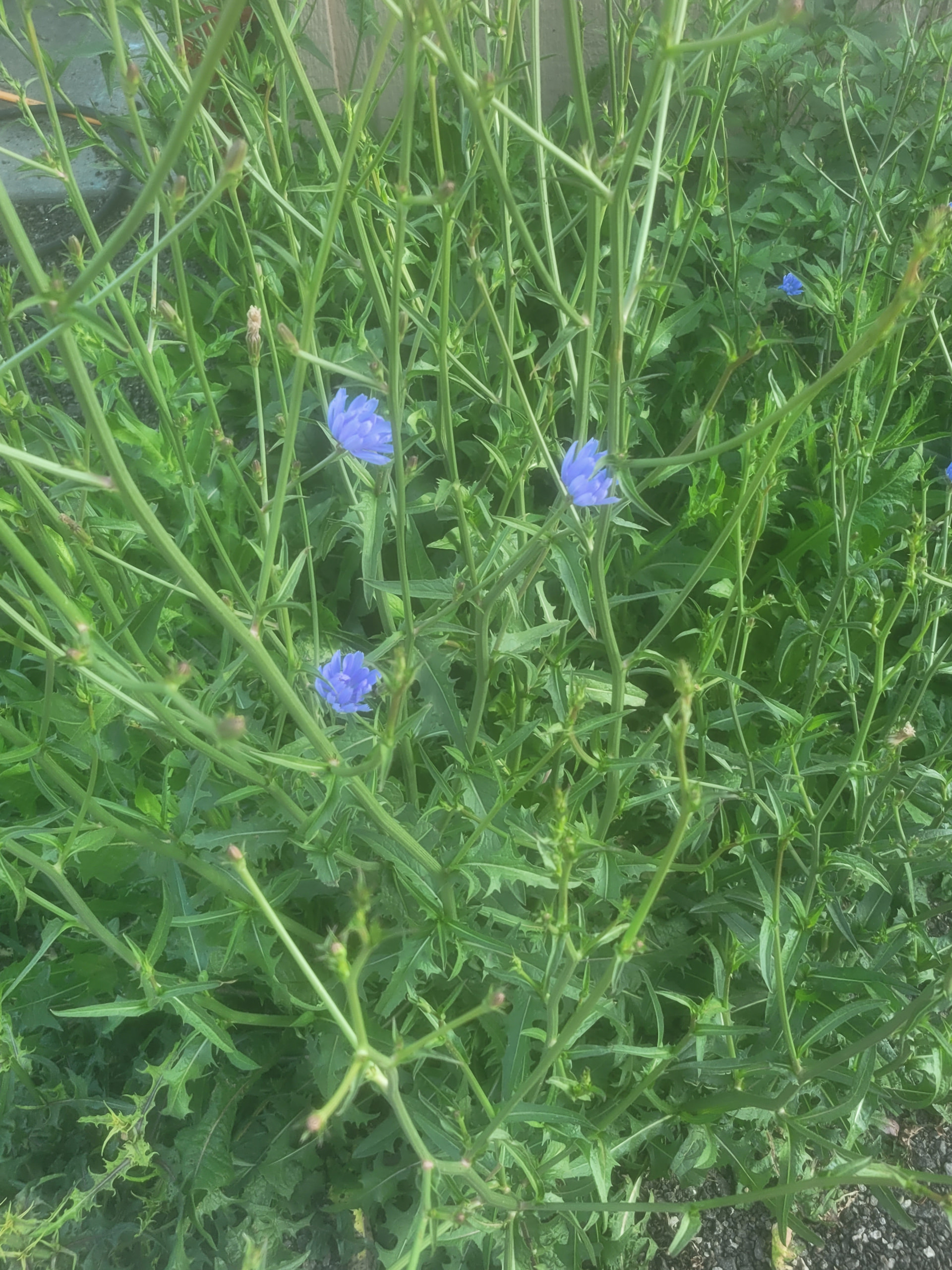
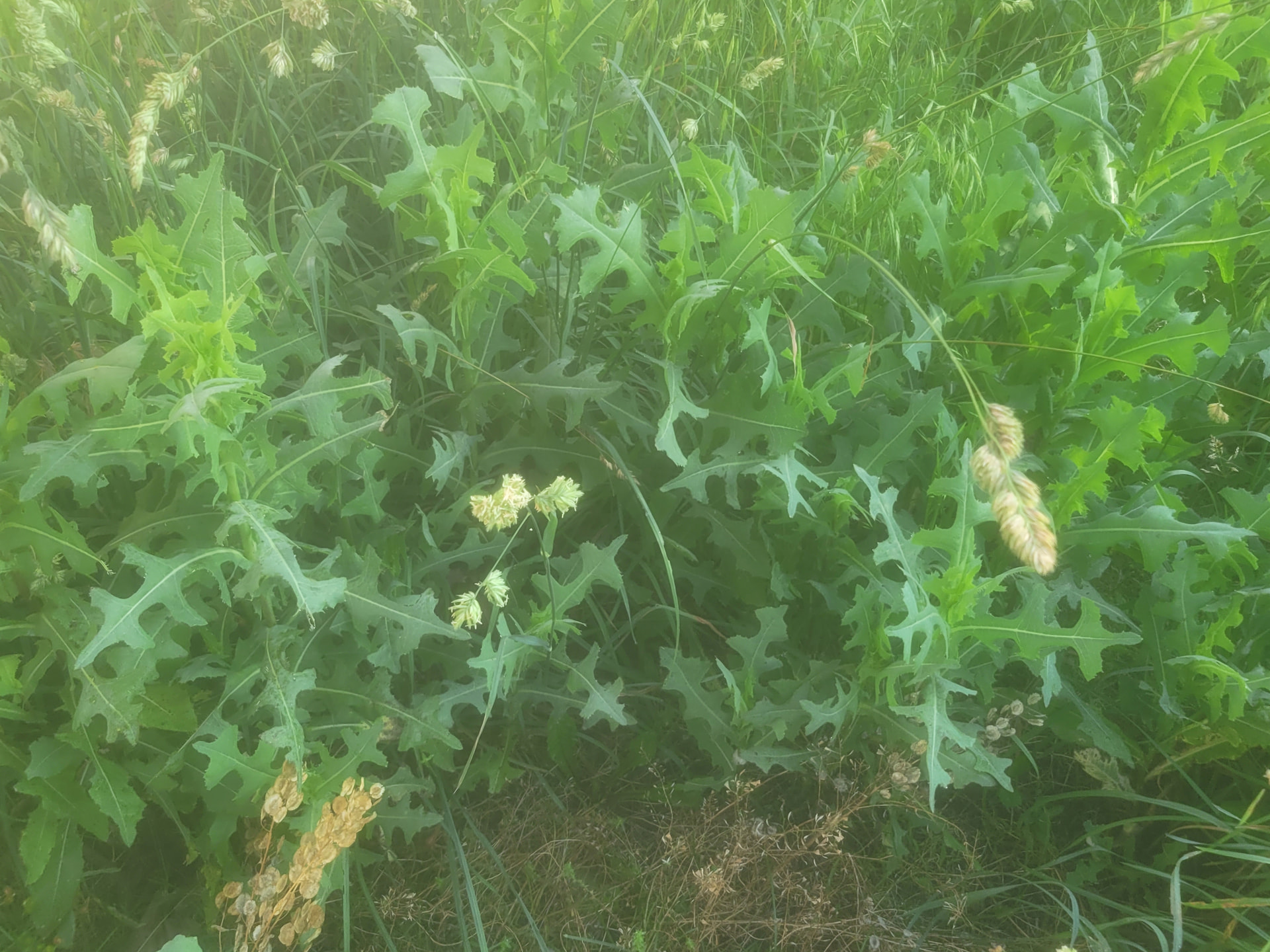
Here are other wild plants we all know what they are. These are within 1 minute of my front door. They are all valuable in different ways. See how many you can identify. Many call my place extreme food forest. The birds bring things from all over as they are drawn to eat mulberry here this time of year leaving behind their stomach contents from whence they came from. Same is true of many animals.
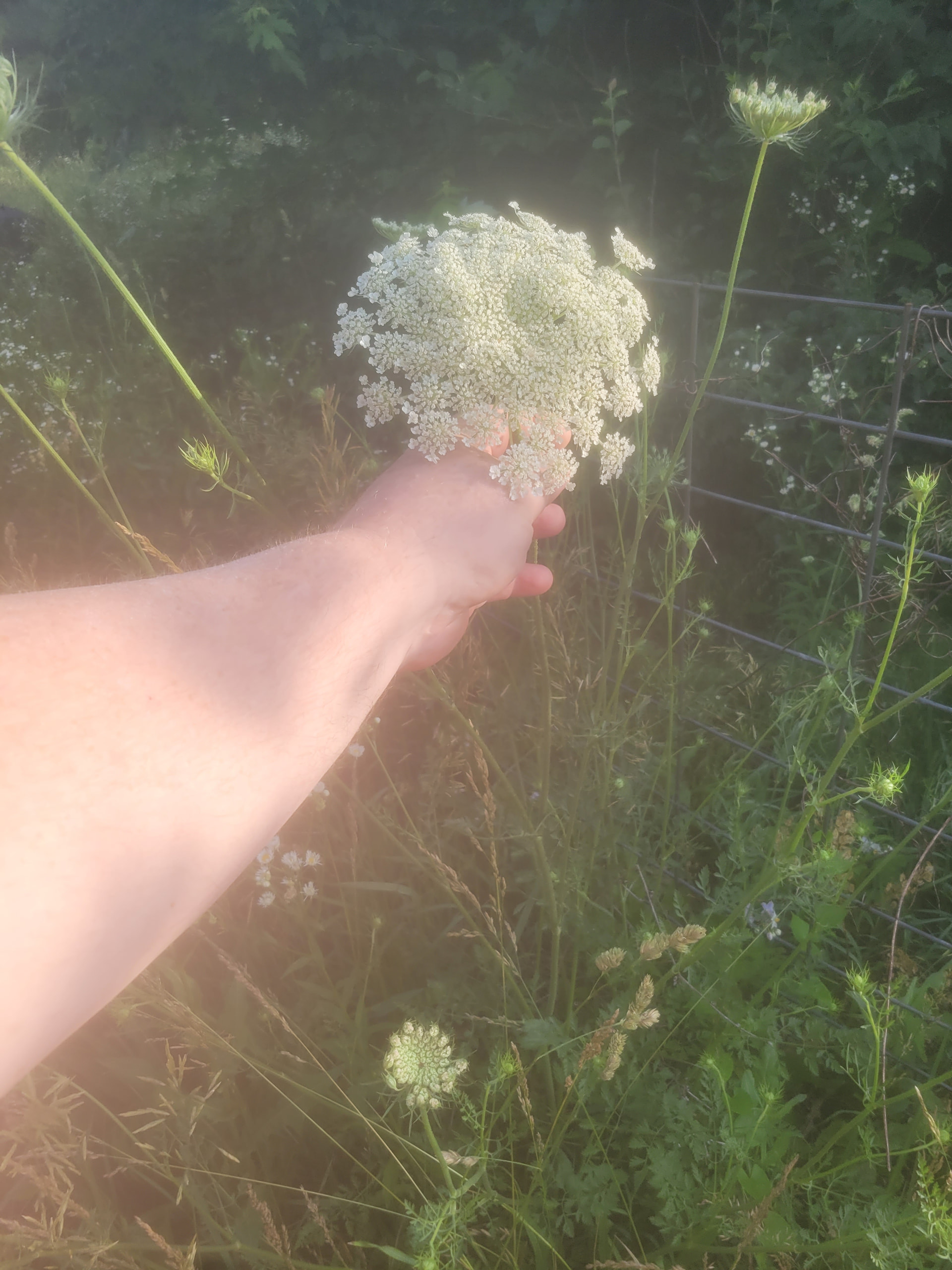
I just want to put out a small disclaimer to not confuse queen Anne’s lace / wild carrot / etc with poison hemlock. Don’t munch on a hunch
True queen Anne’s lace smells like carrots when you rub it in your fingers. Hemlock smells like death which is what it is.
thanks to the birds i have a nice healthy harbin pear to graft to. im also counting on the birds to spread all my fruit into the countryside so others can enjoy them which most isnt found here. ive been finding many seedlings of elder, currants, aronia and other fruits far from the mother plants in my yard. im hoping the 100 acre fallow field to the west of me gets colonized. i know the owner and he rarely brush hogs it and when he does he only takes it down to about 12in. hes keeping the land for his nephews to use some day as he doesnt have and kids. his father was a farmer and when he passed no one wanted to keep it going. ive tried a few times to buy a chunk as it abbuts my property but hes refused. i dont see any of them ever moving up here. maybe he’ll give in someday.
there are probably a couple hundred plants of these that come up in my yard every year. i pull them and throw in for the chicks. they are tasty though. wifes prone to kidney stones so we need to watch out for oxilates.
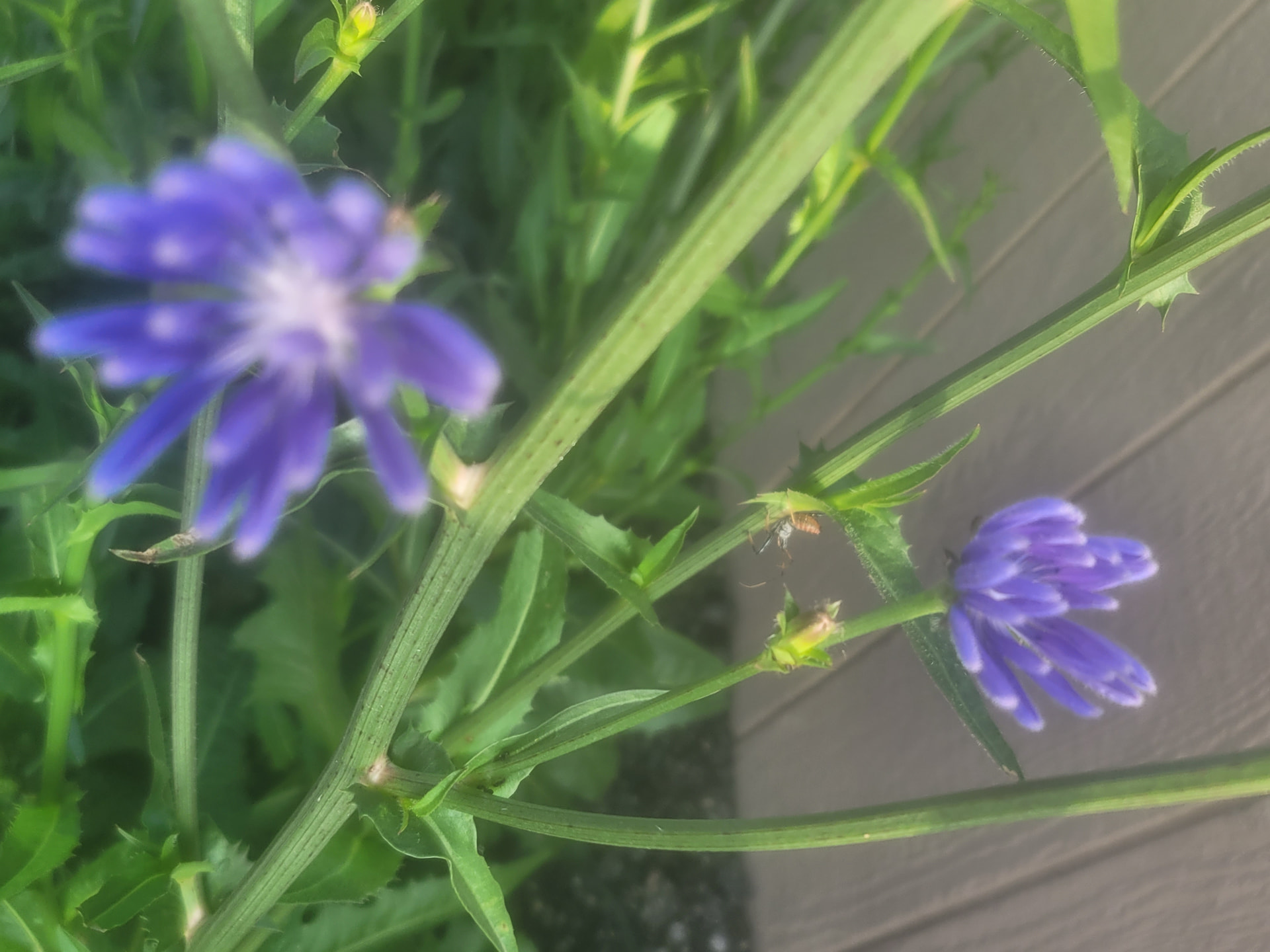
i too have lambsquarter and chicory! chicory has the prettiest flowers. we roast a root or two every year, and i let it go nuts in the paths. lambsquarters tips fried up are a personal favorite
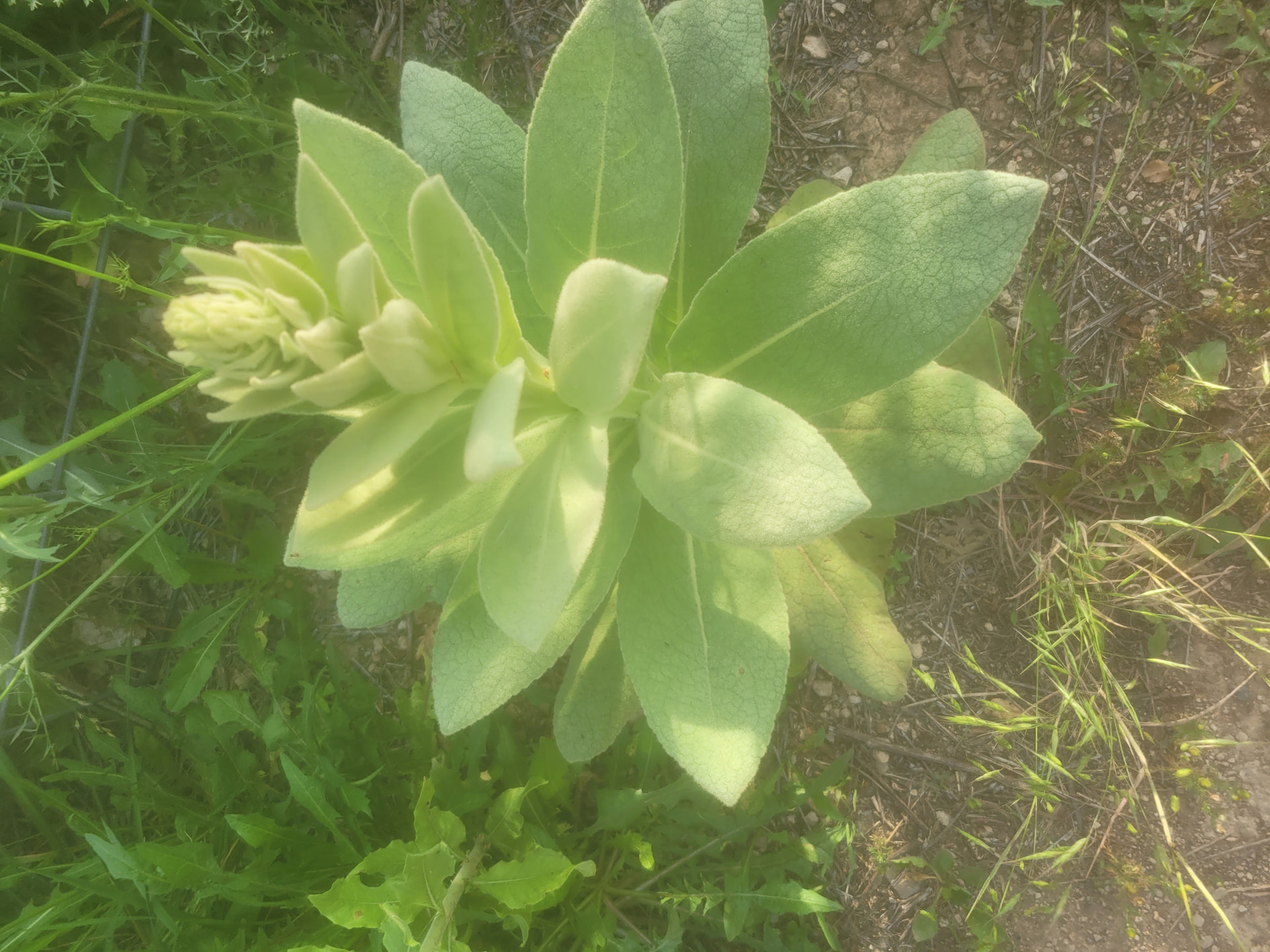
i don’t recognize much else except the wild lettuce, the sap in that is sort of a painkiller yes?
I do not believe that is marshmallow. Marshmallow grows very tall and erect in my experience.
I believe that is common mallow which is European in origin but has long been naturalized in North America.
Common Mallow (Malva Neglecta) is exactly what it looks like. Thanks
In the Malvaceae family along with marshmallow, okra, and hibiscus, malva neglecta shares the family’s mucilaginous (aka slimy) tendencies.
Malva neglecta is a small edible perennial herb with a beautiful white, pink, or purple bloom. Every part of this plant is edible, and the plant has been used in many cultures as a staple vegetable.
Scientific name: Malva neglecta
Common name: Common Mallow, Dwarf Mallow, Cheeseweed
Plant Family: Malvaceae (Mallow family)
Etymology: Malva is derived from the Greek word Malkos, meaning “soft” or “soothing,” which could refer to the plant’s emollient properties. Neglecta means “overlooked" or “neglected.”
Mallow originates from Northern Africa and Eurasia, where it was widely used as an edible and medicinal herb. Members of the mallow family were historically regarded as a nutritional staple in Ancient Rome, where the vegetable’s roots and leaves were considered delicacies, and in China. A more widely known variety of mallow, marshmallow, was notoriously used in Egypt to create the marshmallow, a popular confection in the modern day, despite the fact that modern marshmallows contain no trace of the plant. Marsh mallow was also used medicinally as a cure-all by the Romans and Aztecs, and the Arikara, Iroquois, Cherokee, Mahuma, and Navajo nations in North America had many medicinal applications of the plant. It is unclear whether or not common mallow was used similarly historically, but there is evidence that Malva neglecta shares some of its relative’s properties, so it is possible.
Malva neglecta is most commonly used as face wash or mask, as the emollient properties of the plant make it suitable for soothing skin. The leaves, flowers, and roots can be eaten or made into a tea for use as a laxative, to soothe inflammation. Common mallow shares many uses with its relative marshmallow, but it is considered medicinally inferior to it.
The leaves, flowers, fruits, and roots are all edible. Common mallow flowers throughout spring, summer, and fall, during which time the fruits can also be found. The fruits are best eaten young before the seeds have matured. The leaves, flowers, and fruits can all be used raw or cooked.
All parts of the plant can be harvested from early spring to late fall. When cooked, the leaves, roots, and fruits are mucilaginous, and can be used to thicken soups and stews. The roots can be used similarly to marshmallow, as they can be boiled with water to create an egg white substitute in meringues, or used to make marshmallows, but common mallow roots tend to create a thinner, less stiff foam than marshmallow roots.
Edible fruits, shoots, leaves, and roots, wildlife food and habitat, erosion control, groundcover, pollinator habitat.
Malva neglecta can be found practically anywhere; a hardy perennial herb, the plant thrives along walkways, on the edges of gardens and lawns, in grasslands, in fields, and even in tropical areas. Common mallow is incredibly resilient to cold, but is also very well adapted to warm or tropical climates. Although it prefers fertile, aerated soils, common mallow survives exceptionally well in compacted, poor quality soil, and over time improves the soil quality where it grows. Malva neglecta comes up in early spring and dies off in early to mid-winter, but can survive year-round in warmer climates.
Common mallow can be identified by its alternating circular, serrated leaves with wavy edges and its distinctive white, pink, or purple, 5-petaled flowers. The plant can stand up to two feet tall or run along the ground depending on growing conditions. The leaves can be anywhere from half an inch wide to 2 inches across, and stems and leaves are hairy.
Malva neglecta is a pollinator plant, and can be used to improve soil quality.
Blair, Katrina. The Wild Wisdom of Weeds : 13 Essential Plants for Human Survival. Chelsea Green Publishing, 2014.
Brill, Steve, and Evelyn Dean. Identifying & Harvesting Edible and Medicinal Plants. Harper Collins, 2010.
Kallas, John. Edible Wild Plants : Wild Foods from Dirt to Plate. Gibbs Smith, 2010.
Meredith, Leda. Northeast Foraging : 120 Wild and Flavorful Edibles from Beach Plums to Wineberries. Timber Press, 2014.
Planting Considerations
USDA Hardiness Zone: 4-8
Native Range: Most of Europe, Asia, and Northern Africa, as well as most of North America.
Forest Garden Layer: Groundcover
Height: 1-24 inches
Growth rate: rapid
Sun: partial shade to full sun
Bloom: May-October
Attracts: Pollinators
Tolerates: harsh, cold climate, compact, poor soil
Drawbacks: can be weedy
Soil moisture: dry or moist
Soil texture: light, medium, or coarse
Soil pH: mildly acidic, neutral, or basic
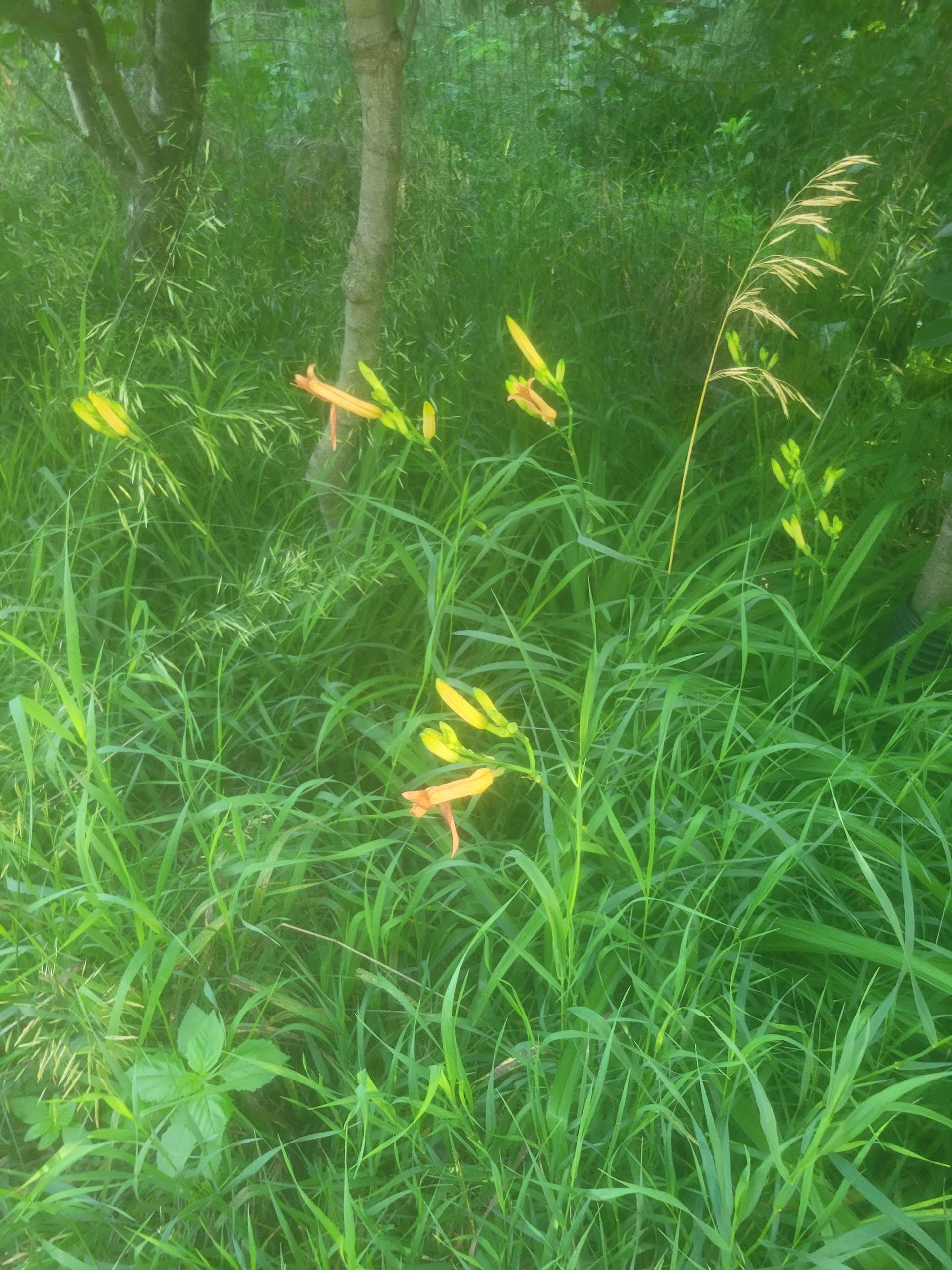
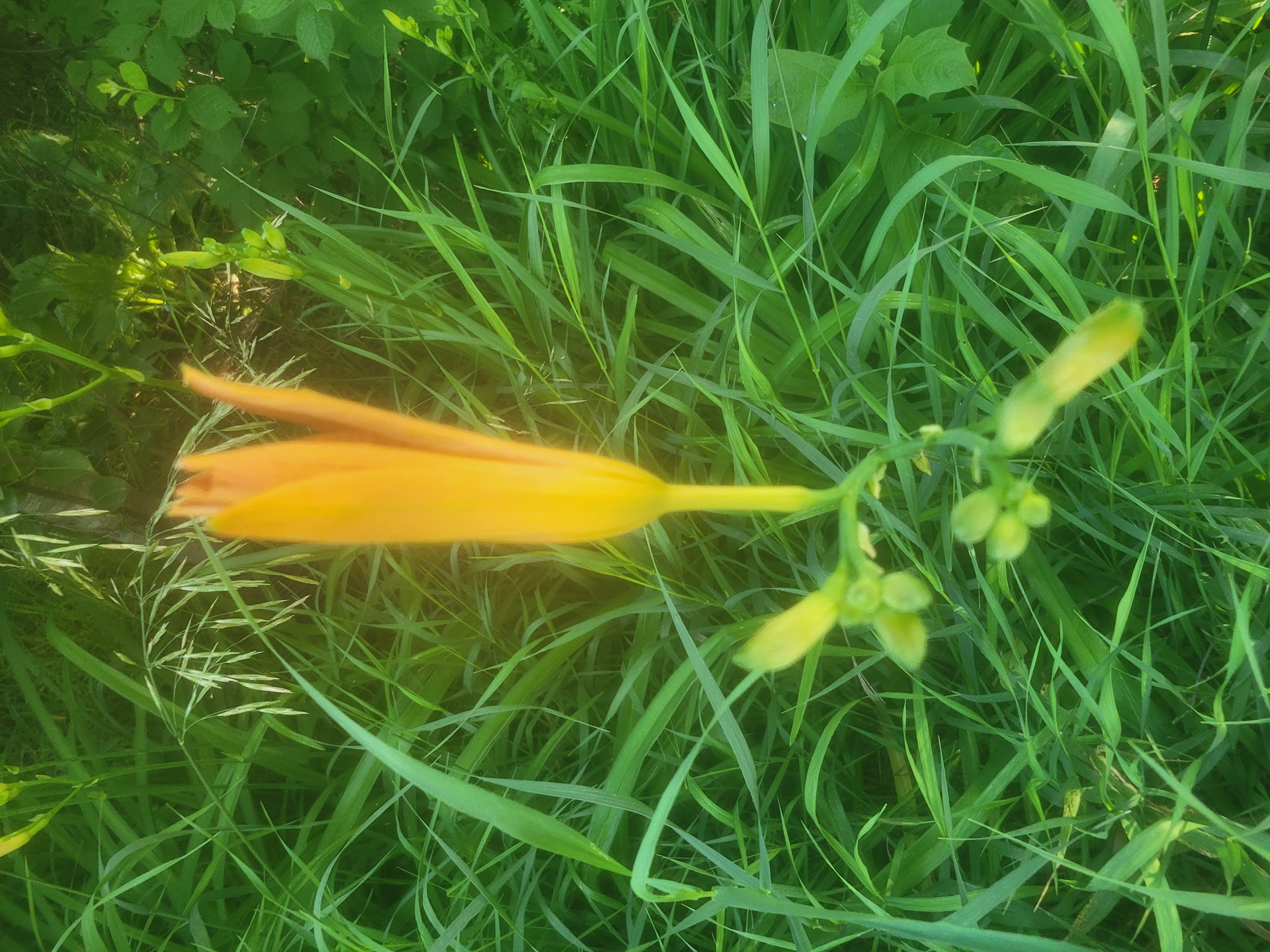
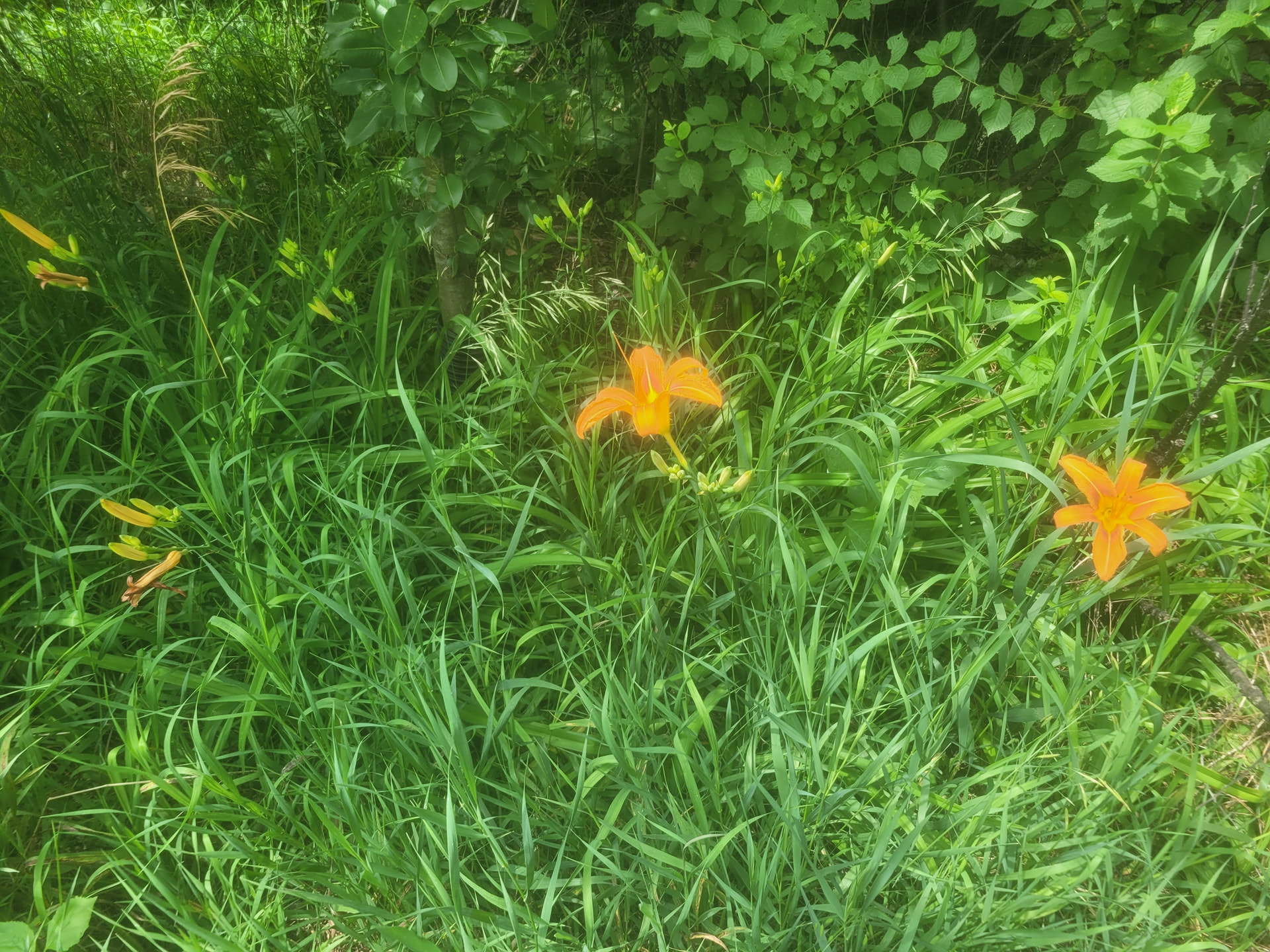
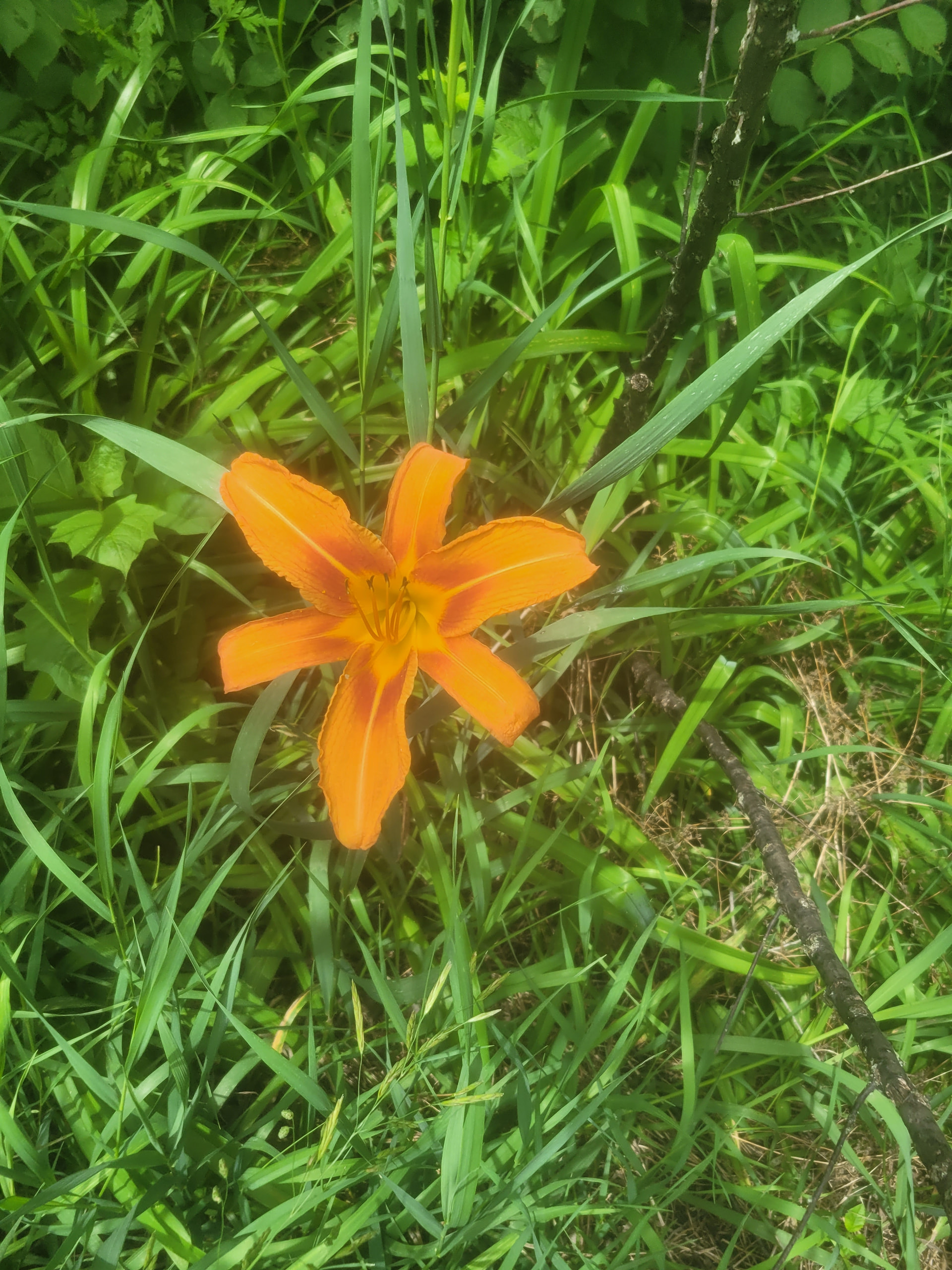
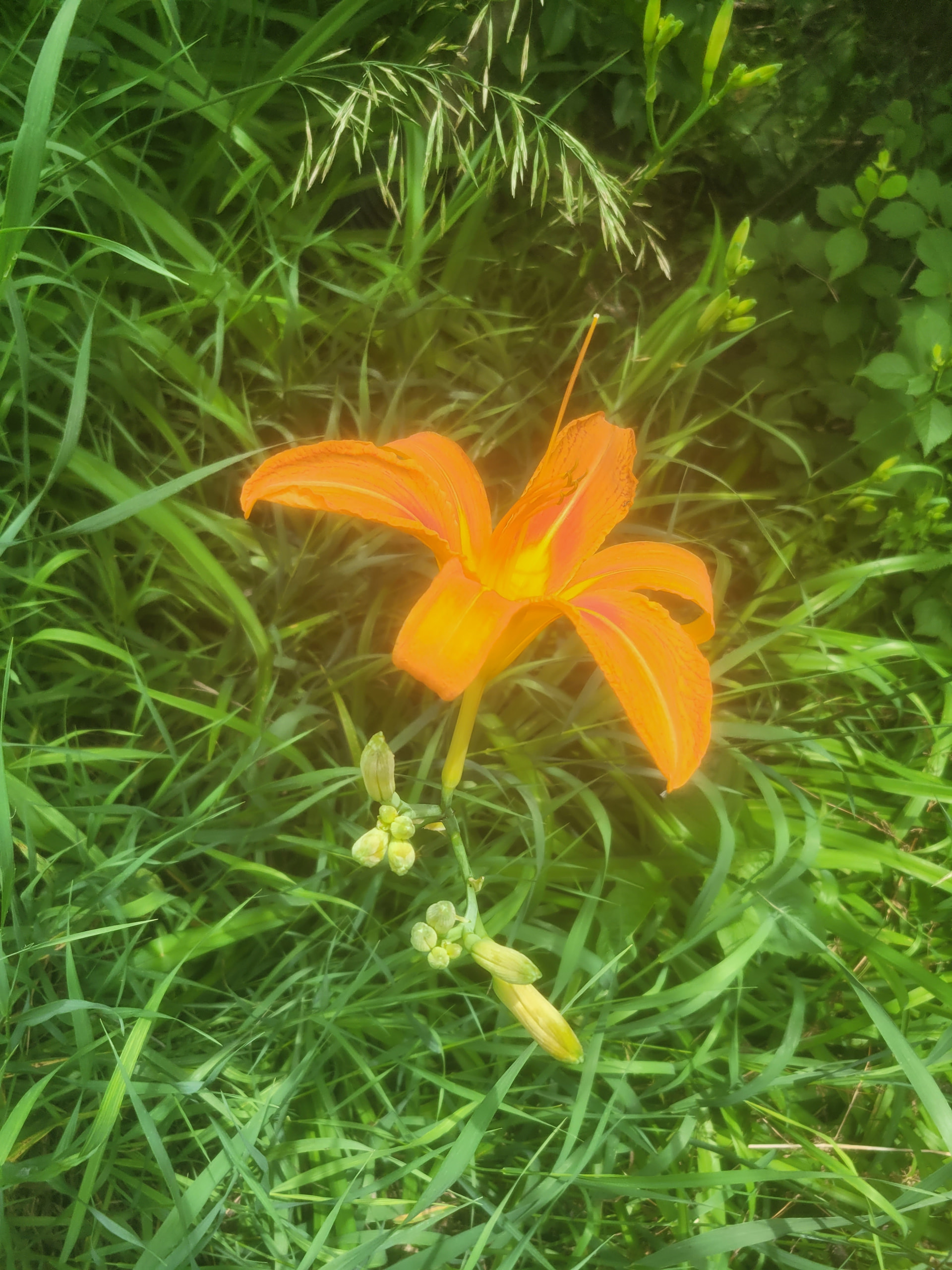
We call them tiger lilies, I think that’s a nicer name, although yours is very factual!
They are close cousins. Tiger lillies are Tiger Lily, Lilium lancifolium.

≡ Menu
byGreen Deane
in Edible Raw, Flowers, Greens/Pot Herb, plants, Roots/Tubers/Corms, Salad, Toxic to Pets/livestock, Vegetable
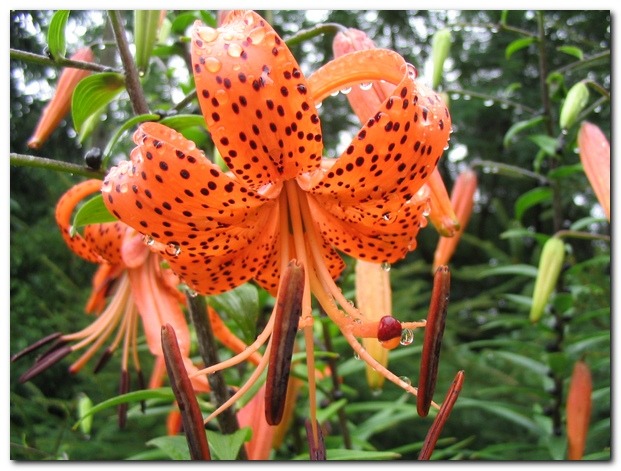
Tiger Lily, Lilium lancifolium
The word “lily” causes more confusion than four letters ought to be able to make. There are true lilies, usually not edible, some of them quite toxic, a few edible. And there are plants people call lilies which aren’t lilies at all, some quite toxic and some edible. The next layer of confusion comes from the fact many people call many different plants the same name, in this particular case, the Tiger Lily.
The Tiger Lily we’re interested in for the moment is Lilium lancifolium, a native of Asia and Japan but naturalized in the northeast quadrant of North America, and a few other places as well. Most of this Tiger Lily is edible by humans but all parts are toxic to cats. It causes feline kidney failure. In Asia and Japan this lily is grown for its edible bulb. Cooked it resembles turnips in flavor. Flower buds are eaten raw or cooked.
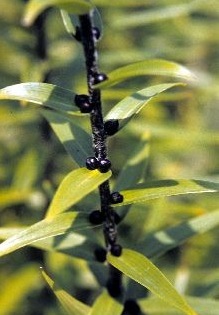
Note bulbils where leaves meet stem
This particular species does not produce seeds. Instead it produces little black bulbs (bulbils) where the leaves meet the stem. You can use those to propagate the lily or the tubers. However, by bulbil it takes three years for them to mature.
Now we get to the pseudo-controversy. All over the Internet there are dire warnings that the pollen of Lilium lancifolium (aka Lilium tigrinum) is toxic, that is, it will make humans throw up and generally be miserable. Oddly, none of the books in my library, except for one, mentions the pollen at all. Save for that one entry none of my foraging books mention pollen nor do any of my flower books mention it. In fact none of my books on poison mention Lilium lancifolium pollen regarding humans. The one reference I have to the pollen is found on page 512 of the Encyclopedia of Edible Plants of North America by Dr. Françoís Couplan. In reference to Lilium lancifolium and Lilium bulbiferum he writes:
“The pollen can be gathered in relatively important amounts and eaten as such or sprinkled over various dishes. It is nutritious and has a pleasant taste.” The Internet seems to be in disagreement with Dr. Couplan, who has a PhD in ethnobotany. His encyclopedia was published in 1998.
Cornucopia II, which is a compendium of edible plants in the world, also published in 1998, says on page 144 of the Lilium lancifolium: “Flowers both fresh and dried eaten in soups, salads…” No mention of or warning about avoiding the pollen on fresh flowers. It would seem the Internet is at odds with Cornucopia II as well.
The Internet is rife with misstatements. The pollen-is-bad-for-humans warning could have risen out of the real threat it poses to cats. They lick lily pollen off their fur and often die from it. That warning could have morphed from fatal for cats to toxic for humans. There are previous examples with other plants.
Many sites in the last five years have published the warning that pine needle tea can cause abortions in humans, another leap from a known threat to animals to certain problem for humans. It started with an article in the Journal of Animal Science (J ANIM SCI 1992, 70:1604-1608.) In the article cows in or after their eighth month of pregnancy which ate several pounds of Ponderosa pine needles did indeed have abortions, the rate ranging from 5 to 8%. Non-pregnant cows were not affected. The article did not cause much alarm as the Internet was in its informational infancy in 1992. However, the United States Department of Agriculture issued a report on the Internet in 2006 — still on line — saying “Ponderosa pine grows in all of the states west of the Great Plains and in western Canada. Pine needles can be made available to cattle from slash remaining after logging operations, windfalls, or dried fallen needles. Discarded Christmas trees have been known to cause abortions in cows. Lodgepole pine (P. contorta), common juniper (Juniperus communis), and Monterey cypress (Cupressus macrocarpa) also contain isocupressic acid and may also cause abortions when eaten by cattle.”
One blog that same year mentioned the cow problem then made the leap by saying Native Americans knew long ago what modern scientists had only recently learned about pines needles and abortions. The blog added the element of Indian woman using pine needles for abortions — no reference given. Included in the blog was one additional comment about pines from the ancient Greeks and the warning was born. From there it proliferated over the Internet. Now pine needles cause abortions in humans, each reference becoming obligatory and more dire. Can you intentionally prepare pine needles to somehow affect a pregnancy in humans? Perhaps, though there seems to be no examples in the medical literature. Then again, too much of anything can probably affect a pregnancy, wine comes to mind. Intentionally preparing an intense dose of pine needles is far different than two pine needles sitting in hot water making a pleasant tea with Vitamin C.
In another example other sites have being saying the aril of the Momordia charantia is toxic to kids. It’s nearly 100% lycopene, not exactly a toxic substance. If it is toxic to children then maybe watermelon is, too. Professor Julia Morton, an expert on edible and toxic plants in Florida, wrote extensively about the species many times and never made mention of anything related specifically to children regarding Momordia Charnatia. I can remember finding the original site that said the arils were toxic to kids. Again, no reference was given. Last year I met a breast-feeding mom who ate them and kept right on feeding.
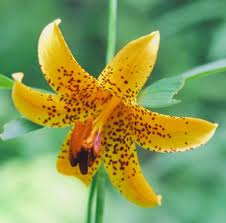
Lilium canadense
So, is the pollen of the Lilium lancifolium, toxic to humans? The books say nothing bad about it, Dr. Couplan says it tastes good and can be collected in quantity, the Internet says it is toxic to humans. Can we find a way that toxic view could have been proliferated? Yes, the plant is toxic to cats. It is a short leap for amateur writers to include humans. I wrote to Dr. Couplan for his opinion on this. He wrote back saying he has consumed Lilium lancifolium pollen in small amounts with no known bad effects. Dr. Couplan asked for a reference on the purported toxicology of Lilium lancifolium on humans. I could not and cannot provide one because I can’t find one, published that is. As best I can tell it is Internet rumor and one reason why I prefer published references.
Among the native lilies of North America the cooked bulbs of the follow species can be eaten by humans: Lilium canadense, (now rare in some places) Lilium columbianum, Lilium occidentale, Lilium pardalinum, Lilium parvum, Lilum philadelphicum and Lilium superbum. Yes. Superbum (soo-PER-bum) It means superb. Another edible Asian lily is Lilium bulbiferum.
Lilium is dead Latin for the Greek word Lirion, which means lily. Now days they’re called Krinos — meaning lily — which is also a brand of imported Greek food. That said, lilies get around. A few years ago I had the opportunity to visit the Palace of Knossos near Heraklion, Crete. In the museum is the famous “lily” vase, a fresco that dates back 3,500 years. A similar fresco in the same time frame is found on the Greek island of Thera, though it is better known as Santorini. The working theory is the volcanic eruption that essentially destroyed Santorini created a tidal wave that wiped out the Minoans at Heraklion a few hundred miles away. The Minoan civilization never recovered from that disaster. The frescos did.
Lastly, don’t you think it is odd that the plant is called the Tiger Lily not the Jaguar Lily? Jaguar are orange and have spots, orange tigers have stripes. Maybe the Tigris river had something to do with it.
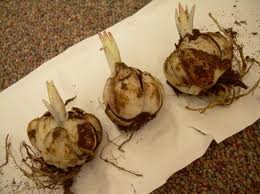
Lilium lancifolium bulbs
IDENTIFICATION: Bulbs widely ovoid, large scales. Stems minutely woolly, purplish, buds usually flat-sided, somewhat triangular in cross section. Leaves scattered, horizontal and drooping at tips; dark purple axillary bulbils; leaves lanceolate, often narrowly so, edges not wavy. Flowers hang down, not fragrant; Turk’s-cap-shaped; sepals and petals curve back, orange with many purple-brown spots; stamens stick out, ends purplish,
TIME OF YEAR: Late summer
ENVIRONMENT: Near damp places in urban areas, roadsides, railroad banks, buildings.
METHOD OF PREPARATION: Bulbs boiled, pickled, or used to make starch. Resemble parsnip in flavor. Flowers both fresh and dried used in soups, salads, omelets and rice dishes.
{ 24 comments… add one }
PAULINA MAAugust 1, 2012, 2:31 am
I need to confirm can we use the Lilium lancifolium bulbs as food or her b ?
**Green Deane**August 1, 2012, 6:46 am
The article said they were. Lilium lancifolium bulbs are edible, as are its flowers. Usually the bulbs are boiled, flowers are used fresh or dried.
Susanne TopelkoNovember 7, 2012, 11:58 am
We ate Tiger Lilies when I was a kid all the time. Just the petals though not the stamen or pollen. Delicious! Light, delicate sweetness – pretty in salads.
Robert ParkerNovember 7, 2013, 9:14 pm
Enjoyed your article on lilies. I have lots of them, and am getting started doing upscale Chinese cooking. The info that I looked at previous to yours indicated use of lots of dessicant powders. Possibly for use in dried flower arrangements. Anyhow, didn’t want to eat those. Also assume that 1,000 years ago that wasn’t an available method. Could you address methodology to process these for consumption? Thank you
**Kim**February 26, 2014, 12:24 am
So, what about other asiatic lilium species, like stargazers? Do you know anything about the edibility of these? They are so common! Any insight would be awesome.
martienMay 15, 2014, 3:07 pm
Stargazers are Oriental hybrids, most oriental hybrids don’t have the right taste. Asiatic hybrids are more suitable but I also still looking for the best variety. Batistero and california are varieties still in production.
ps grow them one year yourself before eating because of chemicals used during production
Lorraine GreenDecember 8, 2014, 9:46 am
I have harvested Tiger Lily flower pods before they open and have cooked them and butter and garlic for the last 3O years.My children grew up eating the lilies as a side dish. Just saying.
Lauren RoyJune 30, 2022, 6:34 pm
Hi,
I am looking for a great filling for Tiger Lily blossoms do you have one? Thanks,
Lauren Roy
The Modern Pioneer an Almanac of Natural Living
**madison.kennedy**January 14, 2015, 10:16 am
thank you but do you know if tiger lileys at sea leval
**Green Deane**January 14, 2015, 12:16 pm
Grow at sea level? Yes.
MisneacFebruary 9, 2015, 4:36 pm
I went to the above website at botanical.com and read the information about tiger lilies. It does say that the pollen is toxic, but it’s important to remember that just because it’s written down somewhere doesn’t make it true. If such was the case Sarah Palin’s collected writings certainly would have doomed the world to all kinds idiocy by now. Unless you plan to collect the pollen in “important amounts” and eat it I doubt it’s worth worrying about. As it is I plan myself to trust the empirical experience of the esteemed ethnobotanist Dr. Couplan and exercise moderation should I choose to consume the pollen, since the information on THIS website as well (where I’m concerned at least) is from the internet itself.
GregSeptember 17, 2015, 2:34 am
Great article! Thank you! I’ve had tiger lily bulbs in Chinese dishes (real Chinese and not Chinese-American food), and they were delicious. You are certainly right about the Internet being full of fear mongering and misinformation. A classic example is MSG, which has been scientifically proven to be perfectly safe (your own body manufactures large amounts every day), but if you went by the Internet, you would think it would kill you.
**mark jr.**November 2, 2015, 8:52 am
do all tiger lilies have bolbils to reproduce?
RLMMarch 9, 2017, 11:14 pm
One could presume that the Lilium lancifolium was not called te ‘jaguar lily” because jaguars are New World animals. : :
:
Also, jaguars have large rosettes, rather than small, solid colored spots. I’ve always wondered why these were not called ‘leopard lilies’.
David HallApril 2, 2017, 11:53 am
you can spir in a tissue
**Ron Robinson**June 24, 2017, 5:03 pm
Very informative article, thank
you so very much. As a side,
I KNOW that the deer love em
cause unless i spray the flower
pods w stinky stuff we will NOT
get to enjoy the blooms every
year out here in the mid central
boonies of GA. Can the pollen
be used to,say, dye clothing,or
maybe used like henna? Love
and wisdom to all ya’ll.
GailJuly 10, 2018, 1:44 pm
Greg, MSG is definitely not safe, my husband and I received large amounts from the restaurants we visited years ago without our knowing and now any time we have MSG we are both in the bathroom. wicked stuff!
**Joe**July 13, 2018, 1:00 am
I agree about the MSG not being safe. I have read studies where the Chinese are experimenting with it for medicinal uses. I think it was liver detoxification? Can’t remember but they also say Soy Bean is good for you and as we all know our digestive tracks are not made to handle Soy Beans. It is because they wanted to feed their masses and so they sold them on Soy. The also do not believe in our Creator and rather believe in Evolution so anything they come up with is bull. MSG is not safe or we would not be cutting it out of our diets and foods. Especially our greedy food manufacturers. There is a reason it was taken out?
DerekFebruary 7, 2020, 5:45 pm
Is there anywhere or anyone that has these types of edible lilies available to buy? Definitely want to add them to my edible landscape plans. Tirelessly searched online for any site selling confirmed edible types but can only find one that was out of stock. Definitely want someone who knows for sure the species and it’s edibility. Thanks for any help! Also looking for confirmed edible types of day lily, hostas, and dahlias etc. Hear all hostas are edible but would be nice to find types grown for edibility exclusively to know it will be good edible quality.
DebJuly 7, 2020, 1:02 am
What state are you in? You could come dig up a pile out of my yard for free you just got a dig them up and then they’ll grow you can literally just throw the huge root mass anywhere and it’ll grow.. I dug up a bunch this year to make room for more garden threw them against the fence in the shade and they’re still growing. LOL
Green DeaneJuly 16, 2020, 9:06 am
Their den is 15 feet long.
**red**June 28, 2020, 4:15 pm
Tiger lily color (wild plants) is tiger orange.
American Indian aborificants are plants known and avoided while pregnant. No American Indian would recommend them because killing a baby would mean the women in the family would condemn the person to death, with her mother called on as executioner. And, that’s still true after so many decades of forced sterilization–and I’ve heard stories of it happening.
As pine needles are rich in Vitamin C, tea was used in winter, but for women of child bearing age, wine was made in late summer and into the fall, sealed, and stored underground. In the darkness of winter, men assigned by elder women would carry jars of wine to the tops of mountains to freeze overnight, then drained and the resulting brandy carried home for the old folks to enjoy. Men, you had to be of age to be a grandfather to drink more than a mild homebrew. For children, sorry, you’re stuck with pine needle tea. walk in beauty
TammyJuly 23, 2025, 7:23 pm
What I wonder is are the bulbils edible? The lilies multiply like crazy so I collect them each year to prevent my patch from getting larger.
JimFebruary 16, 2026, 11:24 pm
Tiger Lilies are definitely edible or I wouldn’t be capable of typing this. I first ate quite a bit of Tiger Lilies over 50 years ago. First saute in butter and then raw eaten in salad. I probably ate more than twenty flowers that first time, yet here I am. Tiger Lilies are fine and delicious.”
Like mallow versus marshmallow there are differences
Be the first to comment
**Wade Truong**Aug 3, 2022
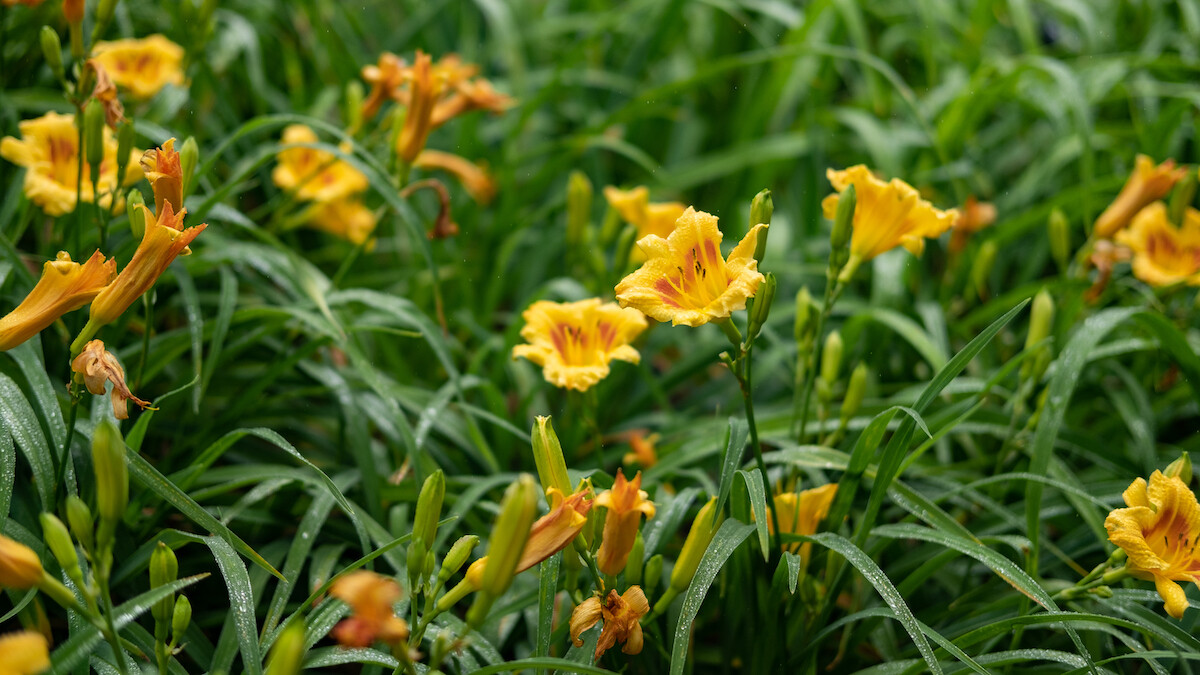
Daylilies (genus Hemerocallis) are a common flowering perennial in most of the lower 48. Native to Asia, these hardy plants that are commonly called ditch lilies can be found growing along roads, old house sites, lawns, and just about anywhere else. I love growing these plants for a few reasons—they require almost no maintenance, put up pretty blooms all summer, and they’re very tasty.
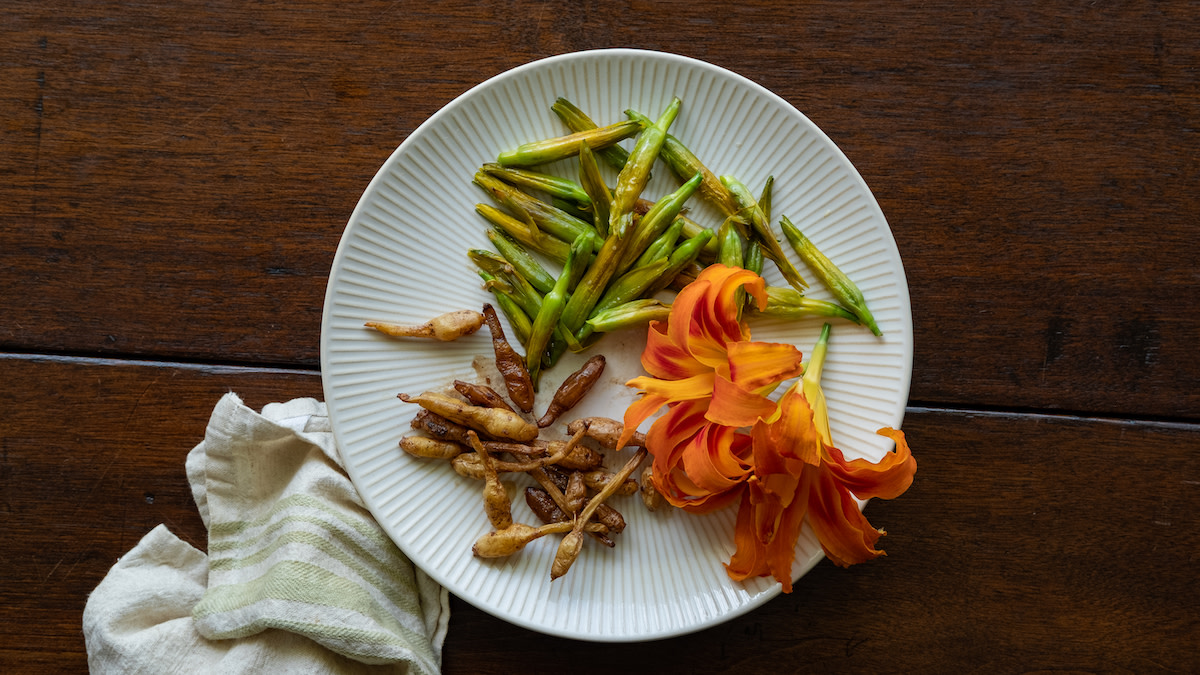
Almost the entire plant is edible year-round. You can eat the young shoots in the spring, the flowers, the flower buds, and the tubers. My favorite parts are the flower buds, the flowers, and the tubers. The young shoots are fine, but I’d rather leave them alone for the stuff that comes later in the season.
The buds are one of the best parts of the plant. They taste like a cross between artichoke hearts and green beans. They have a little soft crunch to them and a bright, green flavor. They’re absolutely delicious, and not in a “pretty good for foraged food way,” more like in a “damn good compared to anything” way.
You can batter and fry, roast, grill, steam, or saute them. Basically, any way you would cook a green bean, you can do the same to a daylily bud. I prefer them lightly seasoned and sauteed with butter. Add a little lemon juice if you want, or some herbs, but they honestly don’t need much. I also like to pickle some of the buds with some chili and dill—they make a great addition to any salad, charcuterie board, or just eaten out of the jar.
If you dig up a clump of daylilies, you’ll find a tightly wound fibrous ball of roots and tubers. The tubers look like tiny potatoes, and they taste like a cross between potatoes and sunchokes. They have a starchy texture like a Yukon gold potato, with a bit of sweetness and a slightly floral note. Again, these are honestly delicious. It’s not survival food, it’s top shelf.
To harvest, I dig up a plant and pluck a few of the largest tubers off of each clump, and then replant the lily. I mentioned earlier that these plants are hardy—they always seem to come back, and if you want to proliferate them even more, divide up the roots and tubers and spread them out. They’ll take over your space in just a few seasons.
I cook daylily tubers the same way I cook small potatoes, lightly blanched then sauteed with butter or any fat of your choice. I scrub the roots before cooking with a brush to remove any dirt and leave the skin on them. You can roast them in the oven, fry them, and if you had a pile you could boil and mash them. Treat them like you would any small potato, you can’t go wrong.
I generally think eating flowers is lame. Most of the time, edible flowers aren’t very tasty. They make a great garnish but usually range from kinda bland, to kind of bitter. Daylily flowers are an exception to my generalization. The entire plant has an undertone of artichoke, the flowers included.
They have a semi-crisp texture similar to bibb or mache lettuce. They have hints of artichoke, and a subtle floral note. I like to add them to salads raw, but they are also great stuffed and fried like squash blossoms, or dehydrated and added to soups. As far as edible flowers go, these are hard to beat in both taste and appearance.
While daylilies may seem like the perfect perennial, they are non-native and in some places are considered noxious weeds. So be mindful if you are going to propagate them. Also, while all members of the genus Hemerocallis are edible, there is a chance they might upset your stomach, so it’s recommended you eat a small amount the first time around. And on a final note, daylilies are not to be confused with the actual lilies (which grow from bulbs) some of which are toxic and could make you seriously ill or dead.”
i have taken notes on location of large patches of these when i see them in flower. usually theres a patch not far from where theres rhubarb or old apple trees. reminants of a old farmstead. some of these patches have grown quite large.