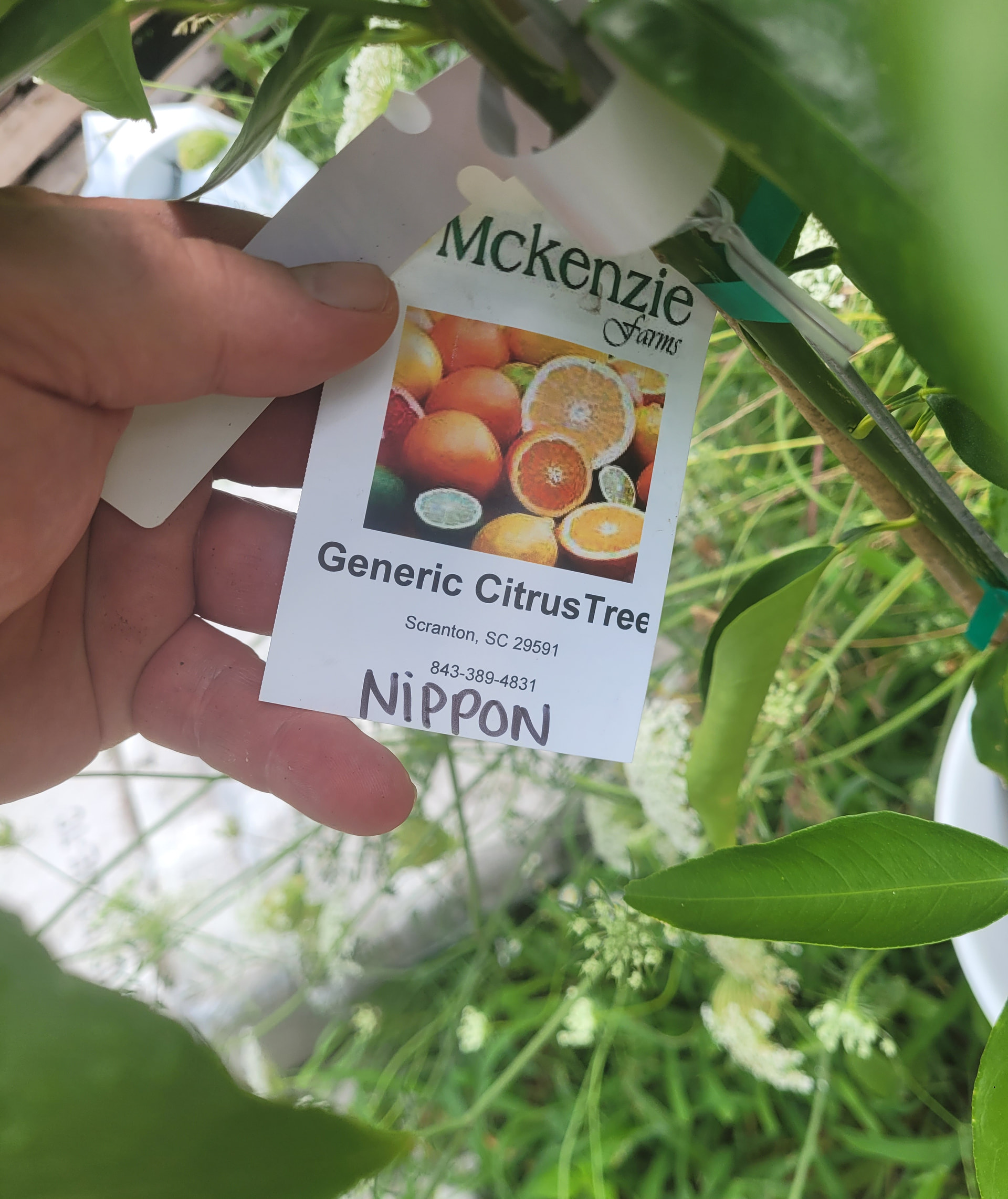
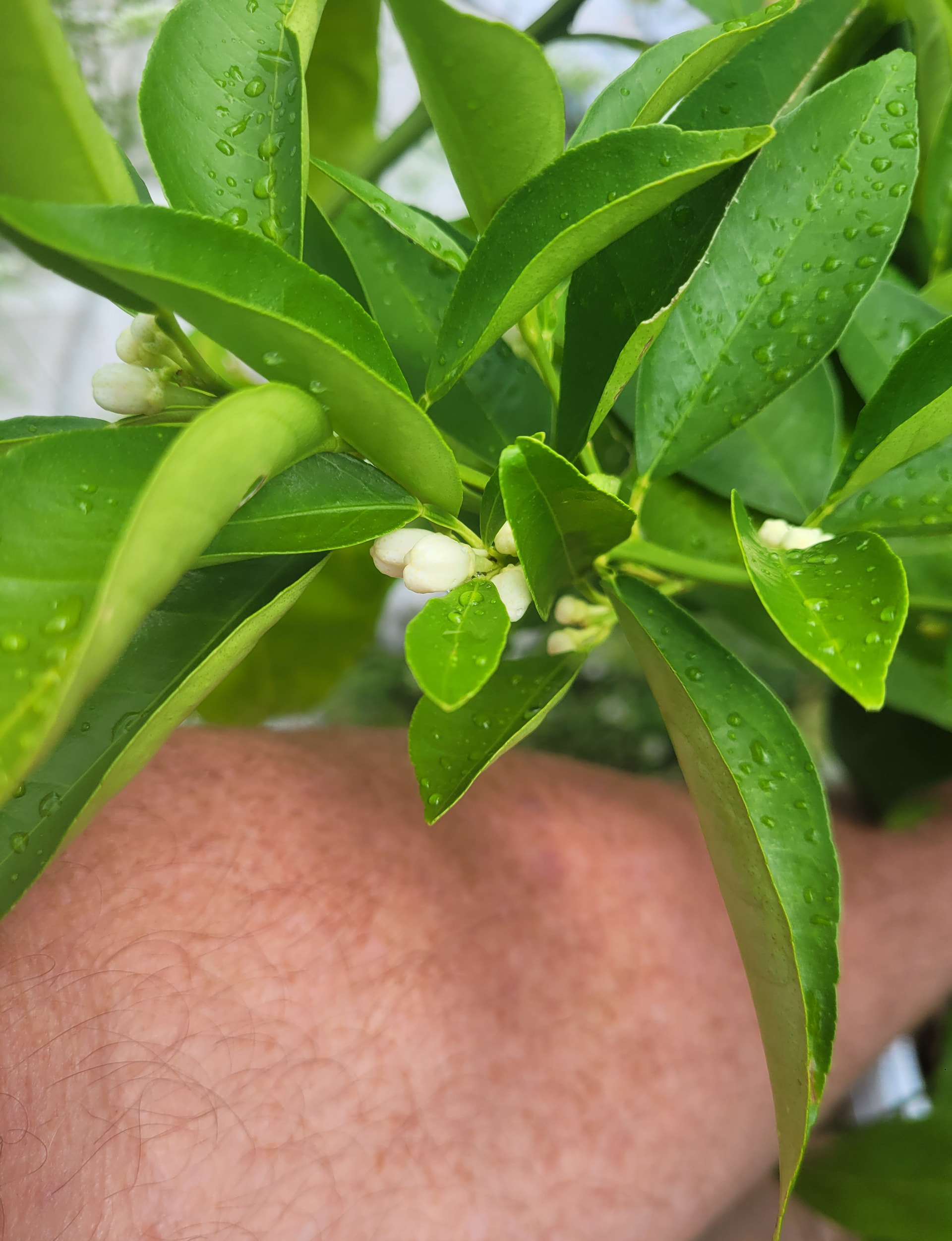
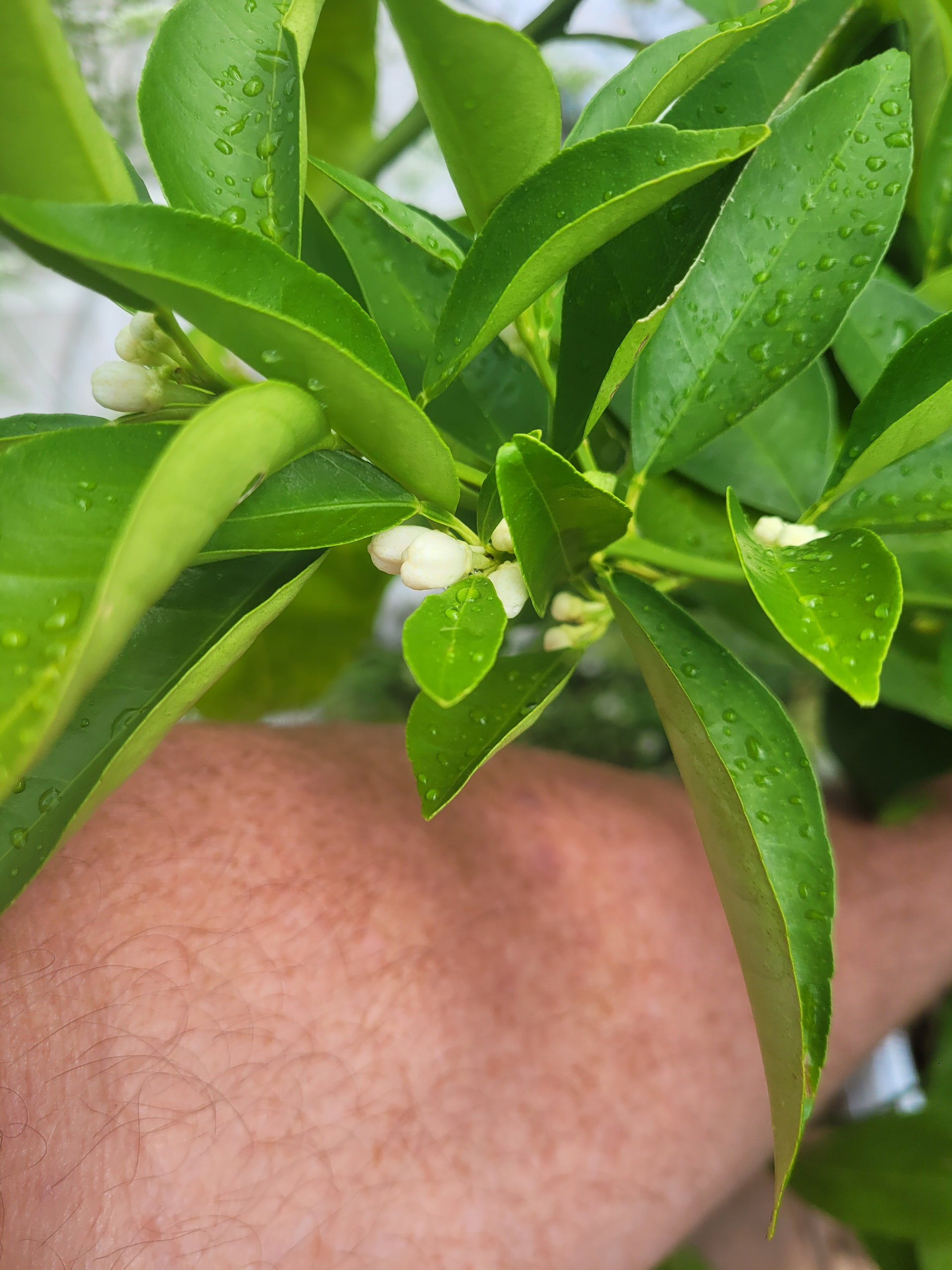
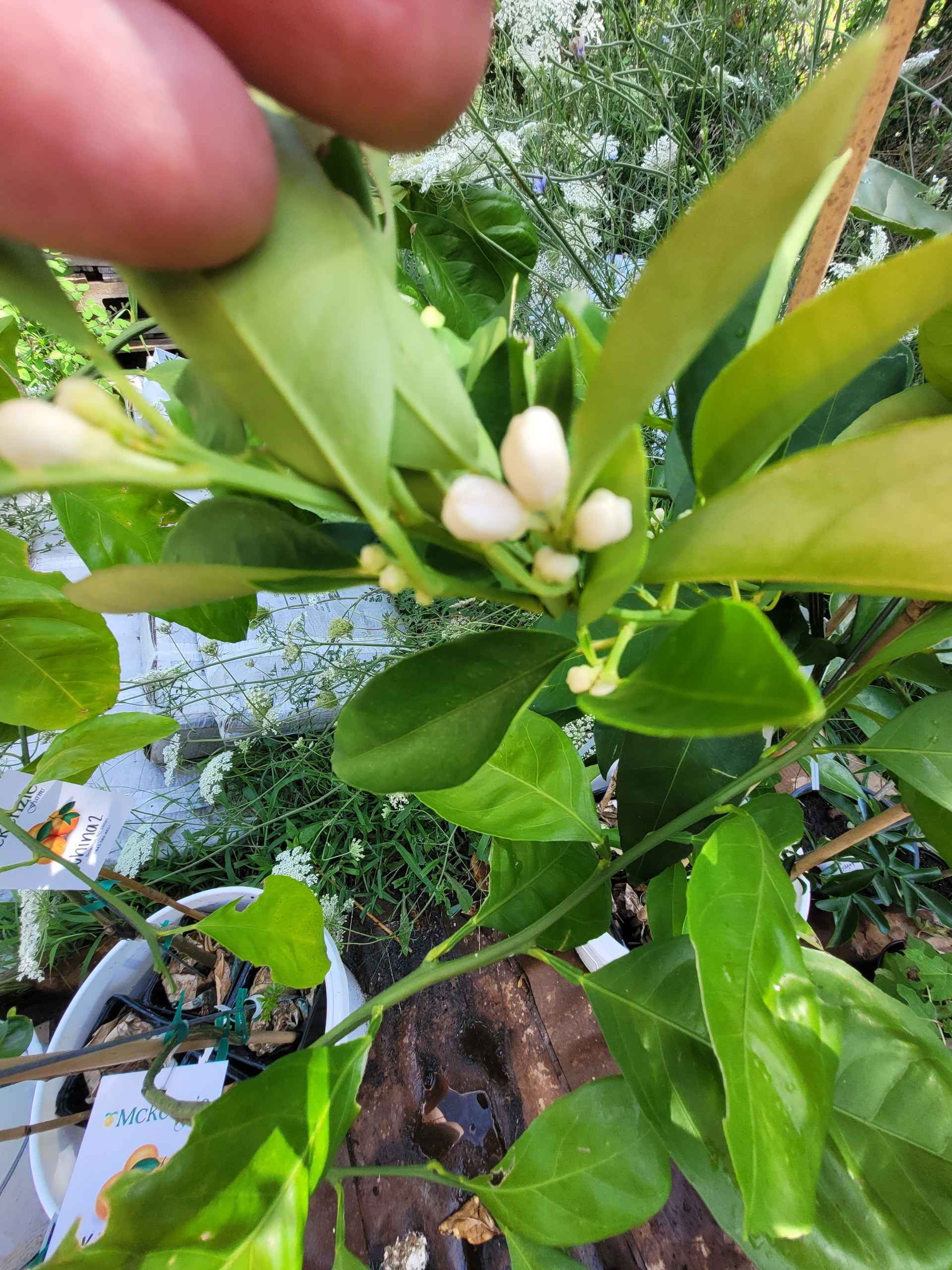
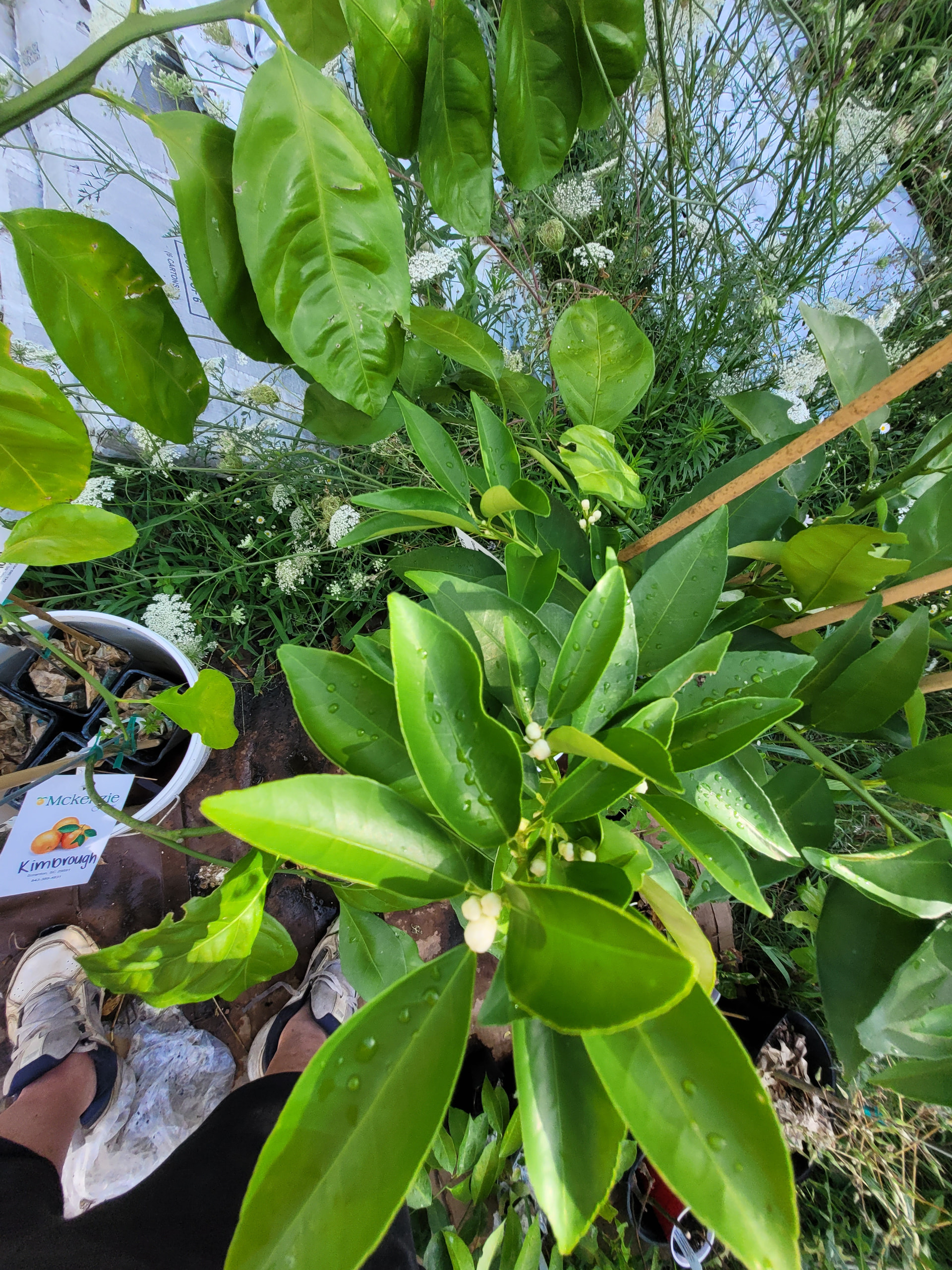
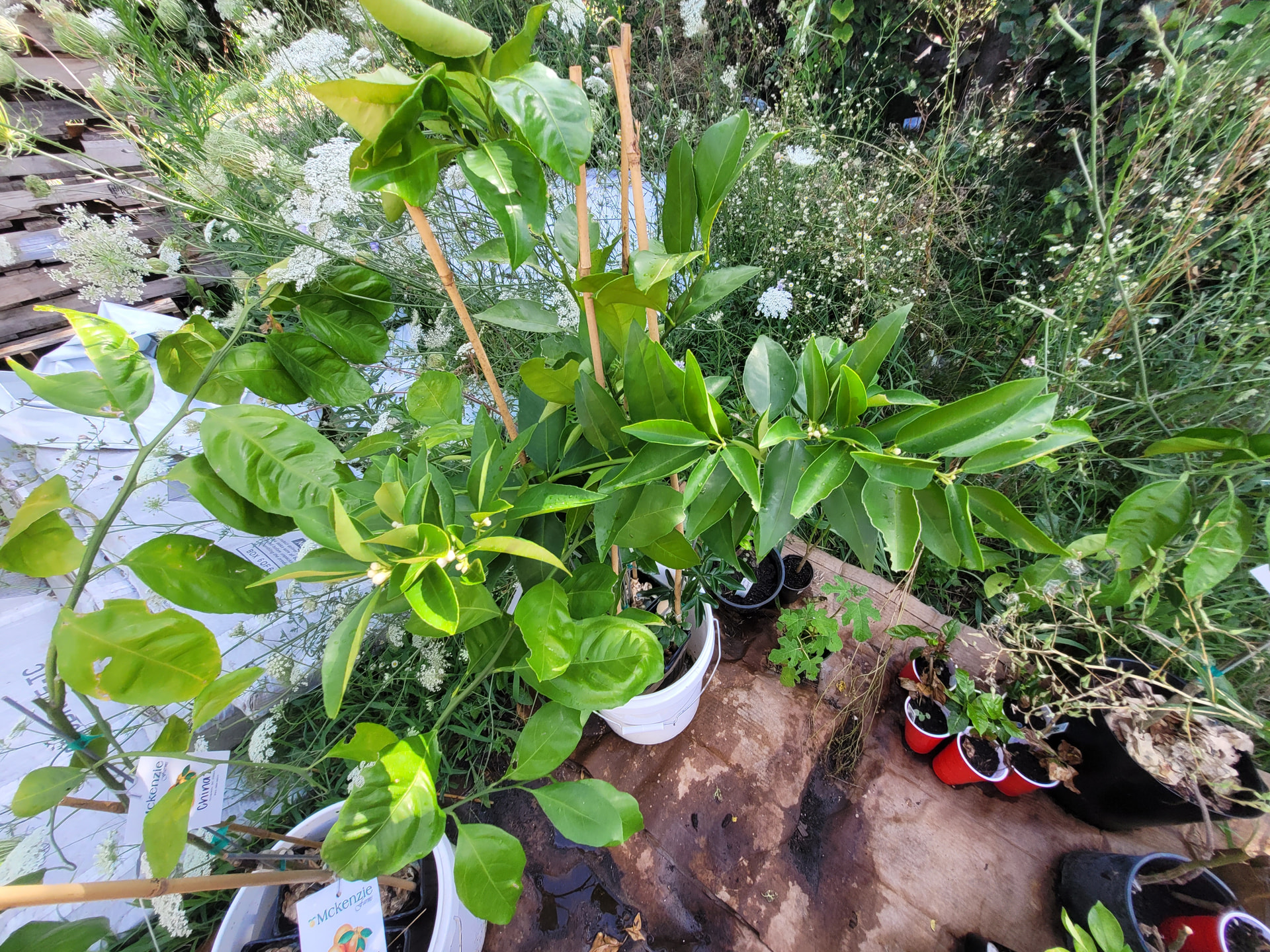
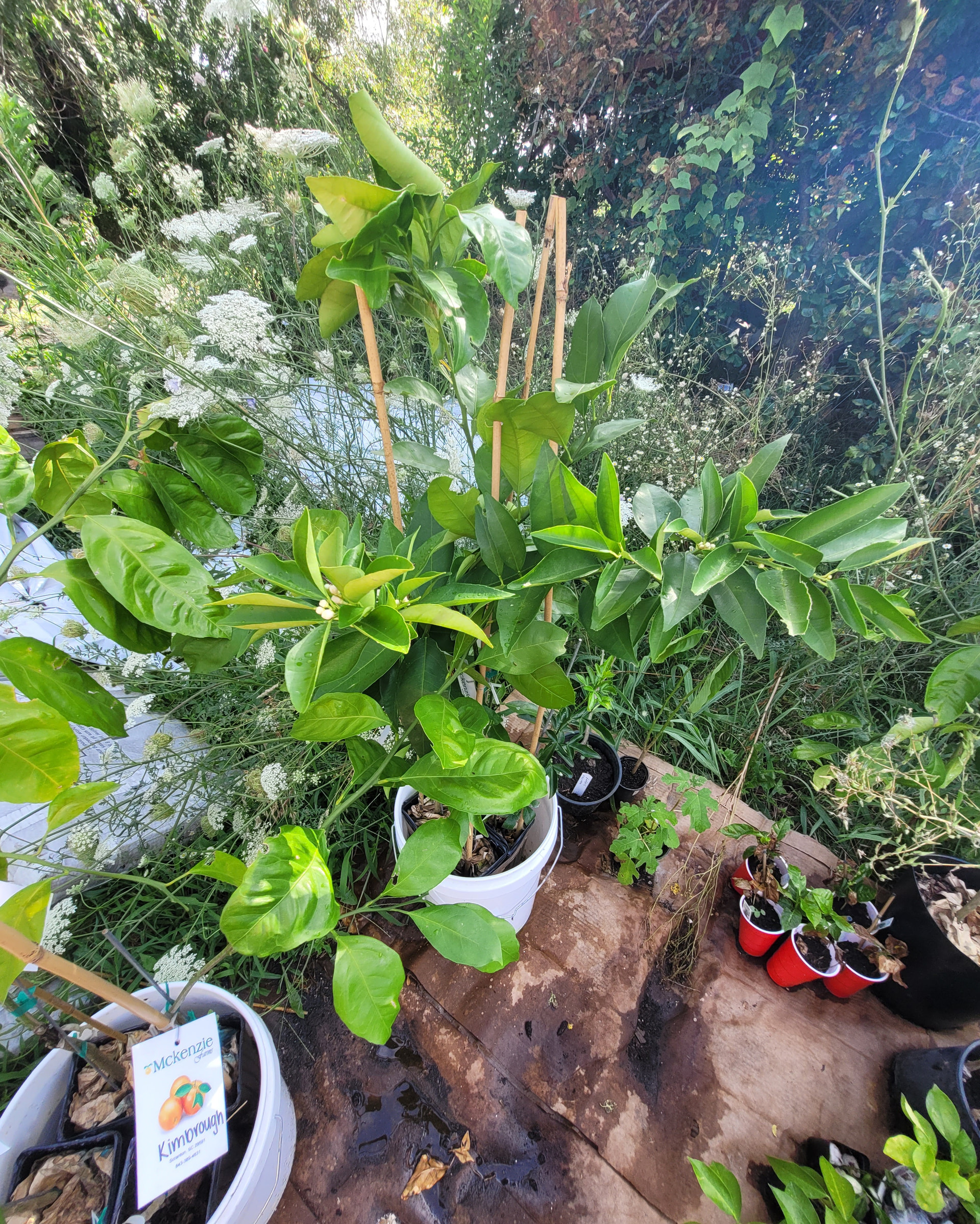
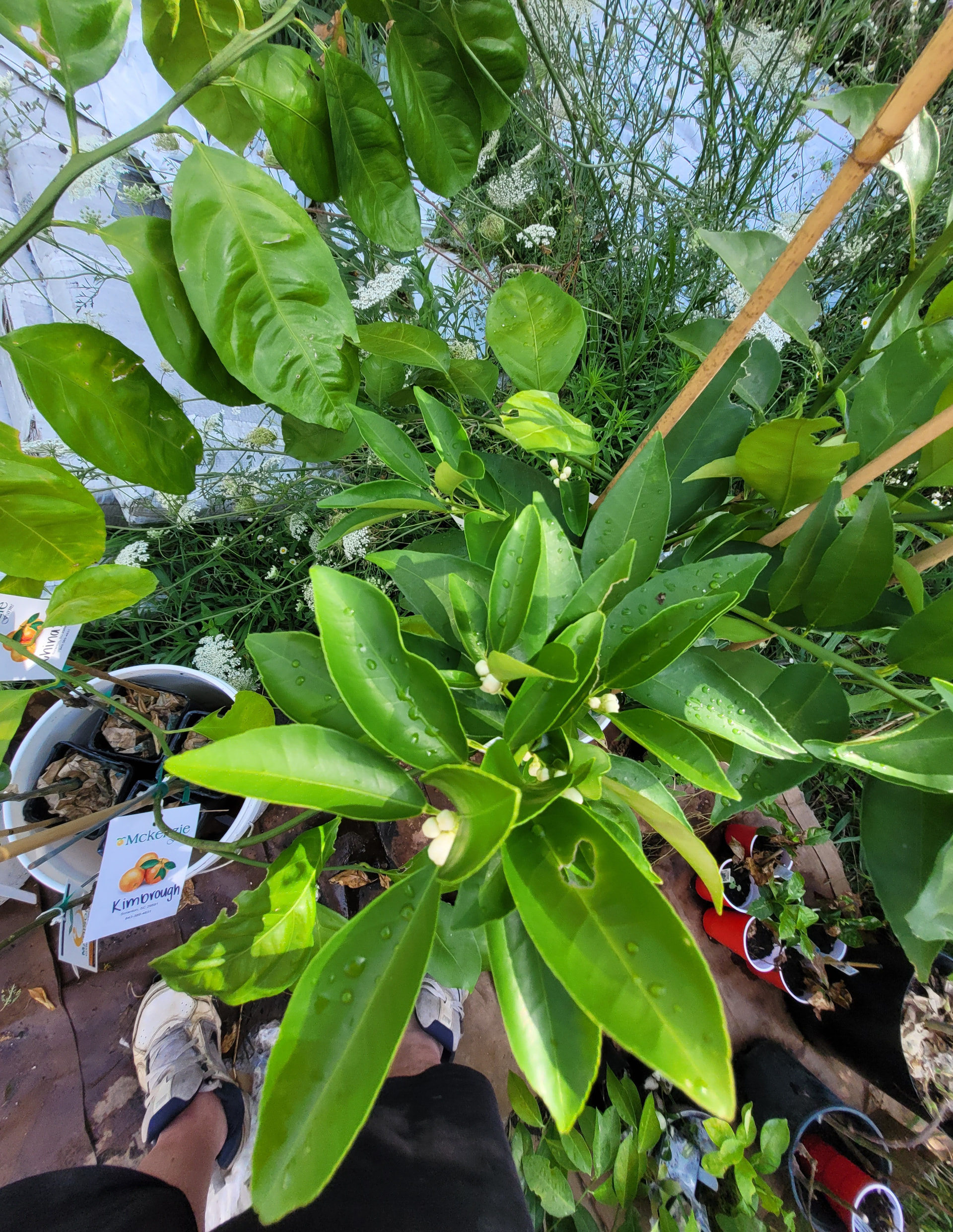
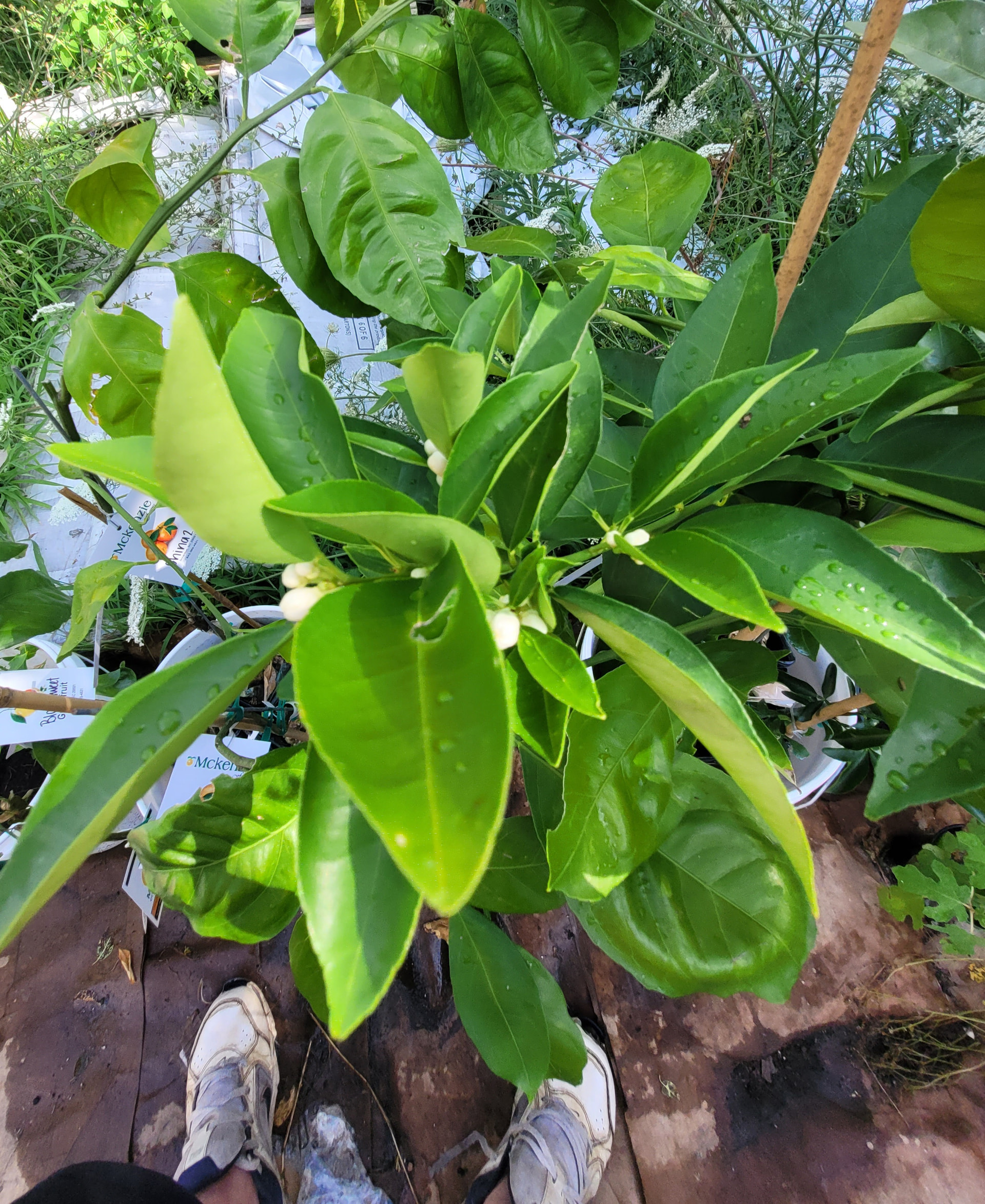
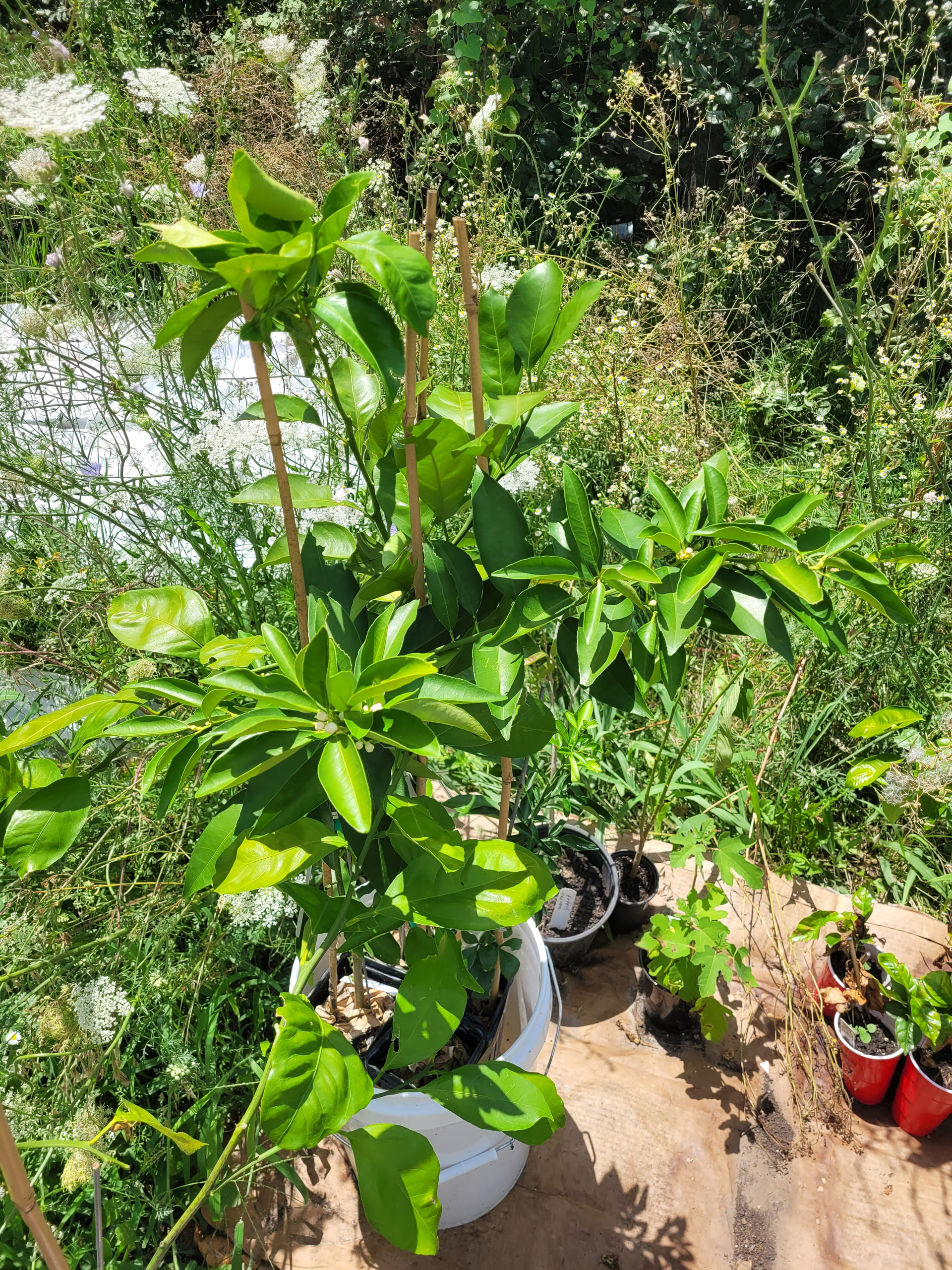
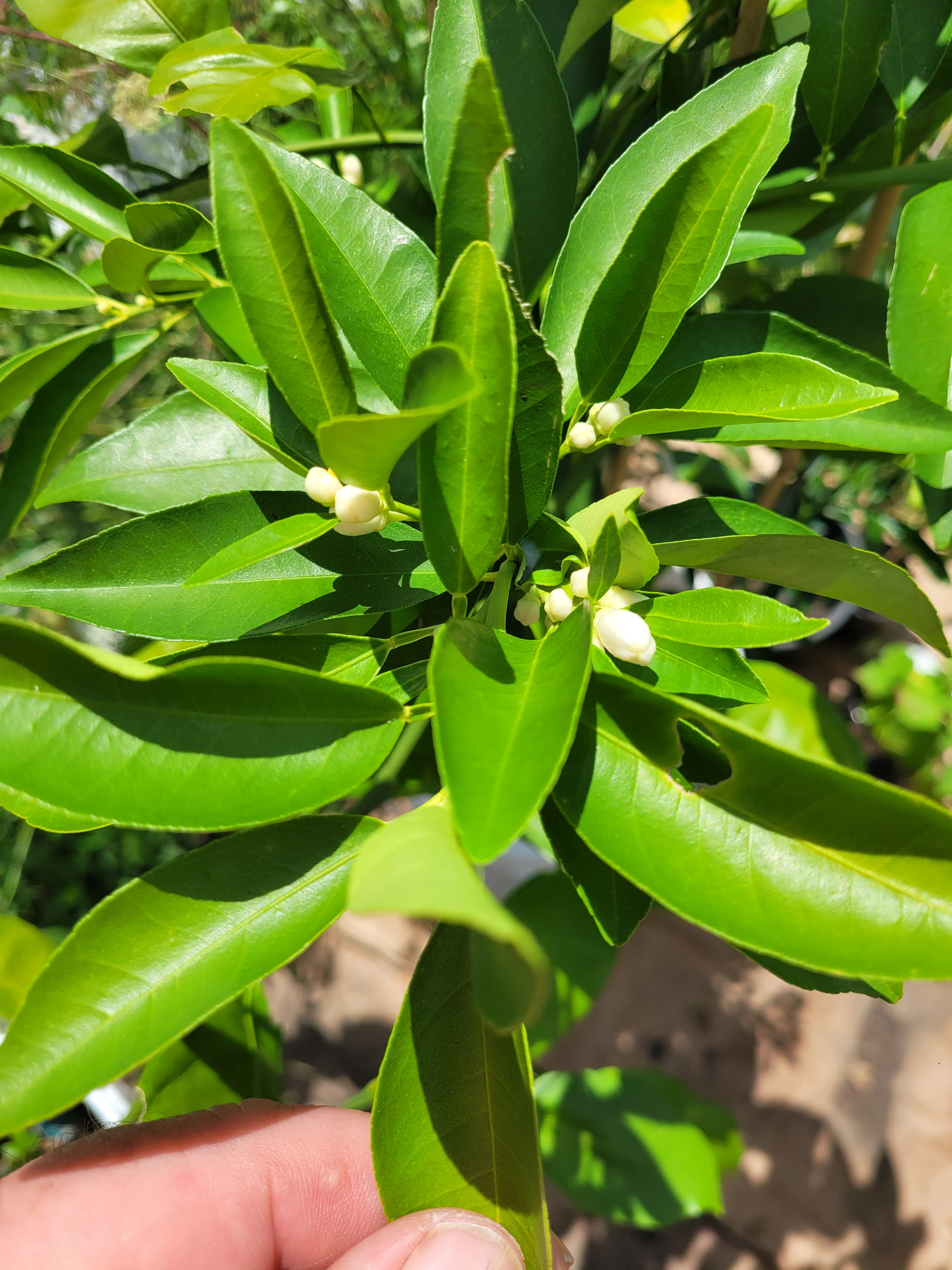
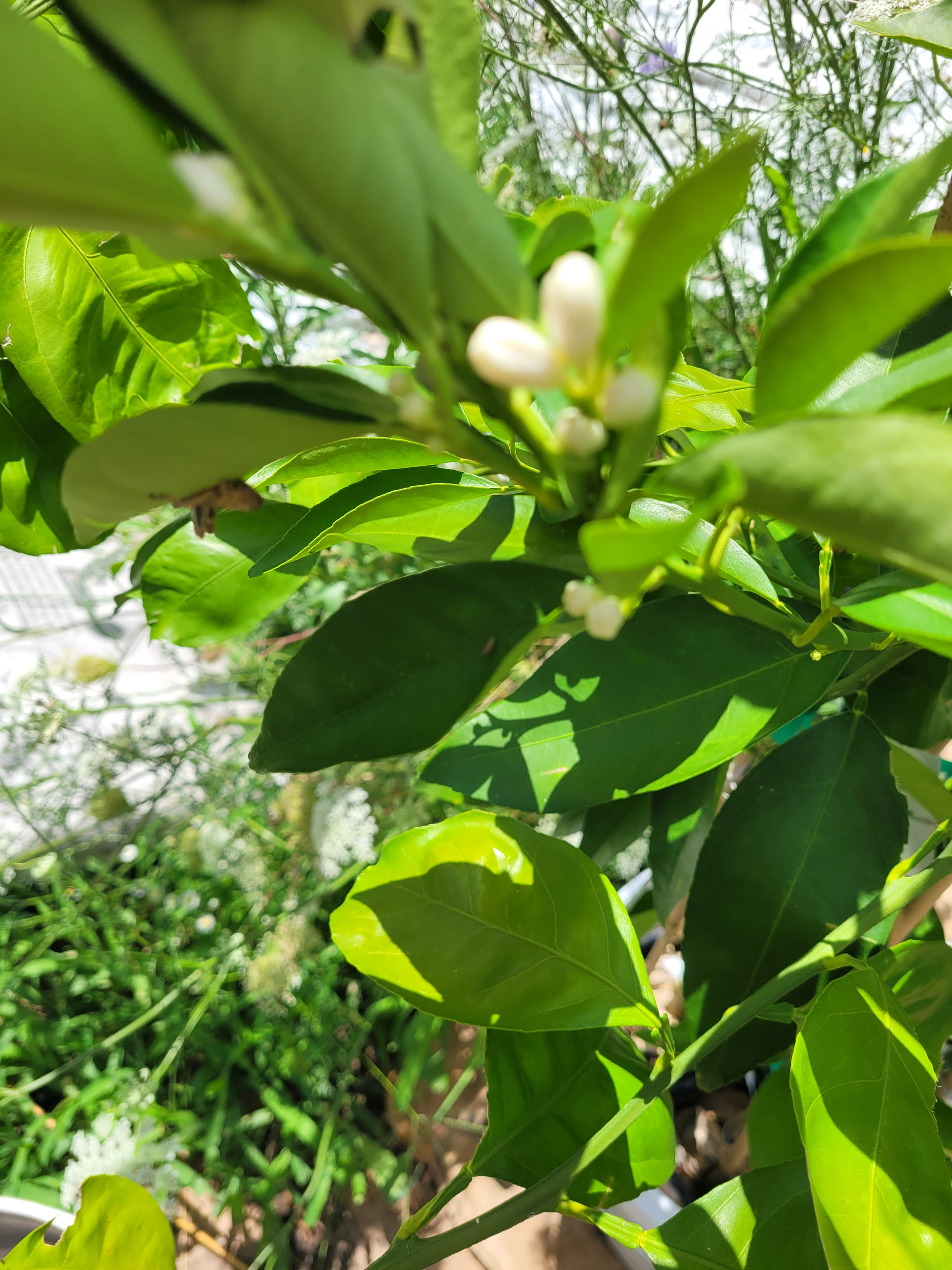
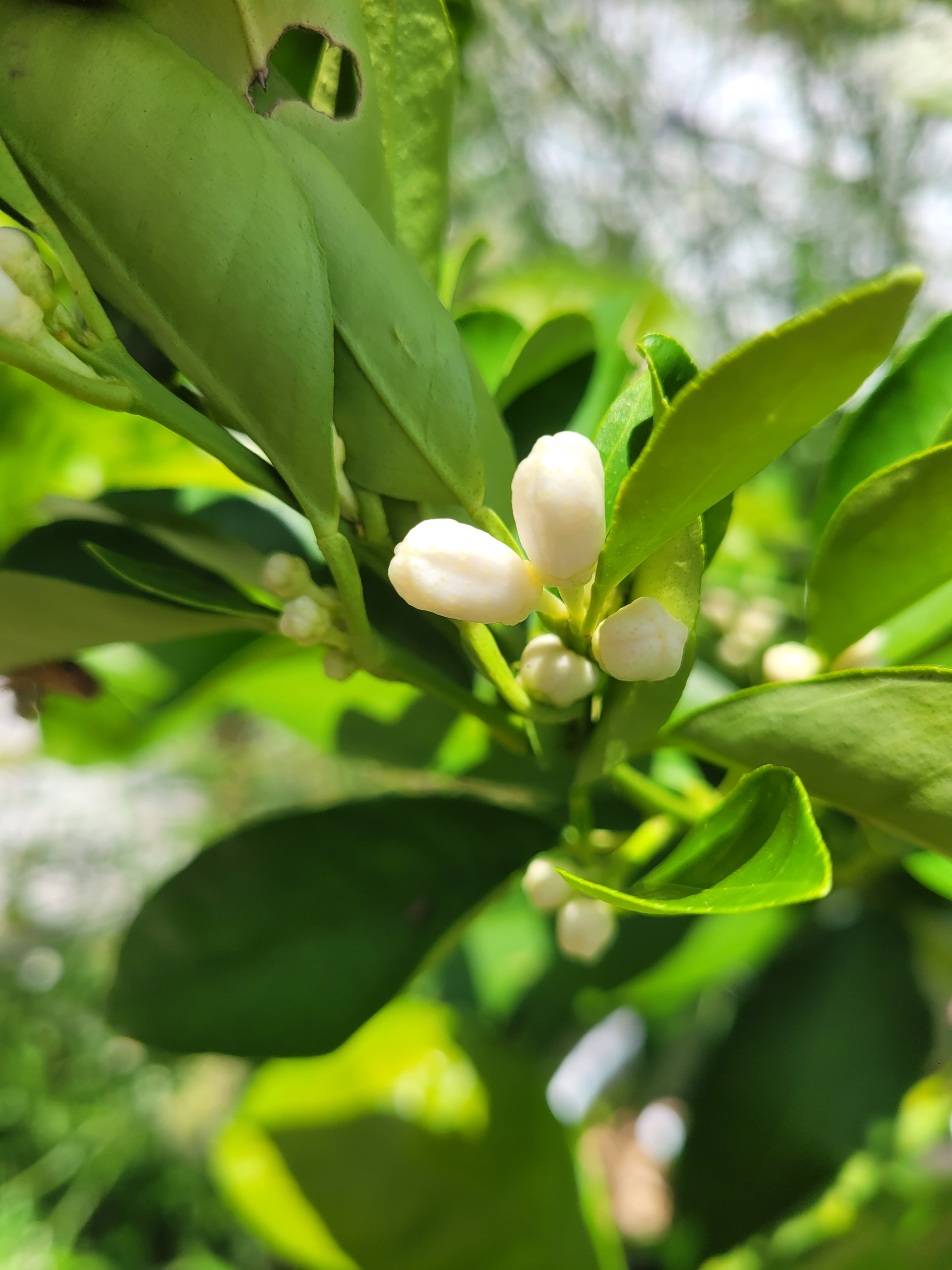
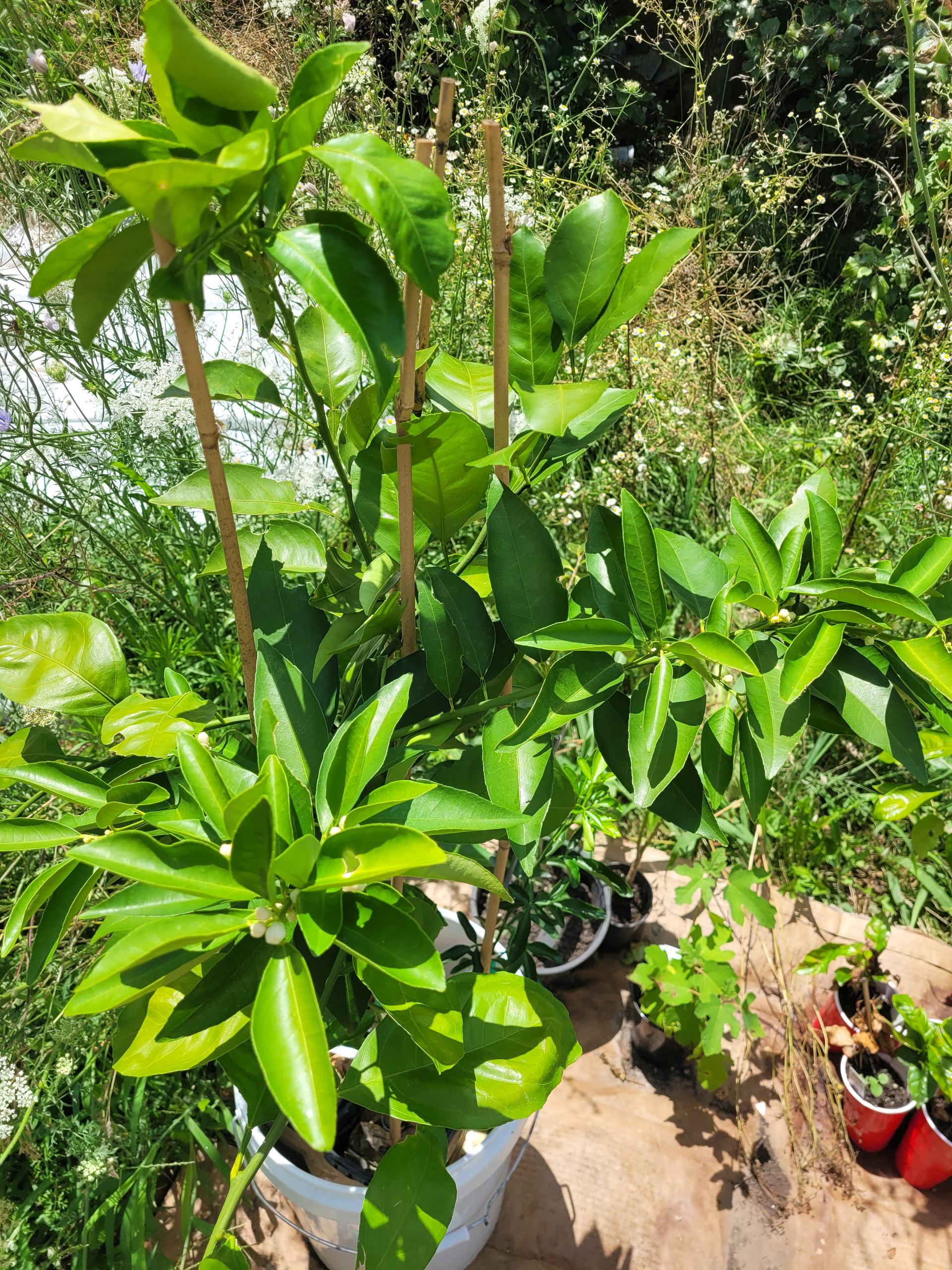
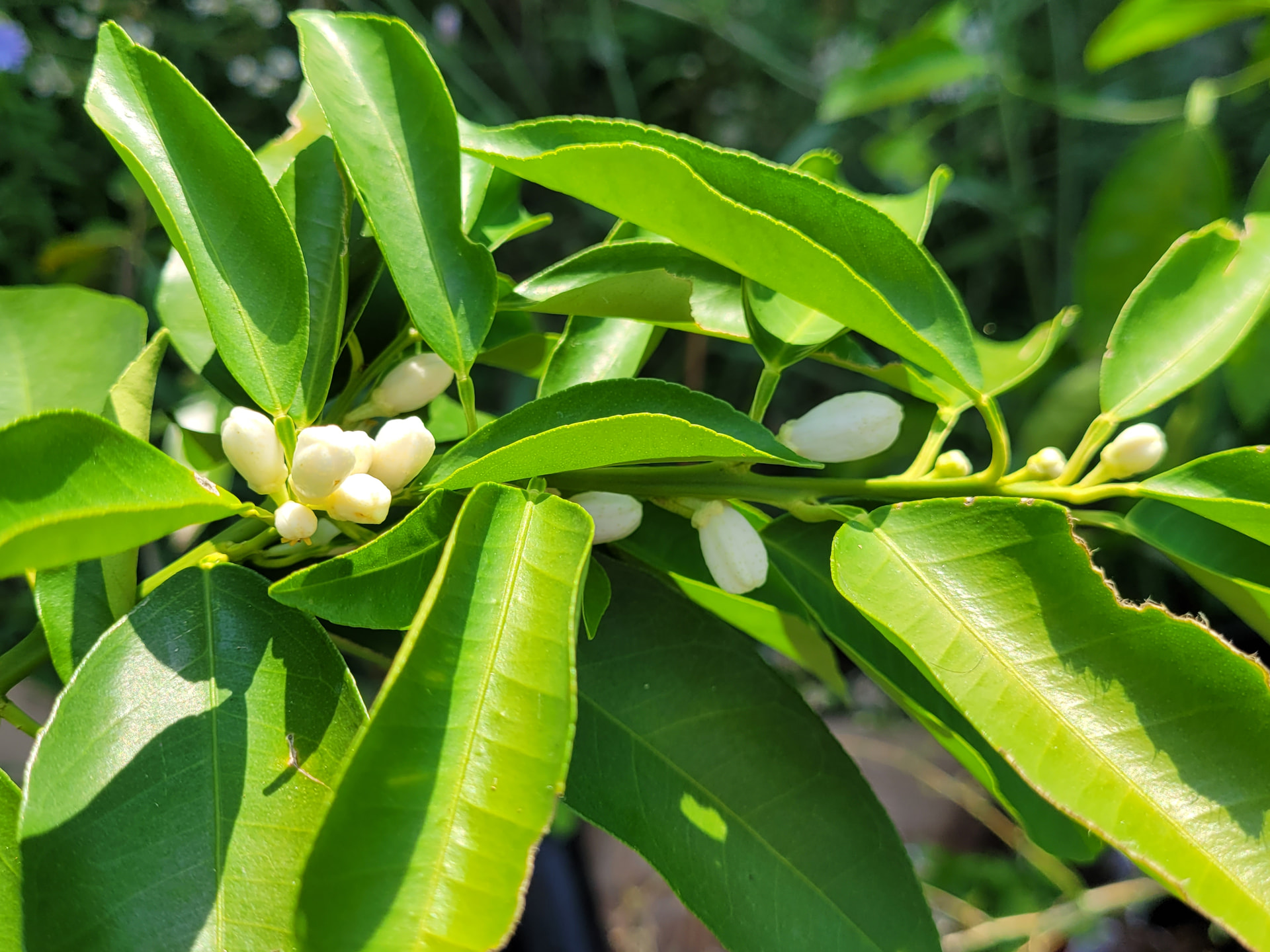
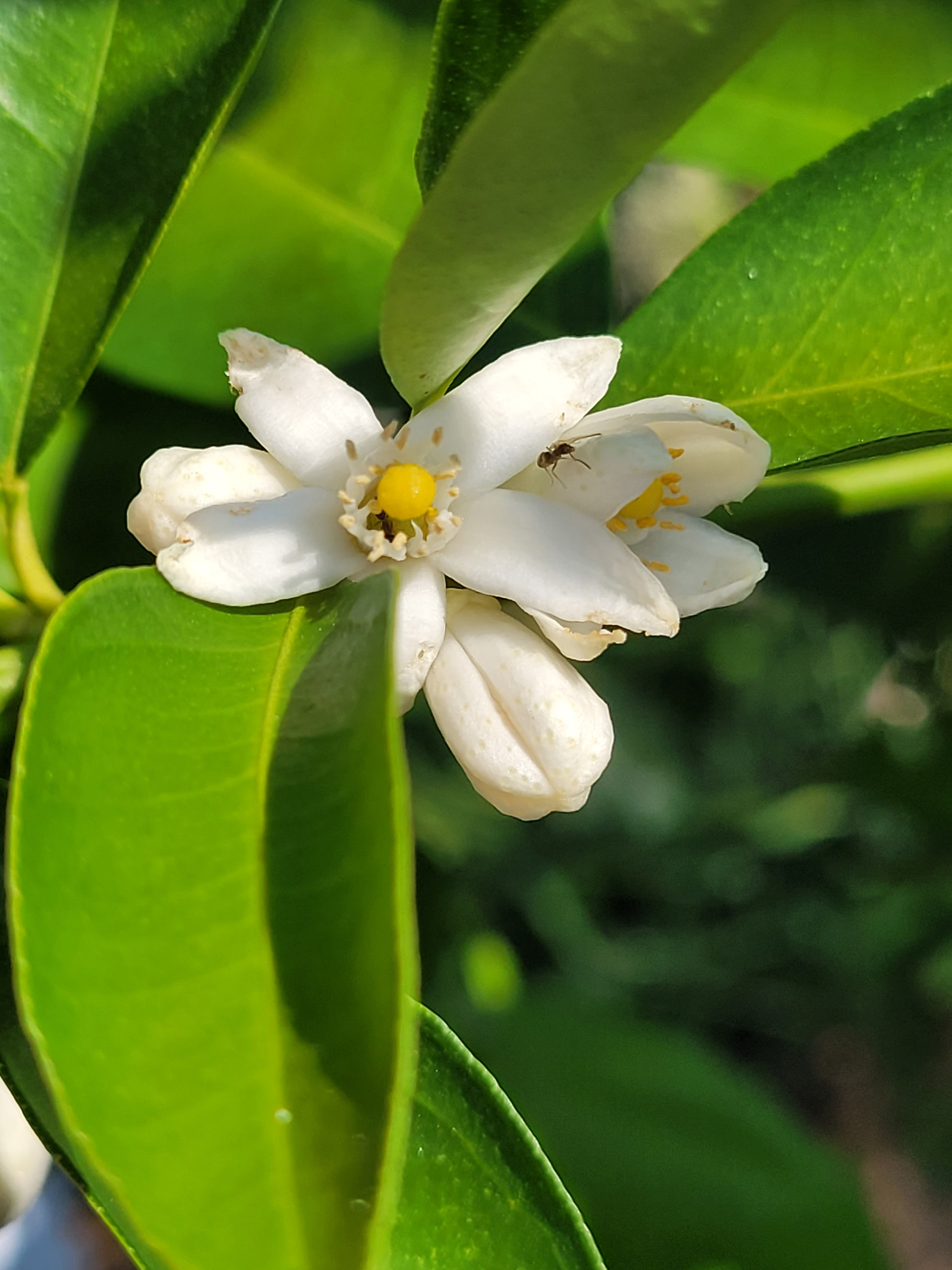
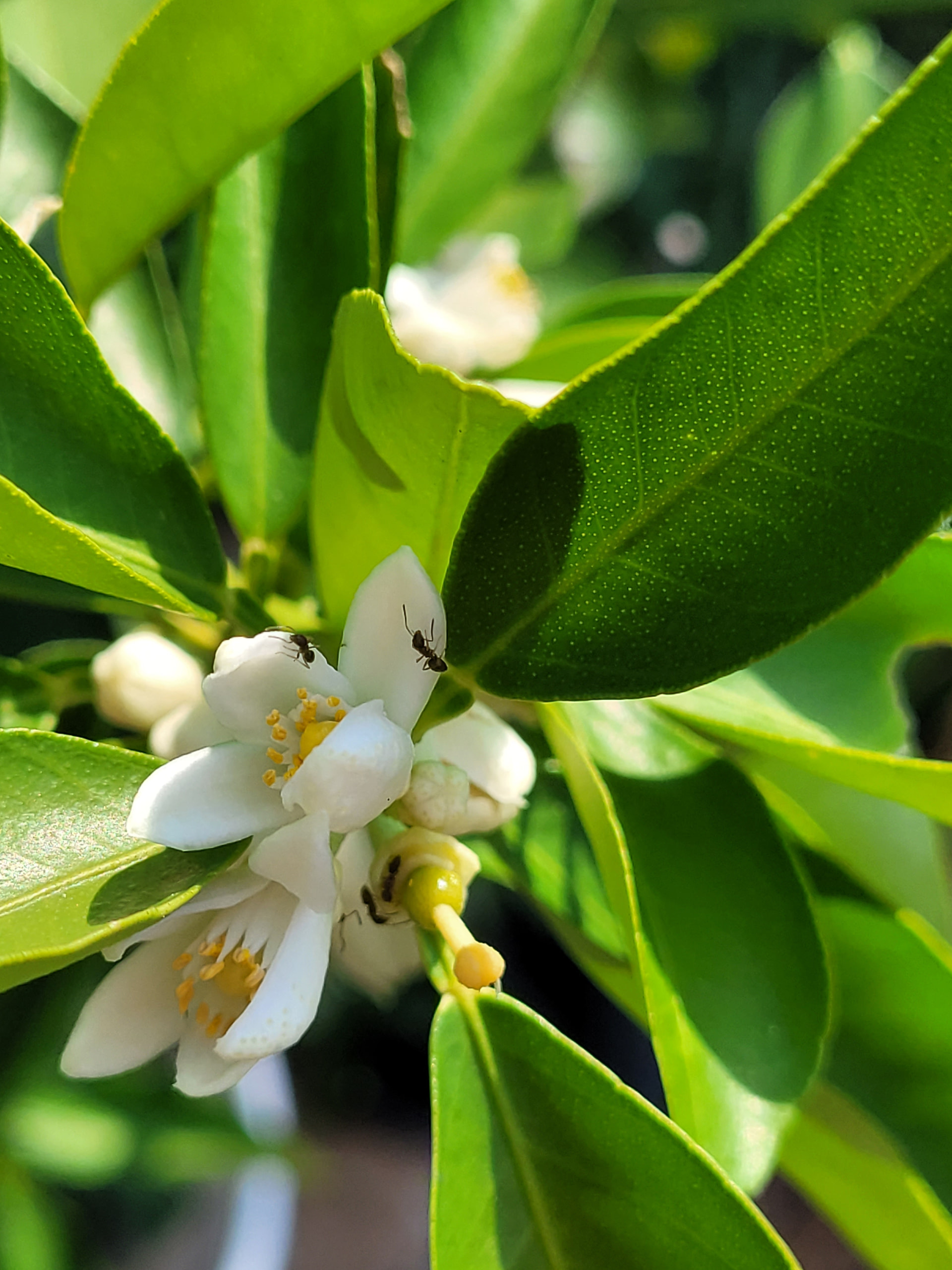
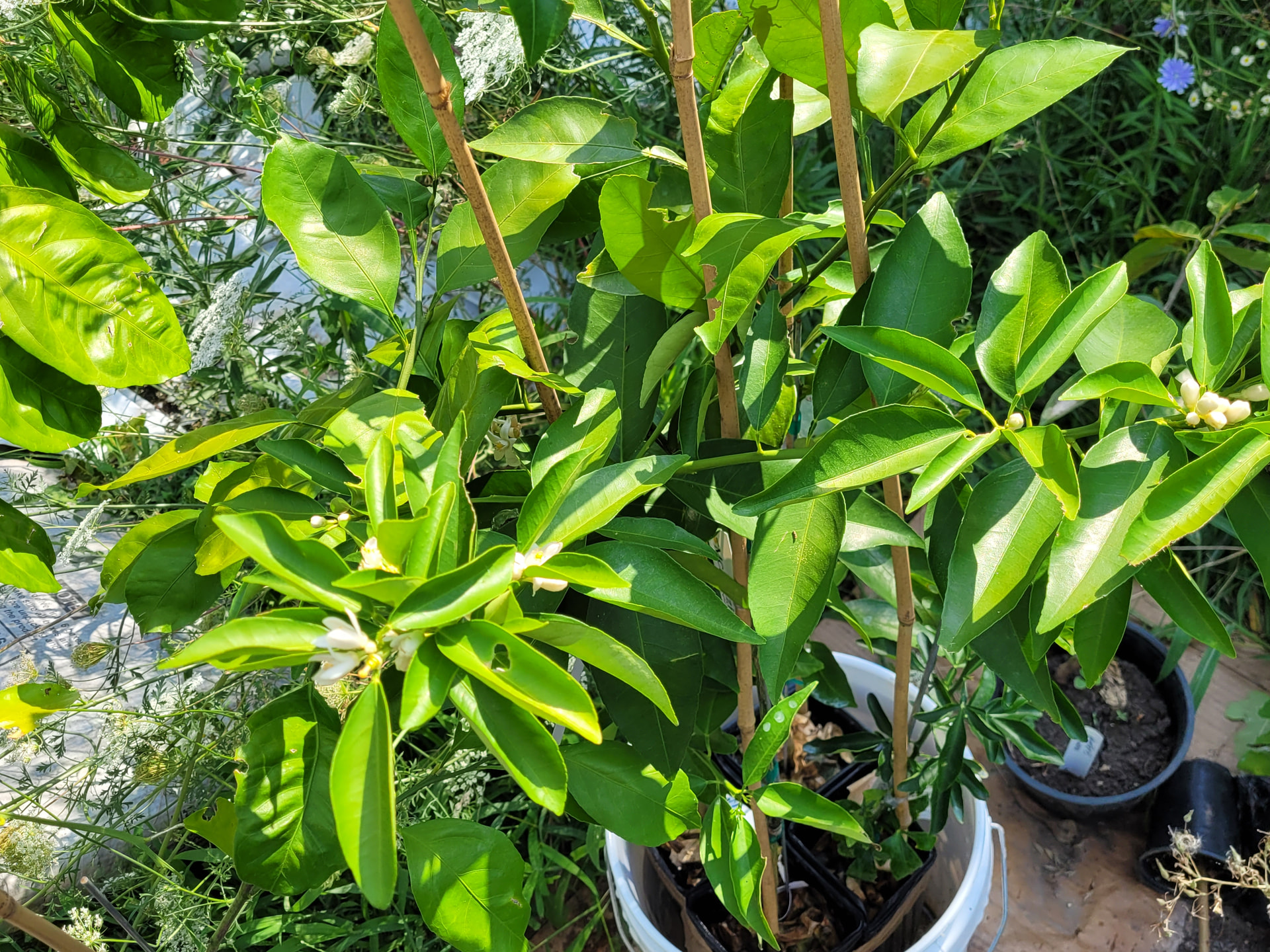
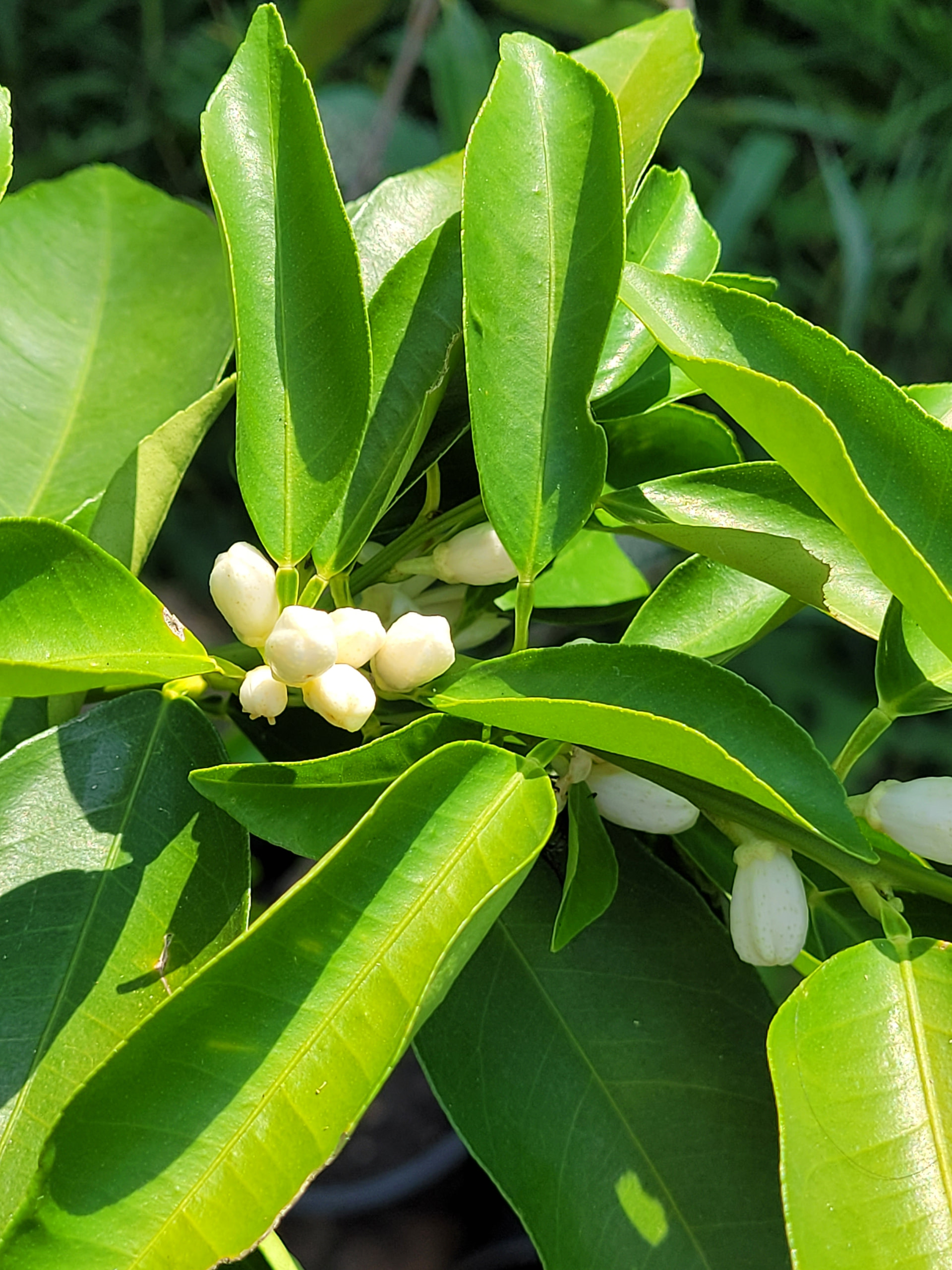
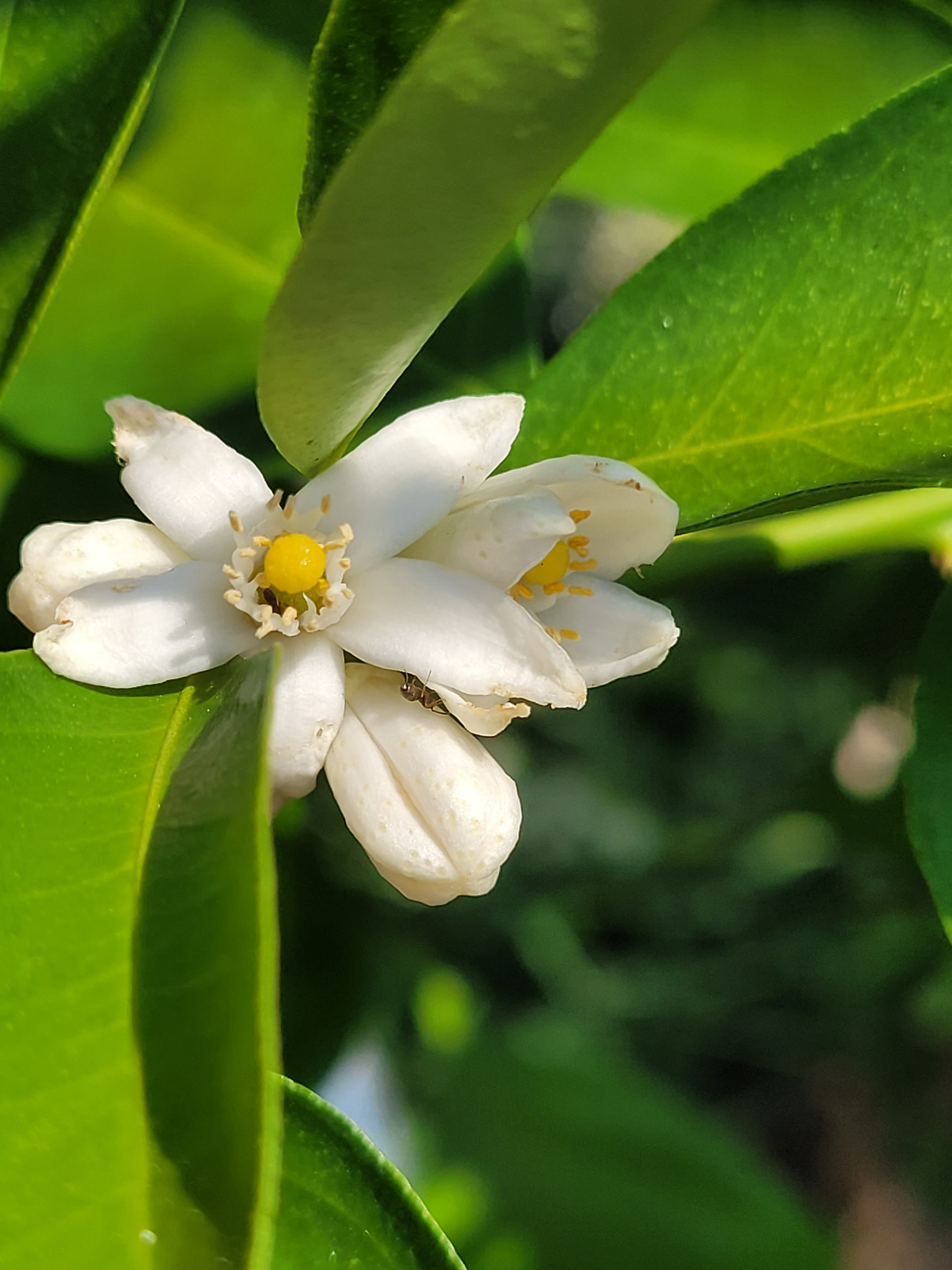
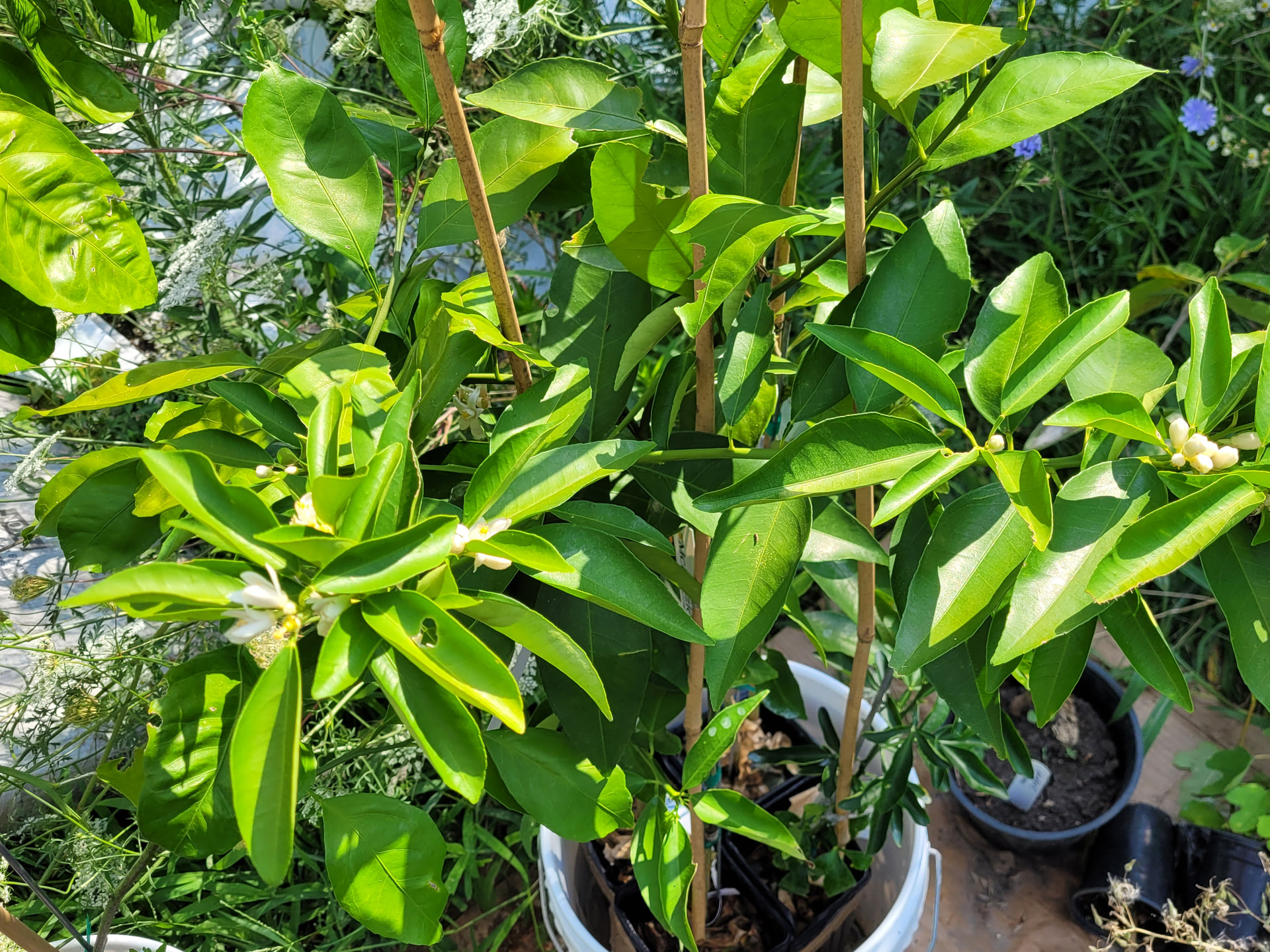
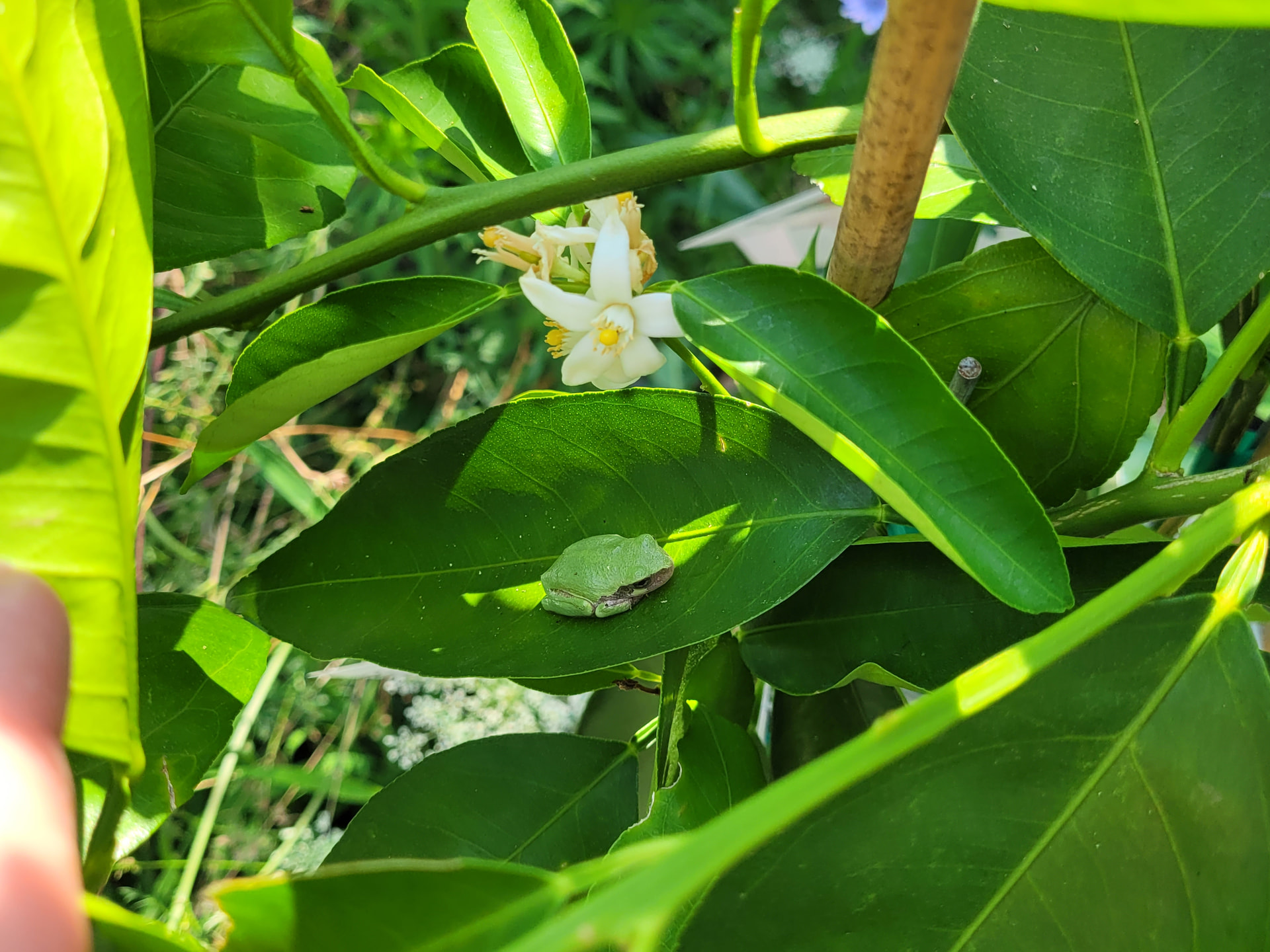
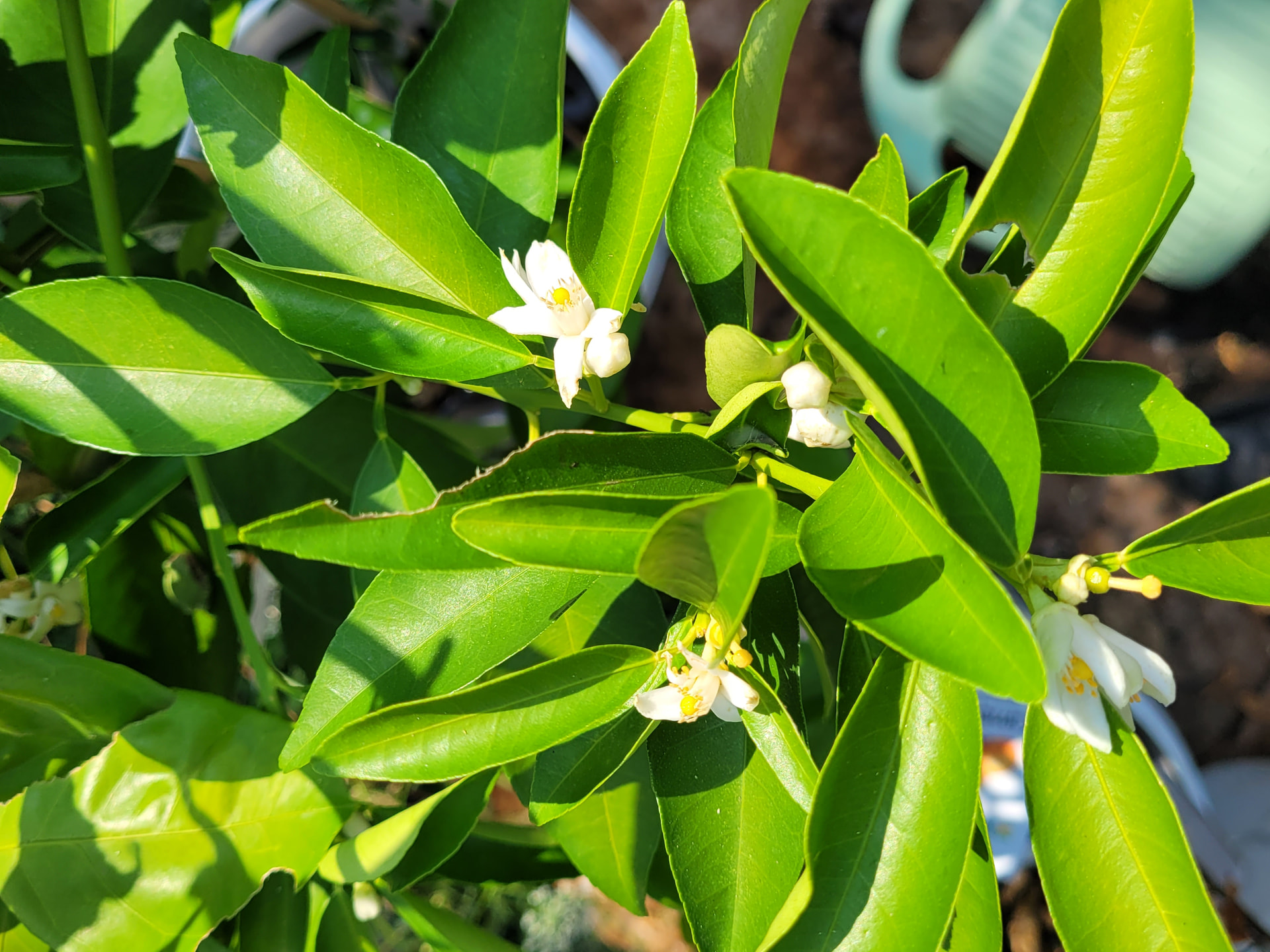
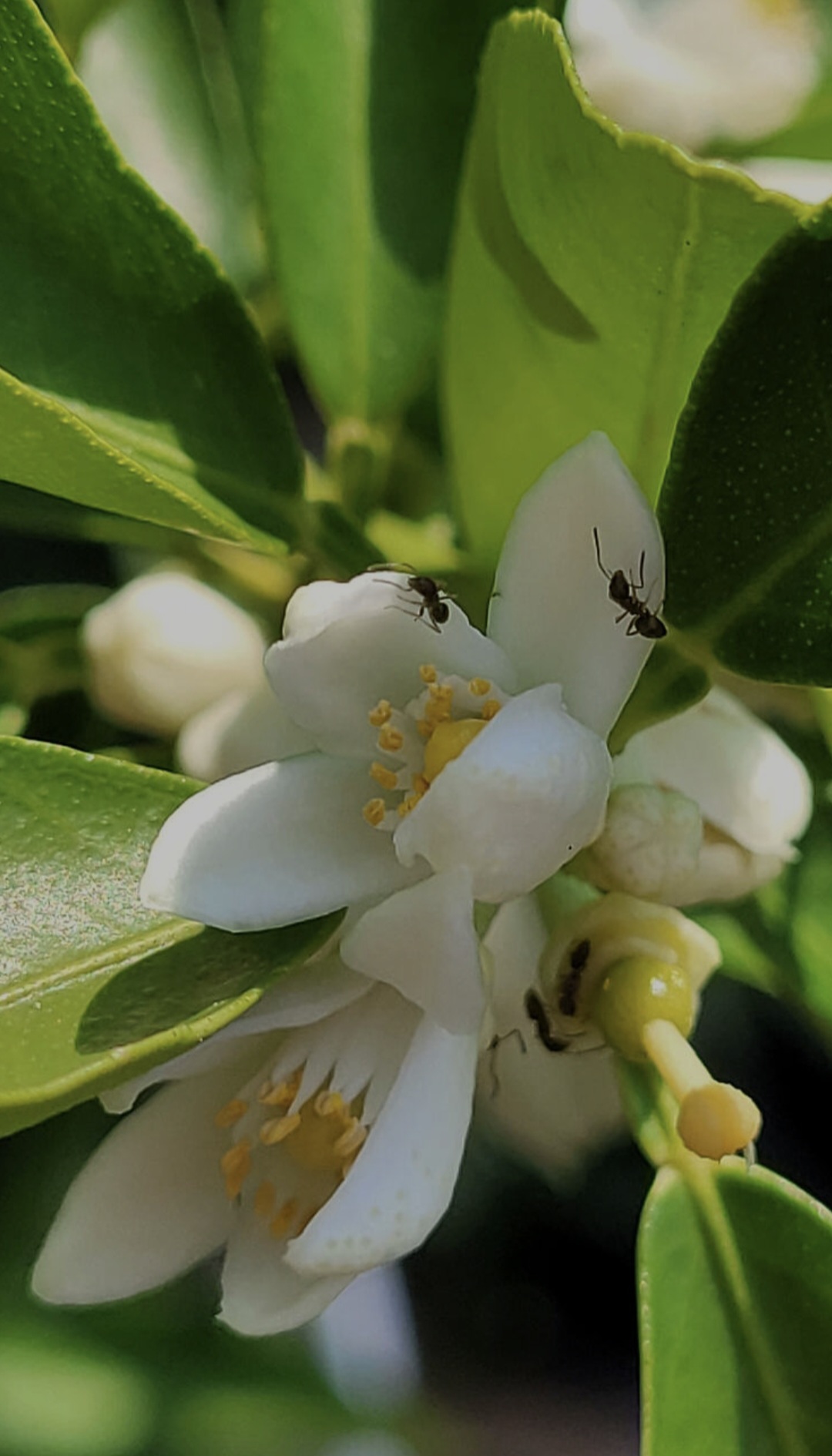
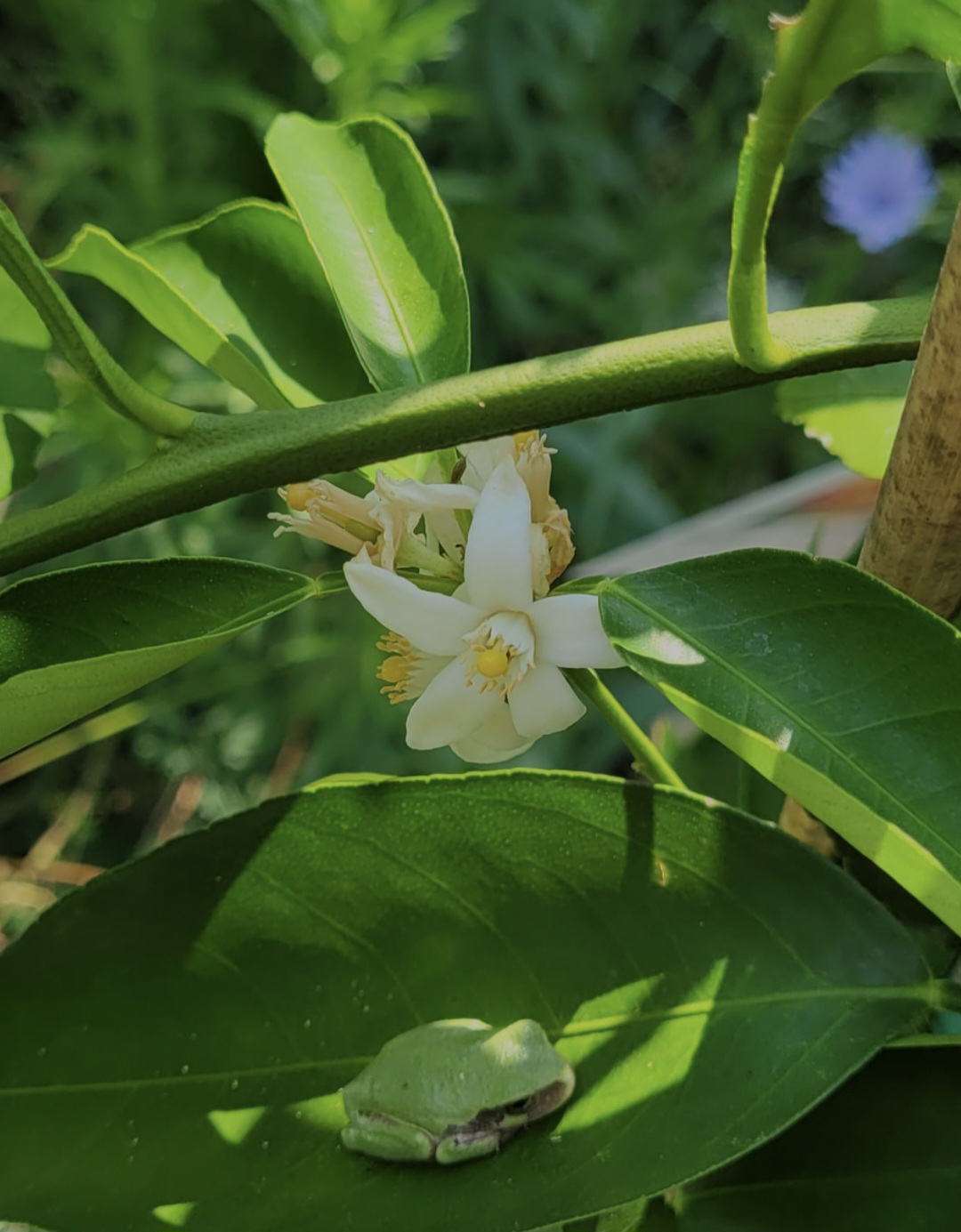
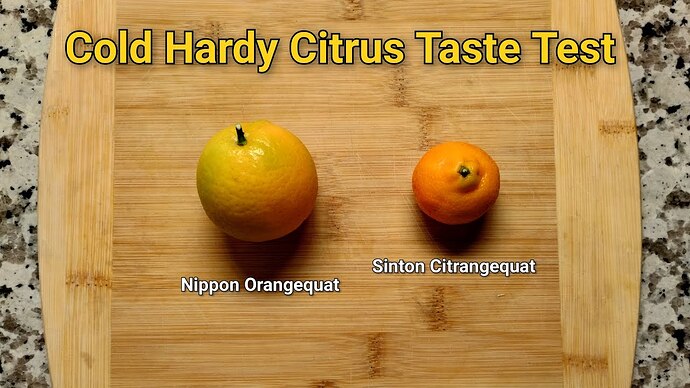
Little hard work leads to citrus blooms! Stan did a good job on growing very healthy trees . Mckenzie Farms sent me this nippon a month or two ago. The trees just needed some TLC to get them blooming! Nippon Orangequat Tree is raring to go! https://mckenzie-farms.com/
“Nippon Orangequat Tree, the Rare Citrus Fusion That Thrills Collectors
December 15, 2025
Share
Some citrus trees become famous for their massive, juicy fruit. Others win hearts with their perfect sweet flavor. But then there’s the Nippon Orangequat Tree, a rare citrus hybrid that captivates collectors for an entirely different reason: it’s one of the most unusual citrus fusions ever created.
This small, ornamental tree produces tiny orange fruits that pack the complex flavor of both mandarin and kumquat into each bite. The Nippon Orangequat isn’t just rare because it’s hard to find. It’s rare because it represents something special in citrus breeding history.
Most people have never heard of this tree. Even fewer have tasted its unique fruit. But for serious citrus collectors and those who love growing unusual varieties, the Nippon Orangequat offers something you simply cannot get from any other citrus tree..
Key Takeaways
-
The Nippon Orangequat is a hybrid cross between Satsuma mandarin and Meiwa kumquat, creating a truly unique flavor profile
-
This slow-growing, compact tree produces small orange fruits perfect for marmalade and ornamental display
-
Developed in Washington DC in the early 1900s, it represents an important piece of American citrus breeding history
-
The fruit ripens early but holds well on the tree for several months, extending the harvest window
-
While too sour for fresh eating, the fruits make exceptional preserves and add visual appeal to any garden
-
This collector’s variety thrives in containers with proper mineral-based soil, live microbes, and complete organic fertilizer
-
The tree’s compact size and attractive dark green foliage make it ideal for small spaces and ornamental plantings
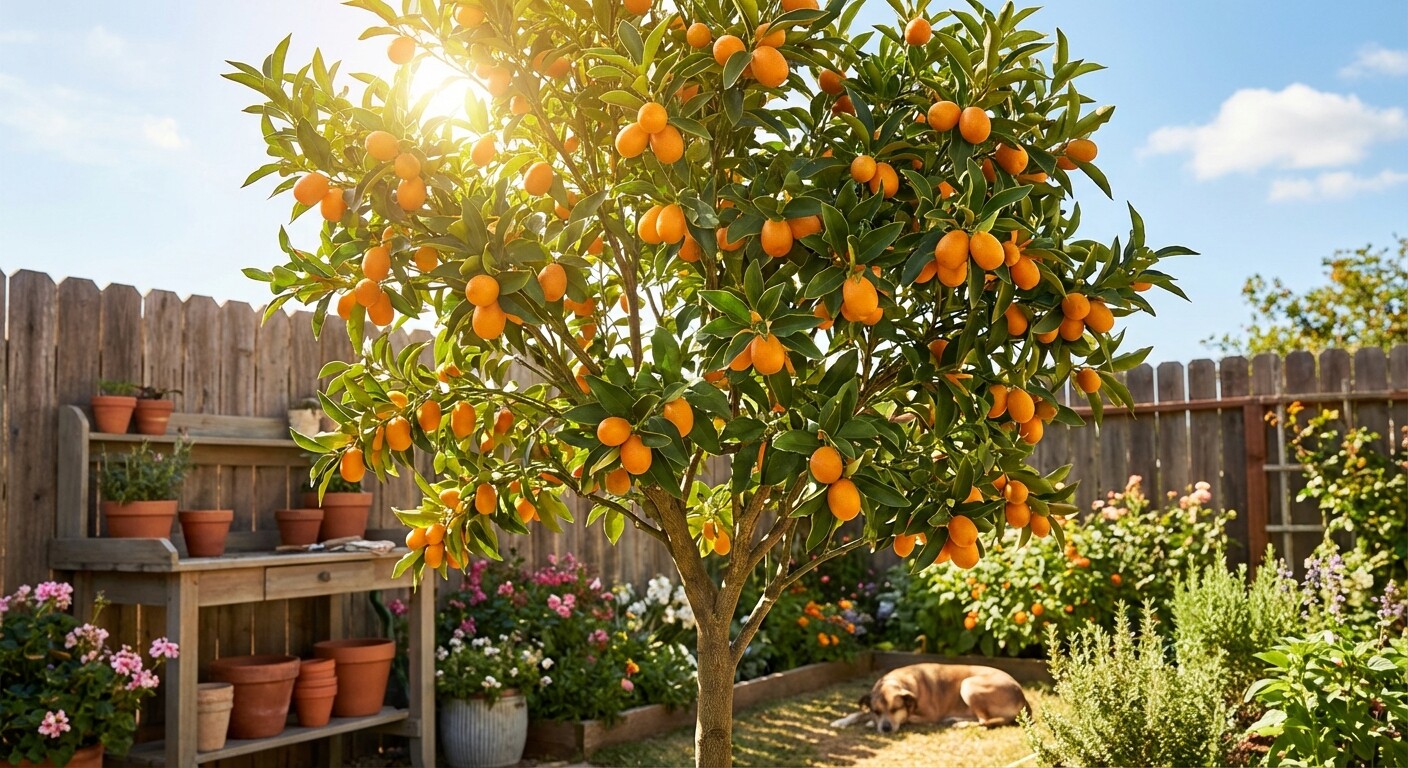
Nippon Orangequat Tree growing in a backyard garden with ripe nippon orangequat fruit
What Makes the Nippon Orangequat Special?
The Nippon Orangequat stands apart in the citrus world because it’s not trying to be the biggest, sweetest, or most productive tree. Instead, it offers something more valuable to collectors: genuine rarity combined with fascinating genetics.
This tree produces small, broadly oval fruits that are larger than kumquats but smaller than most oranges. The orange-colored skin is relatively thick and spongy, while the flesh inside delivers a complex flavor that’s both mild and acidic. It’s this unique combination that makes the Nippon Orangequat a true collector’s item.
What really sets this tree apart is its parentage. The cross between Satsuma mandarin and Meiwa kumquat created something entirely new in the citrus world. You get the best characteristics of both parents: the mandarin’s attractive color and size, combined with the kumquat’s ability to be eaten whole and processed into preserves.
Ancient Origins: How Did This Hybrid Come to Exist?
The story of the Nippon Orangequat begins in the early 1900s with ambitious citrus breeders who wanted to create something the world had never seen. Unlike ancient citrus varieties that evolved naturally over thousands of years, this hybrid was deliberately created through careful cross-pollination.
The parent varieties tell an interesting story. Satsuma mandarins originated in Japan and were prized for their sweet, easy-to-peel segments. Meiwa kumquats, also from Asia, brought their unique characteristic of edible skin and intense flavor. When breeders crossed these two varieties, they were hoping to combine the best of both worlds.
The original work was done by USDA researchers who were part of a larger effort to create new citrus varieties for American growers. This was during a time when plant breeders were experimenting with all kinds of citrus crosses, trying to develop varieties that could expand citrus growing into new climates and markets.
According to research documented in the UCR Citrus Variety Collection, the Nippon Orangequat was originally developed in Washington DC, though the exact details of its creation remain somewhat mysterious. What we do know is that this hybrid represents the innovative spirit of early American citrus breeding programs.”