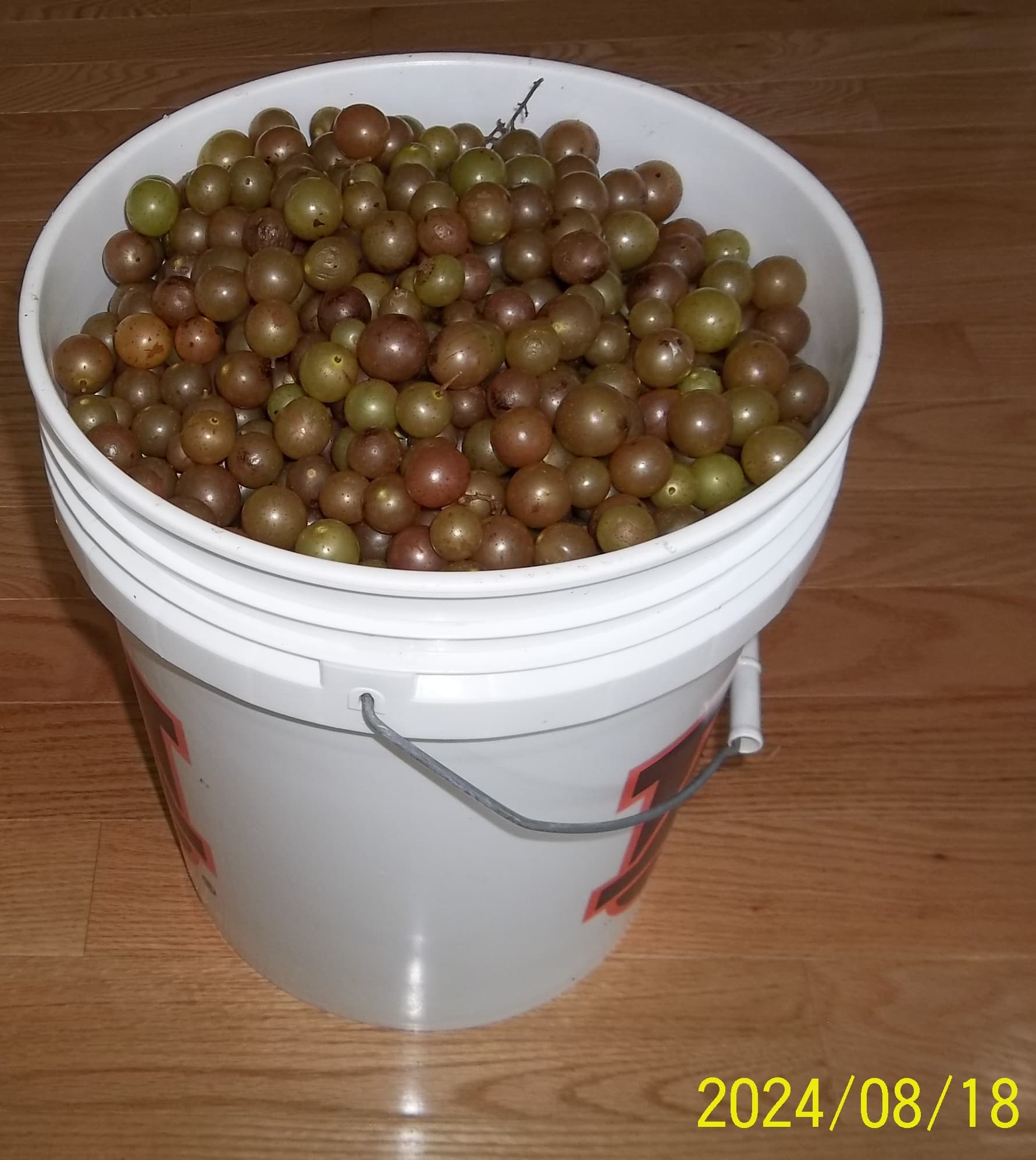
Last Oh My picture for 2024. Picked the last 5 gallons this morning.
6 Likes
I sometimes just estimate.
The reason I ask is because I do lime my stuff, but I sometimes forget when I last limed. I know that I should keep records but sometimes I neglect that. If I made it a habit to lime every year right after harvest, there would be no question.
You probably keep better records than I do.
1 Like
Better choice would be to do a soil test and lime according to recommendations. Also, muscadine is very tolerant of a range of pH. I’ve grown them in 5.5 up to 7.0 with very few problems.
1 Like
I have a narrow range high quality pH paper (Merck 5-7 is a good one if you have acidic soil) and lime stepwise over a year or two to get the pH up to around 6.5. They will grow at 5.5 but according to Ison are more susceptible to disease and berries are less sweet. A full soil test will include a titration that will give the buffering capacity in addition to the pH, so they can give then a recommendation on how much lime to add, but you don’t need that if you lime in increments and leave enough time in between applications for the lime to disperse and dissolve.
2 Likes
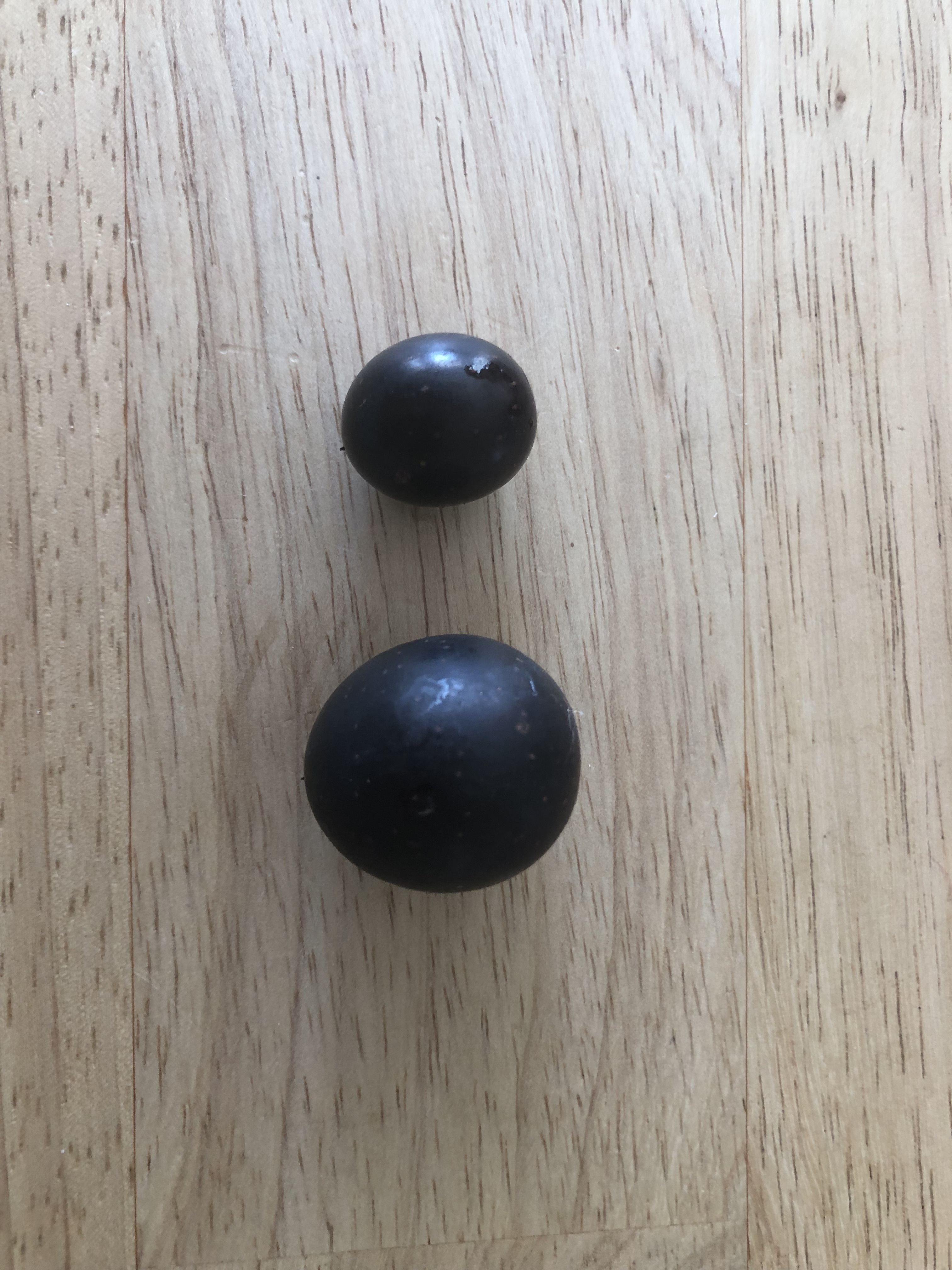
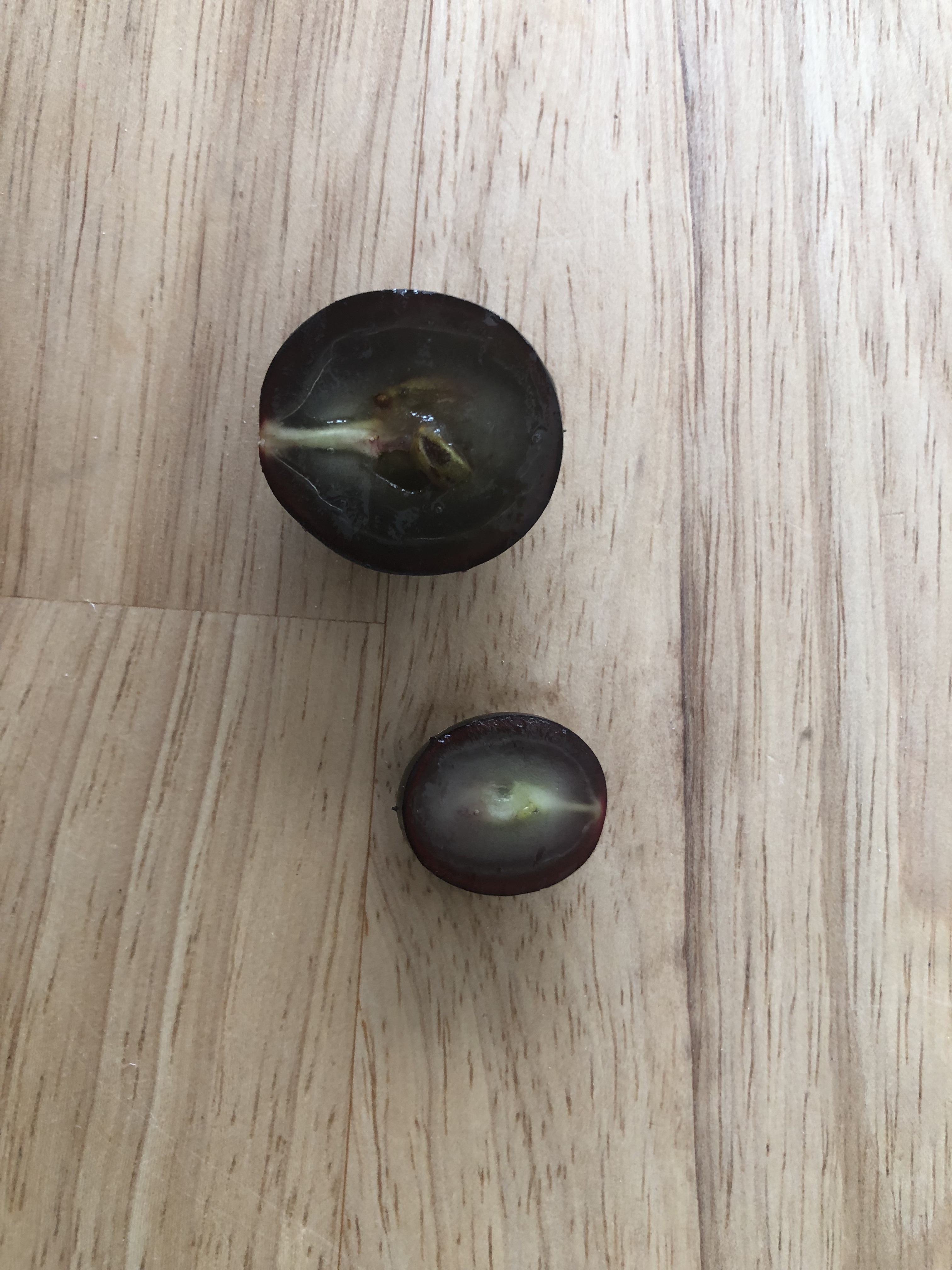
I left some of my late flower buds on Isons. They produced much smaller fruit that are getting ripe now. These small berries are nice to snack on, thin skin and seedless.
5 Likes
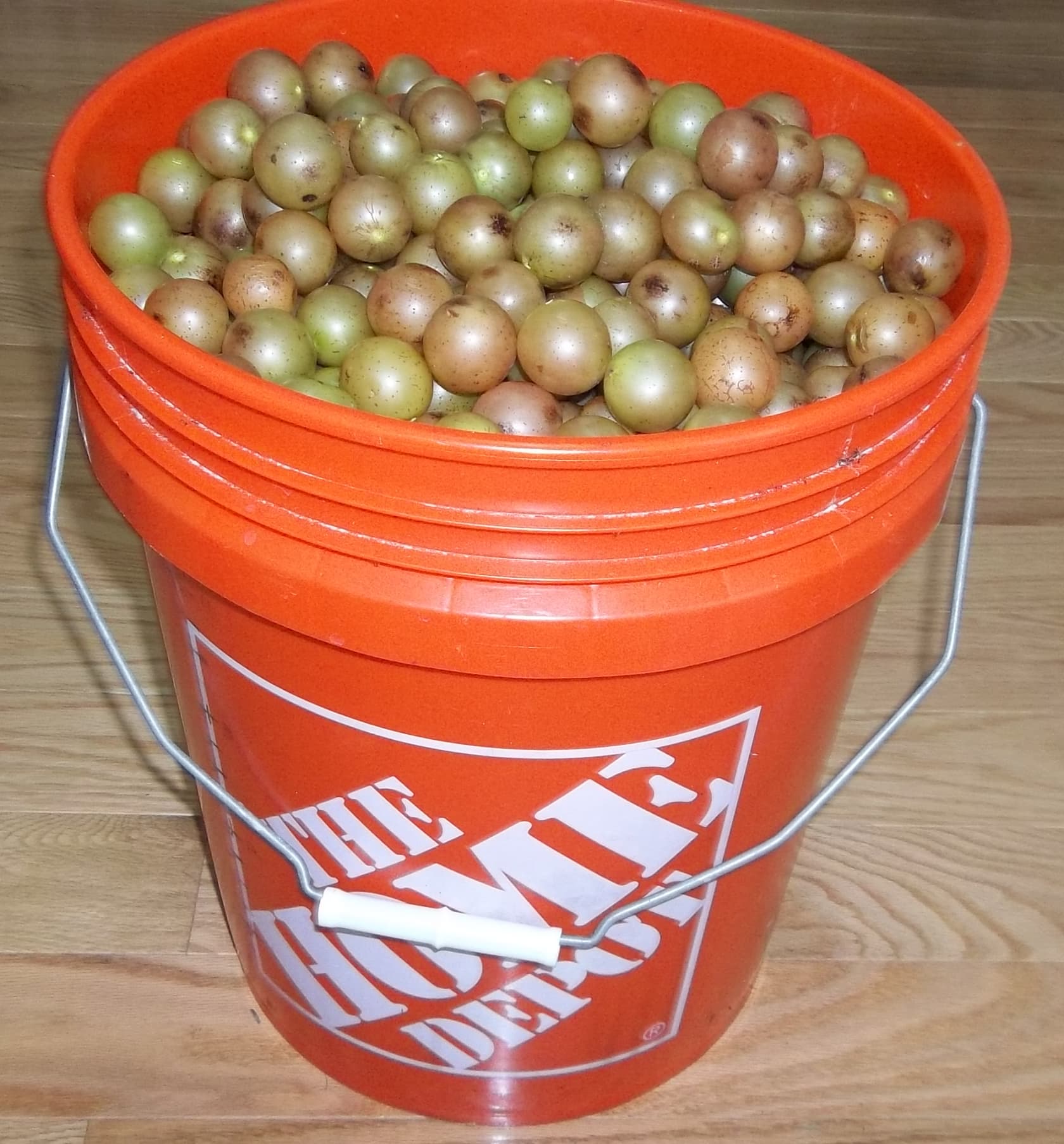
Hall is the workhorse of the vineyard. I’ve had it for about 6 years now and it always sets and ripens a good crop. Very good fruity sweet taste and you can eat the whole fruit. It ripens a lighter color than most bronze muscadine which I assume would give it a more marketable appearance in a store. I let the fruit hang on a little longer this year than normal and was able to pick 100% of the fruit with only a small amount that had gone bad.
5 Likes
I was interested in “why do late blooms in muscardines result in seedless grapes?”
This is what I got from Perplexity AI:
Late blooms on muscadine grapes can result in seedless grapes primarily due to incomplete pollination. Muscadine grapes require pollination to develop seeds, and this process is heavily reliant on environmental conditions and timing. If the blooms appear late in the season, the chances of successful pollination decrease because the necessary pollinators, such as bees, may not be as active or present in sufficient numbers. Additionally, late blooms may not align with optimal weather conditions, which can further hinder the pollination process. Without successful pollination, the grapes may develop without seeds.
Interesting that Perplexity in part found the answer on this board. I use Perplexity with the Brave browser to get around having to use Google, you can find out how to set this up on the internet.
4 Likes
Late Fry was my self fertile variety before being killed by that freeze, but I also have Hall which I’m hoping will bloom next year. For reasons unknown, Hall started off very slowly for a couple of years, but this year has grown well.
2 Likes
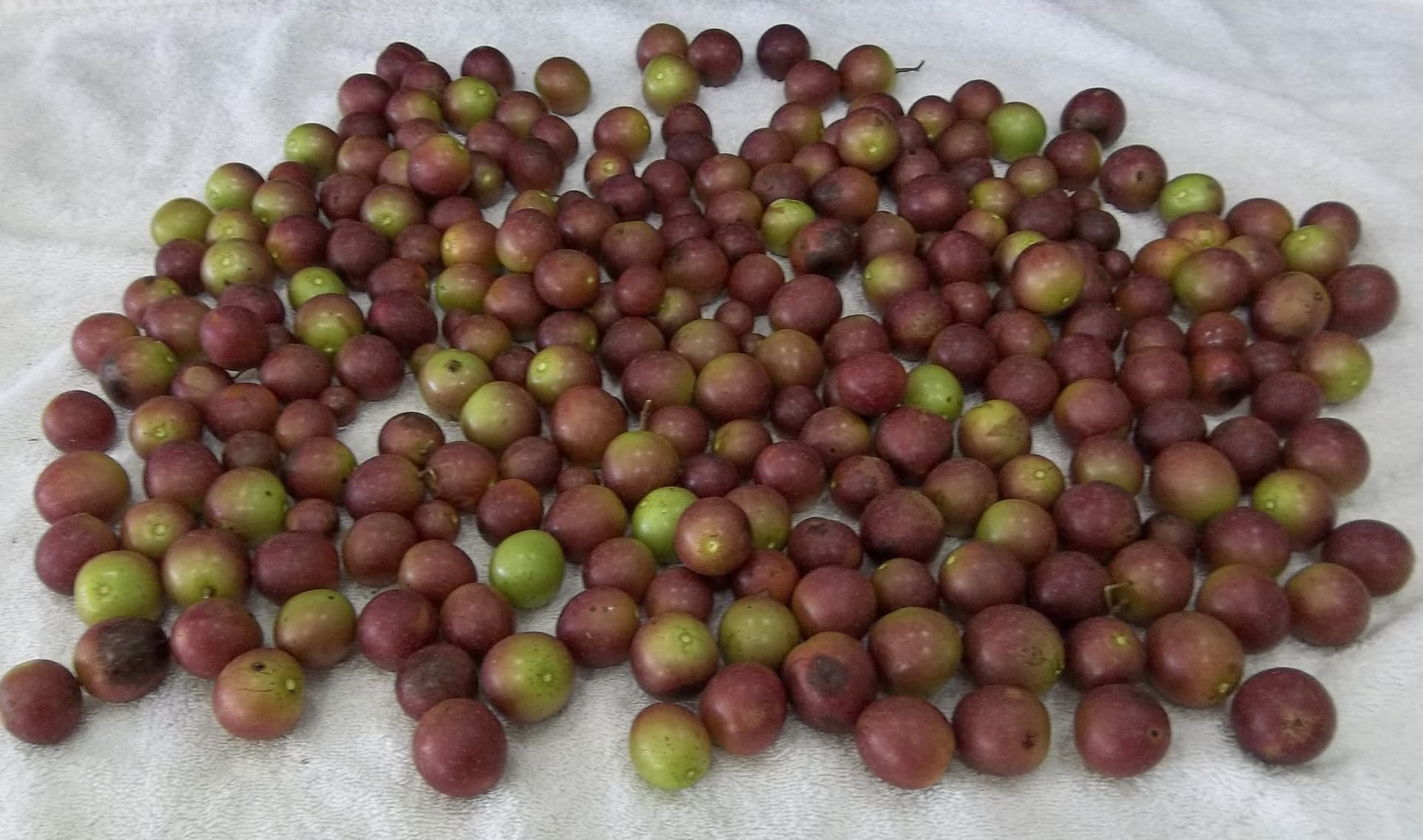
Scarlet. A good tasting muscadine which has been a low producer for me. At my location it has a high rate of capstick blooms. The capstick appears to be limiting pollen exposure therefore limiting the crop size. I have more muscadines than I need so I will probably keep it because it is a little different.
5 Likes
Went walking in the woods this morning looking for a producing wild muscadine vine. Seems impossible to find unless the muscadines grapes are on the ground. Plenty of sprouts in the area that I found them last year. Maybe same sprouts that were there last year. Seems that sprouts don’t end up being vines very often. Curious how they got there. Took some pictures but they didn’t turn out very well so won’t post them. Anyway, I saw a vine that was about an inch in thickness that had some unusual growth at the nodes that were about a yard long that should have been tendrils but weren’t. Maybe root like but they weren’t in the ground. Sometimes will see strange things in woods. Maybe next time I’ll have a good picture.
1 Like
@tennessean … wild muscadines do grow down in the midst of my woods here… but along the roads on my property and along the edge of my fields as it transitions to woods… they really start to thrive. They are getting at least partial sun there and do much better. Some produce quite well and have lots of dimes on now.
Those locations are spotted with wild persimmons too … many small but producing some good fruit.
Wild muscadines vines with grapes are easy to find if one knows exactly where they are. But if one knows just the general area of the woods they are in they are next to impossible to find I’m finding out.
Didn’t waste my time though I did see a nice 2 year old buck.
1 Like
The italicized below is what I received from a professor at the University of Tennessee by way of their extension service regarding an inquiry about determining thru a lab test whether a wild muscadine vine is male or female. Note that there is not any mention of a lab test to determine sex of a wild muscadine vine.
The majority of “wild” muscadines are male plants which do not produce any fruit. Most “wild” female muscadines vines will produce black fruit. Bronze-fruited muscadines in the wild are a rarity, although it happens (as in the case of Scuppernong.) If a muscadine seed got blown or carried into a garden where it germinated and grew a plant, the seed had to come from a female or a perfect-flowered vine since male plants do not produce fruit. However, the resulting plant could be male, female, or perfect-flowered (the latter being the least likely).
If a portion of an actual muscadine vine got carried into the garden and happened to grow, it could be male, female, or perfect-flowered. If the plant section came from a wild vine that was growing in neighboring trees, it is more apt to be a male since males are more common in the wild (about 65% of wild muscadine plants are males). If it came from a neighboring vineyard, it is more apt to be perfect-flowered or female since no one intentionally plants a male vine.
The only true way to determine what the vine is would be to wait until it was old enough to begin fruiting. Then you could look at the bloom and know while female vines produce fruit, male flowers have long stamens and no pistils, while female flowers have short, reflexed stamens with nonfunctional pollen. In the wild, male vines are needed to pollinate female vines so they can produce fruit., or wait until the vine either did or did not set fruit. This means that it could take at least 2 to 3 years to get to the point that an identification can be made.
In summary, if the plant in question arose from a seed, then the mother plant had to be a female or perfect-flowered variety since male vines do not produce fruit.
If the plant in question arose from a cutting, it could be anything. If the garden where the plant was found is adjacent to woods having wild muscadines, the odds favor the vine being a male.
1 Like
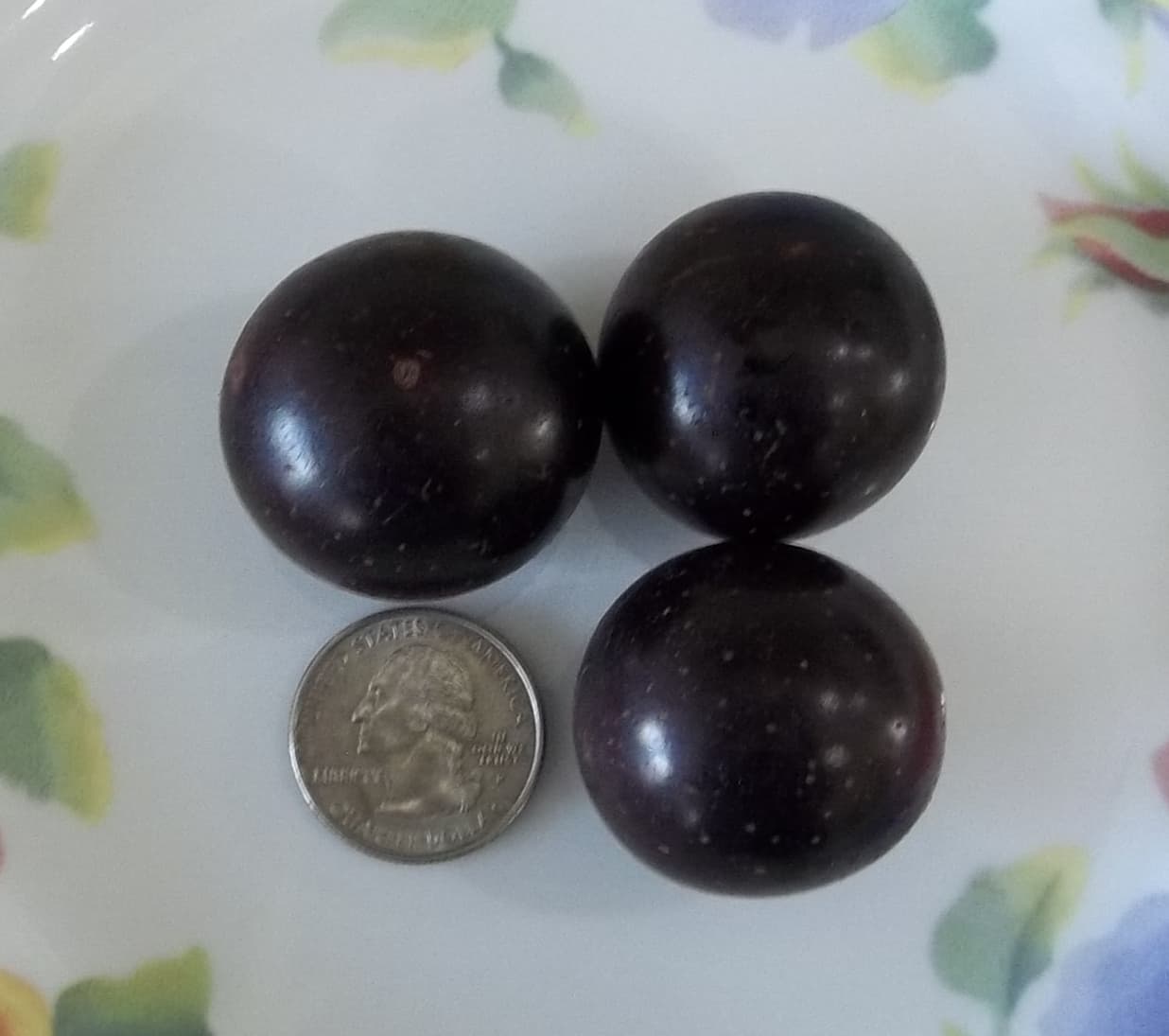
Carlos is listed as a midseason muscadine yet mine for the most part have not ripened yet. I have ate just a few so far. I believe that it is a third-year plant although it is in its second year of being planted. My Cowart and Scuppernong have both ripened some although the varmints have gotten to them.
2 Likes
All muscadines I’ve grown shift maturity based on fruit load. A heavily loaded plant will often ripen fruit 3 or 4 weeks later than the same variety with lower fruit load.
5 Likes
I have two Carlos in the second year of planting that each have ~20 Lbs this year, with 2/3 rds harvested. I find that the harvest of Carlos is covering a longer period than Ison. Carlos is mostly a juicing variety, I use them for wine; should be fine for jam too, but probably without the skins (they have pretty tough skins, not very tasty).
2 Likes
Great posts y’all!
It has been a drought here since the 1st week of June. Nothing outside of a few showers, no heavy rainfall. I’ve kept the Carlos vine watered since it is young. The drought still may have had an effect. It is not like it is loaded with fruit this year for a second-year vine.
I’ve started to water the Cowart and Scuppernong vines. The vines seem to have a lot of uneven ripening. The Cowart vine in particular has been puzzling with the grapes being half ripe with the top half or so purple and the rest still green. I’m thinking that it is still midseason though. Just slowly ripening. Some may never ripen. I’ve put up one batch of jelly consisting of 8 half pints.
I’ve been playing around with a thought to plant my transplanted wild muscadines as a diversion for the varmints while ordering a self-fertile jelly vine from Ison’s. Hopefully at least one of the wild vines will be a female.
1 Like
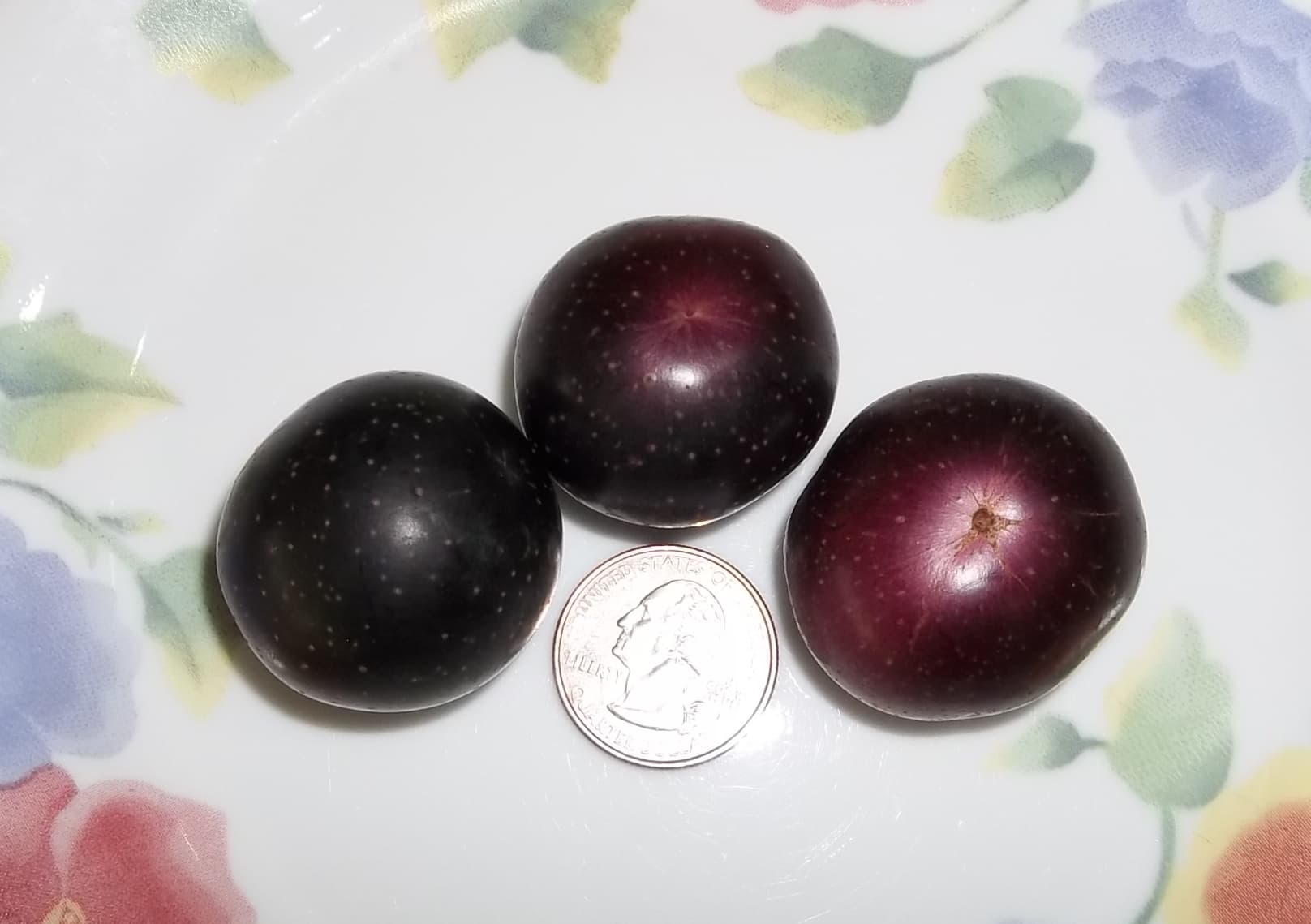
Black Beauty is another vine that produces a large fruit similar in size to Paulk and slightly smaller than Supreme. I have mostly moved to self fertile vines but to me this female is one of the most outstanding tasting muscadines. It has a complex flavor with a high sugar content and an edible skin. The vine is vigorous and appears to be disease resistant.
4 Likes