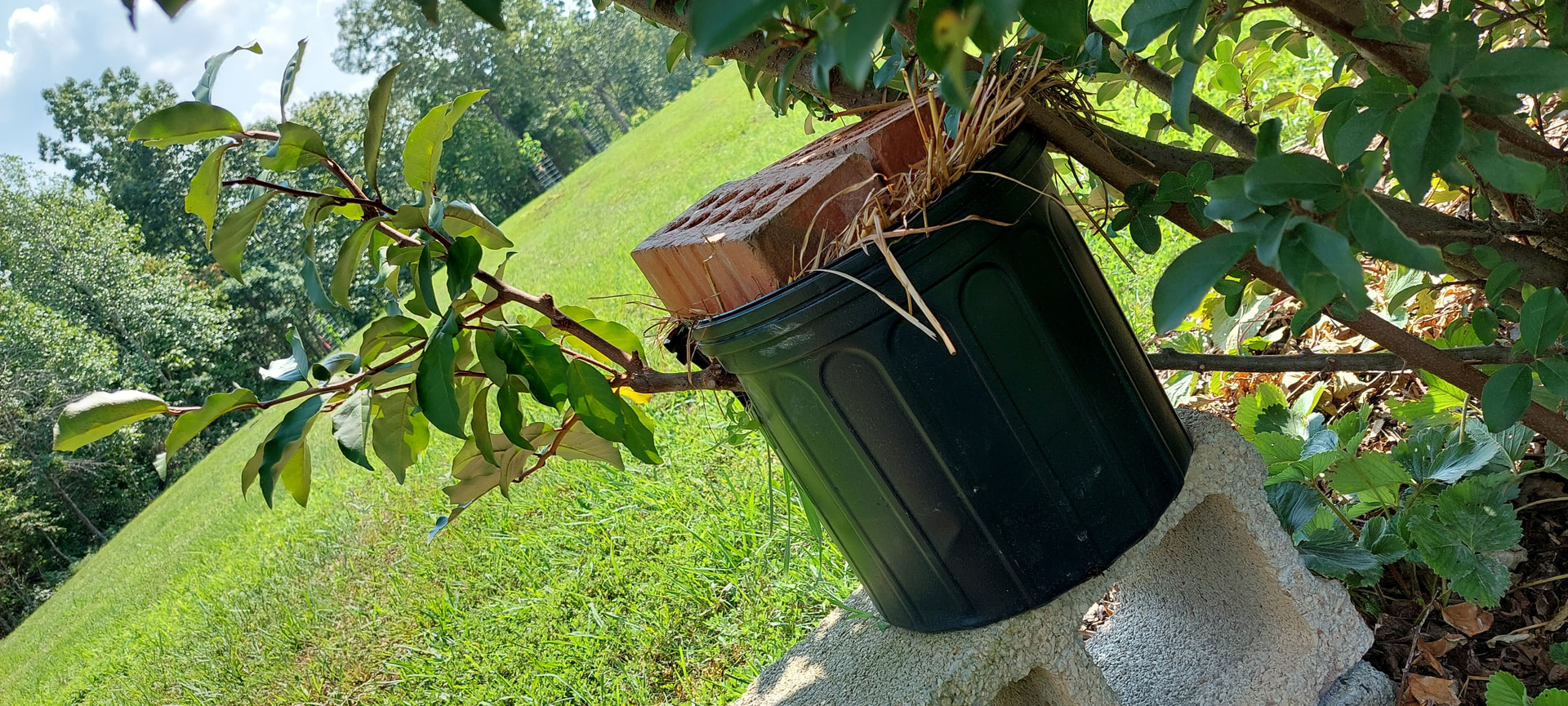
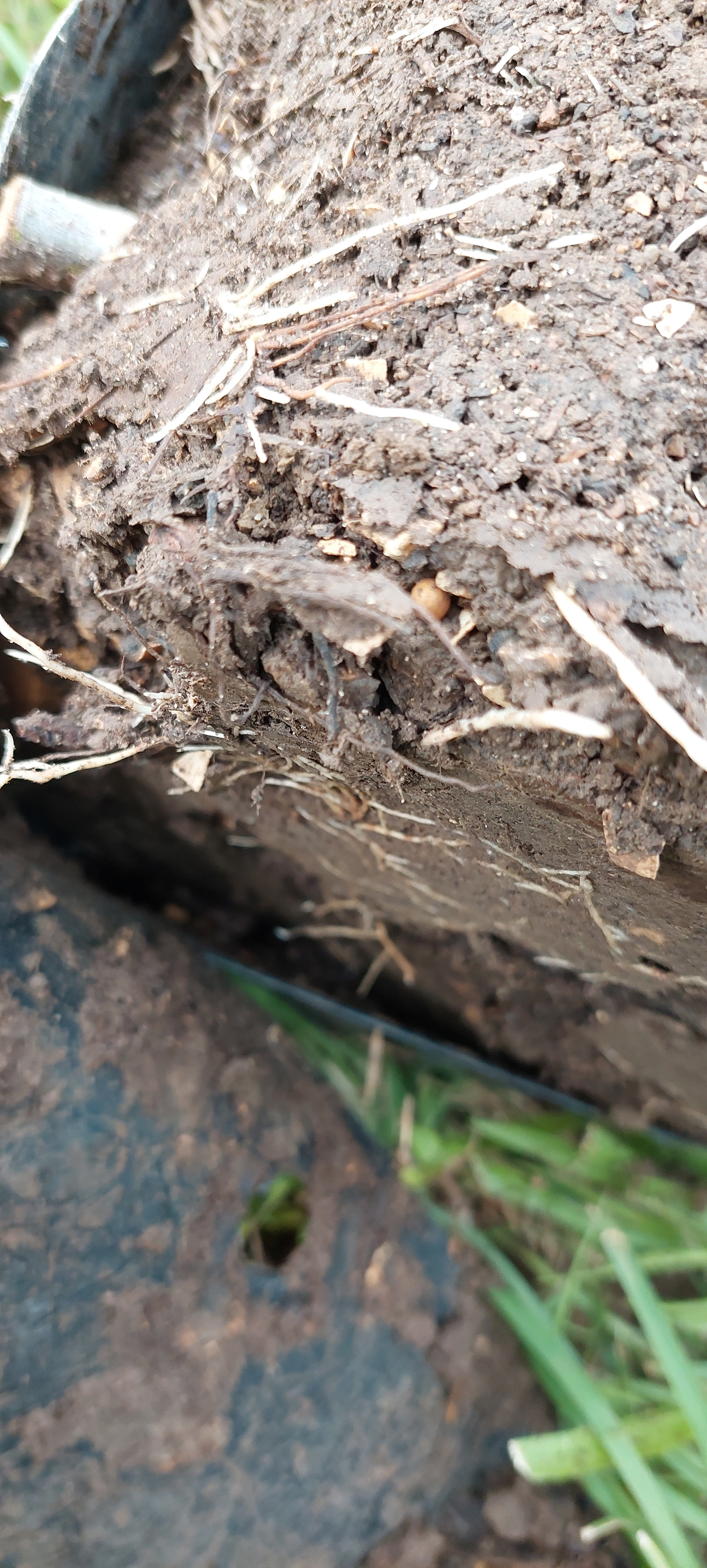
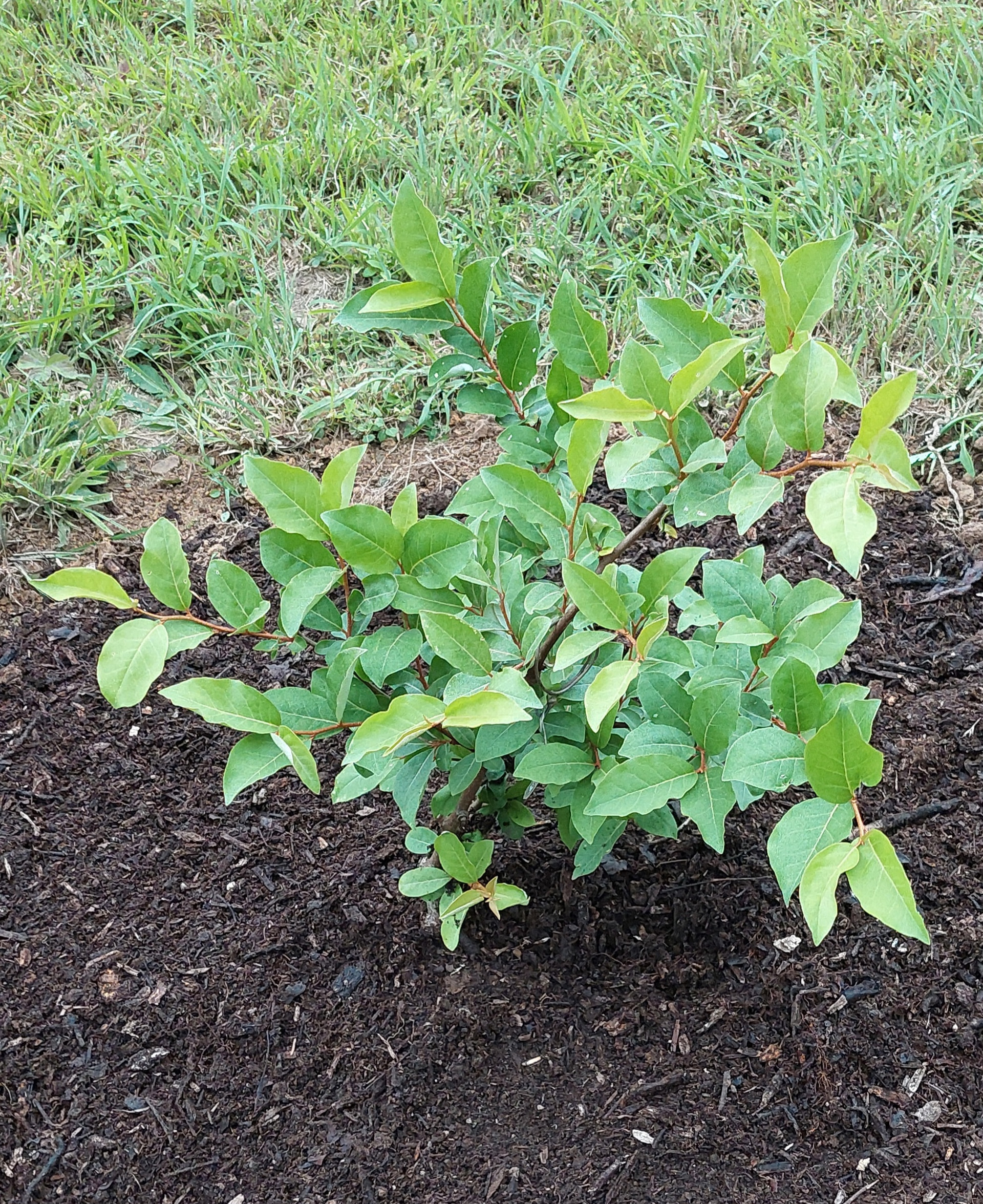
I tried a variety of methods and there was a pattern that emerged in what works and what’s important.
I tried the sliced bottle method, the wrapped bag method, and the hotdog buns method, which was my favorite for both speed and the ability to open it without breaking the roots, so that’s a win win.
Simply said the hotdog bun method is: take a bag, preferably a bigger Ziploc bag about half filled with wet peat or potting mix, close the bag, shake and squeeze the peat down and wrap the end around and tape it tightly in place, then slice through the bag into the peat and open it like a hotdog bun, place it around the branch, with the top just above the highest wound in the branch, and tape the ends in place (later that will prevent twisting and breaking roots off) then wrap it all tightly with cellophane wrap and tape the ends again to make sure it doesn’t unwrap in the wind, and then wrap it in aluminum foil, or at least newspaper if it’s not too exposed to full sun.
I also tried putting plastic containers with lids or bottles slit lengthwise over the branch but these were both difficult to pack and wrap so that moisture wouldn’t escape and difficult to unwrap without damaging roots. With the empty hydrogen peroxide bottle I used I didn’t use aluminum foil and obviously that was fine, but it did seem to root rather late.
How to prepare the branch: cut a ring if bark off the branch at least 1½” of the bark off all the way around, and then scrub the cambiums of very well, probably the best method is to grip lightly with changed locks and spin them around and around scraping everything off of both ends close to the bark, then I dusted it with rooting hormone and wrapped it up.
I didn’t notice any benefit to making extra wounds or cutting a zig zag edge on the side that the roots would develop (the top side of course) or making extra wounds above the girdled portion.
Most of them root as long as the cambiums do not reconnect, if the cambiums connect, you usually don’t get any roots.
This is all mulberry, except the two pears.

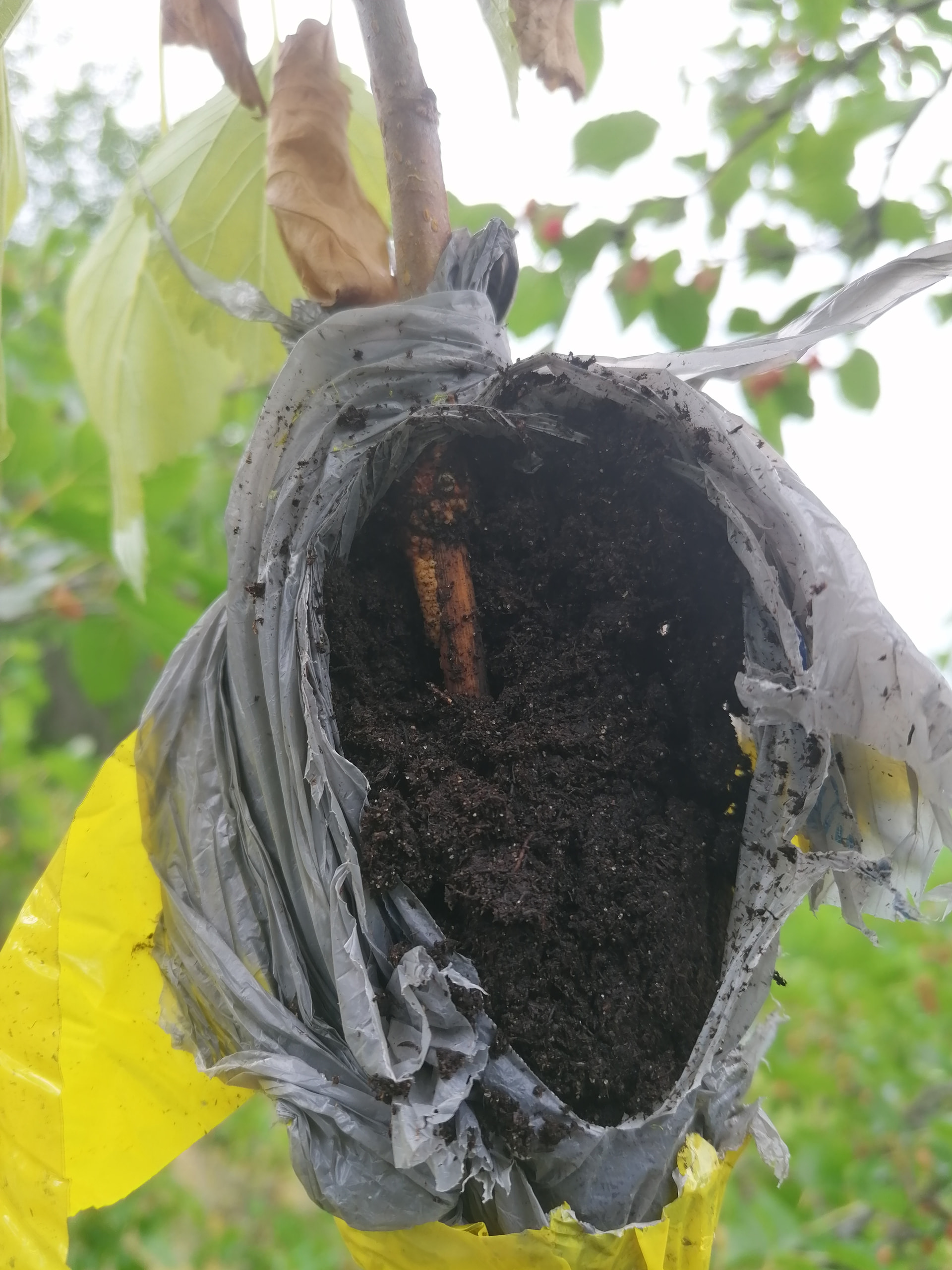
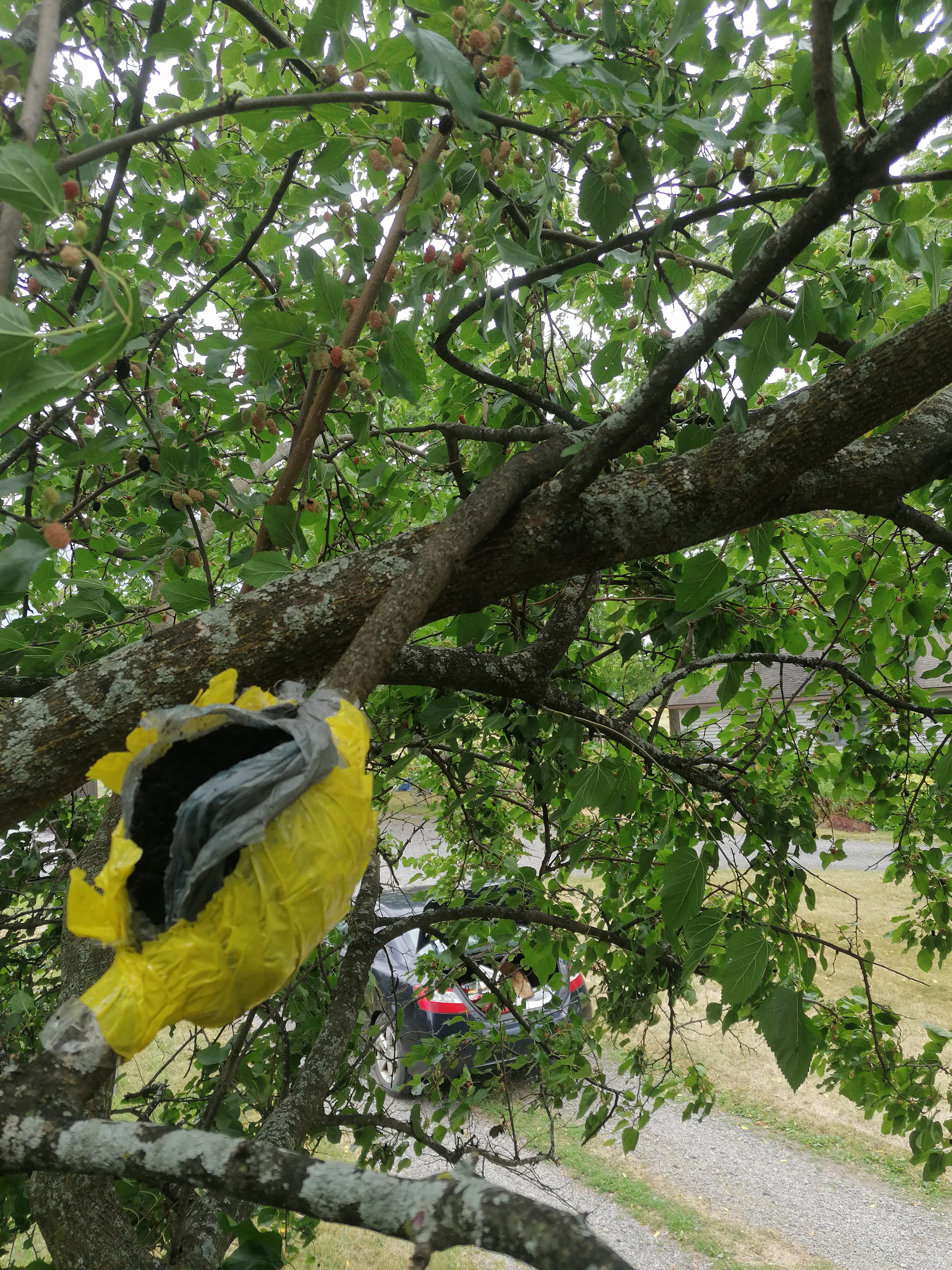
These are the two photos of the Clapp’s Best pear.
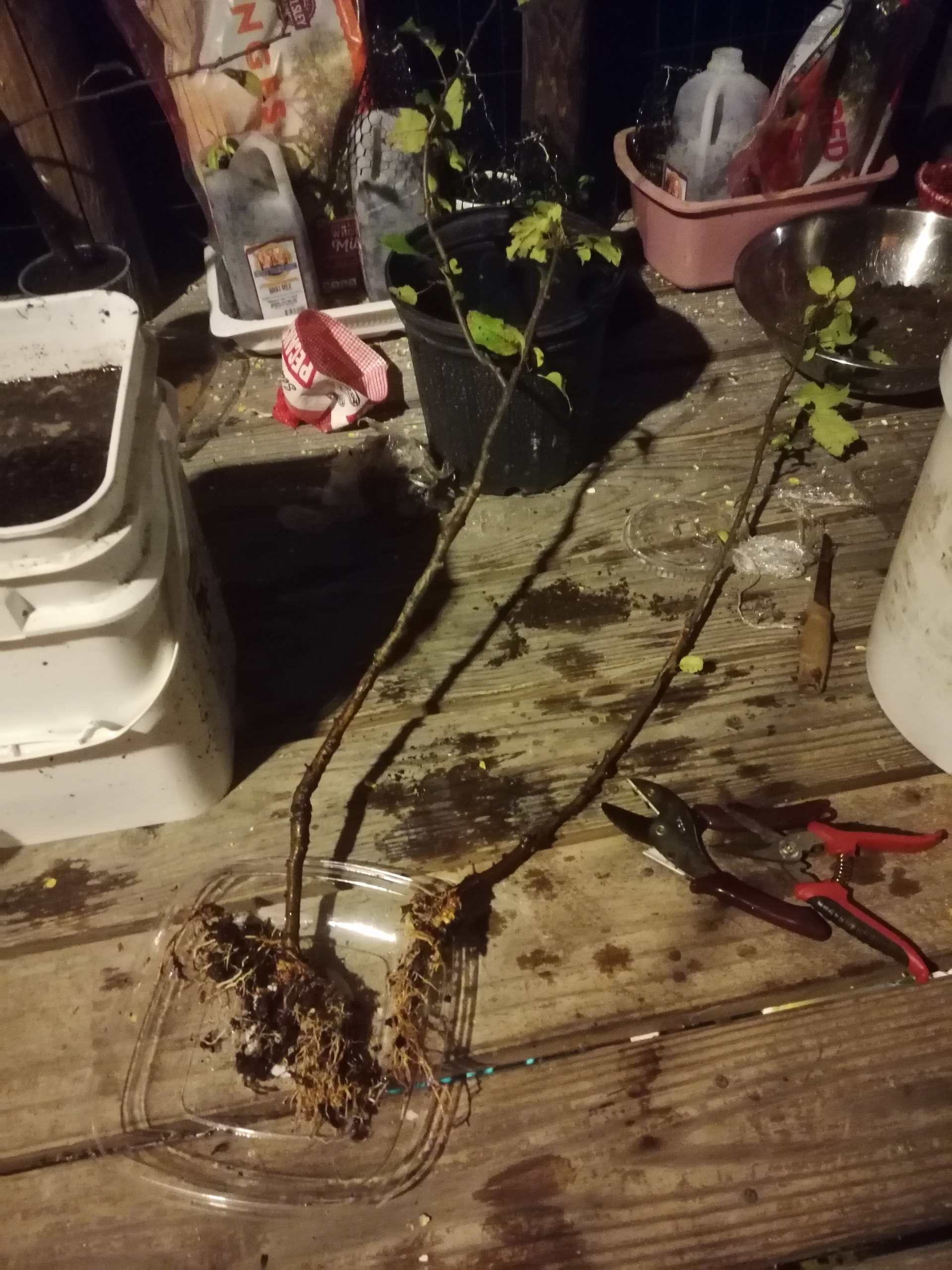
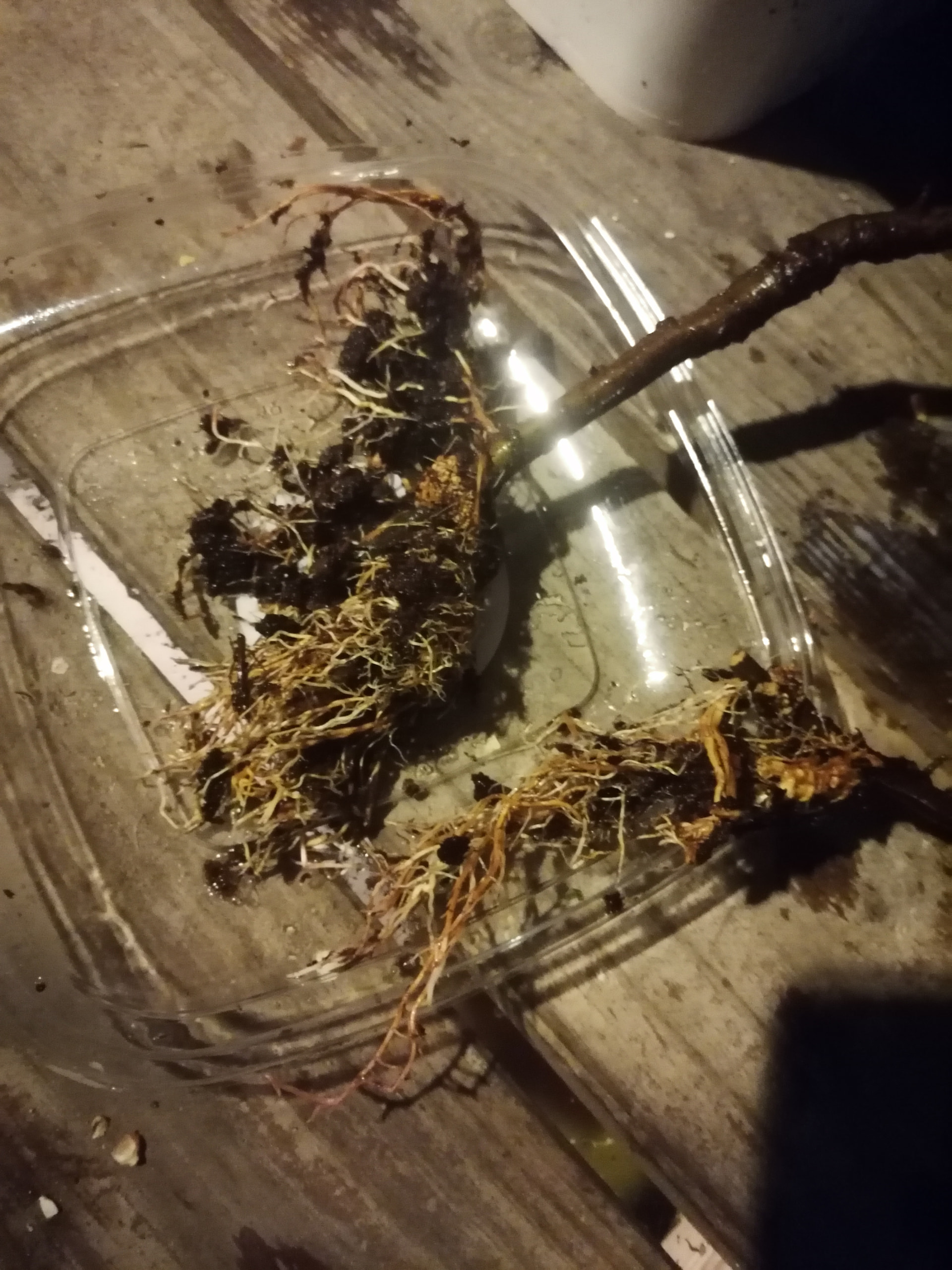
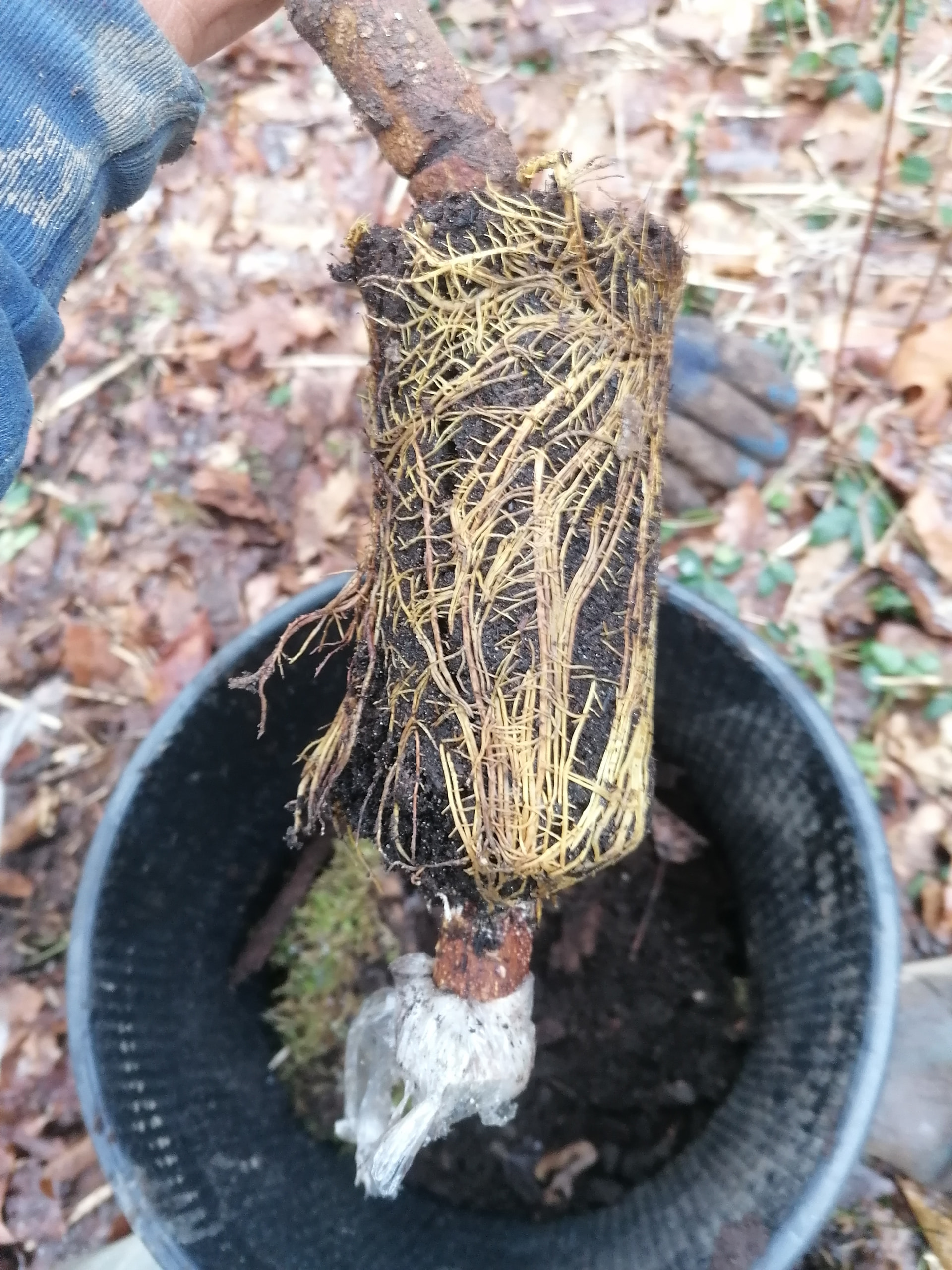
(Note this has worked for me on mulberry and pear and worked poorly on Cortland and Ida Red apple, but it’s very dependent on cultivar, I believe)