Visiting family in Cass county MN zone 3 b. The amount of native flowers are amazing. I need to take pics. Yarrow, birdsfoot trefoil, fireweed, ostrich fern and others.
5 Likes
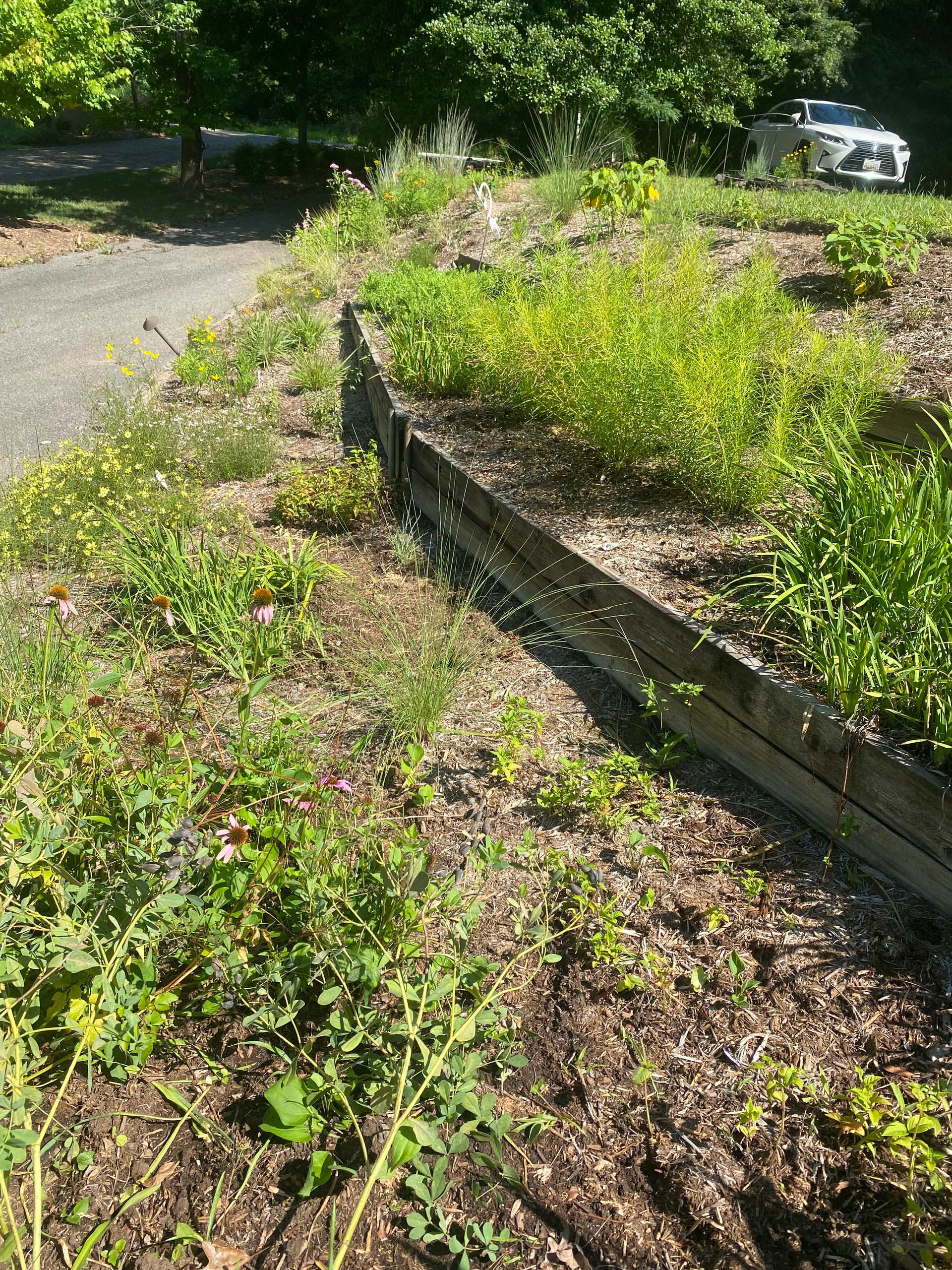
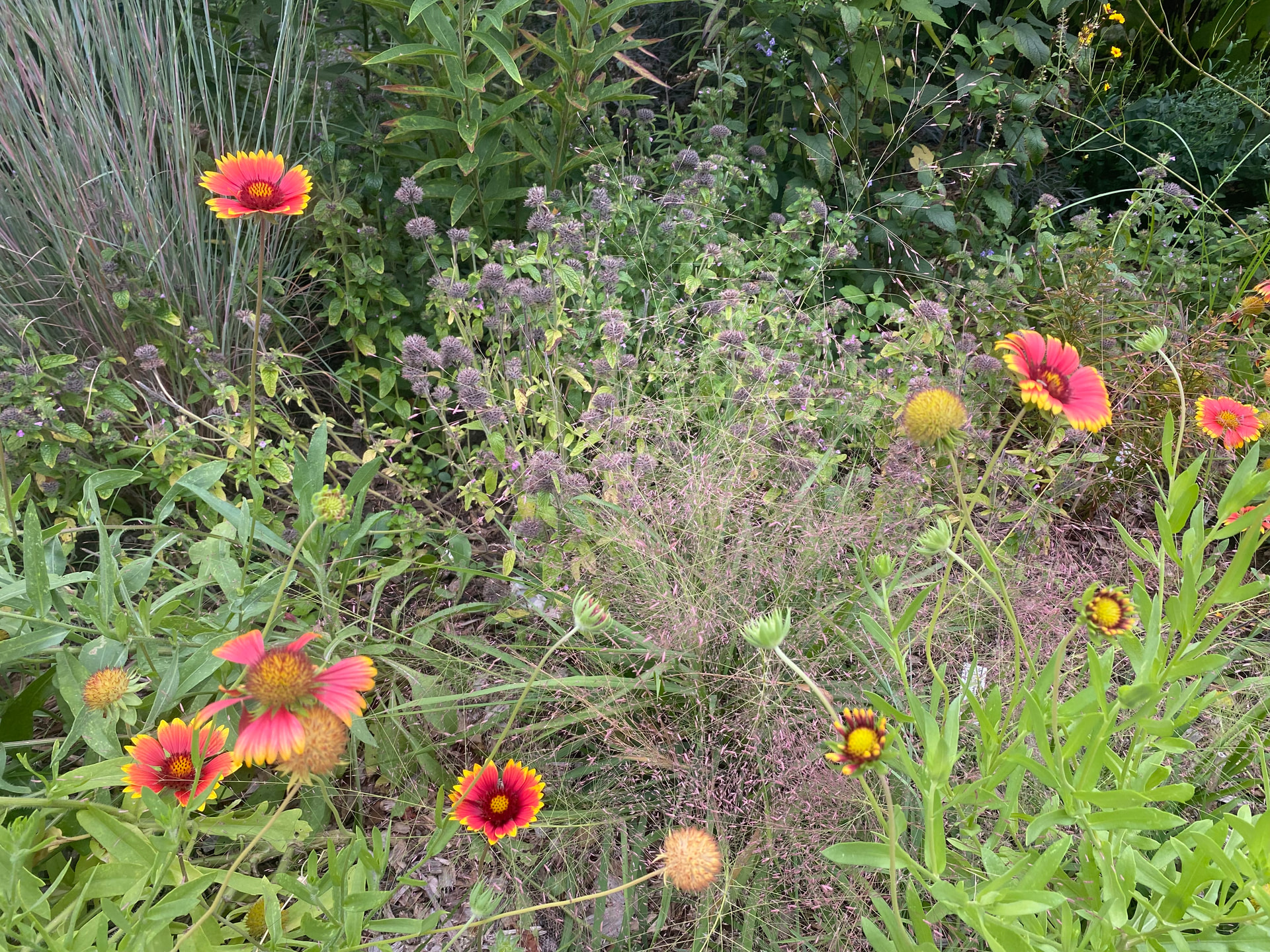
I post this to give hope to those with intense deer pressure. This is a largely neglected/unmanaged native garden with very high deer pressure in Annapolis, MD. I was here and weeded once at the end of May and then just this week. It has otherwise been untouched this year. This particular garden (3 tiers, a chunk out of the picture) took about 1 hour to weed, it wasn’t bad at all. The deer live in the adjacent woods. I started revamping this fall ‘24, but it was mostly planted last spring and fall. There are still 3 patches of some sort of crap to get out that can be seen here, TONS has been removed. There were two plastic “weed barriers” in here as with all the old gardens on this property. One under 8” of mulch and only a little soil, and then a much older one about 6” down under heavy clay with rock hard, dead soil beneath that one. In 2024, I spent countless back breaking hours removing these from all over the property (another sloped garden this large and many smaller ones) until finally getting some paid help. That was a mistake as they essentially just chopped it up, and then I had to go remove it all “again.” Scary grey soil under the older ones. Every few years for the prior 15 years, landscapers had been paid large sums to try to plant all these gardens, and virtually nothing lived except horrible rhizomatous weeds that couldn’t have cared less about all the plastic tarps. Discovering all the plastic barriers answered that mystery. Poor suffocated roots in dead soil…
But! With the barriers gone, more than just horrible weeds can grow, the native roots are breaking it up, and the soil is actually alive again! I can gently push a shovel into the ground (miraculous) to plant and see worms, color and life.
It’s been a learning curve of what is actually deer resistant out here. Many supposedly toxic/deer resistant natives are mowed down here. Each season I rethink and add. The pictured garden is a little schizophrenic from tier to tier because of having to leave clumps of grass crap and not being allowed to condense a lot of spread out hibiscus on the top. This area pictured will only have a few changes this fall. 3 areas are going to get a lot of grasses and solidago. Tons more coreopsis being added all over along with more milkweeds, various ornamental native grasses and monarda punctata that does well. Smooth oxeye blooms profusely untouched in another large garden along with boneset, swamp milkweed and rattlesnake master. Amsonia, blue false indigo and native grasses also do excellent here. Aromatic aster seems to be allowed to bloom while other asters are a waste of money. Most of the Mistflowers are allowed to grow, spread and bloom. Rudbeckia, liatris and so many others are a lost cause, echinaceas can at least bloom, but stay very small from all the deer pruning. Then there are things that do great one year (untouched) and are mowed down the next — I’ll never make sense of that!
If I could replant this particular garden now knowing what I know, I would do 2-3x larger drifts of various grasses, milkweeds, coreopsis, solidago, amsonia and aromatic aster. And the BFI’s. None of the other stuff.

2 Likes
In containers or in real ground? Currently all my remaining CA natives are in containers
In ground, I’ve definitely seen monkeys fall from overwater. My theory is they fill up the container so fast they drink it dry no problem. Having a similar 100 degree bloom experience with some Salvia spathacea though I don’t think that’s technically native this far north
Looks great!!!
What is the soil like there? pH? nutrients?
Amsonia hubrichtii is so unhappy with my soil. I’ve actually moved it now to a pot in potting soil and it’s doing better.
This year, my milkweed were chowed down by snails instead of monarch caterpillars which was a bummer. They recover well from being eaten, but the snails eat them at a different time so they don’t bloom.
Do you have favorite grasses? l think I see some kind of sedge (which I suppose isn’t really a grass, but it looks like one) and some little bluestem. Other recommendations for attractive deer-safe grasses?
The deer seem to leave most of the native grasses alone. However, I’ve discovered that Beaked Panicgrass (which is actually native to my area) is deer food and some people here plant it specifically as deer forage… It does spread rhizomatically and survive anyways, but you might not see it because it gets eaten so fast.
1 Like
The soil is terrible. It was the hardest, dead grey/green clay that had seen or some rare places it’s sand. Now, it’s brown/red clay and nice. I haven’t tested pH, but probably on the acidic side since the natives do well. Totally a guess.
That’s a bummer amsonia hubritchii doesn’t work in your area. It’s very popular around here and does well.
Grasses in the picture are purple lovegrass, pink muhly and little bluestem. There are also switchgrasses here that do great. The stuff you might think is sedge is the remaining crap to be dug- or was because I decided to spend 2 hours killing myself digging most out this morning. In the fall, I’m adding “northwinds” switchgrass and adropogon ternarius in addition to more of whats here. just placed my first order at The Pollen Nation because I could order in 5’s which is great since I needed a lot of 5 groups and then at most 25 of something.
You could easily make a gorgeous native grass garden! The native grasses love nutrient-poor soil. They all have such beautiful colors and become striking in fall. Indiangrass is another great one I just haven’t had the right place for it. Prairie dropseed is very gracefull in fall and I’ve seen some designs with “rivers” of that running through the rest and looks so beautiful. You have space, so I would make very large drifts of whichever you like the most paying attention to the fall colors and staggering heights with purple lovegrass more towards the front since it’s your shortest. Happy to help if you want to messages me 
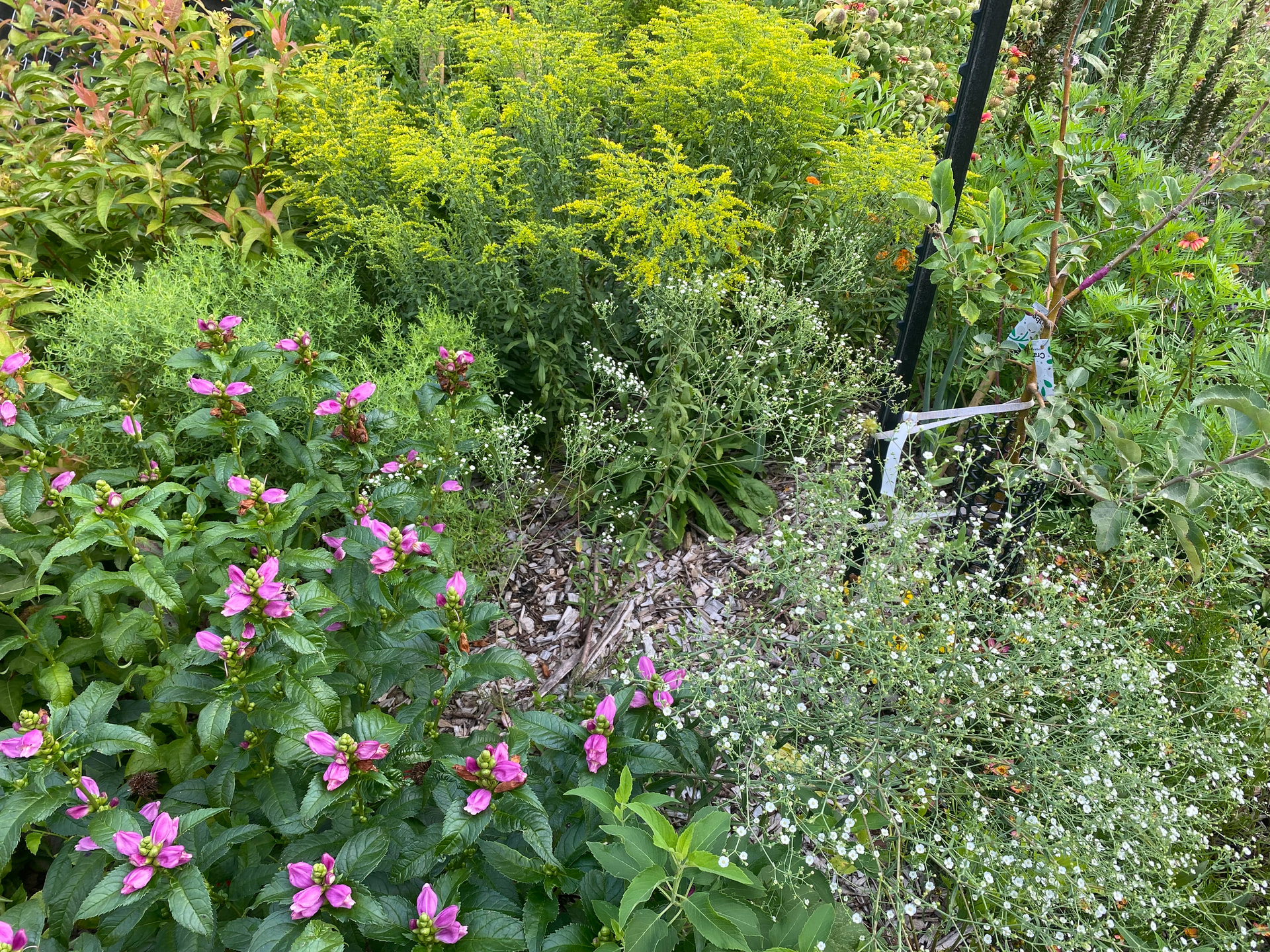
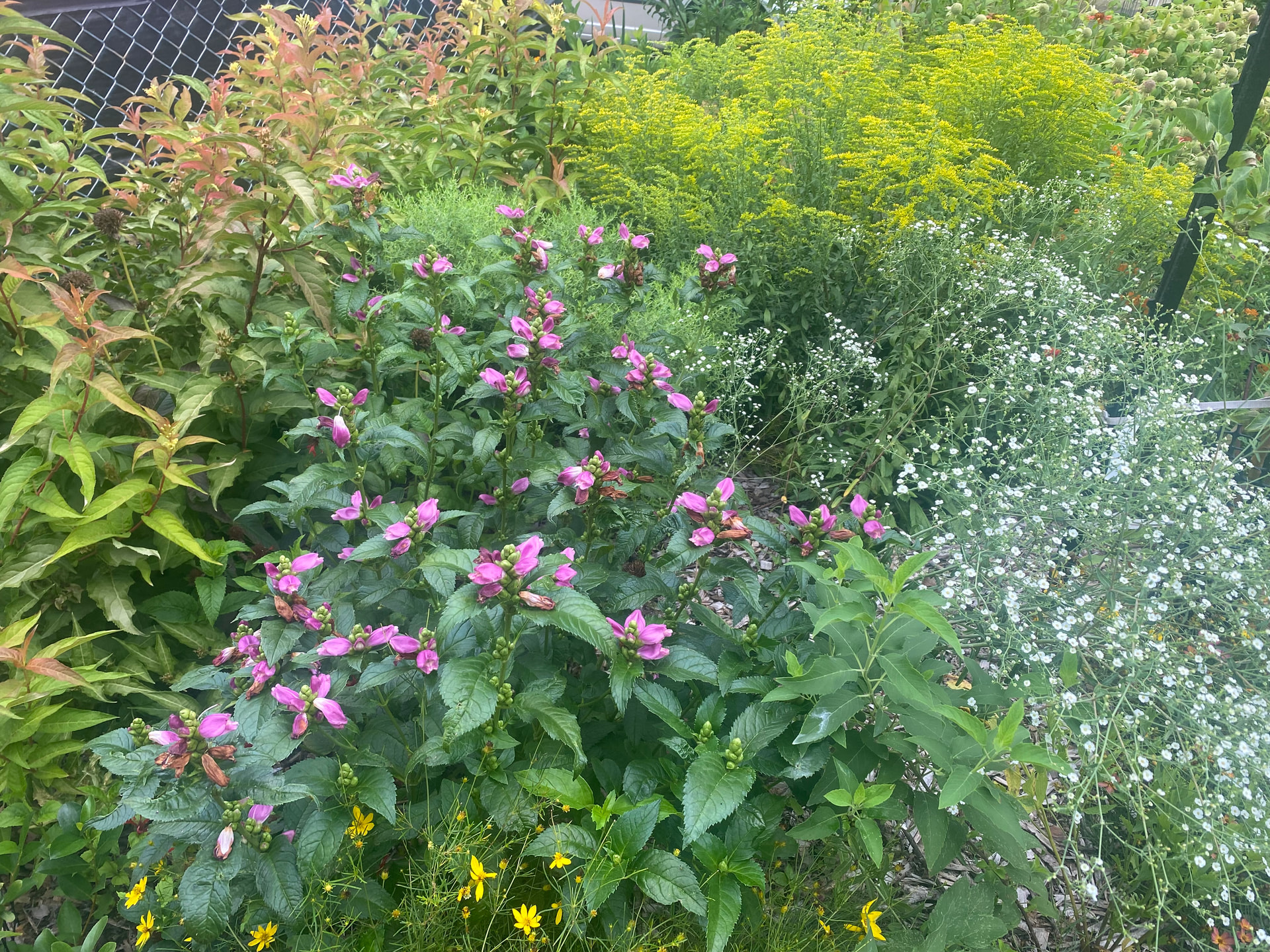
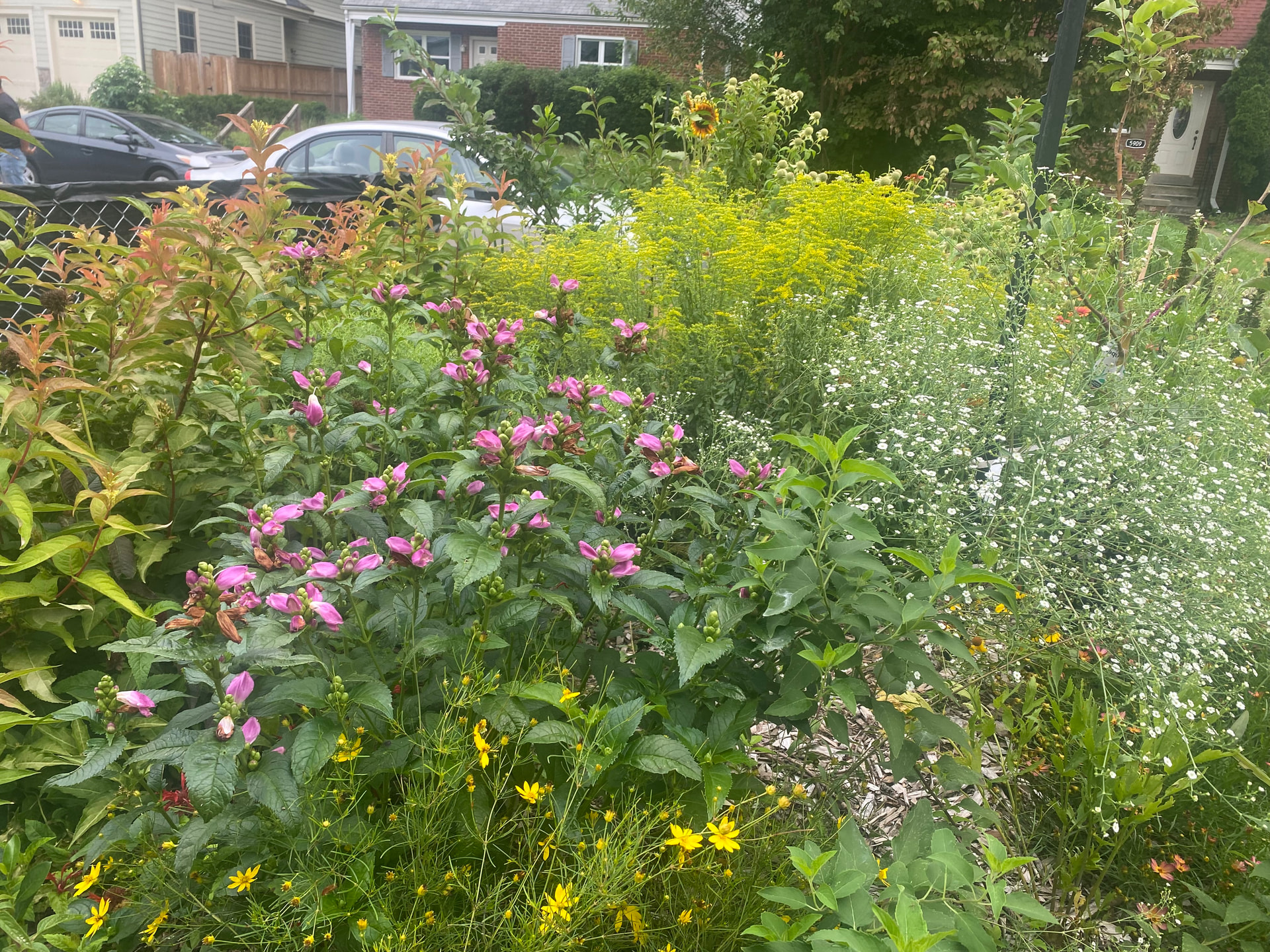
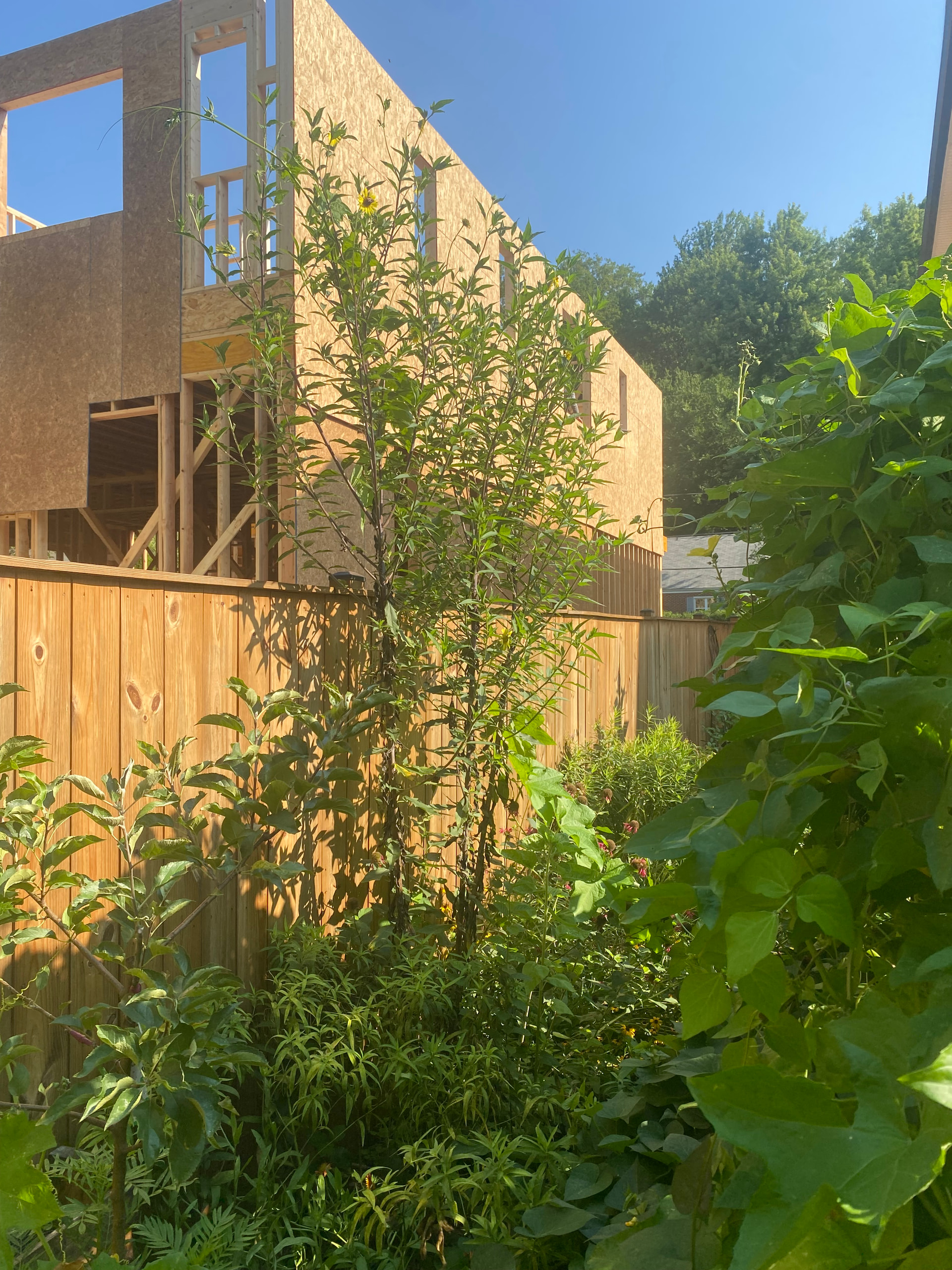
Helianthus giganteus at 10+ feet has been slowly starting to bloom. (The plant, not the giganteus construction…) As silly as it is alone that tall, I would love to leave it in this spot. But, I am concerned about spreading and will likely dig it up and pot it this fall. Nevermind the luffa trying to jump ship off it

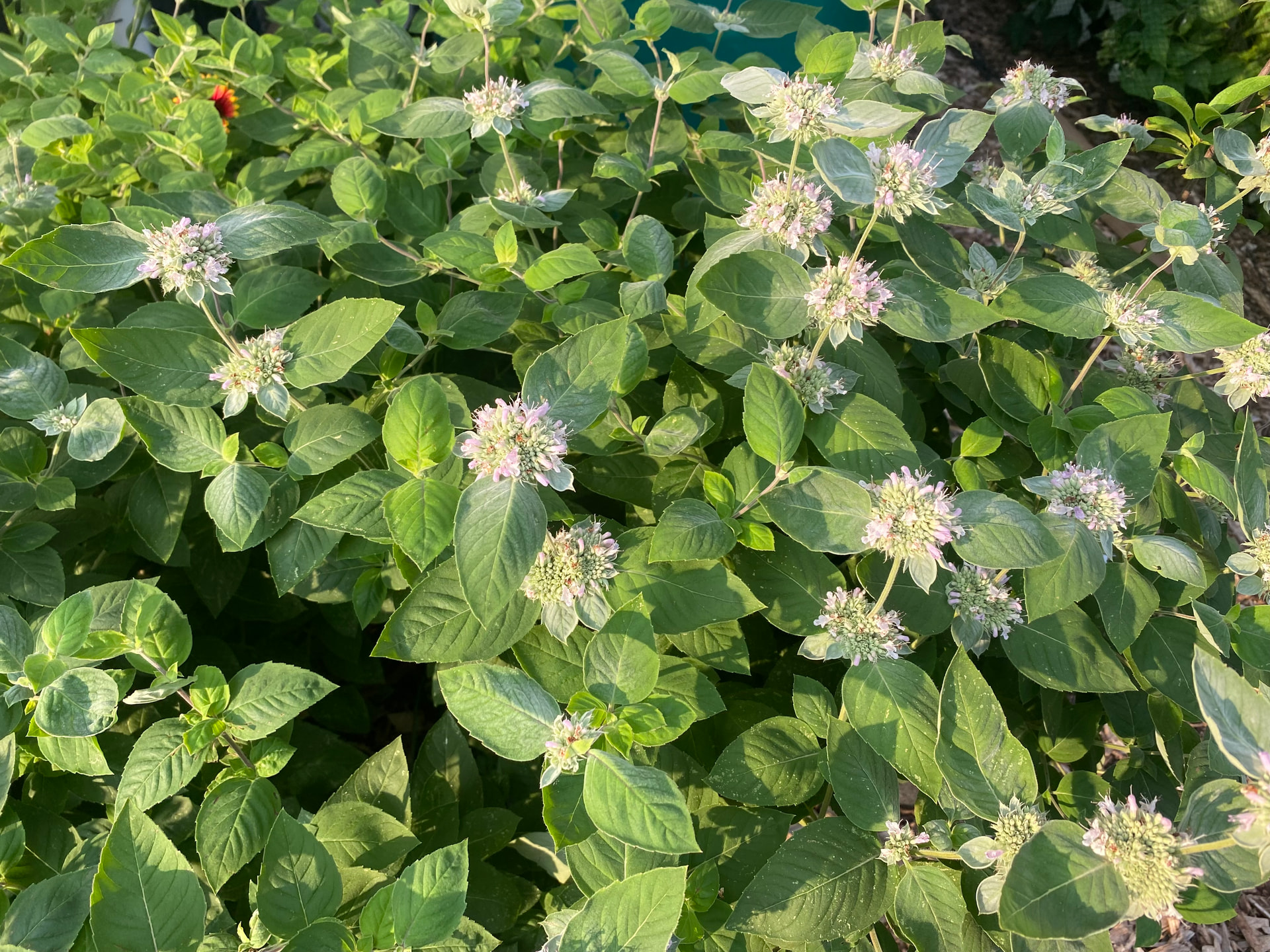
Pycnanthemum incanum
1 Like
It’s doing a good job trying to block your neighbors construction site!
1 Like
Honestly, whatever your neighbors are doing in the backyard there would seriously irk me. I don’t get how people think it’s totally cool to be building this stuff right up against the fence with the absolute minimum setback required.
1 Like
I know. But, we did it too with our lot. It’s the standard here. We were just privileged to live next to 2 undeveloped old house lots and didn’t realize how awful it would be when they fell. And, I wasn’t a gardener when we decided to live here 10 years ago, in fact, I was an avid anti-gardener who notorious-only-to-me got a C+ in botany as an otherwise straight A premed student. We are actively looking to move. Might take a few years.
Here’s some more pictures of a monarda punctata. At sunset the sun blocks out the construction mess
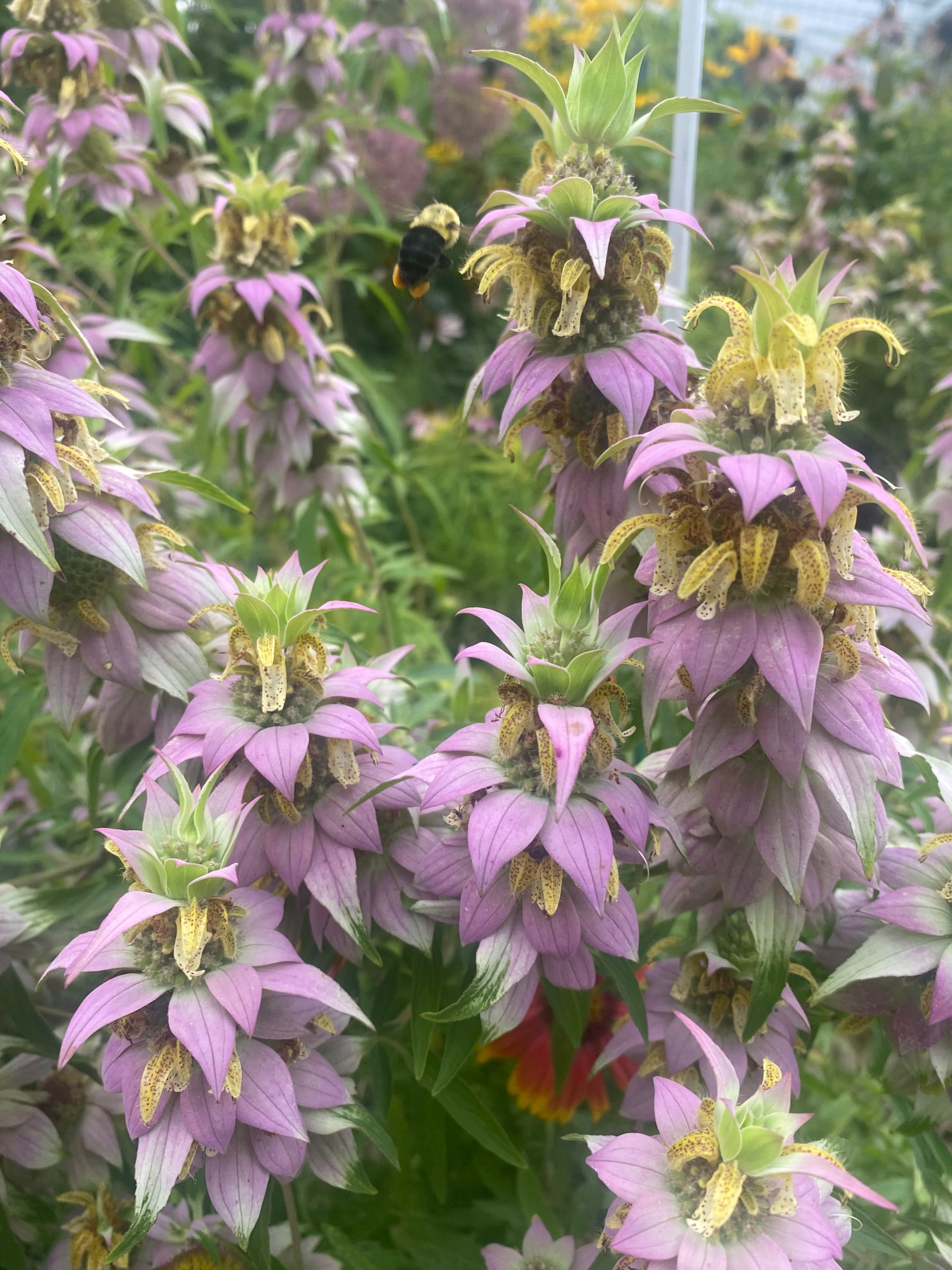
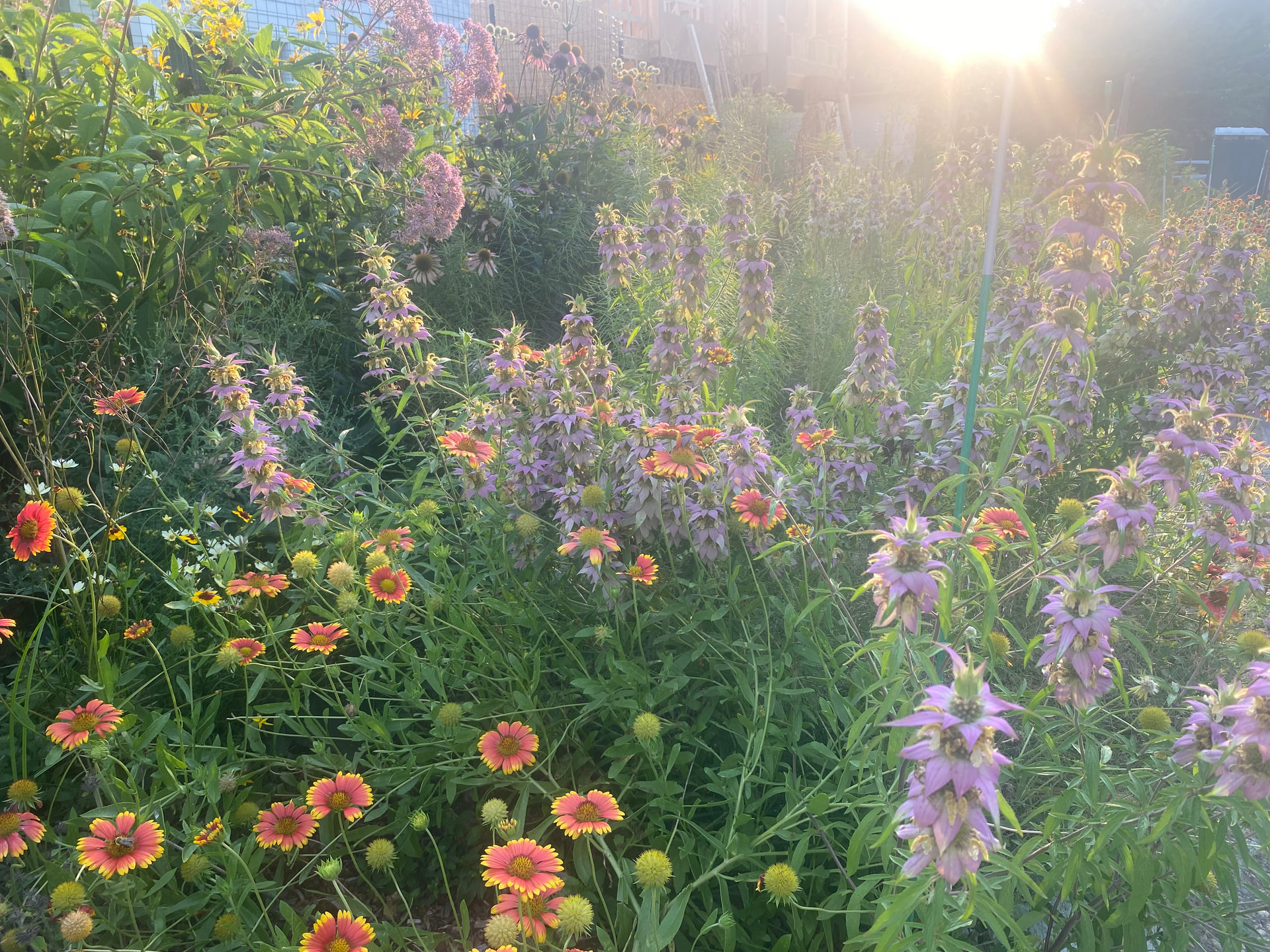
Some purple lovegrass in a mess of late summer colors
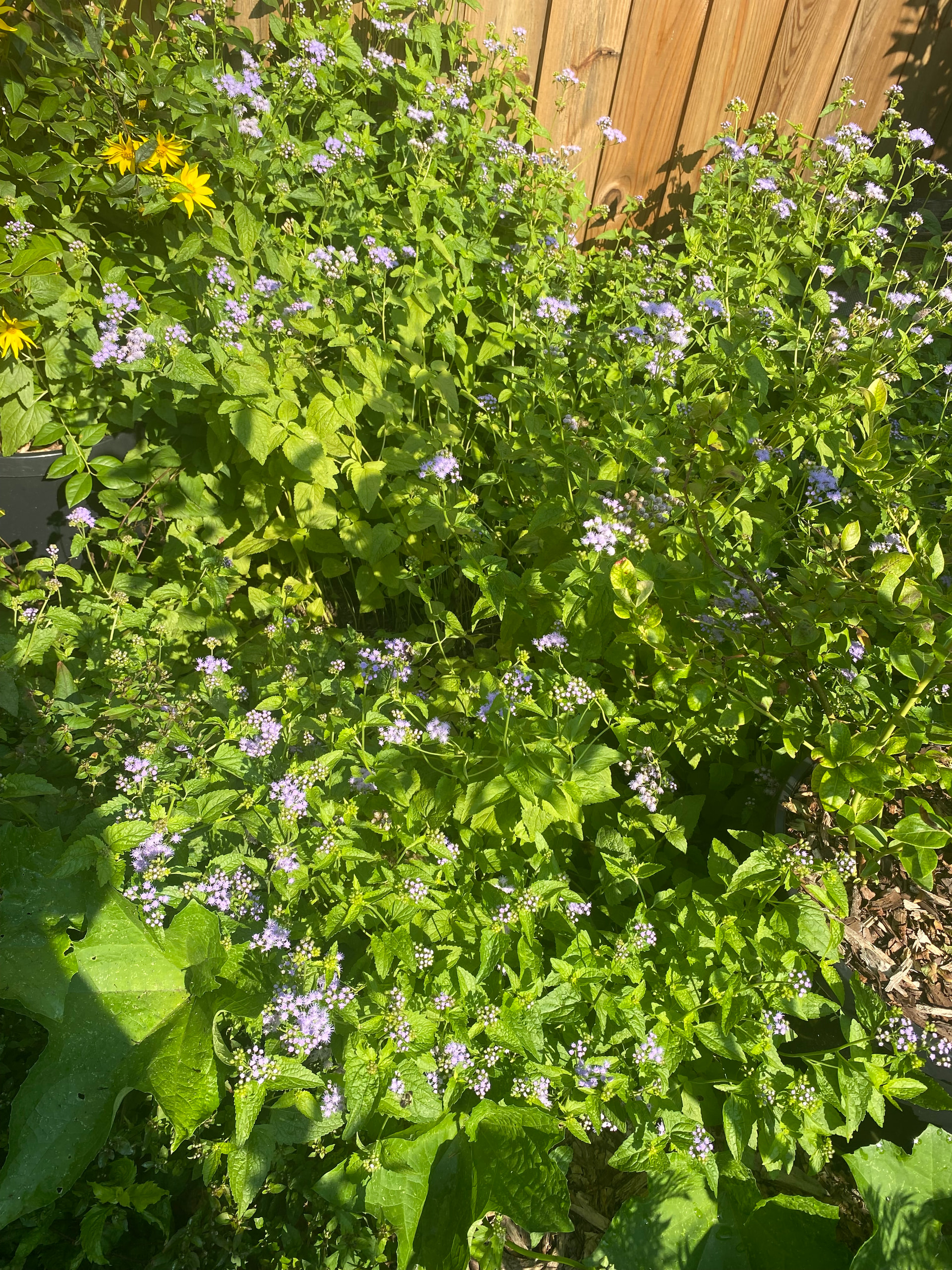
And some blue mistflower. This has seeds many patches all around this garden. It really works well as a great filler until your other plants are up and running. It’s also incredibly easy to transplant. weed-like in that respect respect. And it’s easy to pull when it’s little so I don’t consider it a menace.I’m going to move a lot of it to the park this fall. Lots of plants to guerrilla plant this fall…our park has a wooded trail that is dense les packed with only invasives.
4 Likes
my elecampane would get that tall if i could get it to stay standing up. the leaves are so heavy that when it starts to bloom it flops everywhere. its rivals my marge elder in size and is a beautiful plant, the way the leaves whorl around the stalk.. i think ill put a ring of fencing around it next summer to support it. i imagine its somewhat related to your giant sunflower.
1 Like
I tied these up to my fence as they started to fall a while ago.
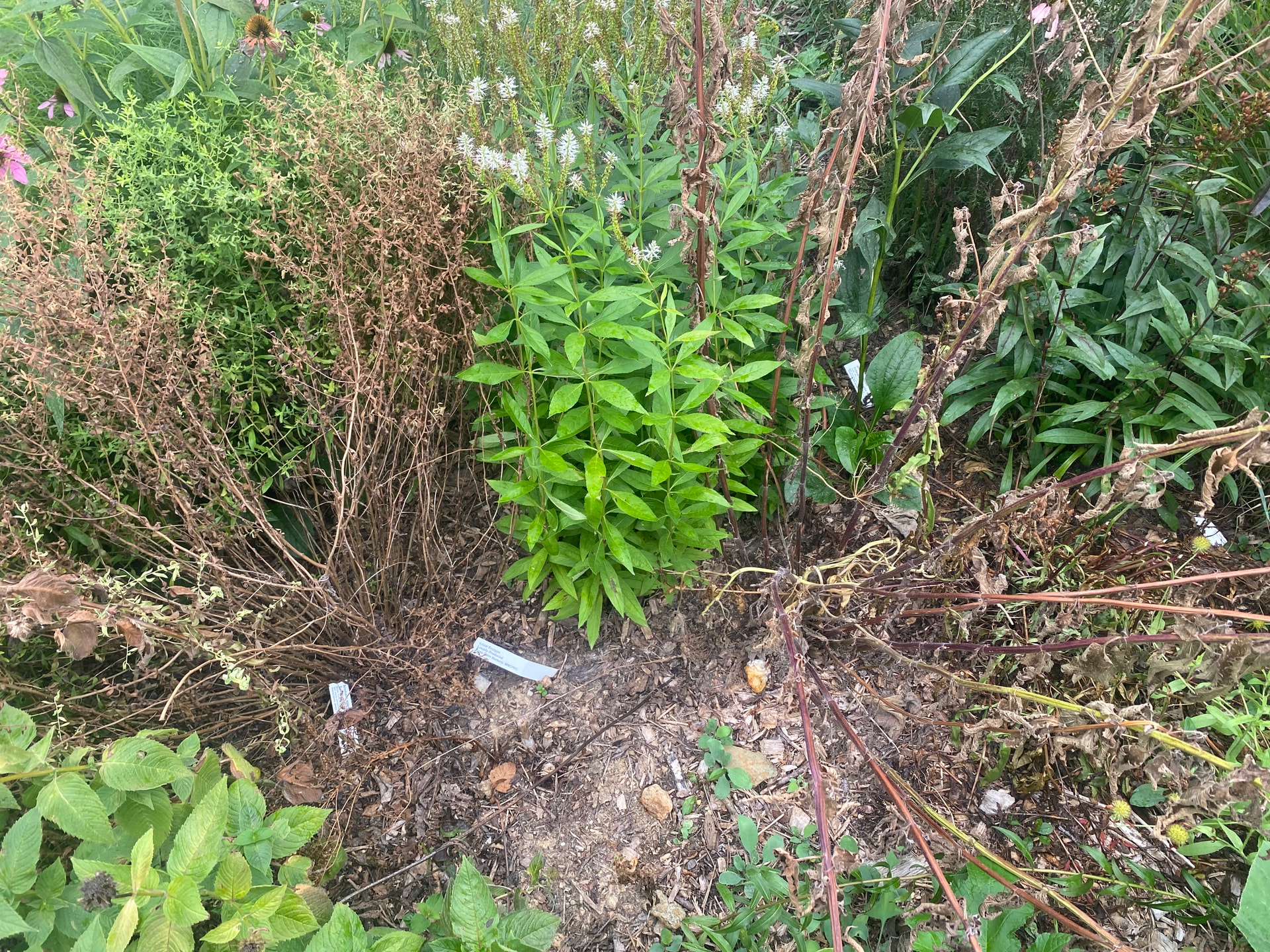
Problem developing here. I had a verbana hasta up and die this summer. Didn’t know what to make of it since it was amidst healthy plants including another VH. The last few days the other one browned and died. I could attribute this to the drought, except I have countless volunteer VH seedlings that are growing beautifully and flowering. I went to pull it out this morning and am concerned. The calico penstemon to one side is clearly dying, I pulled it and most of the roots were dead. And, half of the aromatic aster next to the first dead plant is now dead. I’ve had a singular plant die before and attributed it to animal pee. I’m worried because the first died weeks ago and now the issue is spreading, which doesn’t make sense because rains have returned since the first died, so it’s getting enough water and any pee should have been diluted and flushed out. I’m going to dig it up a bit and replace some of the soil when I have time today or this week. Won’t replant it for a month or two
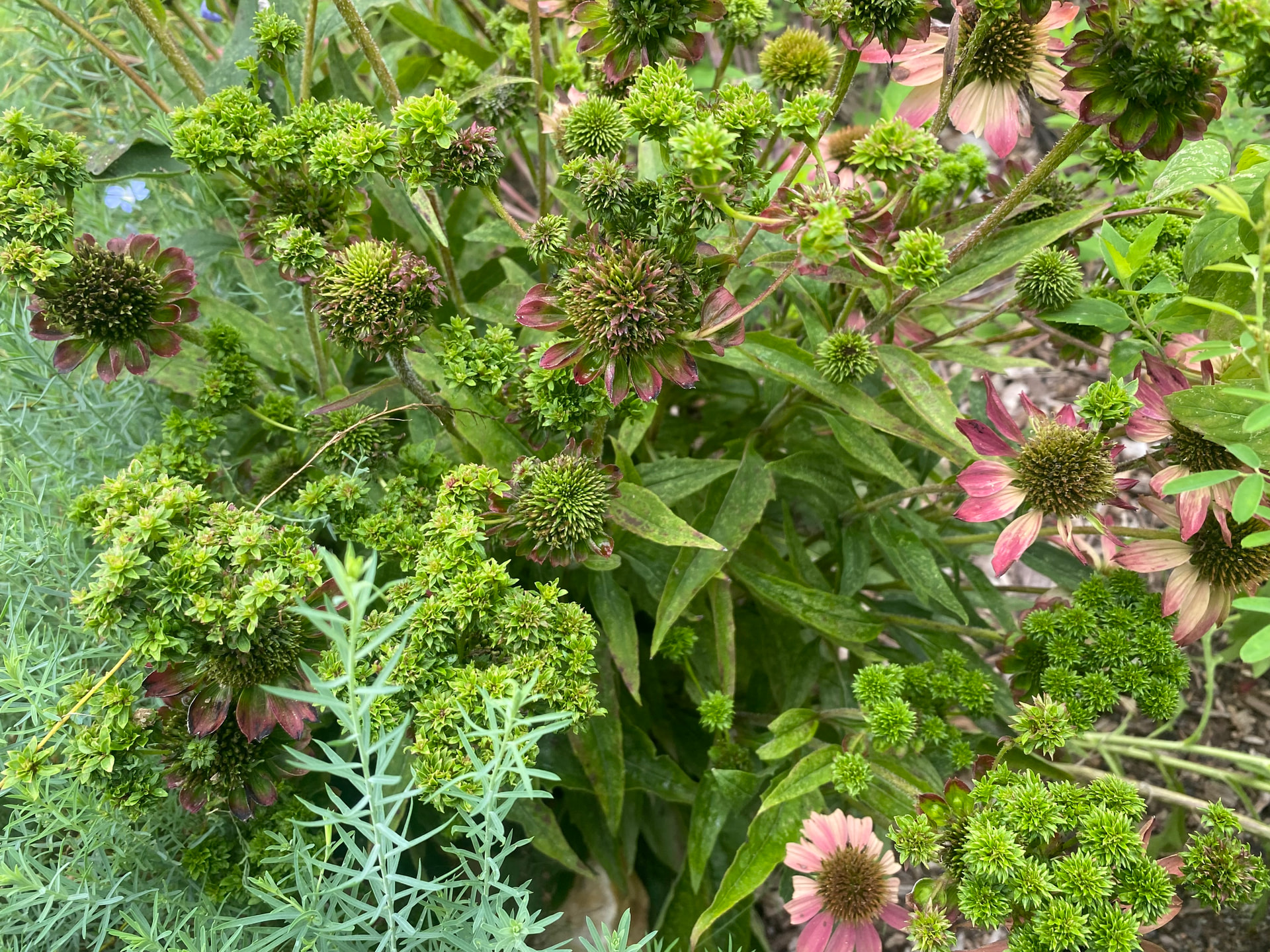
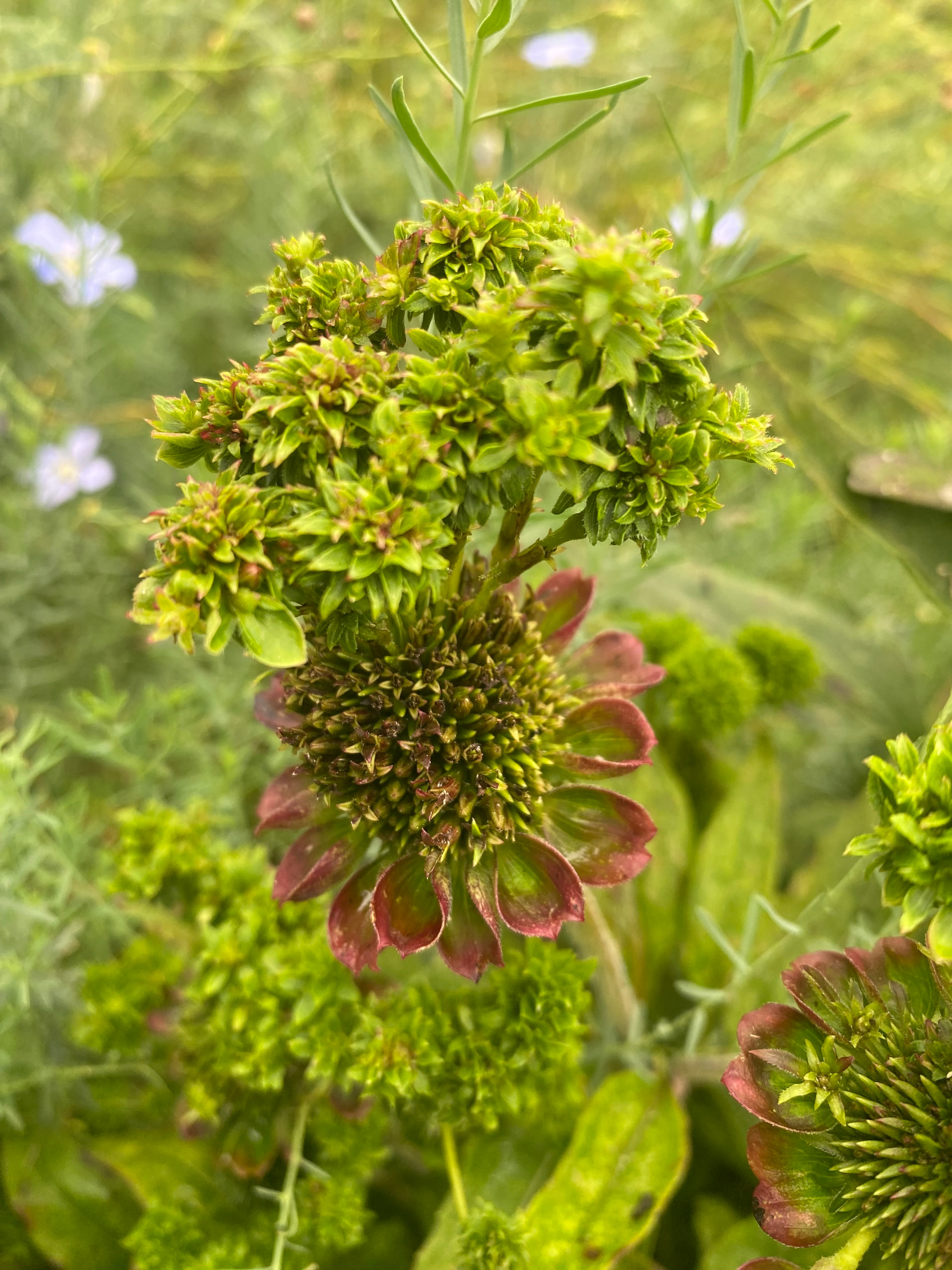
On a different note, I just noticed this on this echinacea cultivar. Totally wild! Vivipary? Anyone with experience with this ever plant the seed heads like this?
2 Likes
Look up aster yellows and then pull, bag and dispose of that echinacea.
3 Likes
tend to agree
Oh dear. I looked it up. Thanks.
2 Likes
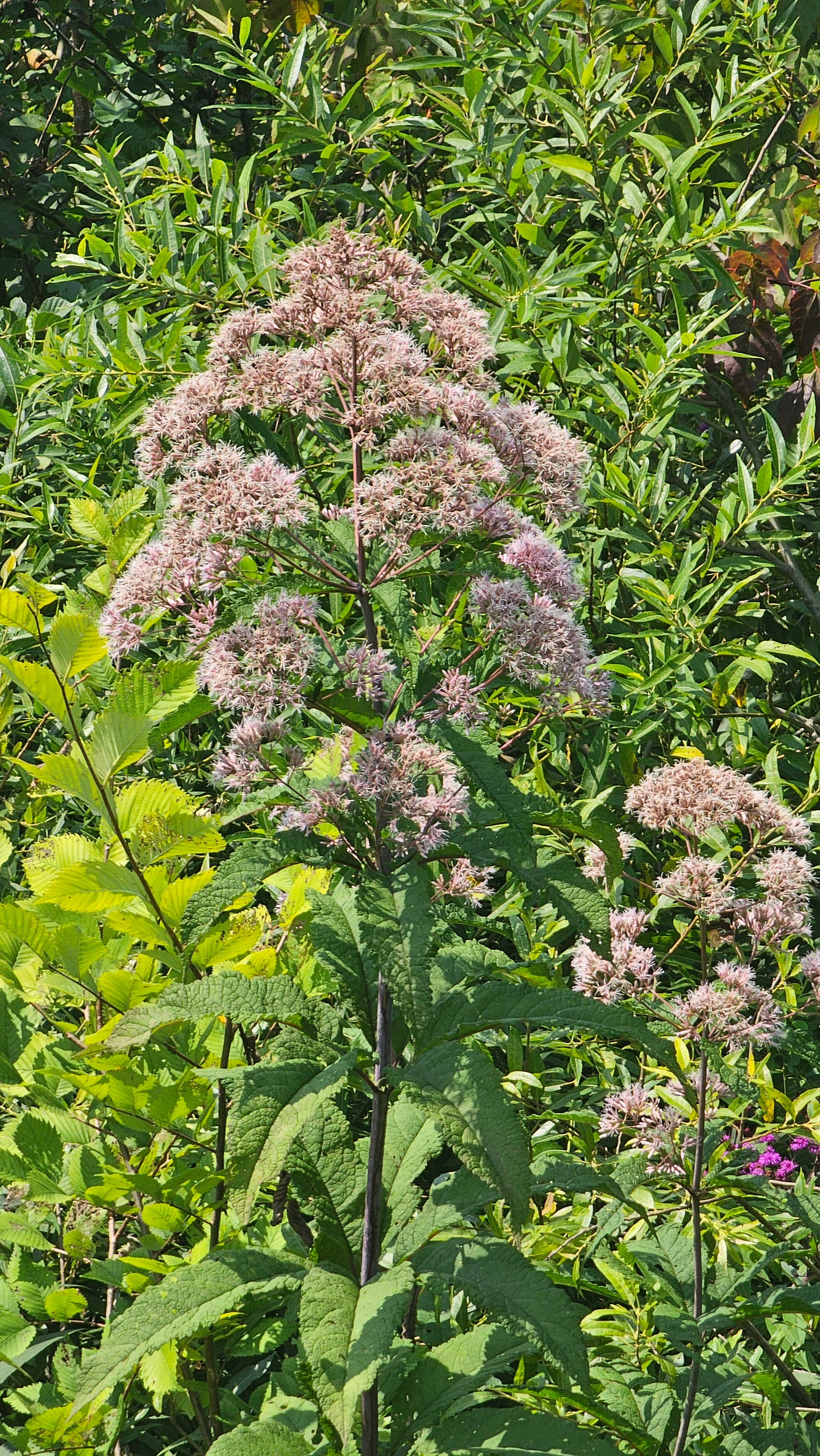
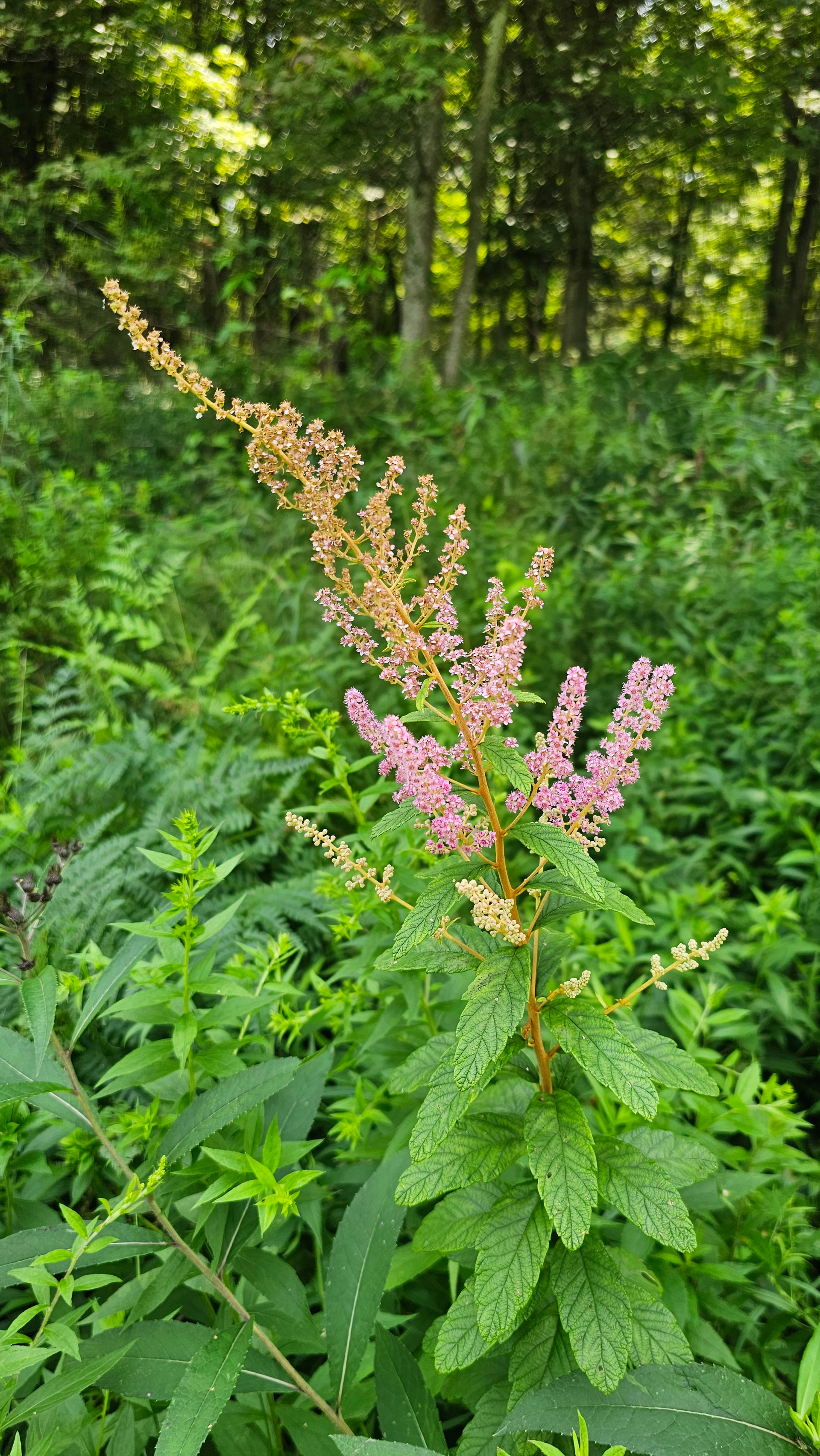
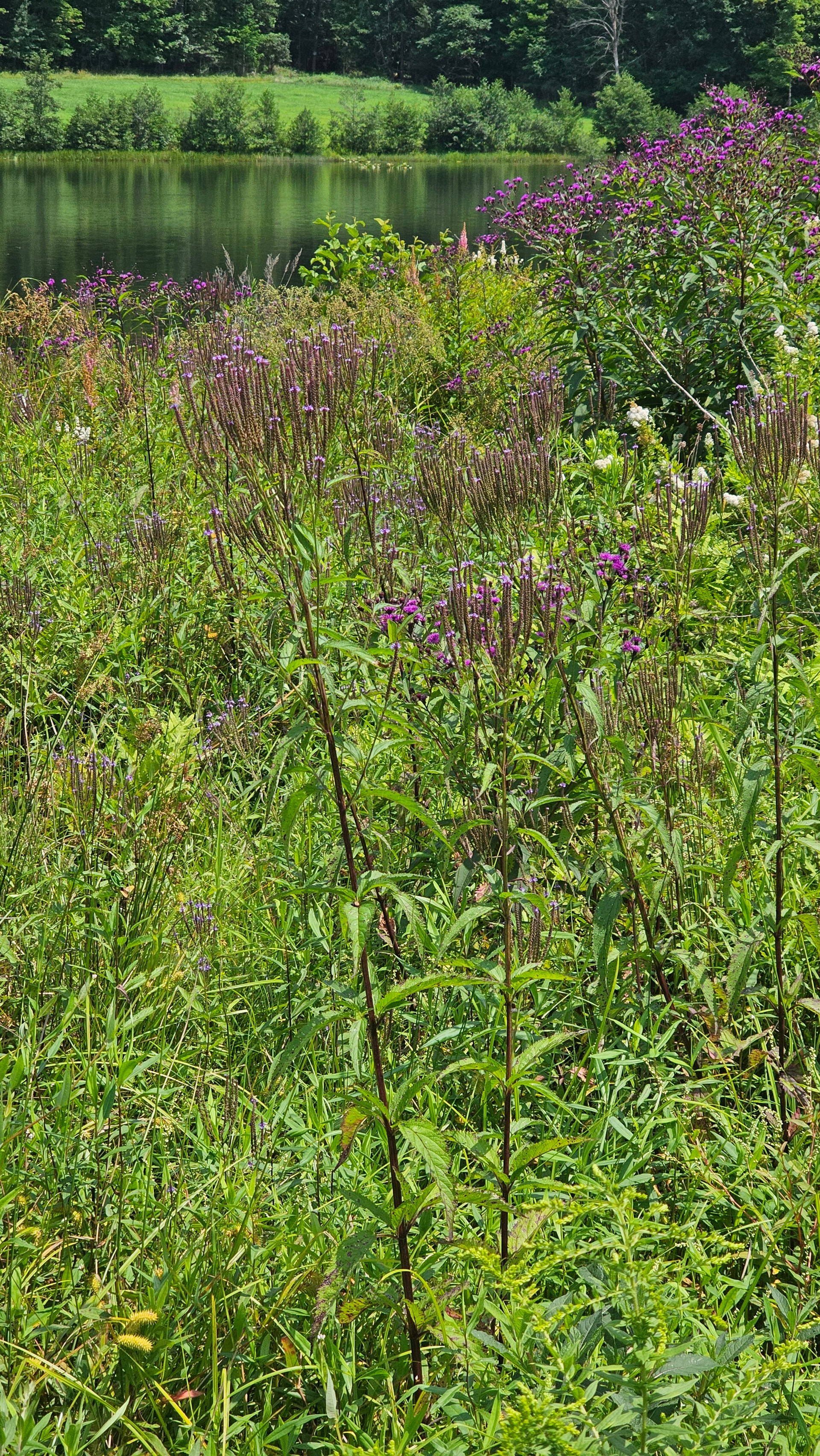
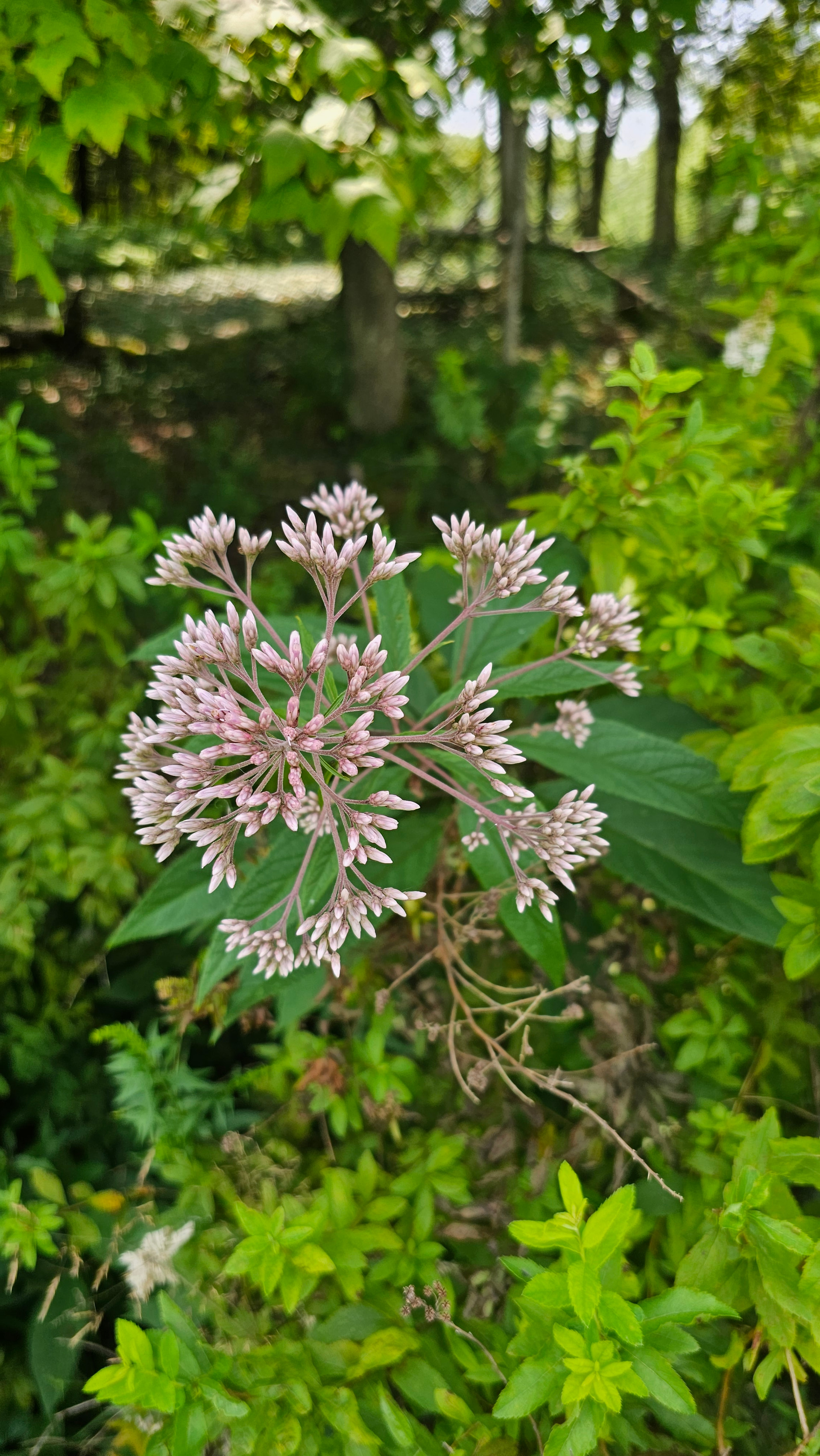

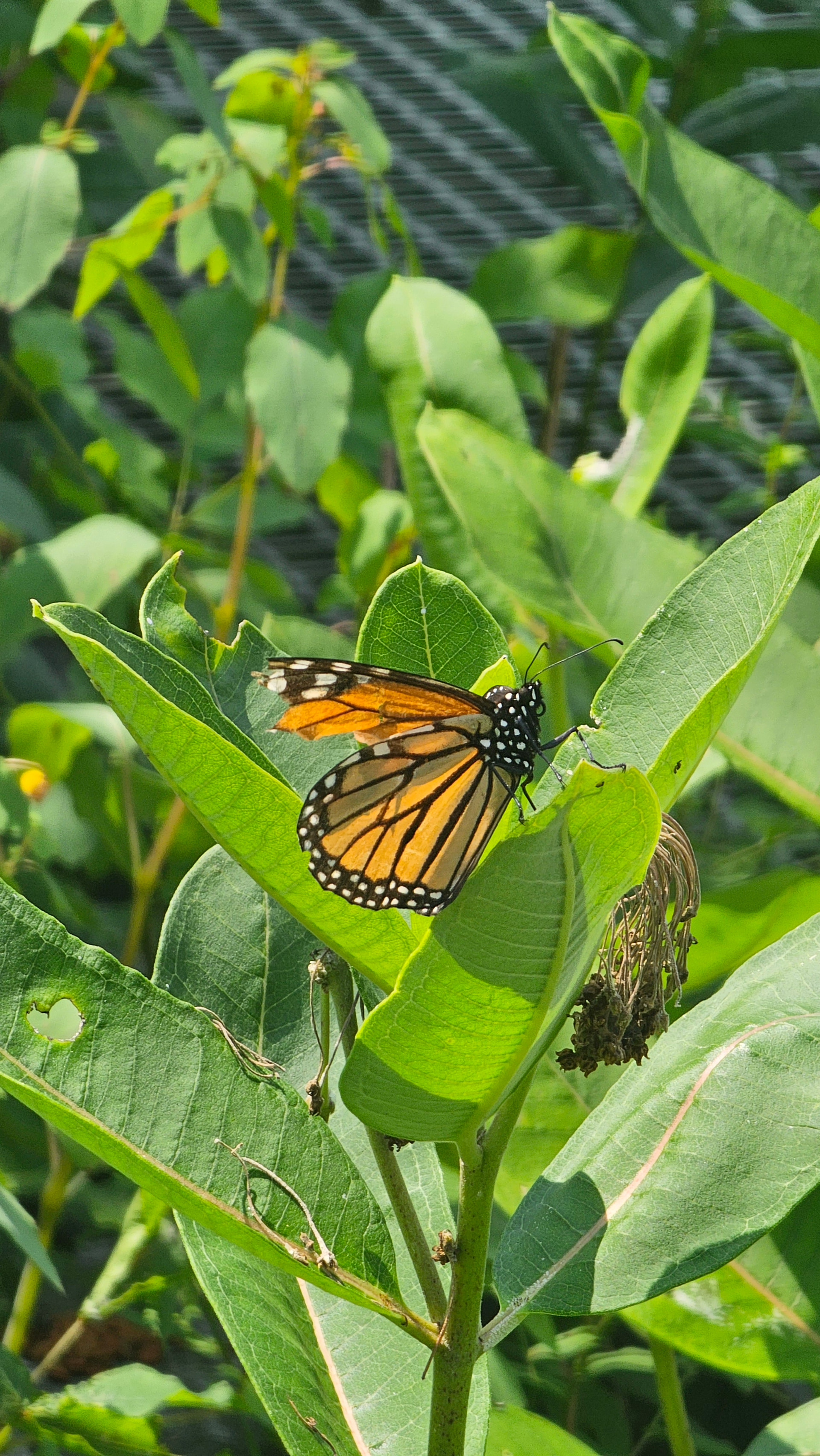

Thought you guys might enjoy these pictures, I’m really new at identifying natives but I believe these are all very stunning examples of extremely happy native flowering plants near me. I live in a pretty rural town and there’s a lake nearby with the most pristine native plants as you can see. This was on August 9th, the monarch butterflies were in full swing, the aroma of abundant plants filled the air. It’s basically just nature left to do its thing and it’s so stunning.
I’m planning to gather a bunch of seeds and grow them on my property in a native patch right in the front yard to have a little of that slice of joy where I can watch it. As someone very uninformed but slowly learning about the insane variety of plants I can choose from, it’s just so cool to see how well balanced nature can be when people just step back. Everything pictured (mostly) I plan to grow here and my goal is to copy what I like there with a focus on extended bloom (combining early, mid and late season) so there’s always something to see and keep the bees and insects happy.
Hope this brings you all some joy to this nice Monday.
7 Likes
Updated
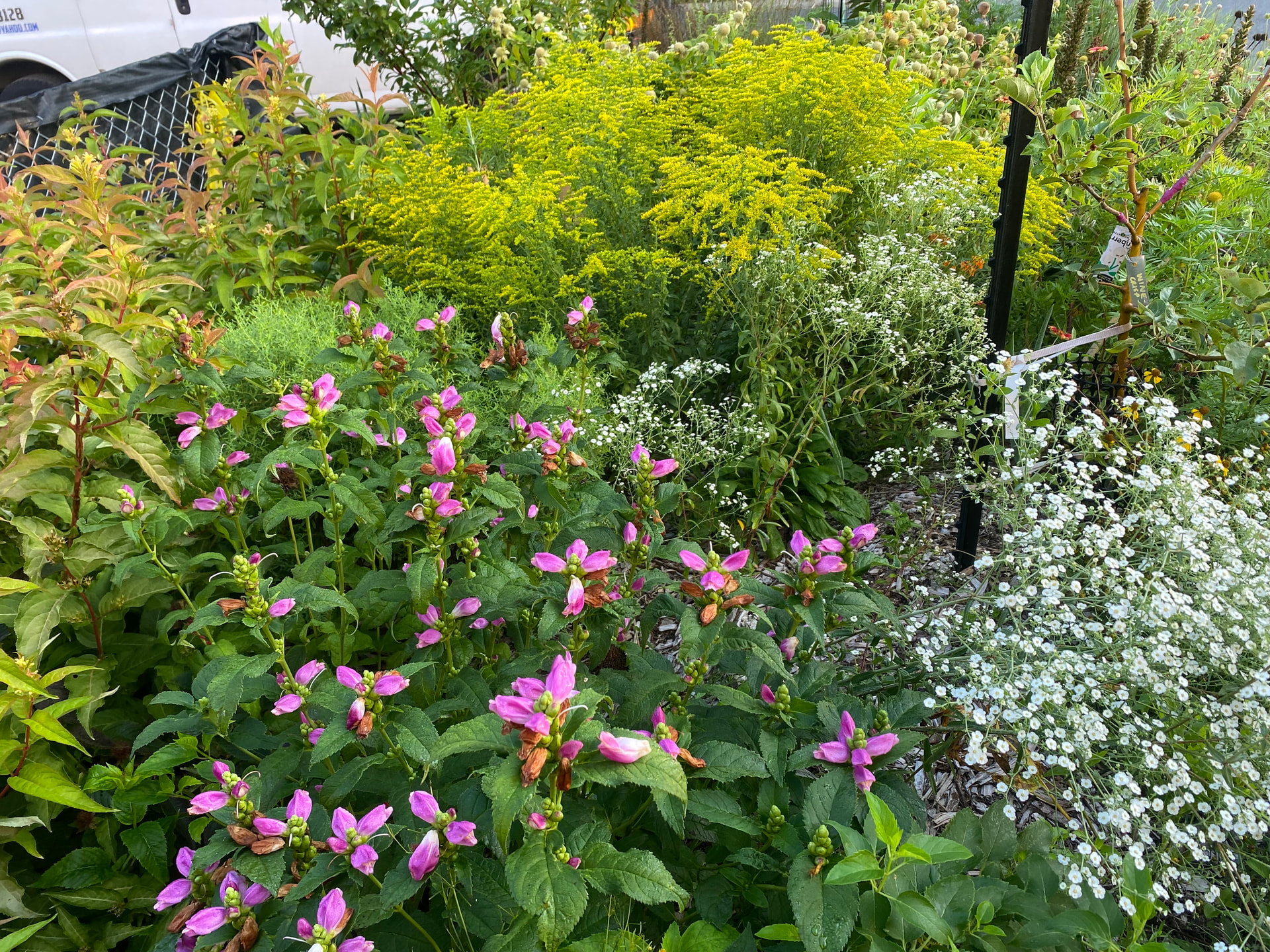
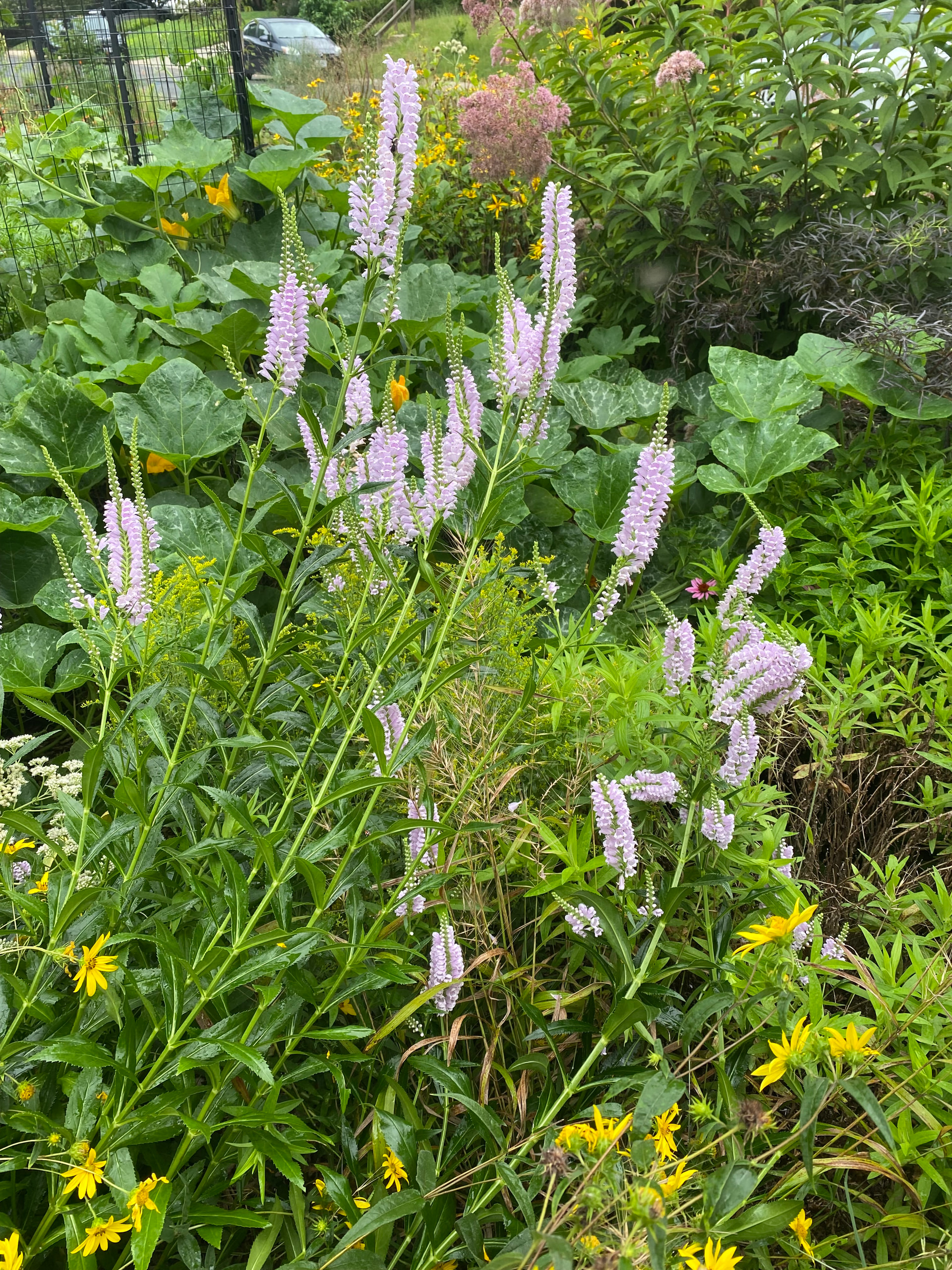
My physostegia virginiana is 5’ tall this year, likely bc of how packed the area became. Works out because I can’t even get over there now because of the pumpkin patch and everything around it, if it weren’t this tall I wouldn’t even be able to see it. And, it’s adding height that NE aster is not since that has been trying to die all summer. the patch is much bigger than this, but impossible to photograph. I’m a bit concerned as to what it’s going to do when I remove all the woodland sunflower to its right since that dense root system is at least boxing it out of one area.
3 Likes
Ugh. Too bad it’s a disease- they were cool looking! I’d never heard of aster yellows before.
I guess that’s what killed the nearby plants as well as causing the funny flowers?
2 Likes
I don’t think so -the other plants just abruptly browned and died. Hopefully, this echinacea was the only incurable disease-infected plant!
3 Likes