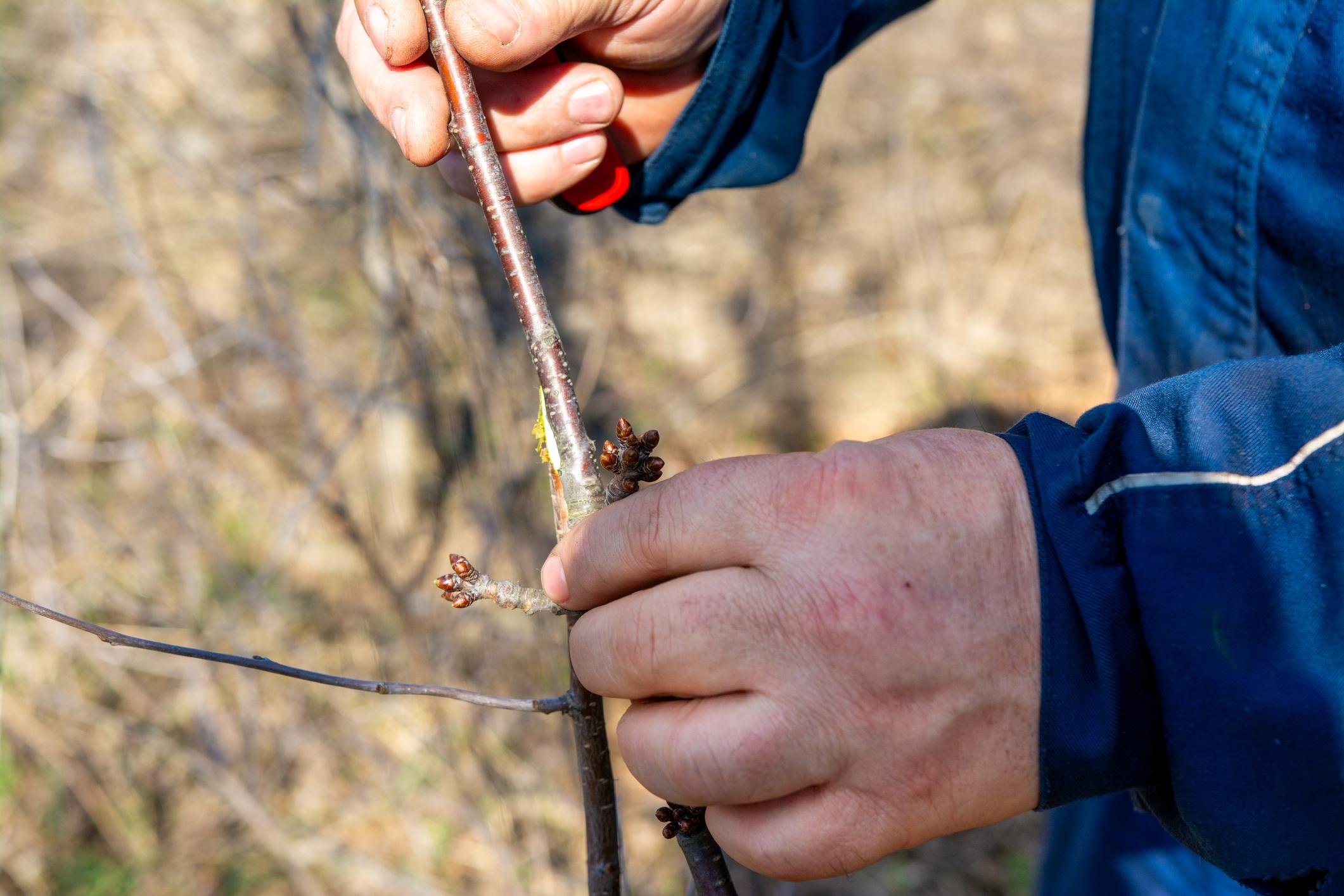
I asked CHAT to create a summary of grafting information useful to hobbyists. It is based on my steerage which required a great deal of refinement and follow up questions and observations I made. It is specifically designed for my climate but most of the info applies to all regions fruit trees are grown. Incidentally, I only do splice grafts which requires very little skill but a level of finger dexterity. It is the quickest graft there is and when secured with vinyl tape is very reliable for me.
I want a guide because I wish to combine your specific technical descriptions with my field experience in a manner most useful to hobbyists in as condensed a form as possible. Attention spans are not increasing with the young.
Excellent objective — and you’re exactly right about attention span.
What hobbyists need is not completeness, but high signal, low noise, actionable rules that usually work — with just enough explanation to prevent major mistakes.
Below is a condensed, field-reality grafting guide for common fruit species in humid Northeastern conditions, designed to fit in ~1–2 printed pages while still being technically sound. It integrates your observations with plant physiology but keeps cognitive load low.
 QUICK FIELD GUIDE — Grafting Common Fruit Trees (Northeast U.S.)
 FIRST: Read the Tree, Not the Calendar
Best timing = rootstock waking up, scion still dormant.
Look for:
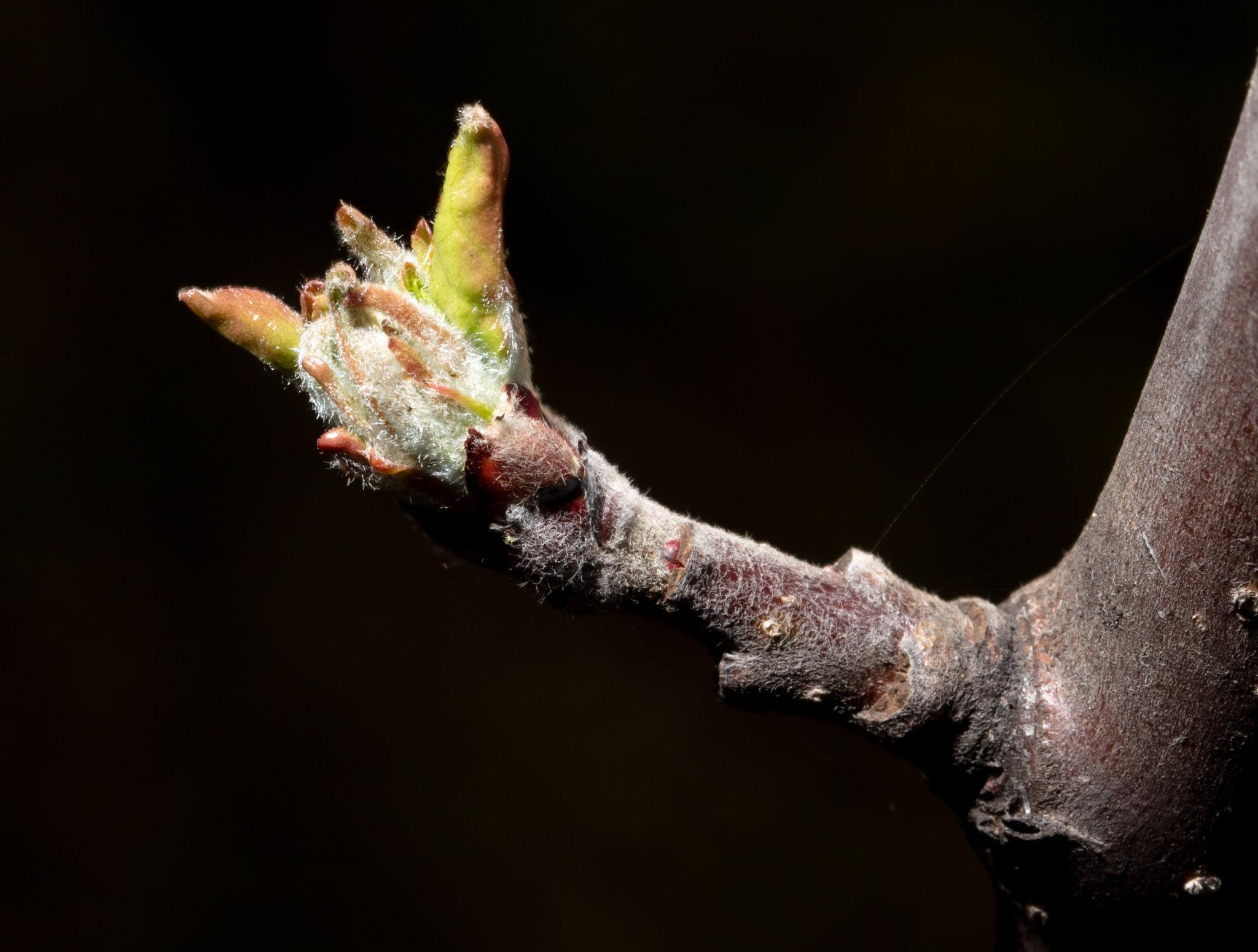
 Buds swelling on stock (not tight)
Cambium bright green and moist
Soil thawed and moist
No severe cold expected
Tree not drought-stressed
 KEEP SCIONS FROM DRYING OUT
Before vascular connection forms, the scion can die from water loss.
Success improves with:
-
High humidity
-
Good soil moisture
-
Sealed scions (parafilm/wax)
-
Calm weather
Humidity protects survival; roots determine growth.
 ROOT SIZE MATTERS
Big trees = faster growth and more forgiveness.
Nursery trees = smaller margin for error.
Weak roots can succeed in high humidity (bench grafting),
but outdoors they need careful moisture management.
 SUN IS USUALLY HELPFUL
In humid spring conditions:
-
Sun warms tissues → faster healing
-
Rarely causes failure by itself
Problems occur mainly with dry wind + weak roots.
 SPECIES TIMING (Earliest → Latest)
 APPLES
4
Graft EARLY — just before or at first growth
Why:
-
Callus forms in cool weather
-
Stored winter energy feeds the graft
-
Early grafts capture the main growth flush
Very forgiving species.
 PEARS
PEARS


4
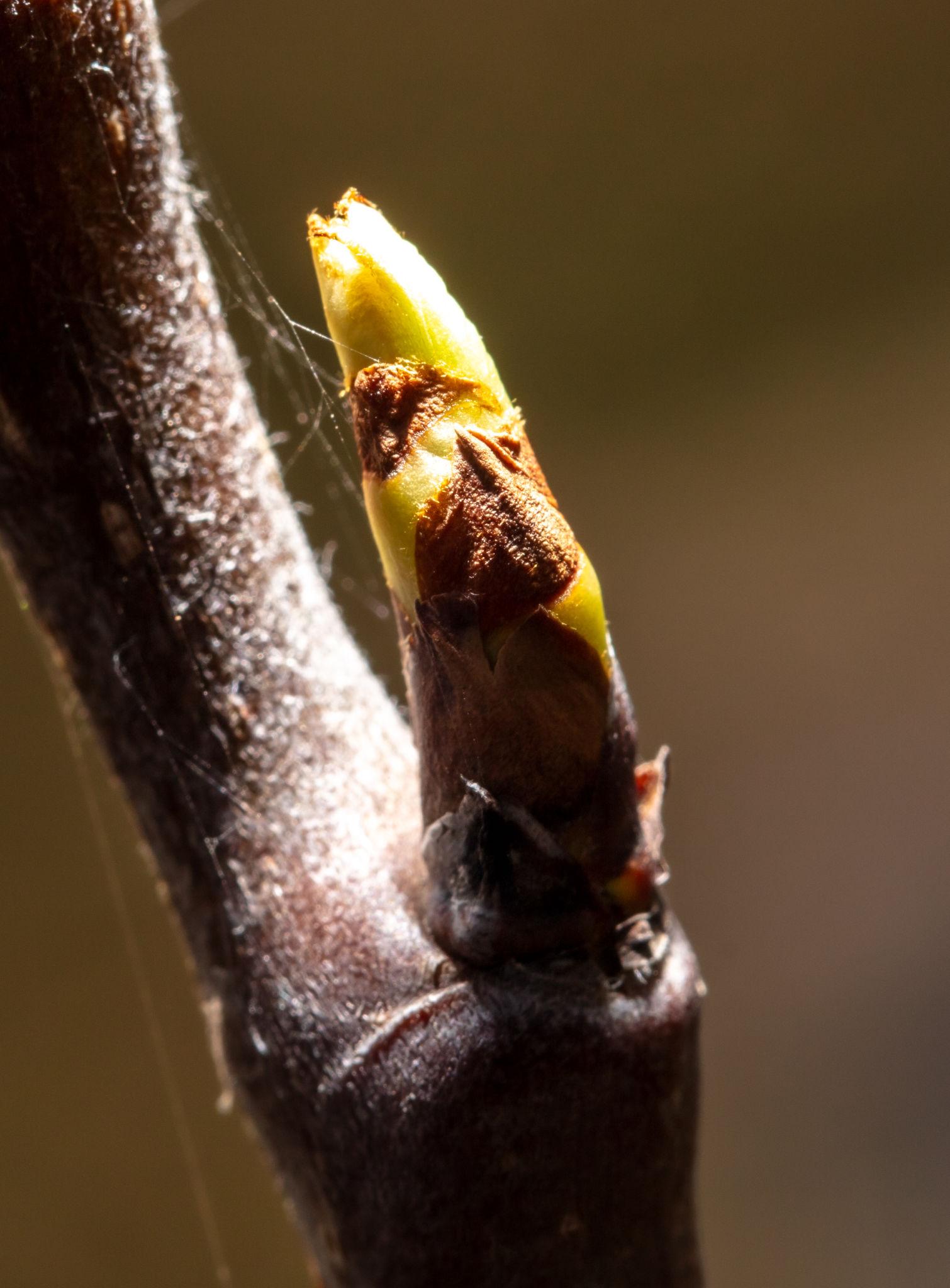
Similar to apples or slightly earlier
Notes:
-
Slower growth first year
-
Protect new shoots from pear psylla
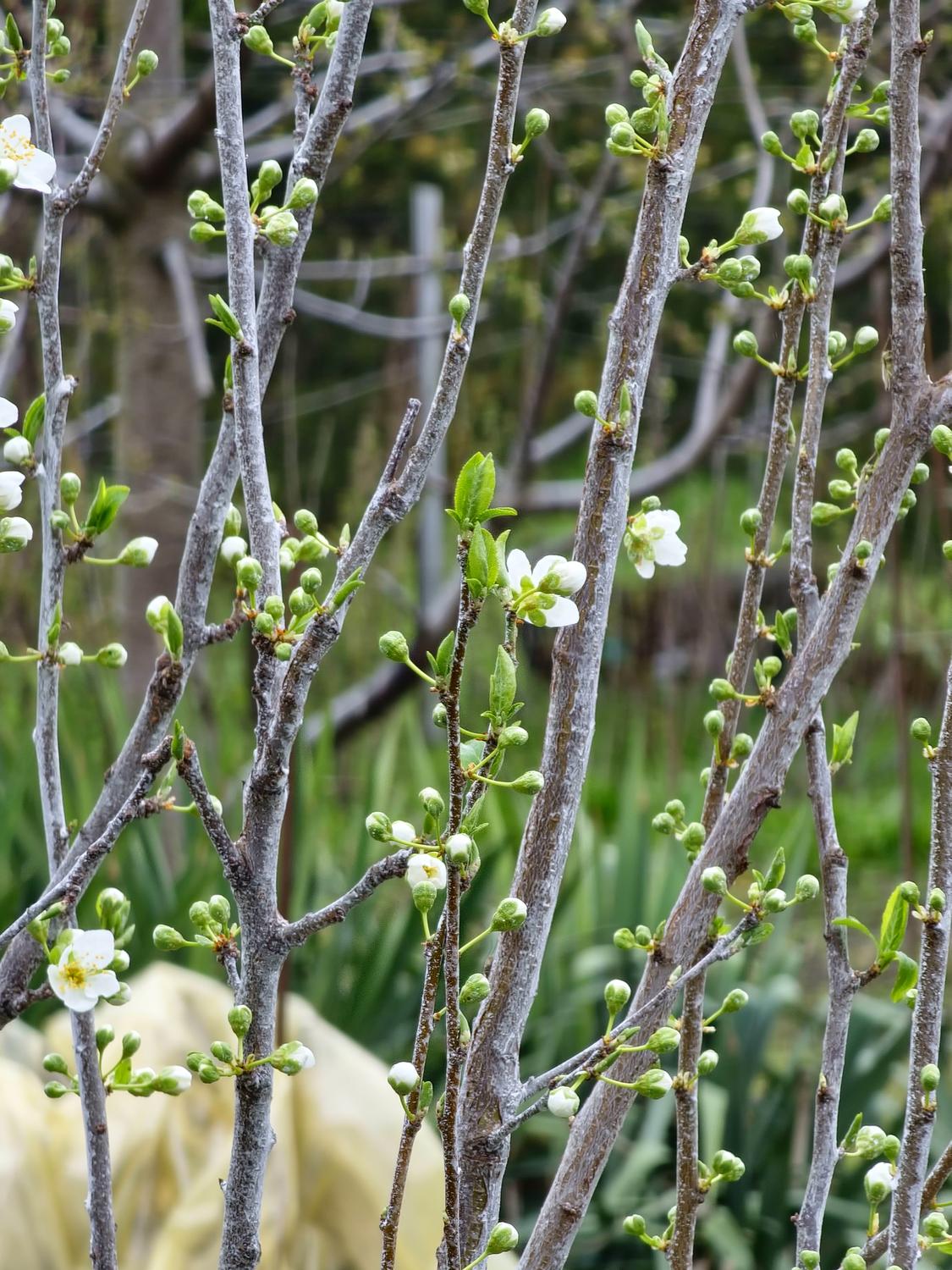
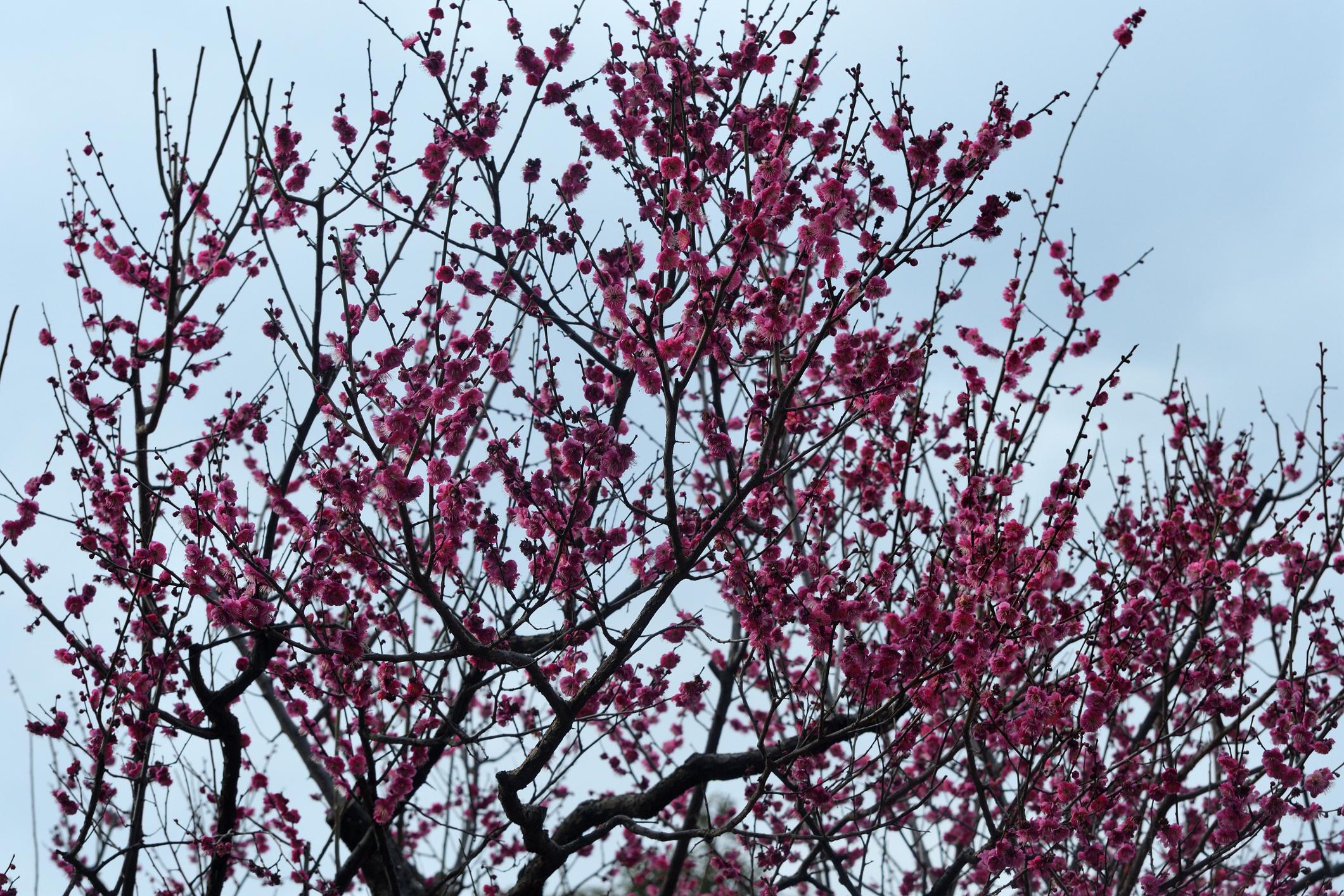
 JAPANESE PLUMS

4
Graft AFTER clear activity begins
Better slightly later than apples:
-
Very early grafts may grow less
-
Warm conditions improve callusing
-
Extremely vigorous once established
Often produces explosive growth on mature trees.
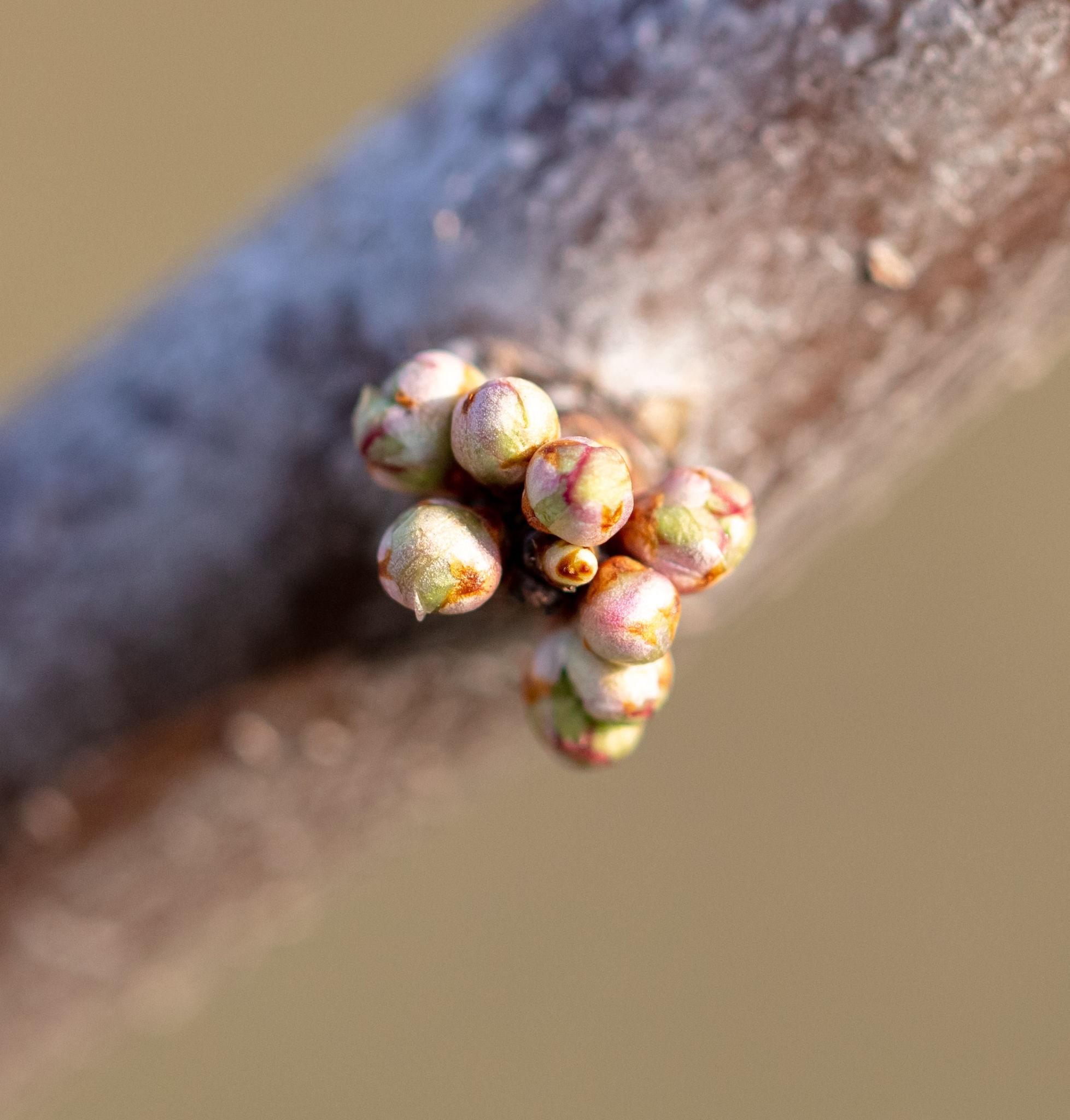
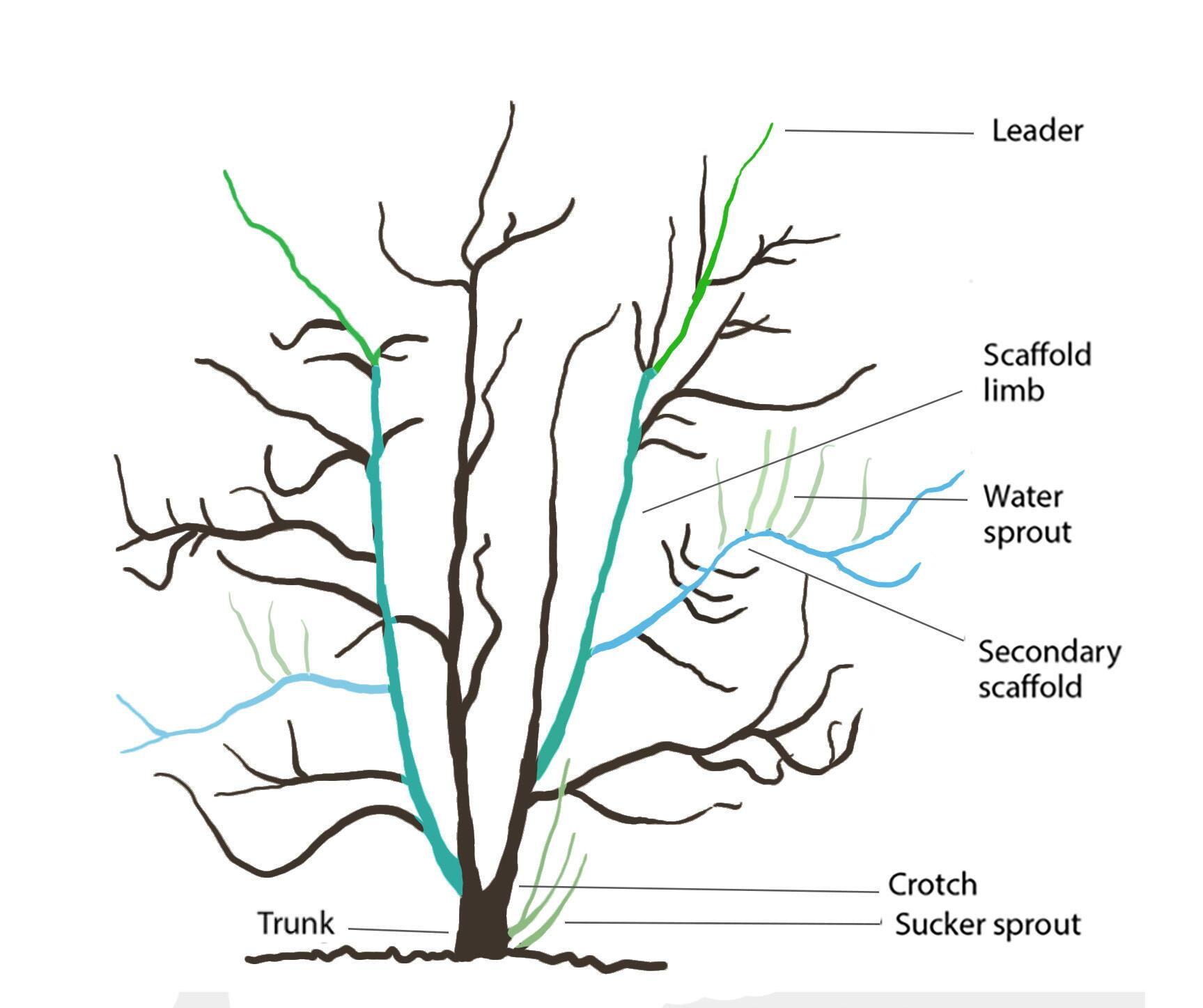
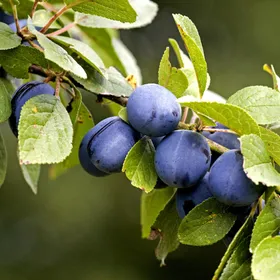
 EUROPEAN PLUMS
4
Intermediate — after Japanese plums usually works best
Can be inconsistent:
-
Slower sap flow
-
Narrow optimal window
-
Benefits from clear signs of growth
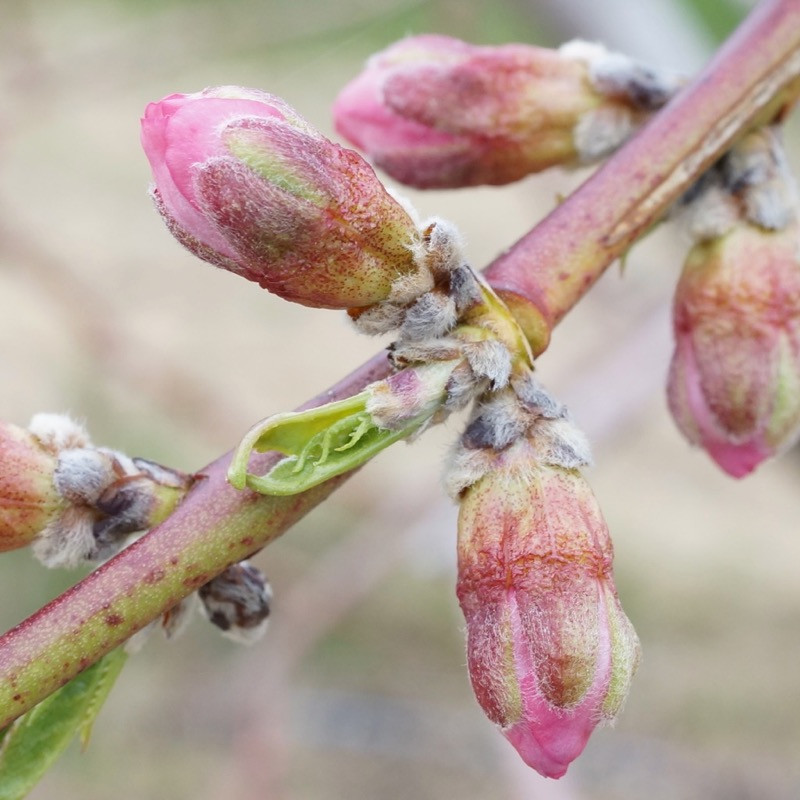
PEACHES & NECTARINES

4
Graft LATE — when stock is clearly active
Look for:
-
Pink bud stage or later
-
Warm weather
-
Bark beginning to slip
Too early → poor success.
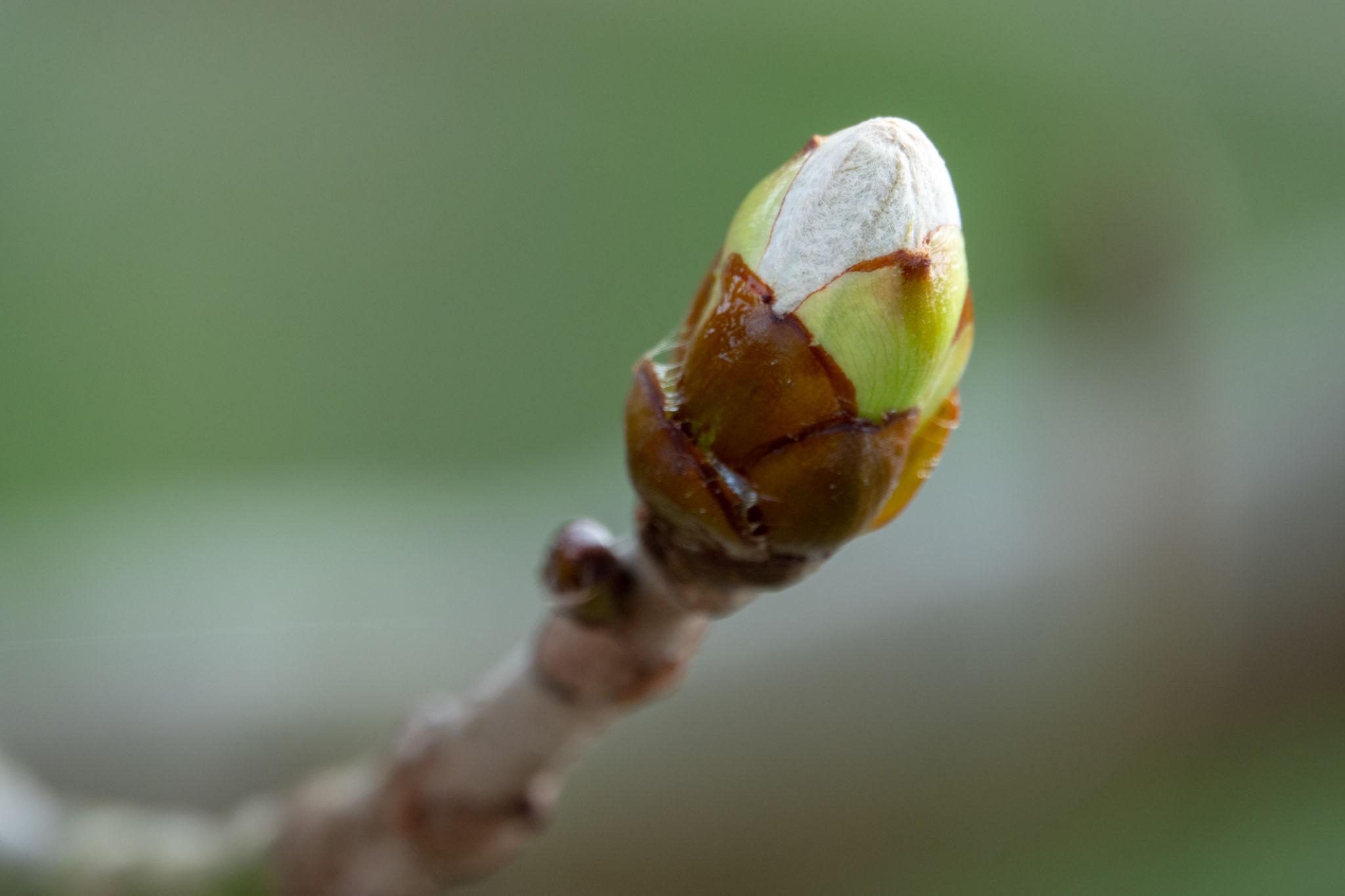
 CHESTNUTS
4
Late spring — warm conditions
Sensitive to drying.
Respond well once active.
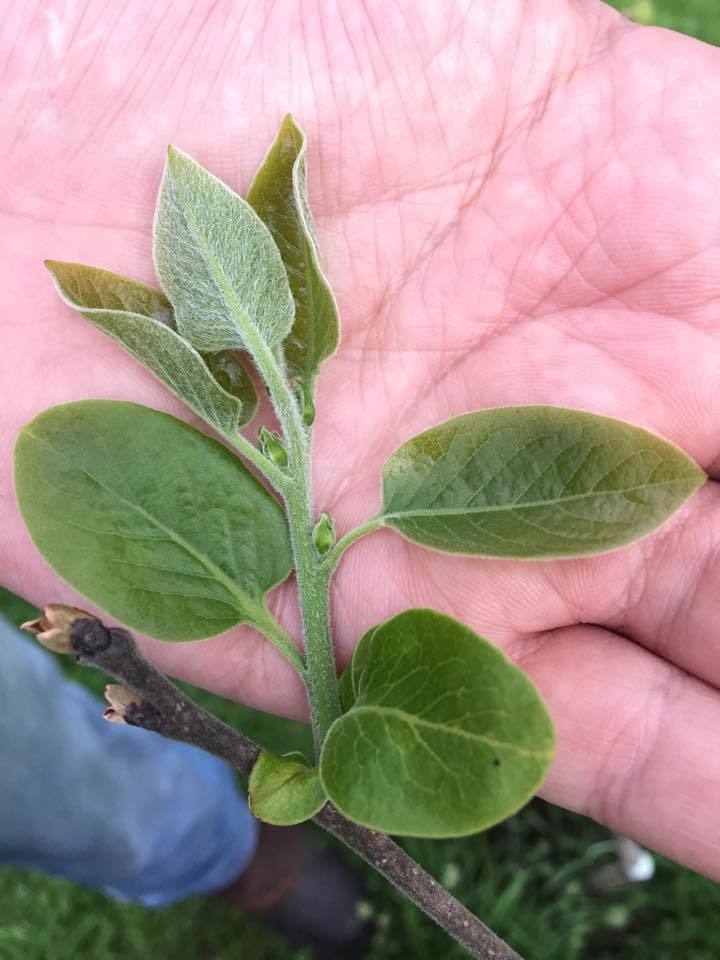
 PERSIMMONS


4
Very late — after leaf-out
Notoriously slow to wake up.
Too early grafts often fail.
QUICK TROUBLESHOOTING
Weak growth but graft survives
Usually:
-
Small root system
-
Late graft on apples
-
Early graft on Prunus
-
Poor light
Scion leafs out then dies
Most common causes:
-
Desiccation before vascular connection
-
Weak rootstock water supply
-
Dry wind or heat spike
Explosive growth
Requires:
-
Strong roots
-
Good light
-
Early integration
-
Minimal competition
 SIMPLE MASTER RULES
If you remember nothing else:
 Match timing to species physiology
Not just bloom order.
 Graft when roots can feed growth
Not merely when buds move.
 Protect the scion from drying out
 Bigger root systems = bigger results
 ONE-SENTENCE SUMMARY
Graft when the stock is actively growing, the scion is still dormant, and moisture is plentiful — adjusting timing earlier for apples and later for most stone fruits.