that would be great! thanks!
1 Like
It was 28 at 5:30 AM. I lost leafed out grape despite I covered it with a bucket. I suspect it was colder than 28 between 5:30 and 7:30
1 Like
I’ve always figured we were three weeks at least behind the lower Hudson Valley area, and we are in a frost pocket, so we are behind other orchards in the area. No answer why ours are so far along, but the pink in the apples mostly appeared within the last couple days.
One more cold night before a warming spell. Lows in the 40s and 50s next week. Hope it is not a set up.
If you want to know, cut some peach flowers at the base where the ovary is. I expect you will see a bit of brown, unfortunately.
Update: an even colder night. Low, according to the thermometer with a sensor placed outside the henhouse was 20.8°F. Orchard is at a slightly higher elevation, but not in a different microclimate.
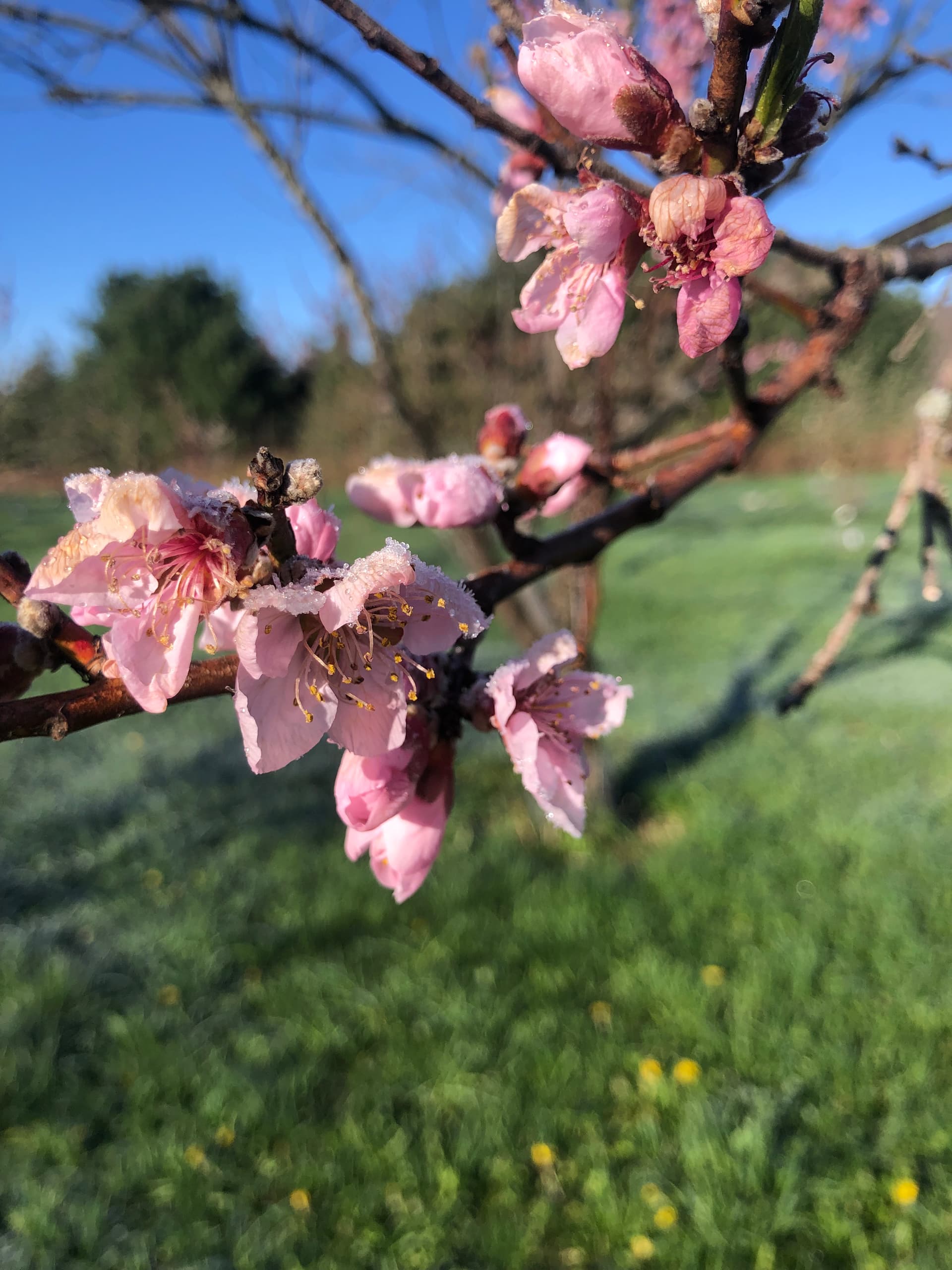
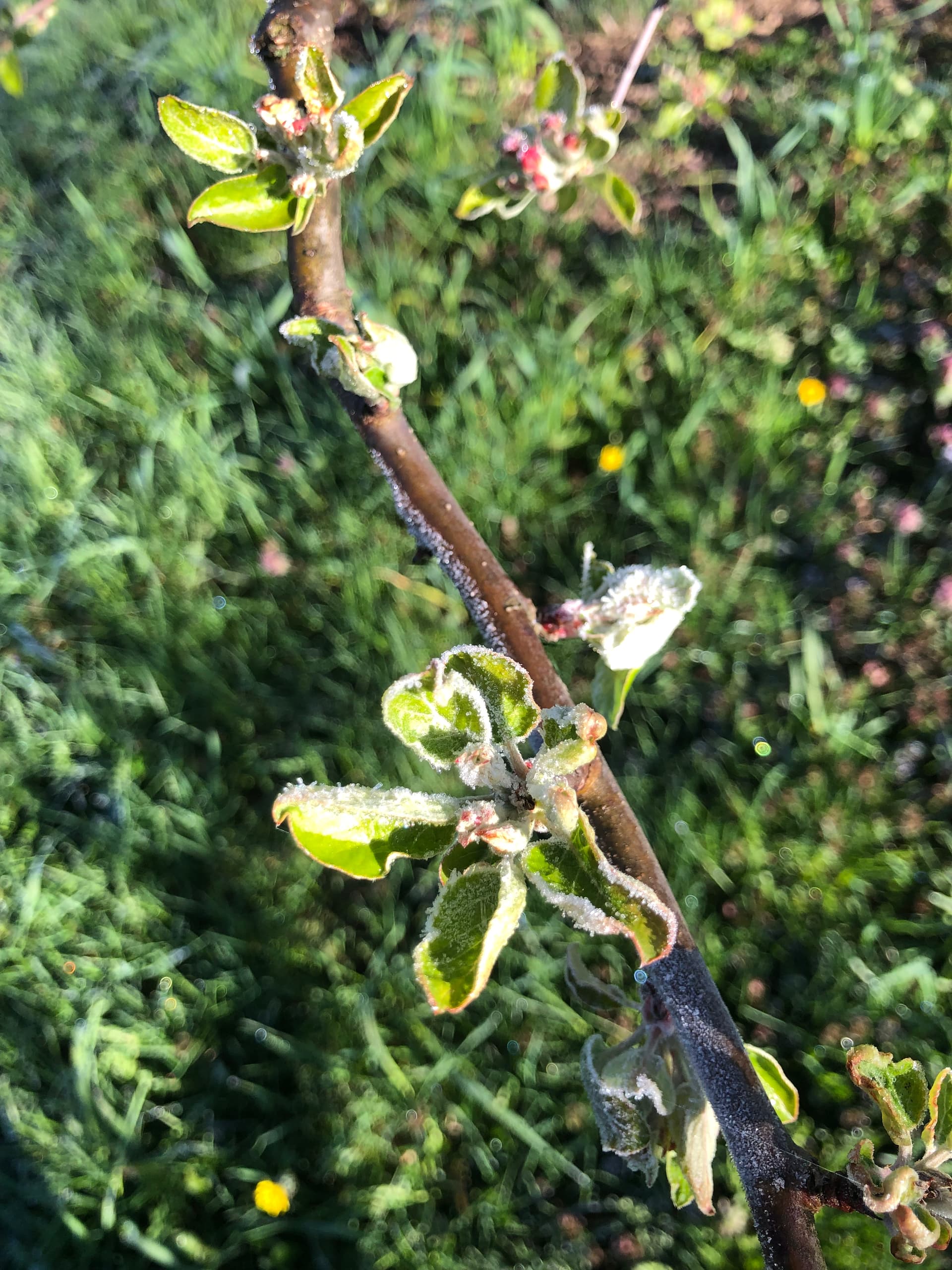
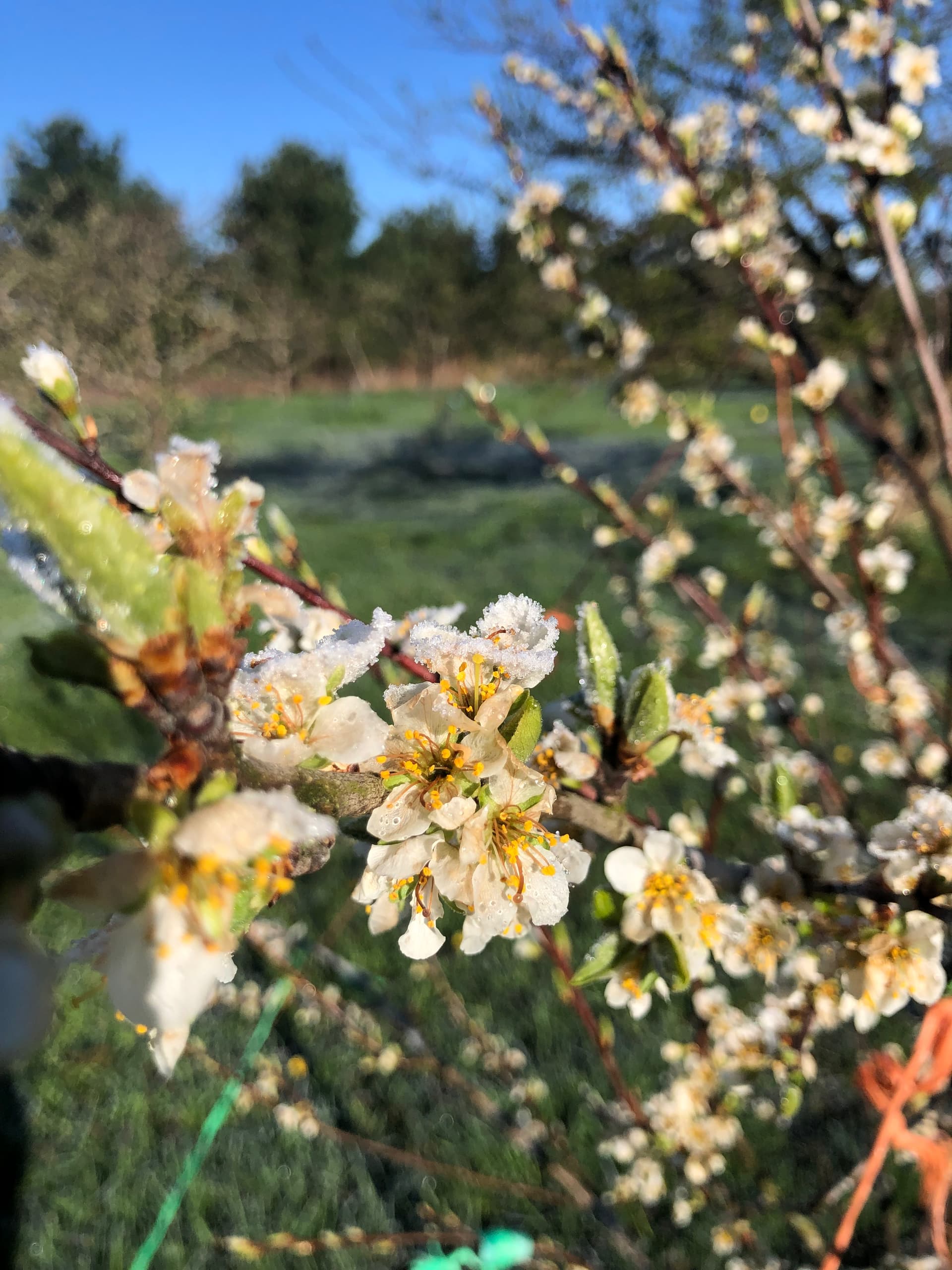
Petals are still hanging on for life.
Taking one peach blossom apart, I see the ovary is not yet developed (not yet pollenated?), and there is no brownness.
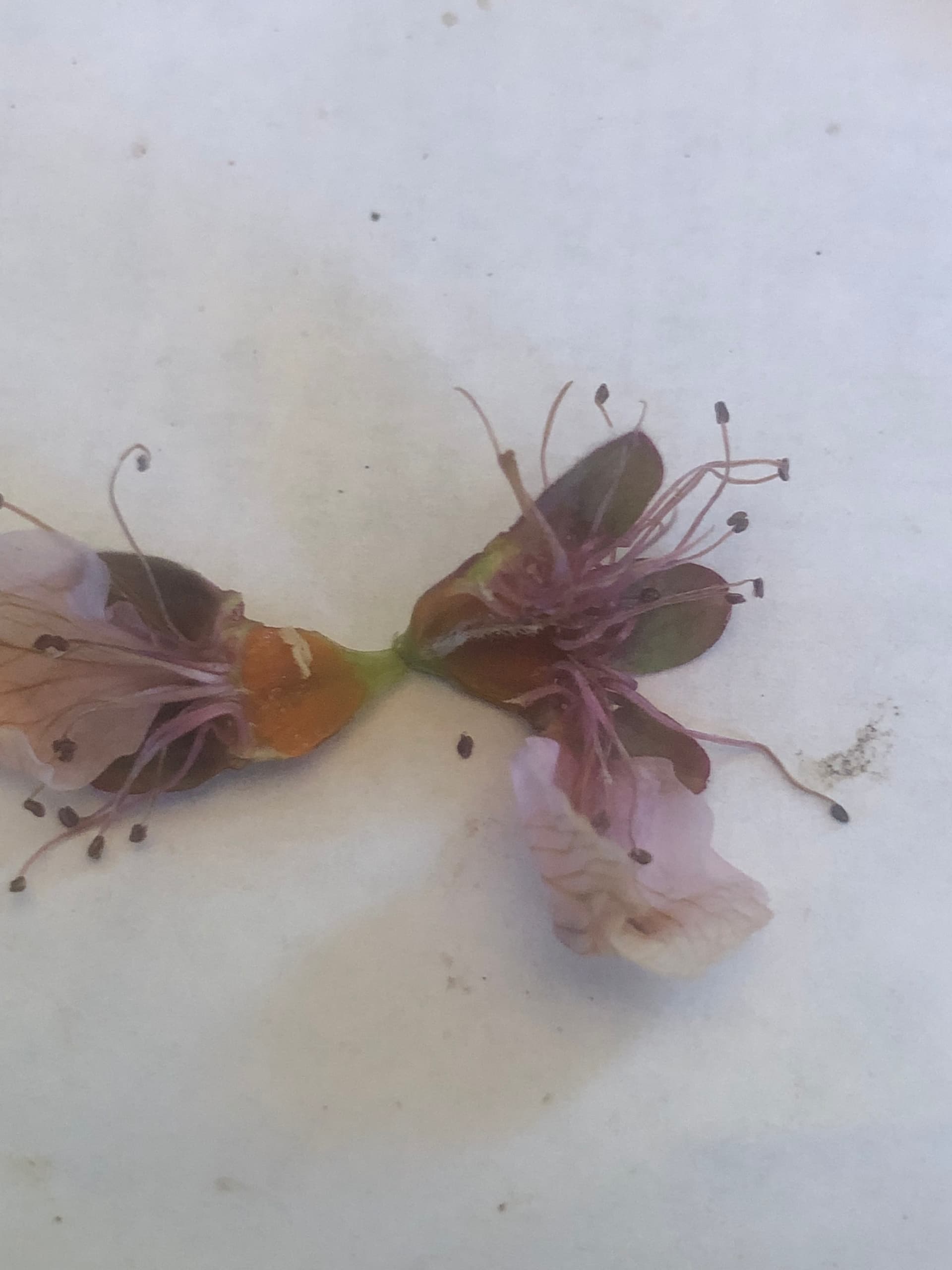
Still in a wait-and-see frame of mind.
1 Like
Last year at my site, flowers opened beautifully on all my J. plums and other stone fruit whose embryos were killed by the before mentioned Feb deep dive. I would have to see that photo in real life, can’t tell, but it looks darkened.
Ok here on Long Island. Low temp 32.1F.
1 Like
Reading a great book that’s set in New England and talks a lot about apples and ecological history of the Northeast. Figured I’d mention it in case anyone is looking for a good book: North Woods by Daniel Mason: 9780593597033 | PenguinRandomHouse.com: Books
4 Likes
https://growingfruit.org/t/daniel-mason-s-north-woods/58753
I’ll get back to it, but I quit a couple of generations after the orchard was put it.
Has anyone been seeing a ton of Spotted Lantrenfly nymphs?
Just int he last few days I’ve notice a ton of them in my yard.
Here’s a pic of a them on a Tree of Heaven (a weed tree which is their preferred host).
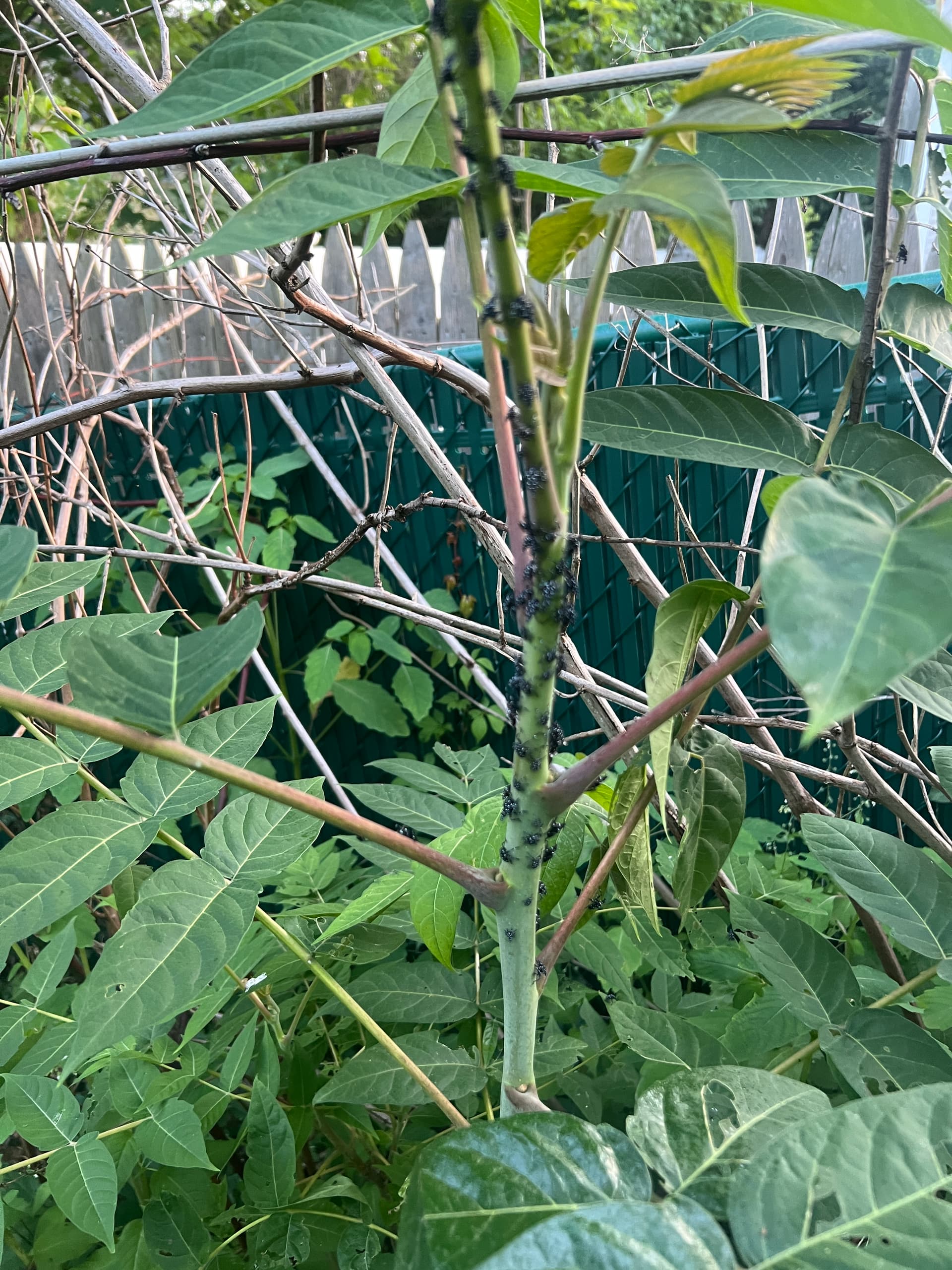
The first time I saw them, I tried to smush by hand. But there were too many of them. The 2nd time I came by to spray my nearby plums and gave them a sptitz. Hopefully it will not only kill the ones I sprayed, but any others which visit. Maybe I should leave that Tree of Heaven, as a place for them to congregate and die…
A day later, I realized that there was a grape vine which I forgot to spray. Not as many as the ToH, but it had quite a few on it as well.
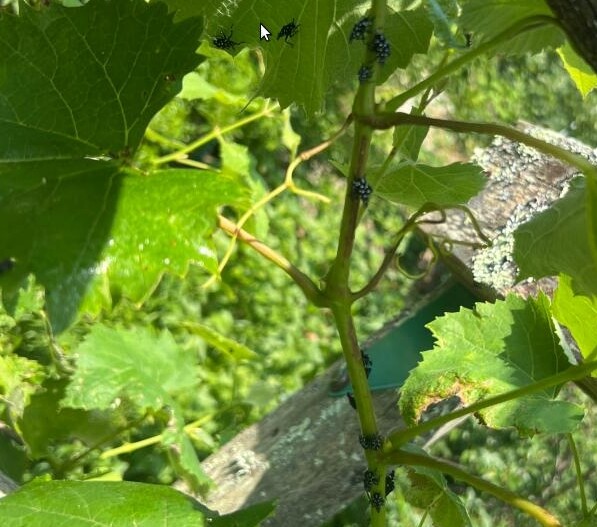
Is anyone doing anything special for them?
I saw this from the USDA about them being attracted to a 60hz hum, but don’t see any commercial traps taking advantage of the finding yet. Maybe an old bug zapper which hums a bit would work…
1 Like
I haven’t seen any yet, but an orchardist friend reported that he saw his first spotted lanternfly in Trumansburg (about 9 miles away) on Saturday. It was a single fly and his first sighting this far north.
1 Like
j.b just showed up this spring here for the 1st time. s.w.d 3 years ago. e.a.b 5 yrs ago. forest tent caterpillars stripped all the deciduous trees for the last 2 summers. supposedly worse next year. brown tail moths stripping trees in s. and central Maine. hey, why not 1 more calamity!
1 Like
Wow. You just barely got Japanese beetles up there? EAB is here now, but we still have some larger healthy ash trees around. I assume it’s a matter of time though.
The gypsy/spongy moth caterpillars have had some infestations in some NH areas in recent years, but not here locally and nothing like one of those years in the 80s. I’m sure the wetter decades help keep them in check.
No SLF here yet, but they’re creeping north through southern New England.
2 Likes
this is the worst we have seen of them since the early 80’s. vehicles skidding off the roads because of their squished bodies. its nuts.
1 Like
Looking for some advice from New England growers. I’m in my fourth season growing a mix of fruit trees in Middlesex County, MA, zone 6a. Apple, pear, plum, apricot. Trees are spaced around the acre of land that surrounds my house. Most trees get 8 hours of sun at the solstice. Apple, pears, and peaches have done well, generally.
Two questions:
Apricot trunk bark exploded from sun scald last winter and won’t make it long term, but otherwise vigorous - would you recommend trying again with apricots, but protecting the trunk with white latex paint?
Plums have low growth and all four of them developed either black knot or brown rot. I chose disease resistant cultivars as best I could from Cummins, but I don’t spray. Without spraying, is it worth continuing with plums in this climate? I don’t see either plums or apricots on other backyard properties, or sold much if at all at local PYO or farm stands that source locally. I’d be sorry to give up on 'cots and plums, but if they are not going to work in this climate without spraying, I’d move on and give those spots to apples or pears.
Many thanks!
You can keep cutting out black knot but it’s a tough battle without spraying. Brown rot will happen if not spraying unless weather is very dry. Copper or sulfur with Surround is an organic way to reduce brown rot. Plum curculio insects damage plums. They need to be sprayed early in the season.
I spray so I don’t know if there are any plums that are sufficiently resistant to brown rot.
Without spraying it may be difficult to grow any common and popular fruit. Peaches, especially some older varieties may produce good fruit but everything becomes more difficult if your site has blockage of morning and even afternoon sun. If it is surrounded by forest trees, they tend to lock in more moisture, leading to greater pressure from harmful fungus, especially brown rot, and, as you already know, black-knot.
Pest pressure varies a great deal from site to site, even ones near each other so the only definitive answer will come from your own experimentation. Spring Satin plum seems not to be susceptible to black knot. It is an aprium but mostly just a very good early plum. It does have more recognizable cot traits than the Zaiger creations, though. Blue Byrd is a Euro plum also virtually immune to black knot.
1 Like
Here in the Hudson valley, you can at least grow Asian pear without spraying. Though you will get some plum curculio damage, but the flesh is thick enough that it will just be superficial damage. I did use Scott’s organic spray schedule this year and not a single fruit has blemishes. Everything else is definitely more challenging though.
It was so rainy this spring that I never sprayed. Plums suffered. Disappointing because Lavina had its first full crop, and Castleton was full as well.
2 Likes