Orchard Birds

Due to the ongoing threads of ‘bird damage’… this is a thread to discuss the positive aspects of birds.

Some information for thought:

Integrating birds into an orchard provides a powerful, natural boost to ecosystem health and crop production, frequently offering net agricultural benefits that increase farm yields by 10 to 15 percent. While some birds occasionally peck at fruit, the overall ecological services they provide far outweigh minor crop damage

Natural Fertilization: As birds travel across the canopy and forest floor, their droppings deposit valuable nutrients directly into the soil, acting as a mild, continuous fertilizer for the trees

Decreased Fruit Loss: Predatory and insect-eating birds significantly mitigate overall fruit damage, which directly translates to higher market yields and cleaner, more profitable harvests

Reduced Input Costs: By leaning on birds for pest management, growers can drastically scale back on expensive chemical insecticides and pesticides, saving hundreds of dollars per hectare

Year-Round Maintenance: In the winter, birds like nuthatches and woodpeckers scour tree bark to eat overwintering larvae, interrupting the pest reproduction cycle before the spring bloom

Outperforming Chemicals: Research shows that beneficial birds can outperform traditional chemical pesticides, reducing harmful insect populations by up to 20 percent in apple orchards.

Targeted Hunting: Insectivorous birds like chickadees, swallows, bluebirds, and warblers feast on devastating orchard pests, including codling moth, apple maggots and borers.

There are also predatory birds like hawks, owls, kestrels.. that further hunt for things that an orchard attracts.

This is not meant to be a discussion of the pros and cons of migratory birds. That has already been settled and they are protected by law. Even though there is probably no enforcement.. it is actually bad enough for mankind that we had to put laws in place worldwide.

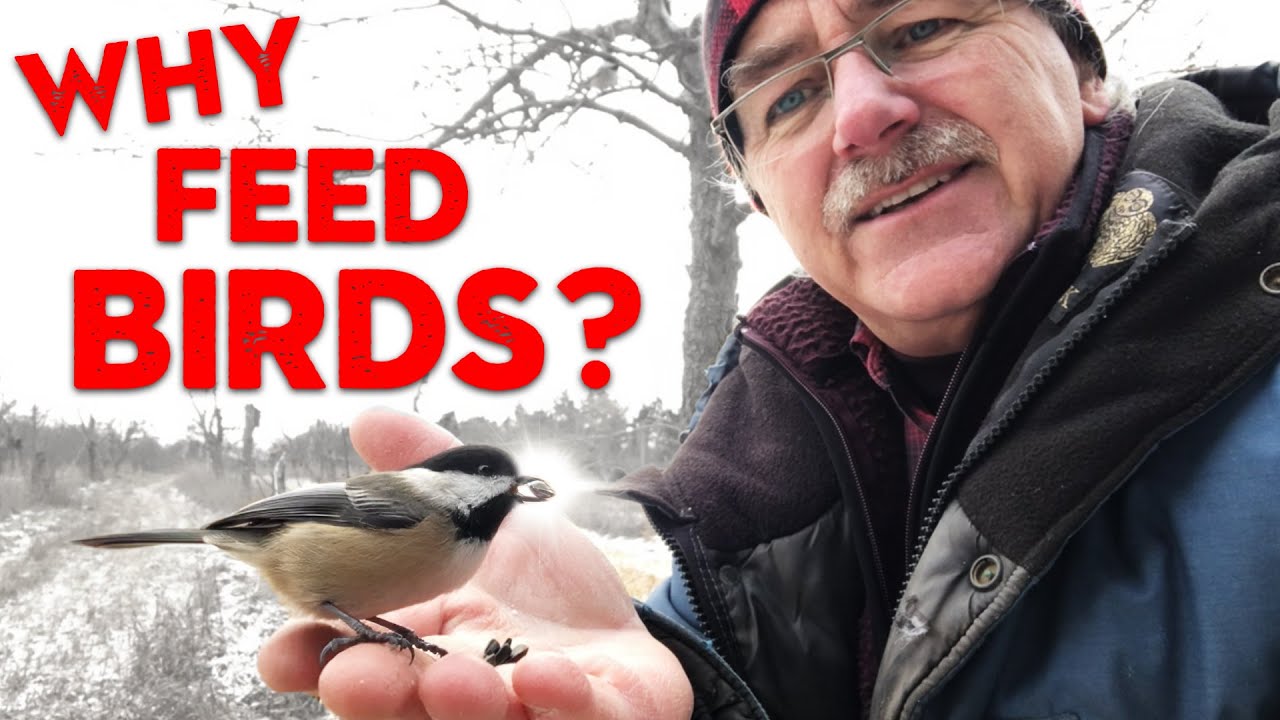
Final thought-

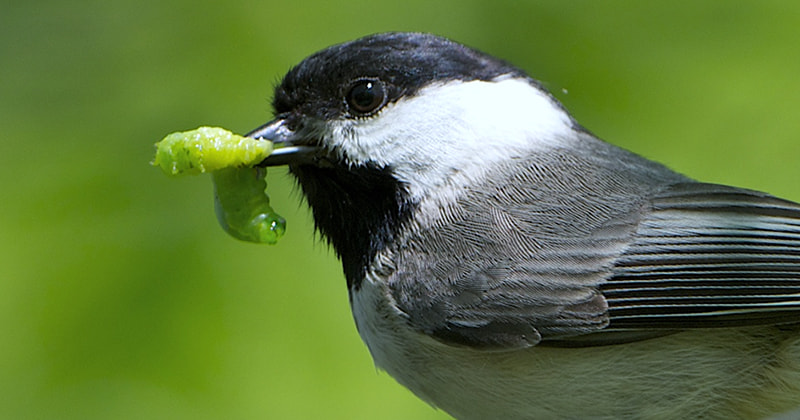
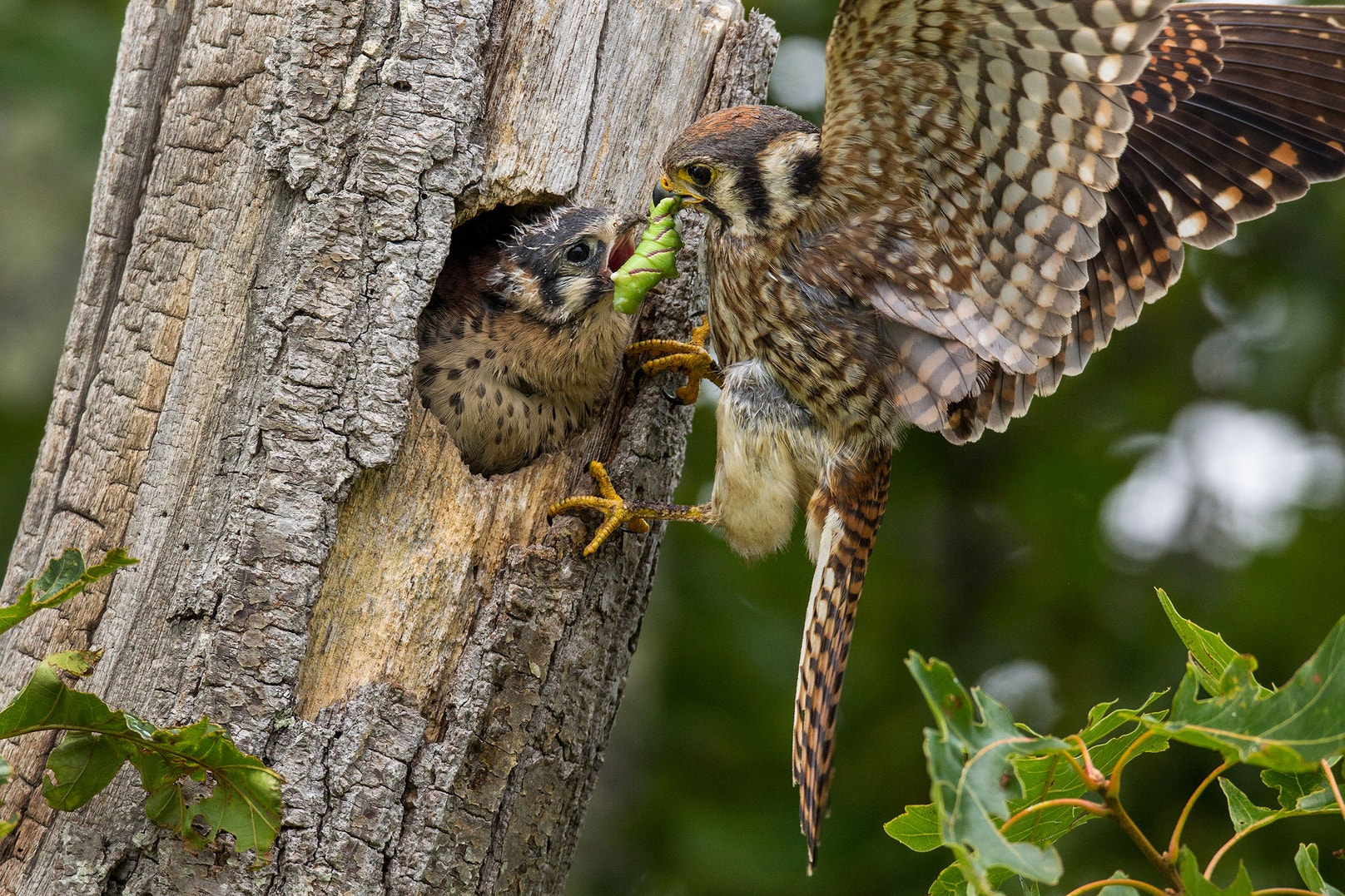
Insects are the prime source of food for most birds feeding their young. 96% of terrestrial birds feed their nestlings insects, not berries or seeds.
13 Likes

A juvenile Eastern Phobe has found our yard and seems to be joining our resident Crested Flycatcher as making the place a home. I was marveling at him chipping into dirt dauber nests and eating the prey insects and grubs. Smart little farts!

Like our flycatcher he has started landing on our bird feeder in the view of our living room bay window and shows off he is a pretty bird.

4 Likes

In the apple belt of west Michigan called “the Ridge” you often see where the orchard owners put up nesting houses for the Eastern Bluebird (for insect control) and American Kestrel (for mice and vole control )

7 Likes

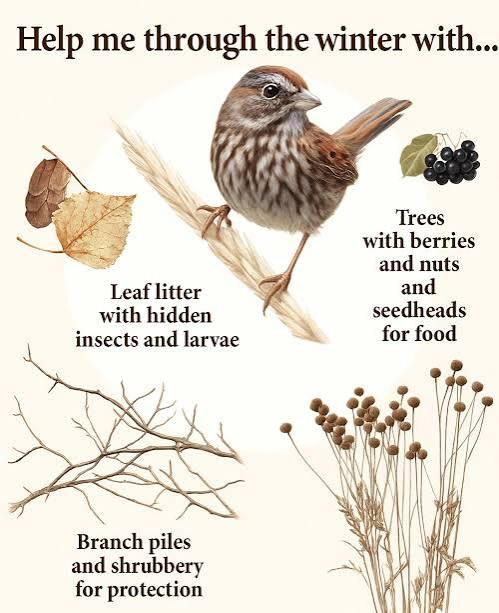
What if you leave the leaves?

1. Leave leaf litter lying on the floor of your gardens (orchards).

Most overwintering songbirds spend much of their time foraging through the leaf litter on the floor of your garden, looking for the tiny insects and insect eggs that will sustain them throughout the long cold. If you painstakingly clean every leaf off your garden in the fall, you are destroying the birds’ main food source.

4 Likes

im at the point now, i have so much fruit, the birds can have their share and i still get plenty.

6 Likes

I am awaiting the day my Illinois Everbearing mulberry tree produces a heavy harvest so I can race the birds to clearing the ripe fruit haha. I expect nothing less than them stripping it but at the very least I hope it serves as a distraction from the stuff that is more precious to me. The birds highly target my berries and a couple even get stuck under a net I had tightly pulled over my red raspberries but luckily my neighbor freed them before they got hurt. Most of the stuff I don’t really care sharing with them but the honeyberries I definitely am keen on protecting so I can try them. What they say about the birds immediately stripping those is quite true. I think since I grow so many different berries here, they don’t bother anything else like the apples, peaches, pears, persimmons, etc.

4 Likes

Fair point, though it does depend which bird. Tits picking aphids and caterpillars off the apples are lovely to have about, blackbirds working through the plums is a different story, ha.

3 Likes

We noticed the darn Chipping Sparrows will peck our blackberries if the mobs of them happen to pass through when berries are ripe. They basically got all the berries{half eaten usually} this year.

i just planted some prickly gooseberry for the birds. i also grow aronia for them. Theres still aronia hanging on and its been ripe for months so im not that worried tbh.

2 Likes

A few years back we had a Black Capped Chickadee take up residence in one of our birdhouses. One morning while sitting on my porch having my coffee I watched this bird make trips back and forth from the birdhouse to a wild Black Cherry (timber)tree. Like every minute or two it was making this flight.
After getting the binoculars I could see it was gathering little green worms from the tree foliage, each trip back she had 2-3 worms in her beak.

5 Likes

Speaking of orchard birds; we just received two relatively rare Pomeranian Geese to raise goslings. They are said to be very good lawnmowers/weedeaters. Funny they were very quiet on the farm that gave them to us. But oh boy they are talkative now. Thankfully not really loud though.

2 Likes

Dad maintained that geese would clear out johnson grass.

3 Likes

Each year somebody nests in Sweet Sixteen or Magness Pear. Usually Mockingbirds. Normally stoic adult humans melt when they see eggs or young in nest.

I use Gilbertson bluebird houses that detach from post so you can bring nest down to a child’s eye level. Instant awe and wonder. OK if done quickly and quietly.

At my old farm, who should nest in the orchard but Orchard Oriole- something you don’t see every day.

3 Likes

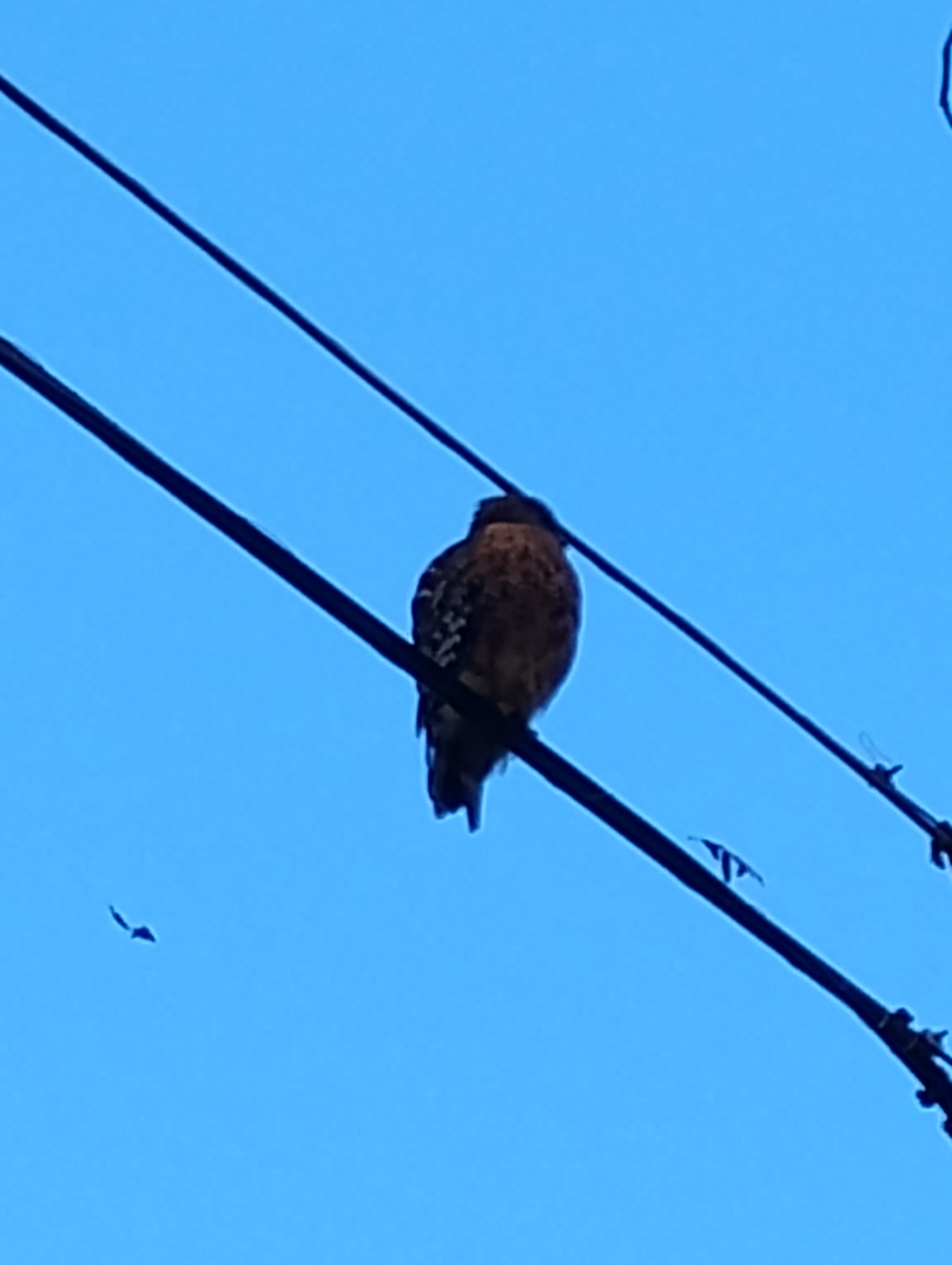
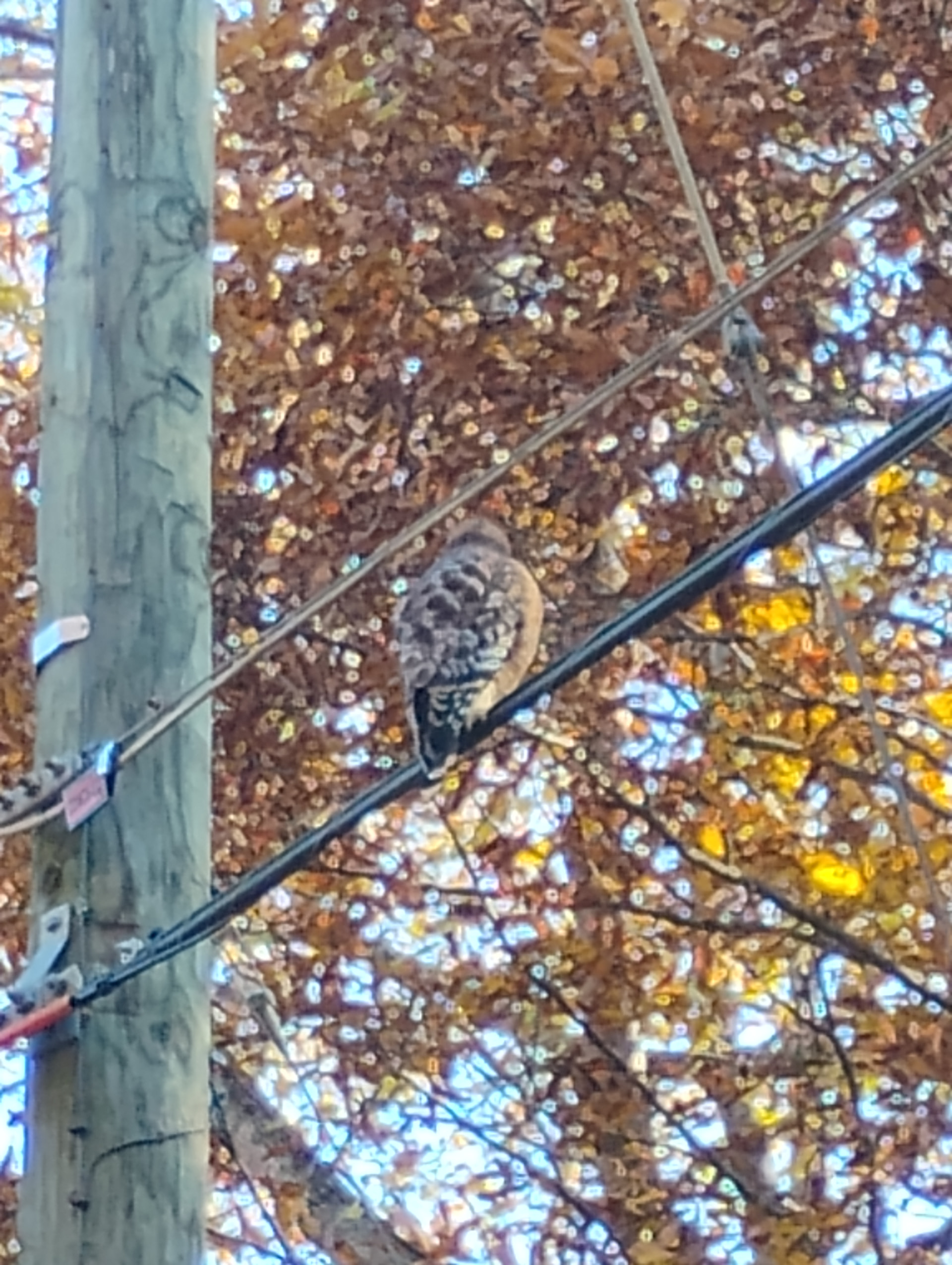
As it is for me with getting excited by seeing uncommon trees in this area, I enjoy those times that the less common birds come near. Whether it be red shouldered hawk looking for a meal

barred owls hooting, red tailed hawks zooming, Cooper’s hawks calling, osprey soaring high overhead or a great blue heron stalking

or even simply hearing the unusual sound made by the wings of whichever vultures or buzzards found a meal back in the woods, I’ll enjoy 'em all. Same goes for all the salamanders, toads, turtles and snakes I happen upon.

3 Likes

they dont touch aronia here. i tried leaving the high up berries on the bushes for them over winter but they were still on the tree come spring. they sure love honeyberry and serviceberry though.

my toulouse arent too bad but boy when they hear me come outside or if someone walks by, they put up a racket. the male even defends me from other people. i had a lady from church come here to pick berries. i had to keep between her and him to shoo him off. you’ll fall in love with your geese. theyre my favorite fowl to keep. very smart. ive heard they can live as long as 20 yrs. im currently looking for some pilgrim geese. the breed is in decline. its the only breed bred in the u.s. the goslings can be sexed by color at hatching.