No, the single Yali pear growing on it now is its first fruit. I can vaguely recall it having a few blossoms on it in Oct (I think). I guess it’s self fertile, because obviously no other pears were blooming in Oct.
I only grafted it a couple of years ago. Hopefully this year I will get to taste some of its fruit.
I think not pruning stone fruits until it’s warmer in the season (May/June) probably helps the best since canker is most active during the winter and spring months. The OSU literature advises not to use copper due to resistance and they have observed copper has made the canker problem worse.
Well we never really had any frost this fall, so I couldn’t say really. I think most of my pears, apples, and Euro plums bloom late enough that frost is not an issue.
Where I live, my last frost is usually no later than the first or second week of March.
I planted my tomatoes outside in the garden in the second week of April last year. Spring frost really isn’t a big concern here.
That hasn’t been my experience. For me, copper, as part of Bordeaux treatment, has been effective at healing fungal outbreaks and preventing PLC. From my discussions with other growers in the area, PLC is guaranteed without spraying. I’m not willing to take the risk in not spraying since I have zero PLC in my orchard.
Have you had a different experience with copper and PLC?
Has anyone had much luck with growing and fruiting pomegranates here in pnw? I’m in the Portland metro area so maybe we can grow them here as it has been more and more mild in the winter and hotter summers the last few years?
My neighbor grows pomegranates successfully, but she dedicates a large portion of her yard to them. I have a couple of plants lingering. I want most of my yard to give me a lot of good stuff to eat. Not just a bit for the full sun areas, so I don’t really try to grow pomegranate.
John S
PDX OR
There is a guy on here named Castanea and he is a real expert. Colossal is hard to peel. Castanea says that Euros grow best here in PNW. Plant a Euro chestnut and then graft your variety to it.
Our property is at 4200ft - I think Shingletown itself is at 3100ft. I don’t know if this would matter or not…we do get warm and dry in Summer.
Are you thinking I am not actually part of the PNW?
I picked Chinese, due to a big Asian population nearby and also, it kinda looked like most people found them to be smaller but better quality than the Euro’s - do you have an opinion on that?
In my history with the Japanese plums there has been nothing that can be thrown at them, in the way of weather, that will keep them from overproducing.
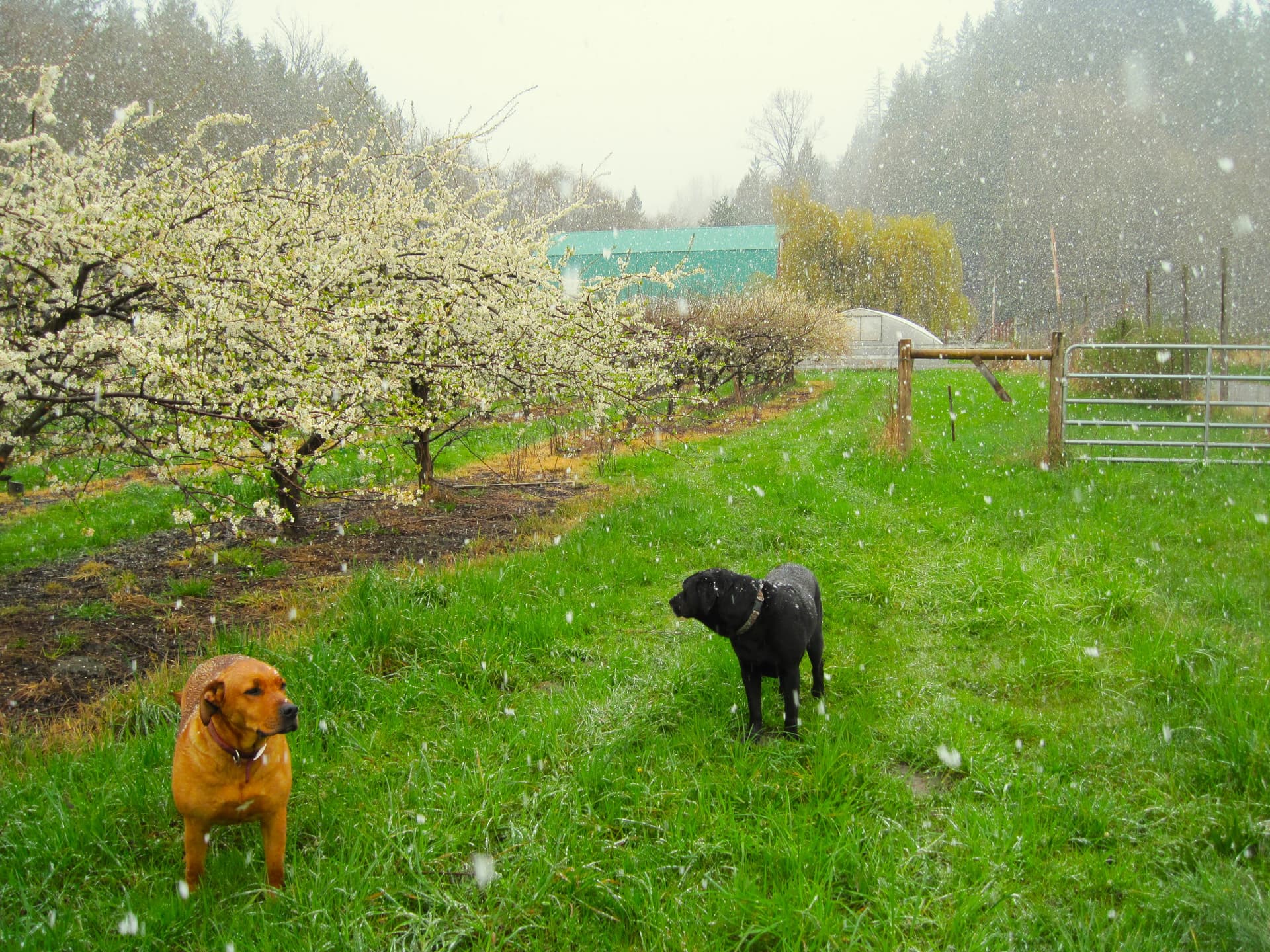
This pic was a rare cold spell in April of 2011. But they did survive the freezing temps / snow during full bloom like it was nothing! From closest to furthest, Shiro, Methley, Beauty.
Puget Gold is probably your most likely candidate for success in this area. This variety was trialed and heavily recommended by both WSU Mt Vernon and Raintree Nursery, (the original Raintree) for decades. EB0937 Tree Fruit Varieties For Western Washington which is pretty outdated by now has Puget Gold as the preferred Apricot.
I like to compare it to a Frost peach. Frost isnt the greatest quality peach out there but on a year where no other peaches are producing one can usually count on getting a few fruit off their Frost. The same is true for Puget Gold. Takes a long time to ripen, no disease resistance whatsoever, a huge tree, but it will usually give you some apricots when no other will.
Probably because these varieties either bloom late and/or are self-fertile?
I read a report mentioning Mt.Vernon center had good success with Puget Gold fruiting every year however some of people growing them here on this thread hasn’t had much success getting it to fruit consistently.

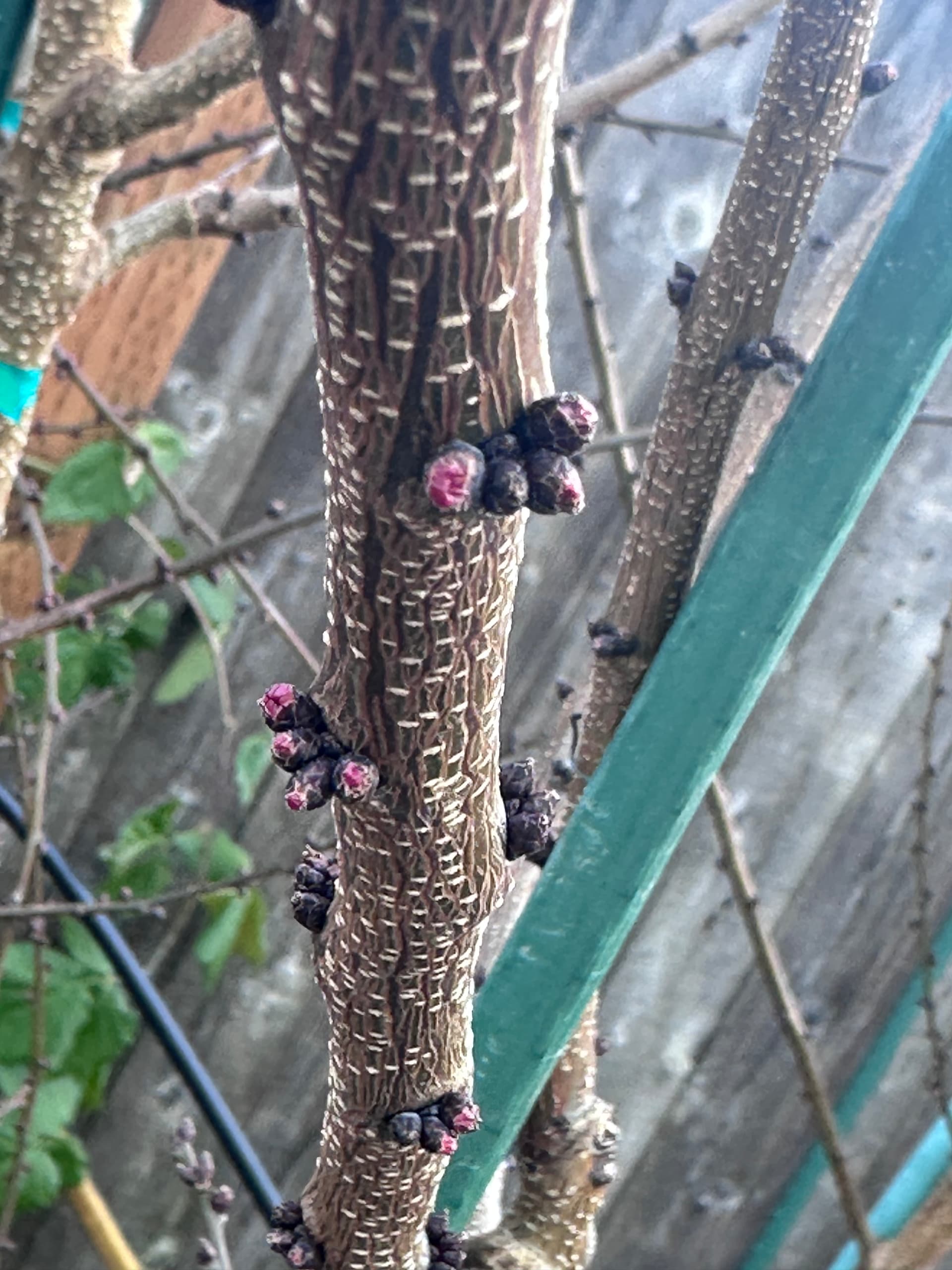
 will we have nothing this year because of all the early flowering…