Hi, stephenlrb. I’ve been growing grapes in Burnaby, BC (right next to Vancouver) for almost 40 years.
I’ve found that the Himrod variety is a very productive and tasty green, seedless grape; but, in my opinion, Interlaken is the best tasting similar variety but is much less productive. I don’t know about the other two varieties that you mentioned, but I’ve found that Canadice red and Sovereign Coronation black seedless grapes do well here.
1 Like
Correct, but it only has a few flower buds on it. It is definitely later than Puget Gold this year. However, given the very cold spring we’ve had, it’s hard to say if that is meaningful in a more average year.
Sounds good, thanks! and I live about a 2 hours drive North of Seattle so we have pretty much the same climate for growing
1 Like
awesome, thanks for the info!
https://minnetonkaorchards.com/brooks-plum-tree/
Hey, I was wondering if anyone from the PNW region has grown the Brooks Plum and can share about their experience with it and how it compares to other plums. I planted a stonefruit cocktail tree last year and one of the grafts had the Brooks Plum on it. I noticed that there are some flowers on the Brooks Plum graft so i’m hoping to get to try this fruit for the first time (I dont recall ever trying one). Do you enjoy this plum? how does it compare with the other similar Prune Plums? I did a little research on this variety and it was discovered in Oregon and was very popular in the PNW region. My parents have a Victoria Plum which is very ppopular in Europe however I find it a little bland. I’m hoping the Brooks Plum has more flavour. I also have a GreenGage Plum grafted on the tree which I hear is the best tasting plum but so far are no flowers this year.
1 Like
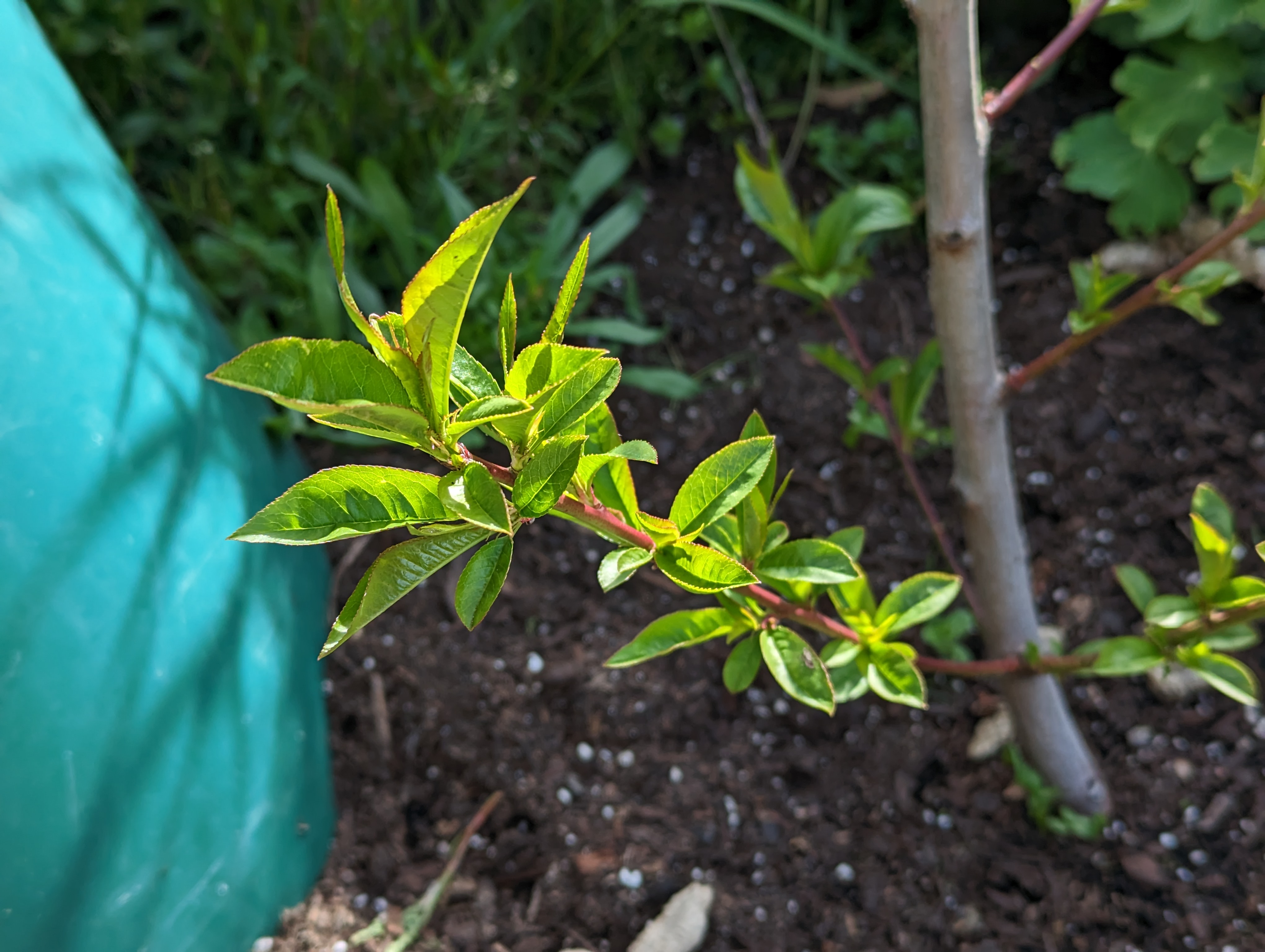
Now that it’s leafing out more after its first full year in the ground, it looks like Oregon Curlfree is living up to its name so far at least:

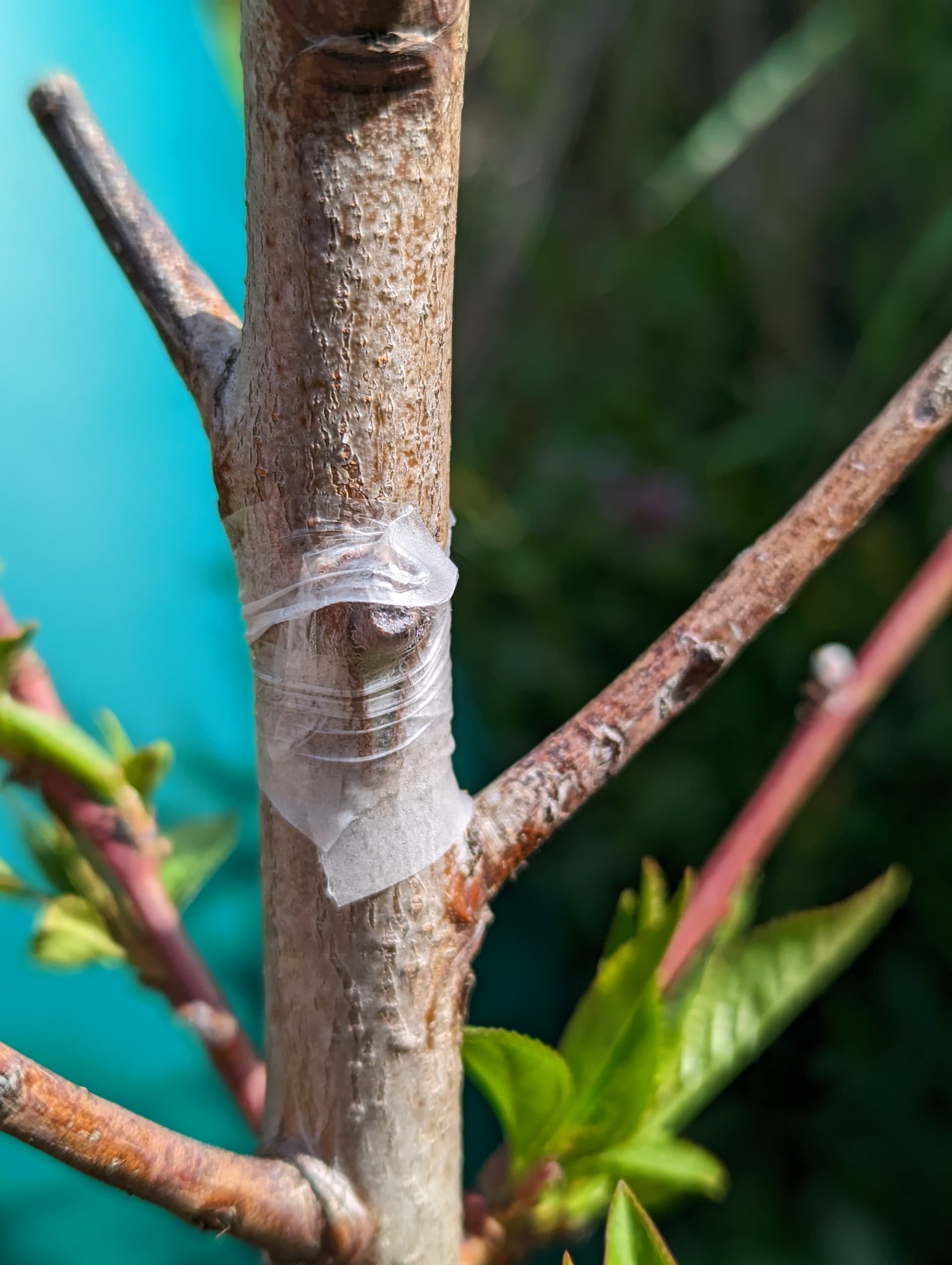
I added a few buds of Salish Summer earlier this month, but no sign of life in any of those yet:
3 Likes
Bud grafting peaches works well in summer when they’re growing fast.
1 Like
A couple of decades ago, atleast, I remember buying some seedless green grapes in Vancouver that had the following characteristics:
- sweet but not too sweet
- crunchy
- green
- perfectly round and not “oval”
- a little bit of tang so it’s not all about sweetness
- super fresh and not like us or imported grapes i often see in stores these days
- seedless
- about 0.5-0.75" diameter.
Any idea what variety of grapes this could be and that would grow well in northern part of PNW/Vancouver,bc area? The freshness of the branches as far as I recall leads me to believe it was grown locally.
1 Like
As mentioned above in response to stephenlrb, Himrod and Interlaken are to two varieties that meet your description. They are sweet enough to make a tasty juice that needs no sugar but still have a good balance of sweet and tart. The size of the grapes themselves depends on how they are grown. Commercial growers use gibberellic acid for increased size, but I use girdling for its similar effect. The crop size should also be controlled to match the size of the vine. I always remove all but one bunch from each fruiting branch.
3 Likes
@vitog tnx for your inputs, have you compared those 2 with a variety called “faith”?
interlaken and faith were directly compared in this OSU test (again not in your area but relevant in terms of berry size and other properties):
1 Like
Tubig, I haven’t tried “faith”.
1 Like
Sweet Potatoes … growing slips from store bought… a many-step process perfect for the gardening addict!
Lat year I mail-ordered Beauregard slips and while, in the end, I did get about 10 medium size sweet potatoes, waiting for the mushy slips to recover from both transport and transplant took too long in my short growing window.
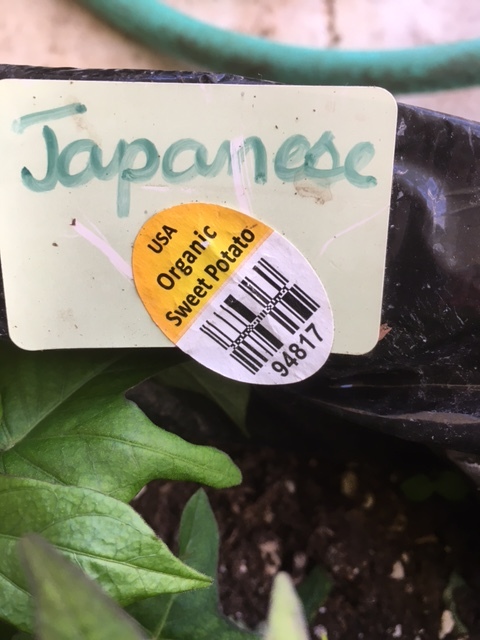
So this year I decided to grow my own. I found that the sweet potatoes sold in the stores can be 1 of 3 varieties… and the only way to tell which is which is to look up the SKU numbers!


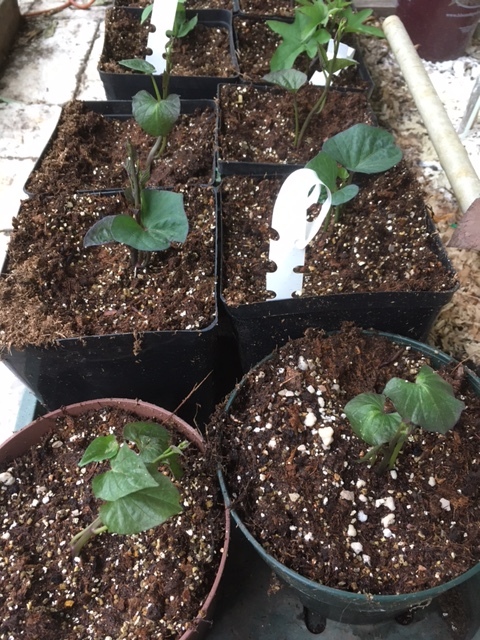
I placed the potatoes lengthwise in a covered bin of damp peatmoss/perlite on top of a heating pad. Within 3 weeks the potatoes had started to sprout. I continued growing them under lights until the sprouts were 5-6" tall. Then I cut off the sprouts and placed them in water.

After 1 week the sprouts had grown roots and I transplanted them to pots to wait for my soil to warm up to 65F. I plan to grow under cover in two 4x4x2 black plastic totes. Outdoor soil is still only 60F - even under cover in my cool PNW region!
1 Like
Are these jujube trees? What do you all think? These are behind the tennis courts at my kids elementary school.
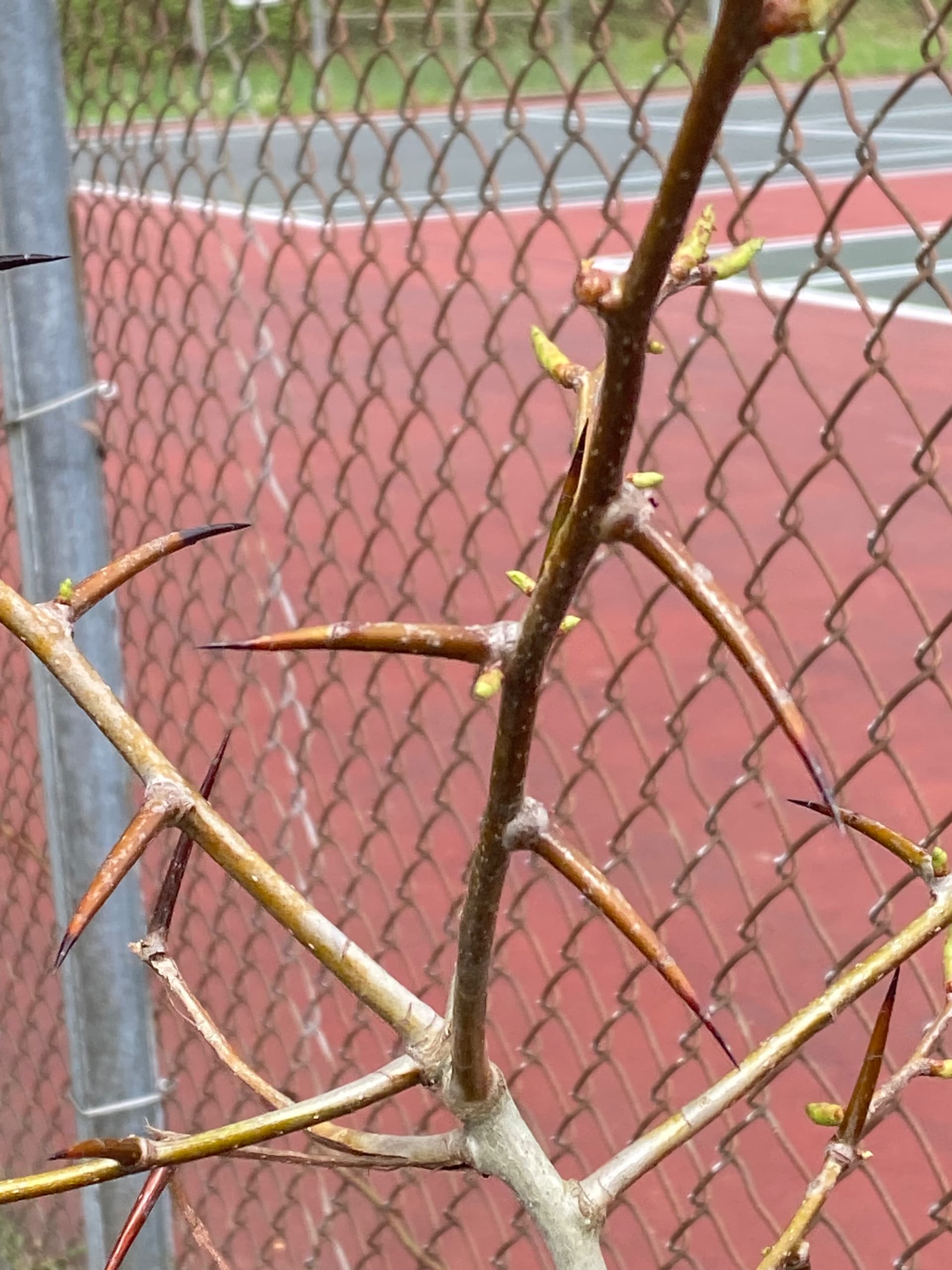
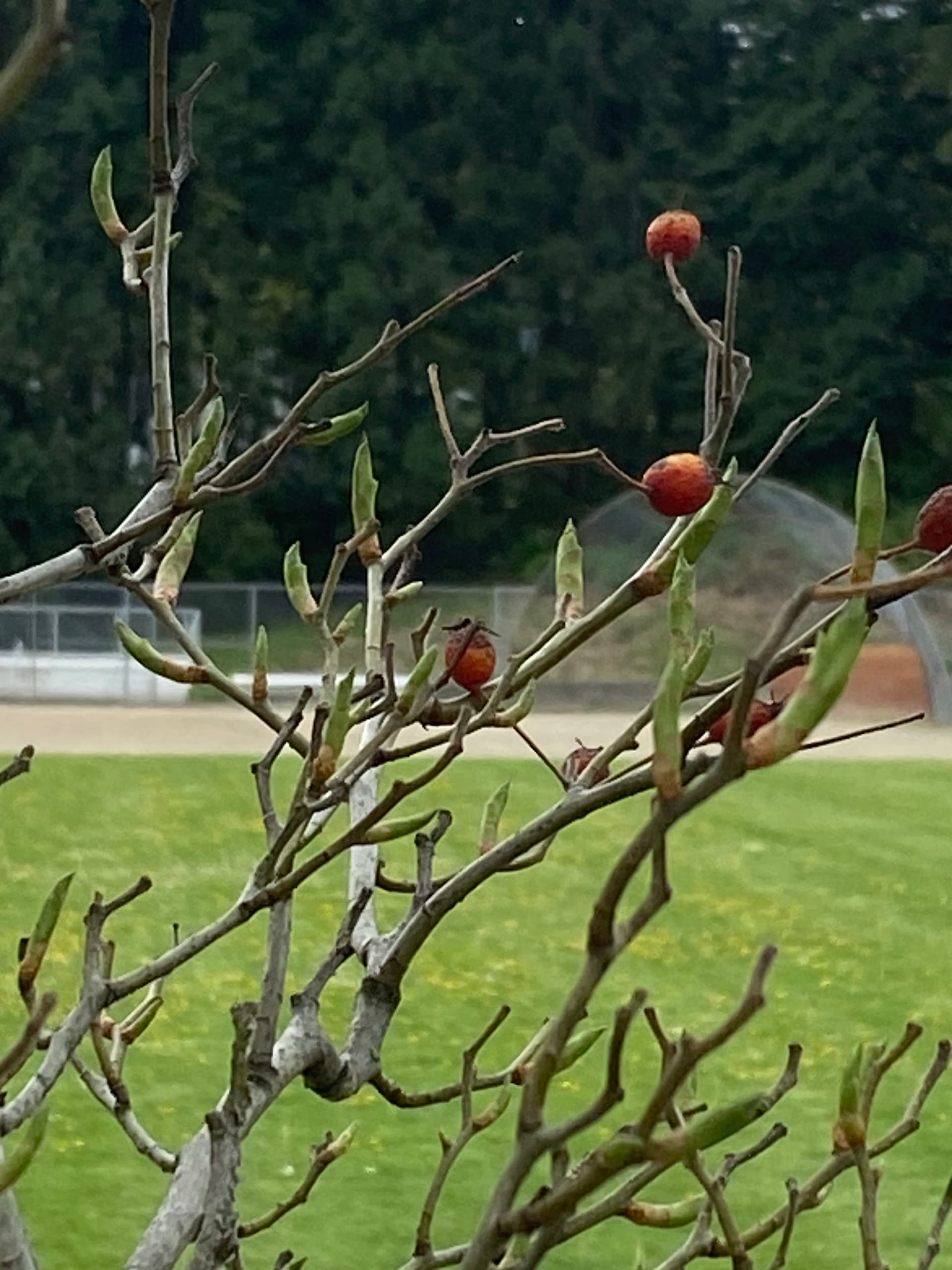
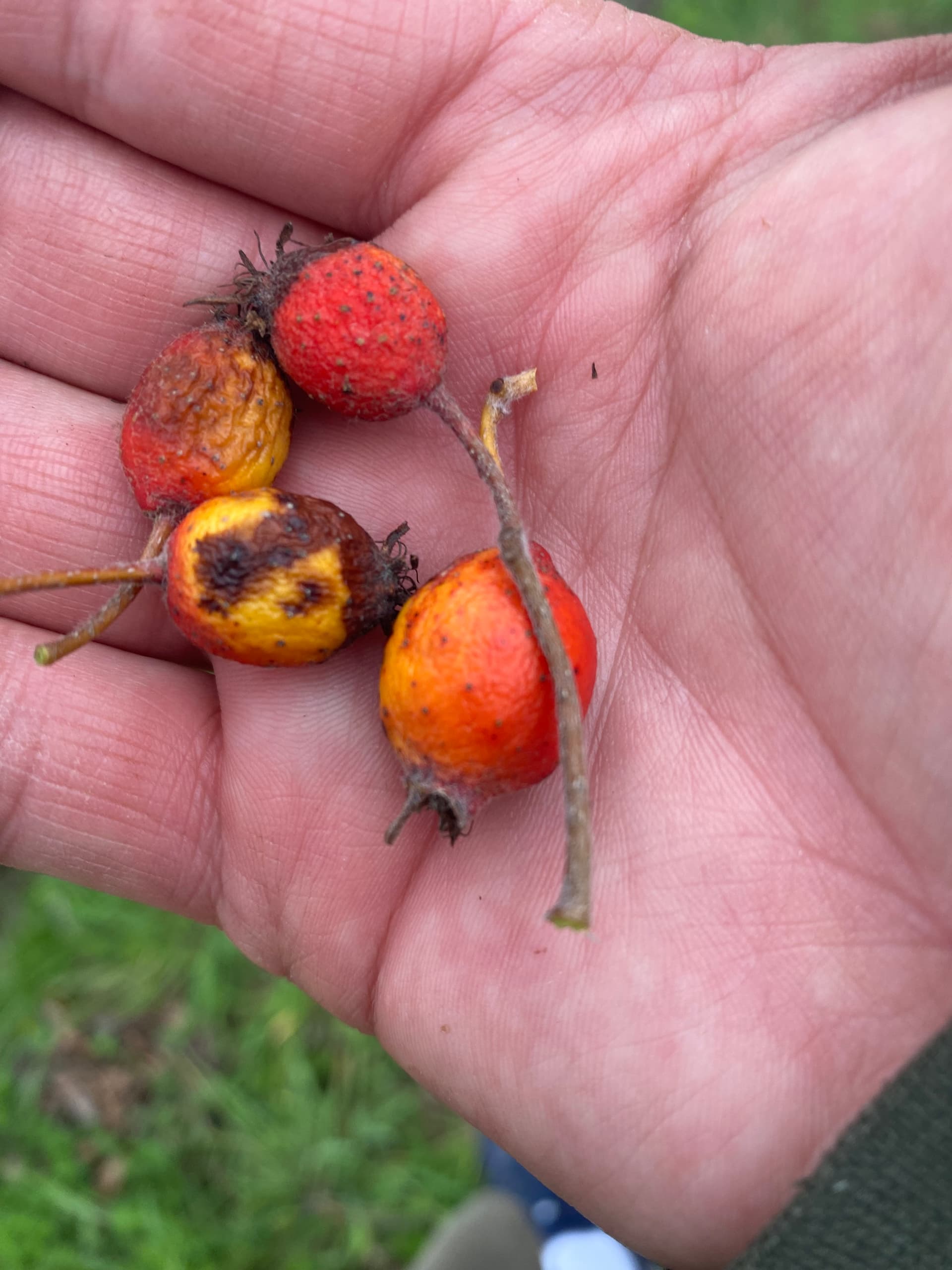
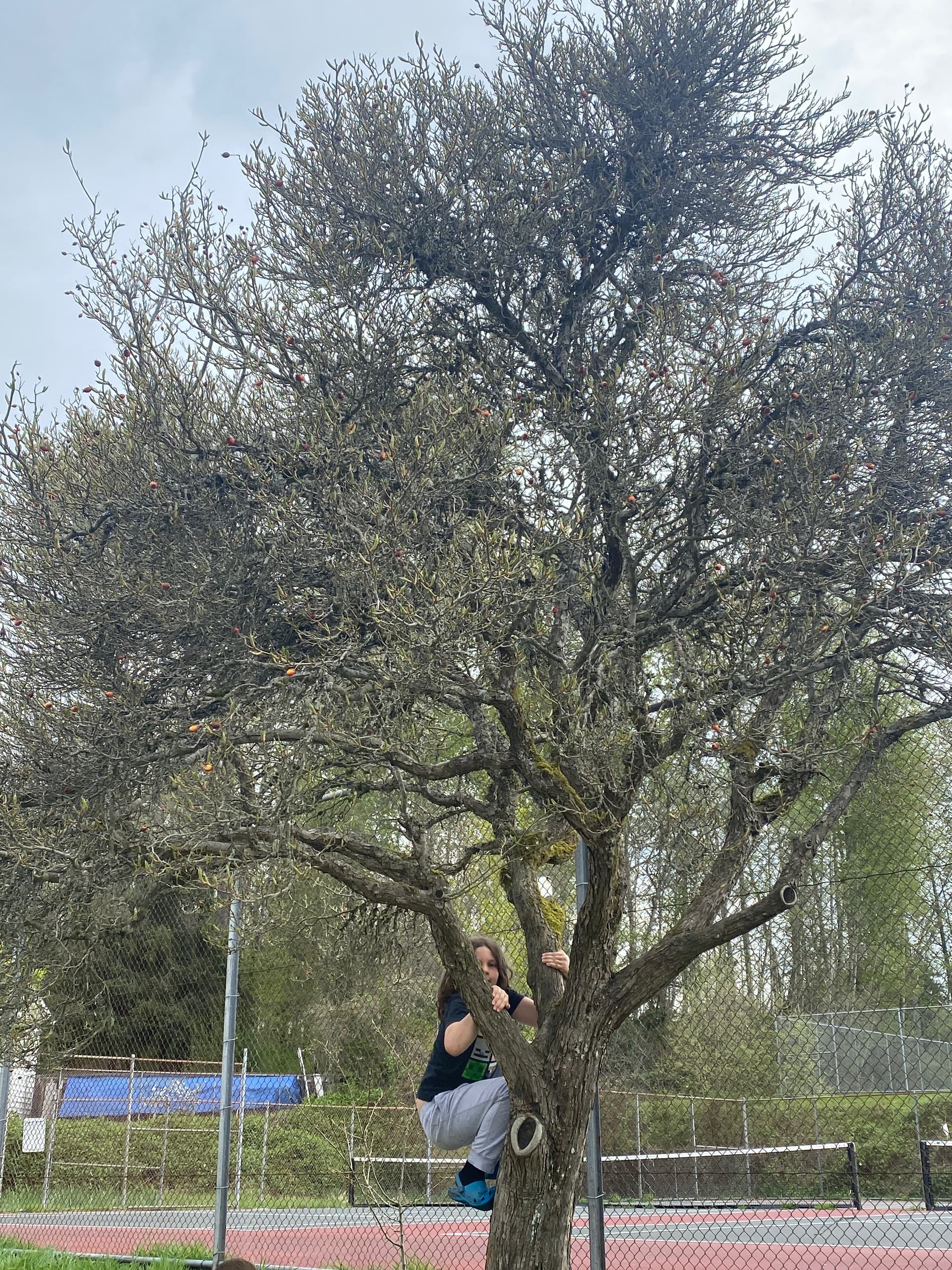
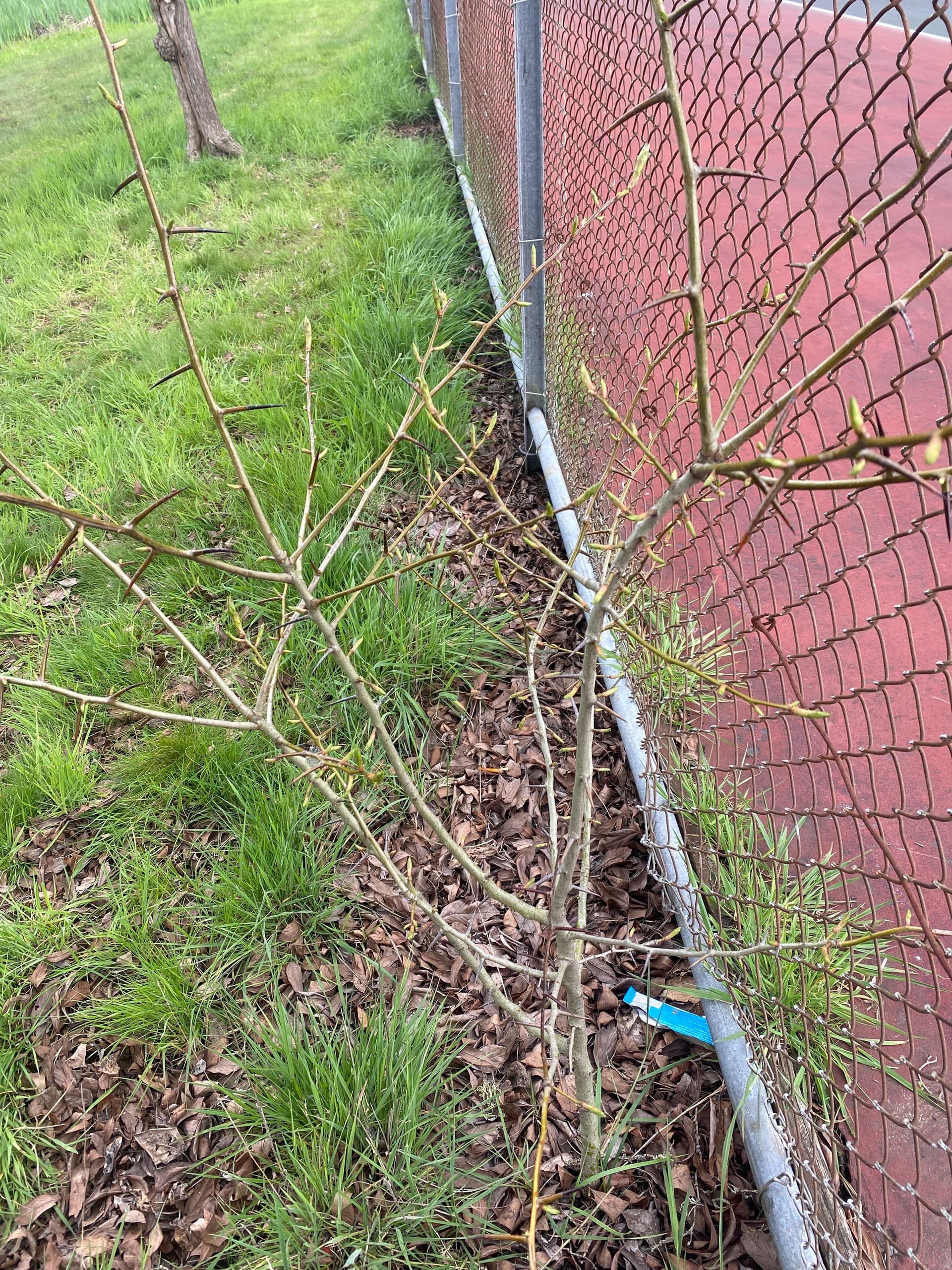
The last one is a seedling
Looks like some sort of hawthorn.
2 Likes
cdamarjian: Rather than SKU numbers, the produce labels you picture, and the 5-digit numbers used to tell the tubers varieties apart, are PLU (price look-up) numbers. Usually these are 4-digit numbers but a leading “9” is used if organic.
1 Like
Yes thanks - got my acronyms mixed up…SKU not PLU!
I hadn’t realized that you could look up a specific variety name when sticker label just gives generic name. Is that true of all produce e.g. citrus, persimmons? Interesting fact that 9 denotes organic.
1 Like
Curious if anyone growing pears in the PNW knows what this disease is that’s afflicting my seckle pear.
I see some spots of leaf rust like I get on my comice pear, but this looks entirely different. Every leaf on the entire branch has been ravaged. All over the leaf there are tiny blisters as well as the discoloration.
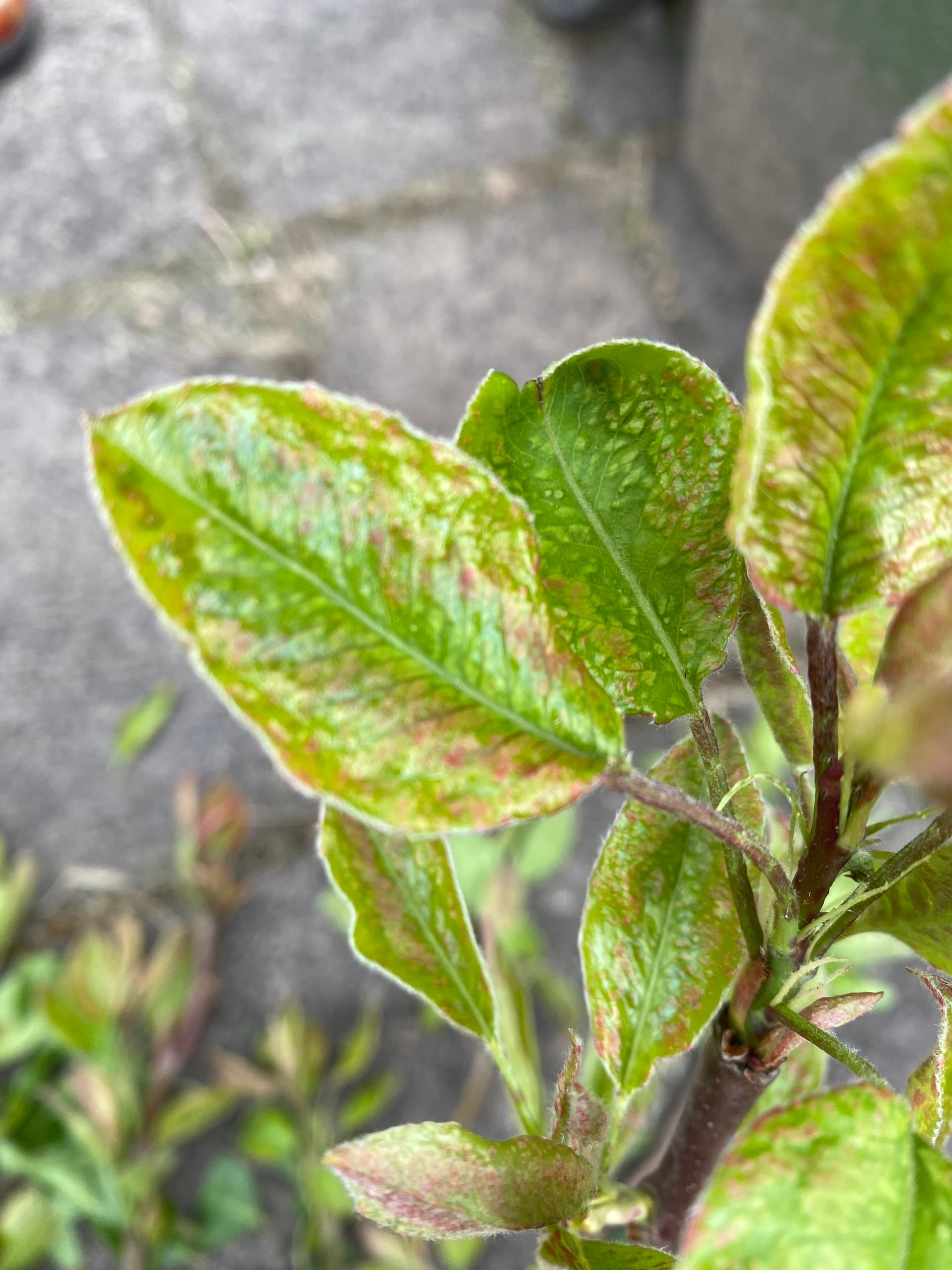
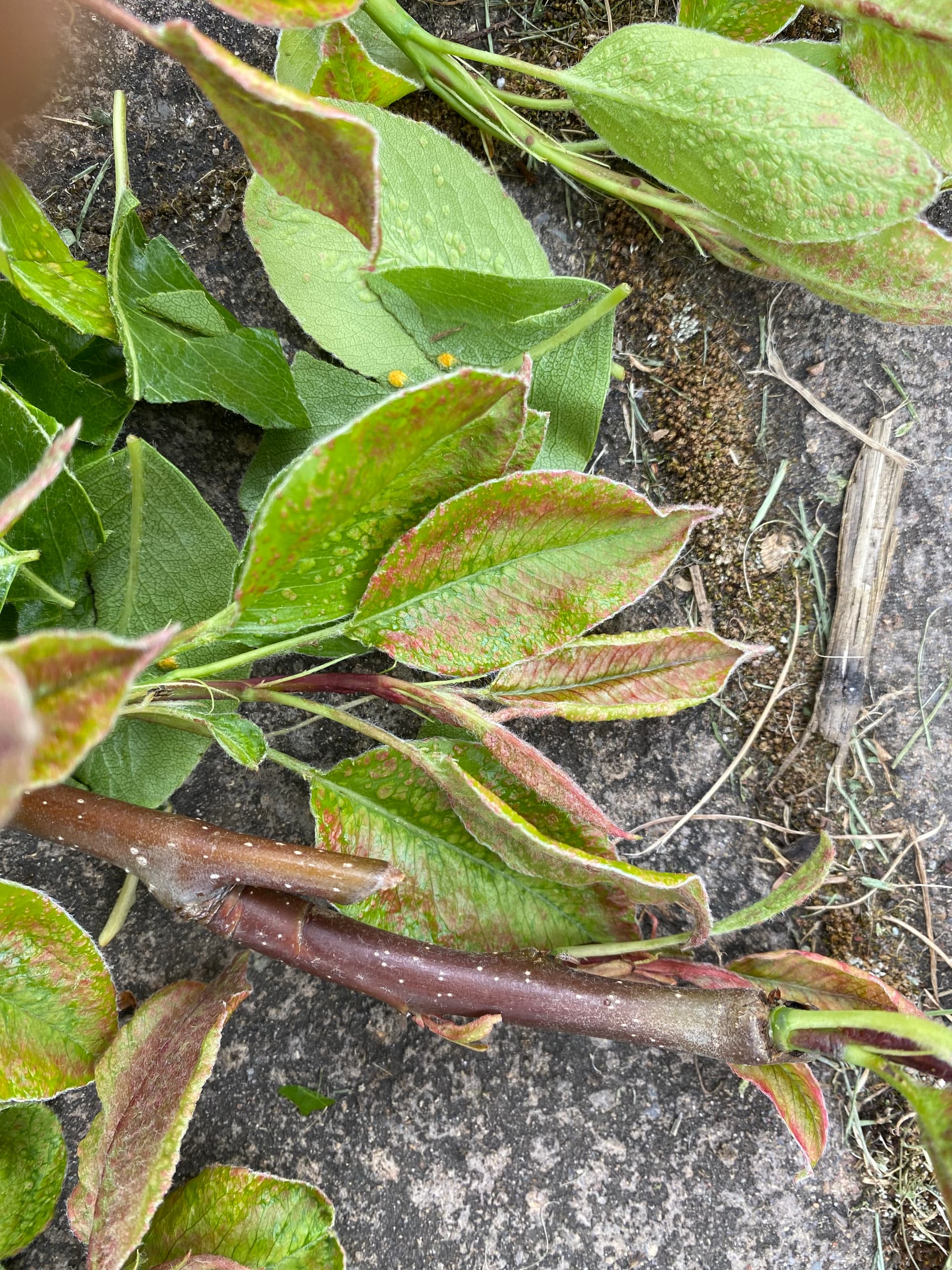
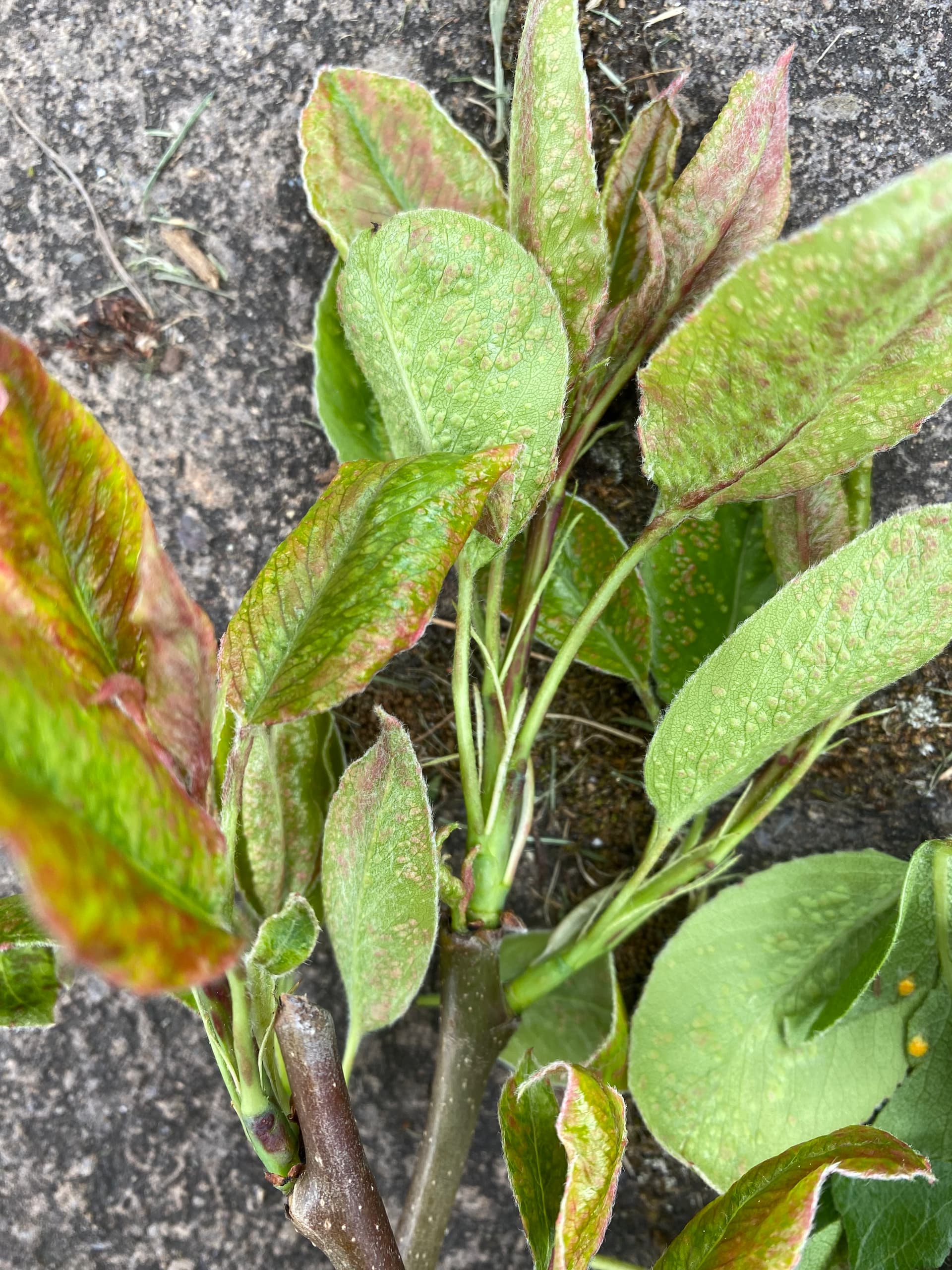
Is this pear a new purchase? I have never seen my ‘Seckle’ get that kind of discoloration. My first thought is that looks too far along compared to where I am. Like it was leafing out too early and then got cold damage.
I think its pear blister mites.
3 Likes