That may be the case. In my experience over several years growing incarnata and hybrids, it SEEMS to be more closely correlated to the individual plant. For example, I first noticed this on an Iridescence plant. Other vines I had prior never had this characteristic.
I have some seedlings now (iridescence is gone) that seem to be the only ones doing this.
Gnarly! Yeah I find the sac thing annoying because I don’t want to eat it. It’s another thing I have to get thru to get to the arils, which is the only part I intentionally ingest.
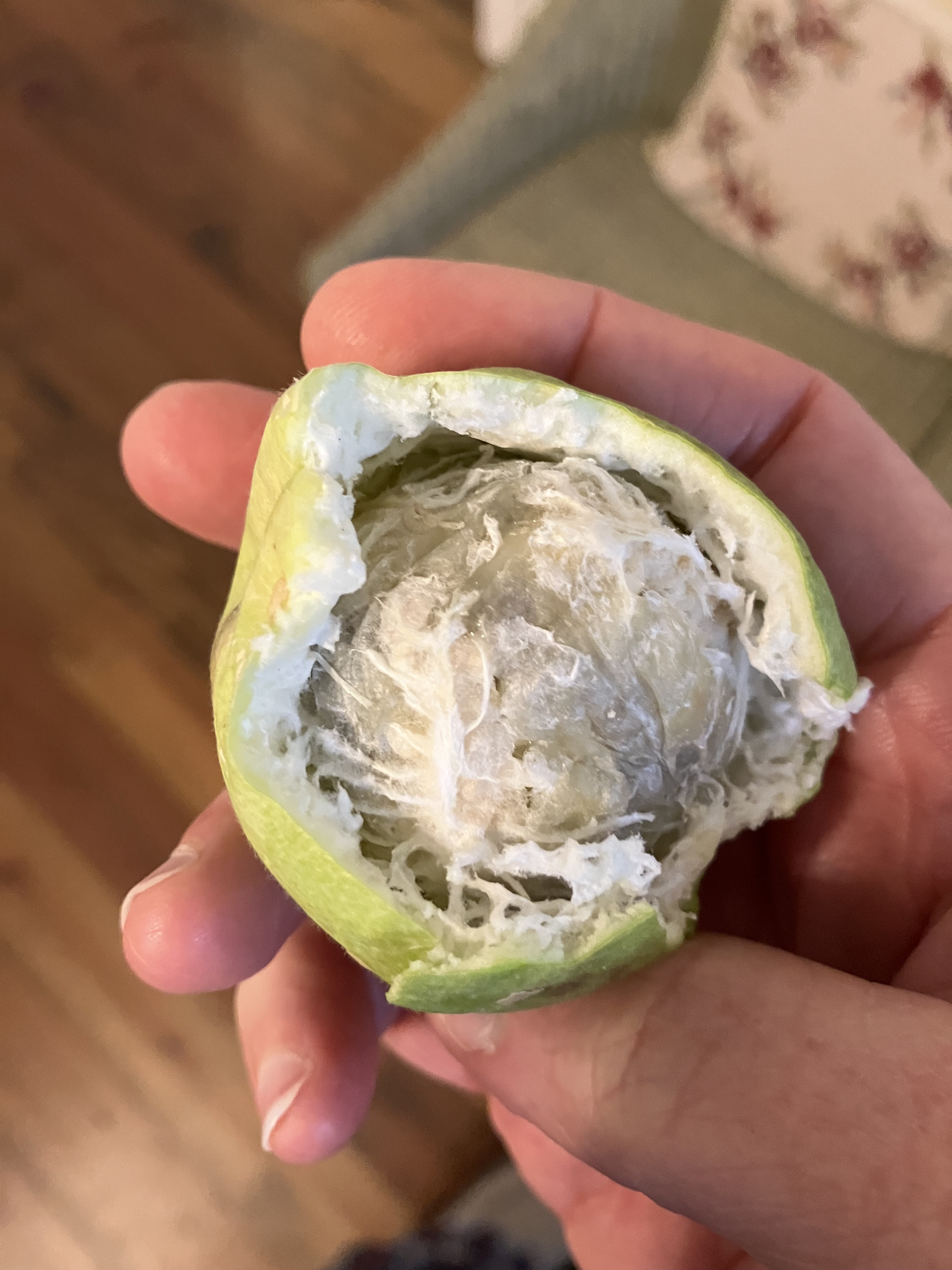
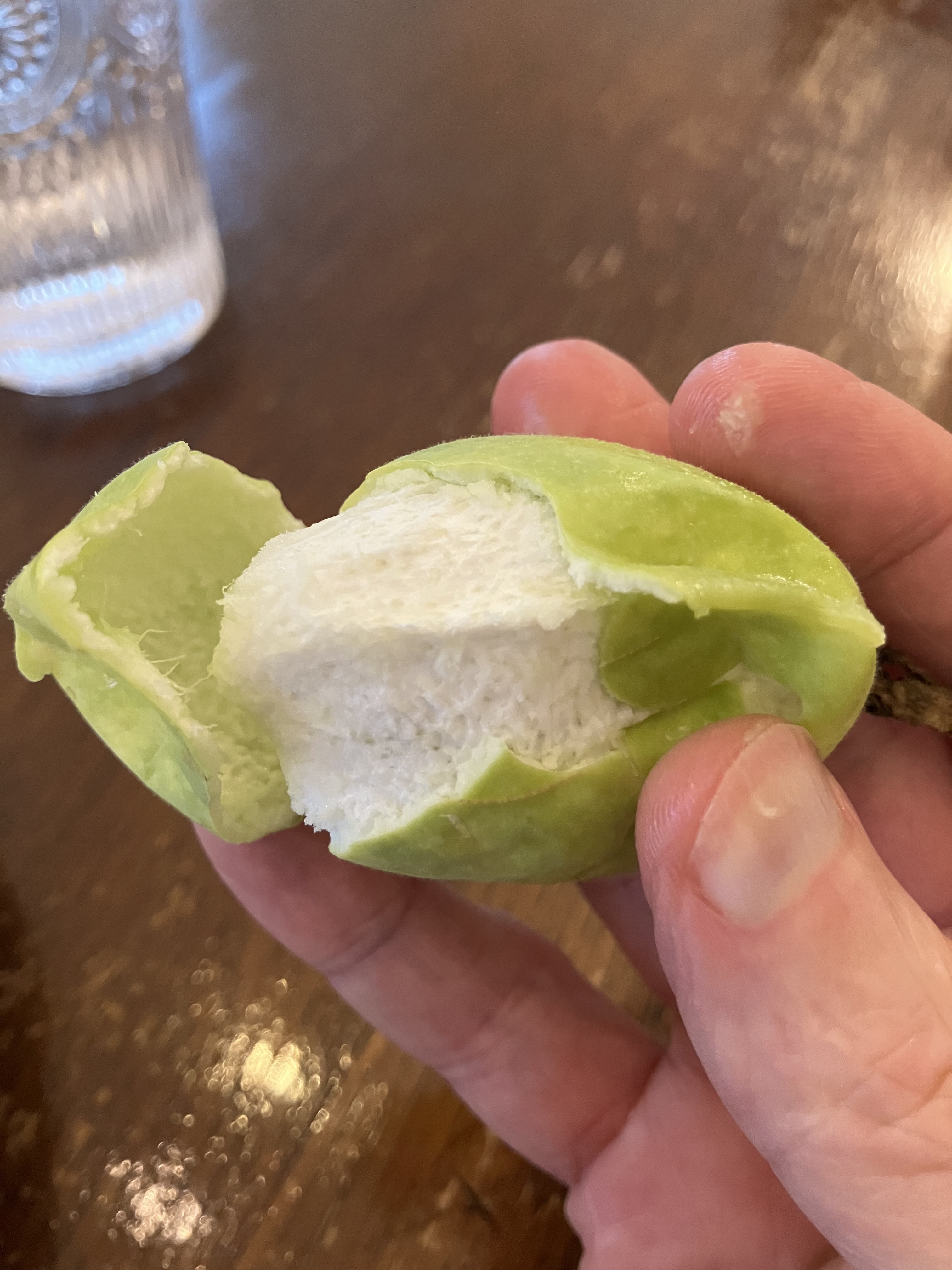
Here’s a pic for those not clear on what we’re talking about immediately above.
This sac is very thin - sometimes it’s much thicker, even opaque, with white spongy tissue.
This particular fruit fell a few days ago so is overripe.
Good news, one of the people from the group got back to me. They said they’d have seeds available in the fall. I’m happy to organize and help share the seeds. Unsure of pricing etc. id only request those that receive seeds share information on this forum with respect to germinating the seeds as well as be willing to try to clone and share clones if your seeds are successful.
PM me if interested.
Edit: catalog was out last year in November. I expect a similar timeframe this year
Thanks All. I didn’t intend to stimulate quite such a tangent, but the replies were quite informative. I suspect I’ve only had fruits from the more tropical varieties.
I have several vines that are definitely incarnata, but I’ve not seen any get to the “leap” phase of development, so having my own fruit has eluded me. I also have some of the cold hardier Tropicals that I’ll have to bring inside for part of the winter here, so maybe I get root growth thatwill be ready to explode if I bring them all in this year. Everything is in pots now. I am given to nderstand that the deer around here are likely getting the young stalks before I know they’ve sprung, so I may find I’ve got a 300’ set of underground roots that are not coming up anywhere I can see.
Anyway, i’d love to experience peeling and popping one so I can determine if I’m in the pro or no camp of Maypop endoskins. Please sorting vine, tell me which Houses I am in!
Yesterday I finally got around to sticking some cuttings of Lady Margaret and Fato Confetto. Unfortunately the cuttings I was able to take had flower buds on them, which will likely reduce the rooting success rate. Regardless, if I end up with extras, I’ll let anyone interested know.
I’ve doubled checked the sources and redid my research, and I’m comfortable reiterating what I mentioned before, Passiflora incarnatais poisonous, with only the flowers and ripe fruit being safe to eat. But it’s not as poisonous as many of the other members of the genus.
I realize there are sources out there who claim otherwise. Here’s an article from EatTheWeeds saying is does not contain cyanide.
https://www.eattheweeds.com/tag/passiflora-incarnata/
Unfortunately, the author doesn’t cite any primary sources for this information. The author also claims “consider the general shape of the leaves and fruit: The Maypop is a relative of the papaya” which is just categorically wrong. Papaya is in a different family and even a different order from passiflora. Anyway, EatTheWeeds claim is that scientists have found cyanide, but that they were mistakenly studying Passiflora caerula and not incarnata.
The articles cited by Wikipedia aren’t as helpful as one would like. One is a meta-study that doesn’t mention if the part being studied is just the fruit and flowers or the whole plant, and the other is the FDA’s Generally Recognized as Safe list, which explicitly states “flowers.” The same list also has “Elderberry flowers” which is another plant where most of the plant is poisonous but the flowers and ripe fruit are safe to eat. Given the FDA uses the same verbage, I think it’s safe to assume the FDA only gives the GRA status to passionfruit flowers and not the rest of the plant. The EU link didn’t work for me so I couldn’t check that one.
Here are the sources that confirm passionfruit, and Passiflora incarnata specifically, contains cyanogenic glycosides.
Here’s an official review of the current state of the science on Passiflora Incarnata:
Here’s a longer publication from the University of Chicago describing Passiflora incarnata as containing that same toxin as the Brazilian study identified:
This is an interesting one as they actually grew out their own Passiflora incarnata plants in Georgia after making collections from all around the US. They found that all accessions contained the toxins, but there was a lot of differences in how much and that it was mostly genetic. This pretty throughouly debunks the EatTheWeeds claim that scientists just mistakenly studied caerula. These guys collected material from all around the US but caerula isn’t hardy so it’s not possible they would have collected it.
Finally, here’s an entry in the chemicals database of the National Library of Medicine for the chemical Gynocardin, which is a cyanogenic glycoside, which states the chemical is found in Passiflora incarnata.
Now, with all that being said, can you eat some leaves of Maypop and be fine? Probably. The dose makes the poison, and by all accounts, Maypop will hit you will a more mild dose of cyanide than some other members of the genus. None of the sources I found described how exactly how heavy the dose would be, and I haven’t found any studies making tea from the leaves of incarnata plants collected in different parts of the US, which is really the kind of study you’d want to find out just how dangerous it is or isn’t.
But it absolutely does give you cyanide poisoning and absolutely is poisonous even if the ripe fruit and flowers aren’t poisonous. And if you already have health issues, or you consume a lot of Maypop, one could very easily end up in the hospital with potentially severe neurological or cardiac damage. How much is “a lot” isn’t clear, so it’s possible that tea made from plants that have low dosages could be safe enough for occasional consumption in moderate amounts. Until studies are done, it’s simply not clear how much cyanide poisoning you get from consuming Passiflora incarnata, but regardless of dosage and if symptoms develop, consuming Passiflora incarnata leaves, stems, or roots will give you cyanide poisoning to some degree.
Personally, I don’t see much point to micro-dosing cyanide if I can just stick to consuming the ripe fruit and the flowers and get all of the benefits that way with none of the risk.
Oh mannn, now i feel bad for giving random people passion fruit leaves to make tea with because of whatever they read online i had a lady who was adamant about the leaves and i even delivered some to her not knowing the cyanide information…
And of course, once it’s been hybridized, all bets are out the window. For pure Passiflora incarnata, the ripe fruit and flowers are safe, but for any hybrids, I personally wouldn’t consume anything except the ripe fruit. Perhaps such and such a hybrid is both safe and contains the good plant chemicals from incarnate, or perhaps not, and when using a herbal remedy that works as a sedative, it gets tricky to know whether or not it contains a toxin which happens to cause loss of consciousness.
I’d rather not be in the position where I’ve had a few warm cups of hybrid passion flower tea and now I’m feeling super drowsy and really want to just lay down and slip away into the darkness but it’s not clear if that’s because my blood is full of a mild sedative or because my central nervous system is shutting down, permanently.
I don’t know what kind of difference these chemicals have in terms of heat stability and toxicity.
Also, the toxicity of these chemicals depends on their breakdown and hydrolysis, which is usually enzymatically catalyzed. I know Elderberry tissue contains β-1,6-glucosidase, which is the more common plant enzyme that can do that hydrolysis, and I’ve seen articles mentioning Passiflora foetida containing it, but not anything for incarnata. With boiling, my assumption would be is you’re allowing the β-1,6-glucosidase or related enzymes time to break down the glycodides and release the cyanide before consumption. The cyanide then boils out of solution after a few minutes and mostly dissipates into the air (so you probably shouldn’t boil elderberry indoors). If incarnata doens’t contain the enzyme, or in high quantities, then boiling might not help. The human body has its own enzymes for catalyzing hydrolysis, so incarnata not containing β-1,6-glucosidase or a related enzyme would not render it safe to consume.
You’re in a warmer zone so my guess is you’re growing Passiflora edulis? That’s the more common species for passionfruit fruit. Frederick, Purple Possum, Panama, etc. are all Passiflora edulis. Yeah, that one is definitely poisonous, including the flowers, so I wouldn’t think using any part of that plant for tea is a great idea. With edulis, only the ripe fruit is safe to consume.
Again, one might be fine consuming the dangerous species/parts on occasion, or at low dosages, or if the tea sits around for a few minutes and the cyanide mostly off-gasses. But there’s just no reason to take a risk like that and consume potentially dangerous plants when there’s a completely safe alternative–the flowers of Passiflora incarnata.
i will go through all of the research. thanks for all of that!
if the dose makes the poison, and theres no evidence of harm from short or long term use of any form of preparation, by definition they arent actually being poisoned? for the record, i will most likely stick to the fruit and flowers of incarnata but i think we should lay out the evidence and not jump to conclusions. for all we know its possible that nobody has consumed a single “toxin” from consuming incarnata, in whatever the common preparation method is, from any part of the plant.
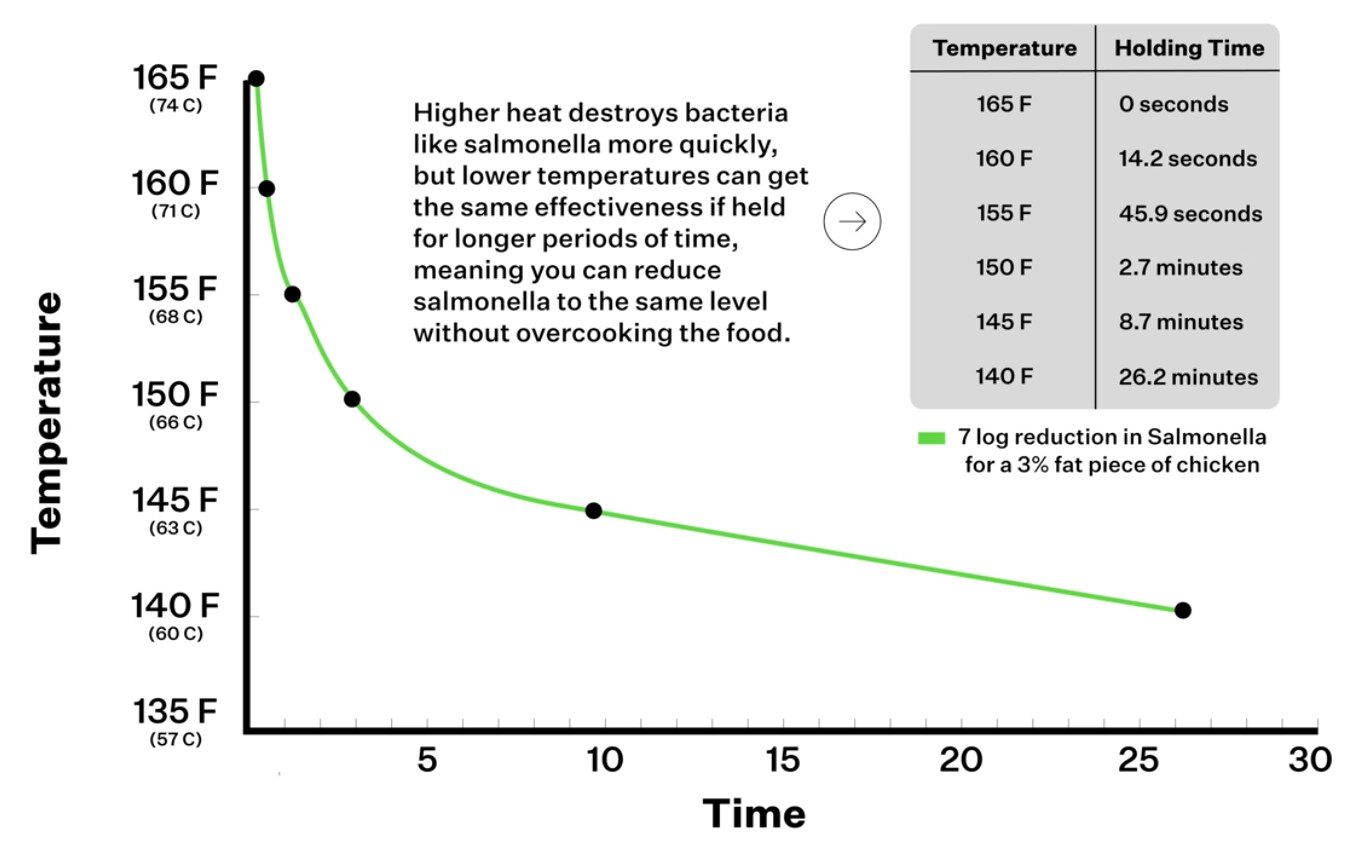
i agree and i wont be consuming them without research of preparation methods. cyanide is cyanide unless its not cyanide because of a certain preparation method that nullifies it. similar to a time and temp gradient for cooking food safely:
we dont say dont eat chicken because it can give you salmonella. we say prepare chicken in this way to keep yourself from getting sick. people arent eating incarnata for the greens, they eat it for the fruit, but mostly for the anxiolytic compounds the plant contains.
yes i agree that there needs to be research done on preparation methods and their toxicity. this case report doesnt say if she was eating the plant raw, what parts of the plant, or what amount “therapeutic doses” was in the context. it could have been a built up allergic reaction after consecutively consuming the plant. it probably was but its hard to say from the report that it was even causal. no “x amount of cyanide was found in the blood work” or anything.



 i had a lady who was adamant about the leaves and i even delivered some to her not knowing the cyanide information…