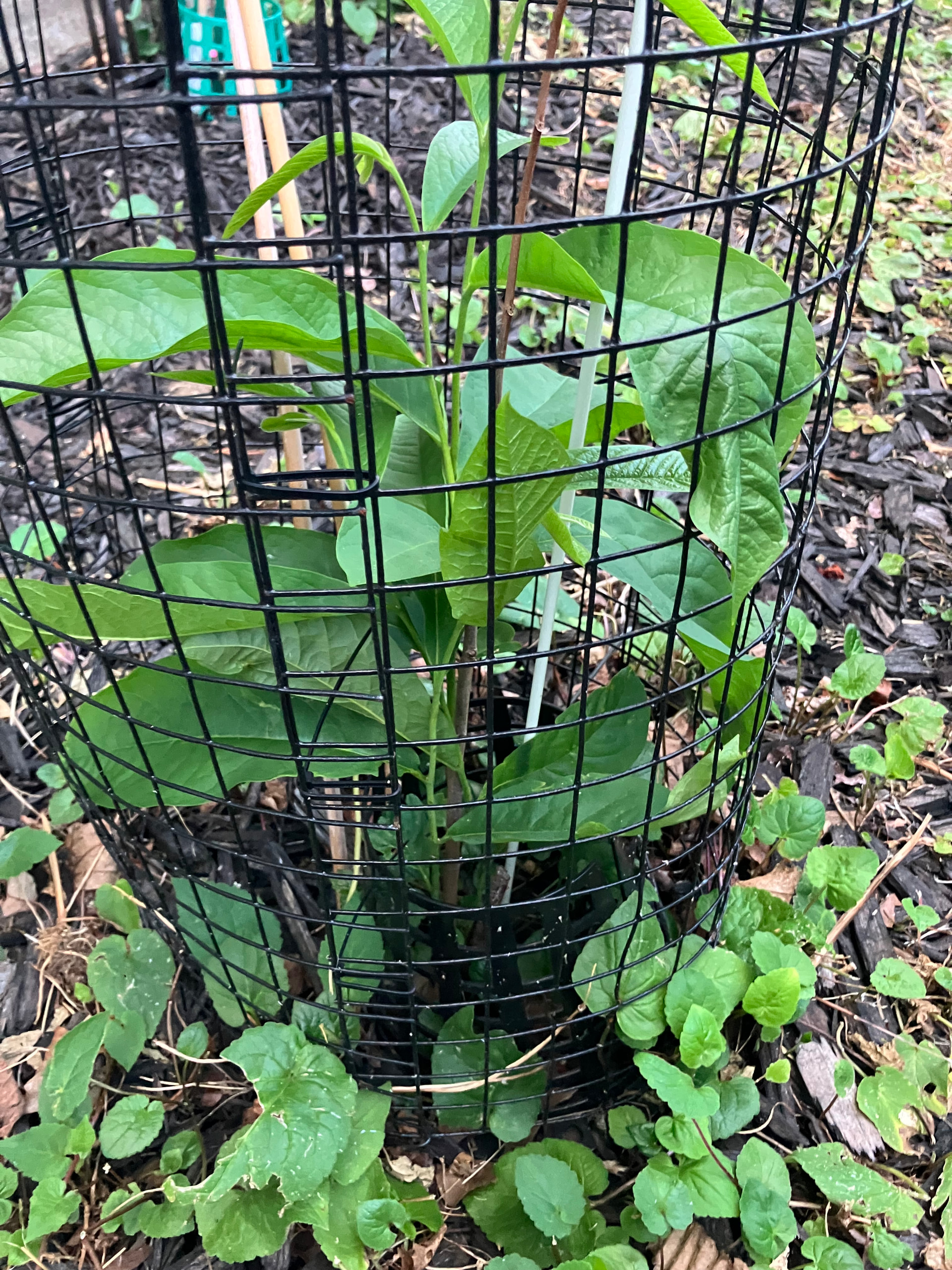
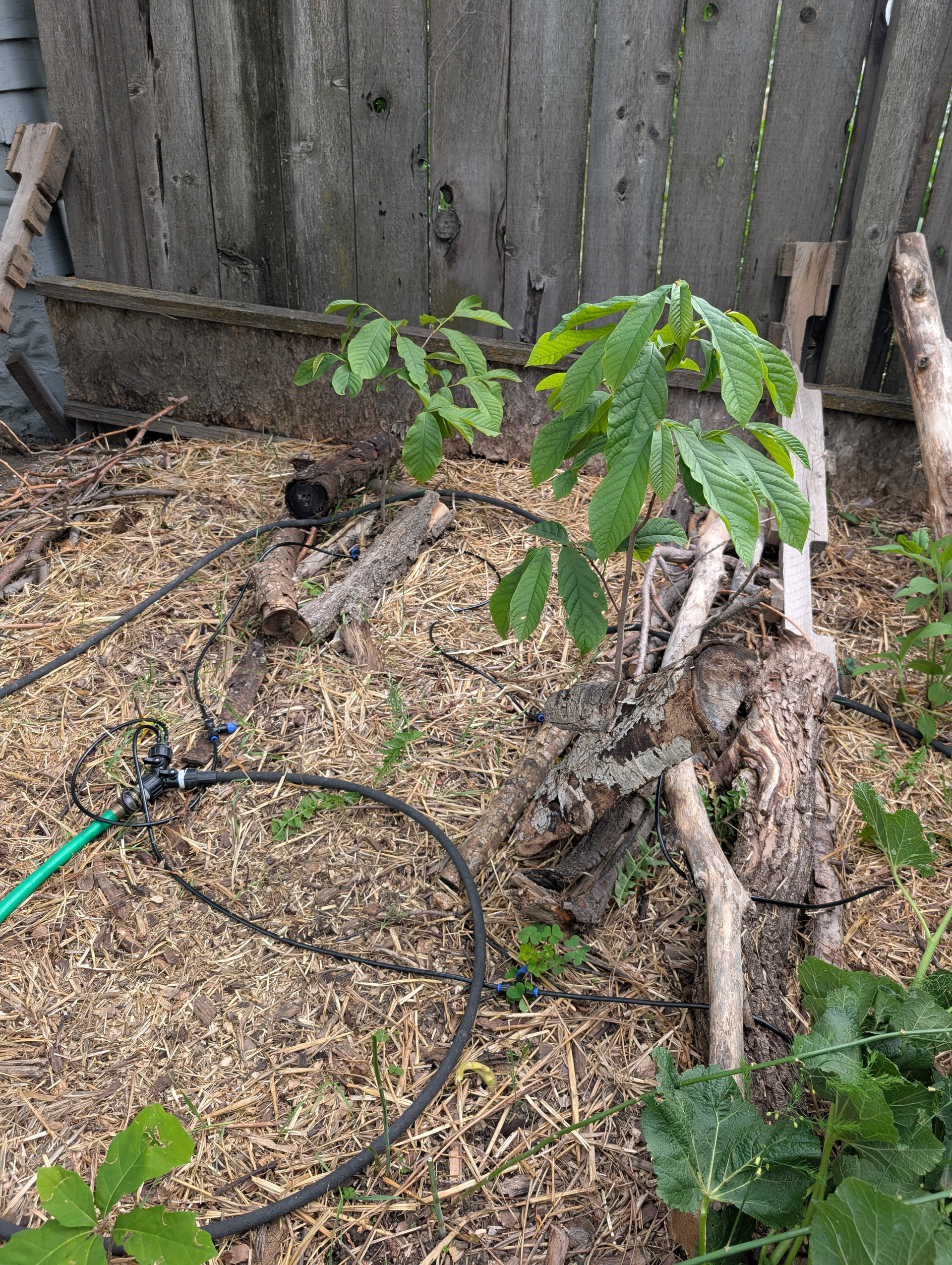
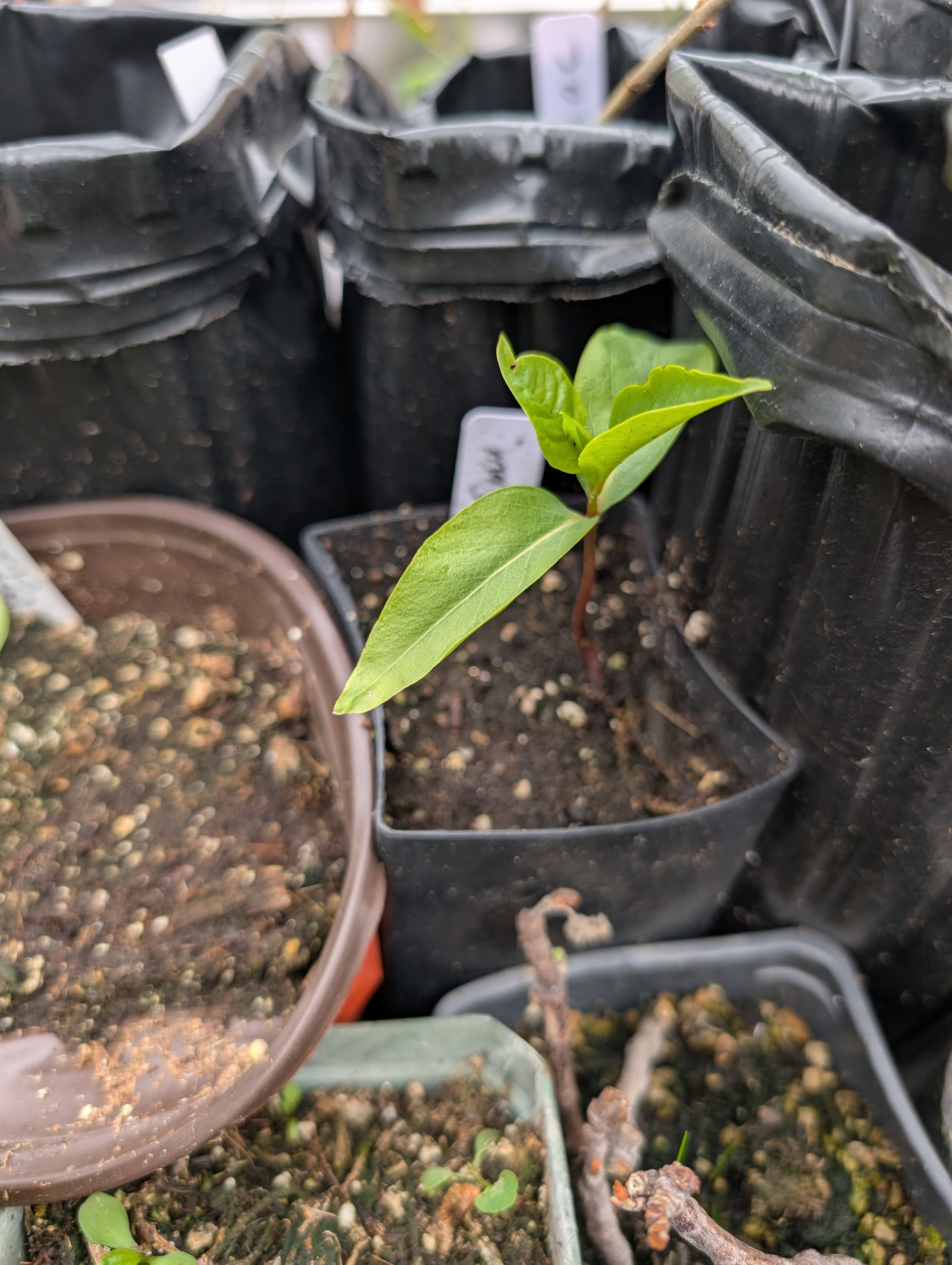
Poughkeepsie NY Zone 6A…I suggest the issues are related to the extreme drought experienced in the north east last Aug thru Oct…here, we got less than 3/4 inch of rain in 8 weeks when 6 inches was about normal…up till then, I never saw anything but a vigorous looking conformation on all my trees…they are planted in good soil and in a good location that rarely if ever dries out…well, this time it did and I saw a definite stressed look in the trees…especially the Chappell…also the Chappell had a few leaves infected with Phyllosticta for the first time in 6 years…so I was able to drag the hose down there and for the first and only time in the last 4.5 years watered the patch thoroughly in late September… just before the fruit was to ripen…well the result was dramatic…the fruit seemed to blow up like balloons after the water uptake and the trees perked up…also one Chappell fruit cracked badly as the water take up was too fast for the skin to adjust…did your trees set much fruit this year?..I think flower buds for this year could have been adversely affected by extreme drought late last summer…detail your issues with some of the LLMs and see what they come up with… you just have to sort out which one and what to believe from them…but they do often give insight…here is the Gemini response to my query…anything stand out?..also try Grok / Perplexity and others…good luck…Beemster
…
Gemini: Flower buds on pawpaws (Asimina triloba) are typically initiated (formed) in late summer, specifically late July through early August.
They form on the previous year’s (one-year-old) wood/growth. These buds become visible and distinguishable in winter (floral buds are rounder and fuzzier; vegetative/leaf buds are narrower and more pointed). They then bloom in early to mid-spring (often March–May, before or as leaves emerge, depending on location and weather).
This timing aligns with many temperate fruit trees, where reproductive buds differentiate in summer using current-season resources (photosynthates from leaves), then overwinter and develop the following spring.
Could a severe late drought (Aug–Oct) cause buds to abort the next spring?
Yes, it’s possible and plausible. A severe drought during late summer/early fall overlaps with or immediately follows the main period of flower bud initiation. Drought stress at this time can:
- Reduce carbohydrate reserves and overall tree vigor.
- Impair bud development or cause abortion/drop of initiated buds.
- Lead to poorer bud quality, resulting in lower bloom success, weaker flowers, or failure to set fruit the next spring.
Pawpaws are native to humid, moist bottomland areas and prefer consistent moisture (though established trees have some drought tolerance). Late-season stress is particularly impactful because the tree is storing reserves for the next year while finishing fruit ripening (which also occurs Aug–Oct). Low light or other stresses can similarly limit bud formation.
Real-world reports show drought affecting pawpaw crops (e.g., smaller/bitter fruit or reduced yields in affected years), and general fruit tree research confirms late-season drought often reduces next-year flowering/fruiting.
Other potential growth issues the next year from such a drought
- Reduced overall vigor and shoot growth — Smaller leaves, shorter new growth, or dieback due to depleted reserves and possible loss of fine feeder roots.
- Lower fruit set or smaller/lower-quality fruit — Even if buds open, stressed trees often have poorer pollination success, fruit drop, or undersized fruit.
- Increased susceptibility to pests/diseases — Weakened trees are more prone to borers, cankers, or other issues.
- Leaf scorch, early fall color, or premature leaf drop (in the drought year itself, carrying over effects).
- Delayed or uneven bud break the following spring.
Pawpaws are somewhat resilient once established (deep roots help), but a severe late drought would still take a toll, especially on younger or newly planted trees. Mitigation includes deep watering during dry periods, mulching to retain soil moisture, and ensuring good site conditions (rich, well-drained but moist soil in partial shade to full sun).
If your trees showed stress last season, monitor bud health this winter and consider supportive care (e.g., balanced fertilizer in spring, consistent moisture) to help recovery. Sources like university extensions or pawpaw-specific growers (e.g., Kentucky State University research) are great for local advice.
…
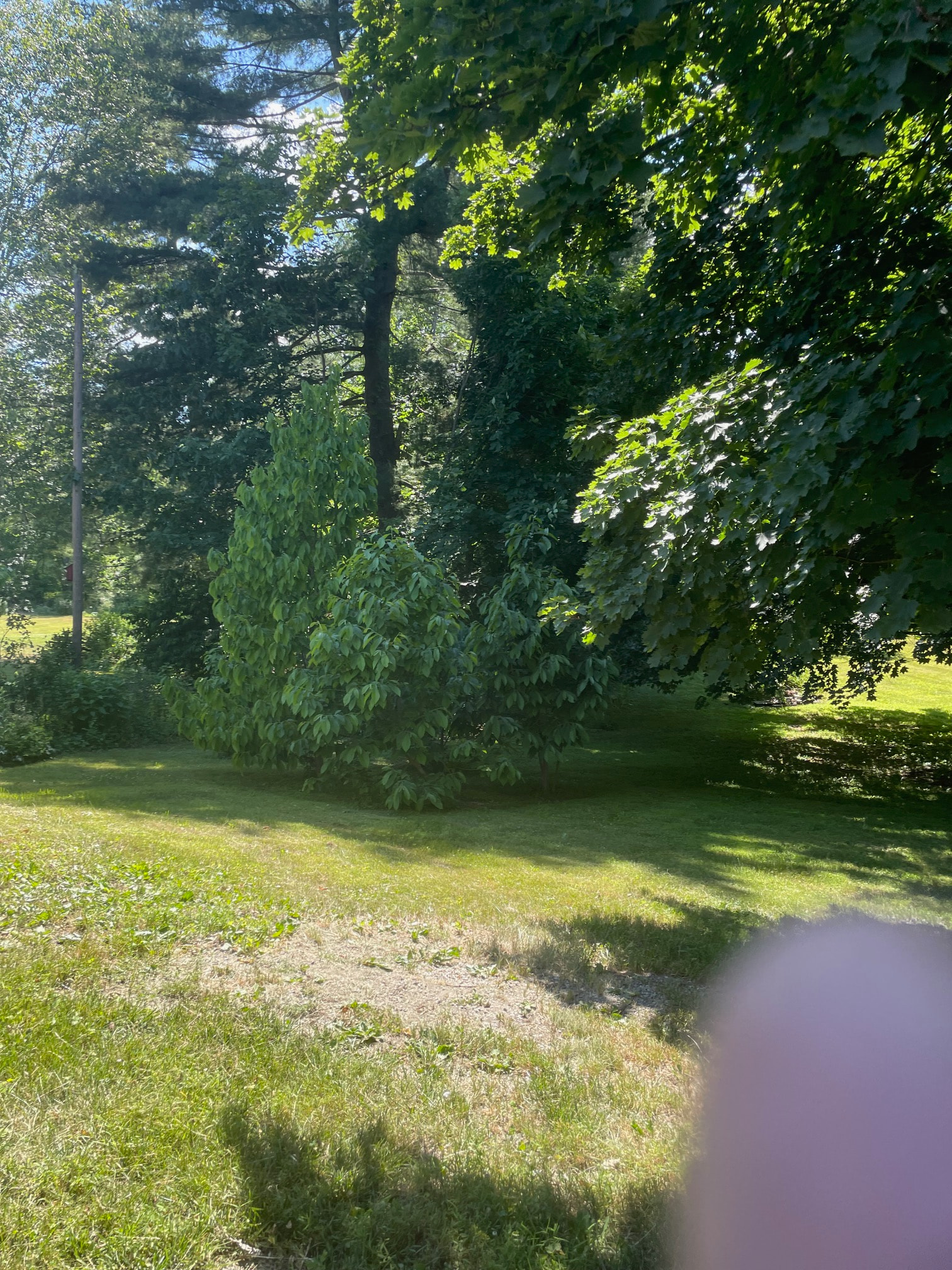
a shot of the patch from my driveway…patch is about 40 feet away down the hill…looking stout…for now…but already got the hose ready.
there are 5 trees down there…big one is Chappell…photo taken around 3:45PM today from my driveway…trees are about 40 feet away down the hill…trees are in shade after about 3PM…the large tree line behind the patch runs north / south.
Gemini response to my drought question:
…
Yes, it has been exceptionally dry in Poughkeepsie this spring. If you’ve been wondering why lawns are looking a bit crispy or why the region is feeling unusually parched, the data backs you up completely.
The numbers behind the dry spell, along with a rather unique local impact, highlight the severity of the situation.
The Numbers Behind the Dry Spell
According to data from the U.S. Drought Monitor and regional climate tracking:
- A Historic Deficit: The period from January through May ranked as the 6th driest start to a year in the region over the past 132 years.
- Missing Rainfall: Poughkeepsie and the broader Dutchess County area faced a massive precipitation deficit, tracking roughly 5.41 inches below normal for the year to date.
- A Parched May: May offered very little relief, tracking as the 25th driest May on record, with rainfall dipping more than 1.5 inches below the historical average.
The Local Impact: The Hudson River “Salt Front”
The lack of spring rain has had a direct and weirdly specific impact on Poughkeepsie’s infrastructure.
Because spring rainfall has been too weak to push freshwater down the Hudson River with its usual force, a “salt front” from the Atlantic Ocean has managed to creep much further upstream than usual.