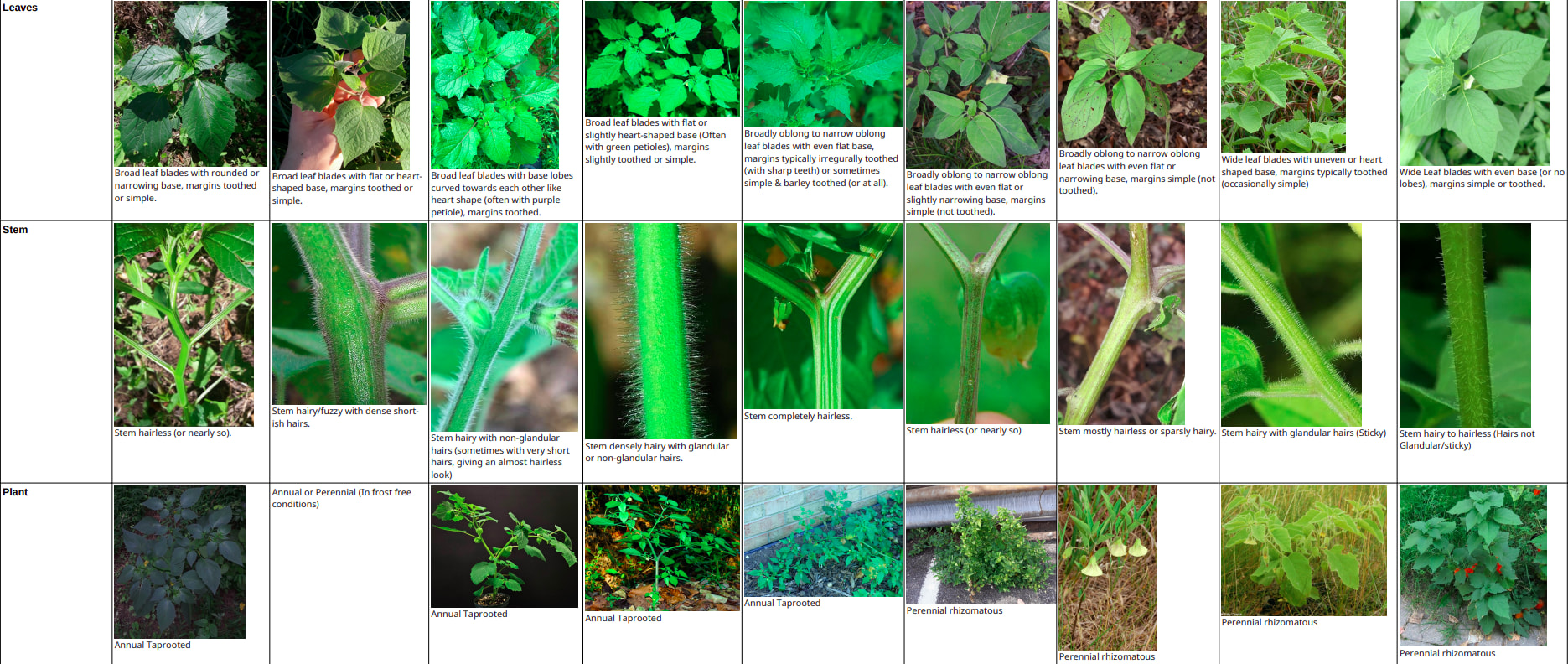
I made a Physalis species ID Guide to help distinguish between Physalis species, especially among cultivated & wild species commonly found growing in the U.S.
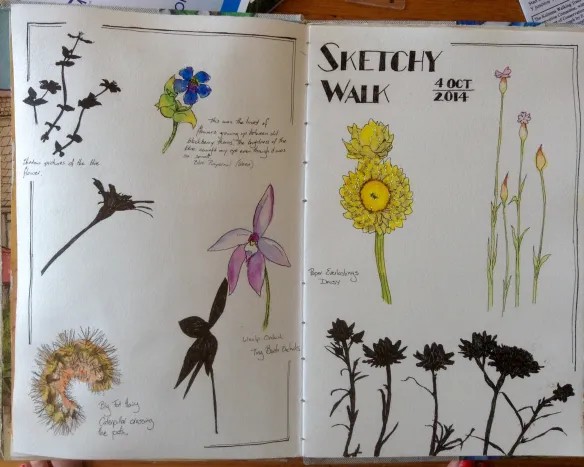
This is awesome! Something which may be helpful is more details on the size of the fruit- small and medium is a good starting point but having some numbers (or ideally a picture with the fruit next to a ruler) would be ideal! Also, I’ve seen this for other field guides, having a “shadow” of the fruit or leaves can be helpful in some situations to emphasize a unique shape
Ohh good idea but it’s really hard to find photos of ripe fruits for most species. I would like to eventually grow all these species to take such photos myself. I would also take a photo of the fruit in hand & keep that consistent with every species.
Interesting… I’ve never seen these but it does feel a bit confusing. I personally prefer real photos because sometimes the drawings leave out a crucial detail and that drawings don’t look exactly like what you’d encounter in the garden.
Hmm… Bottom photo reminds me that each plant family has a brand logo . Each plant’s flower represents the family they come from, almost like it’s the plant’s symbol, logo, advertising, calling card, ect.
This is really cool! I just got a Sandhills Ground-Cherry (P. arenicola) from a native nursery the other day & I’m excited to try the fruit someday.
@Professor_Porcupine I notice you frequently use the word “calxy”, & I’m not sure if you’re referring to the calyx or if this is another one of those obscure botanical terms where a new word is formed by swapping two letters (e.g., petals vs tepals)?
Awesome! Definitely share with us how Physalis arenicola grows. Take lots of photos of the plant! Especially photos of the ripe fruit (very few people do this, let alone describe wild Physalis species flavors)
oops that’s my bad, I get confused by how it’s actually spelled. I mean the same thing (regardless of me spelling it correctly or incorrectly). By calyx I mean the backside of the flower (usually referring to the sepals/tepals as that’s typically what makes up a calyx). This also means calyx can refer to fruits as well because sepals remain (like in Persimmons, Tomatoes, Peppers, and technically Physalis too because the papery husk is the enlarged calyx).


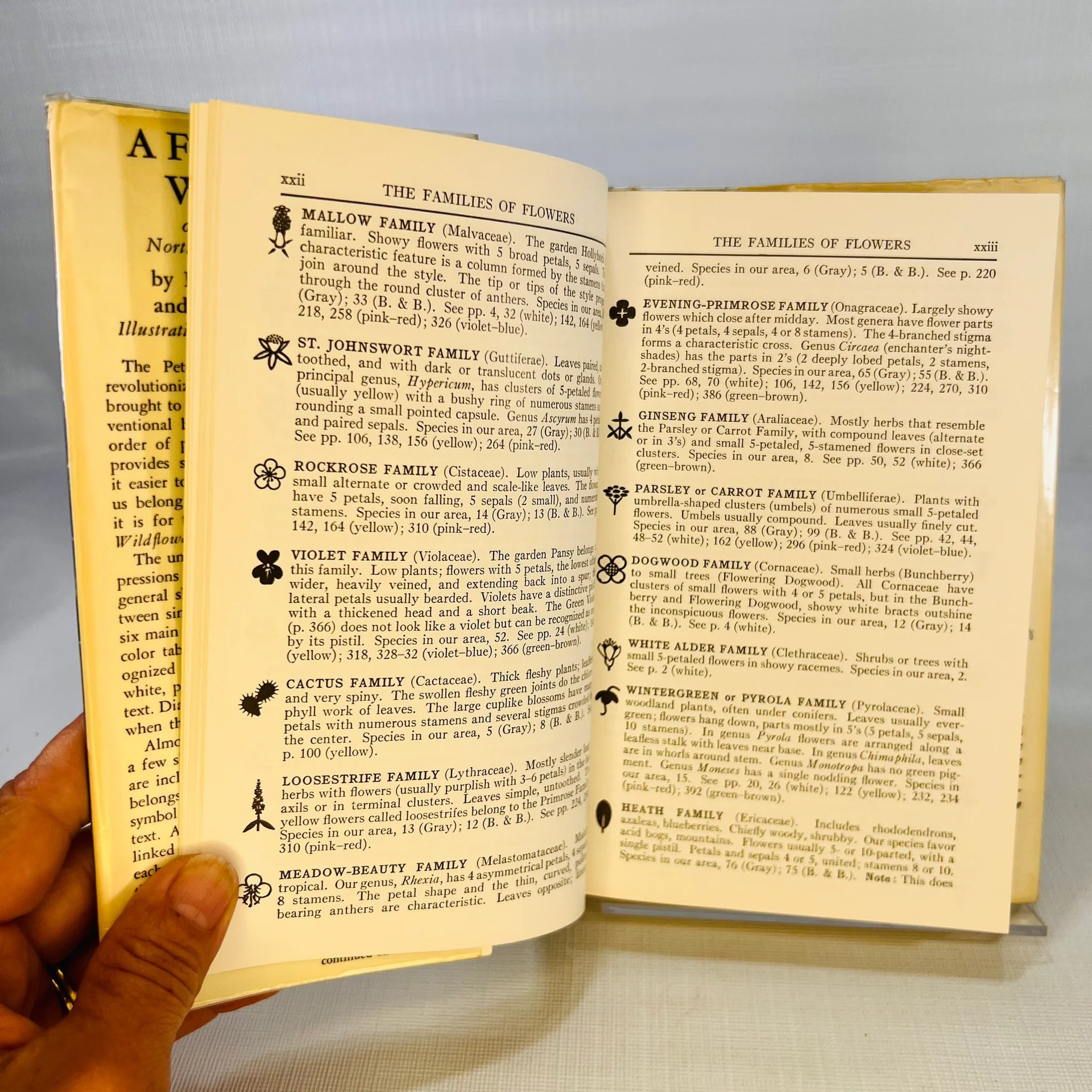
 . Each plant’s flower represents the family they come from, almost like it’s the plant’s symbol, logo, advertising, calling card, ect.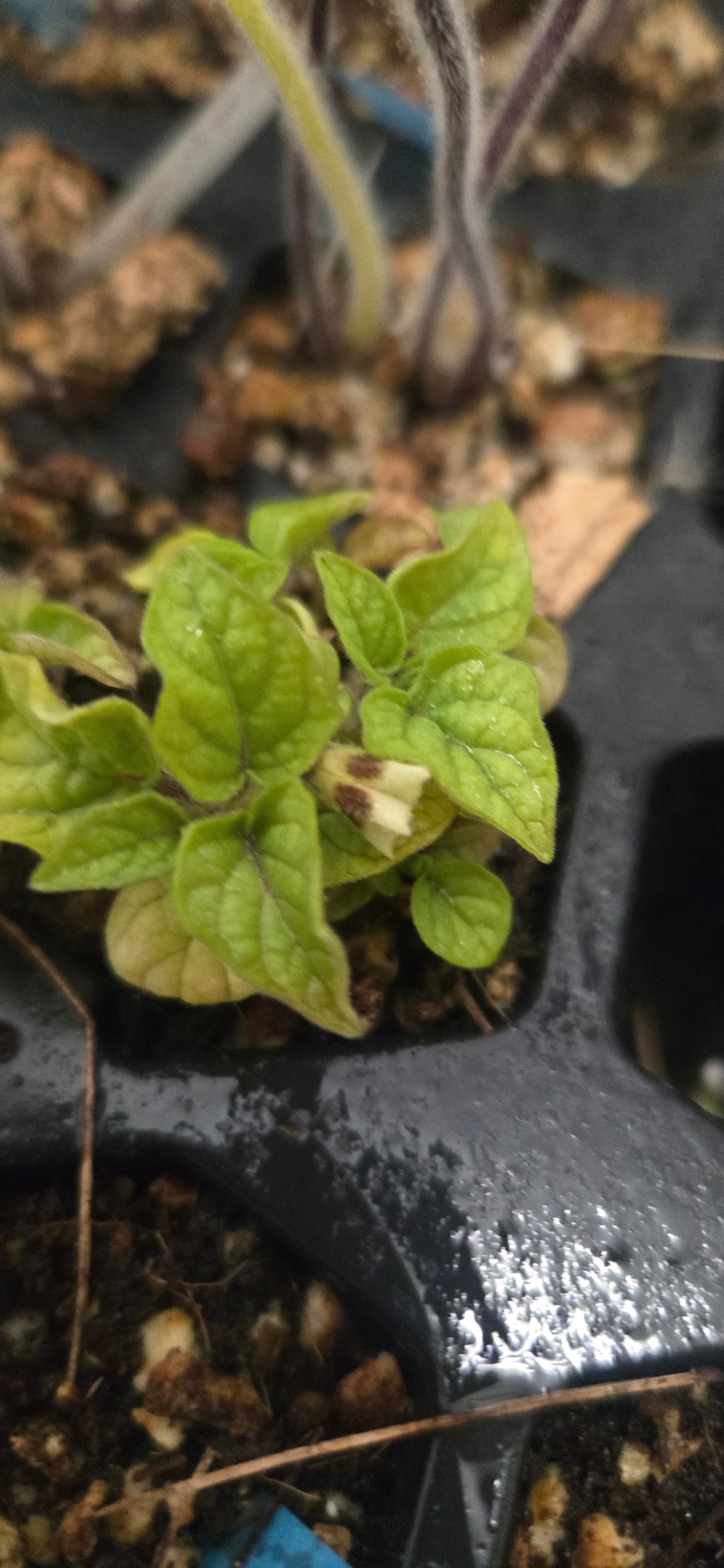
 oops that’s my bad, I get confused by how it’s actually spelled. I mean the same thing (regardless of me spelling it correctly or incorrectly). By calyx I mean the backside of the flower (usually referring to the sepals/tepals as that’s typically what makes up a calyx). This also means calyx can refer to fruits as well because sepals remain (like in Persimmons, Tomatoes, Peppers, and technically Physalis too because the papery husk is the enlarged calyx).