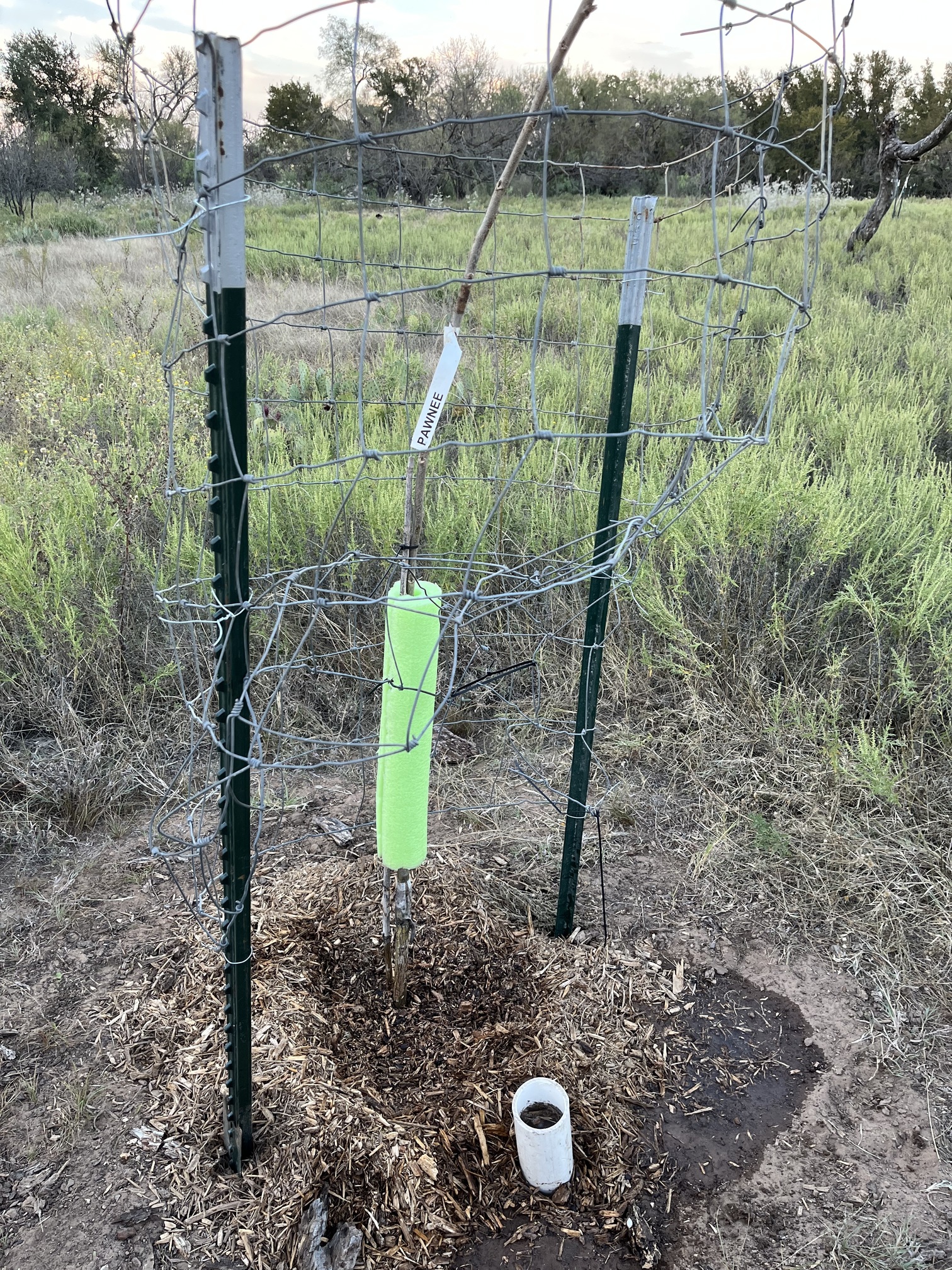
That doesn’t look sturdy enough. At least add a third post. They can push hard, plus maybe reach their snouts through the openings.
I live among a lot of whitetail deer and use 5 foot tall welded wire (2x4 inch) cages about 30 inch diameter. They hold their shape very well with just a few weather resistant zip ties. We use a garden stake or whatever t post I’ve got handy to keep it from blowing over in high wind. It seems to do the job letting it grow up high enough to start the first scaffold above easy browsing height. The welded wire was pricey, but the circles are easily reused over and over for new trees. Liquid fence spray helps, too.
If the deer were starving I’d probably be less successful, but the food pressure isn’t too bad here most of the year.
They will get to the leaves when it grows out with that setup. They can poke their heads through
I use a ring of hardware cloth held up by a t post with additional bamboo posts (1-3) to prevent the hardware cloth from shifting in the wind. I’ve recently been moving to fiberglass posts and away from bamboo.
Author michael judd has said that with hardware cloth, the deer cant fit their hoof in like on standard welded wire to reach up higher.
I’ve used chicken wire too but it is more flimsy and I’ve had to double layer the rings to give them more rigidity.
I have found that if the tree gets bigger if it bounces against the hardware cloth, it will tear at the bark, so now I also utilize Tree Pro Tree Protectors in addition to the hardware cloth to help prevent scaffolding too low and to protect the trunk. it also helps prevent damage when I pull the hardware cloth off to string trim around the base of the tree. Accidentally girdling jujube trees that have outgrown deer protection
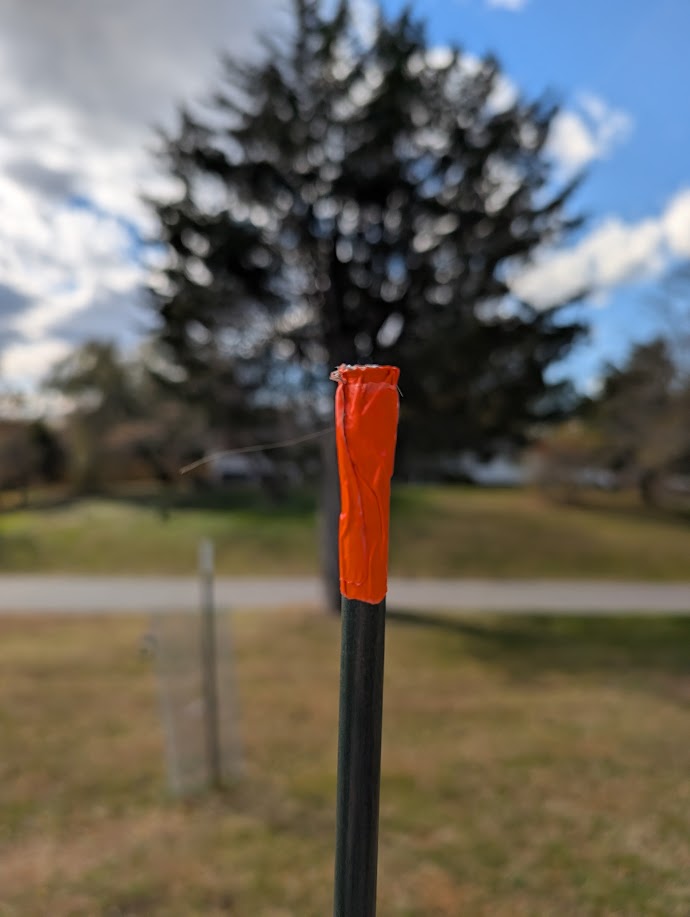
I’ve found that when hammered in, the fiberglass poles can fray a bit on the top, so I’ve began wrapping the top in high vis orange duct tape before hammering them into the ground (oddly enough, this color was just the one I had on hand).
Hammering without tape
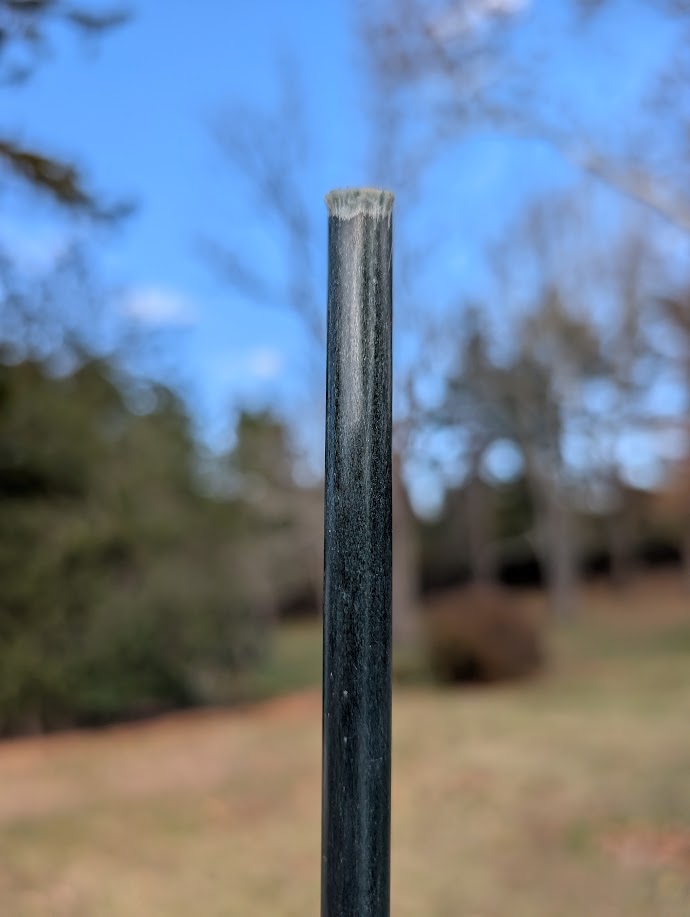
Hammering with tape
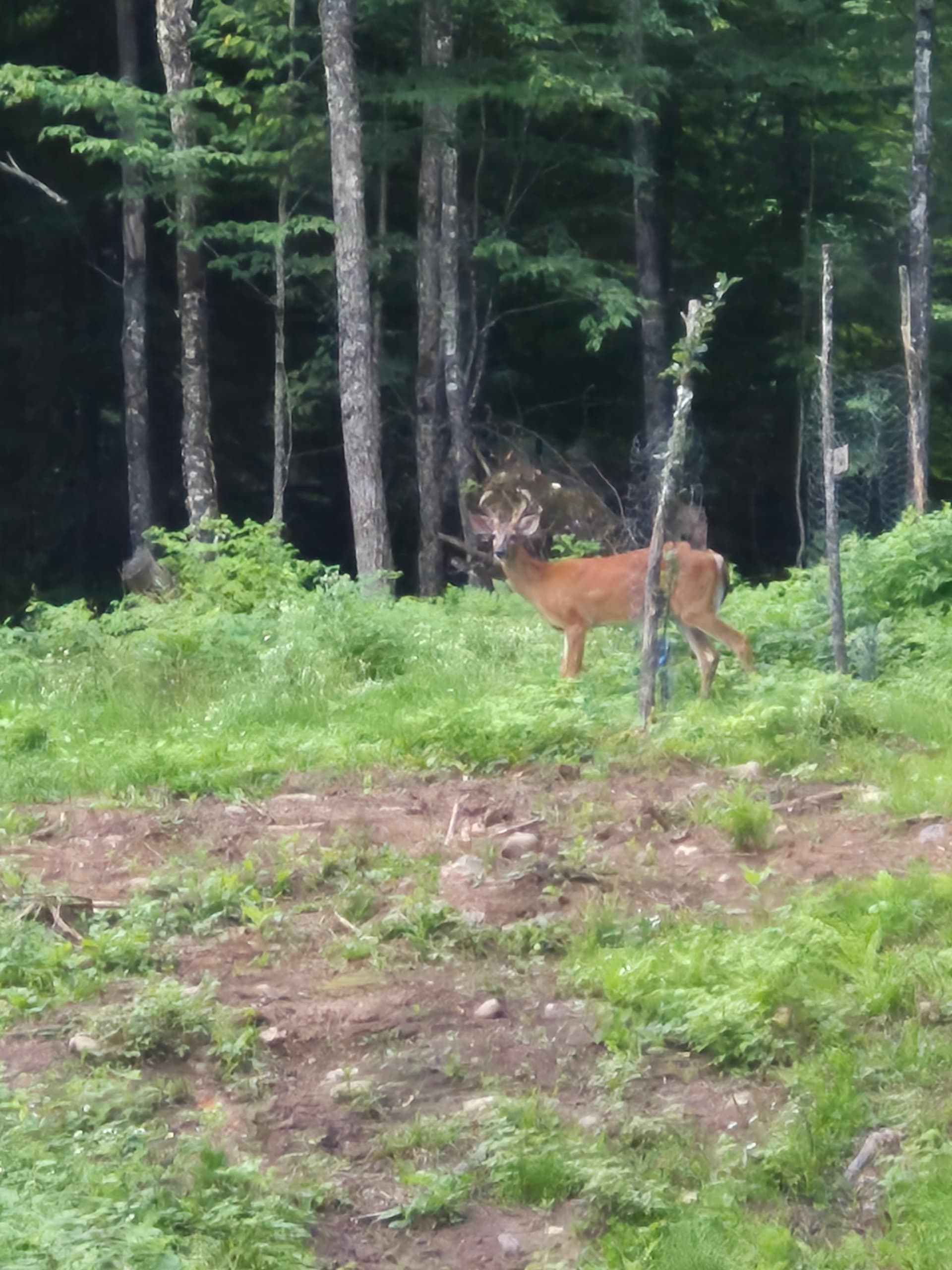
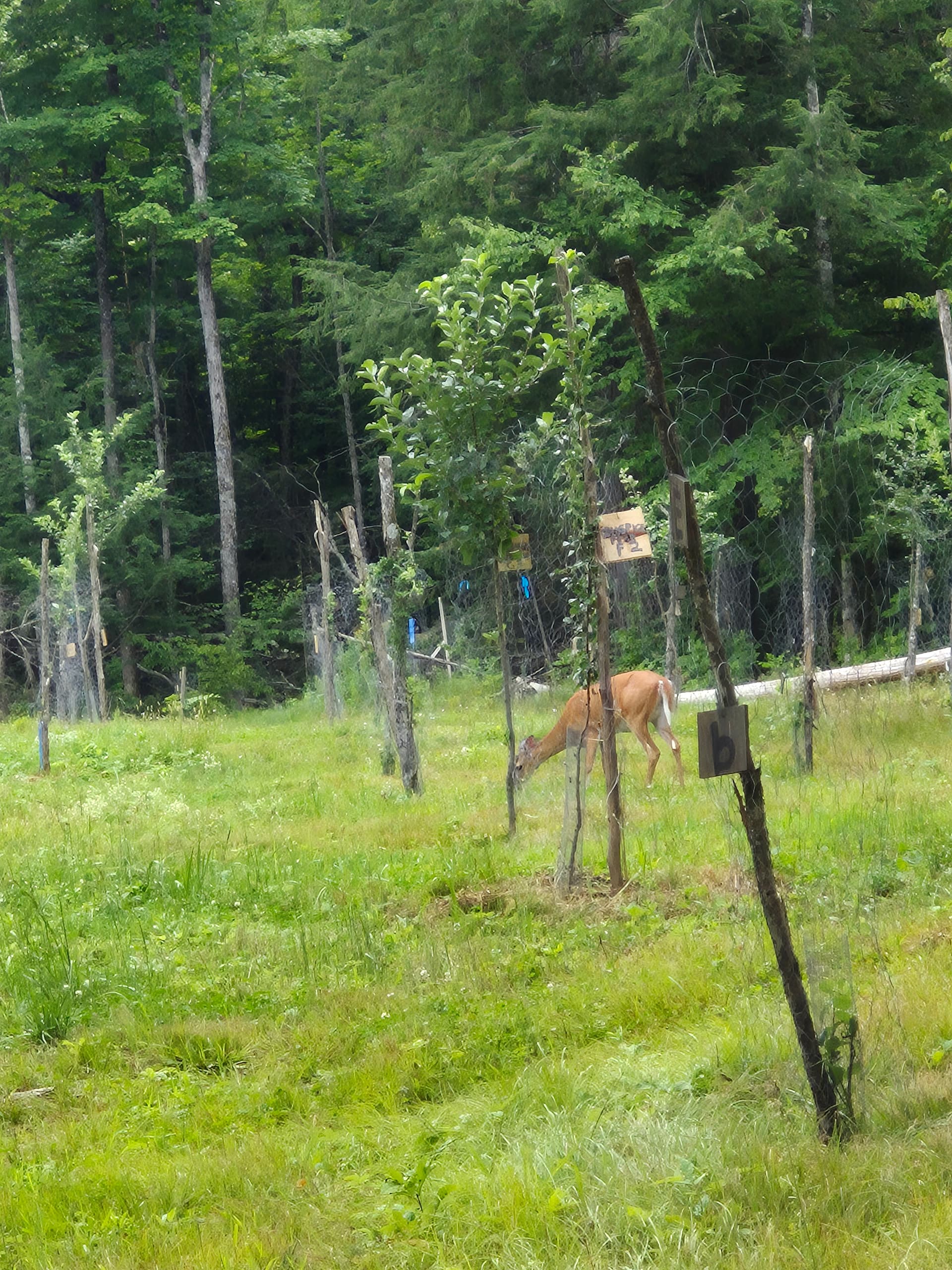
I think it depends on your goals. I use a couple feet of 1/4" to protect the base and a loop of chicken wire to protect the top. Deer nibble off everything that protrudes out of the wire. They occasionally knock the whole thing down.
The deer are my grounds crew, they prune a fine central leader.
FWIW, if the goal happens to only be antler rub prevention… A section of 4" corrugated black drain pipe split and put around the trunk, works great.
Limb and leaf nibbling of course requires more than that…
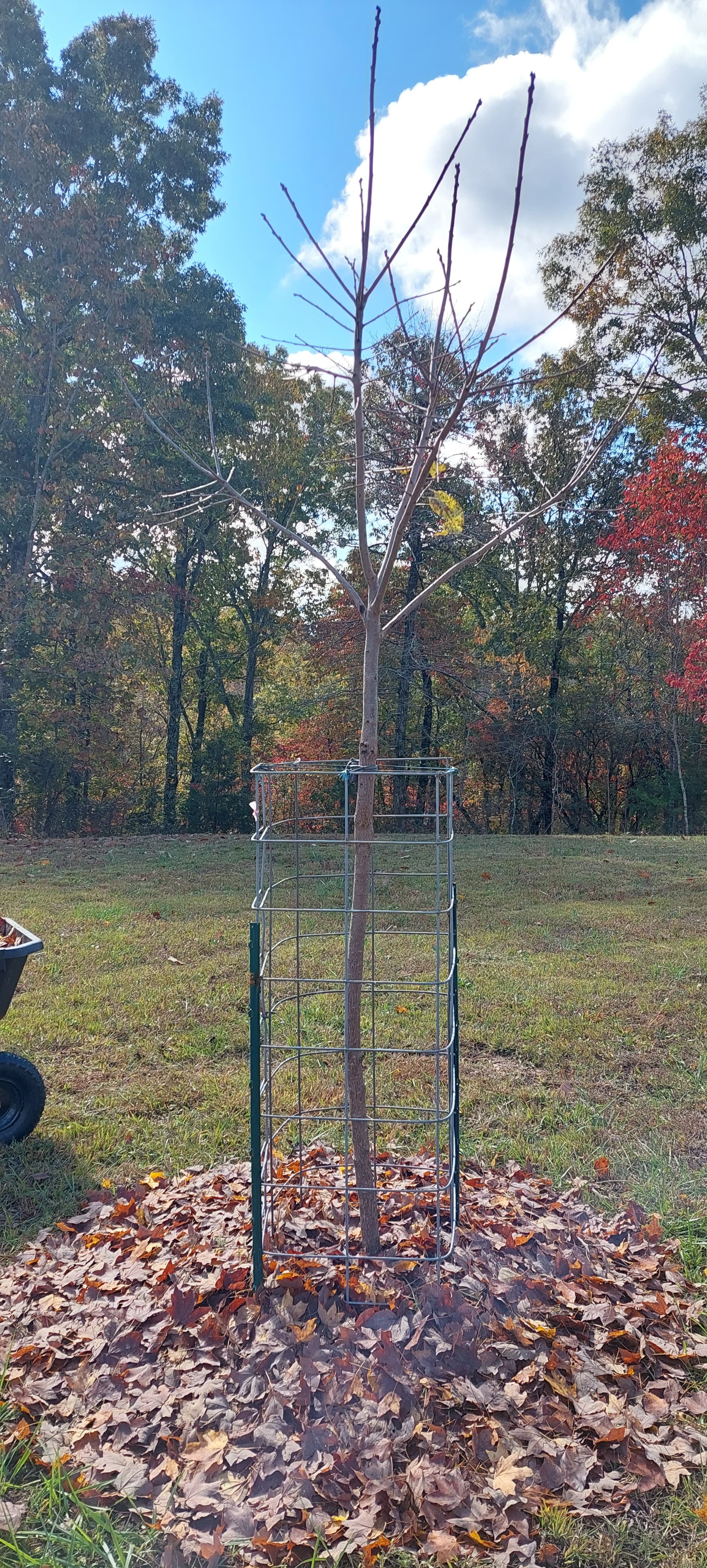
I make my tree cages out of cattle panel.
50 inch high. I can vary the width.
These are mostly for protection from buck rubs.
30+ trees and not one has been rubbed yet.
TNHunter
While you are at it, a ring of hardware cloth or some other protection can be useful at the very base - in addition to deer problems, I’ve had rodents girdle trees during the winter, particularly when there is accumulated snow on the ground. 
@PhilaGardener … that seems to be a real problem in more northern areas… but has never happened down here in southern TN.
I am glad … I have seen pictures here of the damage and it is awefull.
TNHunter
In Minnesota the baby rabbits would squeeze between the fencing and eat the seedlings or girdle the bark, killing the tree. So you have to add a layer of chickenwire.
I have rabbits… i do kill them and eat them when they get too abundant. I have had them damage blueberry, blackberry, sweet corn when small… but just minimal damage.
But in 30 years of growing orchard have never seen one damage a fruit tree.
We hardly ever get a snow that last a week on the ground… most of our snows are gone in 2-3 days and it is rare for us to get more than 6 inch accumulation.
I expect our rabbits and other vermin are much less desperate for food than the ones up north that have to survive where the ground is covered in snow for months.
TNHunter

4 x 4 feet square. You get 3 per 50 foot roll of 48 inch welded wire fencing. If you want some fruit, you want to plant big trees that are 6 to 8 feet tall, not the twigs many of you plant.
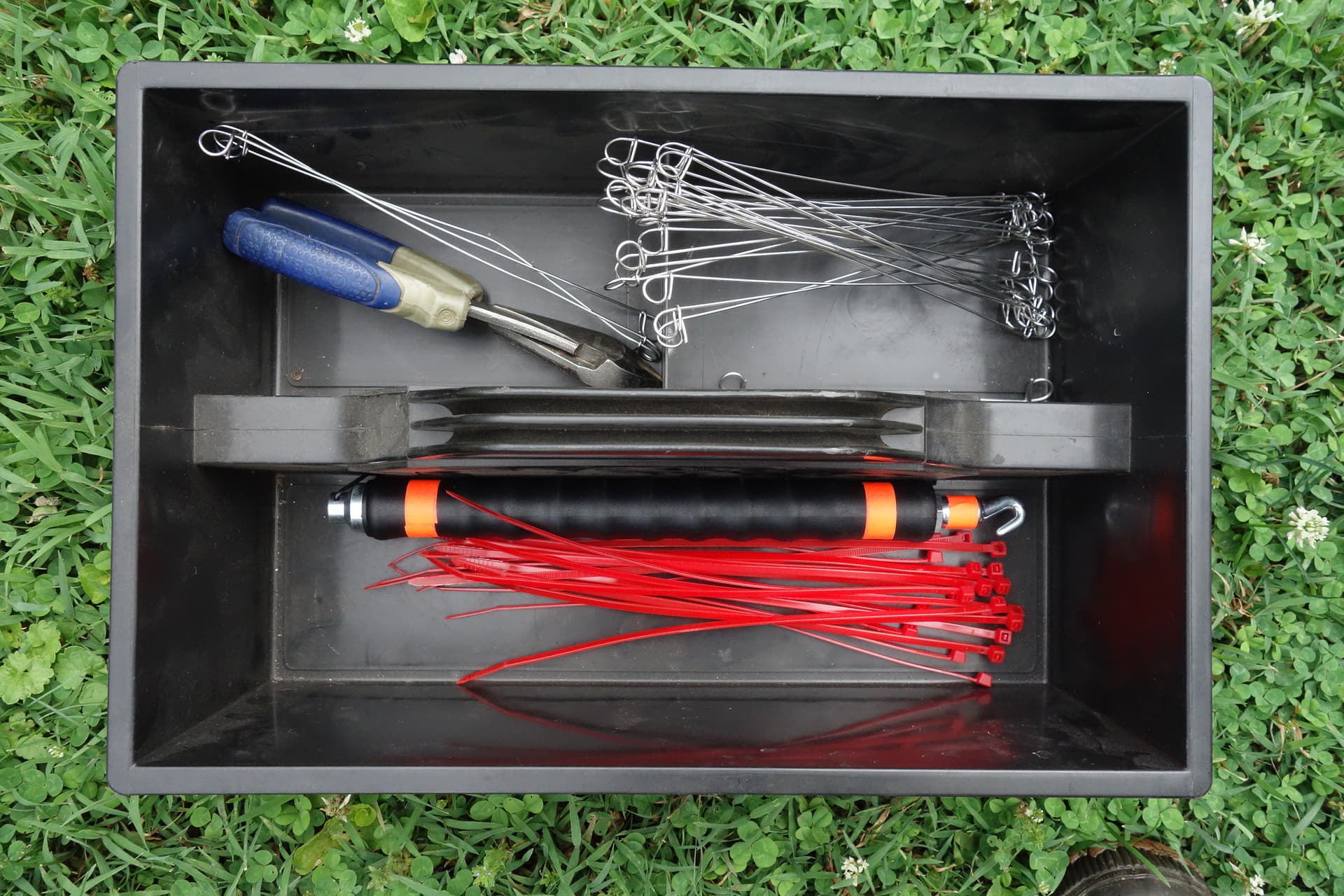

Rebar tool for tying fence to T-posts.
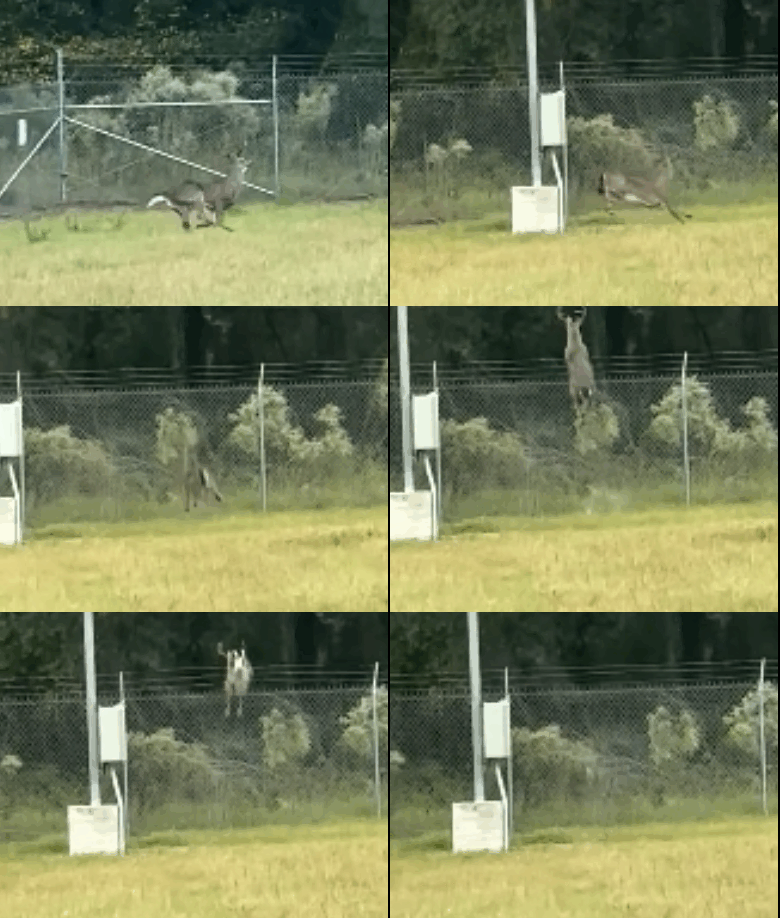


If you plant low plants, like figs, small animals eat them up. Fence has to cover all areas for deer down to the ground and buried under soil. Here is a fig after growing all summer.
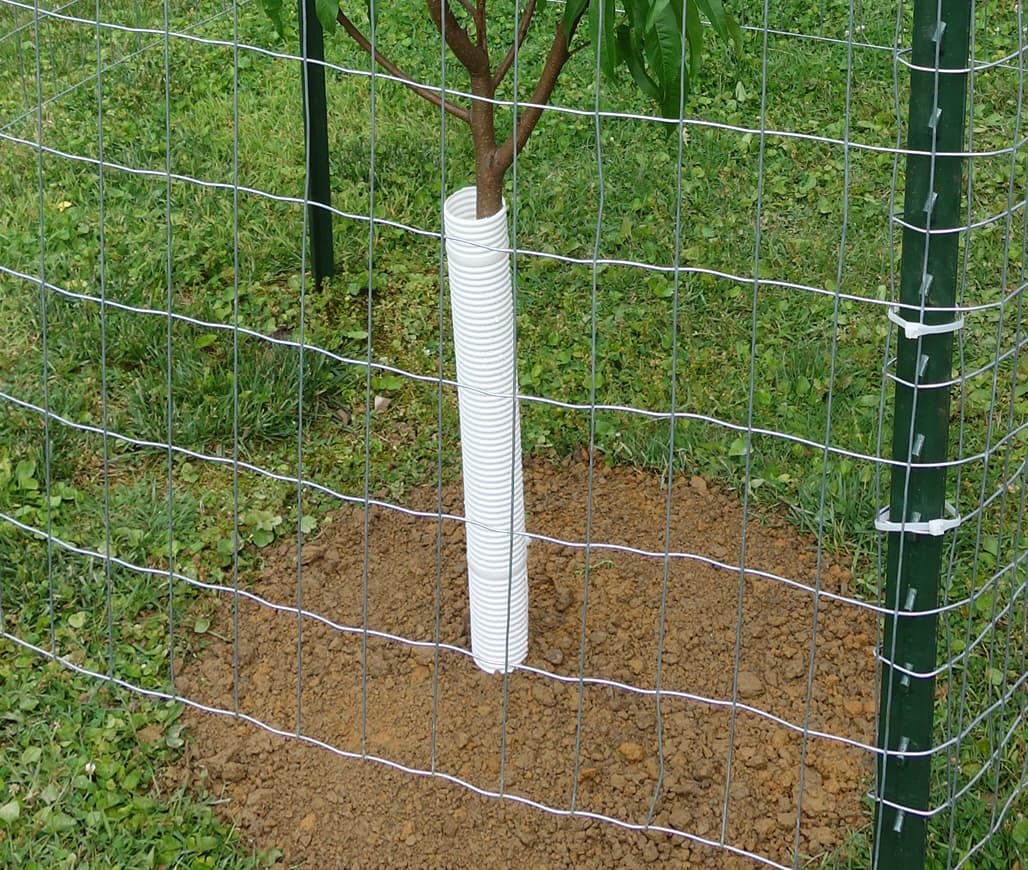
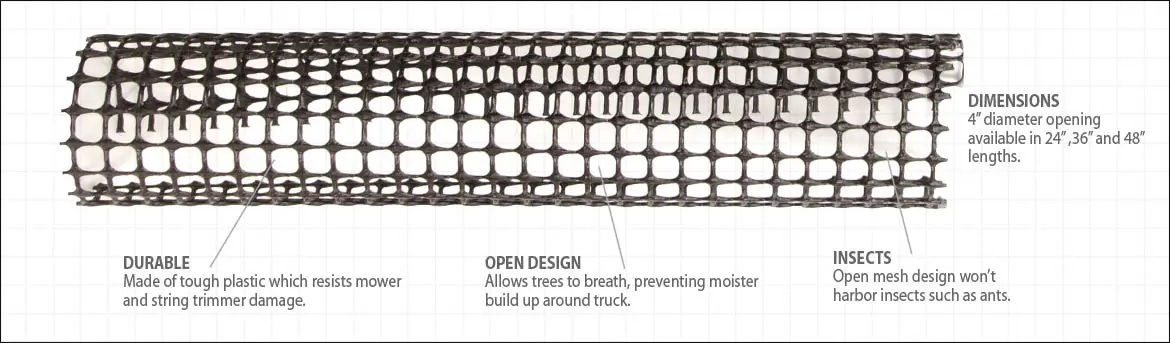
Mesh is best. No ant farms and tree breathes better. I’ve used both types.
Every tree planted cost about $60 in protection. I can’t fence in the area as it is all over the place around the house front, side and back.
…don’t forget what I told you about planting them twigs.
In the beginning, back in '08, I tried all sort of things and the deer always won.
My first deer protection were green garden stakes and plastic fencing.
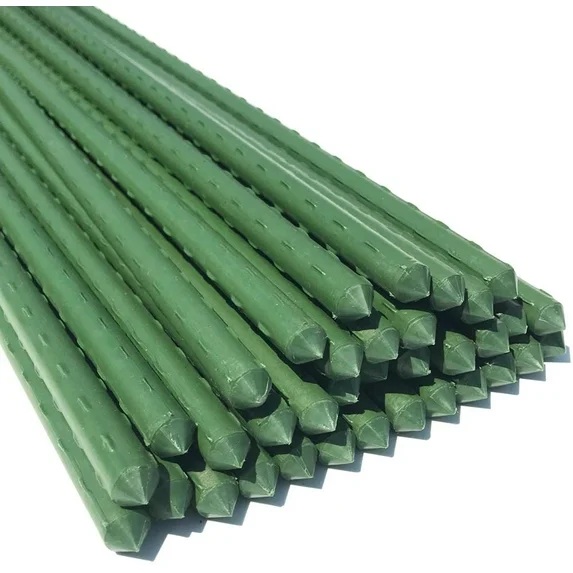
stakes and plastic fencing.
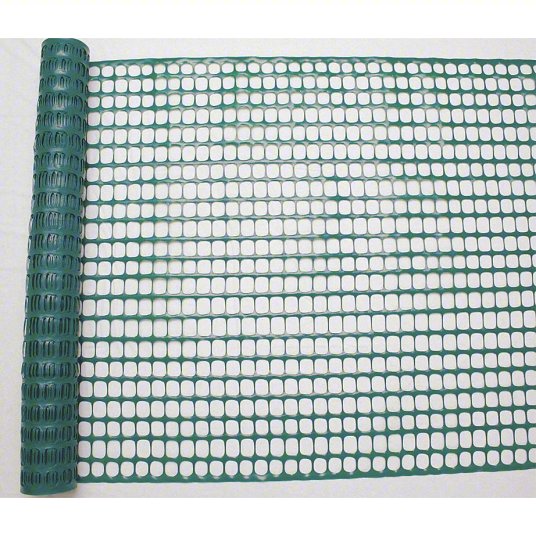
Then tried stamped out U-Posts made of formed sheet metal. Deer pushed that stuff over. They didn’t wait for any fruit to show up, they just feasted on the trees themselves.

Derek’s Winter Tree Protection Spray
The homemade spray that stops sunscald and makes deer & rabbits say “NOPE” all winter 

Recipe (makes 1 gallon)
• 1 quart cheap white latex flat paint (Menards oops rack)
• 3 quarts water
• 1 cup strained fish fertilizer (Alaska 5-1-1)
• 1½–2 Tbsp powdered garden sulfur
• Optional: 1–2 raw eggs + 1 Tbsp dish soap
Mixing order (or you’ll clog the sprayer)
- Paint + water → thin milkshake
- Add fish fertilizer
- Slurry the sulfur in hot water + drop of soap first
- Combine everything & shake hard
- Pour into backpack sprayer (pull the fine filter)
Apply mid-Oct to mid-Nov when >40°F
Heavy on south & southwest sides → pure white when dry
Optional stink refresh in late January
Effectiveness in real ND winters
Sunscald protection: 9.5/10 (lasts 3–4 years)
Deer browsing: 7–8.5/10
Deer rubbing: 7–8/10
Rabbits: 6–7.5/10
Voles under snow: 1/10 ← still need hardware cloth!
Cost per gallon: $3–$6
Covers 60–100 small/medium trees
Pro tip from 20-year ND orchardists:
The white paint is basically permanent.
Only the stink fades — hit the lower trunks again in January if you cant still smell your trees 
Thousands of trees from Bismarck to the Canadian line get this exact mix every fall. Works way better than anything at the garden center for 1/20th the price.
Save your apples, plums, crabapples, and shelter belts this year — mix a batch and spray! 
