
These have a texture to them as well. Could use more surround/surround with a tank mixed sulfur or spinosad (etc) on the bags themselves.
3 Likes
Same for me with footies. Not much insect damage but a far amount of black blotchy spots, esp on peaches. I thought it might be staying damp longer and contributing. I know its the footie because where several grew out of the cover, there was a distinct sooty line inside but not outside.
2 Likes
Good that you have had success with plastic bags. I don’t know if it would work for me in this very wet year. It could cause rot if it offer limited ventilation.
1 Like
Too early for me to say I can do w/o chemical. Until this year I had not considered eliminating the chemical until my family asked me to do so since our apple trees are very close to the strawberries. So I am testing Surround only on my trees versus Surround chemical mix on my neighbor’s trees where our concern for avoiding chems are no big deal.
I can say that my trees that have shed apples so far are clear of any insect damage, but we are about a month away from harvest on most. So I will try to remember to post my results. Prior to using my Surround chemical mix my apples were riddled with either Coddling moth and or Apple fly maggots. So I am in hopes that Surround alone can meet the test setting me free of Chems!
Dennis
Kent wa
1 Like
I always thought it would contribute to rot, but for me it hasn’t. Im super high humidity east coast not too far from the beach. Im just glad to have something work 
Its odd isnt it? i figured the bit of air movement thru organza would keep fruit cleaner than plastic. In my case no!
What else have u tried?
I believe residential use means either within 50 or 100’ of a residence- probably the latter. It doesn’t mean not be be used in residential neighborhoods or even restricted to “agricultural” applications as is Avaunt. Agricultural is a weak restriction as well, and only means you intend to sell an unspecified amount of the crop you grow (as I understand it).
Kickback isn’t that much of an issue and I think you may be exaggerating its importance. It seems to me if fruit is unscarred at the time of application no kickback is needed and I’ve gotten very good results over the years using a pyrethroid (Asana) twice beginning with petal fall of latest flowering apples. All species in many mixed fruit orchards are sprayed at the same time so petal fall will have occured much earlier for most of the species and even earlier blooming apple trees but it usually doesn’t lead to much insect damage- usually only some loss of Euro plums. My hunch at the moment is that that damage is from later assault and not from a lack of protection early.
This year I sprayed my own plum trees 3 times adding a late spray about 5 days after the second just because I had it in my tank. There was no PC damage at all. That is just one piece of evidence the damage occurs later rather than earlier. The other is that I usually don’t see scarring before the first app.
I realize that pest pressure is a regional and even very local issue, so no one can be assured similar results as these. I also use a high pressure, high volume sprayer that gets fairly thorough coverage except in very dense and large trees. Such trees are not common in my management. Large trees tend to be pretty open at least in spring from pruning.
In my area, I suspect bagging fruit after performing two sprays would be a waste of time except for protection against stink bugs. For me, it might be worth it to protect my Korean Giant pears that are often decimated by a combination of stink bug and coddling moth damage that occurs over summer.
Alan,
In my subdivision, from my trees to my neighbors’ houses are about 20-30 ft. We live in an area which gives a real meaning to “thickly settled”!!
Like I said, PC is one generation here, we have 3 generations of OFM that could damage fruit into July/August. My problem this year is not pest damage (it has been minimal) but rain and rot damage which has been extensive.
Yes, I know about the rain, I just happened to notice your old comment and thought some input might be useful.
I expect my issues with OFM are similar, but tip sprays seem adequate to manage the pest. I only spray my nursery trees about 3 times during summer when I start to see flagging and a couple gallons covers about an acre of young peach trees because only growing tips need spraying and not even every tip. Damage to unsprayed trees is minimal probably because so many are eliminated in the “trap” trees.
UMass said the July/Aug OFM go for fruit, too, not just shoot tips.
If they aren’t controlled by tip sprays alone, I assume. I’ve been doing this for years and have only had a problem with OFM in Indian Blood peaches that appeared long after I had stopped spraying for them. However, you are smart to be suspicious of individual anecdotes. I’m almost equally suspicious of conclusions drawn from inadequate research, a constant issue in horticulture. Research suggests while researchers assert.
I have not always bagged Euro plums. My anecdotal observation was that many were ruined by bugs after PC’s wave was gone. I have blamed OFM since they are present through the summer.
When I’ve found worms in my plums in July they’ve been PC. It’s pretty common. That’s part of the reason I think it’s the later spray that’s needed for them. I haven’t always controlled OFM either. I used to let them have there way in my orchard during summer and where I’d find a few of them was in peaches, but not enough to affect the crop much.
Here in the Great Lakes Region, fruit bagging time is nigh.
My last remarks on this thread were about codling moth getting into the bags. I am using Ziplock-style plastic sandwich bags, and my moth mitigation is to make a somewhat longer cut across the lock. This is to get a better fit around the apple stem.
I couldn’t get a good digital picture of this, but I use the kind of bag with a double green Ziplock-type seam – they are available at Target and at Walmart. I adjust the length of the knife cut across the seam to get a more snug fit to the apple stem for improved moth exclusion.
My question for 2022 is about how many curculio strikes can the apple tolerate before it is wrecked. This is for personal consumption, so I am not bothered by curculio scars. I am under the impression, however, if you have a lot of curculio strikes that the apple can get puckered up as they get from maggot strikes? Or is a puckered up apple not curculio damage but instead the effect of the apple maggot fly?
We had a really, really cold spring and a late bloom, but the leaves and blooms and fruit set all happened within a week’s time when we get a heat wave. Then the cold front came back in, which is good because if it gets hot and humid, the curculio comes out before the fruit is even big enough to bag. If you bag the fruit too small, it is hard to tell if it get a solid pollination that it stays on the tree.
This weekend is our next heat wave, and my plan is to have my bags all prepped and to spring into action bagging to beat the curculio. I also plan the advice on one tree that dropped a lot of bagged fruit last year – thin the apples to a larger spacing that this tree can hang on to, but last year had a June dry spell but maybe this year is having somewhat more rain that the tree can retain more apples?
2 Likes
it never ends . . . . . 
2 Likes
Just got 99% of bagging my fruit done.
Very few plums as the main trees have decided to be biennial this year. I used bread bags as I can cover long branches.
Apples go ziplock sandwich bags.
Peaches and nectarines got Clemson bags.
Euro pears will get better nylon bags.
Asian pears no bags. Way too many of them.
1 Like
@Auburn
Have you had any sunburned apples in bags. This year it has been mostly dry here. More sunburn than I expected.
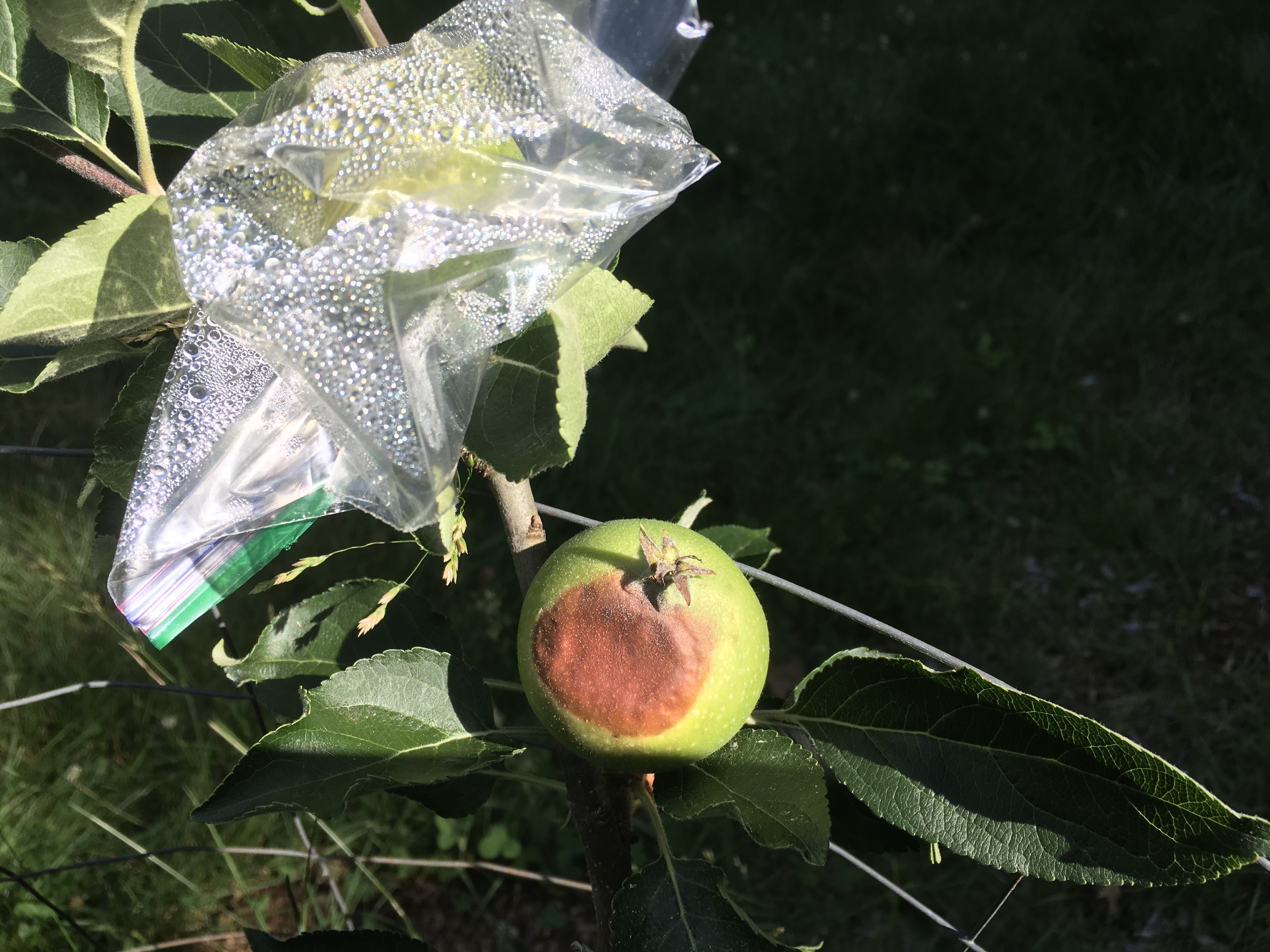
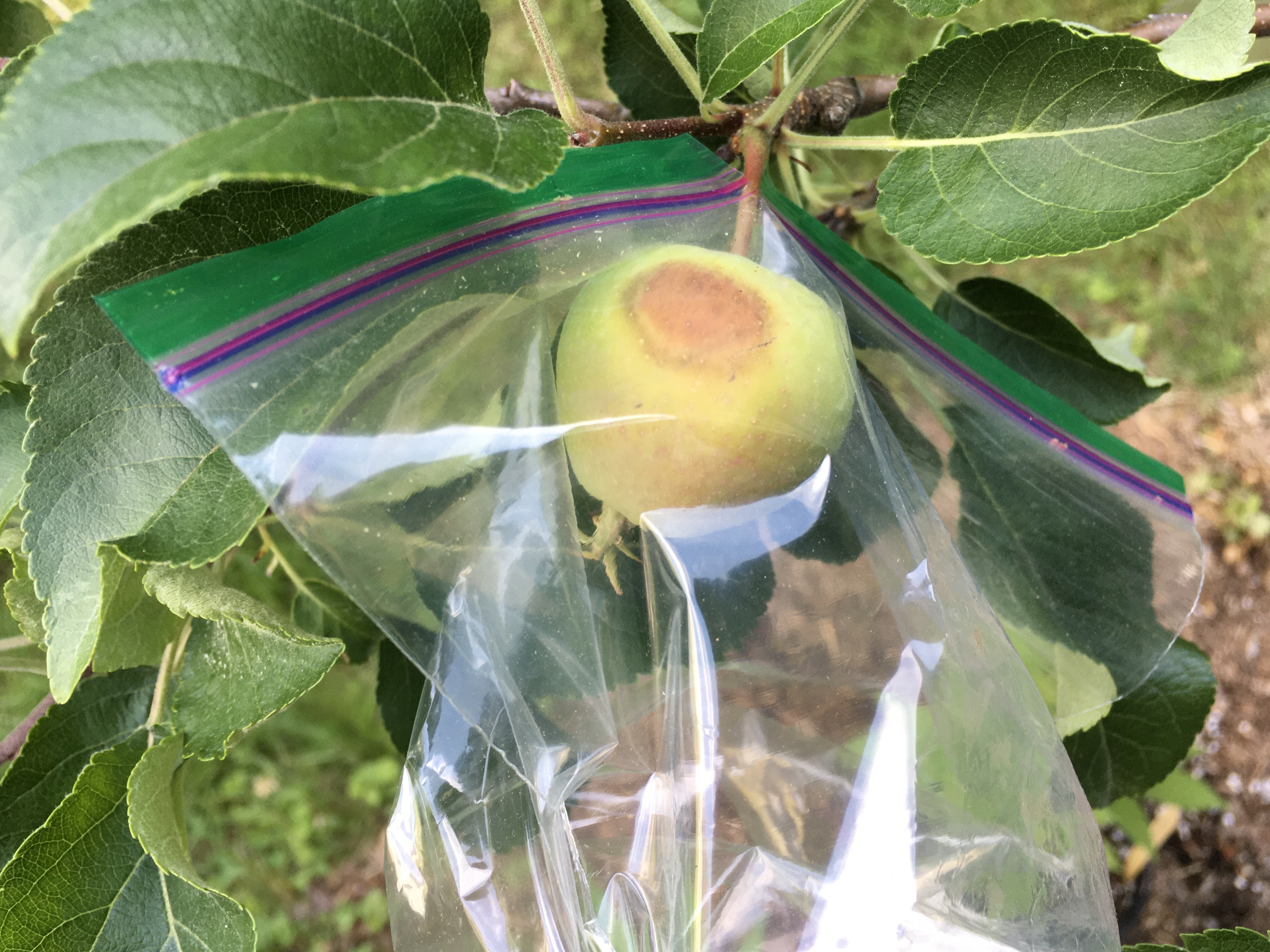
3 Likes
I had a couple like that this year but most were okay. This is year two at my new location so I don’t have many apples to compare with. I’m trying something new to me in that I’m cutting the bottom out of the bags. I used these on both apples and pears. As of now they look okay.
Do you mean you totally cut open the bottom of bags
1 Like
Yes. I just cut all the way across the bottom of the bag. I’m looking for more ventilation and hoping the bugs won’t or can’t crawl to the fruit. You know I always have to try something different.
1 Like