Revisiting cold hardy citrus in 2026

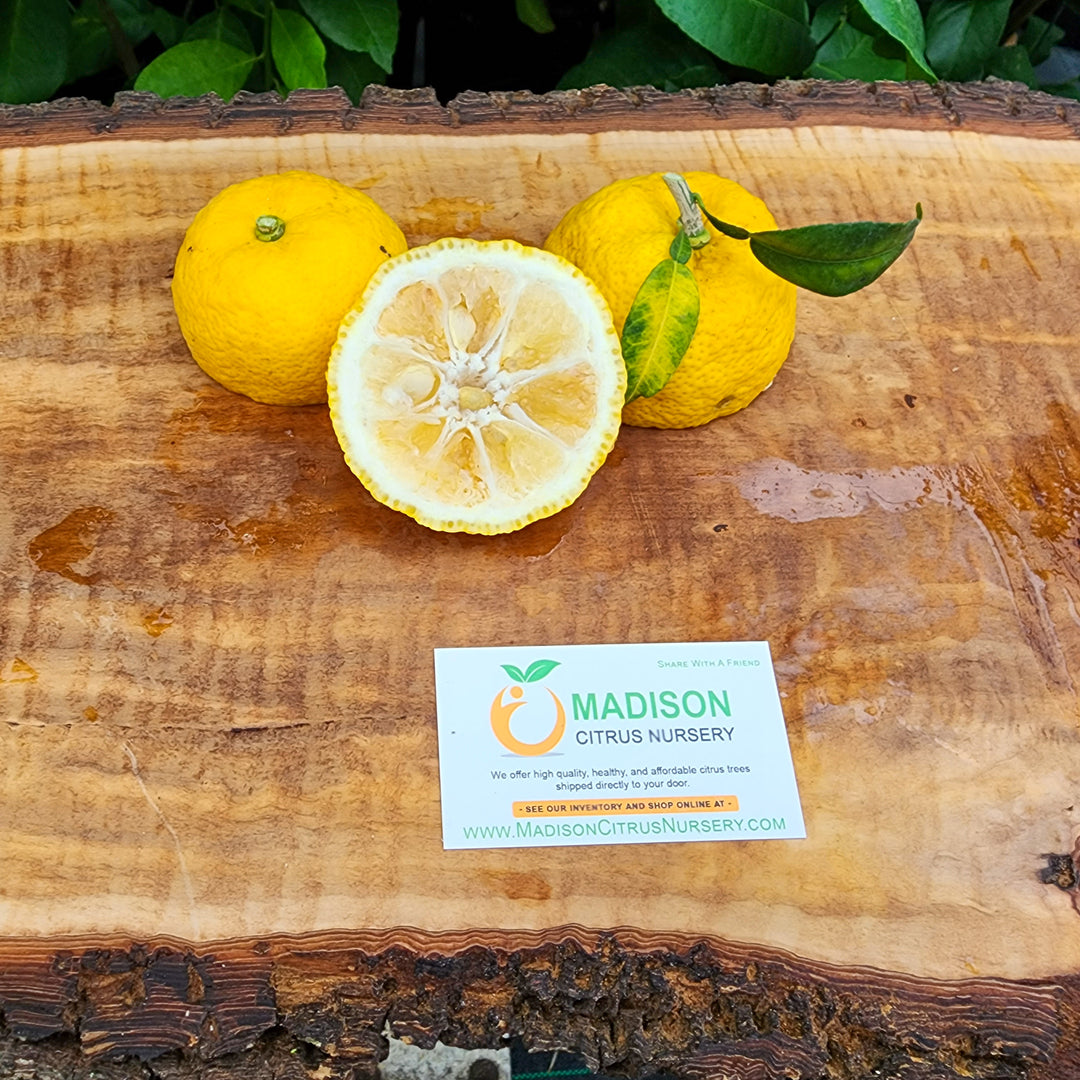
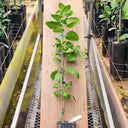
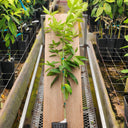
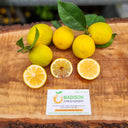
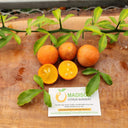
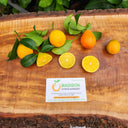
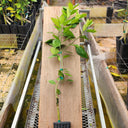
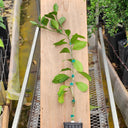
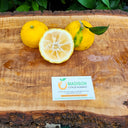
I want to discuss this one first Thomasville Citrangequat Trees for Sale - MadisonCitrusNursery.com – Madison Citrus Nursery

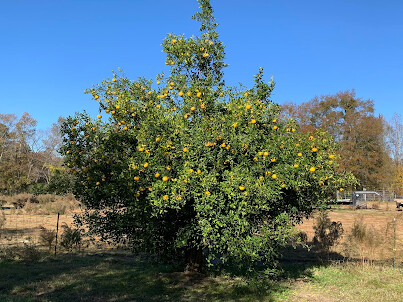
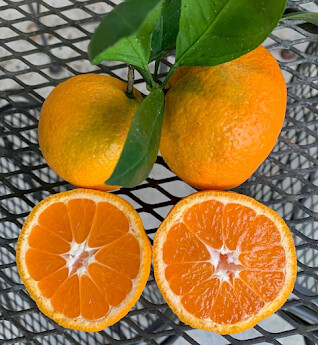
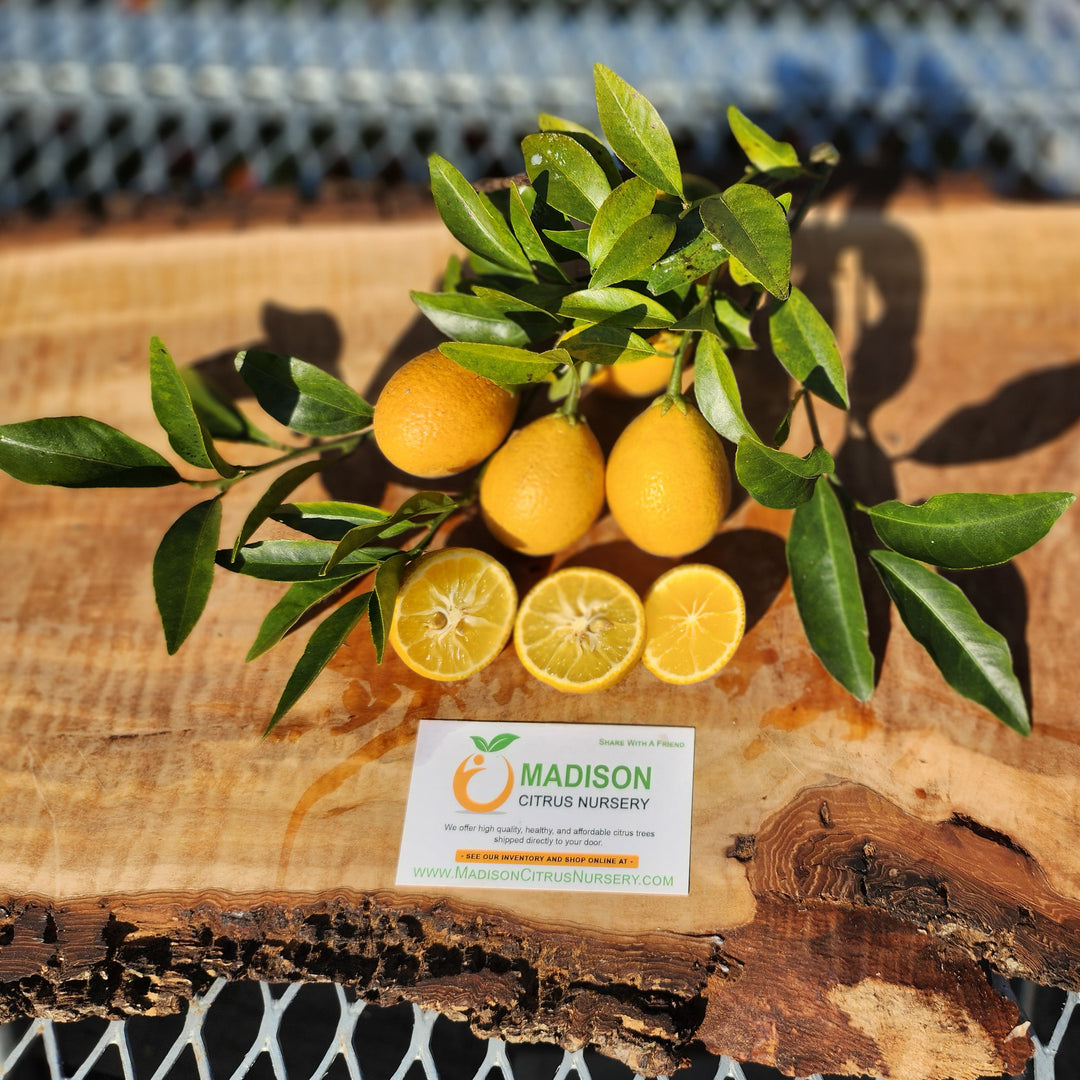
Thomasville citrangequat is a complex hybrid involving a citrange (Sweet orange x Trifoliate orange) and a kumquat. It was developed by the United States Department of Agriculture in the early 20th century as an attempt to combine the hardiness of the citrange with the delayed dormancy of a kumquat. It was named for Thomasville, GA, where it first fruited. Several different citranges were developed, but of these, Thomasville is the most widely grown and best tasting. Thomasville citrangequat makes a small tree to 15-20 feet. Juvenile leaves are frequently Trifoliate, but mature plants produce unifoliate leaves. Like its kumquat parent, Thomasville citrangequat is a repeat bloomer, and mature plants will frequently produce two (or more) crops in a single season. The fruit are the shape and size of a hen’s egg. They turn yellow in late fall. Left on the tree, the fruit eventually turn bright orange. Although it does not have commercial potential, Thomasville citrangequat makes prodigious crops of fruit that have a variety of home uses. Due to its kumquat ancestry, the entire fruit can be used, peel and all. In late summer, when the fruit are still green, Thomasville citrangequat fruit can be used as a lime. In fall, the fruit can be used as a lemon or used to make an excellent marmalade. Left on the tree, the fruit becomes edible out of hand by late winter, tasting like a common sweet orange. Thomasville citrangequat is an excellent cold-hardy citrus for anyone who wants to grow highly ornamental, useful fruit with very little effort.

  • Mature Tree Height: 15-20 feet

  • Ripens: Fall/Winter

  • Hardiness: 5F *

  • Tastes Like: Lemon/Lime early to Sweet Orange later in season

Our trees are grafted with mature buds so our trees will fruit quicker.

* Hardiness temperatures are approximate, and indicate where fully dormant, mature trees may experience significant damage.

5 Likes

This is one we talked about several other times

Yuzu Lemon Tree For Sale

aka Yuzu Ichandrin

Available in both 1 gallon and 3 gallon sizes.

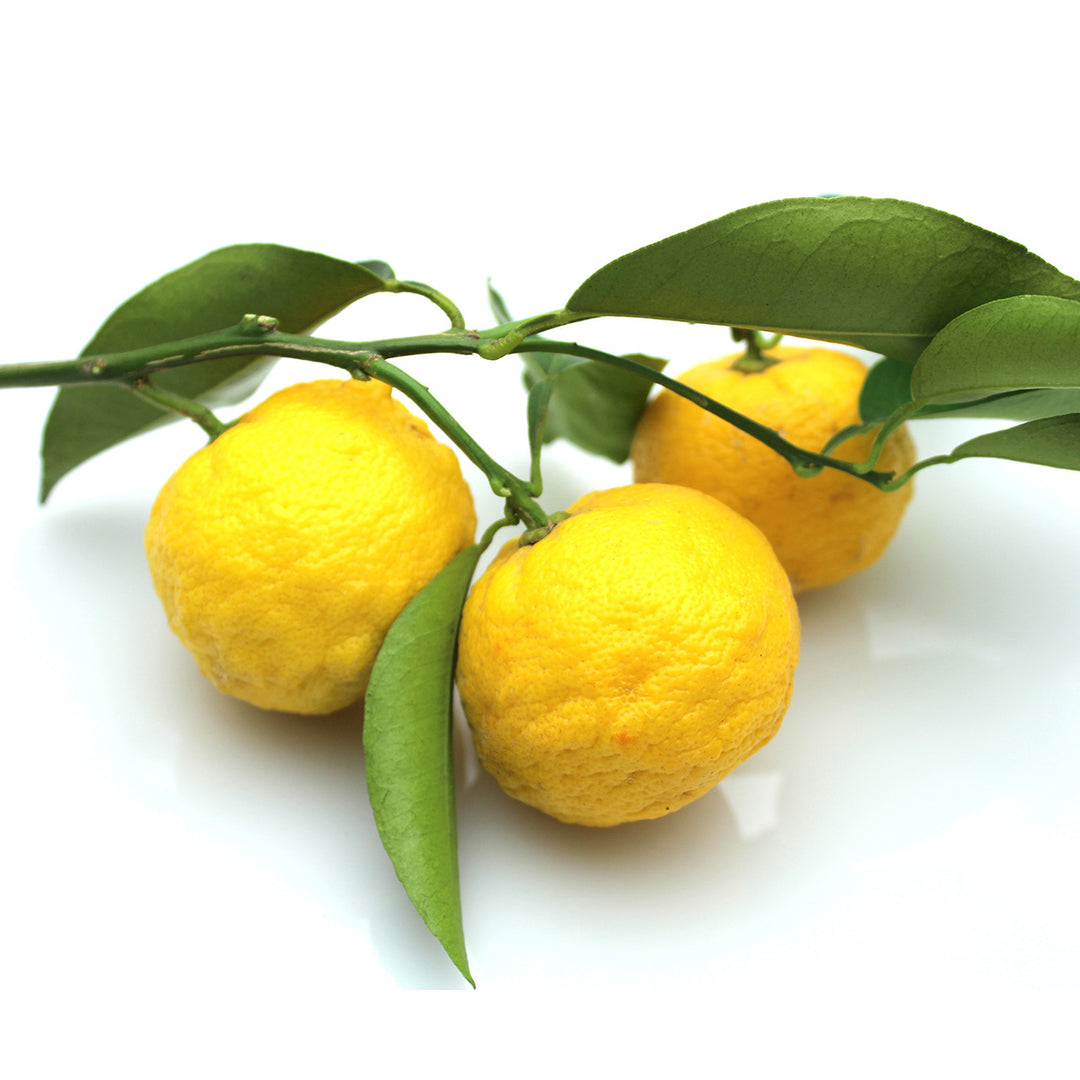
Yuzu is an ancient hybrid between an unknown mandarin and involving the species Citrus ichangensis. Its true origins are lost to antiquity, but recent genetic analysis indicated that Yuzu was probably a result of several back-crosses involving the two parents. The tree is intermediate between the two known parents, with a strongly upright branches on a tree that grows to up to 20 feet tall at maturity. Leaves are large and pointed, with a prominent petiole flare. Yuzu is among the hardiest of the true citrus, and will often bloom and fruit after being completely defoliated the previous winter from cold.

Yuzu seems to be able to endure winter minimum temperatures down to 10F or slightly below without permanent damage. Although it has been rarely grown in the USA outside of California until recently, this has begun to change as people discover the many culinary uses of the Yuzu fruit. The fruit looks like a large, yellow mandarin, with a thick but easily peeled skin and abundant, large seeds. The pulp is pale yellow and is somewhat dry even early in the season. However, the juice is highly prized (as is the peel) in Asian cuisine, and the strong aroma and flavor of Yuzu lends itself to many uses, including fish, salads, marmalade, and Ponzu sauce. Because the flavor is strong, most people do not like lemonade made with Yuzu, but this characteristic makes it a great citrus for cooking, where a powerful flavor makes it durable. In Japan, whole fruits are added to baths for their wonderful and powerful fragrance. In the USA, Yuzu fruits (if they can be found at all) command a price of $15 a pound or more. It would seem that Yuzu would make a good choice for commercial growers just north of Florida. Its main drawback as a commercial fruit is its tendency towards alternate-bearing.

  • Mature Tree Height: 20 feet

  • Ripens: September-November

  • Hardiness: 10F*

  • Taste: Uniquely Yuzu

Our trees are grafted with mature buds so our trees will fruit quicker.

* Hardiness temperatures are approximate, and indicate where fully dormant, mature trees may experience significant damage.

2 Likes

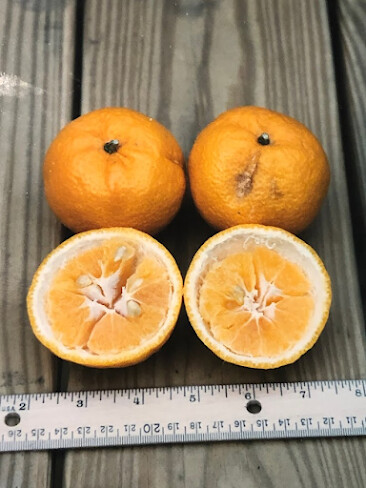
The “Ten Degree Tangerine” is a hybrid between Clementine and Yuzu. It was thought to refer to the cultivar Clem-Yuz 3-3, but there is some confusion and it may also refer to Clem-Yuz 2-2.

Hardy to 10°F (-12°C), to perhaps all the way down to 5°F (-15°C)

Ten-Degree Tangerine may refer to either Clem-Yuz 2-2 or Clem-Yuz 3-3. Clem-Yuz 2-2 is a much earlier ripening fruit and is said to be better tasting by one grower. Clem-Yuz 3-3 can have a kerosene aftertaste. However the originator of this cultivar Dr. John R. Brown of Franklin, Texas, preferred 3-3.

“This plant, otherwise know as Clem-Yuz 3-3 is one of a number of Clementine X Yuzu hybrids produced by Dr. Brown during the late 1960s… semi-deciduous… blooming and fruiting after 80 to 130 hours of continuous subfreezing weather with minimum temperatures of 10 F or lower… Fruit ripens relatively late, in mid-December, in Texas, when it attains quality better than that of supermarket tangerines…the fruit matures into a sprightly flavored tangerine” p. 30

“The rind is orange and smooth…If self pollinated the fruit is nearly seedless. But otherwise has 8-20 large, plump seeds per fruit, seeds appear to be a mix of monoembryonic and polyembryonic types…unripe fruit has an excellent lime-like flavor… [fruit] will keep for several months under refrigeration.” Fruit Gardener, Ichang Papeda Hybrids, p. 48

At the Stan Mckenzie orchard in SC in March 2014, Ten-Degree Tangerine looked much better than Owari. Trees still had their leaves, while Owari was mostly defoliated with stem die back.


Fruit on 3-3. Small and immature. Skin color half turned from green to yellow. Interior color pale yellow. Flavor very good, tastes as good as some store bought, brix 9.5. Fruit was cross-pollinated. 12 seeds.


Fruit on 2-2. Very loose skin.

The fruit is large tangerine size, juice is sweetish with a mild tangerine flavor that has a trace of kerosene; but there is no gum or bitterness. Each segment has 1-2 seeds which are moderately large. Although the peel is corky, it is edible because it lacks the intense acrid bitterness seen in most citrus. Fruit is borne at branch tips near the outside of the tree, and is ripe by mid-October.

At best, fruit is a pale, juicy, seedy, low-flavored mandarin, but in many years it is dry and juiceless. Tree is productive, withstands 5 - 10 degrees F.

An experienced hobbiest believes this is an excellent flavored fruit, and the early ripening period is an added benefit. Personal observation, pleasant tasting.

source: http://hardycitrus.blogspot.com/

Citradia

#1

May 24, 2017, 07:06:51 PM

I tasted one at Mckenzie farms in November one year and thought it pretty bitter.

AndrewAZ

#2

May 25, 2017, 12:27:49 AM

I tried some and thought them rather bitter as well. But, if anyone can locate ones with sweet fruit, would love to try to grow some seeds.

SoCal2warm

#3

May 25, 2017, 10:40:23 PMLast Edit: May 25, 2017, 10:49:32 PM by SoCal2warm

Yuzu originated in China and is believed to be a cross between papeda and sour mandarin.
I can’t comment on sour mandarin but bitter orange (which has sour mandarin and pomelo ancestry) is very fragrant, as fragrant as a lemon, part of the smell is comparable to orange blossoms and pomelo, but also with the tanginess of orange peel. The bitterness is not terrible; I can enjoy eating one or two of the little fruits out of hand, although they are not very sweet and don’t have a huge amount of flavor, though what subtle flavor they do seem to have is good, apart from the slight amount of bitterness.

kolanp

#4

June 28, 2017, 10:03:30 AM

Can i buy this seeds?

I do have a couple of Ten degree tangerines.

1 Like

Stan Mckenzie has said the ten degree tangerine has taken 8°f without problems. Also it has a zipper peel.

2 Likes

I’m growing Thomasville in 7b Arkansas. I think it’s on its 5th summer. About 5-6ft tall now. Survived winter 5F low and a week or so below freezing with no protection. All leaves died off but it’s growing back well. No flowers on it yet for me.

2 Likes

@Paul2 @KS_razerback

That is really cold hardy citrus. Think we are close to a point where we can take it down a bit more.

1 Like

Thomasville citrangequat is one I’ve been curious about for a while. The delayed dormancy from the kumquat side sounds like it would help in marginal climates where a late frost would normally catch citrus off guard. Do you know anyone growing it further north than zone 8? I’ve seen claims of zone 7 hardiness but suspect that’s optimistic for anything beyond survival without fruit. The yuzu is interesting too, I know a few people in the UK growing them outdoors in sheltered spots and getting decent harvests, which says something about their cold tolerance.

3 Likes

I’m growing two of these right now. These things have became much easier to get. Mine are small plants for now.

1 Like

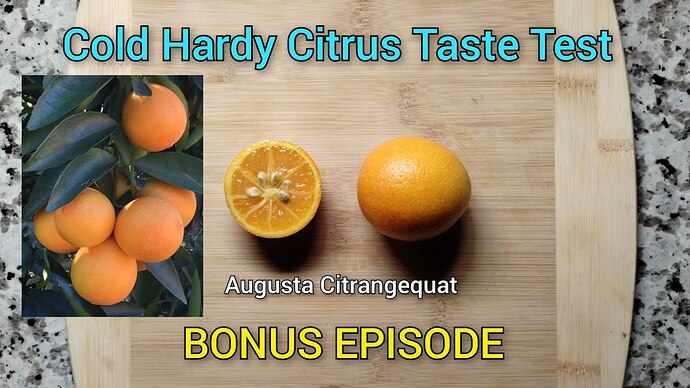
Anyone have any experience with Augusta Citrangequat? Or where to get them? Barely hear about it and hard to track down.

3 Likes

You’d be interested collaborating in doing some citrus breeding in a few years with some of your material?:wink:

I think the ten degree tangerine would be a very good candidate to to start with to breed a zipper peel citrus for our area, it’s early ripening and with the yuzu in it I think it would be better at not carrying on trifoliate fruit qualities. The first generation hybrid with poncirus plus wouldn’t be cold hardy as trifoliate, but there should be the ability for 0°f or -5°f possibly colder, but not super likely. And see if any members in zone 7 or warm zone 6 areas would test a bunch of seedlings and select for the best flavor and peelability. Then further crosses and backcrosses can be made from there.

My direction with citrus breeding would be to breed with starting material that has too much of a good thing and target that trait (ex. Sweetness, low acidity, size, peelability, juiciness, zest, and specific flavors) try exclusively selecting for that trait when crossing and backcrossing with trifoliate to get the full trifoliate cold hardiness, and then to cross to combine all the aspects.

3 Likes

@blacklabel1783

The Full Story

“A Historic Citrus Hybrid with Southern Roots and Cold-Hardy Resilience

The Thomasville Citrangequat is more than a citrus tree—it’s a living piece of horticultural history. First fruited in Thomasville, Georgia, this remarkable hybrid was developed in 1909 by legendary citrus breeder W.T. Swingle of the USDA and officially named in 1923

It represents a pioneering achievement in citrus breeding: a three-way hybrid combining the cold-hardy Willits citrange (a cross of sweet orange and trifoliate orange) with the Nagami kumquat (Fortunella margarita).

This trifoliate-rooted tree grows upright and vigorous, with thorny branches and distinctive trifoliate leaves. It produces abundant, egg-shaped fruit—yellow to orange in color—that ripens from January to April. The fruit is tart and tangy when young, mellowing into a pleasantly acidic, kumquat-like flavor when fully mature. Though somewhat seedy, the fruit is prized for its unique taste and is often used in preserves, marmalades, and citrus-forward cocktails.

What truly sets the Thomasville apart is its exceptional cold hardiness. Tolerant down to 10°F, it is one of the most cold-tolerant edible citrus varieties available, making it ideal for gardeners in USDA Zones 8–10. Whether planted in the ground or grown in a container, this tree brings both historic charm and practical resilience to the landscape.

Photos courtesy of UGA Botanic Gardens & Tom McClendon of McClendon Citrus”


:herb: Highlights

  • Historic Origin: Developed by W.T. Swingle in 1909; first fruited in Thomasville, Georgia; named in 1923

  • Hybrid Lineage: Willits citrange × Fortunella margarita (Nagami kumquat)

  • USDA Zones: 8–10

  • Cold Hardy: Tolerates temperatures as low as 10°F

  • Mature Size: 8–12 ft tall, 6–10 ft wide

  • Fruit: Egg-shaped, yellow-orange, tart when young, mellow when ripe; ripens January–April

  • Sun Requirements: Full sun to partial shade

  • Soil Needs: Well-drained, slightly acidic soil

  • Growth Habit: Upright, vigorous, thorny; trifoliate leaves

  • Uses: Fresh eating (when fully ripe), marmalades, preserves, cocktails

  • Container Friendly: Suitable for pots with winter protection in colder zone

  • Thomasville is similar

https://woodlanders.net/products/x-citrofortunella-thomasville

I always bring him up but here he is again

Nice citrus collection

2 Likes

The yuzu looks pretty tempting because it’s cold hardy and it becoming widely available. It is very seedy and that might make it one to pass up unless you want juice.

Yuzu Ichandrin

The Yuzu Ichandrin Hardy Citrus Tree is prized in Japan for flavoring, juice and preserves. This hardy variety bears abundant, easy-to-peel, 3 inch diameter fruit with tasty, lemon-lime flavor. Yuzu Ichandrin is reportedly hardy to 0°F and we’ve had good success growing them outdoors here in Portland, Oregon.

Click here to view our Citrus Growing Guide.

Latin Name: Citrus junos
Site and Soil: Yuzu Ichandrin can be grown outdoors in regions with mild winters. It likes 1/2 day to full sun and well drained soil. If growing it in a pot, in the winter place your plant in a well-lit room. Potting soil should be coarse, acidic, and well-drained.
Rootstock Description: Flying Dragon is a hardy and very dwarfing rootstock for Citrus that induces very early flowering and fruit production. Trees grown on Flying Dragon will rarely exceed 5 ft. in height and will often produce fruit the year they are planted. *Our yuzu trees in 12″ tree pots are grafted onto C-35, a very cold hardy rootstock but one that will grow into a slightly larger tree than those grafted onto Flying Dragon.*
Pollination Requirements: Self-fertile. You can help it set fruit by taking a small brush and moving pollen from flower to flower.
Hardiness: Hardy to about 0° F.
Bearing Age: 1-2 years after planting
Size at Maturity: 4-6 ft.
Taste: Lemon-lime like
Fruit Skin: Yellow
Fruit Flesh: Yellow
Bloom Time: Spring
Ripening Time: Late fall to winter.
Yield: 30+ lbs.
Care: Fertilize with citrus mix 3-4 times per year with typical applications in late winter (Jan-Feb), late spring (May-June) and early fall (Sept-Oct).
Pests & Diseases: While outside, Citrus plants will likely not be bothered by insect pests. Be on the lookout for slugs. Indoors, Citrus can have mites and/or aphids. Watch carefully for any problems and treat with an insecticidal soap or wash them off. We have not seen any disease problems on our Citrus plants.
USDA Zone: 7”

4 Likes

My latest order

Order summary

Order items

US-119 Orange Tree

Quantity1

US-119 Orange Tree

- 1 Gallon - 18-28"

$36.00

US119 is a hybrid developed by the USDA in the early 1980s for breeding purposes. Its parentage is 50 percent citrumelo (Grapefruit x Trifoliate orange) and 50 percent Succari sweet orange. The tree is large and spreading, similar to a grapefruit, with attractive large leaves that are mostly unifoliate but occasionally are bifoliate and trifoliate. The tree is mostly thornless. Like many hybrids involving Trifoliate orange, US 119 is a very hardy citrus. Mature plants withstand temperatures down to 15F or lower without serious injury. Fruit is almost perfectly round and the size and color of a common orange. Fruit are very firm to the touch, with very little “give.” Inside, the fruit are orange with firm flesh and a moderate amount of juice. Visually, the average person would call US 119 an “orange.” The taste is unique: the fruit are very sweet, with hints of pineapple and mango. However, early in the season, there is also a noticeable Trifoliate aftertaste. Some people find this aftertaste objectionable; others find that it adds to the complexity of flavors. In any case, the Trifoliate aftertaste dissipates over time and fruit become very sweet late in the season – if not frozen off, ripe fruit will hold on the tree until at least April. Judged on its own terms, US 119 is a very good, hardy citrus.

  • Mature Tree Height: 15-20 feet

  • Ripens: November

  • Hardiness: Low Teens F.

  • Taste: Very sweet, with hints of pineapple and mango

Our trees are grafted with mature buds so our trees will fruit quicker.

Nippon Orangequat Tree

Quantity1

Nippon Orangequat Tree

- 1 Gallon - 18-28"

$42.00

Nippon Orangequat is something of a misnomer. This cultivar is not an orange x kumquat hybrid, as its name implies, but rather a Satsuma mandarin x Meiwa kumquat. The Nippon Orangequat produces a beautiful, deep orange colored fruit that is about the size of a small egg. It has a thick, spongy peel that can be eaten. The fruit is very juicy and the juice is very sour. The principal advantages of the Nippon Orangequat are that it tends to produce multiple crops, and the fruit mature early and hold exceptionally well on the tree. In mild climates, it would be possible for Nippon Orangequat to have fruit all year long. Although the fruit is sour, Nippon Orangequat can be used as a lemon, and with its slight orange taste makes an excellent substitute for Meyer lemon. It could be grown in climates a bit too cool for Meyer lemon. The tree is small and somewhat weeping, like its Satsuma parent, with narrow kumquat-like leaves. Nippon Orangequat trees are remarkably thornless, even as young trees. It makes a handsome ornamental plant.

  • Mature Tree Height: 10 feet

  • Ripens: Fall

  • Hardiness: 15F*

  • Tastes Like: Lemonlike with slight orange flavor

Our trees are grafted with mature buds so our trees will fruit quicker.

Sunquat Tree

Quantity1

Sunquat Tree

- 1 Gallon - 18-28 "

$42.00

Sunquat is a chance hybrid that originated in Texas that sometimes is marketed under the name Marmaladequat. Although its exact parentage is unknown, Sunquat is likely a hybrid between Nagami kumquat and Meyer lemon. Clementine mandarin is sometimes also named as a speculative parent in place of Meyer lemon. The tree is kumquat-like and grows strongly upright, but with larger leaves than typical for kumquat. Fruit are also larger than kumquats, about the size of an egg. They are bright yellow and ripe. Fruit quality is good to excellent. The peel is soft and edible (like a kumquat). Although the fruit are juicy, juice of ripe fruit is sweet. Consequently, Sunquat can be eaten whole, like an apple. Because the fruit can be used whole (simply remove any seeds), Sunquat can be used to make excellent jellies, jams, and marmalade. The fruit also store well for several months under refrigeration.

  • Mature Height: 10-15 feet

  • Ripens: Late Fall to Winter

  • Hardiness: 15F

  • Taste: Sweet Orange/Lemon

Our trees are grafted with mature buds so our trees will fruit quicker.

Changsha Mandarin Tree

Quantity1

Changsha Mandarin Tree

- 1 Gallon - 20-2 8"

$38.00

Changsha mandarin is a very old Chinese cultivar that has a reputation for excellent cold-hardiness. It has been documented to tolerate temperatures to 10F or slightly below without permanent injury. Changsha also matures fruit early in the season and fruit is usually harvested well before hard freezes usually arrive. Like its sister mandarin Satsuma, Changsha has a relatively short harvest season, and fruit should be picked promptly. Fruit left too long on the tree will become puffy, dry, and insipid. Trees look like typical mandarins, with an upright habit to 10-15 feet and a twiggy habit. Fruit are borne on the end of the twigs. Leaves are narrow and willow-like as in most mandarins. Although trees may have some thorns on the main trunk and scaffolding branches, fruiting branches are largely thornless.

  • Mature Tree Height: 15-20 feet

  • Ripens: October-November

  • Hardiness: 10F*

Our trees are grafted with mature buds so our trees will fruit quicker.

US942 Cutting Grown Citrus Tree

Quantity1

US942 Cutting Grown Citrus Tree

- One Gallon Citrus T ree

$24.00

US-942 Cutting Grown Citrus Tree was grown from mature wood which is capable of blooming in year 1. US942 is a cross between Sunki Mandarin and Flying Dragon and is HLB tolerant and cold hardy. When ripe US 942 has hints of sweet with an orange flavor, with very little to no trifoliate flavor or after taste. The fruits skin is soft and thick similar to a mandarin. The flesh is juicy and taste comparable to a calamondin or kumquat but more rich and complex flavors. US942 has few seeds and has a bright orange color inside and out when ripe. Mature fruit is the size of a ping pong ball and is one of the best tasting trifoliate hybrids.

Sinton Citrangequat Tree

Quantity1

Sinton Citrangequat Tree

Sinton citrangequat is another early hybrid developed by Walter Swingle as part of a project to develop cold-hardy citrus through the United States Department of Agriculture. Sinton was developed at the same time as Thomasville citrangequats; various hybrids were developed and sent to locations for testing for adaptability and cold-hardiness. The custom at that time was to name the hybrid for the location where it first fruited. Thomasville citrangequat first fruited in Thomasville, GA, and Sinton first fruited in Sinton, TX. (There was a third citrangequat developed and named Telfair, but it seems to have disappeared altogether.)

Sinton citrangequat is distinguishable from Thomasville by its unifoliate habit Thomasville frequently has trifoliate leaves, especially when young, whereas Sinton citrangequat has unifoliate leaves even as a seedling. Growth habits of both citrangequats are similar, though Sinton is more kumquat-like and has a denser growth habit, potentially making it a better choice as an ornamental. The fruit are smaller than Thomasville, very similar to kumquat, but at maturity are a bright orange, almost red, making the fruit highly ornamental. Although the fruit have limited usefulness, the trees make outstanding ornamentals and should be more widely planted in place of more common evergreens such as hollies and wax myrtles.

  • Mature Tree Height: 15 feet

  • Ripens: Fall/Winter

  • Hardiness: 10F *

  • Taste: Very sour kumquat taste.

Our trees are grafted with mature buds so our trees will fruit quicker.

* Hardiness temperatures are approximate, and indicate where fully dormant, mature trees may experience significant damage .

$42.00

Indio Mandarinquat Tree

Quantity1

Indio Mandarinquat Tree

- 1 Gallon - 1 8-28"

$42.00

Thomasville Citrangequat Tree

Quantity1

Thomasville Citrangequat Tree

- 1 Gallon - 20-28"

$38.00

Thomasville citrangequat is a complex hybrid involving a citrange (Sweet orange x Trifoliate orange) and a kumquat. It was developed by the United States Department of Agriculture in the early 20th century as an attempt to combine the hardiness of the citrange with the delayed dormancy of a kumquat. It was named for Thomasville, GA, where it first fruited. Several different citranges were developed, but of these, Thomasville is the most widely grown and best tasting. Thomasville citrangequat makes a small tree to 15-20 feet. Juvenile leaves are frequently Trifoliate, but mature plants produce unifoliate leaves. Like its kumquat parent, Thomasville citrangequat is a repeat bloomer, and mature plants will frequently produce two (or more) crops in a single season. The fruit are the shape and size of a hen’s egg. They turn yellow in late fall. Left on the tree, the fruit eventually turn bright orange. Although it does not have commercial potential, Thomasville citrangequat makes prodigious crops of fruit that have a variety of home uses. Due to its kumquat ancestry, the entire fruit can be used, peel and all. In late summer, when the fruit are still green, Thomasville citrangequat fruit can be used as a lime. In fall, the fruit can be used as a lemon or used to make an excellent marmalade. Left on the tree, the fruit becomes edible out of hand by late winter, tasting like a common sweet orange. Thomasville citrangequat is an excellent cold-hardy citrus for anyone who wants to grow highly ornamental, useful fruit with very little effort.

  • Mature Tree Height: 15-20 feet

  • Ripens: Fall/Winter

  • Hardiness: 5F *

  • Tastes Like: Lemon/Lime early to Sweet Orange later in season

Our trees are grafted with mature buds so our trees will fruit quicker.

* Hardiness temperatures are approximate, and indicate where fully dormant, mature trees may experience significant damage.

Order totals

Item

Value

Subtotal · 8 items

$304.00

Shipping

$33.96

Total

USD**$337.96**

5 Likes

In the event you want the hardy yuzu I highly recommend you read this Tim's Backyard: Yuzu - A Cold-hardy and Very Unique Citrus

Saturday, September 1, 2012

Yuzu - A Cold-hardy and Very Unique Citrus

I’ve found I enjoy raising fruit trees more than I enjoy vegetable gardening. The maintenance requirements of fruit trees are typically much lower, there’s very little weeding involved, and virtually all fruit trees look great in your yard.

| |
|:—:expressionless:
| North Carolina-grown Yuzu citrus |

If folks in the Carolinas plant a fruit tree they typically choose a peach or apple tree. I’ve got those too, but my love of all things tropical got me wondering just how exotic I could go right here in North Carolina. A few Google searches back in 2007 led me to Stan McKenzie of McKenzie Farms in Scranton, South Carolina. Stan is the “Johnny Appleseed” of citrus for the Southeastern U.S. outside of Florida. Over the past couple of decades he has experimented with different varieties of citrus and has identified which ones can survive our winters. He’s also developed tried-and-true techniques of protecting citrus during hard freezes using microsprayers and water barrels – both techniques utilizing the latent heat released from water as it freezes to protect the trees.

Confirmation that his citrus varieties and growing techniques work well came in the horrible winter of 2009-2010 when the temperature at his South Carolina farm dipped to 14 degrees F on three consecutive nights. Cold of this magnitude would have utterly destroyed a citrus grove in Florida, but Stan’s trees survived and even set fruit the following summer!

One of the trees Stan sold me is a unique variety called the Yuzu. (Citrus ichangensis x Citrus reticulata) In English, it’s a hybrid between the Ichang Papeda (a very cold-hardy citrus from China) and the Mandarin Orange. Yuzus were first hybridized either purposely or accidently in China, but have achieved much more popularity in Japan and South Korea where culinary uses have been developed for its aromatic zest, juice and rind. This is detailed in the Wikipedia article on Yuzu.

I moved my Yuzu from a pot to the ground in April of 2009 as an 18-inch tall tree. The rootstock the Yuzu graft was attached to is Trifoliate Citrus. (Poncirus trifoliata, sometimes called Citrus trifoliata) Why use a rootstock like Trifoliate Citrus? Trifoliate Citrus does several good things for the tree: it dwarfs the tree to a maximum height of 12 to 15 feet, it provides an additional few degrees of cold hardiness during the winter by forcing the tree to go into deep dormancy, and it protects against many kinds of root rot and soil-borne diseases that the Yuzu might be susceptible to if it were grown on its own roots.

My Yuzu really enjoys the North Carolina climate. In less than four years it’s grown to a height of nearly 10 feet and has produced an increasing number of fruits for my family each year.

 2008:  1 (while still in a pot!)
 2009:  0 (transplanted to the ground)
 2010:  2
 2011:  13
 2012:  42

| |
|:—:expressionless:
| My Yuzu tree just after transplanting in the ground, April 2009. |

| |
|:—:expressionless:
| Yuzu, early spring of 2010 |

| |
|:—:expressionless:
| Yuzu, Summer 2011 |

| |
|:—:expressionless:
| My Yuzu tree now, September 2012 |

So what can you do with Yuzus? They’re too sour to eat like an orange, but the Japanese and Koreans are definitely onto something about the usefulness of the zest and juice. Here’s what my wife and I made with them last year: Yuzu-Blueberry bread.

2 cups flour

1 cup sugar

1 tablespoon Yuzu zest

1 1/2 teaspoons baking powder

1 teaspoon salt

1/2 teaspoon baking soda

2 tablespoons canola oil

1/2 cup Yuzu juice

1/4 cup water

2 cups Blueberries (frozen are okay too)

1 egg

Icing:

1 cup confectioner’s sugar

1-2 tablespoons Yuzu juice

Mix flour, sugar, salt, Yuzu zest, baking powder and baking soda together. Add egg, Yuzu juice, water and oil, then combine. Fold in the blueberries.

Pour into a greased bread pan and bake for 55-60 minutes at 350 degrees F, then cool on a rack.

Combine confectioner’s sugar and Yuzu juice until smooth, drizzle over cooled bread.

| |
|:—:expressionless:
| Harvesting the Yuzus. In North Carolina the middle of October’s a good time |

| |
|:—:expressionless:
| Zesting the Yuzus. If you’ve ever used Lemon or other Citrus zest you know now good this is. |

| |
|:—:expressionless:
| Yuzu fruit cut open. The seeds can either be discarded, or if you’re ambitious, allowed to dry and then planted. Don’t store the seeds even slightly moist as they’ll almost certainly be destroyed by mold. |

| |
|:—:expressionless:
| Yuzu juice! It’s practically juice concentrate already with a powerful taste vaguely similar to a lemon/lime mix but not as “bright.” I don’t have the culinary vocabulary to really describe it more than that. |

| |
|:—:expressionless:
| Mixing flour, sugar, baking powder, baking soda and salt with yuzu juice and zest. Enlist the help of any nearby children. |

| |
|:—:expressionless:
| Mixing in Blueberries last. These were frozen since our Blueberries ripen in July and early August, well before the Yuzus. |

| |
|:—:expressionless:
| Ready to go in the oven. |

| |
|:—:expressionless:
| The finished and very yummy product: Yuzu-Blueberry bread! These two flavors work really well together. |

Since we’re going to have so many more Yuzu fruit to experiment with this year I want to create Yuzu sorbet and perhaps Yuzu ice cream too. There are some Korean hot tea ideas utilizing Yuzu and sugar that sound interesting as well.

Tim at 1:39 PM

[Share](javascript:void(0):wink:

11 comments:

  1. Jaime ASeptember 2, 2012 at 11:52 PM

    Nom nom!

    [Reply](javascript::wink:

  2. Tracy BatchelderSeptember 3, 2012 at 10:30 AM

    Thanks for your comment on my blog post “Gulf Fritillary.” I came over to check out your blog and discovered we have similar interests. By coincidence I just baked a similar bread using Meyer Lemons that a friend gave us from her tree. I’m going to make note of your recipe and try it next time. I like that it uses very little oil and still looks delicious! ~Tracy

    [Reply](javascript::wink:

    [Replies](javascript::wink:

    1. TimSeptember 3, 2012 at 3:31 PM

      Thanks Tracy! The Yuzu-Blueberry recipe was adapted from one of my wife’s cookbooks – originally Lemon-Cranberry bread. We’re really looking forward to making this again in October. I’m actually growing nine varieties of cold-hardy citrus outdoors and hope to blog about them all in the coming months.

    2. [Reply](javascript::wink:

  3. bettyMay 29, 2013 at 12:42 PM

    I just ordered a Yuzu, a Meyer Lemon, and a Buddha’s Hand from McKenzie’s Farm. THey are all just one year grafts. Was that the age of your yuzu when you got it. I love yuzus so much and can’t wait to get the plants but I understand from Stan I may have to wait 2 yrs before usaable fruit since the first couple of yrs the small fruits might take too much nutrients from the tree and not allow growth. Can you tell me your experience? We are near the Charlotte area of NC. Thanks so much.

    [Reply](javascript::wink:

  4. sourceJune 15, 2013 at 10:48 PM

    do you think you’ll have any extra yuzu seeds this fall? I’d love to trade you some plant material or seeds in exchange. I grow many different edibles here is SC Please feel free to contact me anytime Ediblelandscaping.SC@gmail.com

    [Reply](javascript::wink:

  5. Hank FriedmanNovember 27, 2013 at 12:56 AM

    I love Yuzu juice for making chocolate truffles. I bought the juice since I haven’t gotten a Yuzu plant yet (but soon) and people said that the truffles were among the best ever. Here’s the recipe:

    Mix 1/3 cup heavy cream with 2/3 cup of Yuzu juice.

    Melt 8 ounces of bittersweet and/or semisweet chocolate carefully in a microwave (break the chocolate up and heat for 30 seconds to a minute at a time and stir until melted).

    Then blend the Yuzu/cream mixture into the melted chocolate and chill.

    Follow my truffle making steps at:

    Hank's Guide to Making Truffles

    Enjoy!

    (The covering will require about 12 ounces of semisweet chocolate)

    [Reply](javascript::wink:

  6. Tammy W.September 9, 2015 at 8:43 AM

    Enjoyed your blog. I’m looking for Yuzu fruit to make marmalade. I now live in Ohio, which I think would be too cold, but used to live in NC; wish I were there to try to grow these. My current obsession is passionfruit. Just started growing 5 vines this year and have a fruit already! Looking forward to wintering them in the house and harvesting! Any tips on where I might find Yuzu fruit to purchase?? Thanks

    [Reply](javascript::wink:

  7. Tammy W.September 9, 2015 at 8:43 AM

    Enjoyed your blog. I’m looking for Yuzu fruit to make marmalade. I now live in Ohio, which I think would be too cold, but used to live in NC; wish I were there to try to grow these. My current obsession is passionfruit. Just started growing 5 vines this year and have a fruit already! Looking forward to wintering them in the house and harvesting! Any tips on where I might find Yuzu fruit to purchase?? Thanks

    [Reply](javascript::wink:

  8. Mrs. DaleyFebruary 5, 2017 at 3:06 PM

    Found your blog while Googling for Yuzu cold hardiness. Thank you for such an easy to read blog entry! I am researching growing citrus for the exact same reasons you mentioned you prefer them to vegetable gardening. So many articles either leave out pertinent details or are written for already experienced gardeners.

    [Reply](javascript::wink:

  9. gdunnOctober 29, 2017 at 9:28 AM

    I’m looking to grow in central CA and I know they like dry climate, any thoughts on this. I know they like seasons but will this climate work?

    [Reply](javascript::wink:

  10. UnknownOctober 7, 2018 at 7:53 PM

    Loved your post on Yuzu! This is my 2nd year of fruit and I had 12. My tree is still in a large pot and wondering if i should put it in the ground.

My favorite part about the 2012 author is he is a normal guy not someone pretending to be something he is not Tim's Backyard: Yuzu - A Cold-hardy and Very Unique Citrus

“All the Nature that can fit in a half-acre of Suburbia! So it’s just a tiny backyard in a typical Wilmington, North Carolina neighborhood but you’ll be amazed what I can find growing, crawling, flowering, chirping, slithering and otherwise calling it home. Here I’ll document the birds, plants, insects and other forms of life here that will amaze both the casual and experienced observer.”

2 Likes

I definitely recommend that! I can’t find the recipe I used again, but it was basically cream sugar, pasturized eggs whipped, I think, raw lemon juice (I used orange lemons, like Mayer lemons) and honey, you could use sugar like the recipe actually called for, and it was amazing even though it was done with a freezer bag method, so good.

3 Likes

I have Owari and Brown’s Select satsuma planted in the ground in 7B/8A Alabama. Most of the time I cover them tight to the ground with bedsheets if temps are forecasted to be 25 or below and I put a 75 watt shop light under the sheets. But once in a while I forget. Last winter there was one night in which the low temp got down to 21-22. I forgot to cover it. There was some minor tip dieback and leaf loss that became evident after a few weeks. However, the tree was overall totally fine and has a huge crop hanging on it right now.

4 Likes

Clem-Yuz and the Quest for a Cold-Hardy, Sweet Citrus

Tom’s Hardy Citrus

Growing citrus and other fruits in Georgia, Zone 8a

Clem-Yuz and the Quest for a Cold-Hardy, Sweet Citrus

- October 06, 2023

Clem-Yuz 2-2 from Dr. Brown’s original tree in Houston, TX.

A very lemon-like Clem-Yuz from Augusta, GA.

‘Yuzu Hybrid’ from North Carolina

An interesting class of citrus hybrids involving the Clementine mandarin was produced by the late Dr. John Brown of Houston, TX, back in the 1960s. Dr. Brown was a physician by profession but was an active and avid breeder of citrus, attempting to produce very cold-hardy, edible citrus. He succeeded in a number of areas, and some of his hybrids are just now getting the recognition they deserve.

Many mainstream citrus are already complex hybrids involving two or more species of citrus, and this is true of the Clementine, which is probably a mandarin-orange hybrid (and the orange itself is probably a mandarin-pomelo hybrid). An interesting feature of citrus is that these hybrids produce seeds that are polyembryonic. Each seed will contain two embryos, one produced sexually (zygotic), the other a nucellar clone of the seed parent. Of the two embryos, the nucellar embryo will dominate, and the resulting offspring will be a juvenile version of the seed parent. For this reason, producing hybrids in citrus can be a formidable task.

That’s where the Clementine comes in. It is one of the mainstream citrus that regularly produces zygotic (sexually-produced) offspring, making it an attractive citrus for producing hybrids. Dr. Brown produced many hybrids using the Clementine, and one of those hybrids involved the Yuzu, a very cold-hardy, lemon-like papeda hybrid from Japan. Dr. Brown hoped to combine the cold-hardiness of Yuzu with the excellent flavor of Clementine. And he was mostly successful.

The best known among them are Clem Yuz 3-3 (aka ‘Ten Degree Tangerine’) and Clem Yuz 2-2, which hasn’t yet been given a nickname. But it’s worth pointing out that Dr. Brown produced dozens of these, all slightly different. Many have crept into the trade over the years, often masquerading as 2-2 or 3-3. In fact, if you can find Clem-Yuz offered in a nursery, chances are that there is no distinction made between the two varieties, even though they are quite different.

Clem Yuz 3-3 is the most commonly available of these hybrids, and can be found in specialty nurseries. It has a round, orange fruit on an upright tree. The peel tends to be mildly adherent (much like Clementine) and the taste is sweet-sour, a little sharp but otherwise good. Its main drawback is that the fruit ripen relatively late, around Christmas, making the fruit susceptible to an early freeze.

Clem Yuz 2-2 is less well known. It produces a larger fruit that 2-2 and is much easier to peel. It ripens in mid-October and the fruit is mild and sweet. The first time I tried the fruit were from some sent to me directly by Dr. John Brown in the fall of 2004. Since then, I have had the fruit several times, and always enjoyed it.

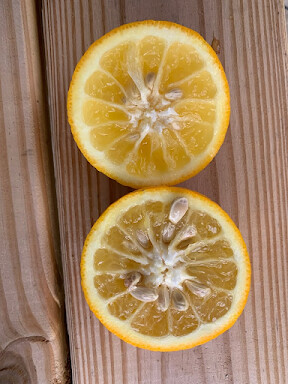
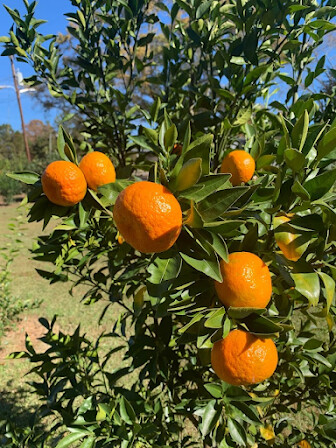
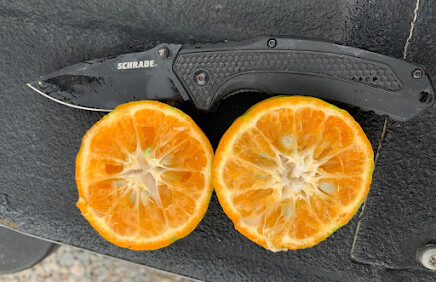
As I mentioned earlier, Dr. Brown produced dozens of Clem-Yuz hybrids, and only a few were ever named. However, there are trees around that in my opinion are Clem Yuz hybrids, but don’t fit neatly into the descriptions of 2-2 or 3-3. There was a nice Clem-Yuz in Augusta, GA, that produced sharply sour fruit, but which had an excellent, clean lemon-lime flavor. I am sure that it will make an amazing lemon substitute for colder areas of Zone 8. The tree was removed by development, but I managed to get seeds a few years ago and have some seedlings coming along In addition, a friend of mine in North Carolina gave me a seedling that was labelled simply “Yuzu hybrid.” I was expecting a lemon-like fruit, but when it fruited for the first time, I was surprised to see that it produced a beautiful “tangerine” that ripened by late October. It somewhat resembles 2-2, but the rind color is wrong (too orange) and the pulp is a deeper orange color, rather than pale orange as with Clem Yuz 2-2. What is it? A mystery!

Clem Yuz 3-3 is called the “Ten Degree Tangerine” because it is supposedly reliably hardy to at least that temperature. Like its parent the Yuzu, Clem Yuz hybrids can withstand almost total defoliation in winter without affecting subsequent flowering or fruiting. That said, there are many reports of Clem Yuz hybrids enduring temperatures down to about 10F with no protection without adverse effects. How much lower they can take remains an open question. One of the problems with “Zone 7” temperatures is that they usually are accompanied by long duration, which only makes matters worse. Suffice to say that Clem Yuz hybrids are reliably hardy to Zone 8 and handle short freezes (12-36 hours total) well.

Comments

Popular posts from this blog

Dunstan Citrumelo: Hardy Grapefruit that ‘Approaches Edibility’

- October 13, 2023

Image

The citrumelo is an old hybrid that crossed the Trifoliate orange with grapefruit in an early attempt to produce cold-hardy, edible citrus after disastrous freezes in Florida in the late 1890s. The first citrumelos were produced by Dr. Walter T. Swingle of the United States Department of Agriculture. Swingle was successful in producing several citrumelo cultivars. He found that like most 50% hybrids of mainstream citrus (already complex hybrids) with Trifoliate orange (probably a pure species), the Trifoliate characteristics dominated the offspring. This tendency worked to the advantage of retaining cold-hardiness, but was a definite disadvantage when trying to produce a fruit that could be used for anything more than a furniture polish. The citrumelo has proven itself over time to be a very reliable rootstock for grafting, and many citrus today are still grafted on citrumelo, which provides a robust root system and good cold tolerance to the scion. …

Read more

Satsuma - Worth All the Effort

- September 25, 2023

Image

Satsuma - Worth Every Effort The Satsuma “orange” (actually a type of mandarin) is generally considered to be the hardiest commercial citrus, and it generally lives up to its name. It has a reputation of being reliably cold-hardy to at least 15F, and perhaps a little lower, as long as the freeze is of relatively short duration. By short duration, I mean less than 36 hours of continuous temperatures below freezing. During freezes of longer duration, Satsuma appears to be only as hardy as other mainstream citrus, and temperatures of 10F or below OR freezes lasting longer than 48 hours will kill an unprotected Satsuma. Having said that, it’s only fair for me to admit that I live at the absolute northern limit of possible culture for Satsuma. My 20-year average winter minimum is about 15F, meaning that on average, I am pushing it. In February 2003, January 2014, and December 2022, temperatures in my area were around 10F and freeze duration was 48 …

Read more

Powered by Blogger

Theme images by Veronica Olson

Archive

My photo

The Southern Gardener

I’ve been growing citrus, palms, and many other plants for more than 30 years.

Visit profile

2 Likes

I broke down and added more cold hardy citrus from Madison Citrus Nursery. Nice selection available.

Bloomsweet Grapefruit Tree

Quantity1

Bloomsweet Grapefruit Tree

Bloomsweet is called a grapefruit and usually classed in that group based on its general appearance. The fruit is large, round or bell-shaped, and yellow, giving it the overall appearance of a grapefruit. However, recent genetic evidence showed that Bloomsweet is a cross between a pomelo and Kunenbo mandarin (also one of the parents of Satsuma). Whether Bloomsweet was a chance hybrid or a deliberate cross is unknown, but the variety has been grown in Japan for centuries, where many such hybrids arose. Some time in the last century, it was imported to Texas by Japanese farmers (probably as the cultivar Kinkoji) and grown for many years by a Mr. Bloom in Houston, who dubbed the cultivar ‘Bloomsweet’ and shared plant material locally. The tree is large and upright, resembling a sour orange more than a grapefruit, with large leaves that have small petiole wings. The fruit are as large as a grapefruit, with a bright yellow peel and pale yellow to light orange interior. The peel is thick but the fruit peels easily. The flesh is moderately juicy, resembling a pomelo in texture. The taste is sweet, with a mild grapefruit flavor; most people find it very tasty.

  • Mature Tree Height: 25 feet

  • Ripens: Late Fall

  • Hardiness: 15F*

  • Tastes Like: Mild grapefruit

Our trees are grafted with mature buds so our trees will fruit quicker.

* Hardiness temperatures are approximate, and indicate where fully dormant, mature trees may experience significant damage.

1 Gallon - 18-28"

$34.00

Keraji Sweet Lemon Tree

Quantity1

Keraji Sweet Lemon Tree

Keraji is a robust grower, up to 20ft tall if planted in the ground. The fruits on this tree are small, similar to a satsuma in size but super easy to peel apart due to its puffy skin. The flesh is easy to segment to eat but they are a bit seedy and in peak season the fruit tastes like eating lemonade. While this tree is seedy, this cultivar more than makes up for it with being super productive. They’re very robust, easy to grow trees and are cold tolerant. The tree can hang on to the fruit for a long time but they will lose flavor over time. The fruit makes for excellent fresh eating, it can also be juiced instead as a sugarless lemonade, you can turn it into marmalade or add it to a salad dressing as an interesting vinaigrette or can even make a beautiful sorbet.

It’s known to be cold hardy down to zone 8, though may need a little protection while still young. Can handle down to 14F in ground. It has a deep yellow or orange moderately rough rind, flesh is a light yellow. Ripening time is between November and January, bloom time is late winter into early spring. Tastes like lemonade when perfectly ripe but will get sweeter and less acidic when left to ripen on the tree longer.

  • Mature Tree Height: 15-20ft

  • Ripens: Fall

  • Cold Hardiness: 14F*

Our trees are grafted with mature buds so our trees will fruit quicker.

* Hardiness temperatures are approximate, and indicate where fully dormant, mature trees may experience significant damage.

$34.00

Hamlin Sweet Orange Tree

Quantity1

Hamlin Sweet Orange Tree (careful temps to 30F only)

Hamlin Sweet Orange Tree For Sale

Available in both 1 gallon and 3 gallon sizes.

Hamlin Sweet Orange trees produce medium sized round sweet oranges with good early flavor and few to no seeds. Flesh well-colored; tender, juicy, lacking in acid; flavor sweet. One of the earliest to mature. Hamlins are juicy oranges that lack acid so have a sweeter taste. The tree will grow to medium/large size, is a somewhat vigorous grower and is more cold-tolerant than most.

This is a favorite juicing orange for those that like fresh squeezed orange juice

Trees are grafted with mature, certified buds.

- 1 Gallon - 18-28 "

$36.00

Frost Owari Satsuma Mandarin Tree

Quantity1

Frost Owari Satsuma Mandarin Tree

- 1 Gallon - 18-2 8"

$36.00

Yuzu Lemon Tree

Quantity1

Yuzu Lemon Tree

aka Yuzu Ichandrin

Yuzu is an ancient hybrid between an unknown mandarin and involving the species Citrus ichangensis. Its true origins are lost to antiquity, but recent genetic analysis indicated that Yuzu was probably a result of several back-crosses involving the two parents. The tree is intermediate between the two known parents, with a strongly upright branches on a tree that grows to up to 20 feet tall at maturity. Leaves are large and pointed, with a prominent petiole flare. Yuzu is among the hardiest of the true citrus, and will often bloom and fruit after being completely defoliated the previous winter from cold.

Yuzu seems to be able to endure winter minimum temperatures down to 10F or slightly below without permanent damage. Although it has been rarely grown in the USA outside of California until recently, this has begun to change as people discover the many culinary uses of the Yuzu fruit. The fruit looks like a large, yellow mandarin, with a thick but easily peeled skin and abundant, large seeds. The pulp is pale yellow and is somewhat dry even early in the season. However, the juice is highly prized (as is the peel) in Asian cuisine, and the strong aroma and flavor of Yuzu lends itself to many uses, including fish, salads, marmalade, and Ponzu sauce. Because the flavor is strong, most people do not like lemonade made with Yuzu, but this characteristic makes it a great citrus for cooking, where a powerful flavor makes it durable. In Japan, whole fruits are added to baths for their wonderful and powerful fragrance. In the USA, Yuzu fruits (if they can be found at all) command a price of $15 a pound or more. It would seem that Yuzu would make a good choice for commercial growers just north of Florida. Its main drawback as a commercial fruit is its tendency towards alternate-bearing.

  • Mature Tree Height: 20 feet

  • Ripens: September-November

  • Hardiness: 10F*

  • Taste: Uniquely Yuzu

- 1 Gallon - 18- 28"

$34.00

Subtotal · 5 items

$174.00

Shipping

$29.32

Total

USD**$203.32**

1 Like

“ It’s December, and while your neighbors are bringing their citrus trees indoors, your Frost Owari Satsuma is still hanging heavy with sweet, seedless fruit in your backyard. Even after a light frost.

This is the magic of the Frost Owari Satsuma Tree. Born from California citrus innovation in 1916, this remarkable variety has earned its reputation as the most reliable cold-hardy citrus you can grow. When other citrus trees fail, the Frost Owari delivers.

After growing over 250,000 citrus trees at our nursery in South Texas, we’ve learned that success comes down to choosing the right variety for your climate and giving it what it needs to thrive. The Frost Owari Satsuma checks both boxes.

Key Takeaways

  • Frost Owari Satsuma survives temperatures down to 15°F, making it ideal for Zone 8-11 gardeners

  • This variety ripens early (October-December) with sweet, seedless, easy-peel fruit

  • Developed in California in 1916, it’s a proven American adaptation of Japanese Owari Satsuma

  • Trees stay compact (8-12 feet) with a graceful spreading habit perfect for containers

  • Fruit must be picked promptly but stores exceptionally well after harvest

  • The Three Plant Pillars system ensures consistent production and cold hardiness

  • Self-pollinating and incredibly productive, often fruiting within 2-3 years

Frost Owari Satsuma Tree growing in a backyard garden with ripe frost owari satsuma fruit

What Makes the Frost Owari Satsuma Special?

Most citrus trees are divas. They demand perfect conditions, specific temperatures, and constant babying. Not the Frost Owari.

This tree was bred for real-world growing conditions. It handles cold snaps that would kill other varieties. It produces reliable harvests year after year. And the fruit? Sweet, juicy, seedless perfection that peels like a dream.

You see, the Frost Owari represents everything we love about American citrus innovation. It takes the best qualities of ancient Japanese varieties and makes them work in American backyards.

Where Did the Frost Owari Satsuma Come From?

The story begins in ancient Japan, in the old province of Owari. For centuries, Japanese farmers grew a special type of mandarin called Satsuma. These trees were different from other citrus. They could handle cooler weather. They produced seedless fruit. They were perfect for Japan’s climate.

But here’s where it gets interesting. In 1878, a brave woman named Liza Hershey brought the first Satsuma trees to America. She planted them in northern Florida, hoping they would survive the cooler winters there.

They did more than survive. They thrived.

Soon, Satsuma trees were growing all along the Gulf Coast. From Alabama to Louisiana to Texas, these cold-hardy citrus trees found a new home. But the original Japanese varieties still had their limits.

That’s where H.B. Frost comes in. In 1916, this California citrus pioneer discovered something special growing in the old Satsuma groves of Rubidoux Tract in Riverside. One tree was different. It was hardier. More productive. Better adapted to American growing conditions.

Frost saved seeds from this exceptional tree. He grew them out. He tested them. And he created what we now know as the Frost Owari Satsuma. According to the UCR Citrus Variety Collection, this variety has become one of the most important Satsuma selections in American citrus growing.

Stop Killing Your Trees** with “Big Box” Advice.**

Get the 99-Page Citrus Master Guide + The 16-Page “Cheat Sheet” for FREE.

Here is the dirty little secret no one told you: The advice you get from Big Box garden centers (and even outdated textbooks) is designed for repeat business and not your gardening success! And your tree is paying the price…

We are fixing that today. We’re spilling the exact protocols Dr. Mani uses at our nursery to grow thriving, fruit-bearing trees—translated for home growers.

Inside, you’ll discover:

  • The “Soil Myth” that rots roots (and what to use instead).

  • The "Double Whammy" Routine combining the magic of bio-active microbes with slow-release organic fertilizer routine for powerful growth and development.

  • How to supercharge your tree for fruit in Year 2 (not Year 5)!

How Did Satsumas Reach America?

The journey from Japan to America wasn’t easy. Those first trees had to survive long ocean voyages. They had to adapt to completely different soils and climates. Many didn’t make it.

But the survivors were tough. They had what it takes to grow in the American South and Southwest. Over the decades, American growers selected the best performers. They chose trees that could handle heat and cold. Trees that produced reliable crops. Trees that American families could actually grow.

The Frost Owari represents the best of this selection process. It combines the cold hardiness that made Satsumas famous with the productivity and fruit quality that American growers demand.

Why Do Families Love Growing Frost Owari Satsumas?

There’s something magical about peeling a fresh Satsuma on a cold winter morning. The bright orange skin comes off in perfect sections. The sweet, juicy flesh practically melts in your mouth. No seeds to worry about. No mess. Just pure citrus perfection.

This is why Satsumas have become part of American holiday traditions. Especially in the South, no Christmas is complete without a bowl of fresh Satsumas. Kids love them because they’re easy to peel and sweet to eat. Adults love them because they’re packed with vitamin C and natural energy.

The Frost Owari makes these family moments possible. While other citrus trees are dormant in winter, your Satsuma is loaded with ripe fruit just in time for the holidays.

What Does a Frost Owari Satsuma Tree Look Like?

The Frost Owari has a distinctive look that sets it apart from other citrus trees. Here’s what you can expect:

Size and Shape: These trees stay relatively small, reaching 8-12 feet tall at maturity. They have a graceful, spreading habit with slightly drooping branches. This makes them perfect for containers or small yards.

Leaves: The leaves are dark green, glossy, and oval-shaped with a slightly pointed tip. They’re smaller than orange or grapefruit leaves but larger than lime leaves. In cooler weather, you might notice the leaves develop purple tinges on the edges.

Branches: Young branches are green and flexible. As they mature, they turn brown and develop a slightly rough bark. The tree has few thorns, making it easy to harvest and maintain.

Growth Pattern: Frost Owari trees are moderate growers. They’re not as vigorous as oranges or grapefruits, but they’re steady and reliable. This slower growth actually helps with cold hardiness.

Characteristic Frost Owari Satsuma Meyer Lemon Valencia Orange
Mature Height 8-12 feet 6-10 feet 12-20 feet
Cold Hardiness 15°F 20°F 25°F
Fruit Season October-December Year-round March-June
Thorniness Few thorns Few thorns Many thorns

What Do Frost Owari Satsumas Taste Like?

Close your eyes and imagine the perfect citrus experience. The fruit comes apart in your hands like it was designed for eating. The segments separate cleanly. The flavor hits you with bright sweetness balanced by just enough tartness to keep it interesting.

That’s a ripe Frost Owari Satsuma.

The flesh is bright orange and incredibly juicy. Unlike some citrus that can be dry or fibrous, Satsumas have a tender, melting texture. The flavor is mild but rich, with subtle floral notes that make each bite complex and satisfying.

Fresh Frost Owari Satsuma fruit close-up on branch showing ripe frost owari satsuma

What makes them even better? No seeds. Ever. You can eat segment after segment without stopping to spit out seeds. Kids love this. Adults love this. Everyone loves this.

Culinary Uses:

  • Fresh eating: Perfect for lunch boxes, snacks, and holiday treats

  • Salads: Add segments to green salads or fruit salads for bright flavor

  • Desserts: Use in tarts, sorbets, or as garnish for cakes

  • Preserves: Make marmalades or jellies with the aromatic peel

  • Juice: Fresh Satsuma juice is incredibly sweet and refreshing

  • Baking: Zest adds bright citrus notes to cookies and breads

How Do You Grow a Frost Owari Satsuma Tree?

Here’s what most people don’t understand about growing citrus. Success isn’t about following complex schedules or using expensive products. It’s about giving your tree three things that work together.

We call this the Three Plant Pillars, and it’s the foundation of everything we do at US Citrus Nursery:

Pillar 1: Mineral-Based Soil
Your Frost Owari needs soil that drains immediately but holds nutrients. That’s why we use Dr. Mani’s Magic Super Soil. Unlike potting mix that decomposes and suffocates roots, our mineral-based soil provides permanent aeration and optimal pH.

Pillar 2: Live Microbials
In nature, plants don’t grow alone. They partner with billions of beneficial bacteria and fungi that help them absorb nutrients and fight diseases. Plant Super Boost delivers full-spectrum microbes that create this natural partnership.

Pillar 3: Complete Organic Nutrition
Frost Owari Satsumas need all 12 essential nutrients to produce those sweet, juicy fruits. Crab, Kelp & Amino Acids provides complete nutrition without synthetic salts that kill beneficial microbes.

Climate Requirements:

Climate Factor Optimal Range Notes
Hardiness Zones 8-11 Can survive brief dips to 15°F
Summer Heat 85-95°F ideal Tolerates up to 105°F with adequate water
Humidity 40-60% Adapts to various humidity levels
Sunlight 6-8 hours daily Morning sun most important
Winter Protection Above 15°F Use frost cloth below 20°F

Watering Schedule:
Follow our care guide schedule based on temperature and humidity:

  • Below 60°F or indoors: Once per week

  • 60-90°F, humid conditions: Twice weekly

  • 60-90°F, dry conditions: Three times weekly

  • Above 90°F, humid: Every other day

  • Above 90°F, dry: Daily

Always water until water runs from drainage holes. In mineral-based soil, overwatering is nearly impossible because excess water drains immediately.

Why Do Home Growers Choose Frost Owari Satsuma Trees?

Ask any experienced citrus grower about their favorite variety, and the Frost Owari Satsuma comes up again and again. Here’s why:

Reliability: This tree produces fruit year after year. No alternate bearing like some oranges. No sensitivity to weather fluctuations like some lemons. Just consistent, dependable harvests.

Early Harvest: While other citrus trees are just starting to ripen in spring, your Satsumas are ready for Thanksgiving dinner. This early harvest means you get fresh fruit when you want it most.

Cold Hardiness: If you live anywhere that gets occasional freezes, this is your citrus tree. It can handle brief temperatures down to 15°F. That opens up citrus growing to millions of gardeners who thought they couldn’t grow citrus.

Container Friendly: The compact size and moderate growth rate make this perfect for container growing. You can move it to protect from extreme cold. You can control its environment. You can grow citrus even in small spaces.

Kid-Friendly Fruit: Parents love Satsumas because kids actually eat them. No seeds to choke on. Easy to peel. Sweet flavor that doesn’t pucker their faces. It’s the perfect healthy snack.

What Are Some Fascinating Facts About Frost Owari Satsumas?

Every great citrus variety has secrets. Here are some things you probably didn’t know about the Frost Owari Satsuma:

The Name Game: “Owari” comes from an old province in Japan, but “Frost” comes from H.B. Frost, the California grower who developed this selection. So the name literally means “Frost’s tree from Owari.”

Christmas Connection: In Japan, Satsumas are traditional New Year’s gifts. In America, they’ve become associated with Christmas. Many Southern families have bowls of fresh Satsumas as part of their holiday decorations.

The Seedless Mystery: Most citrus needs cross-pollination to produce fruit, which creates seeds. Satsumas are parthenocarpic, meaning they can produce fruit without pollination. That’s why they’re always seedless.

Color Confusion: Satsumas often ripen before they turn fully orange. You might have perfectly sweet, ripe fruit that still looks greenish. Don’t wait for full color or you’ll miss the best eating quality.

The Micro-budding Connection: At US Citrus Nursery, we use Dr. Mani’s micro-budding technique to propagate our Frost Owari trees. This method, invented by Dr. Mani Skaria, produces stronger, more vigorous trees than traditional budding methods.

Scientific Classification: While most citrus are Citrus species crosses, Satsumas are pure Citrus unshiu. This distinct species gives them their unique cold hardiness and seedless fruit characteristics.

Bountiful harvest of Frost Owari Satsuma fruit in a basket

Why Does the Frost Owari Satsuma Deserve a Place in Your Backyard?

Let me paint you a picture. It’s December 15th. There’s frost on your lawn, but your Frost Owari Satsuma tree is loaded with bright orange fruit. You walk outside in your coat and pick a dozen perfect Satsumas for breakfast.

You peel one right there in the cold morning air. The skin comes off in perfect sections. The sweet juice runs down your fingers. The segments separate cleanly in your mouth. No seeds. No mess. Just pure sunshine captured in citrus form.

This is what the Frost Owari Satsuma brings to your life. It’s not just a tree. It’s fresh fruit when you want it most. It’s holiday traditions with your family. It’s the satisfaction of growing something beautiful and delicious.

But here’s what makes it even better. When you give your Frost Owari the Three Plant Pillars foundation, you’re not just growing a tree. You’re creating a permanent source of fresh fruit that will produce for decades.

The mineral-based soil never needs replacing. The live microbes create a thriving root environment. The complete organic nutrition feeds your tree everything it needs without synthetic chemicals or salts.

Your neighbors will ask how you do it. How your citrus tree survives freezes that kill theirs. How your fruit tastes so much better than store-bought. How your tree produces so reliably year after year.

The answer is simple. You chose the right variety and gave it what it needs to thrive.

Ready to bring the dependable harvest of Frost Owari Satsuma to your garden? Our trees arrive ready to plant in Dr. Mani’s Magic Super Soil, complete with the Three Plant Pillars foundation your tree needs for lifelong”
@Joao

No I’m sorry I think zone 7a is to cold outdoors without protection for most besides maybe yuzu. You could grow them in a high tunnel I think in zone 7a - 8b. Zone 7 is really pushing it. Many citrus can tolerate 25F - 30F but not much colder.
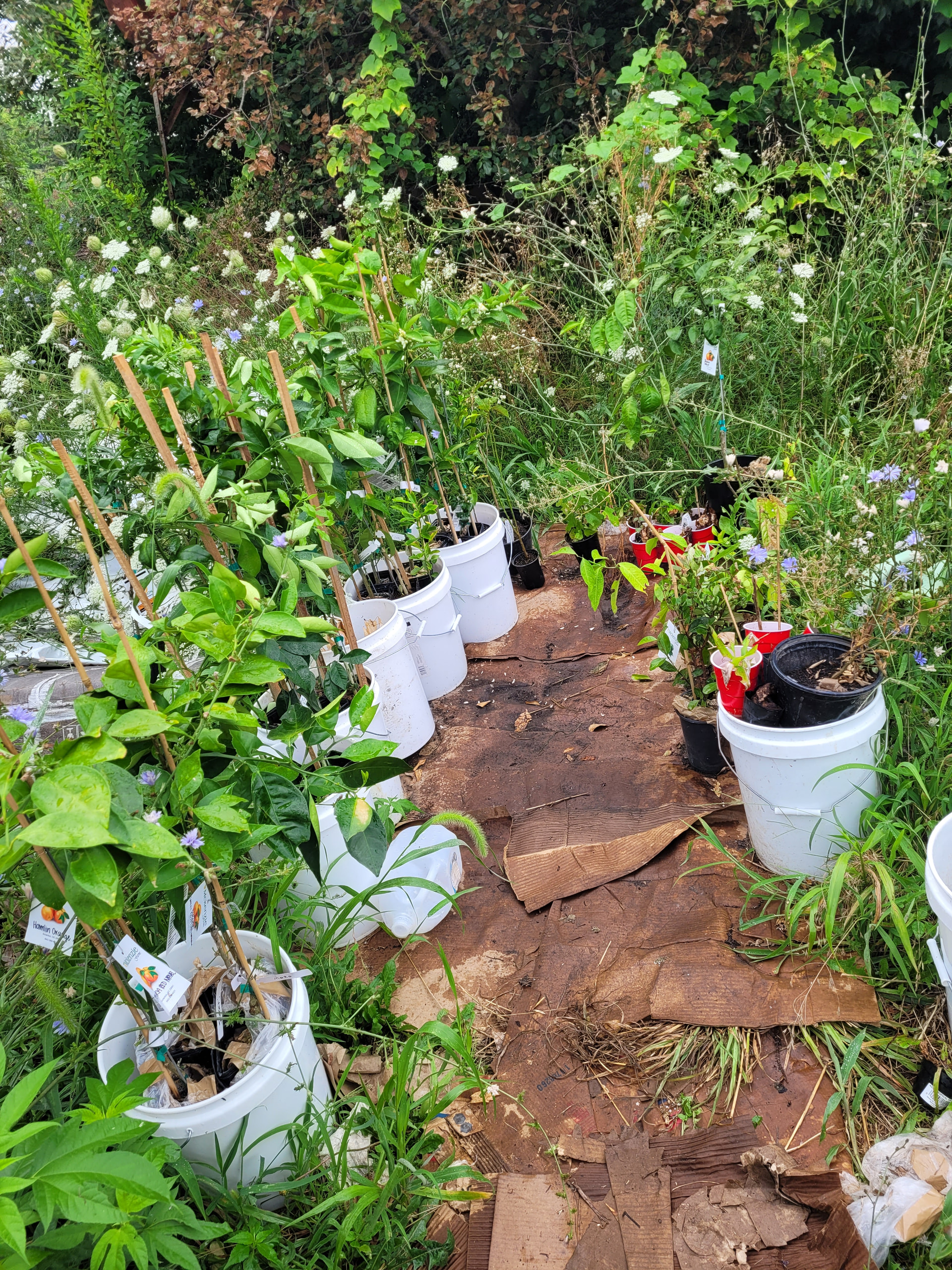
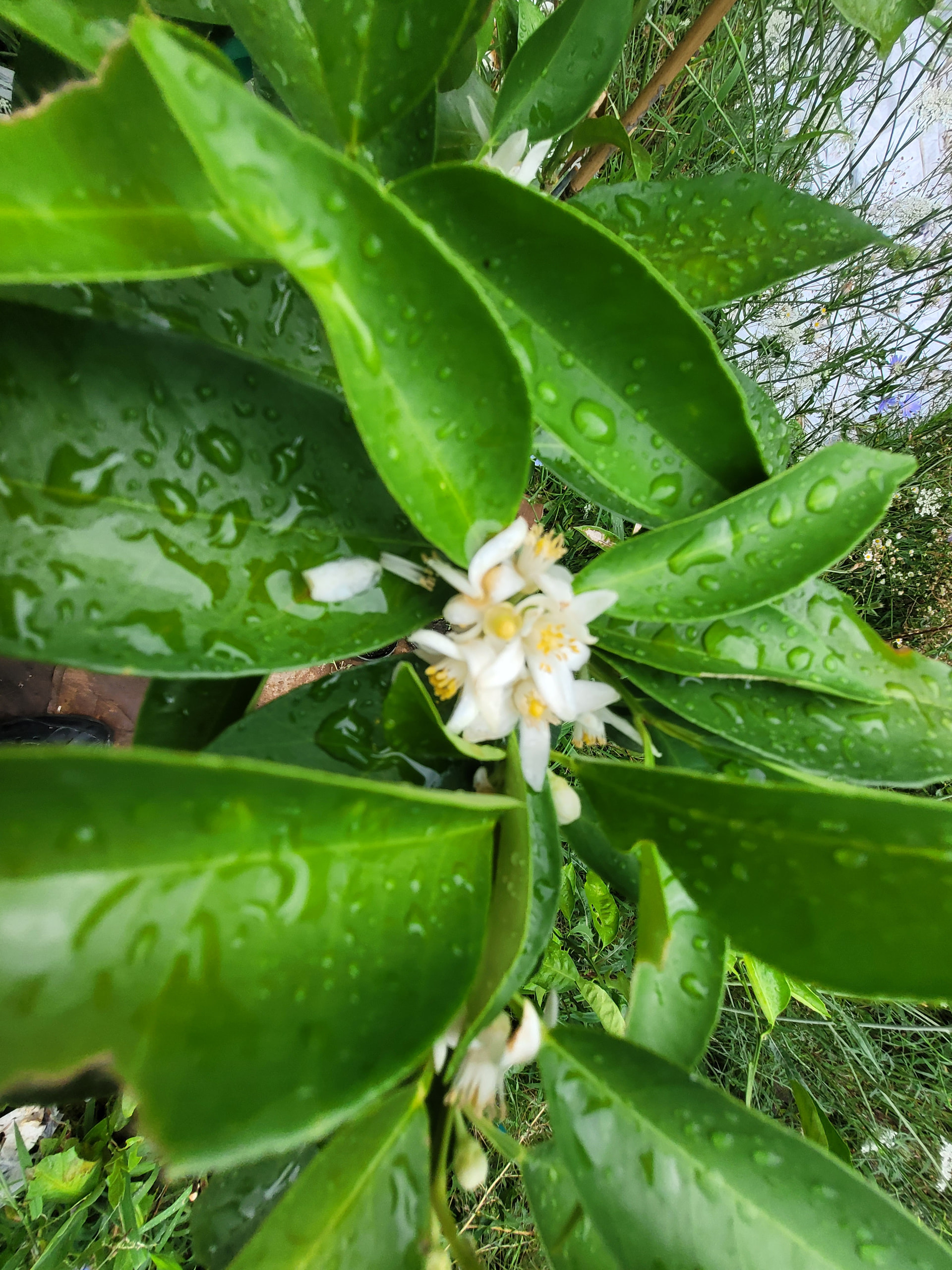
I’m growing plenty of citrus but never outdoors unless they are trifoliate. If your zone 7 stays above 10F most of the time you could grow many outside with minimal protection. Here are some of my citrus today. If anyone wants to try growing trifoliate oranges I have done it and don’t really recommend it. I’m still growing some for crosses.

4 Likes