Russian Pomegranate Salavatski Punica granatum

Many say this variety is hardy to -6F. Is anyone growing this one?

“The Salavatski Pomegranate produces red flowers in summer and delicious red fruit in early fall. It’s a cold hardy variety that may be able to withstand temperatures down to -6F. This Afghanistani pomegranate is also known as Russian-Turk.

  • Average mature height: 10 feet

  • Container growing? Yes. Prune pomegranates as a bush with 3 to 6 main trunks and top them off to keep the height manageable.

  • Fertilizer: Nitrogen/Phosphorus/Potassium in a 3/1/6 ratio

  • Light: Full sun is ideal, but pomegranates will be fine in mostly sunny conditions too.

  • Soil: Pomegranates adapt to most well-drained soils. They can grow in nutritionally poor soil but they do best in loamy soil.

  • Zones: Perennial 7-10 (Pomegranates love warm, tropical climates but can take some cold without getting severely injured.)

https://wellspringgardens.com/products/salavatski-pomegranate-punica-granatum

Not everyone agrees on hardiness. I’m inclined to trust onegreenworld.

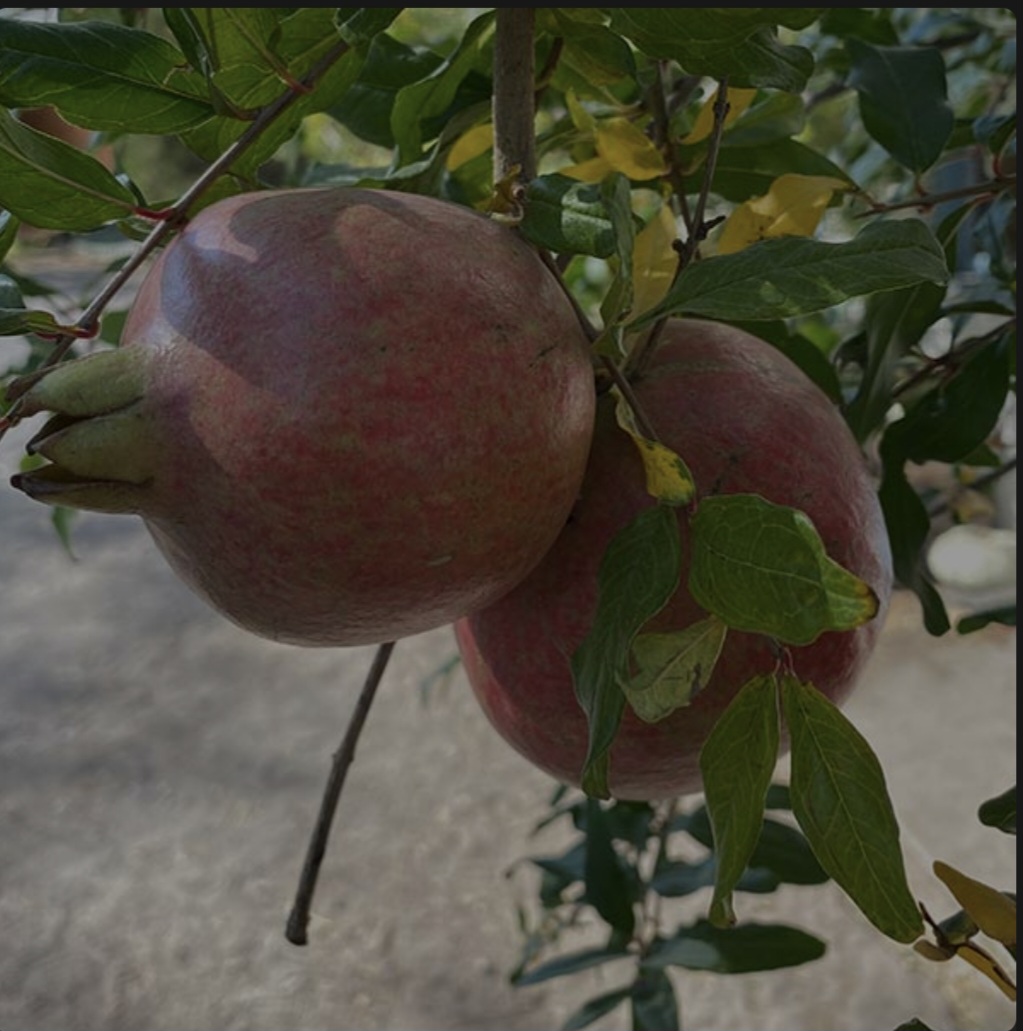
Yet another valuable introduction from Dr. Gregory Levin, Salavatski is one of the most cold hardy pomegranates, surviving temperatures below 0° F. Fruits are as large as Wonderful with an orange red skin and hard seeds.”
Isons said this

Salavatski Russian Pomegranate Tree

The Salavatski Russian Pomegranate is one of our most requested pomegranate varieties, prized for its exceptional cold hardiness, heavy production, and outstanding fruit quality. This vigorous tree produces very large, pale red fruit filled with vibrant red arils that are sweet, juicy, and perfectly balanced with a pleasant sweet-tart flavor.

One of the hardiest pomegranates available, Salavatski can tolerate winter temperatures down to 5°F, making it an excellent choice for gardeners in cooler regions who want to enjoy homegrown pomegranates. The tree also thrives in hot summer climates, producing dependable crops year after year.

In spring, Salavatski is covered with an abundance of brilliant orange flowers that bloom over an extended period, adding outstanding ornamental beauty to the landscape. It begins producing flowers and fruit at a young age, with many trees bearing fruit as early as their second year.

Growing to approximately 10 feet tall with an equal spread, this low-maintenance tree thrives in full sun, adapts well to most well-drained soils, and becomes highly drought tolerant once established. The fruit ripens in late September through October.

Shipping Size: 2–4 feet tall Zones: 6–9 Chill Hours: 100–200

Why You’ll Love the Salavatski Russian Pomegranate

  • One of our most popular and requested varieties

  • Produces very large pale red fruit with bright red arils

  • Sweet-tart, juicy flavor perfect for fresh eating and juicing

  • Extremely cold hardy to about 5°F

  • Heavy producer that begins fruiting at a young age

  • Beautiful orange blooms throughout the spring

  • Heat and drought tolerant once established

  • Ripens in late September through October”
2 Likes

I think Russian26 may be the best choice for me.

1 Like

I planted a Salavatski last year and while it survived 13F or so, it died on a late frost almost to the ground.

Thank fully it came back beautifully, its like 5ft tall now and lush. I think it may be a producer for those years in which I dont get a harsh late frost (this year was particularly bad, even jujubes and some asian persimmons got zapped)

3 Likes

i have one in a 8gal pot. it hasnt fruited yet. i just put it in fresh soil and its grown well . about 4ft.

1 Like

I had one I grew in a pot. But since I protect in the winter I’m not stuck growing cold hardy types.

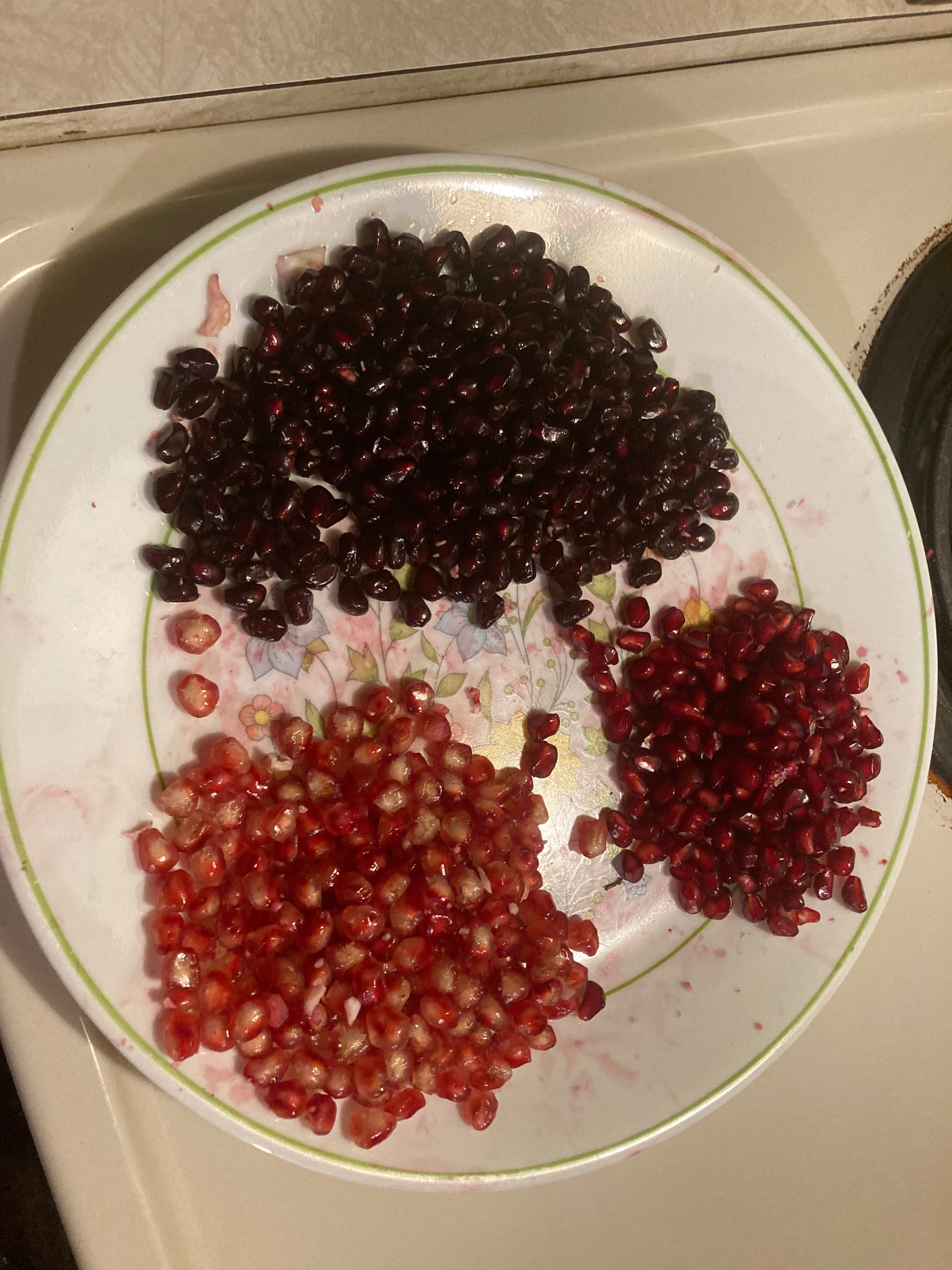
My favorite growing this way is Parfianka which seems to grow well in a pot. Some do not. Nice almost black deep red seeds. Fantastic I culled out salvatski as I had too many. And it was a fussy producer in a pot most are unfortunately

6 Likes

Looks good. Which is which?

1 Like

On top at noon is Parfianka. At 7 o clock is Hyrdanar X Goulosha and at three is Al Sirin Nor or Grenada, I forget? I don’t think I kept any of those. I only have a few poms now. Three or four.

I did keep Parfianka

This is HxG, very tart but is dwarf and likes pots

4 Likes

I’m growing them in 7a-b zone. They fruit last year but all partially rotted. This year looks more promising I’m guessing because of the drought and dry weather.

6 Likes

i got 2 of these from Mckenzie farms in S Carolia and boy are they good ! pics first yr

3 Likes

@TNorton

Those are impressive looking plants!

1 Like

thank you they came from stan Mckenzie at Mckenzie farms in S carolina . i am doing some trimming but not sure the best time sine they have fruit on them now . also i want to air layer a couple large 1 /2 and 1 inch branches that are long and looking at ideas they are under branches so ?

1 Like

@TNorton

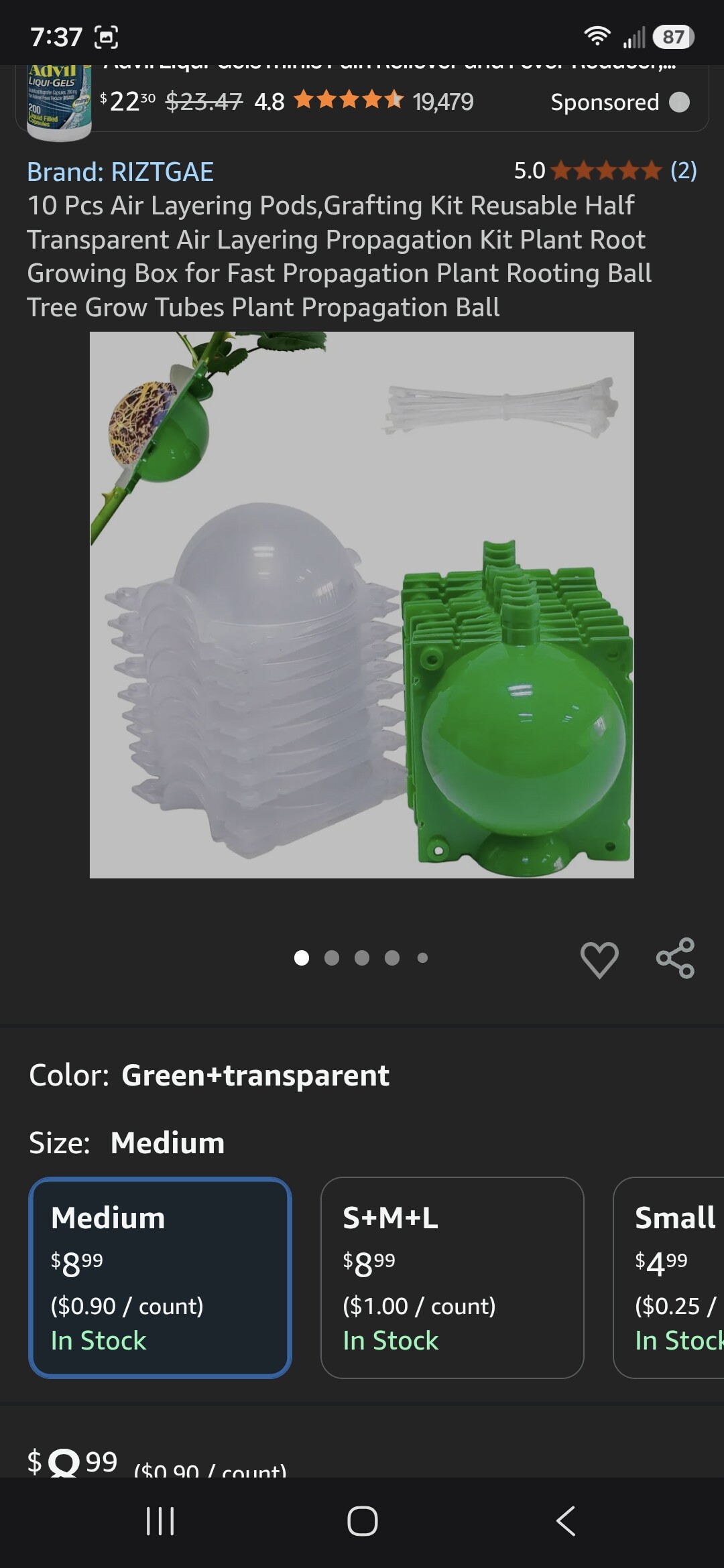
I have seen people air layer a few ways. Almost all use peat moss. I have seen them use pods like these on Amazon, pop bottles, seran wrap , etc. You might call Stan and ask what he does with pomegranates. He is always excited to see people doing things like that. @Stanthecitrusman is a busy guy but I bet he would share a technique to YouTube when he has some down time. In the meantime I would let the fruit ripen up first. Maybe do some air layers over winter into spring after the harvest. I’m going to buy some more things this week or next from Stan and his family.

2 Likes

i know this will sound horible but i happen to have stan and joe reals numbers in my Phone saved . 2 guys i trust to buy plants from . i just fo not know if i can air layer an underbranch. i have about 3 i can try i did get some cuttings and rooting them but this is a whole new world for me . im not a nursery i really am someone who started out just wanting to make my home have the stuff i loved as a kid . but i will call stan i have some trees i wanna buy from him too

3 Likes

I got one of these “patio fruit Red Russian Pomegranate” dwarf container trees from a local nursery. I wish I kept the label, but from what I remember it wasn’t very helpful. I have been hesitant to treat it like these cold hardy ones and leave it outside in the coldest of cold days in my zone. Obviously it needs chill, but I might leave it out and bring it into my shed or something sub 10F and monitor.

I got bamboozled by a sale the nursery had, otherwise I probably wouldn’t touch pomegranates. It grew a lot this year, probably 3 feet or so tall at this point. No flowers since I brought it in, got no chill.

These are interesting trees, I’m curious to test what this tree can handle in the cold. They look like they are very beautiful when they flower. Adds a nice deep color to the garden, hope I can experience it soon!

2 Likes

As a rule, yes you can airlayer an “underbranch” it may develop roots more slowly if it doesn’t get much sun on it’s leaves, but I only airlayer unwanted branches. So I’m always doing waterspouts and underbranch, rarely the peak because it’s just plain hard to get up there.

Edit: that’s great to hear, especially for us northern growers that might lose a tree to cold temperatures it’s great to be able to grow trees on their own roots and at least have bushes sprout back from the roots if they freeze to the ground.

2 Likes

I’m a novice, but just throwing this out there- pomegranate cuttings root incredibly easily. I haven’t had one fail yet. I just did 5 last year and 12 this year, but they all ferociously root. I’ve only rooted dormant cuttings, but have been told that it will work decently well during the growing season as well.

4 Likes

I just ordered CloneX im going to try the Poms , mullberries ,pawpaw and my apple tree maybe the cherry and english pears as well. im having fun doing this i kinda cheat i have an old reef tank 500 Gallons i use inside my green house to over winter peppers and start new crops in december . but i think that will keep everything safe from the Raccoons and cats lol

2 Likes

The comeback from pedroeastexas is pretty encouraging. Dying back almost to ground level and returning 5ft in one season is impressive. Curious how many years before a plant that’s been set back that hard can actually be expected to fruit consistently.

1 Like

Judging by how fast it snaps back, my guess is I’ll get fruit any year without a harsh late frost.

Ill be happy to report!

1 Like


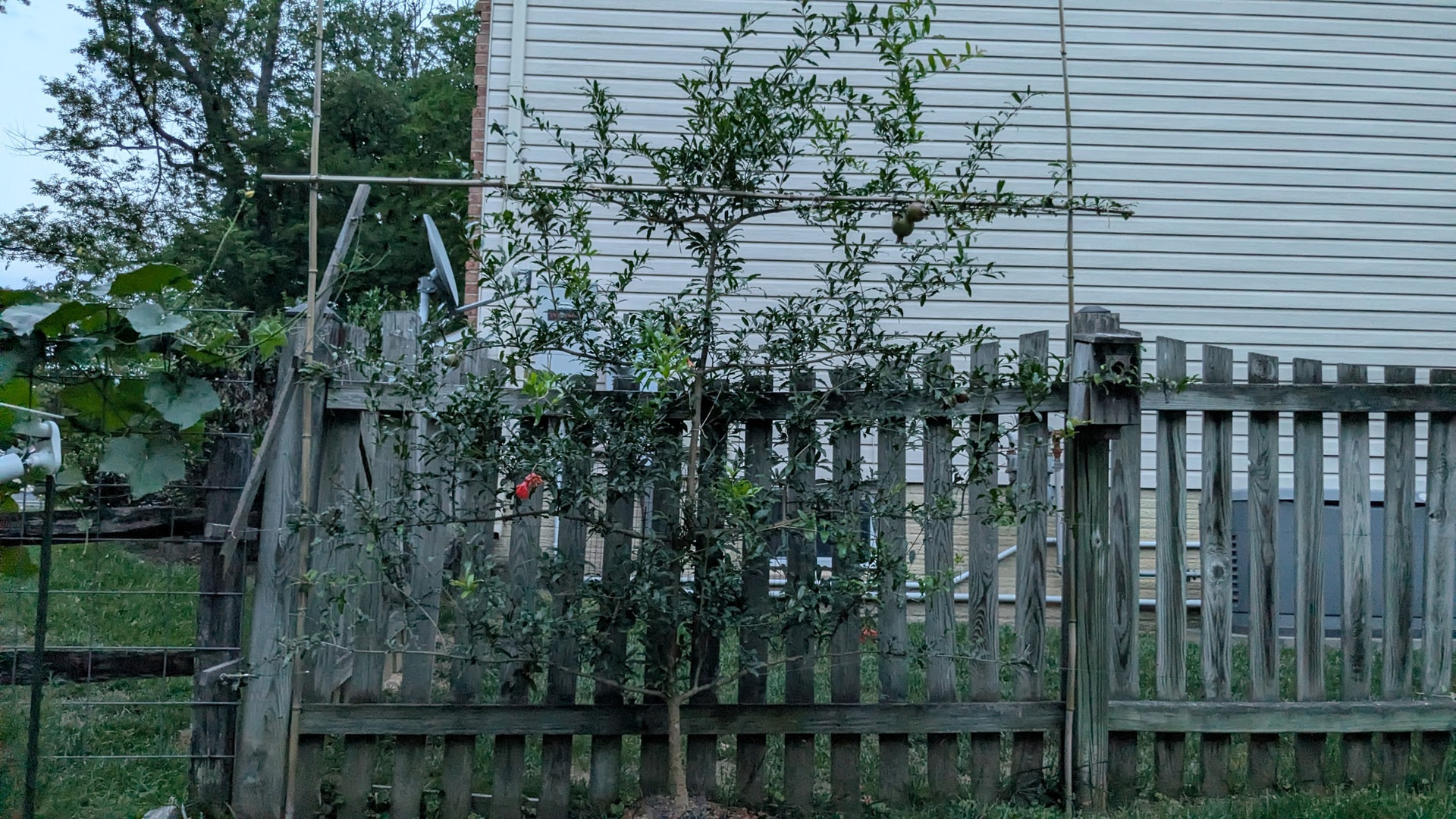
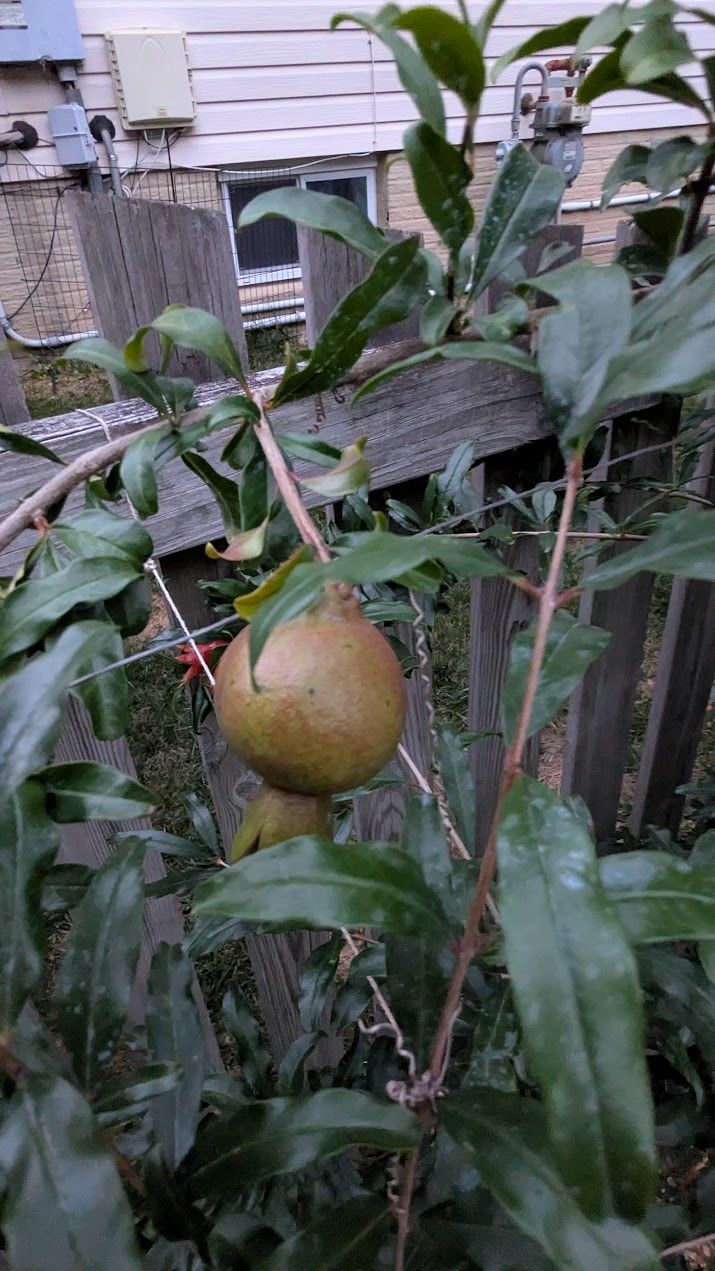
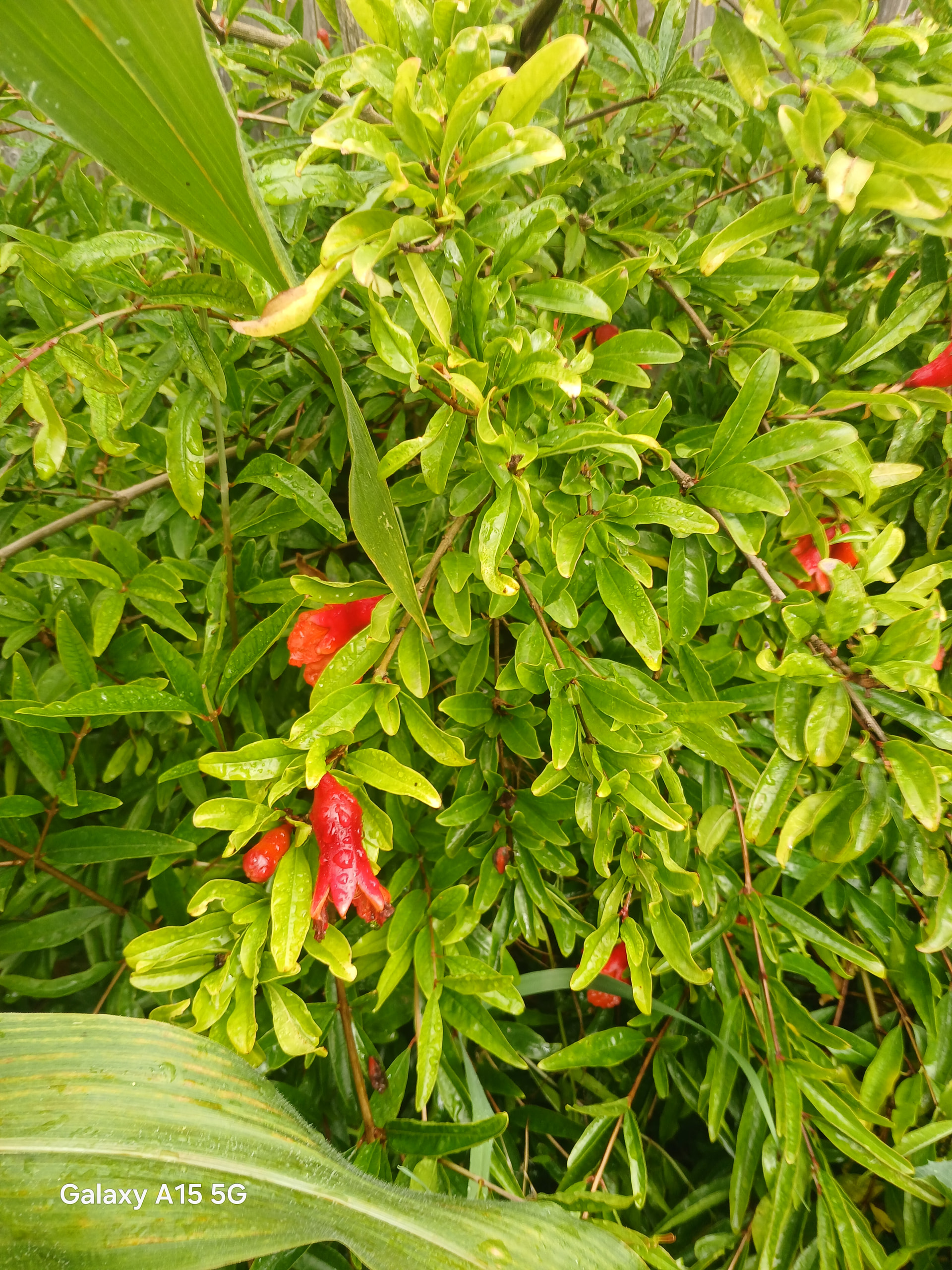
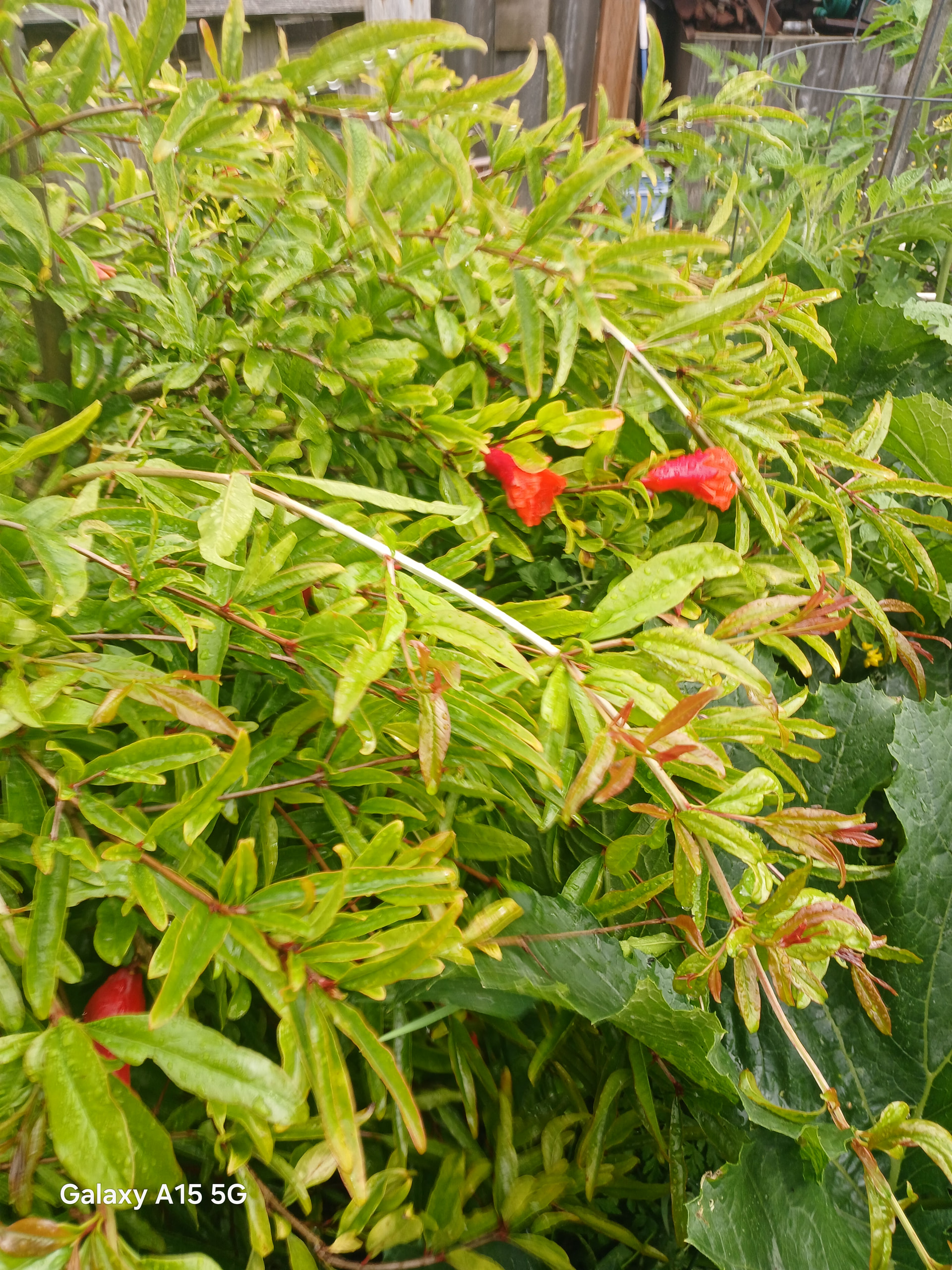
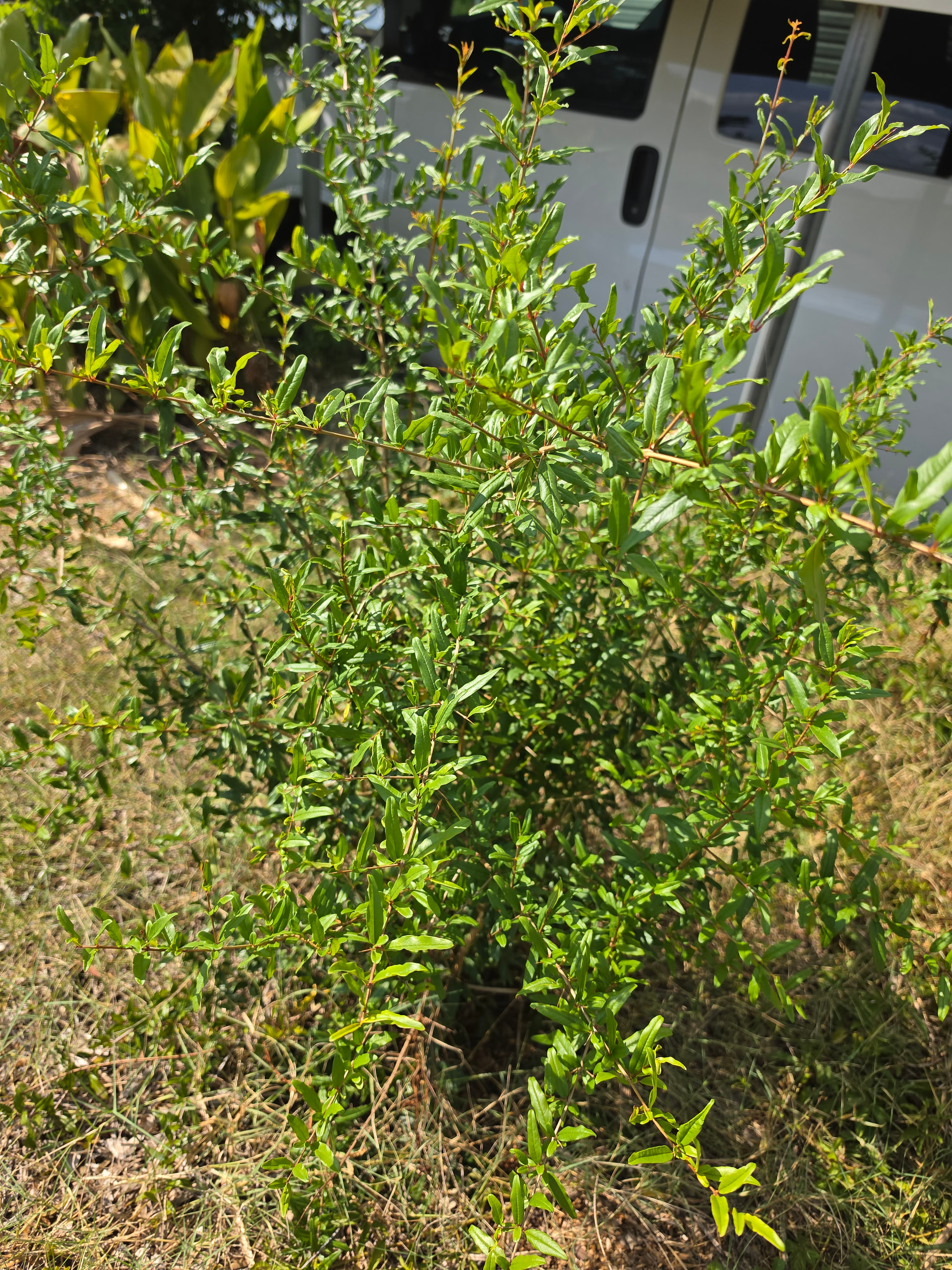
This is the Salavatski, planted in 2025. Died to the ground in March of this year, and this is how it looks.

Its mulched but I barely water it

1 Like