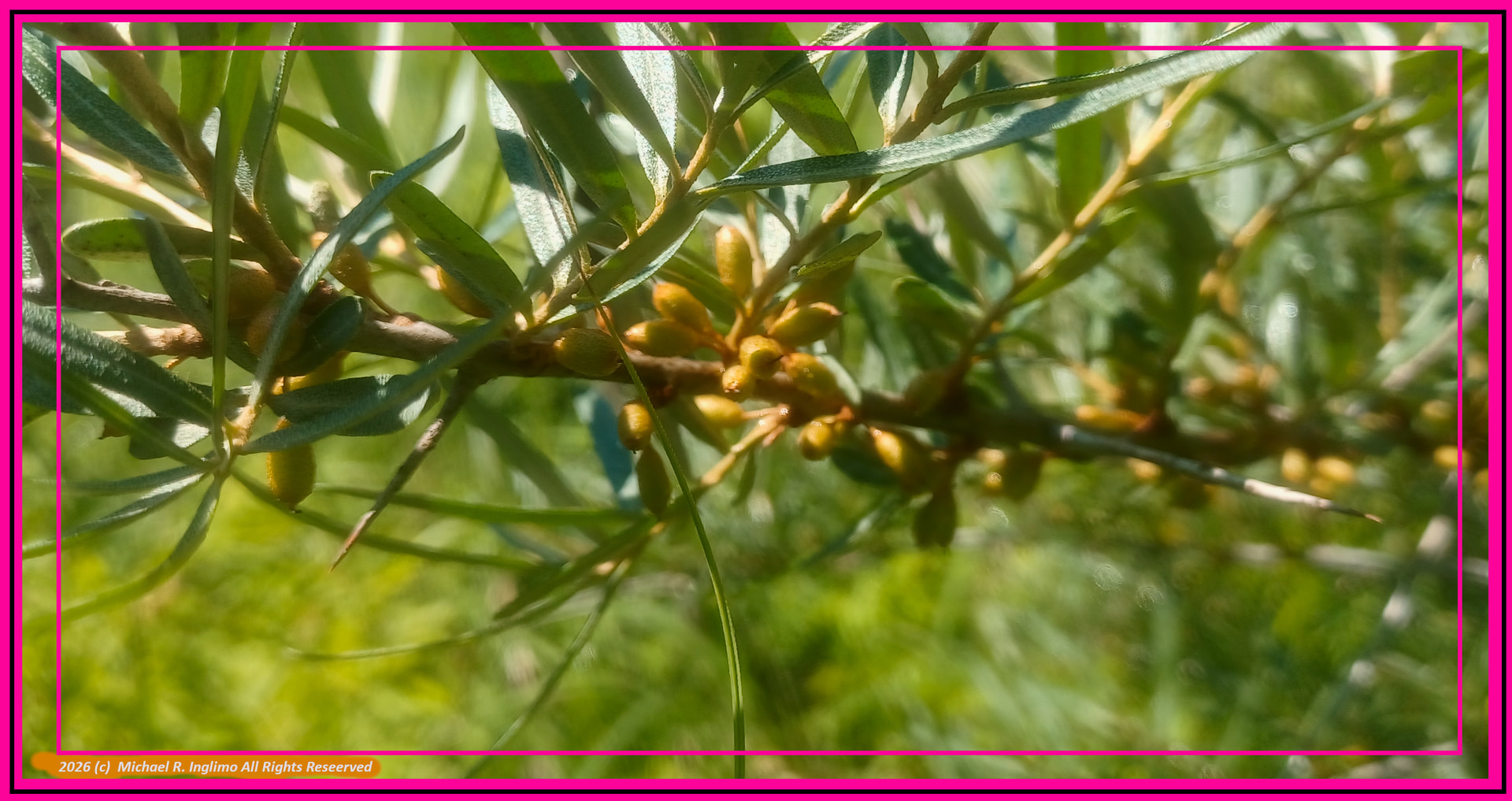
“Sea Berries !!” On a day desperate for the positive… I discovered Berries on all three of my Sea Buckthorn… Leikora, Frugana and Botanichkaya… (These are Frugana)… YEA for a crop in Season Three…
6 Likes
I planted these in a Hügelkultur-style Bed. Dug down 19” into my NW Wis soil to clay. Laid cardboard, logs, sticks, leaves, organic matter and such… I noted a video where a guy had a problem with them in raised mounds.
Got these from OneGreenWorld. Lots of studying paid off !
3 Likes
I have one of these in my front yard that I’m planning to rip out and replace with a native currant. My issue with it is the previous owners only planted one plant so it never fruits but more so it sends out runners EVERYWHERE.
3 Likes
Planted three varieties this year. Hoping I get some in three years
2 Likes
Nice !
Let us know how they taste. Very little information out there on the differences between varieties.
I planted Leikora last year, so no berries this year.
Planted Friedsdorfer Orange this spring.
And I have Julia, which has fruited the last two years. I like them, but they are horrible to pick. Time consuming and painful 
2 Likes
They got big fast. a couple of feet growth each year. I had to check my records, turns out it was Frugana on that end where i got the pic. But the Leikora has berries too. There are some videos from China that show detailed harvesting and how these plants brought life to an arid area. But you can’t share the videos because of the warning about CCP propaganda. anyway, a search on YouTube brings them up.
They cut off the branch with the fruit and freeze it all. The berries drop or are brushed off.
Harvest will be a test of my patience, I’m sure. 
5 Likes
Good to know. I planted a frugana, orange energy, Leikora, and a male. Here’s to fruit soon. I know they nitrogen fix so planted them around pawpaws so hoping they give them a boost over the next few years too
2 Likes
Nice to see them fruiting that early. I planted a couple last year and the growth rate has been impressive, easily a metre of new wood each season. The harvesting problem is what puts most people off though. The branch-cutting and freezing method seems brutal but it works. Do you find the runners much of an issue or has the hugel bed kept them contained?
3 Likes
I planted them in an “L“ shape because it is at the far corner of my area. I left the corner open. so the male sent a runner into that spot, nice to have him there. I think the runner situation is limited because of the Hugel–but that will be something to watch. I gave them room. I am told running the lawnmower over the area between rows is a standard method used to control them.
2 Likes
Please please please! Rip it out in the fall or spring and break it up and give it away so that your one will turn into many!
This is a hot item now and they’re almost always out of stock!
2 Likes
Do you know there are thornless-ish varieties? I’m not sure there are any in the US yet, but I expect this should be findable, it’s a Russian variety in Canada:
And here’s a big section from Yandex AI about thornless varieties, which are probably all Russian:
Moscow beauty - Moscovskaya Krasavitsa
Bush: medium-sized, with a compact umbellate crown.
Thorns: practically absent, there are single spines.
Berries: bright orange, rounded shape, weighing 0.6–0.8 g. The taste is sweet and sour, with a characteristic aroma. The detachment is dry, which makes it easier to collect.
Yield: up to 15 kg per bush.
Features: hardy, disease-resistant.
Moscow Pineapple - Moscovskaya Annanasovaya
Shrub: medium-sized, up to 3 m high, with a compact crown and straight light brown shoots.
Thorns: practically absent.
Berries: pear-shaped, weighing 0.5 g, dark orange with a red spot on top. The flesh is juicy, with a strong pineapple flavor.
Yield: up to 13-14 kg per bush.
Features: it begins to bear fruit in the third year after planting, maturation occurs in the second half of August.
Augustina - Avgustina
Shrub: medium-sized, 2-3 m high, with a medium-spreading, compact crown.
Thorns: absent or there are single spines.
Berries: large, weighing about 1.1 g, oval in shape, rich orange. The taste is sour and rich.
Yield: up to 5 kg per bush.
Features: hardy, drought-resistant, short-lived (bears fruit for 3-4 years)
Delicate - Nyezhnaya
Bush: tall, spreading, with a compact dense crown.
Thorns: completely absent.
Berries: large, cylindrical, weighing up to 1 g, rich orange. The taste is sweet and sour with pineapple flavor.
Yield: about 10 kg per bush.
Features: It is characterized by high frost resistance (up to -40 °C), drought resistance and good immunity.
Azhurnaya
Authors : Panteleeva E. I., Pletneva T. M., Kurdyukova V. V., Chepurnova T. M., Gamova K. D. (Federal State Budgetary Budgetary Institution “Federal Altai Scientific Center of Agrobiotechnology”)
Male/Female : female
Growth type : tall
Height, cm : 300-500
Originator : Federal State Budgetary Budgetary Institution “Federal Altai Scientific Center of Agrobiotechnology”
Crown : compact, dense, decorative
General description : sprawling bush
Prickly : none
Thorns (thorns) : none
Shoots : curved, with a glaucous coating
Pepper Hybrid -Perchik Hybrid
It stands out from the rest by the complete absence of spines. The bush is medium-sized, up to 2.5 m in height, with a branched crown and almost no thorns. The berries have a non-standard ovoid shape. Their bright orange-yellow color stands out against the background of rich green foliage. The taste of healthy beads is pleasantly balanced, sweet and sour. The separation is dry.
The thornless sea buckthorn variety consistently yields about 7 kg of valuable product from the bush. The fruits are suitable for fresh consumption, freezing, and they are used to make jams, jams, and tinctures. The plant is resistant to frost and pests, feels good on soils of various compositions and adapts to weather changes without problems.
Popular on the website:
Fruit tree processing in spring: when and how to process the garden
Pruning fruit bushes in autumn: rules and tips
How to choose a garden pruner
Prevention of plant diseases in the garden: tips and recommendations
Diseases of fruit trees and shrubs
Photo: sea buckthorn fruits
Why does sea buckthorn not bear fruit?
Culture is considered to be dioecious, and therefore self-fertile. Nature has endowed each bush with only one type of flower: either female (pistillate) or male (staminate). Pollination occurs exclusively with the help of wind. To get a crop, a man’s bush should grow in the area next to the female bushes, at least one for every ten bushes, and ideally for every five.
Sometimes you buy sea buckthorn seedlings like that, plant them in a suitable place, the trees grow, but they don’t give you berries. Perhaps you came across an unscrupulous seller, and instead of a “boy” and a “girl” he sold two “cavaliers”. Male bushes actively sprout, and at a young age it is impossible to figure out which twig will produce berries and which will provide pollination.
The second way to stay without a crop is to believe the tempting description and acquire a self—fertile thornless sea buckthorn, which supposedly does not need a pollinator. Remember that there are no such varieties, and don’t be fooled by another marketing ploy.
2 Likes
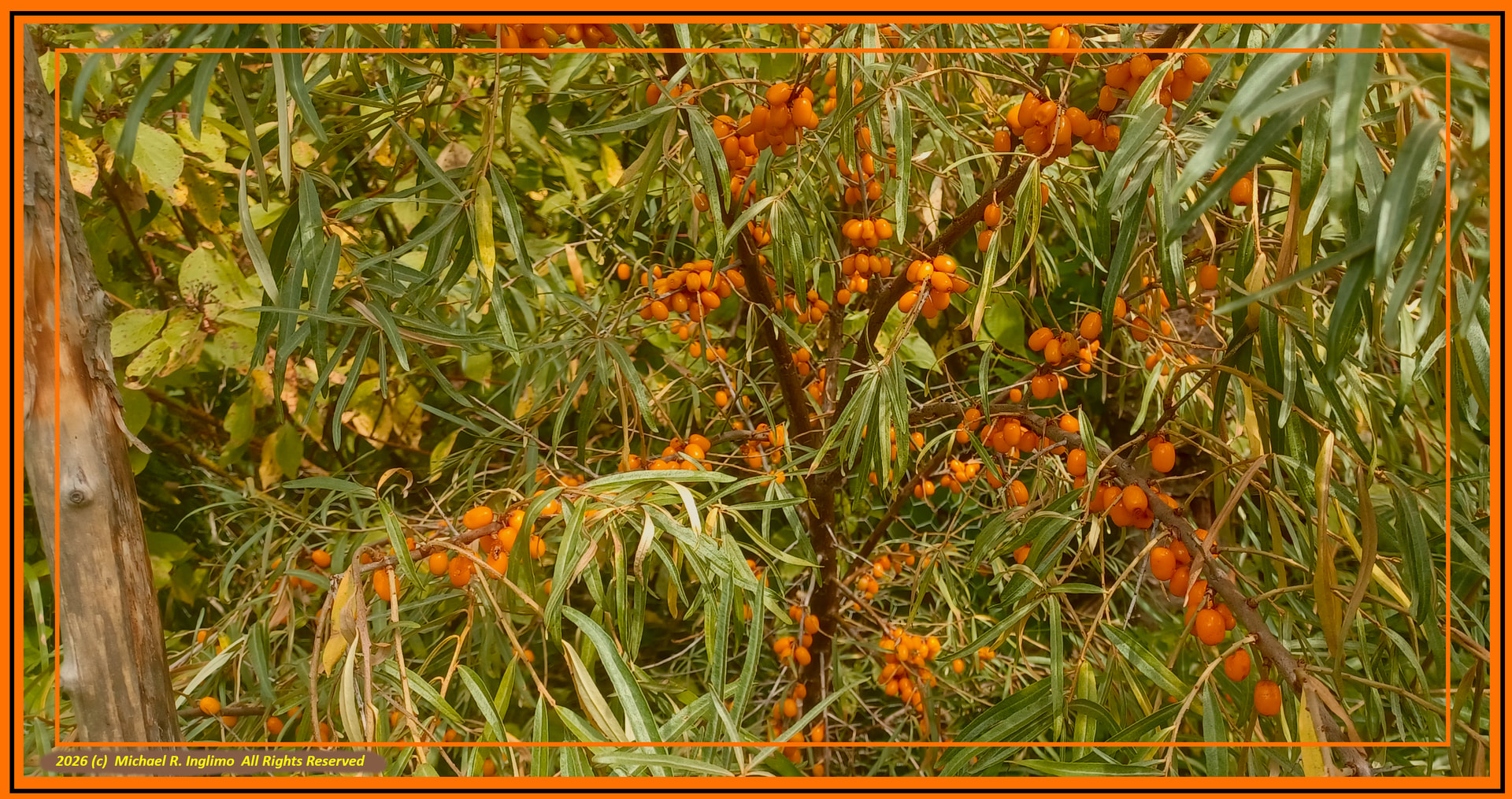
Did you find out any more about thornless varieties?