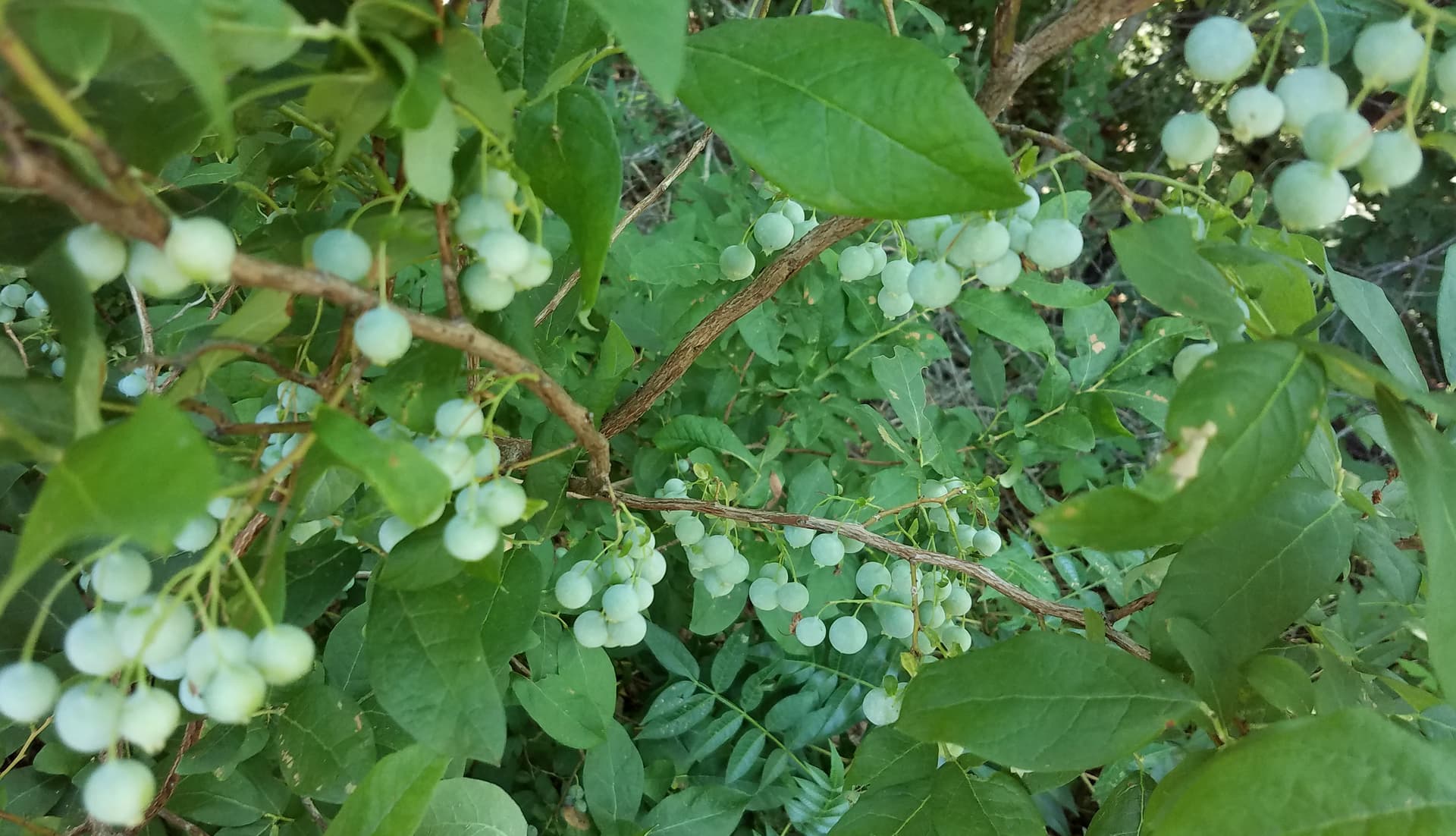
Huckleberries are loved by many, but are hard to find. And they come in two genuses, vaccinium in the West, and gaylussacia in the East.
AFFN is looking for gaylussacia huckleberries of the various species: brachycera, frondosa, dumosa, hirtosum, baccata, etc. I believe there are are 8 or so species within galussacia in North America, with edible fruit.
AFFN has not successfully sprouted seeds nor have we found plants (except brachycera, all clones we believe) in the nursery trade, nor have we found plants among private growers or among fruit explorers.
This is an open topic for those who can offer plants or point the way to them. AFFN‘s goal is to have all of the gaylussacia huckleberries under cultivation and to develop much better documentation and availability for this species.
I have some gaylussacia i bought 3 years ago from a local native nursery. I will ask them who grew it, but I can also look into how to propagate them if youre interested. I believe theyre baccata
Deerberry… (vaccinium stamineum)… other common names include highbush huckleberry, squaw huckleberry, southern goosberry, etc.
They turn red then purple when ripe… but it is impossible to collect ripe berries unless you bag or protect them somehow. Birds and chipmonks love them.
They ripen mid to late August.
I have protected them and collected ripe berries in the past… only to find out they tasted really bad… sort of like soap.
I have black huckleberry seeds as well as deer berry, high and low bush blueberry seeds. I liked the black huckleberry when ripe as well as the deer berry and blueberries even though they were tiny. I collected them in New York a few months ago. Let me know if you’re interested
Gaylussacia bigeloviana is super abundant here. I don’t know if it’s possible to send it across the border, but if it is I have a basically endless supply.
Seeds are allowed but they need to be inspected (no flesh, right seed, etc.) and the person importing needs a license. It’s fairly cheap and easy to do.
@snarfing: Thanks for the tip connecting AFFN to Long Island Natives. I contacted them and will be ordering gaylussacia baccata from them. That is the only gaylussacia species they have at the moment.
Correct. Fedco seeds sells Gaylussacia baccata under the name Michigan Huckleberry. The native range of this plant ended on the eastern edge of Minnesota. I have 3, but mine came from a local plant sale. Mine are ~3 summers old and have not yet fruited. Because neither my blueberries nor my huckleberries from the same plant sale have grown much in 2 years, I hypothesize that they like: 1. soil that is more acidic than neutral and 2. ash from fires.
I second this source. I bought 3 plants and they were healthy and flowered…and then I forgot about them and they died from no water. But I would buy from them again.