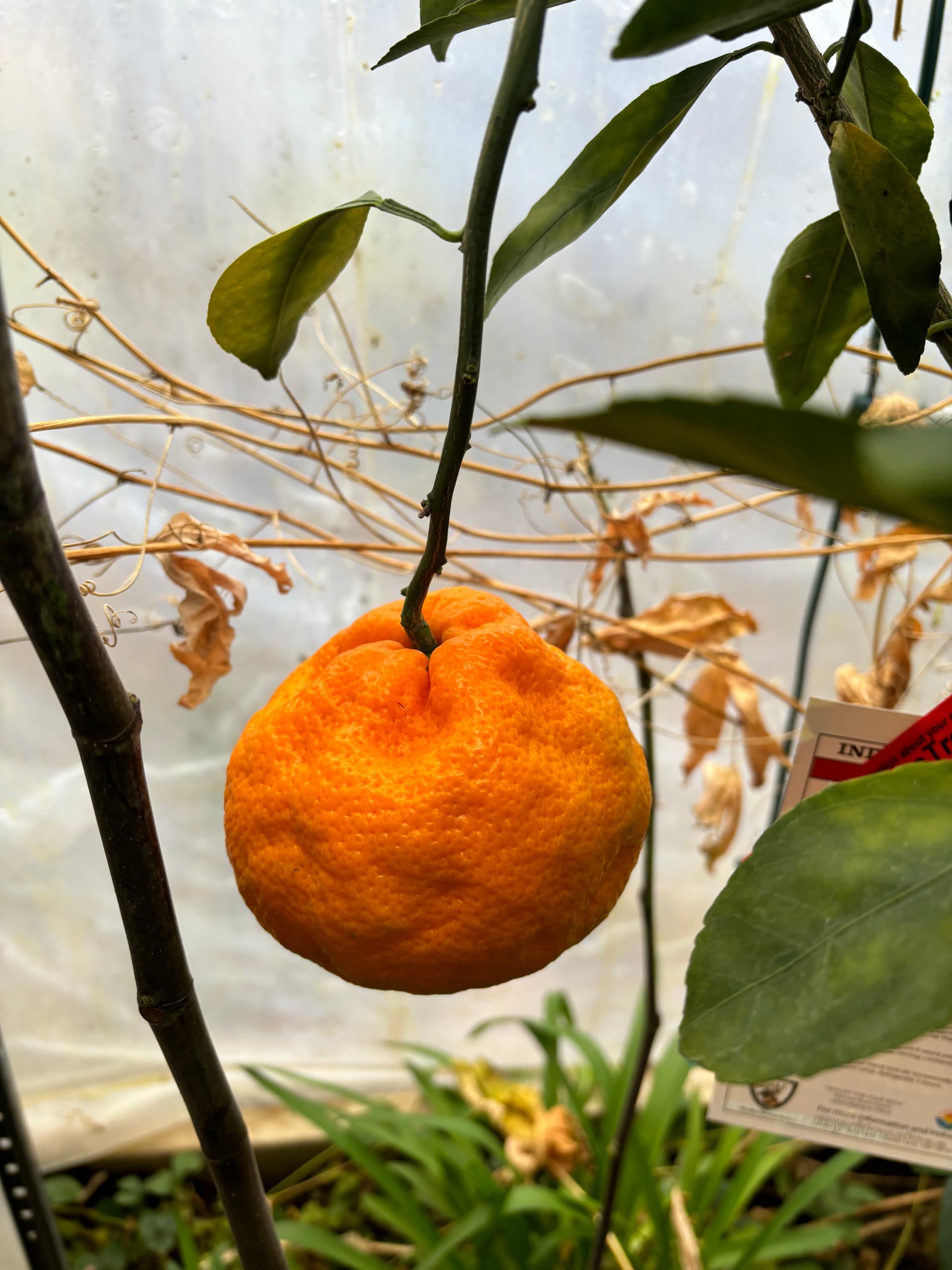
I had one citrus fruit in 2024. It’s a China S6 satsuma. I know not to judge on the first crop. It looked great, was very juicy but no taste at all. I picked it second week of Dec. Hopefully 2025 is a good year for the citrus!

4 Likes
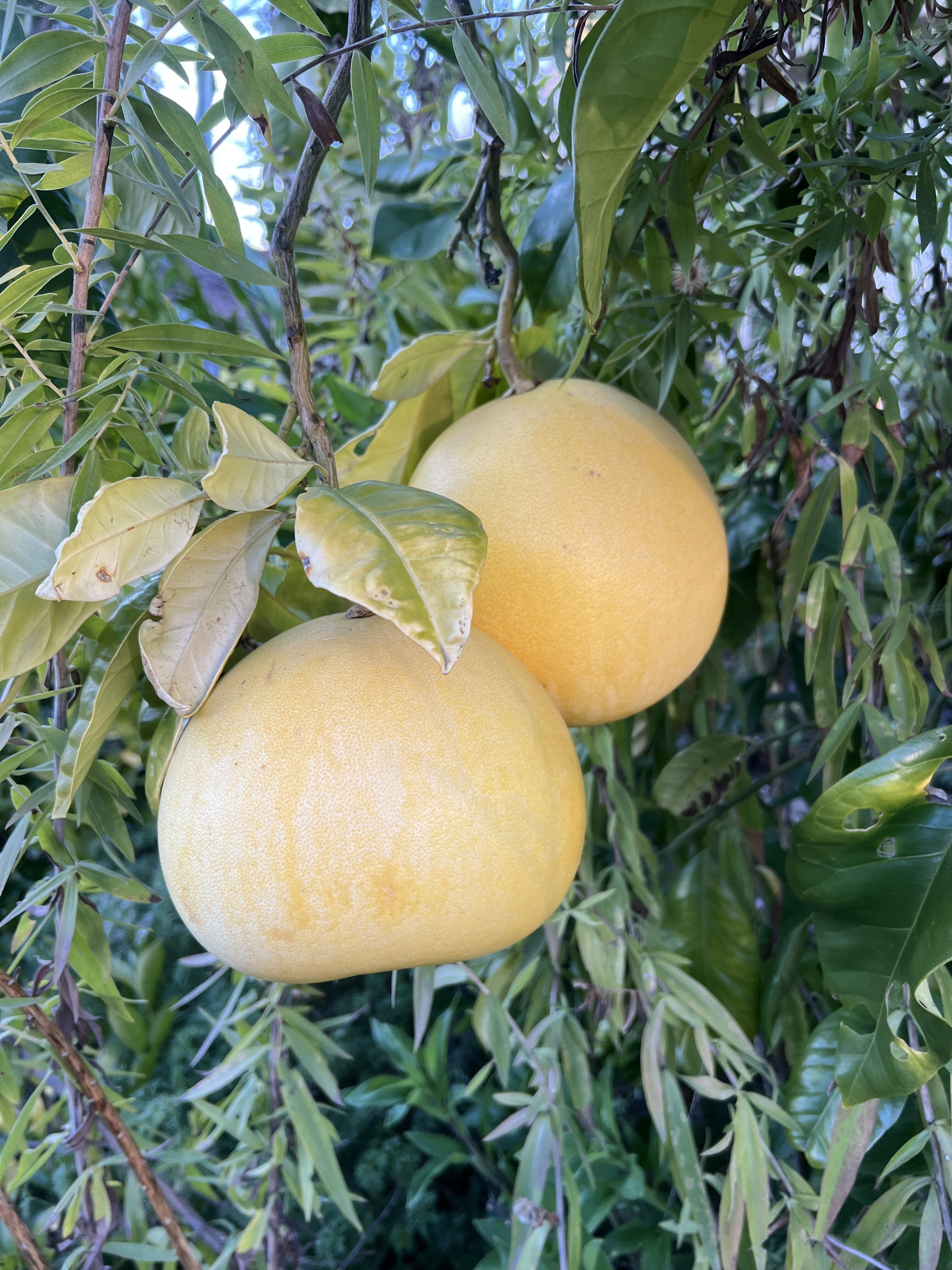
Thanks for the note! The Feijoa fruits look great! I may get cuttings from that public road median later.
1 Like
I haven’t seen that map before. It’s brings home the sobering point that has been made before that USDA zones aren’t a good proxy for how much heat a place gets.
I think I’m USDA 8b, but blue zone 4 on this map which is a lot less heat than anyplace in Texas,
1 Like
Man, the PNW is tough in that respect.
It’s wild that we’re both in USDA zone 8b, and yet I get as much heat as large parts of zones 9 and 10 California, while you are more similar to the zones 5-6 parts of the Great Lakes region.
That being said, so much cool European, South American, NZL, and Australian stuff just can’t take the heat here, but it all thrives in the PNW.
1 Like
Yeah, rhubarb and berries thrive here.
I will take cuttings from the Feijoa plant that bears the very large fruit, along with about 50 open-pollinated seedlings from it, to the Texas Rare Fruit Growers free annual scion exchange on Feb. 8 in Houston. If you have never attended these exchanges, you should. More details are available on the group’s Facebook “events” page: Facebook
4 Likes
I will also be taking scions from: 5 different peach/nectarine cultivars, 11 plum/plumcot cultivars, 6 pears, 8 pomegranate varieties, 2 apples, about 3 dozen different figs, rooted grapes (muscadine and Victoria Red), lemon guava seedlings, goji berry seedlings, golden berry seedlings, etc. No admission fee and do not have to bring anything to exchange.
2 Likes
A few years ago (2019), as I was approaching retirement, I started considering a “better” climate to move to for fruit growing than SE Texas. I cross-plotted average winter low (essentially USDA planting zone) against mean July temperatures (more-or-less a proxy for heat units), along with variable symbol sizes to reflect annual precipitation totals, for about a dozen potential areas in the U.S. to move to (including SE Texas, southern AZ, PNW, So. Cal., So. Florida, upper Midwest, Hawaii, etc.). As you might guess, those dozen places scattered pretty widely around the cross-plot. 2020 brought retirement, and the Covid pandemic!, so we hunkered down in-place and we are still here. So much for my pipe-dreaming about a “better” place to grow fruits.
4 Likes
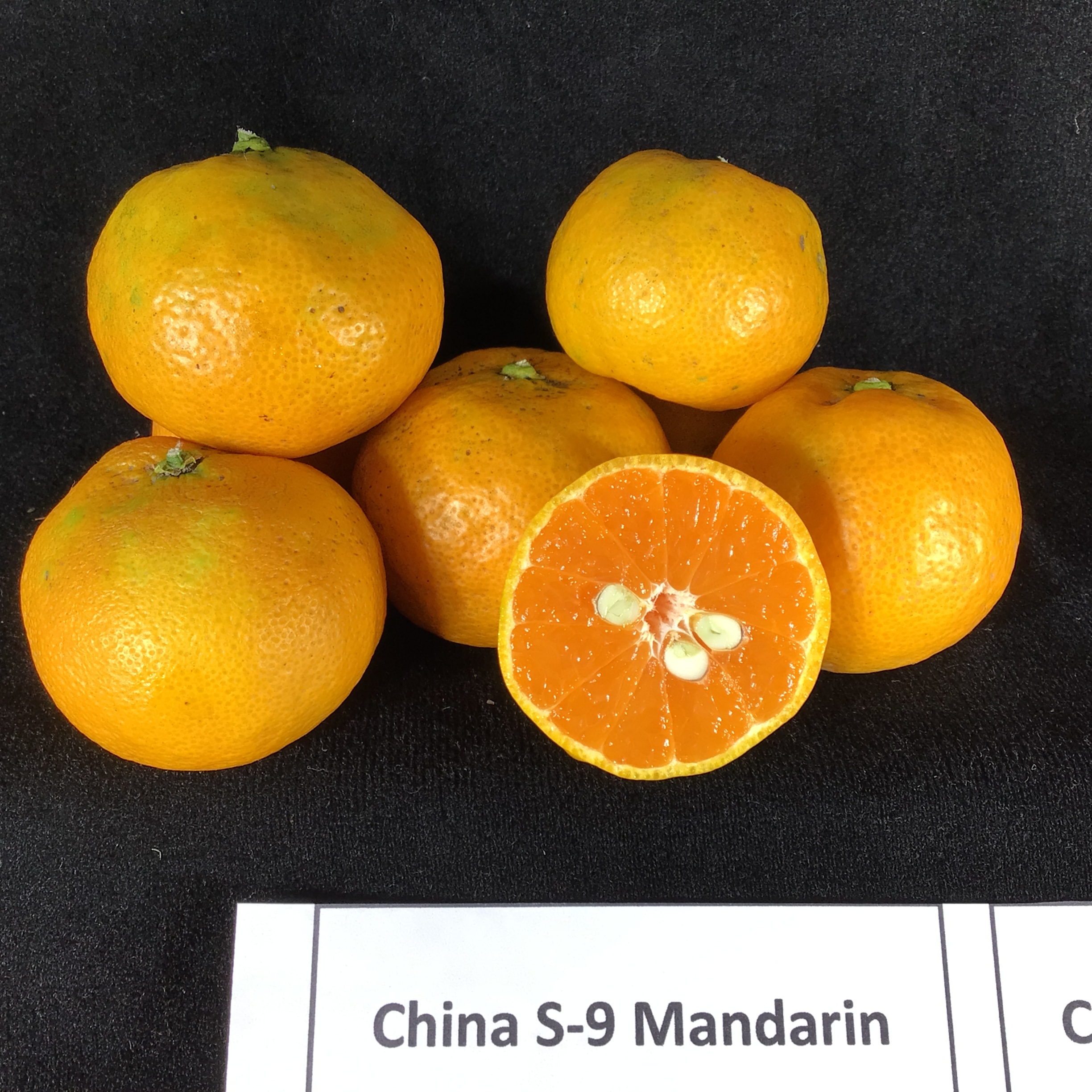
Het Matt, sorry, I meant to reply to @Nosehair about the Feijoa. Anyway, your China S-6 may need more time to produce better fruit. I have China S-9 (along with about 10 other Satsuma cultivars), and its fruit are quite tasty. Here is a photo of my S-9 fruit from last month:
5 Likes
Thank you Scott for the note!
Although I may not be able to go, could you please share the time and location of the next meeting? I don’t have social media accounts.
The Houston “chapter” of the Texas Rare Fruit Growers usually meets about 4-5 times per year, always at Bill Arendt’s house (11 Shadow Lane, in the Spring Branch neighborhood near I-10 and BW-8), on Saturdays from 10 am to Noon. Scion exchange is always in February, loquat tasting in April (prior winter permitting), fig and pear (and misc. tropical fruits) tasting in July, persimmon and pomegranate tasting in October, and Citrus tasting in December. Open to public, generally no admission fee. People are not required to bring anything to share, but most do. Typically about 50 folks show up. There is also an Austin area “chapter” that meets, a Lower Rio Grande Valley “chapter”, and early discussions about a scion exchange in the DFW area.
3 Likes
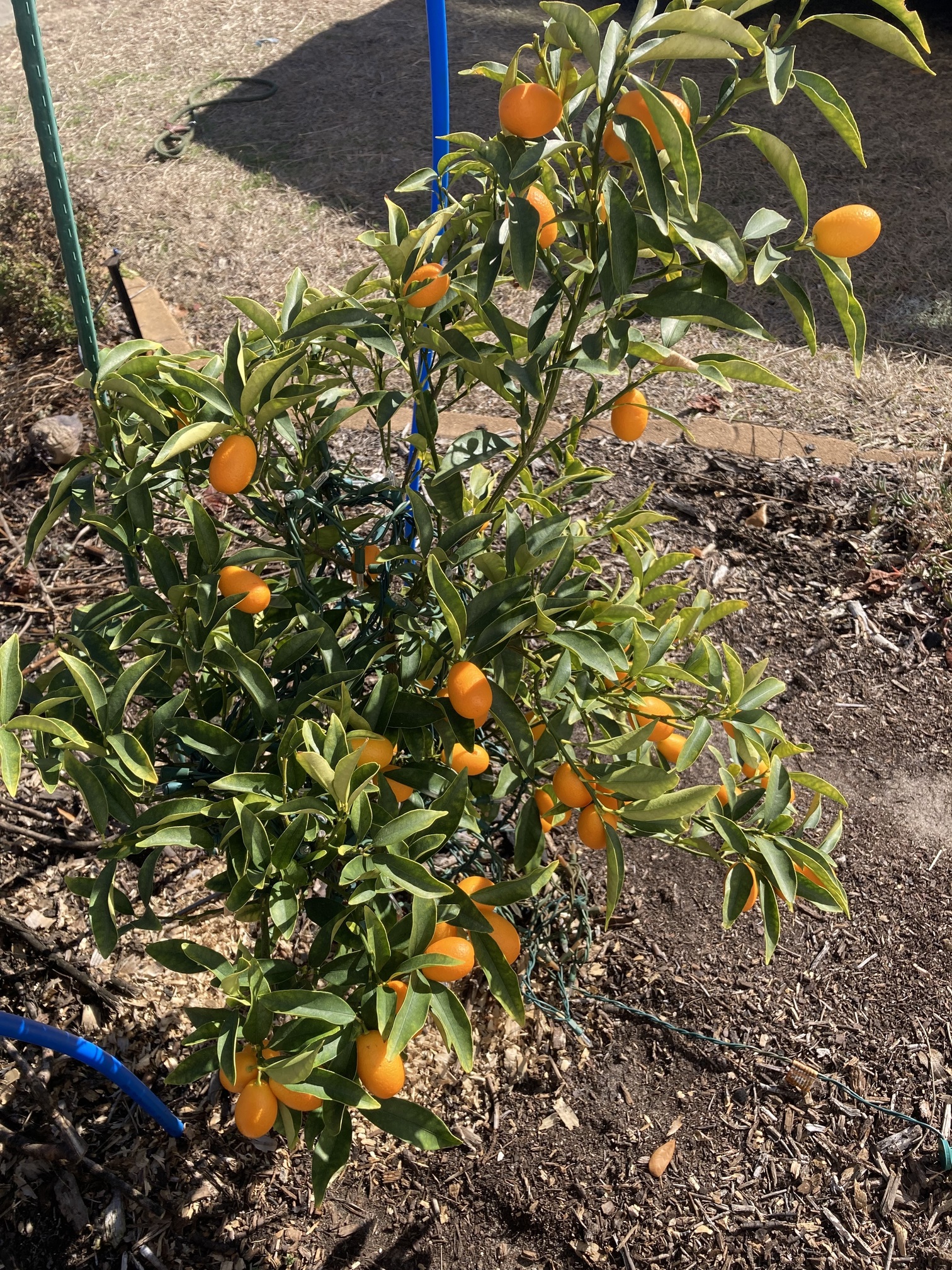
Almost all my Nagami fruit managed to make it through. Tossed off a handful but hard to say if it was cold or heat that did that (due to double layer agfab
6 Likes
I retired in 2000 and moved from Amarillo to near Fresno CA. It was a much better place to grow fruit. No more hail, freezes, or constant wind. Unfortunately, in place of those there was year around air pollution that caused health issues for me. I moved back to west Texas and put in a greenhouse that mimics the best climates in CA for growing fruit. I’ve grown by far the best fruit of my life in the greenhouse.
I don’t regret moving to CA. It was a great four years. I do wish I had checked out AZ better on the way back. I’d like to have a place in SE AZ at about 4500 ft elevation with a greenhouse.
I recently replanted my GH with 8 new citrus varieties. I’ll have fruit to show here soon.
6 Likes
Thank you, Scott! I will try to go on Feb. 8. Would be great to get the Feijoa cuttings/seedlings!
Regarding scions to share, I have a big persimmon tree mostly likely the “Mopan or Tamopan persimmon”. It was sent to me as a Taneyashi persimmon by ison’s six years ago. But based on the unique shape of the fruits and the upright growth of the tree, it should be the “Mopan persimmon” common in Northern China. Isons does sell “Tamopan persimmon” nowadays, which looks exactly like the one I have. I also have a big jujube Li tree fruiting for a few years now.
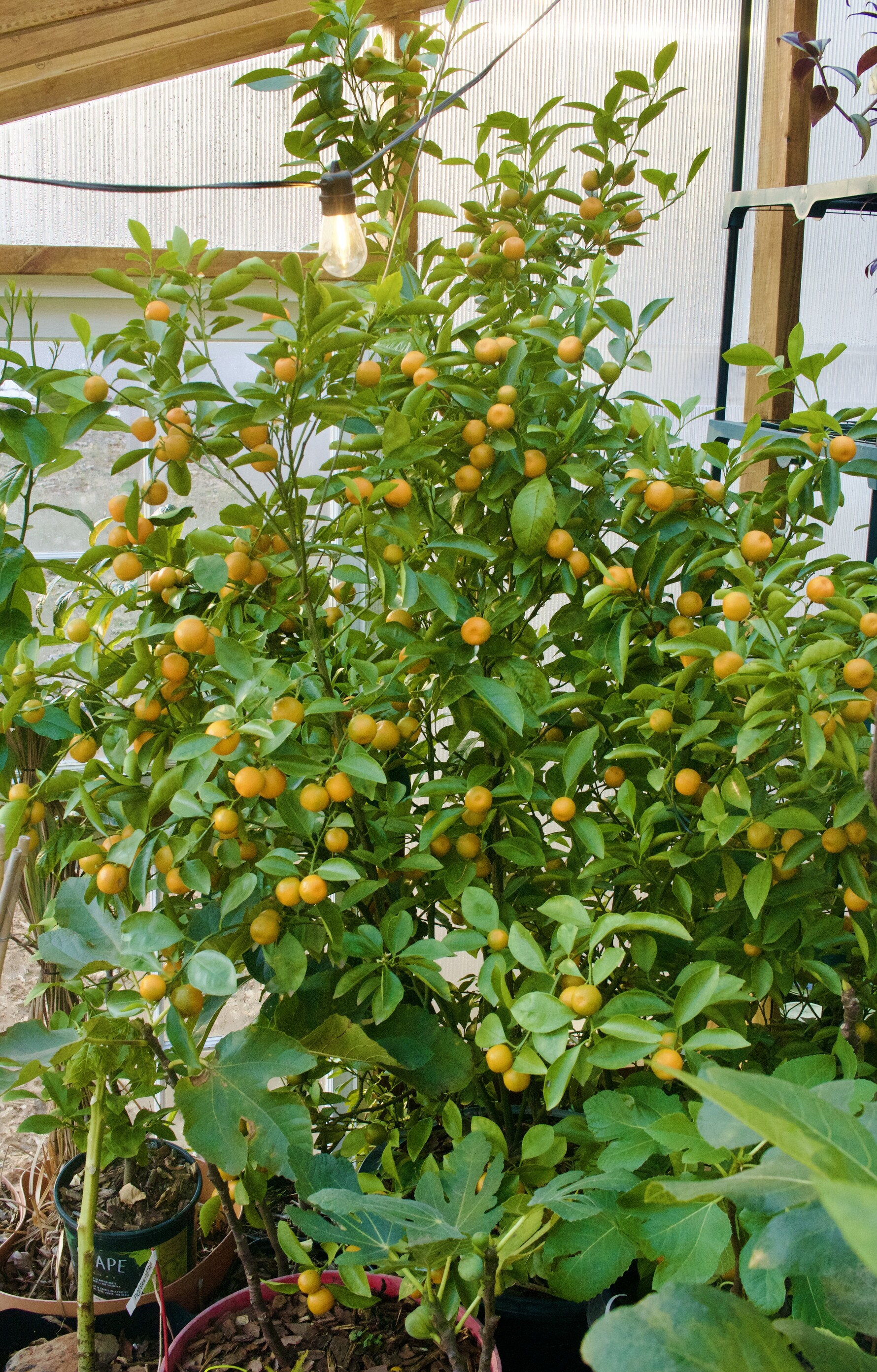
I’ve been growing this “clementine” for almost 4 years, bringing it in and out every spring and fall. Before me, the previous owner had it for almost 10 years. It wasn’t always productive, and struggled to take off, but this past summer it bloomed profusely and fruited abundantly.
Unfortunately it is not the clementine I hoped it was, and we identified it as a calamondin.
Despite the sourness, we found many uses for it, using it more like a lemon instead.

9 Likes
I was going to say that’s a calamondin but then reread your post and found out you already found that out haha. Mine has only produced one fruit so far which was fine to me, but the joy in this plant is the constant blooms (it’s never not blooming for me) so always smells lovely.
3 Likes
How does Calamondin compare to Indio Mandarinquat? More or less sour? Do they have a mandarin/orange flavor?
I haven’t tried the latter but calamondin to me is like a kumquat flavor. A little more sour but my one had enough sweetness to it to be enjoyable. I’ve heard the mandarinquats are basically inedible.
2 Likes
That is a nice looking calamondin! These are a real pleasure to grow and make an amazing visual impact when loaded like yours. They are grown as landscape bushes in Florida, California, and were also common in Houston yards before the 2021 freeze killed them all. This is the one Citrus tree (of the hundreds I grow) that I actually gave to my wife as a gift one year. I keep it in a large container so I can move it into our courtyard when it is loaded with blooms or ripe fruit, which it often is. The fruit is technically a mandarinquat, but the sweet peel is so thin that it cannot overcome the very tart juice (there is a good reason it is also known as “Philippine Lime”). Many people use the juice as a substitute for lemon or lime juice or make awesome marmalade from the de-seeded fruits. I have made lime pies from my wife’s tree that people raved about. I’ll try to dig up an old photo of the resultant pies.
5 Likes