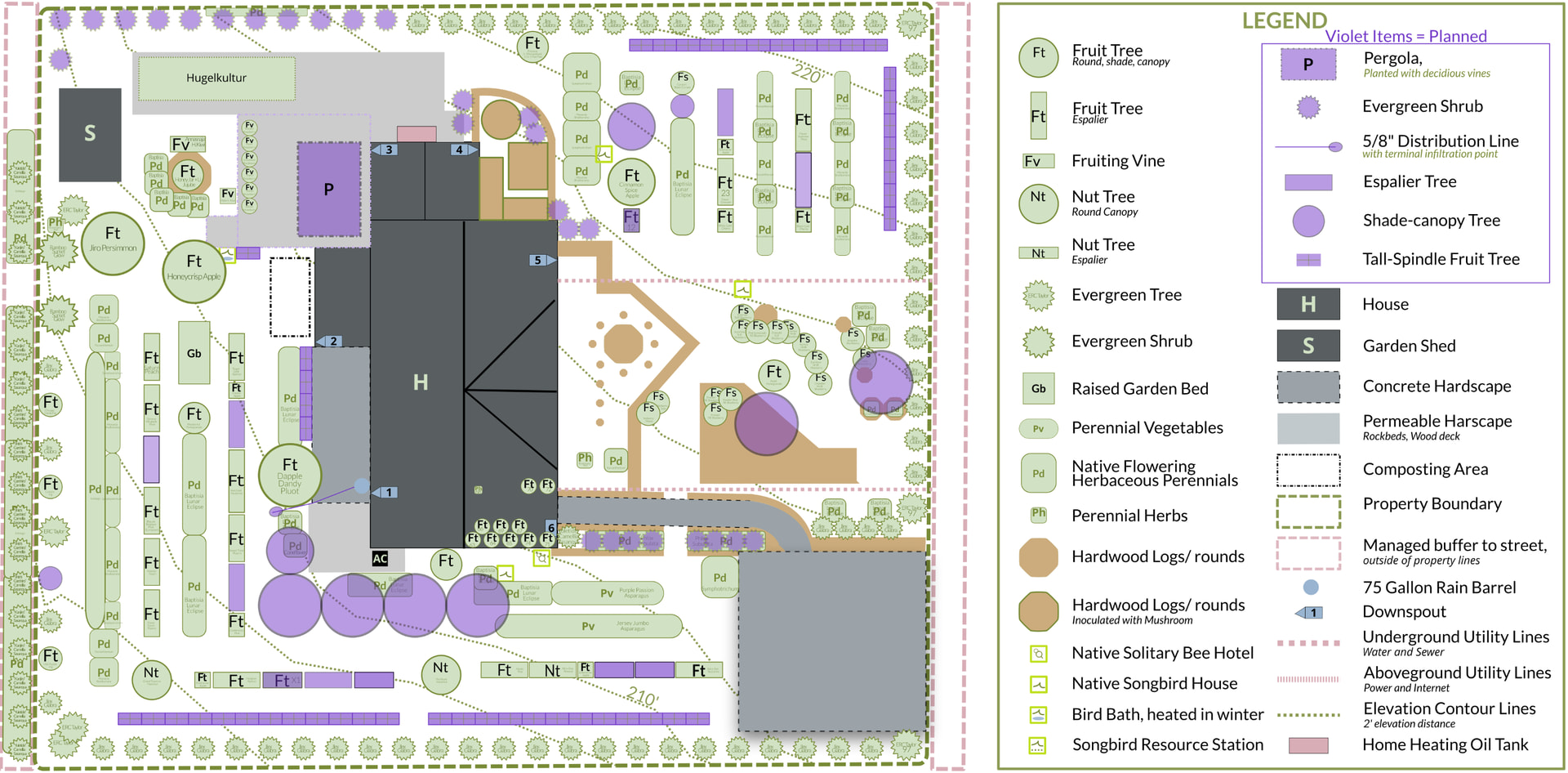
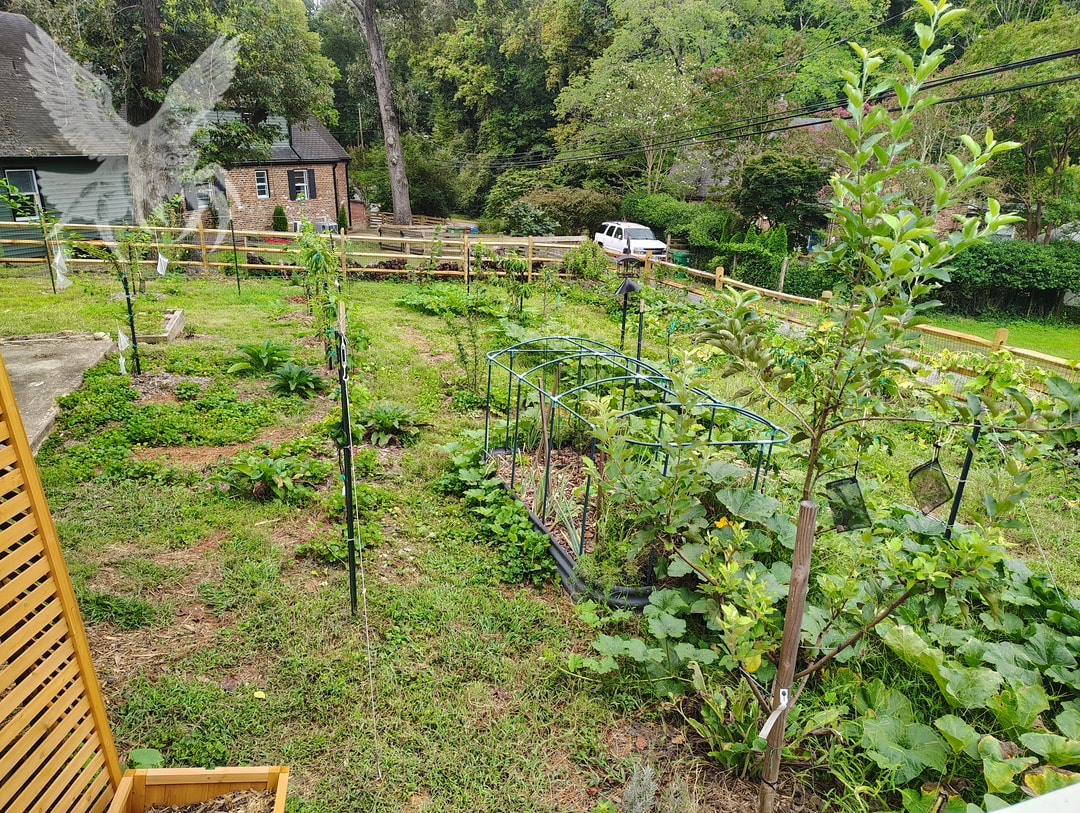
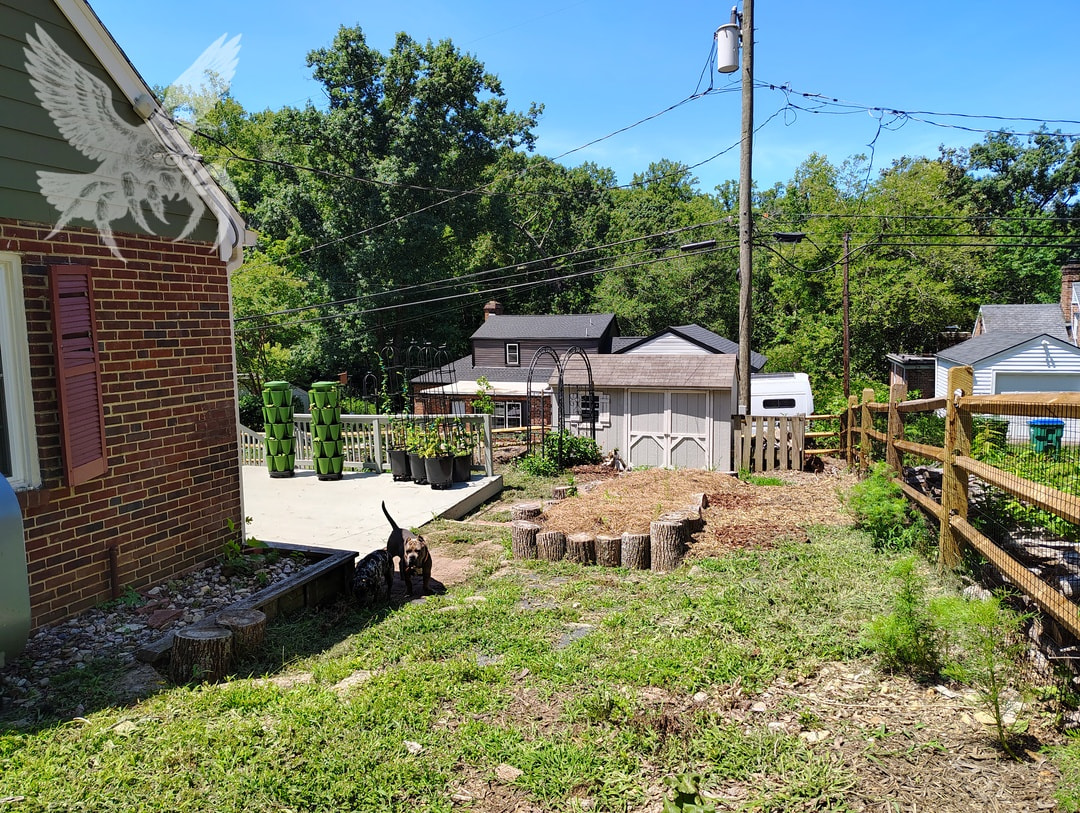
I’m 18 months in Richmond, VA, working with 0.25 acres on a consistent 12° slope from horizontal. My focus thus far has been on soil health, removing established English ivy and poison ivy patches, and obsessively planning a Formally-designed Ultra-high-density Wildlife-integrated Urban Food Forest or FUWUFF, as I abbreviate it. This lofty dream vision combines the rigid structure and deliberate geometry of Jacques Wirtz’s landscapes with the unchecked productivity and self-sustaining ecosystem of the Amazon rainforest.
The intent of this thread is to catalog that odyssey.
The site combines intensive fruit culture, ecological horticulture, native perennial habitat, soil biology, hydrology, climate resilience, and microclimate engineering into a single integrated system. Its objective is not simply to create a conventional orchard, food forest, or ornamental garden, but to develop a highly productive perennial ecosystem that approaches ecological autonomy while retaining deliberate formal structure and intensive horticultural control.
I’m finding a wealth of information already discussed here on several of these topics, so please pardon my ignorance while I catch up on those and thank you for any links I might not have found yet!
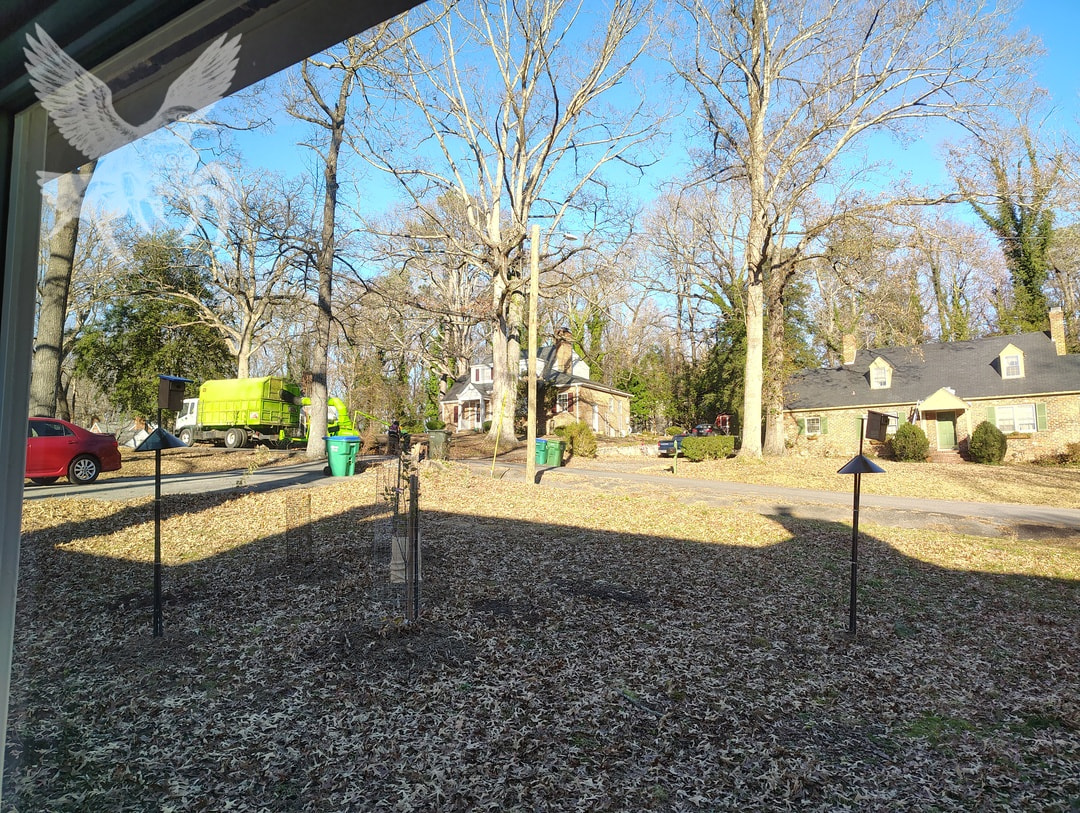
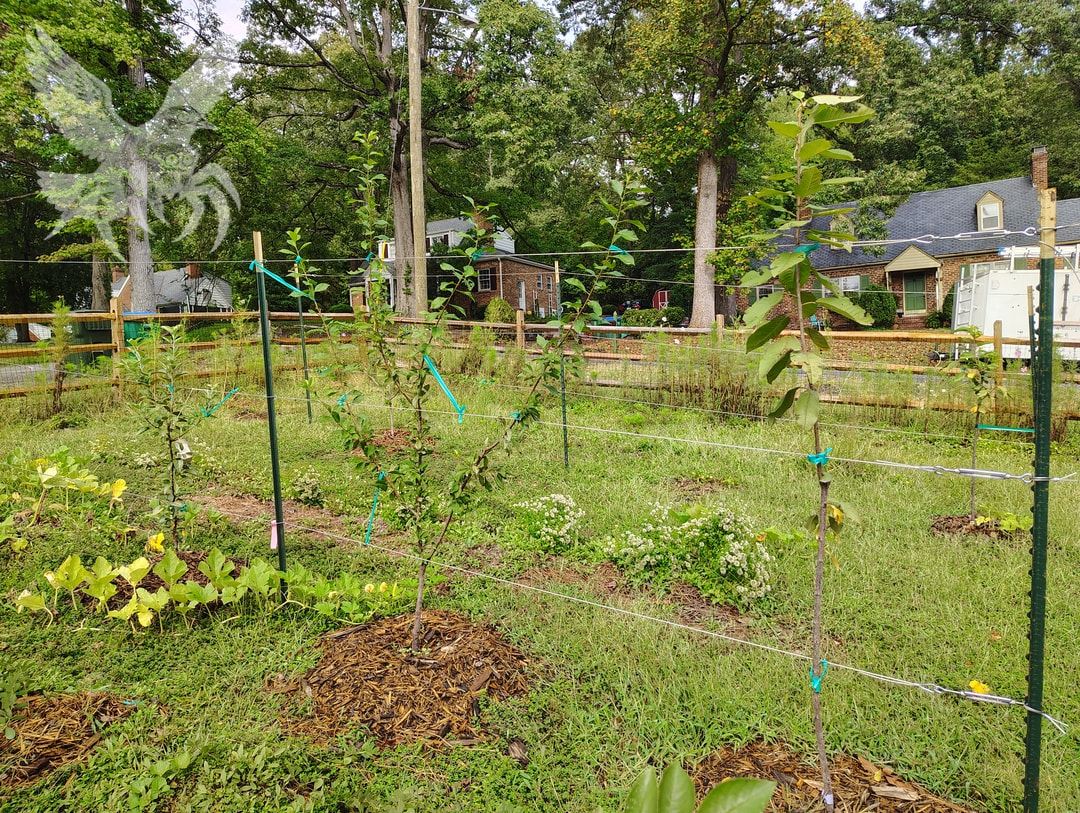
I’ll work on taking latest pictures after current rains and introduce each area next.
Regional Context
-
USDA climate type is Temperate, Humid Subtropical. Average 46" annual precipitation, spread pretty evenly throughout the year (slightly wetter Mar-Sep).
-
Very high fungal and bacterial pest pressures. High insect pest pressure.
-
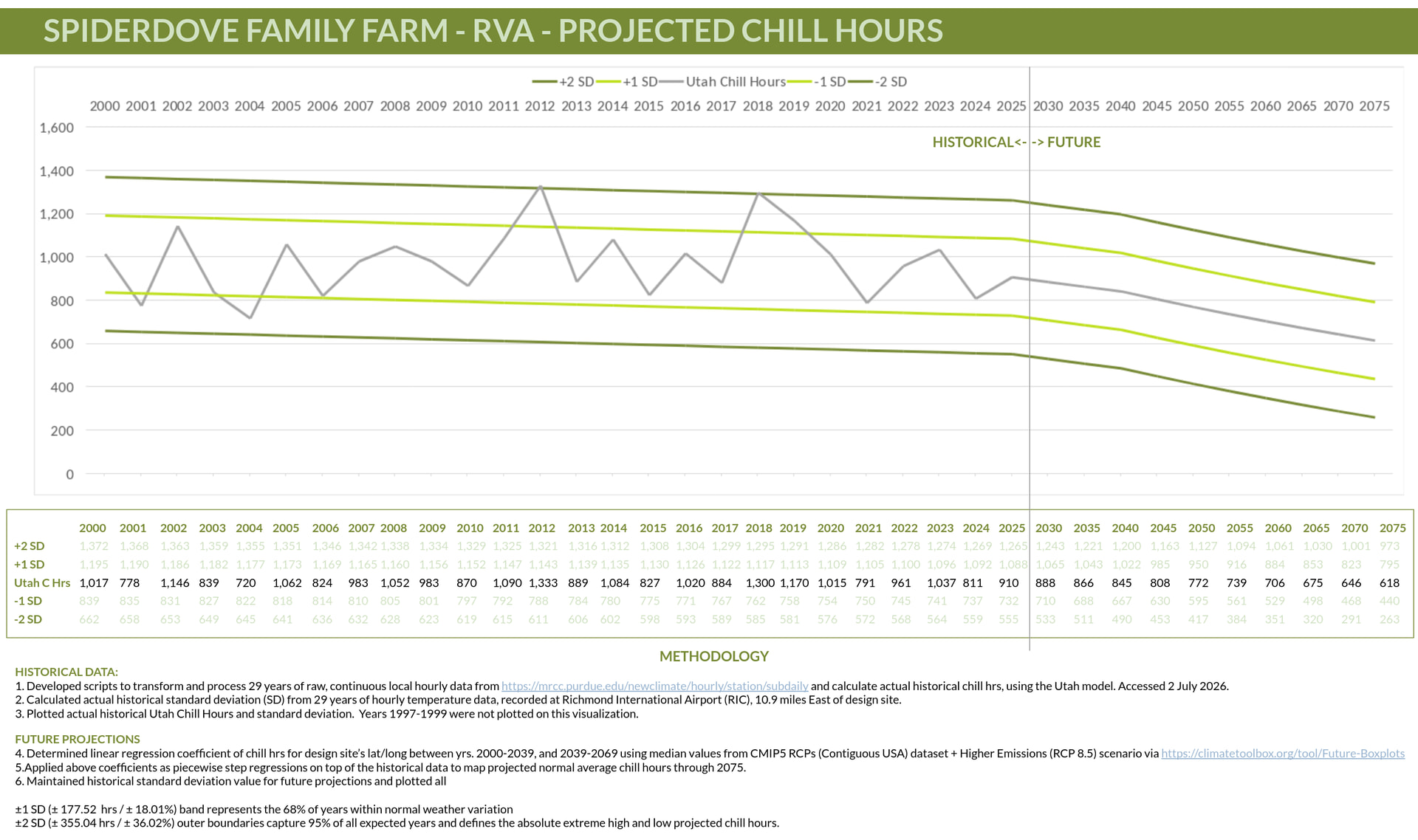
This is zone 7b today, but expected to be 8a by 2040, per climatetoolbox.org. Models using higher emission rates have it as 8b by 2070. Increasingly mild winters is something I’m considering as a chill hours constraint in regard to variety selection and succession plans (see below).
-
Projections also show duration of high heat events (days of 100 F) increasing over time, more sharply after 2039. This is another long term pressure I am trying to incorporate in my planning now with strategies including:
-
Thoughtfully placed trees (and fruiting walls) to shade the home, windows, hardscape during peak sun hours.
-
Incorporating C4 photosynthesis (and anisohydric) plants throughout, to convert extreme heat & dry events into exudates, supporting essential microbiology and mitigating rhizosphere stress. Schizachyrium scoparium (little bluestem) is my current c4 planting, specifically a nativar of it: “Twilight Zone”.
-
Actively searching for more radiation management solutions, would love to hear your all’s ideas as well!
-
-
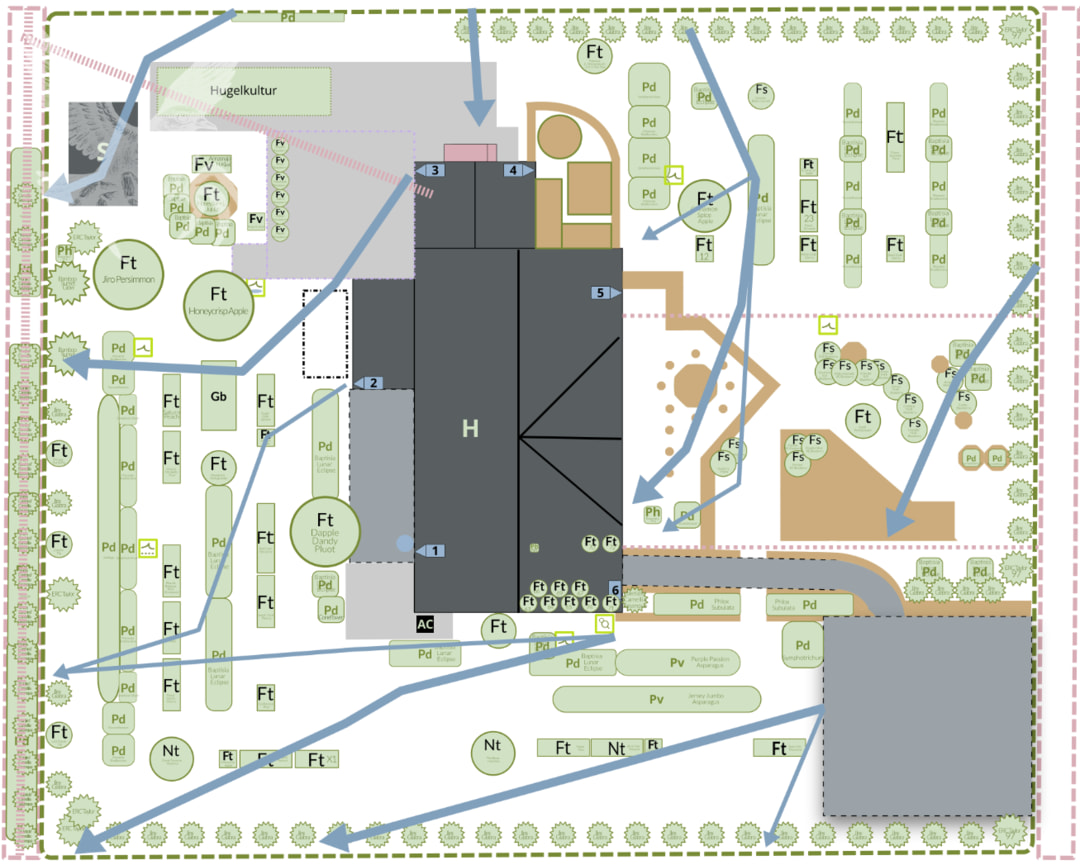
High wind events are the other environmental concern, this is primarily being addressed through the site’s windbreak system. In the future I would like to consider options for neighborhood-level resilience; which the city issues grants for.
So far we have established:
-
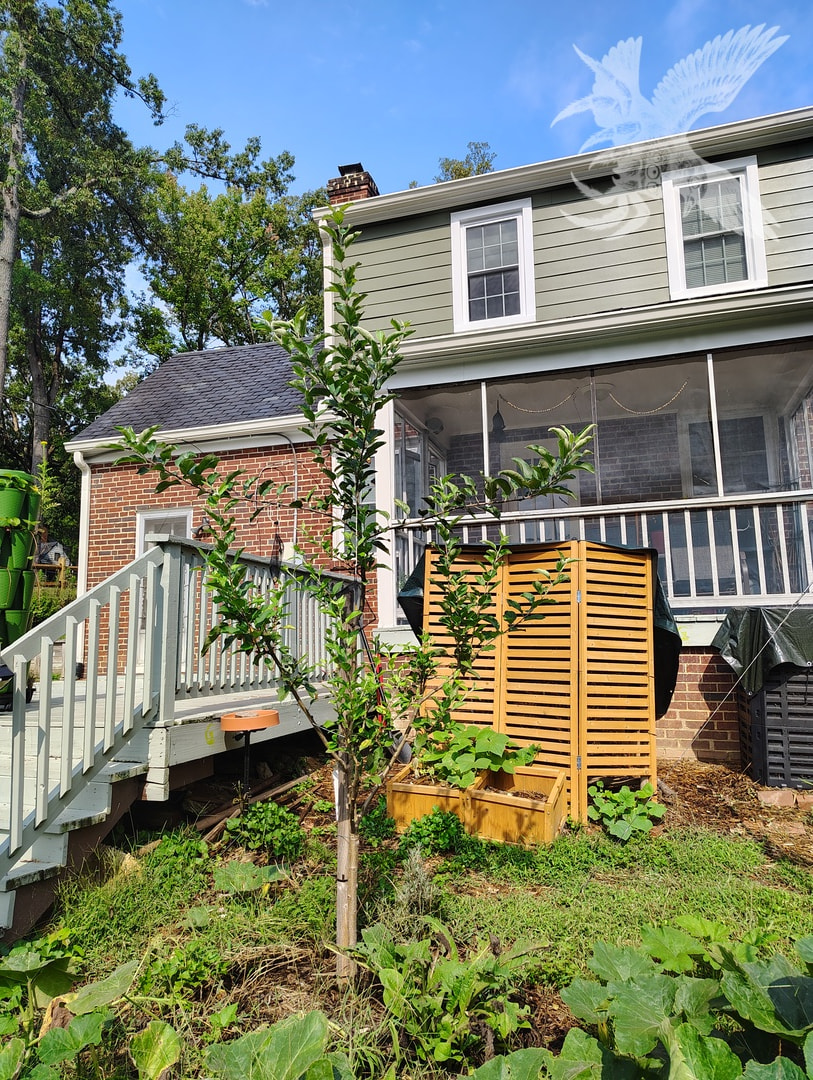
35 food trees in the ground (including 3 being grown as multi-stem shrubs), 21 of 35 are espaliered. Only 6 of 35 were planted in year 1 (Spring '25), the rest in year 2 (Spring '26).
-
83 evergreen trees and shrubs forming a multi-layered windbreak around the property with 40% porosity projected at full maturity. 64 of these are (ultra-)columnar nativars. The other 19 are Camellia Sasanqua varieties providing Oct-Dec bloom/nectar support which would otherwise be gapped.
-
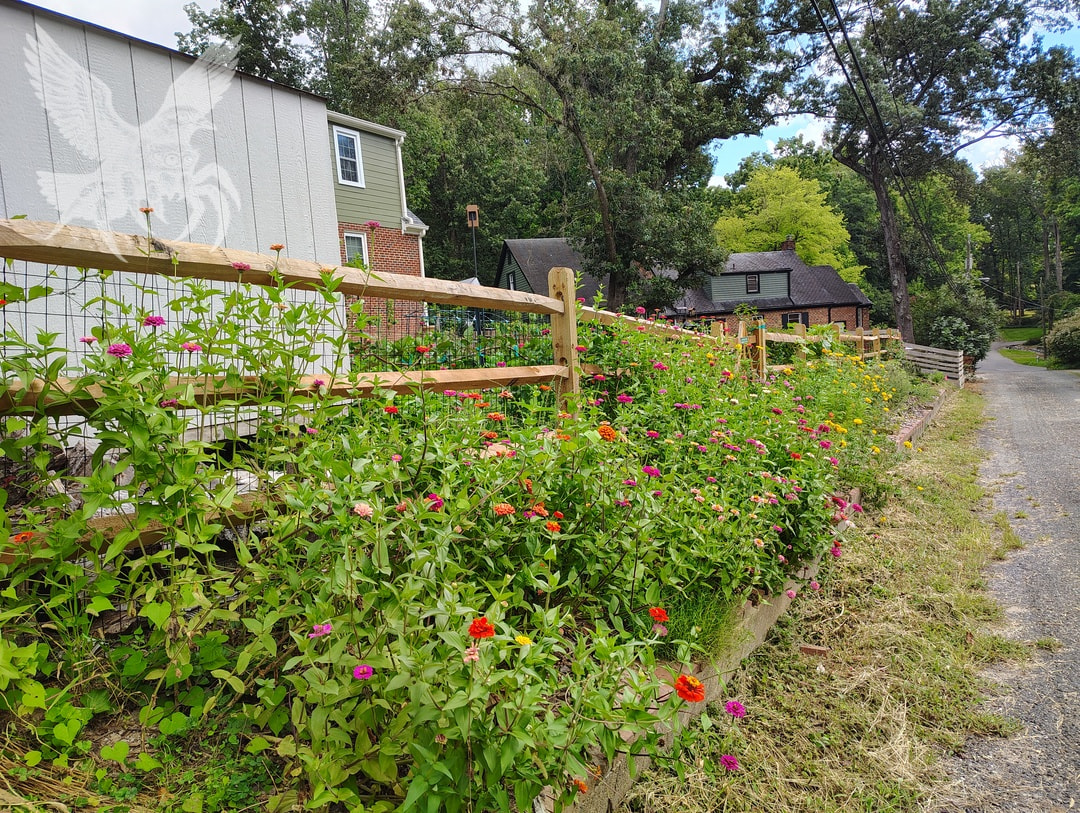
400 flowering native herbaceous perennial plugs, planted in geometric drifts to provide continuous bloom and nectar support from March through October.
-
250 native herbaceous perennial groundcover plugs, selectively chosen to complement and correct what is already established.
-
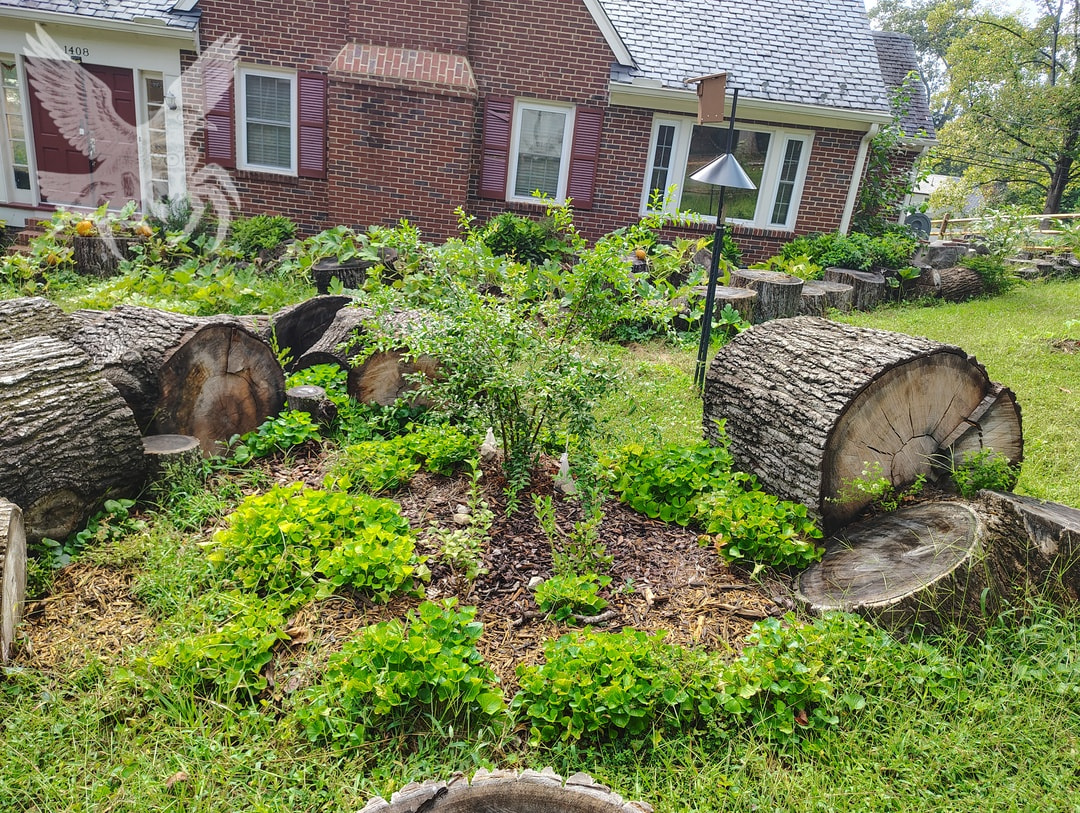
26 perennial berries, mostly a diversity of blueberries and thornless blackberry (trained on perimeter fence). I’m happy to pick and eat them, but also fine if wildlife gets most of these- except the strawberries, those are my fav lol; they are also in towers, right next to the kitchen door which helps.
-
4 songbird houses with 125% occupancy in 2026 (one group of Eastern Bluebirds raised a second brood, observation suggests they may be preparing for a third, but its late so they could just be territorial of that house now.
-
~200 sq ft asparagus patch (split), planted as perennial drifts
-
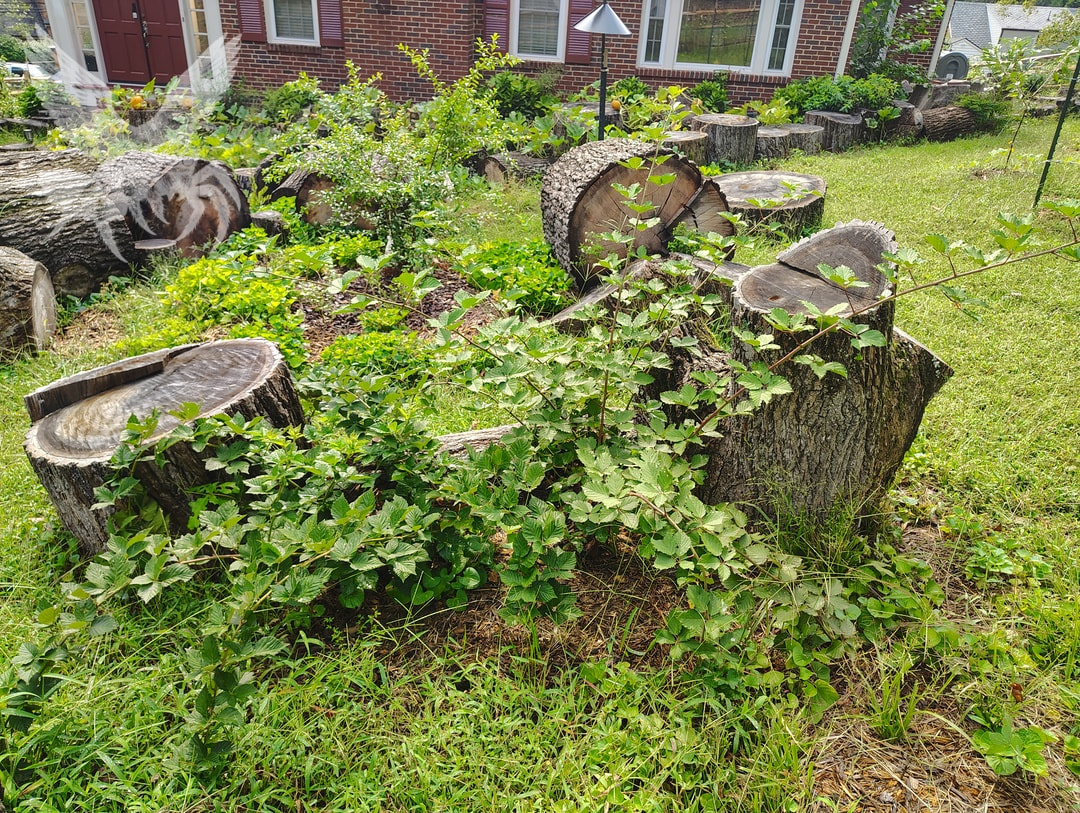
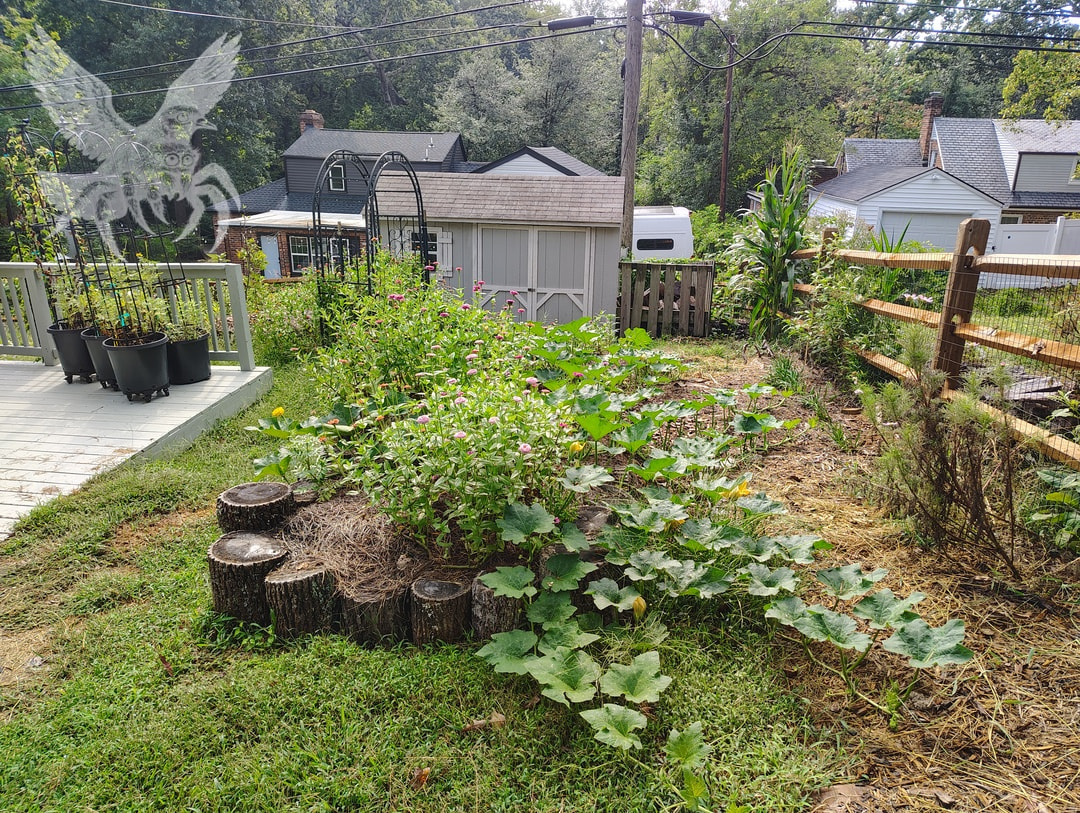
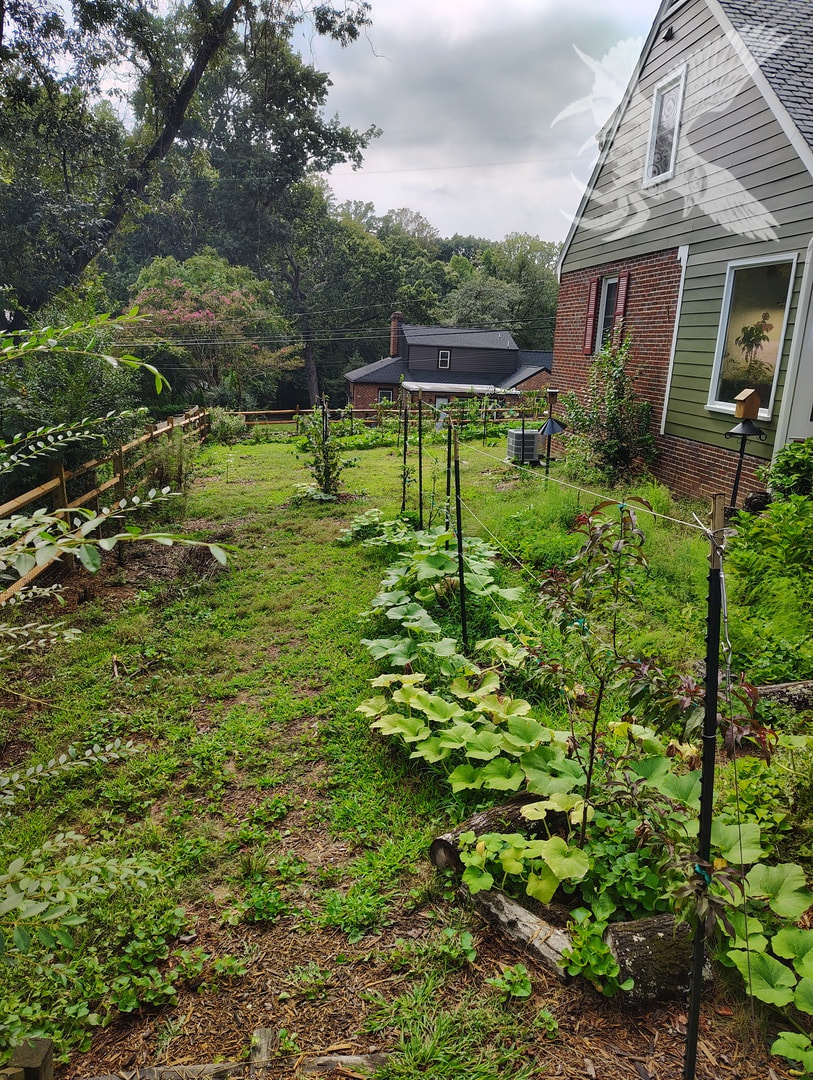
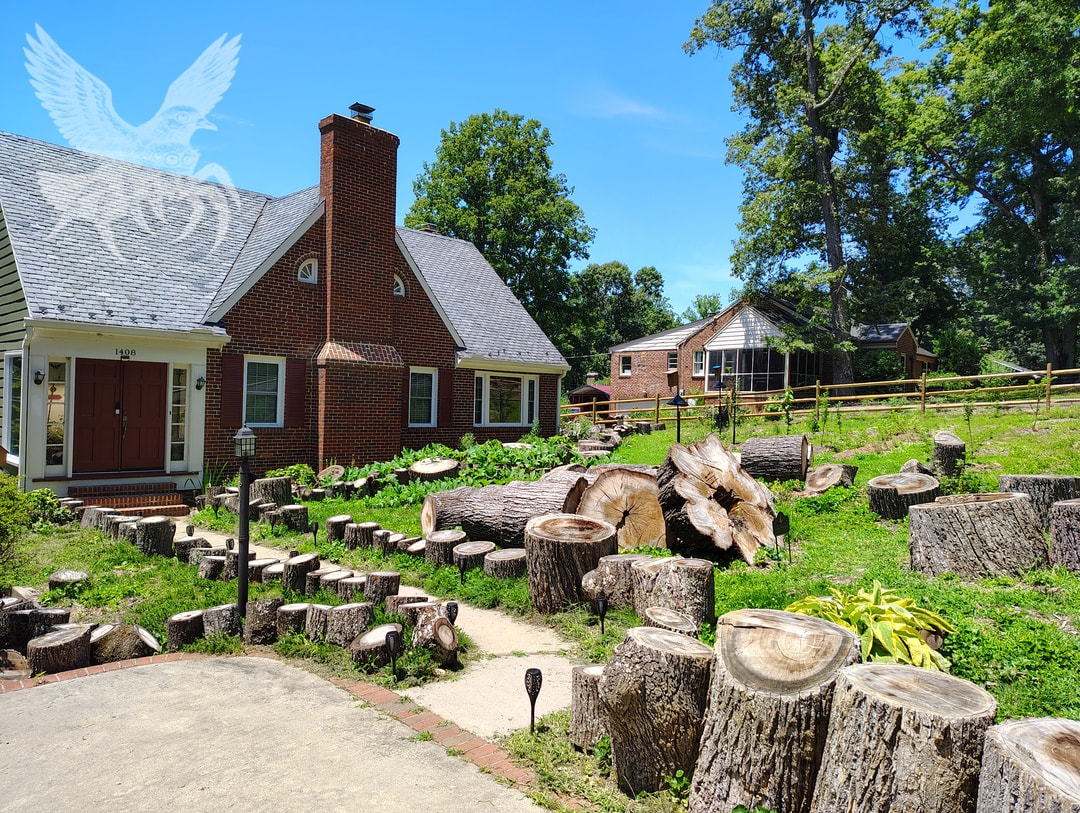
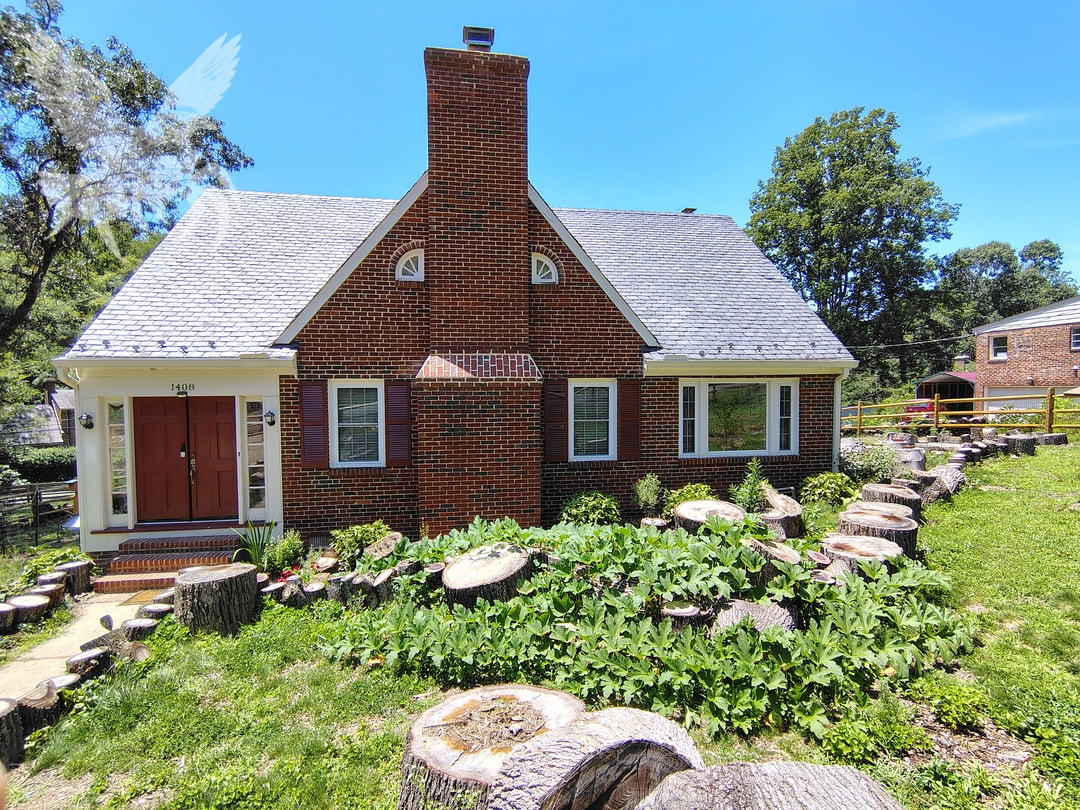
Hardwood log wattles integrated into a conservation landscape
Pre-ordered for planting in Spring 2027: -
62 fruit trees (mostly a diversity of apples). 58 of 62 will be either on espalier or incorporated into fruiting walls. As much as I want to do Belgian fences, the maintinence commitment and variation of vigor across selections concerns me, so planning Tall Spindles with 3’ spacing for fruiting walls instead.
Considering chill hours
I’ve spent just enough time thinking about chill hours so far- maybe not enough. Definitely not too much though, lol. The below visualization inlcudes the methodology and predictions I ultimately settled on.
One thing I continue to find frustrating is the uncertainty around reported chill-hour requirements for specific cultivars. Often, it isn’t clear which chill model was used to arrive at the reported number. And when a requirement is simply given as something like “hours below 45°F,” I’m not sure how much confidence to place in that value or how directly it can be compared with results from a more nuanced model like Utah.
I’d be interested to hear how others are resolving that discrepancy when selecting cultivars.
My current approach is to favor varieties whose chill requirements fall within ±0 to -1 Standard Deviation (SD) of the projected mean first, followed by ±0 to +1 SD. Finally, I want to make sure I have a meaningful number of varieties in the ±2 SD range so that the system remains productive even in unusually warm or cold winters.
It’s also worth noting that ±1 SD here corresponds to ±18% of the mean chill accumulation, which indicates winter temperatures are historically pretty volatile here.
Challenges
The root of what I’m trying to do here comes down to these two research questions:
-
Can biological feedback mechanisms be permanently incorporated to keep the system near the desired state, so that human intervention becomes increasingly corrective rather than continuously compensatory?
-
How much biological complexity and crop diversity can be superimposed on a FUWUFF without losing controllability?
Goals
-
To produce a diverse abundance of resources to support people, flora, fauna, and soil biology including: fruits, nuts, herbs, vegetables, compost, teas, mulch, nectar, habitat, fresh and dried flowers, fungal foods, beneficial biology (beneficial nematodes, aerobic protozoa, beneficial fungi). High-quality basketry materials would be nice, but is not a strict goal.
-
Slow, diffuse, infiltrate, redirect, and spatially distribute air and water flows.
-
Develop the soil system as a long-term biological infrastructure. I’ll do a more detailed post dedicated to current and target soil conditions, but overall it’s sandy loam with 3.3% soil organic matter (SOM). The long soil intro will include more on:
-
My intent to “speedrun” ecological succession, with the goal of developing soils around a 100:1 fungal-to-bacterial (F:B) ratio. Including current values
-
Compaction is my limiting factor in many areas but it’s being addressed with a multi-pronged approach between now and spring ‘27+.
-
-
5-6% SOM, sustainable with cyclical on site inputs only
-
0.23-0.25 g/g water holding capacity in soil
-
The desired transition is from continual compensatory intervention toward deliberate state maintenance.
- Pruning, training, harvesting, propagation, and selective succession management will remain necessary because the formal architecture is itself an intentional human construct being imposed on the system.
-
Support native predators to reach a balance with wildlife. Minimize efforts and negative impacts. I’ll go more into this later as well but for now:
-
I disproportionately support insectivorous birds by stocking my feeder with a mixture of mealworms and black soldier fly larvae (BSFL). From October to March I include suet cake as well. We still have a diversity of visitors, but rarely the cardinals and cowbirds which were once dominant. Now mockingbirds and eastern bluebirds living on site are each highly territorial of their areas. Chickadees, flycatchers, and hummingbirds don’t seem to bother them though.
-
We watched an adorable litter of Eastern cottontail bunnies grow up in a pumpkin patch outside our window, but I’ve never seen an adult bunny or significant damage from one. Just lots of hawks, vultures, the occasional eagle (so cool!).
-
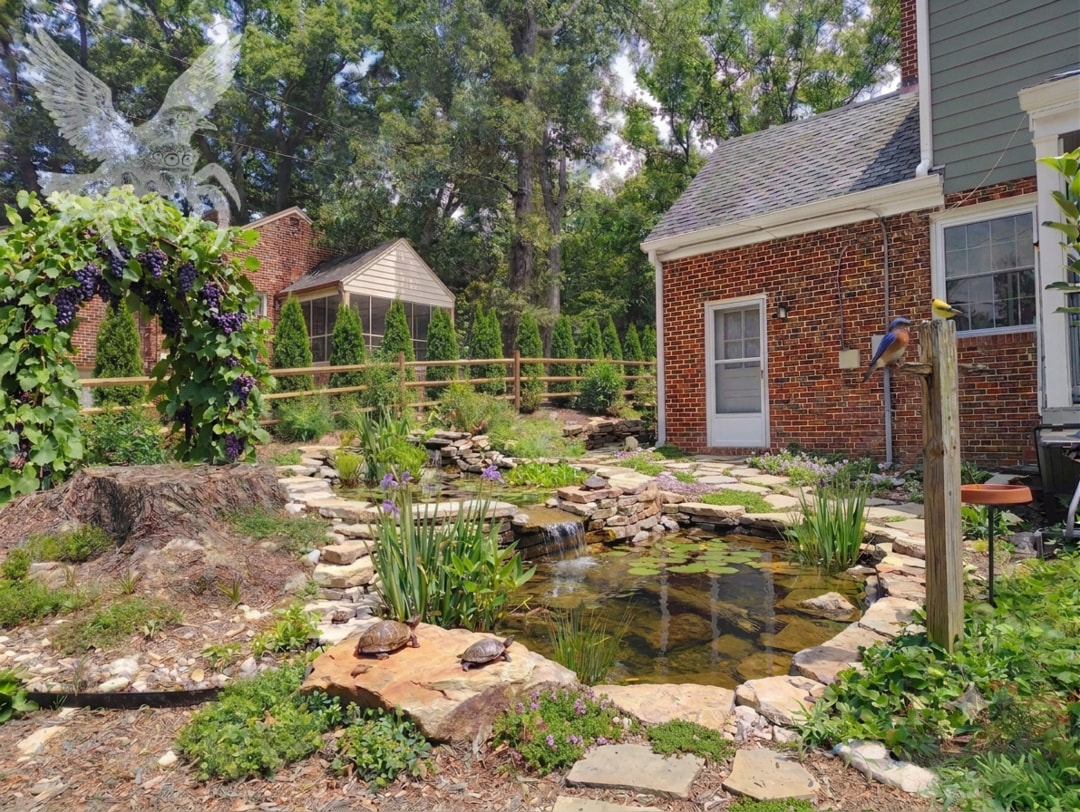
Eastern Ratsnakes have been spotted enjoying a rock habitat next to the compost area numerous times. I’ve never seen any mice or other rodents in that area though. We found (and framed lol) a slough next to the hugelkultur bed, so thinking it may live, or just enjoy that area too.
-
Plenty of grey treefrogs, although not in my toad abodes specifically… they are placed throughout what we call “mushroom kingdom” lol, that is the area where gourmet mushrooms are being cultivated on hardwood logs, cookie stacks, mulch beds, and a stump.
-
OK more on this top later, but
-
We seem to have reached an understanding with deer and squirrels (::knocks fervently on wood:: )
-
Loads of jumping spiders (including a couple of rescues who are now loving life in private apartments), stewarding native solitary bees, lots of predatory wasps and flies. Lots of big brown bats and skinks no berry bugs in the lawn or mosquitos in air like some neighbors have complained about. I saw a great horned owl perching on the fence one night too- that was incredible!
-
Herbaceous perennial selections driven by keystone host species and by tracing pest timing to primary predator to bloom shape and nectar timing. Then drove placement, in part, by proximity.
-
-
Plant Lists
OK here’s the good stuff:
While striving for a diversity of species the crops selections favor Malus Domestica Apples. Within apples, after disease resilience and chill hours suitability we are aiming to collect
-
A diversity of flavor profiles including: Tart and crisp, Spiced, Sweet and honeyed, Balanced sweet-tart, Wine-like, Sweet and fruity, Citrusy, and Nutty/earthy.
-
For diversity of uses including: Fresh eating, baking, sauces, pies, drying, pickling, winter and early spring fruits, sweet and hard ciders, small batch craft apple cider vinegars and shrubs.
Beyond apples, some selections are intended to see how far we can push the envelope in this system. They will be replaced as needed if unable to effectively overcome environmental pressures. I err on the side of removing early to avoid introducing unnecessary risk on the entire system.
(p) = Pre-ordered for planting early spring 2027
Almond (Experimental)
- 1x All in one Almond on Mariana 2624 Semi-dwarf Rootstock
Apple
-
(p) 2x Burford Redflesh Apple on G.16 Dwarf Rootstock
-
(p) 1x Chieftain Apple on G.210 Semi-Dwarf Rootstock
-
1x Cinnamon Spice Apple on MM106 semi-dwarf rootstock
-
(p) 2x Claygate Pearmain Apple on G.11 Dwarf Rootstock
-
(p) 2x Dabinett Apple on G.214 Dwarf Rootstock
-
(p) 2x Dolgo Crabapple on G.16 Dwarf Rootstock
-
(p) 4x Edelborsdorfer Apple on G.210 Semi-Dwarf Rootstock
-
3x Enterprise Apple on EMLA 27 Mini-Dwarf Rootstock
-
(p) 1x Enterprise Apple on G.214 Dwarf Rootstock
-
(p) 1x Fenouillet Gris Apple on G.11 Dwarf Rootstock
-
(p) 1x Galarina Apple on G.11 Dwarf Rootstock
-
(p) 2x Gilpin Apple on G.210 Semi-Dwarf Rootstock
-
(p) 2x Harrison Apple on G.890 Half-Standard Rootstock
-
1x Honeycrisp Apple on Unknown Rootstock
- Experimental, planted as a reference point in spring 2025
-
(p) 1x InitialTM X-6163 Apple on G.890 Half-Standard Rootstock
-
(p) 1x Jonalicious Apple on G.890 Half-Standard Rootstock
-
(p) 1x Kandil Sinap Apple on G.11 Dwarf Rootstock
-
(p) 1x Keepsake Apple on G.890 Half-Standard Rootstock
-
(p) 2x Kinnaird’s Choice Apple on G.210 Semi-Dwarf Rootstock
-
(p) 1x Liberty Apple on G.41 Dwarf Rootstock
-
(p) 1x NY 35 (Bonkers) Apple on G.41 Dwarf Rootstock
-
(p) 1x Redfree Apple on G.210 Semi-Dwarf Rootstock
-
(p) 1x Sieversii #8 (PI 613984) Sieversii Apple on G.210 Semi-Dwarf Rootstock
-
(p) 1x Stokes Poveshon Apple on G.11 Dwarf Rootstock
-
(p) 8x Sundance Apple on G.41 Dwarf Rootstock
-
(p) 2x Sweet Sixteen Apple on G.41 Dwarf Rootstock
-
(p) 1x Tsugaru Apple on G.890 Half-Standard Rootstock
-
(p) 3x Williams Pride Apple on G.11 Dwarf Rootstock
Apricot
-
1x Harglow Apricot on St. Julien A Dwarf Rootstock
-
1x Puget Gold Apricot on St. Julien A Dwarf Rootstock
Cherry
-
(p) 1x Meteor Cherry (Sour) on Krymsk 6
-
(p) 1x Surefire Cherry (Sour) on Krymsk 7
-
1x Black Gold Cherry (Sweet) on Gisela 3 Mini-Dwarf Rootstock
-
1x White Gold Cherry (Sweet) on Gisela 3 Mini-Dwarf Rootstock
Fig
-
1x Celeste Fig on Own roots
-
1x Chicago hardy Fig on Own roots
-
1x LSU Purple Fig on Own roots
Hazelnut
-
1x Grand Traverse Hazelnut on Own roots
-
1x The Beast Hazelnut on Own roots
Jujube
-
1x Honey Jar Jujube on Ziziphus jujuba seedling
-
1x Li Jujube on Ziziphus jujuba seedling
Mandarin (Experimental)
-
1x Owari Satsuma Mandarin on Flying Dragon rootstock
- Planted 6’ in front of southern-facing brick wall
NectaPlum
- 1x Spice Zee NectaPlum on Viking Standard Rootstock
Nectarine
-
(p) 1x Ozark Mango Nectarine on BY520-9 Standard Rootstock
-
1x Red Gold Nectarine on Nemaguard Standard Rootstock
Paw Paw
-
1x Potomac Paw Paw on Asimina triloba rootstock
-
(p) 1x Shenandoah Paw Paw on Asimina triloba rootstock
- Failed to thrive in 2026 due to inadequate shade, retrying in spring 2027
Peach
-
(p) 1x Contender Peach on BY520-9 Nematode Resistant Rootstock
-
1x Saturn Peach on St. Julien A Dwarf Rootstock
- Experimental
-
1x Veteran Peach on Citation Semi-Dwarf Rootstock
Pear
-
1x Maxie Pear (Asian x European) on OHxF 87 Semi-Dwarf Rootstock
-
(p) 1x Korean Giant aka Olympic Pear (Asian) on OHxF 97 Standard Rootstock
-
(p) 2x Shinko Pear (Asian) on OHxF 97 Standard Rootstock
-
(p) 1x Chapin Pear (European) on OHxF 87 Semi-Dwarf Rootstock
-
(p) 1x Cold Snap Pear (European) on OHxF 87 Semi-Dwarf Rootstock
-
1x Conference Pear (European) on OHxF 87 Semi-Dwarf Rootstock
-
(p) 1x Magness Pear (European) on OHxF 87 Semi-Dwarf Rootstock
-
(p) 1x Potomac Pear (European) on OHxF 87 Semi-Dwarf Rootstock
-
(p) 1x Shenandoah Pear (European) on OHxF 87 Semi-Dwarf Rootstock
Persimmon
- 1x Jiro Persimmon (Fuyu) on D. lotus Semi-Dwarf Rootstock
Pluerry
-
1x Flavor Punch Pluerry on Citation Semi-Dwarf Rootstock
-
1x Sweet Treat Pluerry on Myro 29C Semi-Dwarf Rootstock
-
(p) 1x Obilinaja Plum (Japanese Plum x Pluerry) on Krymsk 1 Semi-dwarf Rootstock
Plum
-
(p) 1x Byrongold Plum (Asian) on Myrobalan Standard Rootstock
-
(p) 1x Rubysweet Plum (Asian) on Myrobalan Standard Rootstock
-
1x Blau de Belgique Plum (European) on St. Julien A Dwarf Rootstock
-
(p) 1x Damson Plum (European) on Myrobalan Standard Rootstock
-
1x Geneva Mirabelle Plum (European) on St. Julien A Dwarf Rootstock
-
(p) 1x Jam Session Plum (European) on Myrobalan Standard Rootstock
Pluot (Experimental)
-
1x Dapple Dandy Pluot on Mariana 2624 Semi-dwarf Rootstock
-
1x Flavor Grenade Pluot on Myro 29C Semi-Dwarf Rootstock
-
1x Flavor Supreme Pluot on Myro 29C Semi-Dwarf Rootstock
Pomegranate
-
1x Azadi Pomegranate on Own roots
-
1x Wonderful Pomegranate on Own roots
- Experimental
Blackberry
-
1x Arapaho Blackberry
-
1x Caddo Blackberry
-
1x Chester Blackberry
-
1x Hull Blackberry
-
1x Snowbank Blackberry (White)
Blueberry
-
1x Aurora Blueberry (Northern High Bush)
-
1x Chandler Blueberry (Northern High Bush)
-
1x Earliblue Blueberry (Northern High Bush)
-
1x Jersey Blueberry (Northern High Bush)
-
1x Powderblue Blueberry (Rabbiteye)
-
2x Premier Blueberry (Rabbiteye)
-
1x Emerald Blueberry (Southern High Bush)
-
1x Misty Blueberry (Southern High Bush)
-
1x Sunshine Blue Blueberry (Southern High Bush)
-
1x Pink Lemonade Blueberry (Special/Solo)
Honeyberry
-
1x Yezberry Maxie Honeyberry
-
1x Yezberry Solo Honeyberry
Hardy Kiwi (with a containment plan)
- 1x Annasnaja (Female) Kiwi (Hardy) + 1x Male Kiwi (Hardy)
Raspberry (in 15 gallon pots)
-
1x Royalty Raspberry (Purple)
-
1x Joan J Raspberry (Red)
-
1x Anne Raspberry (Yellow)
Strawberry (2x towers)
- 40x Albion Strawberry
Asparagus
- ~100 sq ft Jersey Jumbo Asparagus
- ~100 sq ft Purple Passion Asparagus
Flowering Herbaceous Native/Nativar Perennials
-
50x Asclepias syriaca (Milkweed), straight species
-
38x Baptisia ‘Lunar Eclipse’ (False Indigo x Wild Indigo)
-
50x Liatris spicata ‘Dense Blazing Star’
-
50x Monarda Bradburiana (Eastern Beebalm)
-
50x Pycnanthemum Flexuosum (Appalachian Mountainmint)
-
32x Schizachyrium scoparium (Little Bluestem) ‘Twilight Zone’
- This is my C4 photosynthesis plant
-
50x Solidago Rugosa (Goldenrod) ‘Fireworks’
-
50x Symphotrichum Oblongifolium (Aromatic Aster)
-
8x Achillea millefolium (Yarrow) Lilac Beauty
-
8x Achillea millefolium (Yarrow) Paprika Red
Evergreen Windbreak; nativar unless noted otherwise
-
7x Juniperus virginiana (Eastern Redcedar) ‘Taylor’ on Hetzi Rootstock
-
54x Ilex glabra (Inkberry Holly) ‘Squeeze Box’
-
7x Kanjiro Camellia sasanqua (non-native)
-
6x Shishi Gashira Camellia sasanqua (non-native)
-
7x Yuletide Camellia sasanqua (non-native)
-
2x Morella cerifera (wax myrtle) ‘Don’s Dwarf’
Perennial Herbs and Spices
-
50x Saffron Autumn Crocus
-
1x Phenomenal French Lavendar
-
2x Arp Rosemary
Chop and Drop Herbaceous Perennials
-
28x Comfrey ‘Bocking 14’
-
1x Comfrey ‘Variegated Axminster Gold’
Groundcover Herbaceous Native Perennials
-
148x Carex Pensylvanica
-
56x Packera aurea (Golden Ragwort)
-
Propegating existing:
-
Phlox subulata
-
Common Blue Violet
-
Wild Strawberry
-
American Plantain
-
Wood Sedge
-
White clover (overseeded)
-
Mini clover (overseeded)
-
Gourmet Mushrooms
-
2x Lion’s Mane Mushroom on Black Oak Cookies
-
3x Reishi Mushroom on Red Oak Logs
-
4x Shiitake ‘Double Jewel’ on Black Oak Logs
-
4x Shiitake ‘WR-46’ on Black Oak Logs
-
1x Shiitake ‘WR-46’ on Red Oak Stump
-
1x Summer Oyster on Tulip Poplar Stump
-
~30 sq ft Wine cap on Shredded Hardwood Mulch







 if for not other reason, they bloom after most other things and distract the birds a bit from your other Berry bushes.