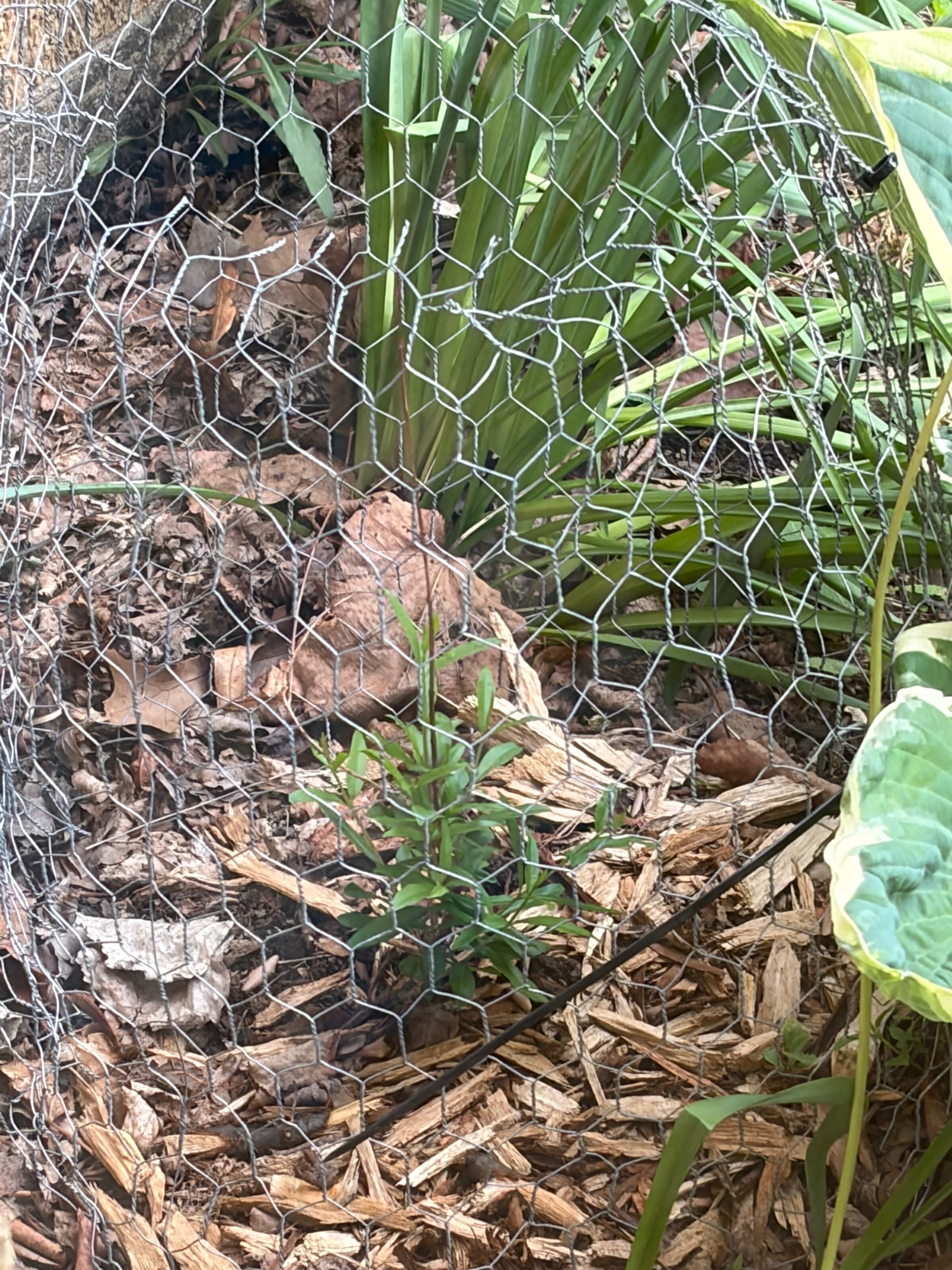
Hey Ben, welcome to the forum! That’s awesome! I’m out in the Northern burbs of Chicago too, this is making me really want to expand into pomegranate territory.
Hey thanks a lot. You definitely should. This was the eBay store I purchased it from: fibonacci279
They were whips. If you have anymore questions, please let me know. But all I can tell you is in the right spot I find them hardier than Chicago Hardy Figs. Hopes this helps. Have a great night.
The label is due to a user with screen name “Chicago” who lived near the Atlantic coast.
Hey Richard, wow really? I didn’t know that. The Chicago Hardy figs were from the Atlantic Coast? The stories I heard was that it was found in South Chicago brought by Italian immigrants. Was it originally found on the Atlantic Coast? That’s interesting.
I wish you luck, but from personal experience in what is now classified as zone 7(20 miles north of the TN/KY line), surviving as a die-back shrub will not necessarily ever translate into fruit production.
I had Salavatski, Kazake, and Suhr Anorh that survived here for a decade or more, resprouting from the roots annually, but never got any fruit
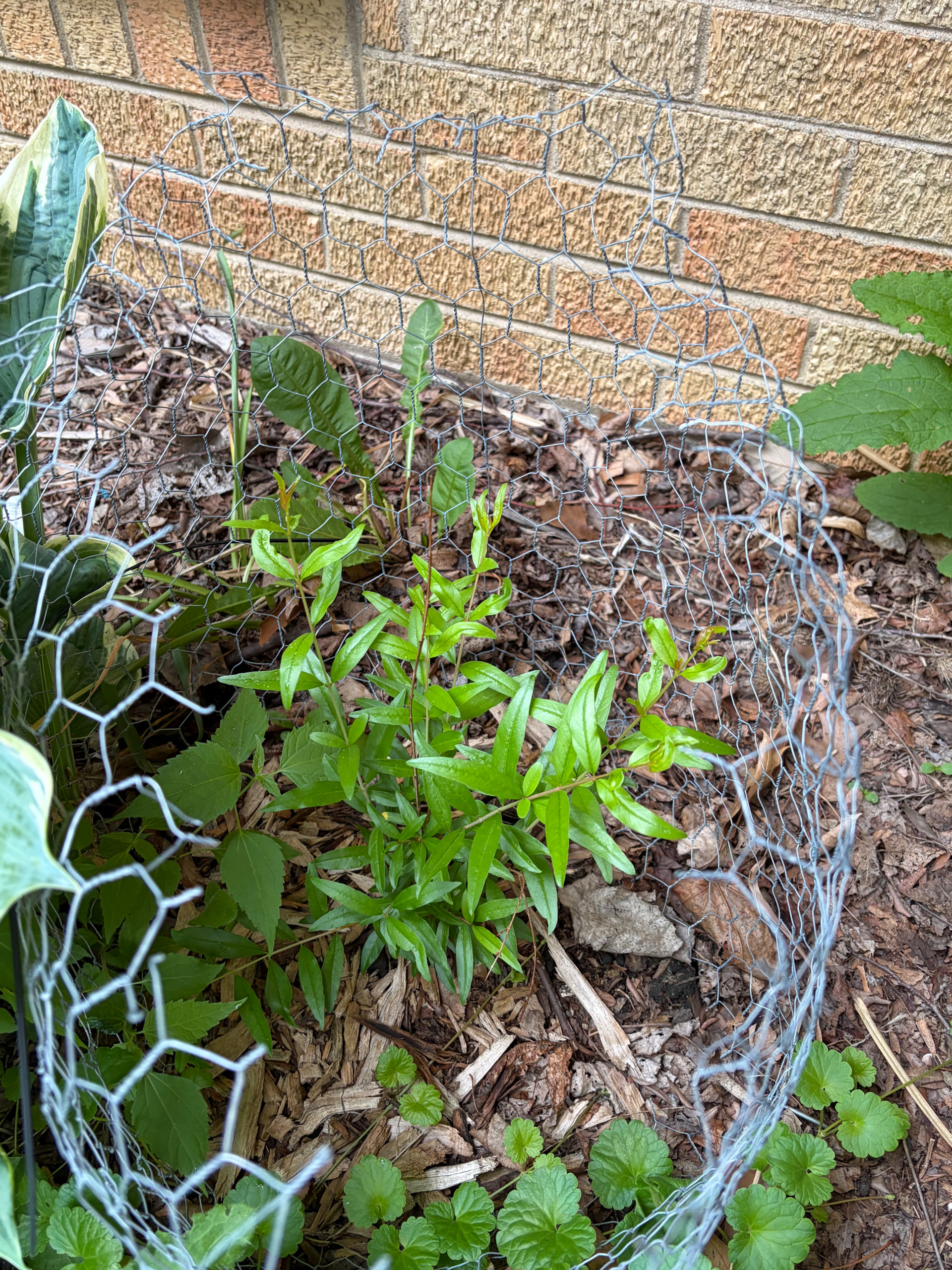
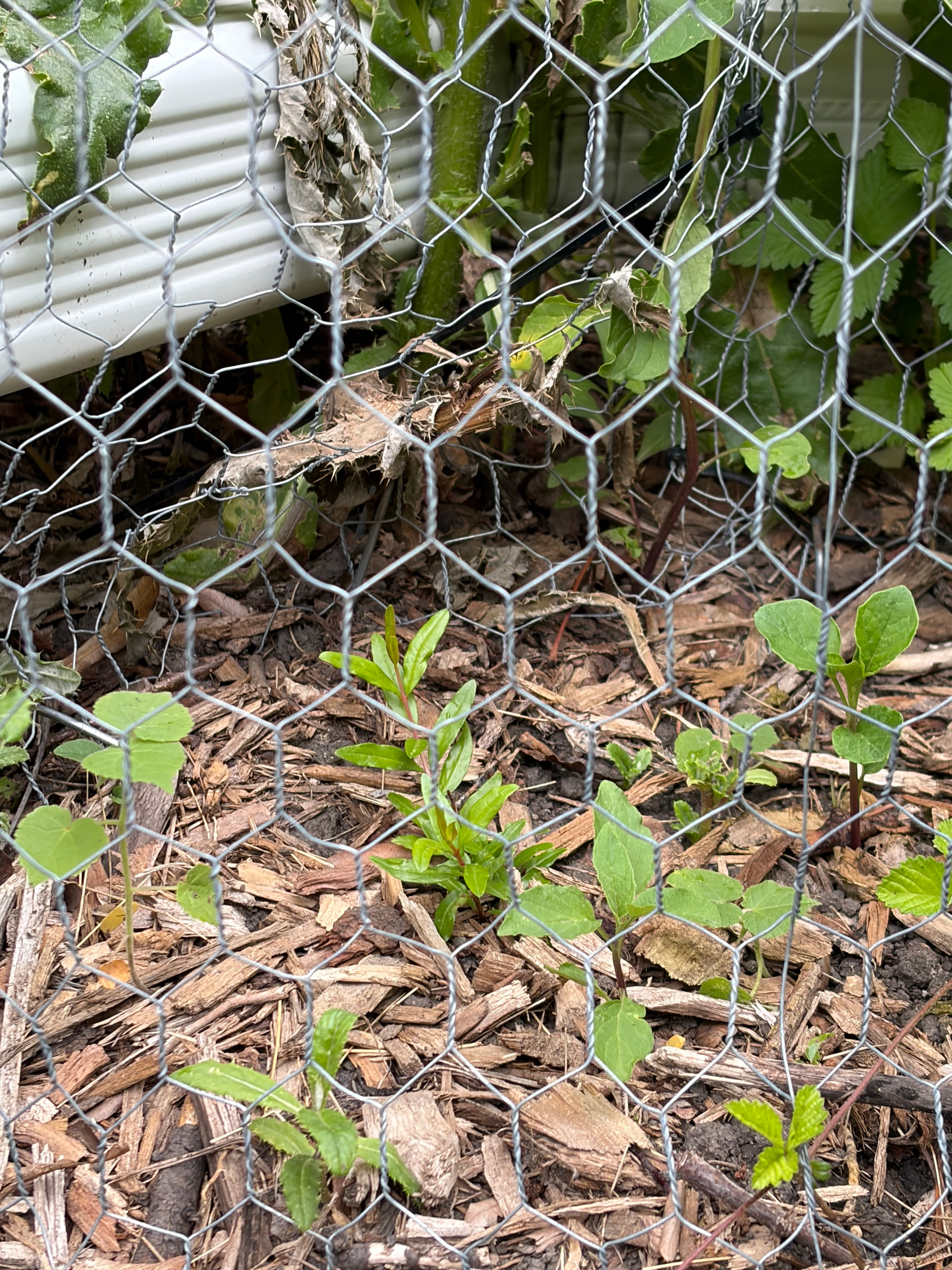
Hey thanks a lot. Really? Can you share some photos of what they look like? Have they flowered? Do you also provide them with winter protection? I have my main one tucked in between a south east brick wall. So it doesn’t get the brutal winter winds. This one didn’t die back to the ground and made side branching. Out of all of the varieties you grow, does one seem hardier than the others?
They are no longer here. After 15+ yrs of struggling, I dug up the last two survivors. They were outplanted in the orchard with no protection. A couple of times, they reached 4 ft in height for a year or two without being killed back to the ground. In a protected microclimate such as you have described, they might survive and fruit. With some added winter protection - like a ‘fig house’ that some northern growers have used - you might even get away with no winter-kill, idk.
‘Surh Anor’ was the longest surviving variety for me - I had originally obtained a dozen or more of the most ‘cold-hardy’ pomegranate selections from NCGR, but only Surh Anor, Salavatski, and Kazake made it past the first couple of winters.
Oh wow. I am sorry to hear that. Due to your zone I am very optimistic for you. When I asked AI, they said the heat sink from the south east facing wall could potentially push the zone up to 7b or 8a. Do you have a protected spot? I think try again with your hardiest pomegranate varieties if you want and place at your most protected location. If they were out in the open the winter wind and desiccation probably damaged the plants and with no protection made them die back to the ground. You should definitely try again. I bet you would get fruit in the right location.
… originated with a nursery in PA. The second part is true, it was brought by immigrants from L’Aquila IT.
… you received speculation.