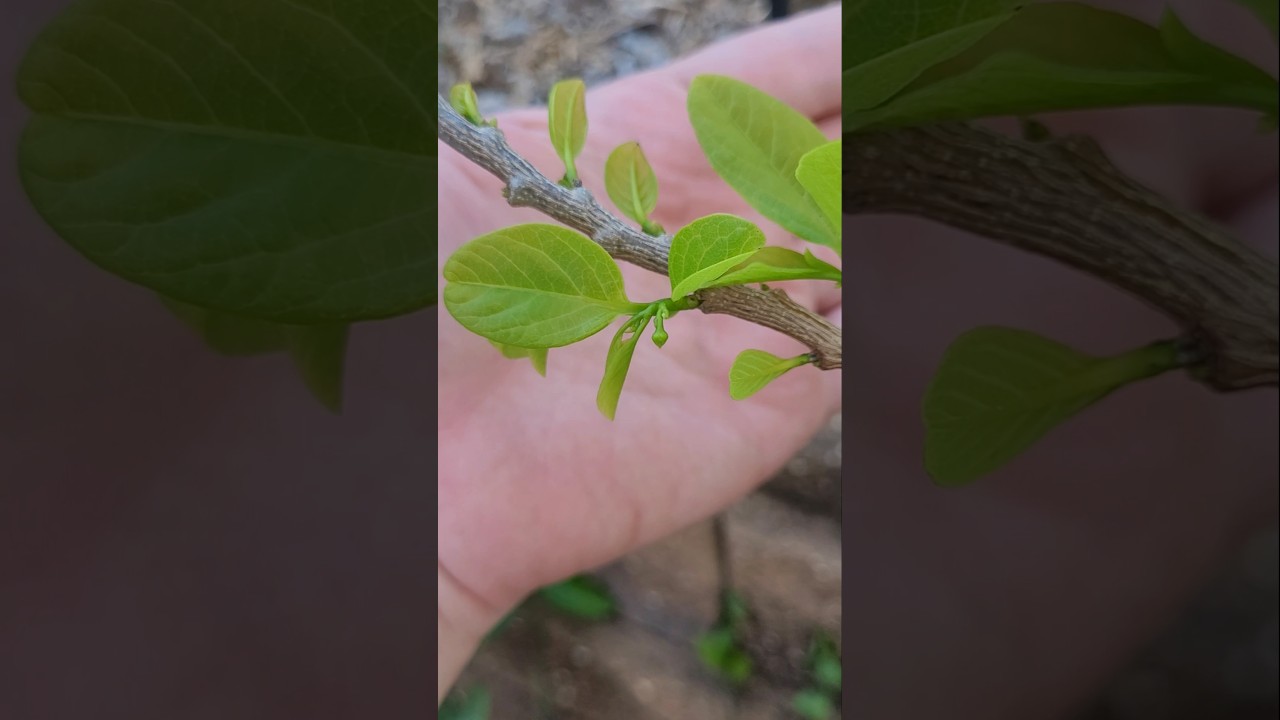
I grew these sugar apples (annona squamosa) and cherimoyas (annona cherimola) from seed. My oldest Cherimoya was 5 or 6 years old, I defoliated it in the spring but it never regrew leaves. I think I might have also defoliated when bringing it indoors last fall due to pests, so defoliating again in the spring might have been a bad move. It never made new leaves. (Defoliating the trees simulates a dormancy period, which they do not get to experience since I move the containers indoors from fall to spring.) However a 3 or 4 year old seedling flowered in the summer! It didn’t set any fruit though, but I have repotted it and it has put on a lot of new growth.
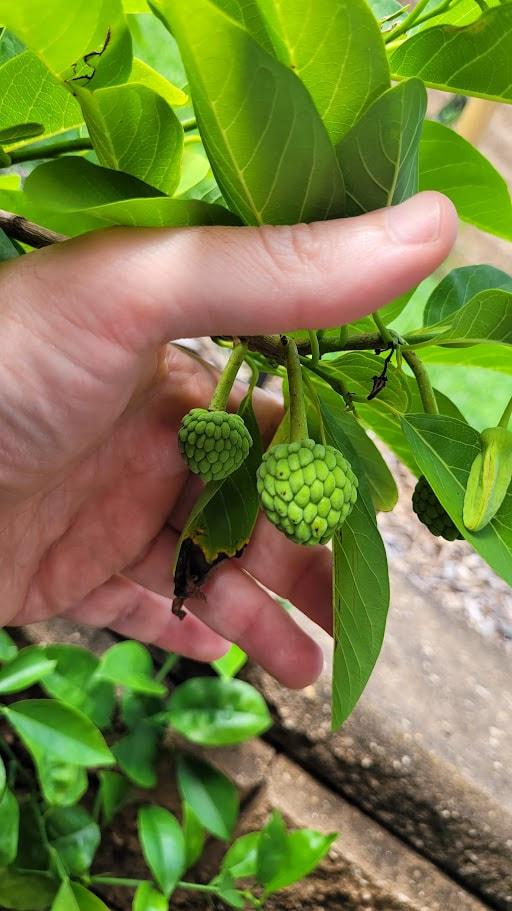
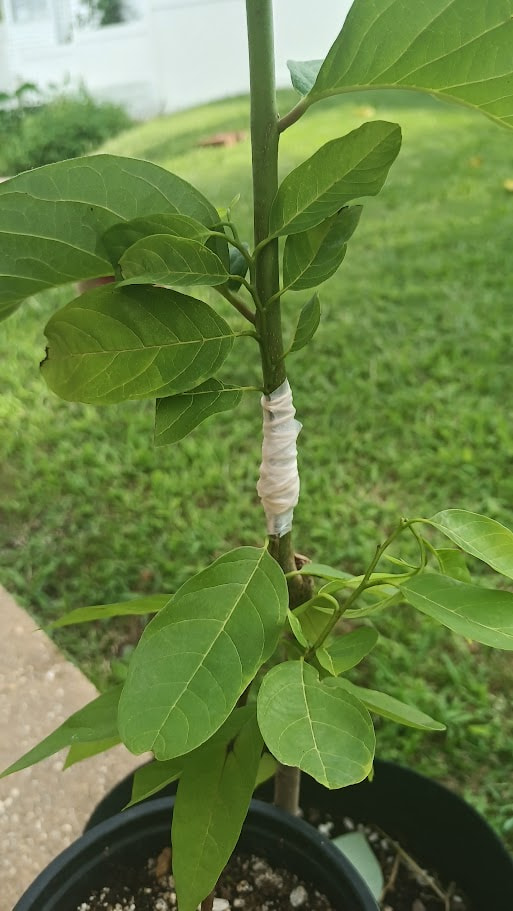
On the other hand a 2 year old seedling sugar apple (annona squamosa) is currently holding about 10 fruit. Yes it only took 2 years to flower. In a container in New Jersey no less! I actually sped it up/ gave it a boost by grafting it to an established cherimoya rootstock which was 2 or 3 years old when I did the graft. The original sapling sugar apple on its own roots also flowered! Though it is only holding 2 fruit.
I have to update the video since that was back in June! Will show how the fruit looks on both the grafted and the own root sapling. Will also update on the cherimoyas.
Yes, there is a lot of controversy surrounding the compound annonacin. I have pawpaw trees as well, but I don’t eat more than a few fruits here and there, and they are only available for such a short time. In the tropics, these related fruits are more widely available and more popular (frozen for later use/ processed in other forms, and also including drinking teas and supplements made from the dried leaves).
As the saying goes, “the dose makes the poison.” So the amount consumed, frequency of consumption, and how much is actually absorbed (definitely do not eat the skin or seeds!) all matter when assessing the risk!
There is no controversy surrounding annonacins. They are neurotoxins. In medically refined dosages, they are used to kill cancer cells by injection. But since they can pass through the brain blood barrier and kill brain cells, there is also a life-time limit on the number of injections per patient. There is no recovery of memories lost to brain cell death, and it is very difficult to restore CNS function lost to brain cell death. Annonacin drinks and powders are banned in the USA.
Fruit sellers have managed to keep the doors open through political lobbying, no different than tobacco. Neurologists don’t eat the fruits because they have no desire to kill brain cells.
Respectfully my thread isn’t here to debate annonacin. I’m just showing what can be accomplished growing these plants in a pot. There are several threads about this already.
But on that note, there is plenty of controversy- a lot of it being that some of the neurotoxicity research that is cited all of the time when these fruits are discussed were done on cells (in vitro) or small animals at exposure levels that do not directly compare to what someone gets from eating a few fruits. A human would have to eat something equivalent to 30lbs in one sitting which is what I had in mind in my comment about dosage.
And saying annonacin drinks and powders are “banned” in the U.S. is misleading. The FDA has restricted certain soursop/graviola products and products making medical claims, but that’s not the same thing as a ban. You can buy graviola capsules on Amazon right this moment.
This supplement is made in the USA:
While we are on the topic, and if it might dissuade/persuade someone to consume these fruits: Here is the order from higher to lower reported annonacin among the most popular annonas (some cultivars within the species might be higher or lower):
Soursop (Annona muricata) ~0.768 mg/g dry pulp
Pawpaw (Asimina triloba) ~0.070 mg/g fresh pulp (dry pulp not usually consumed due to gastric distress ask me how I know)
Sugar apple (Annona squamosa) ~0.0022 mg/g dry pulp
Cherimoya (Annona cherimola) insufficient comparable data but said to be the lowest
Final note- I personally don’t think it’s a problem for me, due to overall low consumption, but I appreciate that this always comes up (in every thread lol). Or maybe my neurons are already dead. I am a lost cause
It’s amazing that you can grow sugar apples in NJ!! My next question is if you could ripen your fruit in time. I am in zone 6 and have shorter time for heat/sunlight but your trial sound interesting.
I love sugar apples. I don’t care for cherimoyas. I grow and eat pawpaws but I start to feel nauseous if I eat more than one in a sitting. I can eat a lot of sugar apples, just don’t accidentally chew on seeds as toxin concentrated in seeds.
I will definitely report on this. My sugar apple technically flowered later than ideal, I could have defoliated it a little sooner to induce the flower buds since the fruit can take between 90-110 days from setting to maturity.
If I am able to ripen in 90 days that will put it at around Halloween/ 1st week of November. Our nightly temps will be in the 40s and possibly 30s with frost so before that happens I think I will be moving the plant inside where I have a grow tent with LED lighting. What I am worried about is the cooler night time temps triggering dormancy before I move it, so I think leaving the pot out later than end of September (end of summer) might not be a good idea. I’ll have to watch the temps closely and will decide. I do have a greenhouse outdoors but the heat will not kick on until 35 degrees which is too cold anyway.
Pawpaw has given me horrible gastric problems but that was before learning not to cook or dehydrate it . But the fruit is so rich I rarely eat more than a couple.
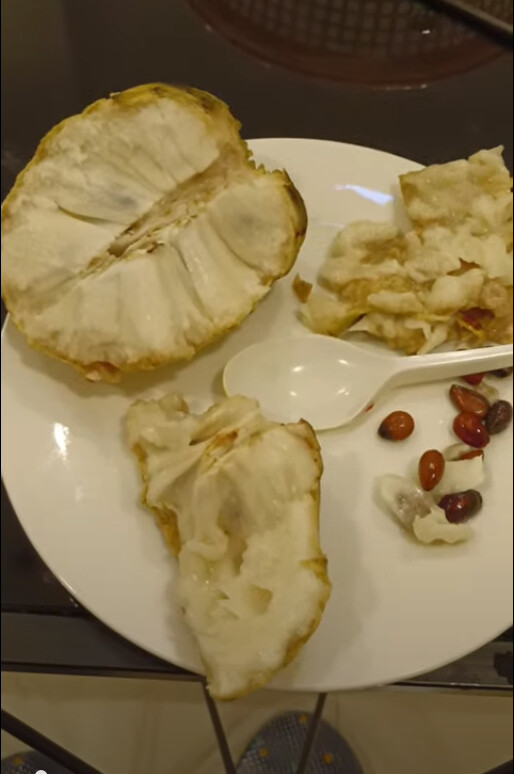
And yes definitely avoid the skin and seeds on all annonas. Sugar apples especially being very seedy. I do like that cherimoya can be eaten with a spoon when cut in half. I’ve only tried some I had delivered from California which were very nice, the seeds of those fruits are actually where my rootstocks came from. The theoretical fruit on those would take way longer than sugar apple to grow and ripen but that is an experiment for the future lol
“Chewey” texture reminds me more of cherimoya than sugar apples. I am not sure I would call the other kind of sugar apples’ texture “gritty”, either. I have eaten them in Thailand growing up. I thought the texture was smooth. Although sugar apples are seedy, the taste, texture and fragrance is to my liking.
I don’t think the tree should experience a temperature swing so don’t leave the tree outside too long.
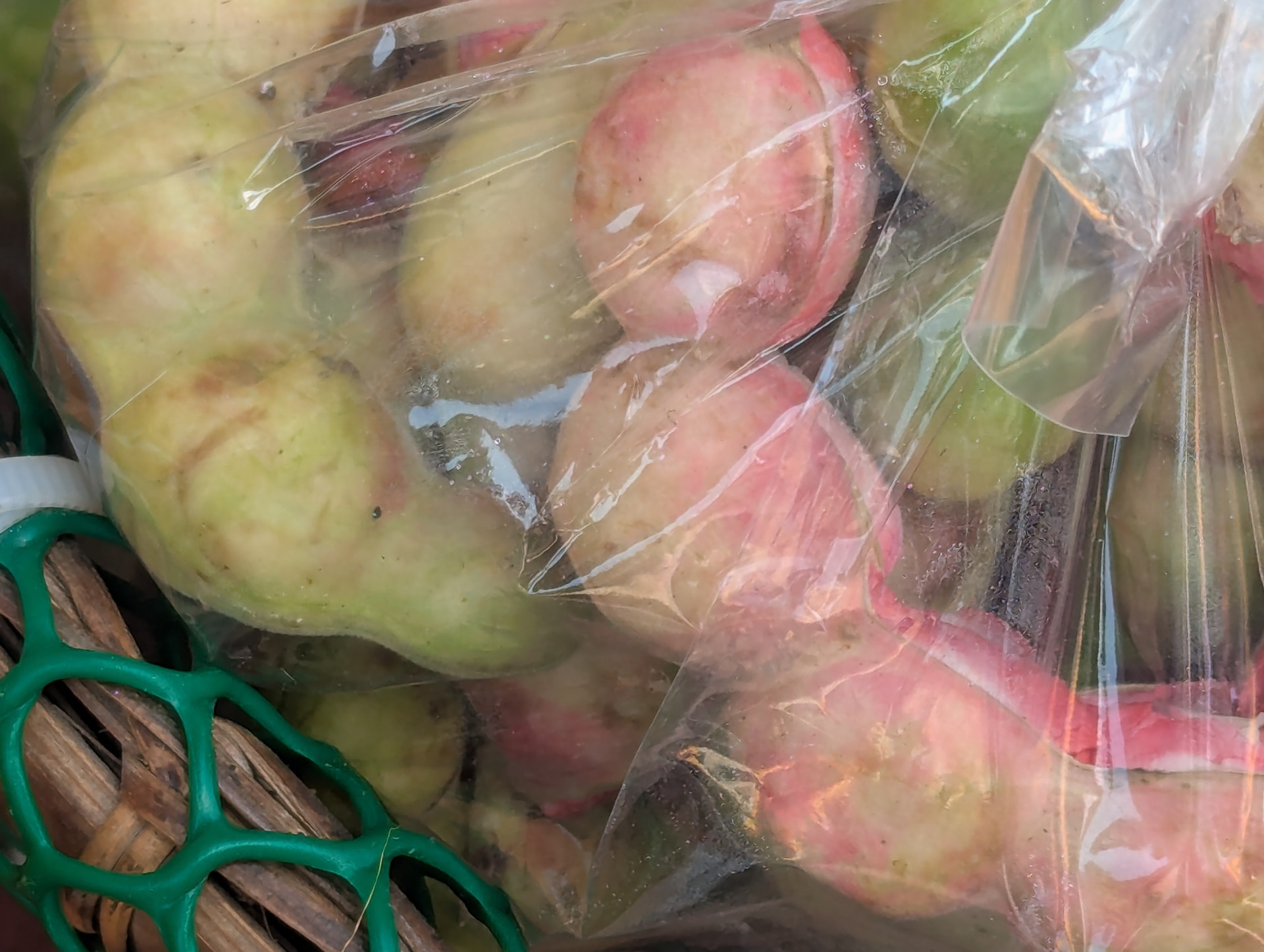
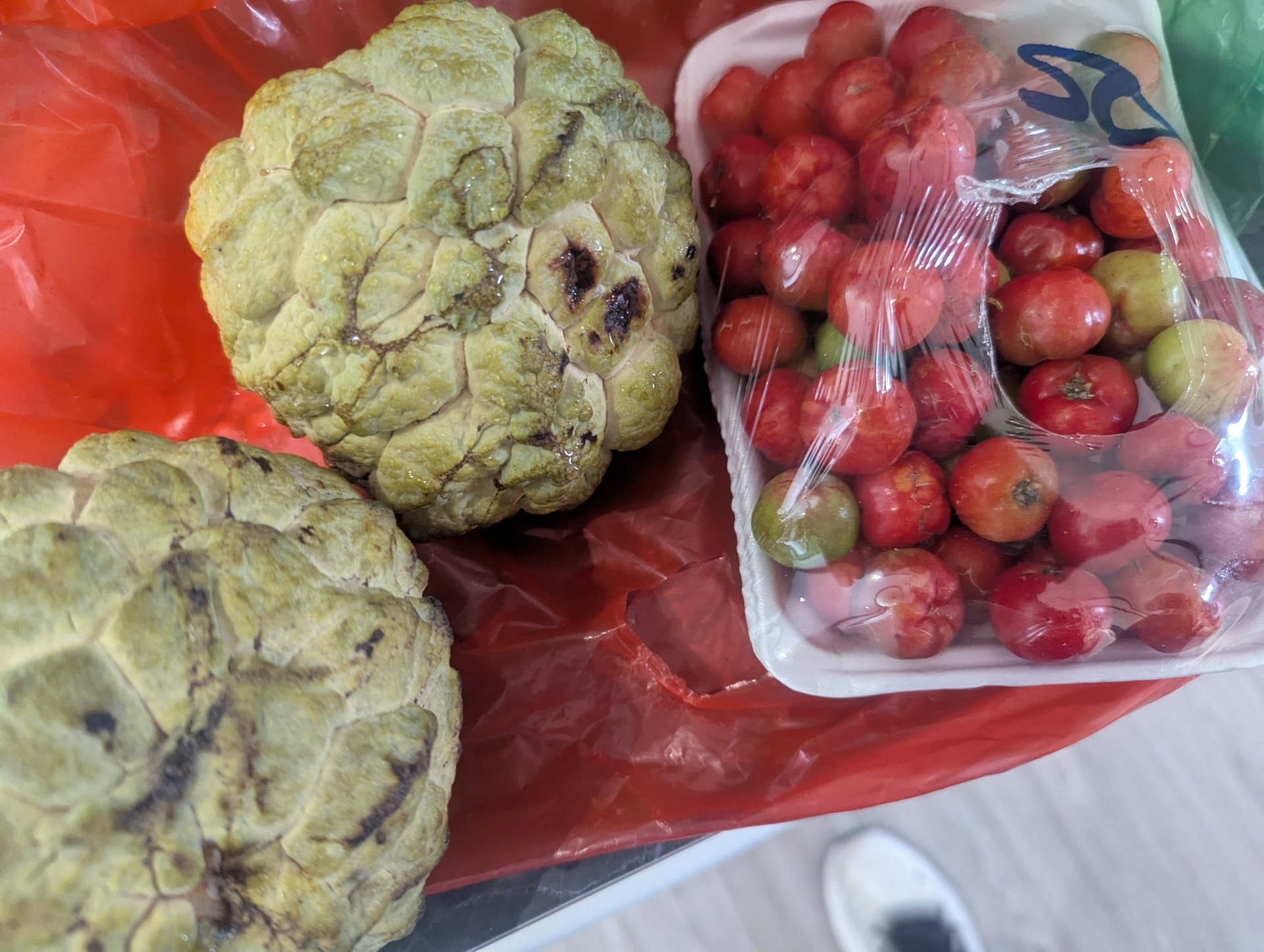
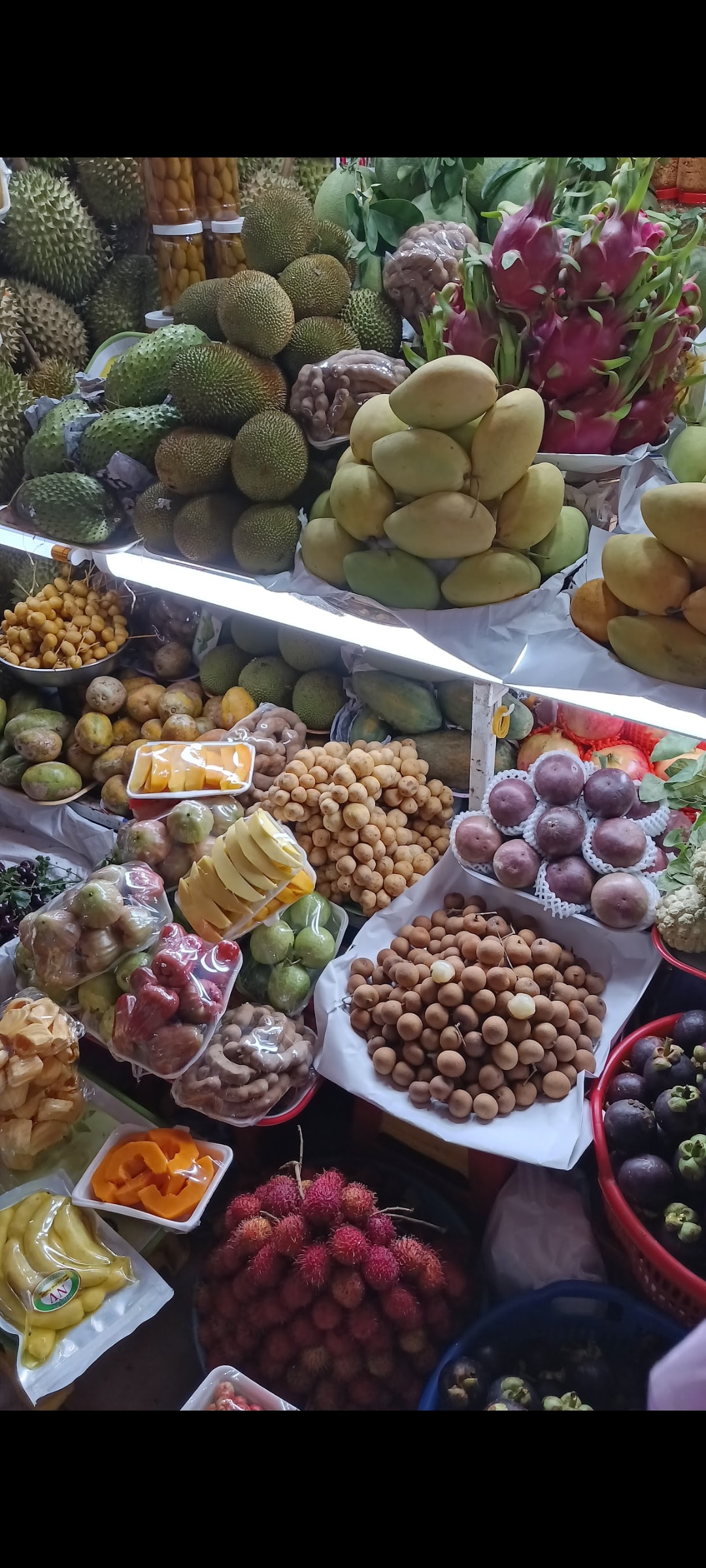
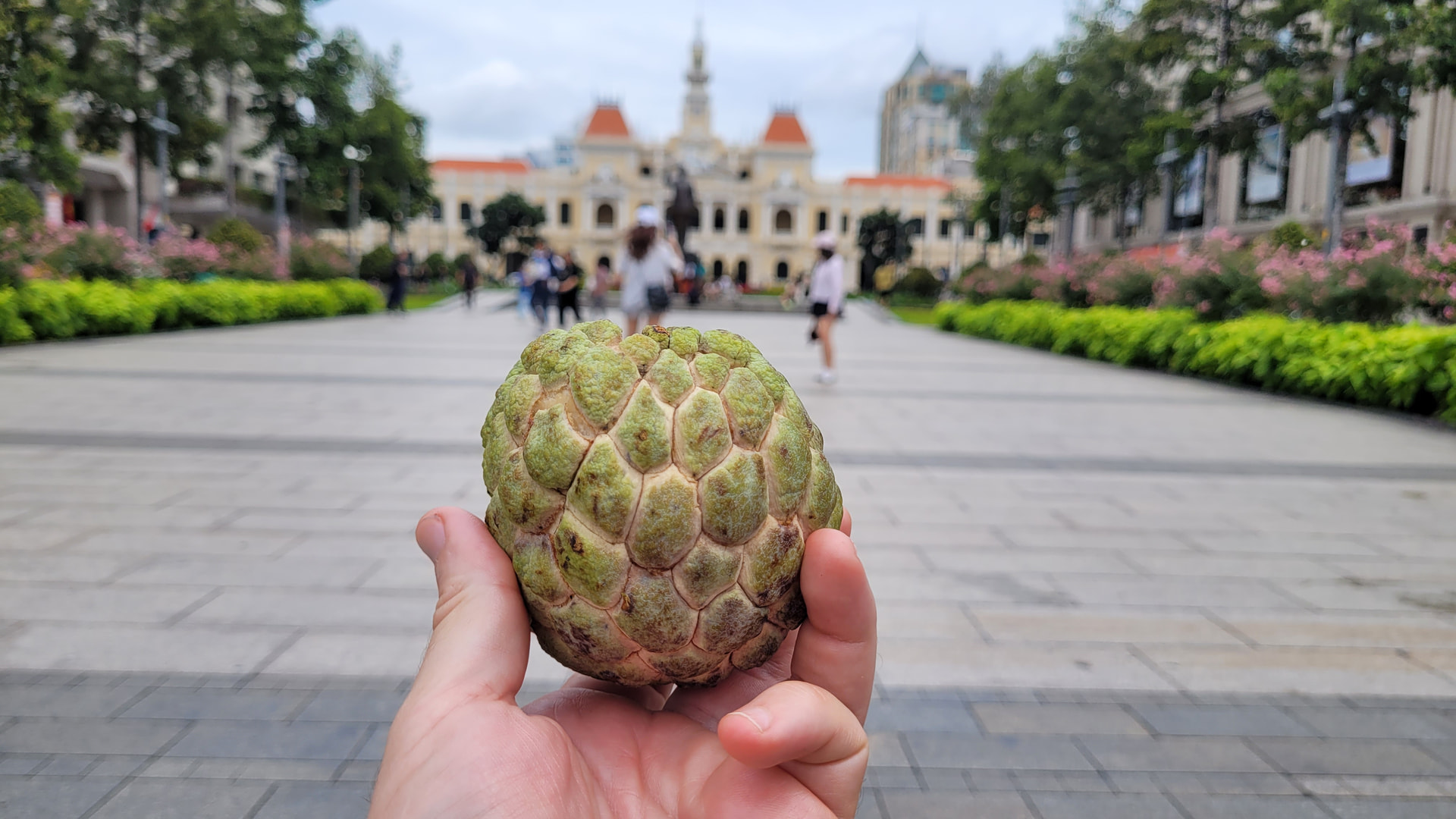
Thanks for sharing your experience. I remember in Vietnam (first time I tried these in 2023, then again in 2025 from my previous pic) the vendor mentioned the types which in Vietnamese are called Mãng cầu dai (Na dai), Mãng cầu bở (Na bở) which translates to sugar apple firm and sugar apple soft. (forgot to add context that I bought the original seedling from a Vietnamese guy in Florida in 2024 lol)
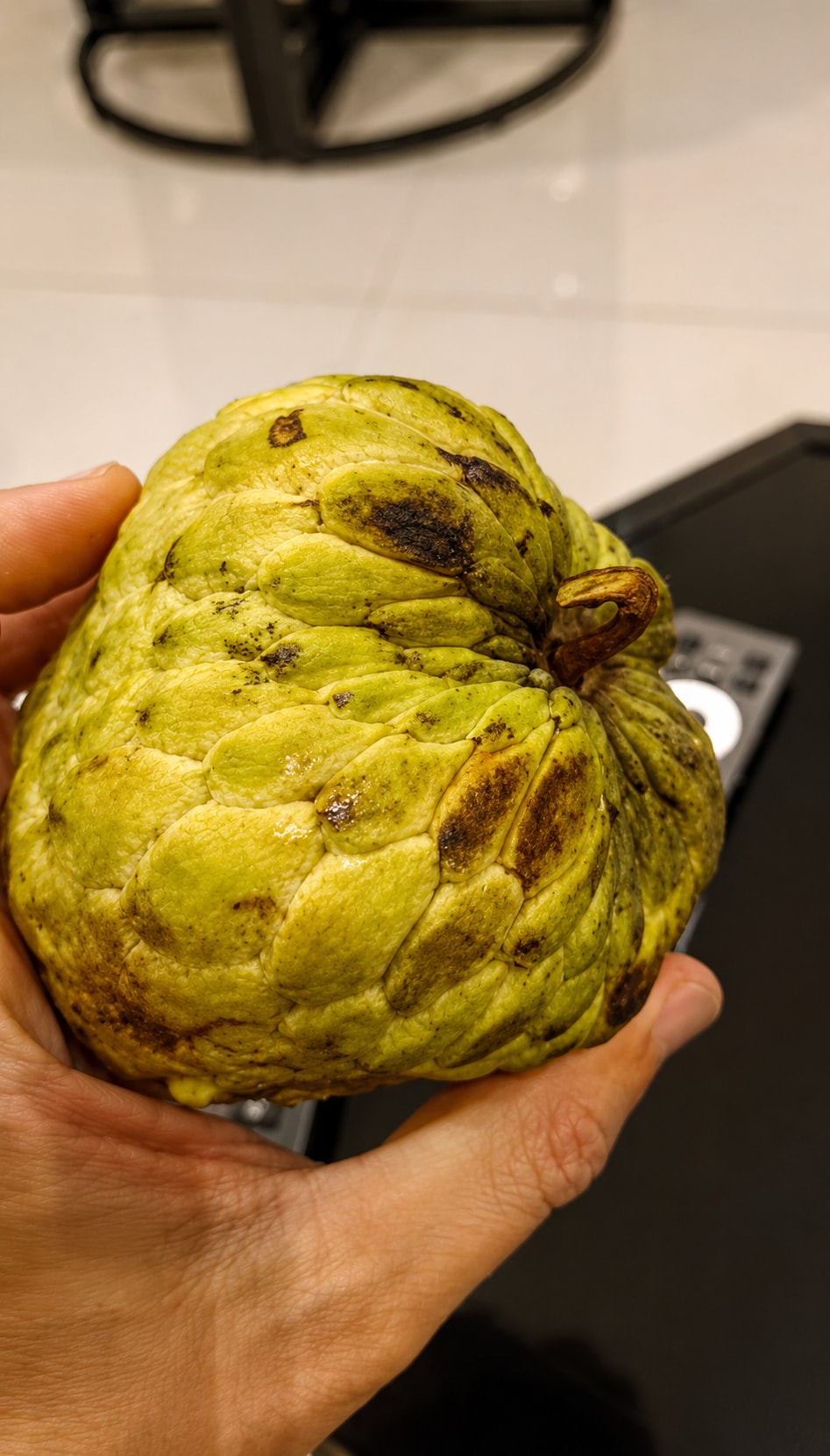
I am growing the Na dai which would be “firm” in this case! I also tried a Thai sugar apple which was more yellowish than green and was more fragrant? This was back in 2023 when I didn’t know much about the squamosa. I also noticed the Thai one was more oval/cone shaped? It looked more like an Atemoya but still had the scales of a sugar apple.
That looks like a cherimoya, although it could be an atemoya. There is chewy and gritty types of sugar apples, although I’m pretty sure the chewy ones still have grit. Isan’s Indigo is supposed to be chewy I am pretty sure.
I gave my largest potted sugar apple to a very good friend of mine who enjoys them more. It flowered this year, but did not set fruit. At the nursery I work at, we had about 6 that set fruit this year (no human assistance). Those ones might be 3 year olds, mine was a 2 year old. Very easy to grow in pots here, but we can also put them in the ground and they will do fine like 80% of years. I still have 2 in pots I think.
That is something I am curious about, can they set on their own if there is say enough humidity that keeps the female portion receptive longer? Or do you have the right bugs in south Florida? I hand pollinated whenever I had the flowers at the right stages. I did some googling and the yellowish Thai one is most likely an Atemoya, there’s one that is a 75% sugar apple 25% cherimoya (so it was backcrossed). I don’t think cherimoya can reliably fruit there as it is too hot, same as in south Florida?
 . But the fruit is so rich I rarely eat more than a couple.