That’s looking fantastic man! All the hard work paying off. Definitely pulling for a strong El Niño this winter. Those winters when it’s 57-62 during the day and lows in the high 30’s low 40’s. Yes please.
2 Likes
I’d settle for “no arctic cold fronts or multi-day hard freezes” tbh. Winter low in the 25°F range would be mighty fine, better than the 16° and 17° of the last couple winters.
4 Likes
Wow that 8’ one is impressive really good work. I’m experimenting here in 8b on the coast of NC and more or less struggling but mostly in the summer due to sunburn and salt from city water. My Poncho (about 4ft) sailed through last winter with a low of 14 and below freezing for 32 hours at Christmas but the problem was it went from 70 degrees to 14 degree in a day. I dug up my Lila before winter though due to its diseased look and leaf drop from bad sunburn. I painted them heavy this year tho but they need daily water I think, but not from city water, because of the heavy salt content apparently accumulating in the leaves. Putting in a shallow well this fall to see if that helps. Surprisingly my other salt sensitive plants like jaboticaba don’t have any issues so maybe they just didn’t get enough water. But man keep up the good work, really impressive.
3 Likes
Thankfully salt isn’t something I’ve had to deal with at all here, the soil has very low salt, and the city water is sourced from snowmelt in the Cascades and rain mostly, so is low in minerals generally with basically no salt. I also collect rain and use that in the greenhouse. Have you thought about doing that? Collecting rain is usually one of the suggestions for dealing with salty city or ground water.
As far as sunburn goes, our sun angle is so low here at 47°N that I’ve never had any problems with sunburn other than when I bring new seedlings or new grafts out of the greenhouse in spring or early summer. Some percentage of seedlings (maybe 15% for most varieties?) seem to have severe sunburn no matter how slowly they are acclimated, but most of them are ok as long as they are placed in dappled shade for a few weeks first.
Please keep us updated on here with your progress! Where did you get your trees? My original “Poncho” from Fast Growing Trees was mislabeled, not even a hardy cultivar, and died from a mild frost. Sounds like yours is probably the real deal. Did you protect it at all?
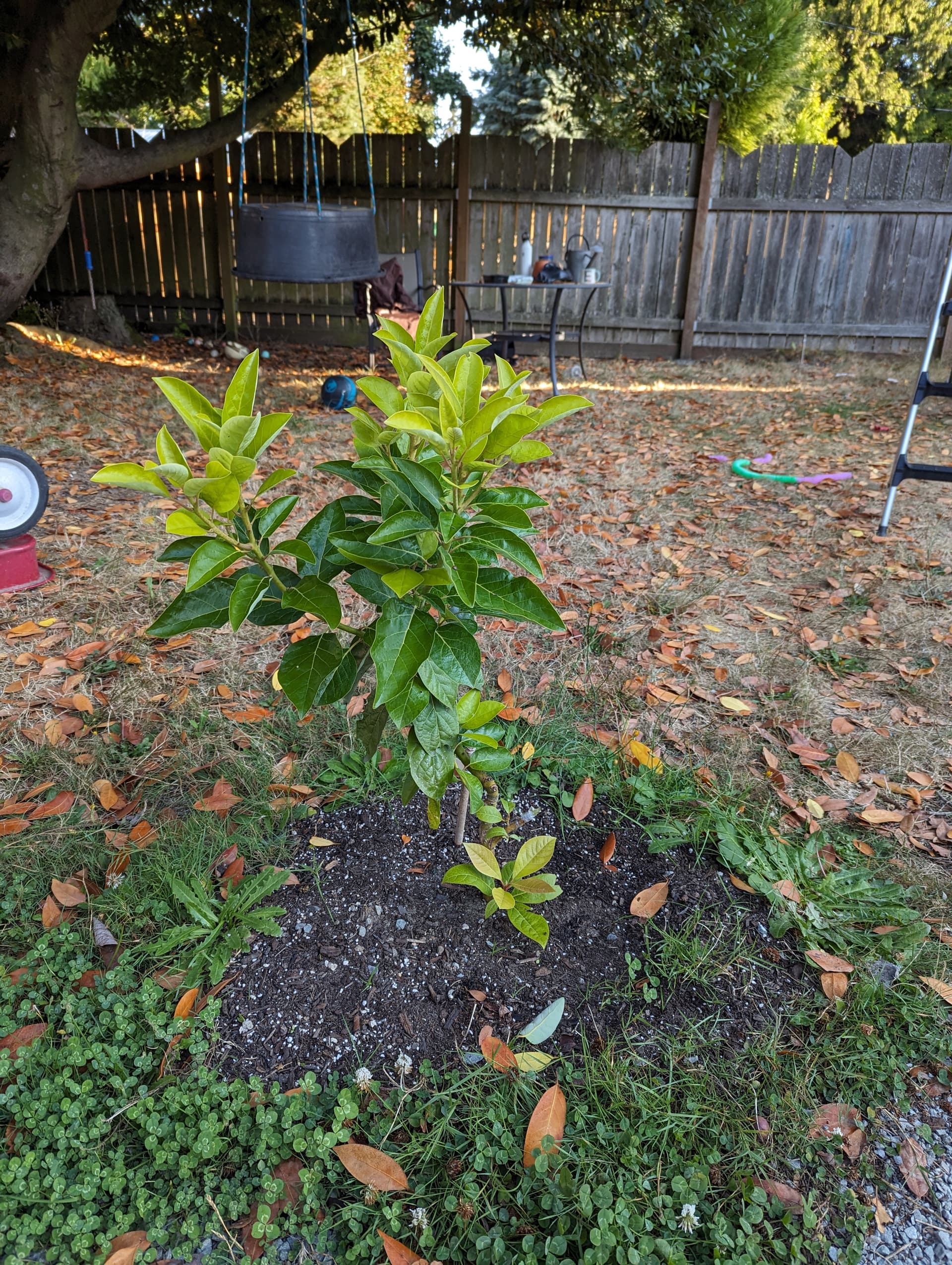
My new (true, I think) Poncho graft outside also sailed through 17°F, but it was a small one-year-old graft and I covered it with a flower pot as protection. This year it will be too big for a flower pot, but I may still try to protect it because it’s grafted high and I’m not sure about the hardiness of the rootstock. Here’s what it looks like now with the last flush hardening (needs some N but I’ll wait until spring so it doesn’t have a late flush), it’s a little under 3’ tall now, and the leaves at ground level are from the rootstock:
3 Likes
Those leaves don’t look like my Poncho, it was randomly at a local nursery and having never heard of it prior quickly checked it’s cold hardiness and gave it a shot (after ripping a leaf off of them to make sure it was cold hardy haha)
Yeah I give minimal protection tho, it’s not against a wall or anything but a water barrel a few feet away and incandescent lights which I have set to automatically come on at x temperature. I used the frost cloth maybe 3 nights? So it took a few frosts without any issue (with it’s one string of lights on and no jacket) I don’t even recall any leaf tip burn.
I collect rainwater but man has it been two dry spring/summers here very limited rainfall which is odd. So not nearly what I’m sure you’re getting in the pnw.
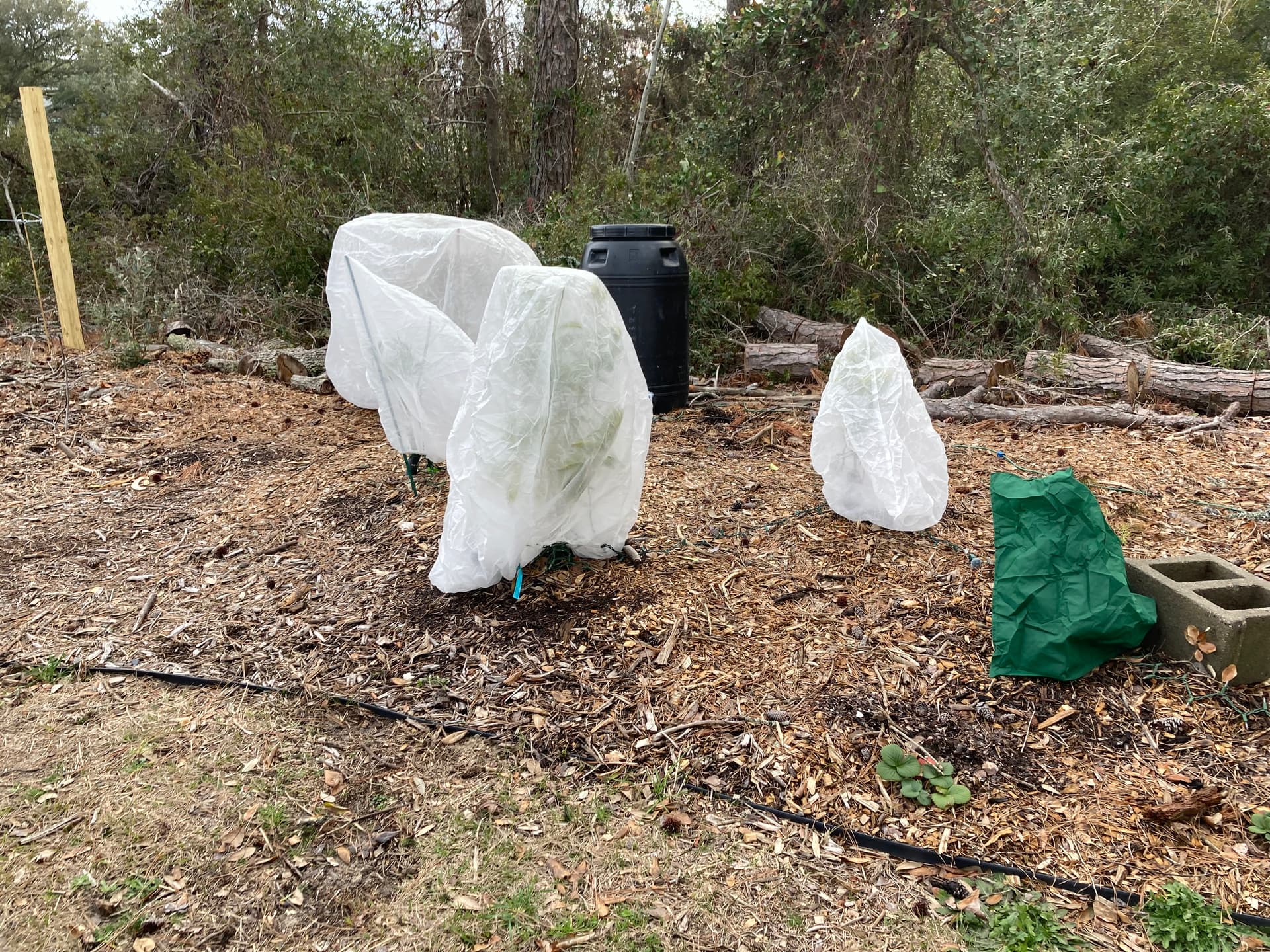
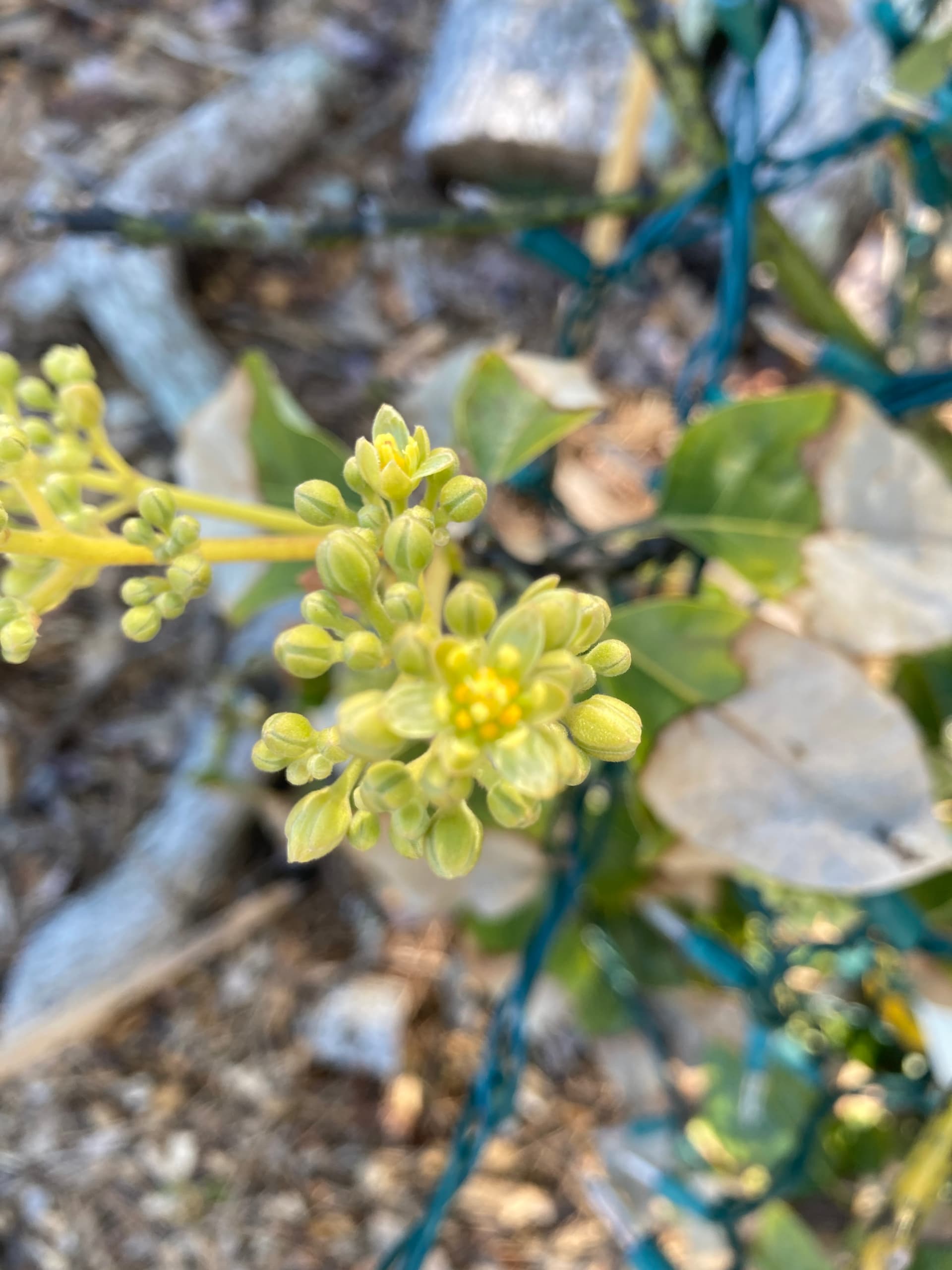
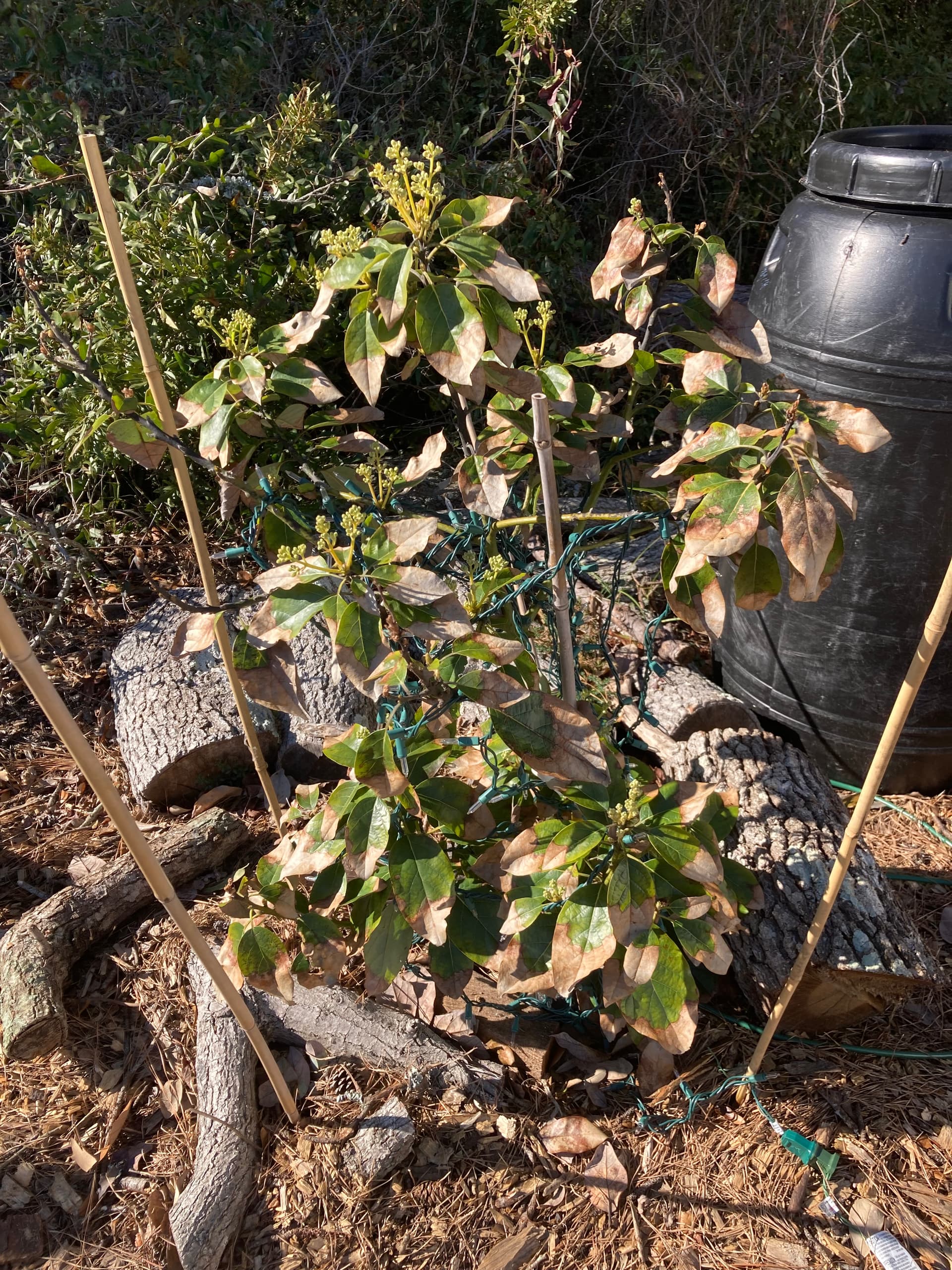
All of the brown leaves are salt not much cold damage, like I said going into winter it was in bad shape but it looked great in spring and summer back to really bad looking old foliage. Really hoping the well can get it good. Also could have over fertilized it both years, not going to fertilize it next year
2 Likes
Oh also I forgot I use plumbers insulation around the trunk, haven’t seen anyone else do that but I do that for all my sensitive trees and so far so good. And of course deep mulching so the roots don’t freeze
2 Likes
The last flush wasn’t quite so pale, I think it’s a little hungry now. I’ll mulch for winter soon and feed in spring, I’m sure it’ll be darker green next year. Here are a couple photos of the first flush this year:

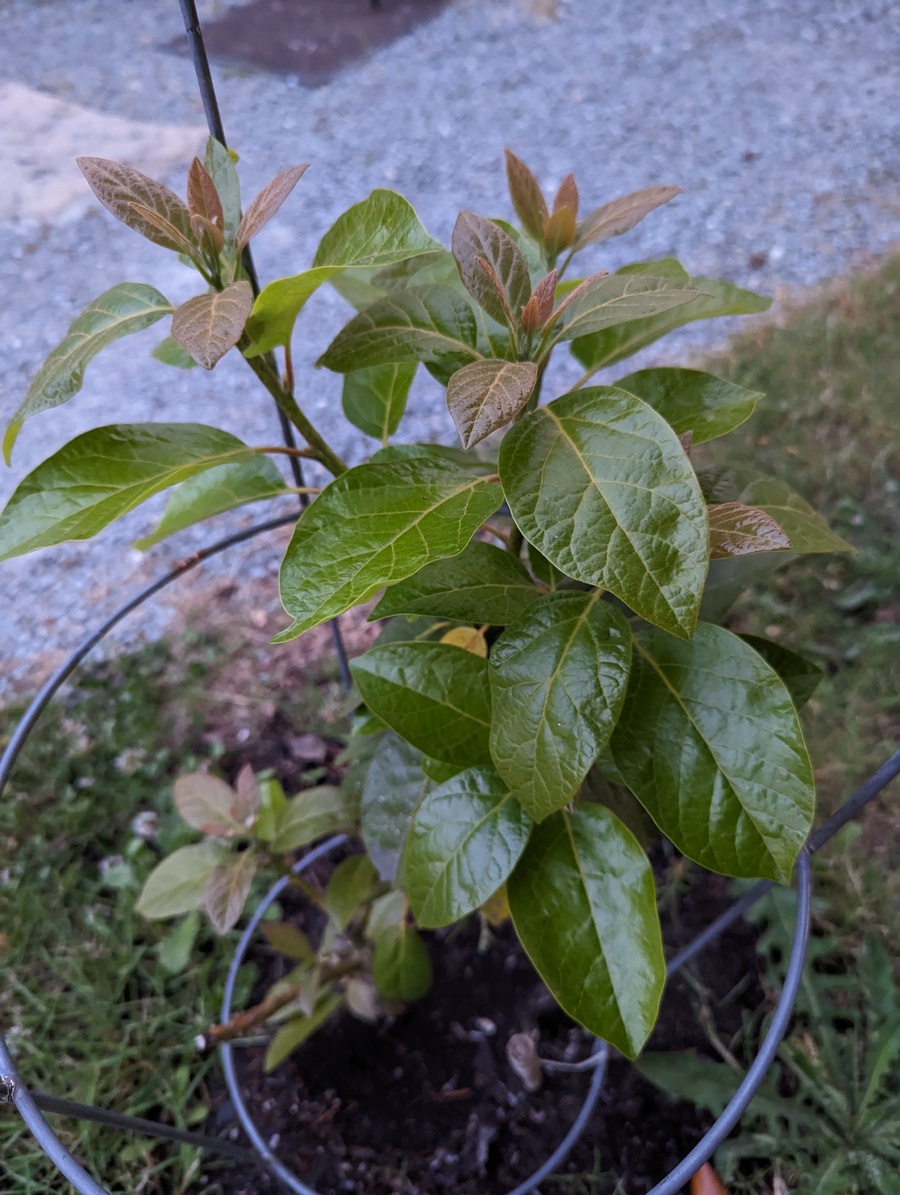
3 Likes
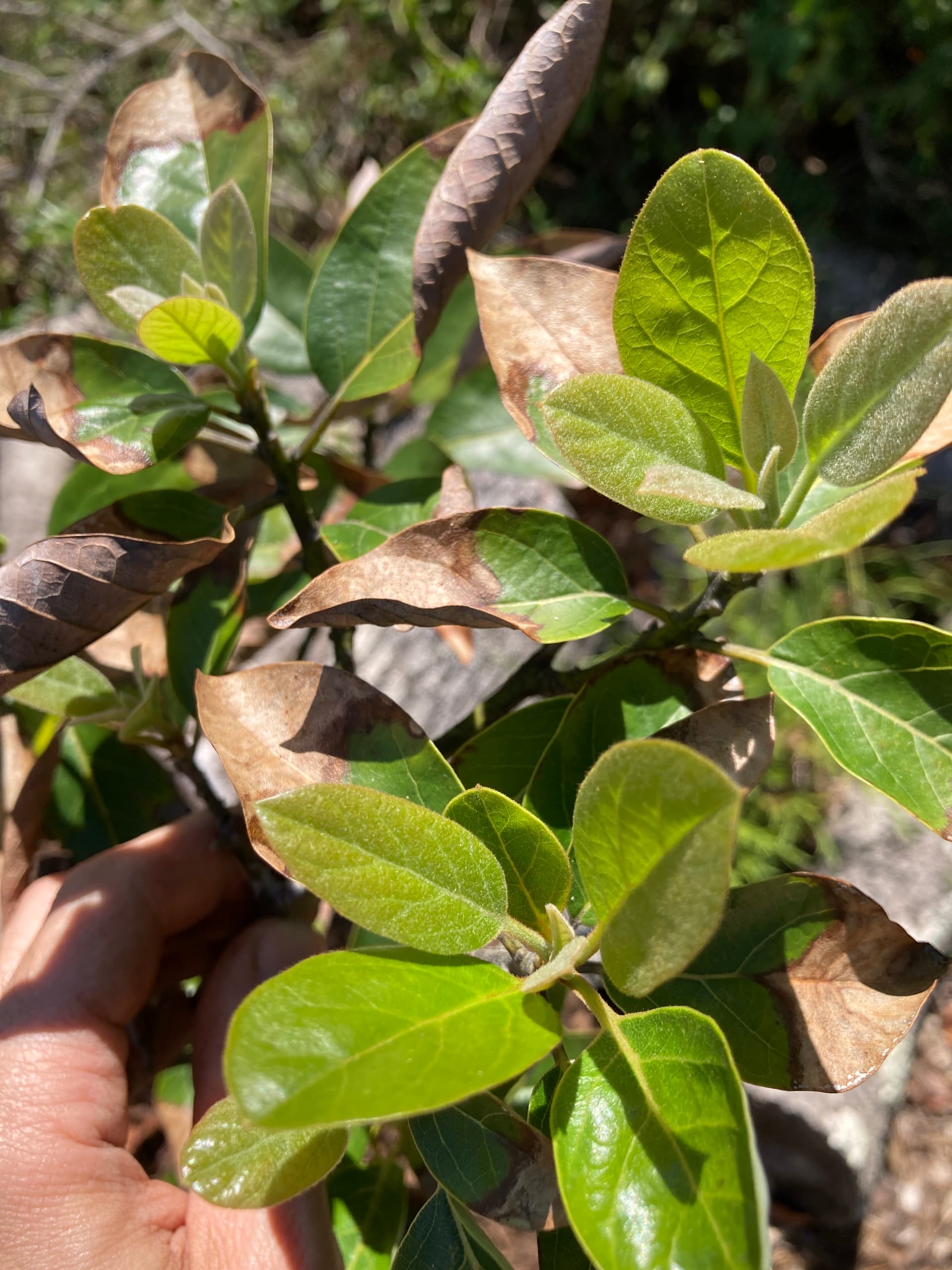
I watch videos of this guy on YouTube called The Millennial Gardener. He’s on the southeast coast of North Carolina and grows meyer lemon, satsuma, feijoa and lila avocados outdoors. He has a system for protecting them by planting them right against a brick wall and covering with frost blankets on the coldest nights. His trees are loaded with fruit.
2 Likes
Yeah I’ve seen a lot of his stuff as we are in a similar climate, I’m northeast of him but due to the Gulf Stream I’m a half zone warmer than him. Unfortunately my house isn’t brick but I use the barrels and lights but very seldom do I break out the frost cloth, but I can easily get 5-15* of protection. Also it seems to me that frosts hurt trees much more than raw temps, being on the coast it’s always windy here so frost doesn’t often settle on my trees. I had citrus planted on my south facing wall before I tried my hand in avocado so they are stand alone, if they don’t make it they don’t make it, but so far so so haha. With winter being less of a struggle than summer so far
1 Like
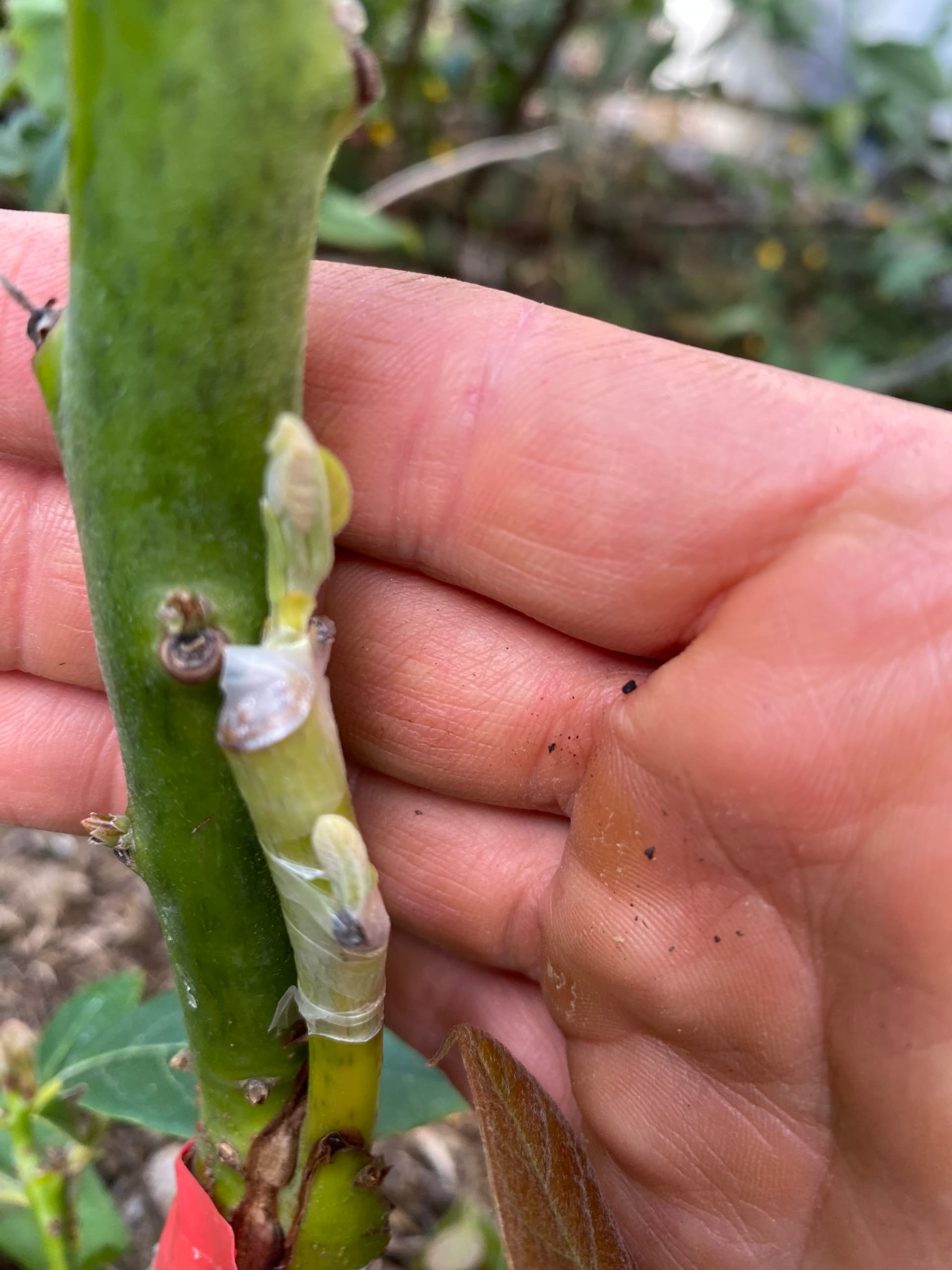
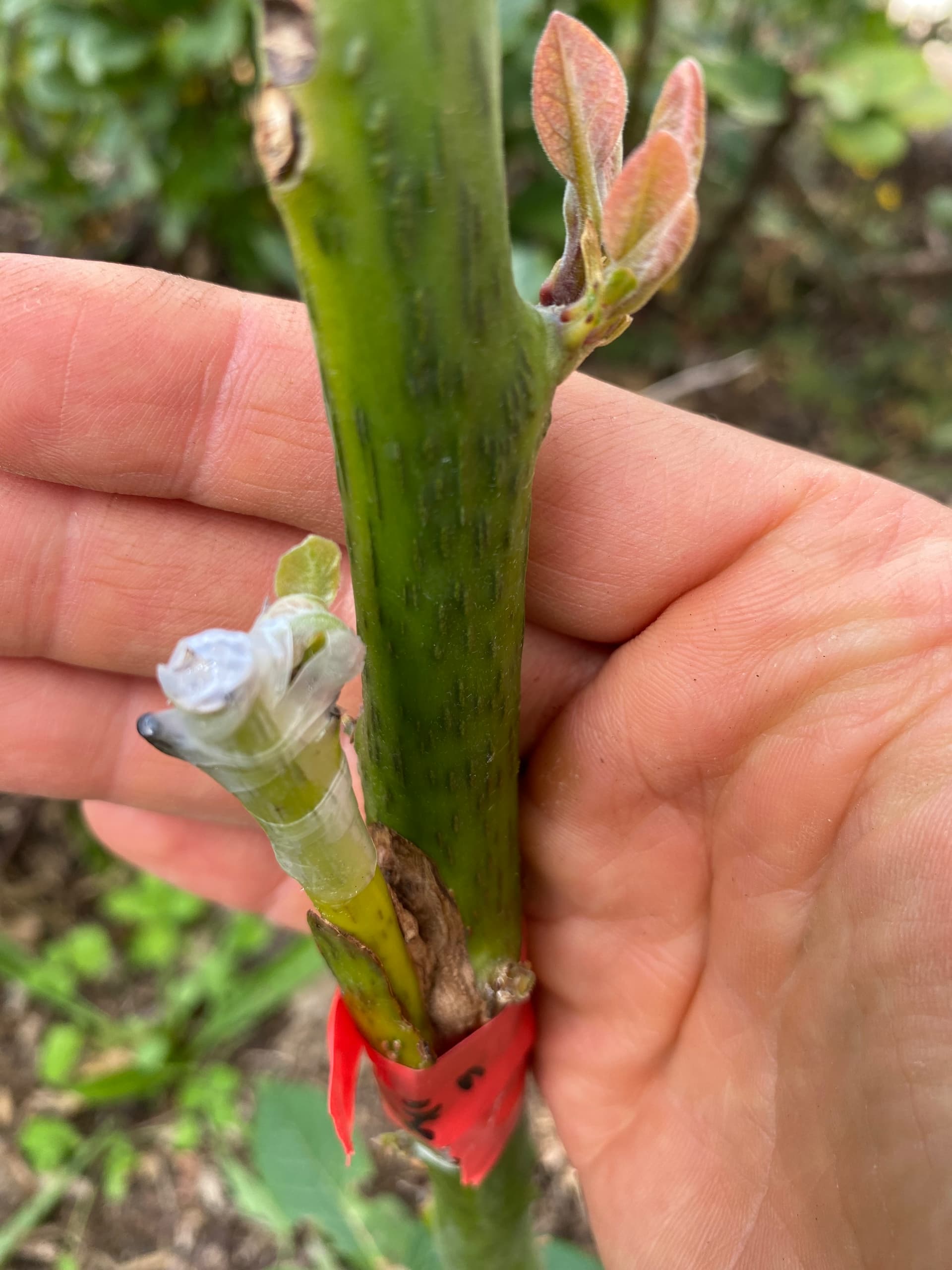
All 3 of my Duke grafts took.
I will be giving this tree some protection this winter in hopes that at least one of my grafts will survive through the winter.
6 Likes
This graft of Jade (unfortunately on a Bacon seedling) is still growing pretty incredibly vigorously considering many of the other avocados are starting to go dormant.

Hope this one makes it through its first winter outside! The 10 foot tall Jade that’s in the greenhouse will hopefully fruit next year so I can taste this one, since it came with such high praise for fruit quality.
9 Likes
I went around a little more systematically and I guess more of the named varieties and seedlings are starting new flushes than I’d realized, since the rains began a week+ ago, despite a couple colder mornings this week (44°F and 46°F back to back nights).
First, though, I’ll show the exceptions. Early dormancy may actually be a desirable trait despite our short growing season, since dormant buds are less likely to be damaged by an early freeze.
The graft of Northrop/Northrup seems solidly dormant:

The Poncho graft is still in the final stages of hardening the last flush, so it’s hard to be sure it’s done, but seems to be:
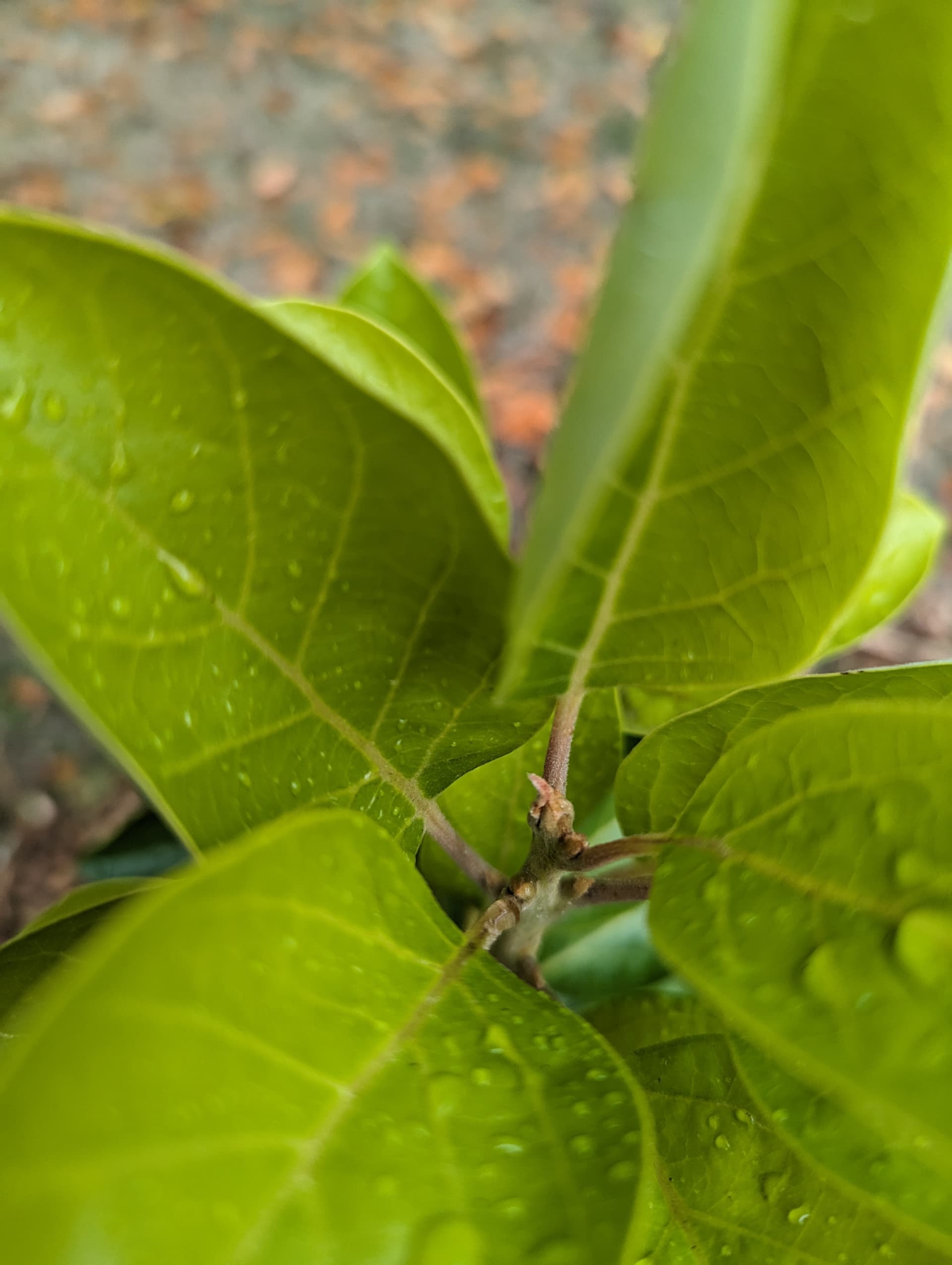
The seedling that showed the least damage last winter (#149) seems fully dormant:
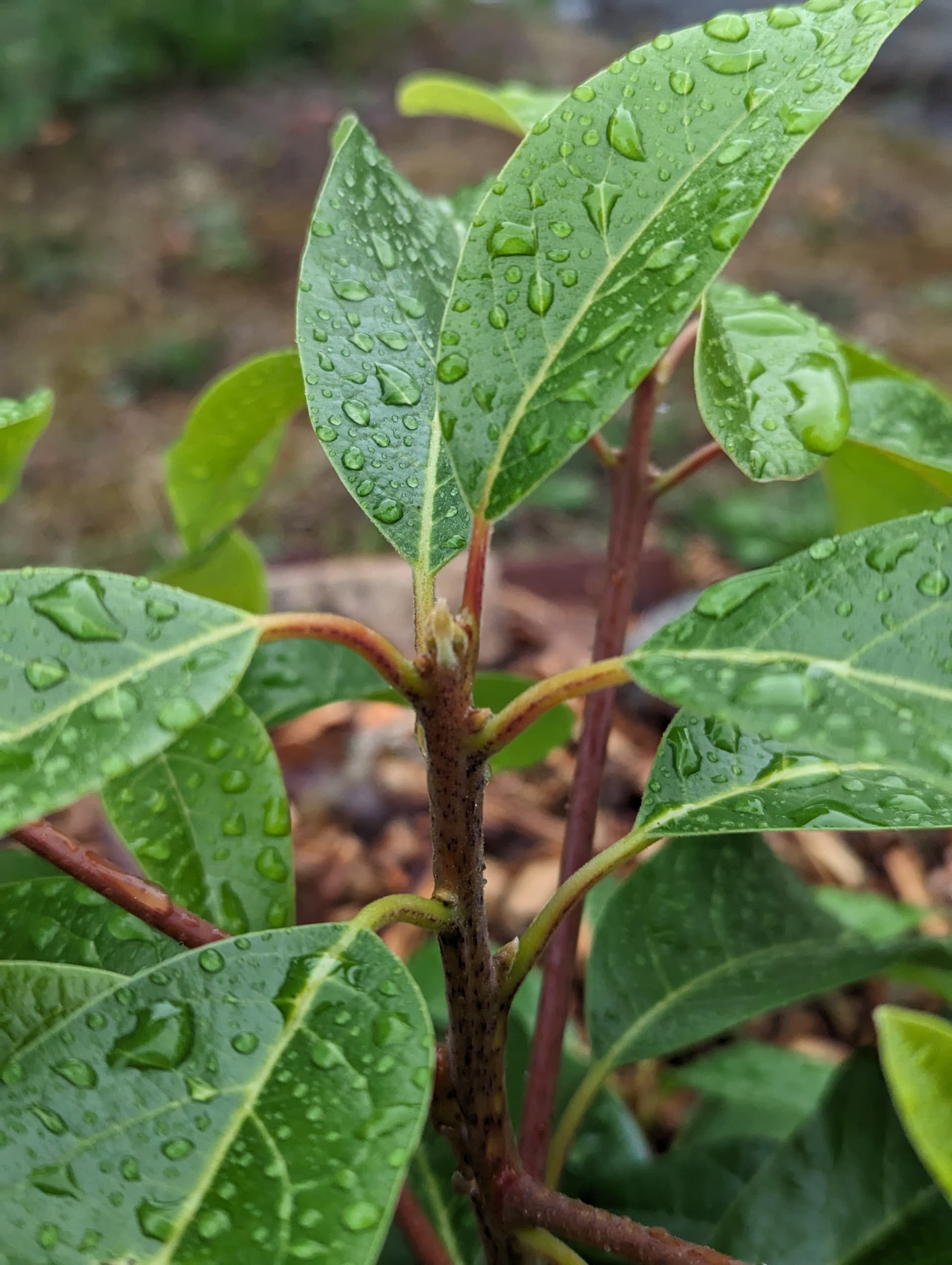
The own-root Aravaipa clone might show a hint of bud swell, not a good stage unless it aborts soon:
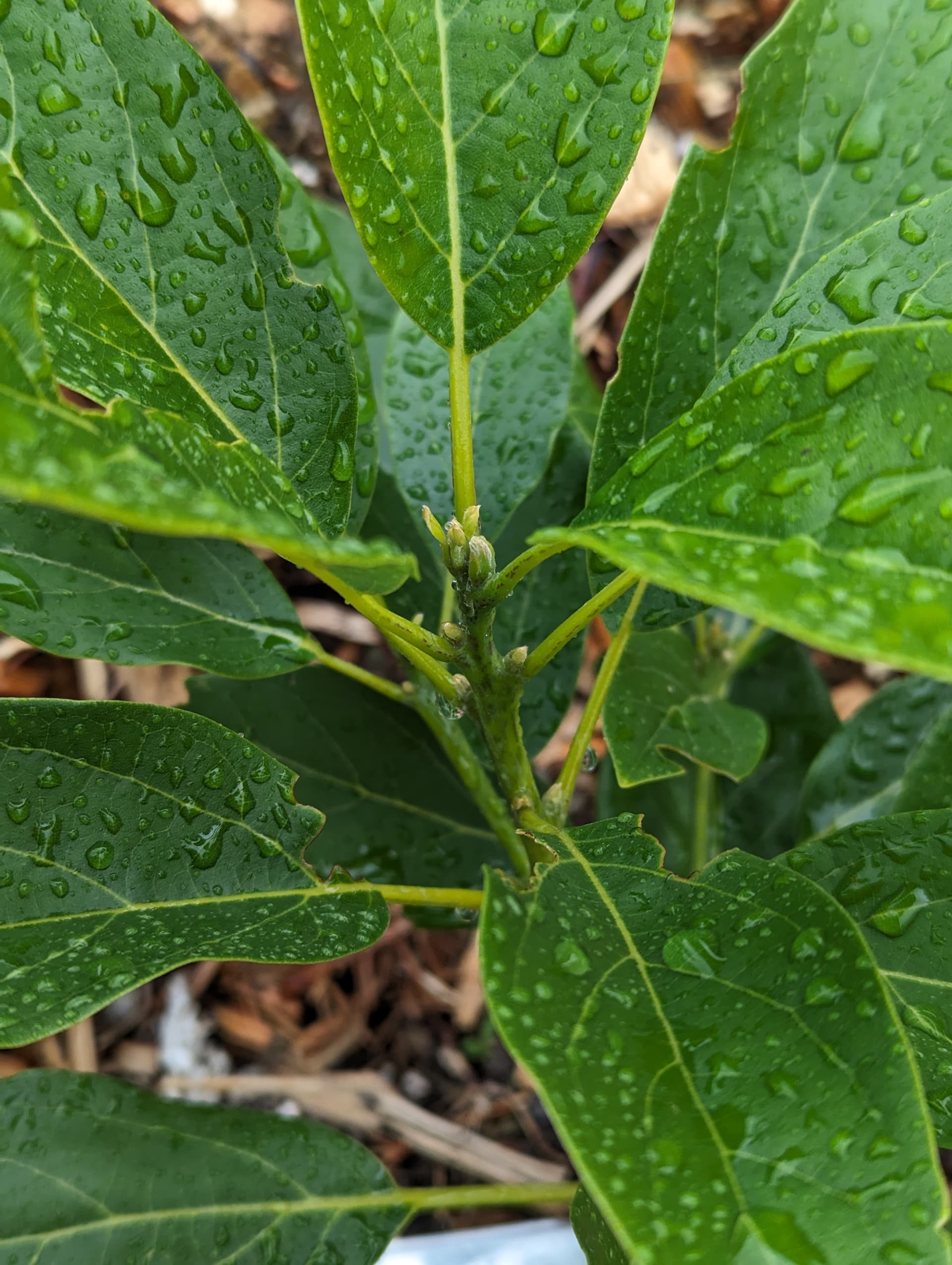

The first-year graft of Opal is further along:
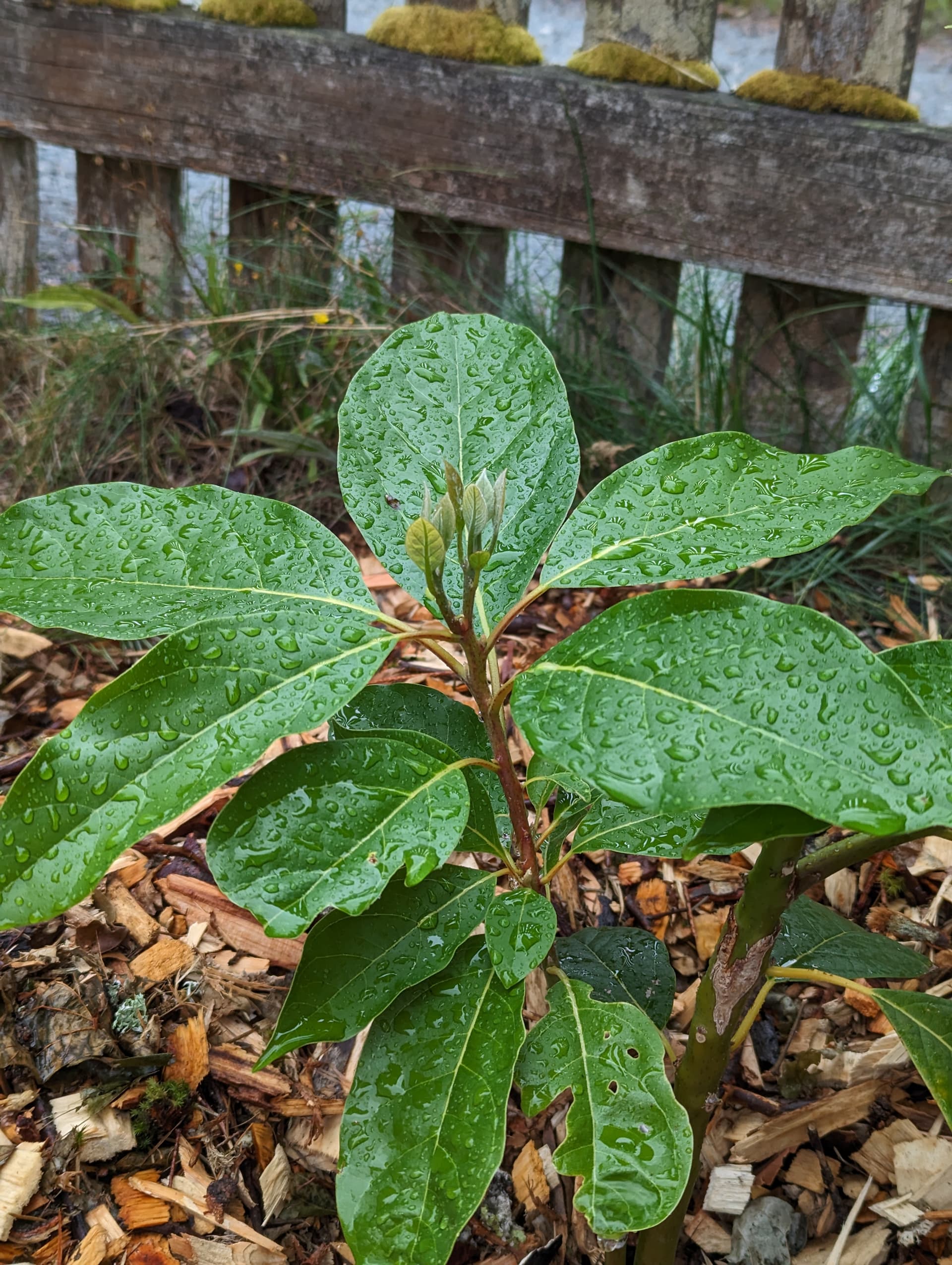
The graft of Ganter has been slowly expanding this flush for a few weeks, it may be aborting the flush before it fully expands, though it does still have that mid-flush luster:
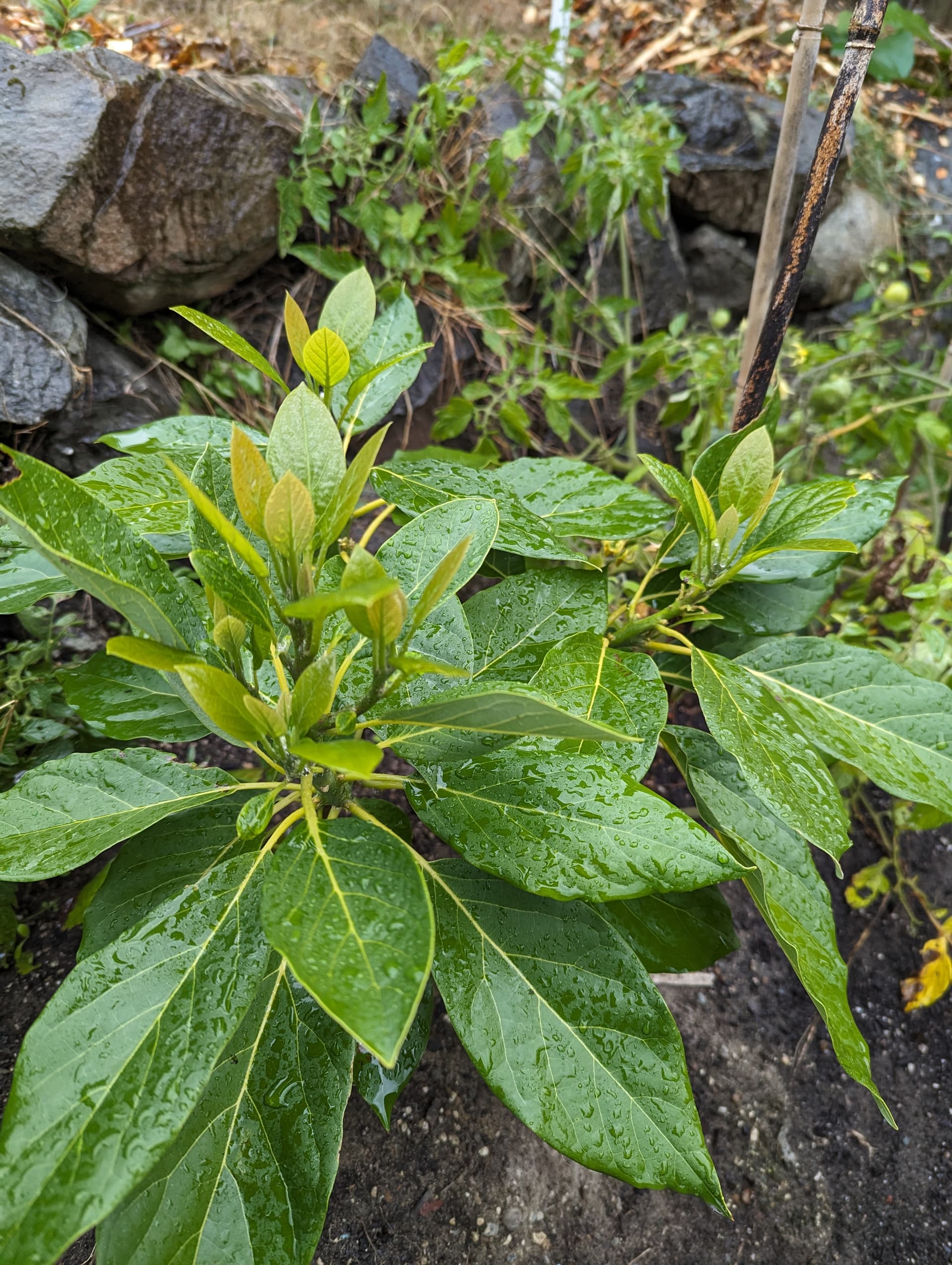
The largest outdoor seedling (#37) is still hardening the last flush up top, but some of the side branches that didn’t flush at that same time are starting a new flush now:
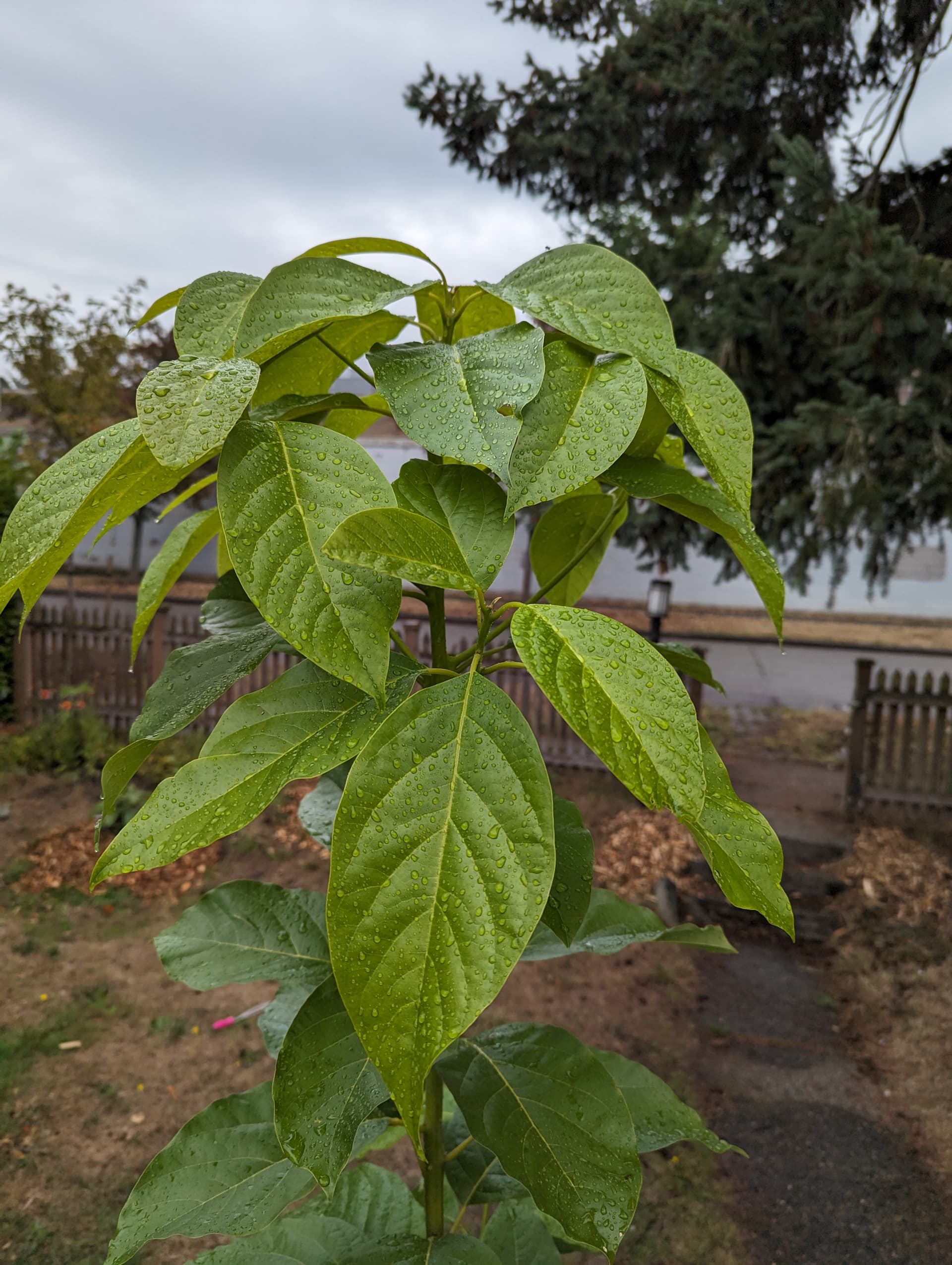
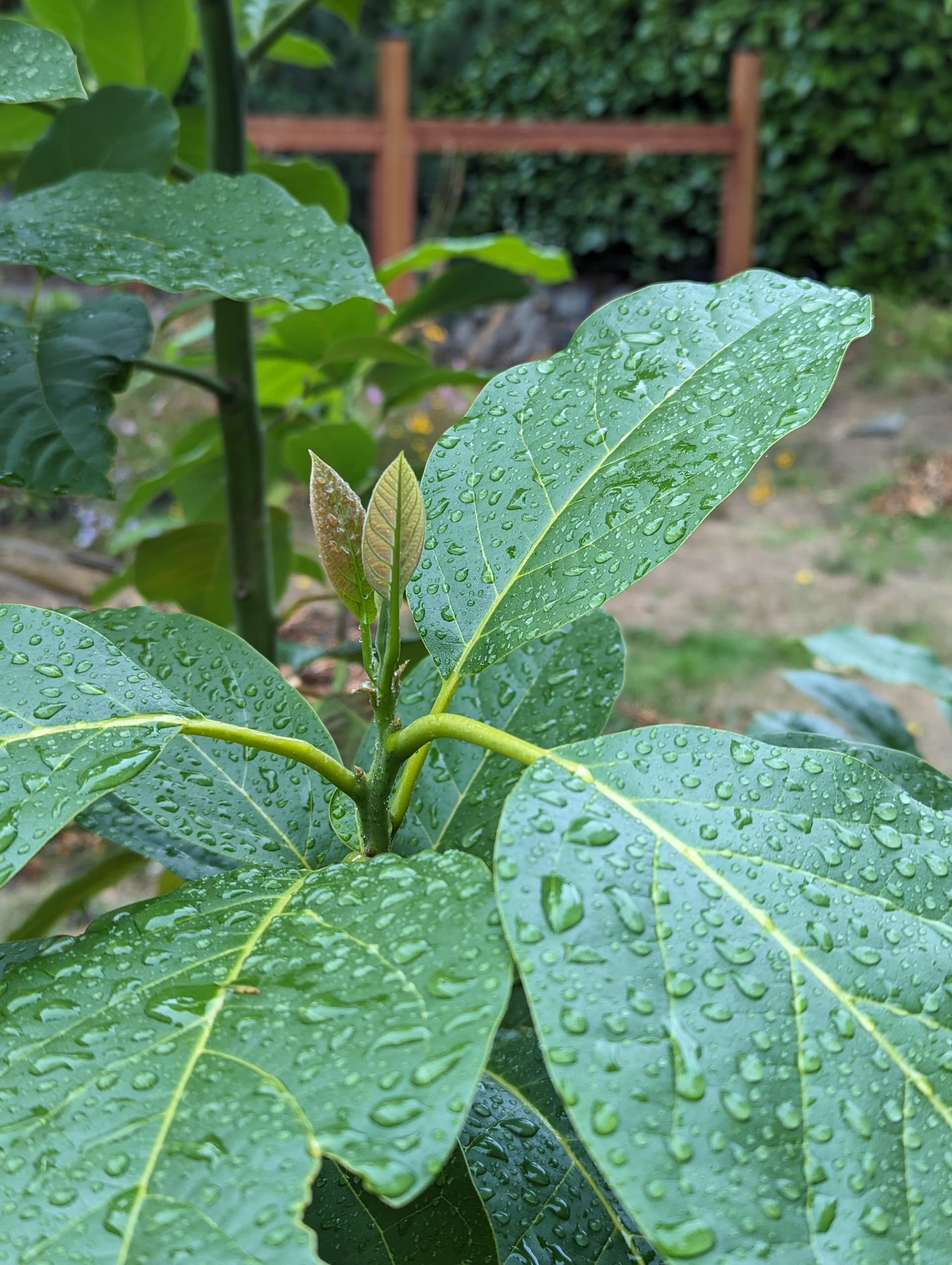
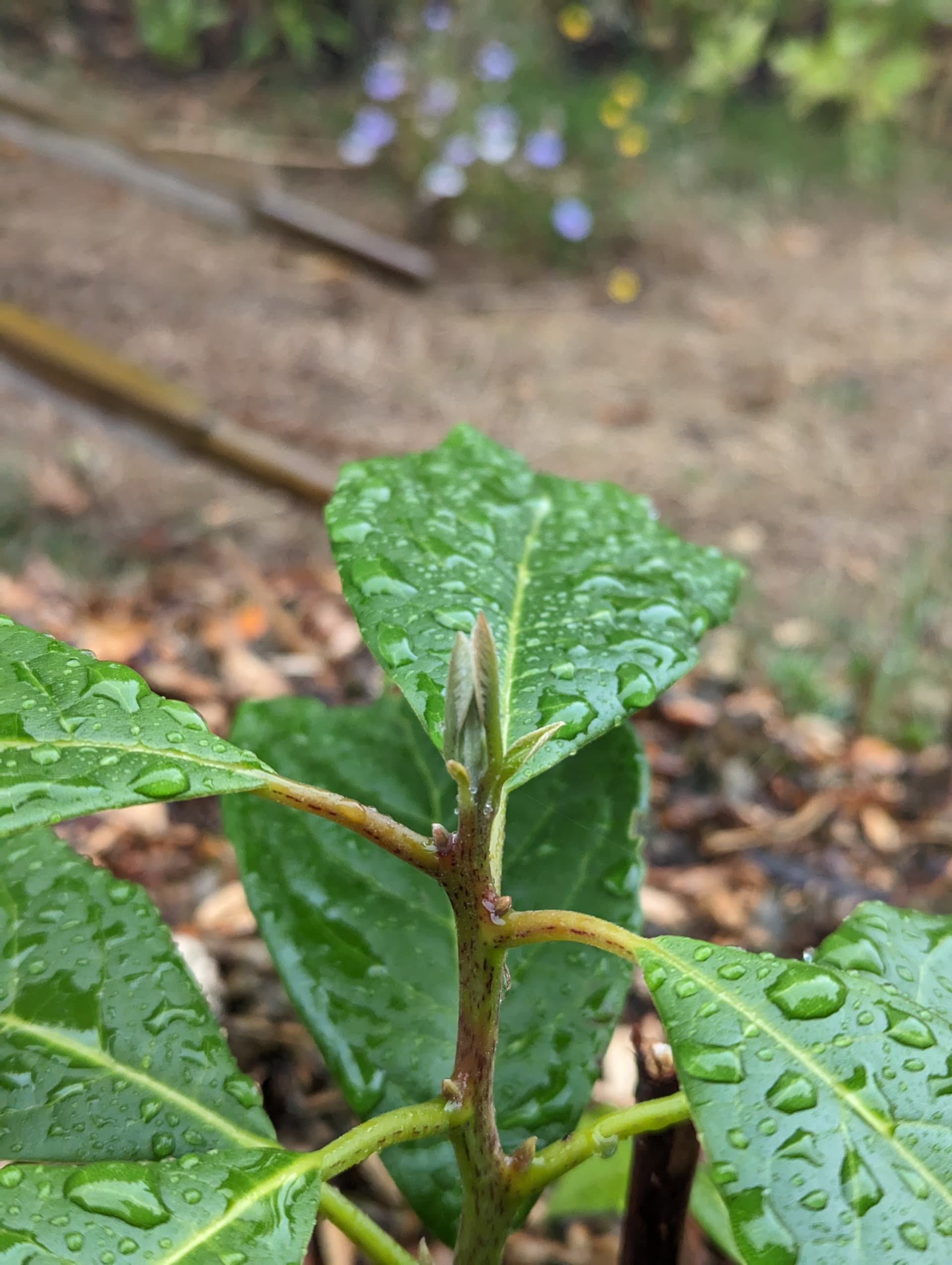
Many other seedlings look ready for one last flush, like this seedling of Aravaipa (#138), which hasn’t quite reached the impressive size of its first year of growth (when it was the tallest seedling out of the ones started the previous spring):
6 Likes
Everything looks awesome. I’m so shocked you’ve had mornings in the 40s already, didn’t realize it got so chilly so early there.
3 Likes
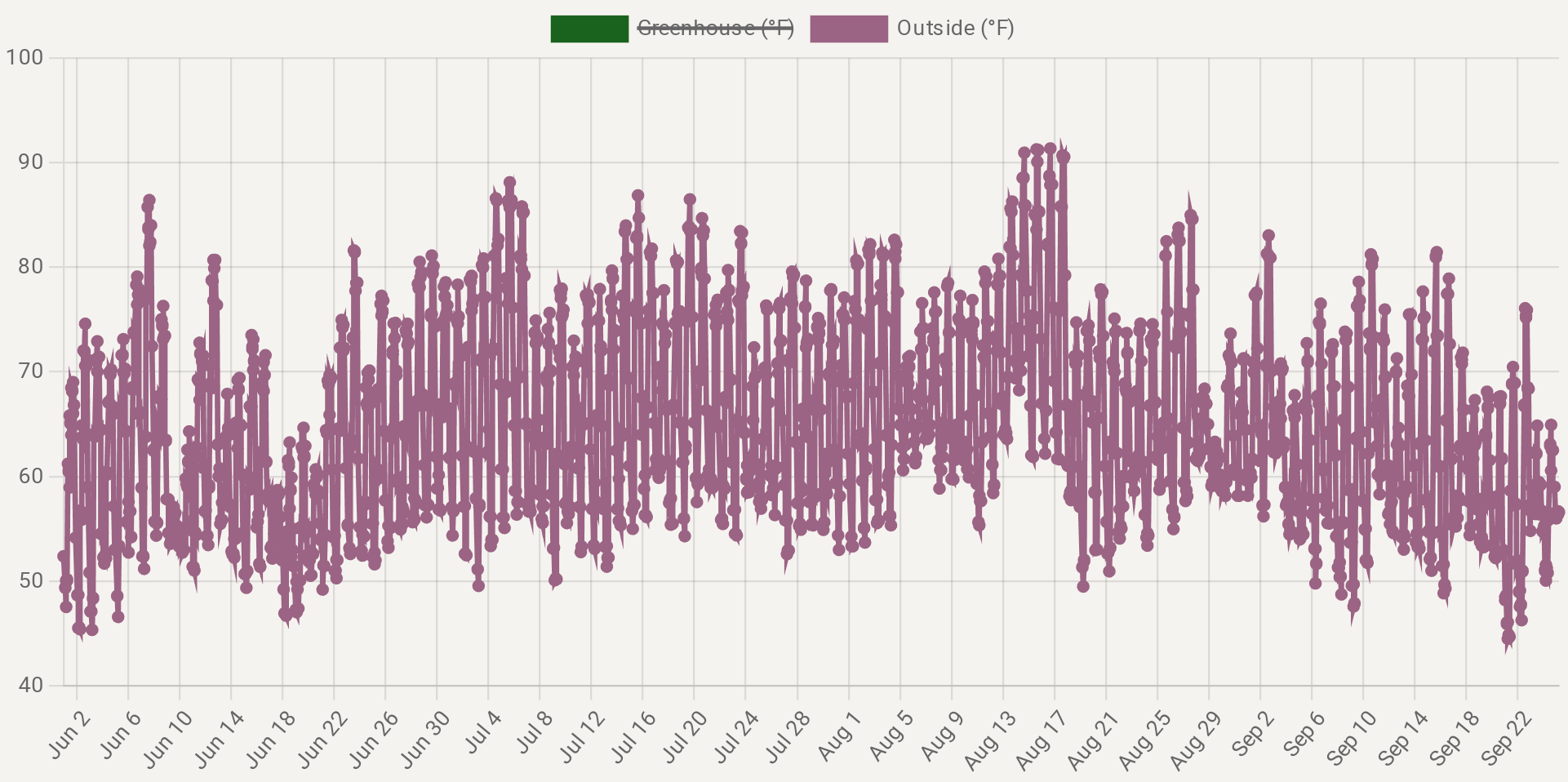
Oh it hardly gets much warmer than the 40s here even in summer. Our warmest month is usually August, but the average low for August is like 54°F, and this year we had a few nights below 50° in June, July, and August. Here’s the chart for this summer:
2 Likes
Oh wow I really had no idea haha that’s wild
2 Likes
I’m about 800 miles further south, and we’ve had nights in the 40s as well courtesy of our cold ocean current. Even though our highs can be in the 90s regularly, it makes growing plants like okra and eggplants that need warm temperatures all the time a little challenging.
4 Likes
The entire west coast is known for cooling down considerably at night on account of the ocean influence. We don’t typically get those long balmy evening like back east. I grew up in Southern California and we always had to remember a sweatshirt for after sunset when fog rolled in. The evenings can be chilly even during summer.
3 Likes
Do you plan to provide these with any kind of protection this winter? If so, what material do you use?
1 Like
I will only protect them when the forecast calls for a low below about 25°F, and even then I’ll only protect a handful of the dozens of trees in my yard. In many El Niño winters we never get below that, so if that’s the case then nothing will get protected.
Last winter, the most common protection I gave to small trees were upside down buckets or flower pots, usually with something like a plastic sheet or bag covering the drain holes to seal it up better. I have one pop up cloth frost cover that I tried on one of the slightly larger trees, but it got torn easily so I’m probably not using it again.
Most of the trees I showed in that post are already too large for a bucket or flower pot, so they won’t get protected. I’ll take scionwood from Ganter, Northrup, and Poncho if a bad freeze threatens, since I don’t have those on greenhouse or potted trees, so I don’t lose those varieties, but likely won’t protect them unless the forecast is so bad that I decide it’s worth chopping them real low to fit under a bucket.
3 Likes