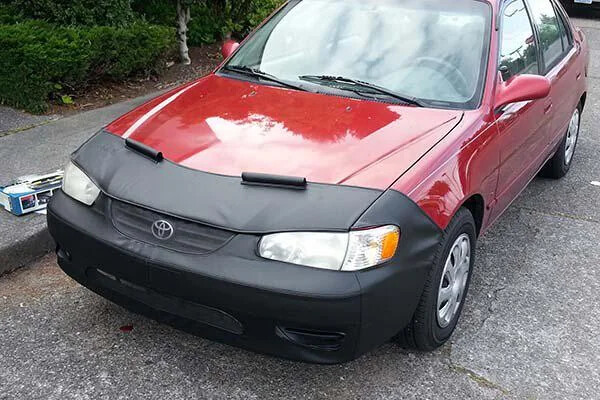
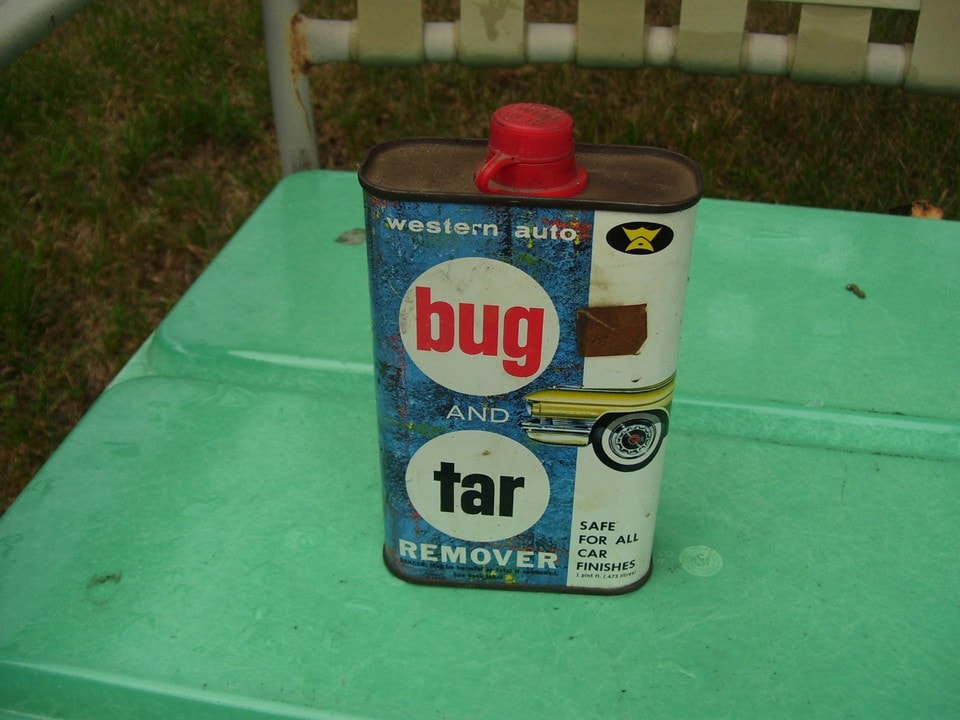
Nothing worse than being in the orchard and having flys pester you.
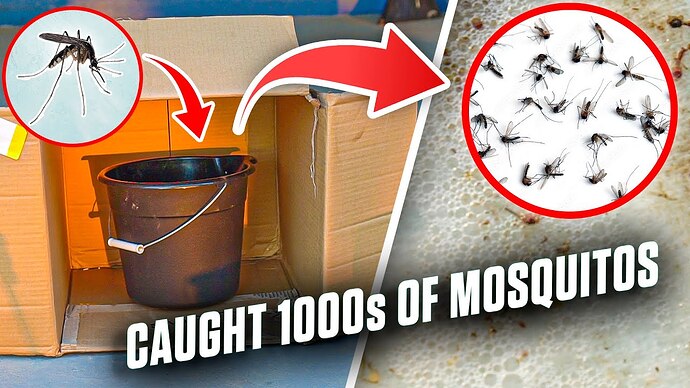
Mosquitos are pretty bad also. Here is what the Spruce said
“
The 8 Best Mosquito Traps The Spruce Has Tested
Seriously effective solutions for fewer bites
By
Updated on 02/06/26
Credit:
The Spruce
When it comes to outdoor gatherings, nothing is more annoying than dealing with mosquitoes. While spray bug repellent can prevent some bites, we found that the most effective solution is to use a trap to capture and kill mosquitoes and other flying insects.
Mosquito traps employ different methods, whether it be basic sticky traps that you can put in a plant pot or high-tech bug zapper models that break the breeding cycle. We tested and researched the best mosquito traps, and through testing, we found that sticky traps are a great indoor option.
On the other hand, zappers are a better option for large outdoor spaces since they effectively attract and eliminate mosquitoes over a wider coverage range.
Top Picks
Best Overall and Best Zapper:
Flowtron Electronic Insect Zapper at Amazon $80
Best Indoor:
Katchy Indoor Insect Trap at Amazon $40
Best Budget:
Garsum Houseplant Sticky Traps at Amazon $9
Best Outdoor:
Black Flag Bug Zapper Insect Killer at Home Depot $33
Best Plug-In:
SALE
Gardner Fly Light Indoor UV Insect Trap at Amazon $50 $40
Best Portable:
Ryobi ONE+ 18-Volt Bug Zapper at Home Depot $151
Best Wall-Mounted:
Awoco LED 5W Wall Mount Sconce at Amazon $65
Best Design:
DynaTrap Insect Trap with Optional Wall Mount at Amazon
Best Overall and Best Zapper
Flowtron Electronic Insect Zapper
Credit: The Spruce
$80 at Amazon$81 at Home Depot$70 at Lowes
What We Like
-
Covers up to 1 acre
-
Drops bugs to the ground
-
Lures bugs with octenol
What We Don’t Like
-
Very short power cord
-
Somewhat noisy
If you want to protect a large outdoor area, the Flowtron Electronic Insect Killer effectively covers up to one acre of property. We tested this lantern-style trap in our own yard and were amazed by how efficiently it attracted and killed mosquitoes and other flying insects throughout the night, earning it the spot of overall best.
Three months of testing later, and we still use it almost every night and love how simple it is to use. We place the trap about 25 feet away from our patio furniture, and on several evenings, we sit out with the bug zapper on and watch as it becomes more effective as the night progresses. The trap utilizes a powerful 40-watt ultraviolet light to lure mosquitoes in, and then they are zapped instantly when they come in contact with the 5,600-volt grid.
We like that with this trap, dead bugs would fall to the ground after being zapped. We did notice a few bugs stayed stuck on the bulb, but it’s easy to shake them out when needed, and you can also use a hair dryer, small brush, or dry paper towel to clean it off. We also found that very little maintenance was needed overall.
**The power cord is under a foot long, so you will need to use an extension cord.**Credit:
The Spruce
We could hear the mosquitoes being zapped—it is loud and noticeable—but this is to be expected with this type of zapper. It’s also very strong, and depending on how the bugs get stuck, you will see it light on fire and start to smoke. While some might find this annoying, it didn’t bother us, as it indicated that the trap was working.
However, due to the sound and light, we think it’s important to place the zapper further away from where people are sitting or gathering, as it could be distracting. To do this, we needed to purchase a pole to hang and an outdoor extension cord (it came with an extremely short one), but it was otherwise easy to install.
This lantern includes one mosquito attractant cartridge containing octenol, which helps to draw mosquitoes and other biting insects into the trap. Each cartridge is effective for up to 30 days, and refills, which are priced a little under $10, are an additional expense.
Type: UV light with electric grid | Effective Period: 24 hours | Reusable: Yes | Safe Around Pets: Yes | Dimensions: 10.25 x 10.25 x 16.50 Inches
-
**When the Flowtron BK-40D Electronic Insect Zapper is on, it doubles as a bright outdoor light.**Credit: The Spruce
-
**We appreciated the sturdy hanging ring that made it easy to hang on our patio.**Credit: The Spruce
-
**To add the mosquito attachment, all you have to do is remove the bottom lid and insert it.**Credit: The Spruce
-
**Although the trap includes a mosquito attractant cartridge with octenol, it can be used without it.**Credit: The Spruce
-
**We were amazed at how many bugs it collected, saving us from so many summer bites.**Credit: The Spruce
-
-
-
-
I
Instead of dealing with power cords, this zapper comes with a rechargeable 18-volt battery. We found that the battery lasts up to six hours and takes more than an hour to fully charge. Plus, it is compatible with other 18-volt Ryobi tools (like cordless drills or hedge trimmers), so you may always have a second one on hand if you own Ryobi products.
The manufacturer claims the zapper has a coverage area of up to 1.5 acres. However, we noticed bugs pestering us while standing 8 yards away versus being attracted to the trap. That said, we found that it is very effective when placed near places where bugs frequent, like next to a table of food or a well-lit patio.
The zapper’s versatile design includes a carrying handle, so you can place it on a tabletop or hang it up if desired. It doesn’t contain bug spray or chemicals, so it’s safe to use indoors and out. Made from high-quality, water-resistant plastic, it’s also ideal for camping and other outdoor adventures.
Type: UV light with electric grid | Effective Period: 6 hours | Reusable: Yes | Safe Around Pets: Yes | Dimensions: 6.7 x 6.7 x 13.5 in ches
-
**We really enjoyed how comfortable it was to hold and move the Ryobi ONE+ 18-Volt Bug Zapper with the handles.**Credit: The Spruce
-
**The zapper provides a mess-free process that collects all the bugs into a tray, which easily slides off to discard the collected bugs in the trash.**Credit: The Spruce
-
**We really liked that the battery was interchangeable with other 18v Ryobi tools.**Credit: The Spruce
-
**There are two buttons on the zapper: one to turn on the UV light and another to use it solely as a regular light.**Credit: The Spruce
Best Wall-Mounted
Awoco LED 5W Wall Mount Sconce
Credit: The Spruce
What We Like
-
Attractive design
-
Noiseless operation
-
Kills a variety of insects
-
Large coverage area
What We Don’t Like
-
Replacing sticky parts
-
Needs an electrical outlet
If you’re seeking a mosquito solution that you can place on an indoor or outdoor wall or fence, the Awoco wall mount sconce offers an attractive and versatile design. Measuring 14 by 5 by 7.5 inches, about the size of a sheet of paper, this trap is compact enough to be placed anywhere. It requires an electrical outlet, but it comes with a 58-inch power cord for versatile placement.
This trap combines two effective methods for eliminating unwanted pests: A UV lamp lures mosquitoes, flies, and other small insects onto a sticky board, where they meet their demise. It has an impressive coverage of up to 900 square feet, so you can keep your entire living space free from pests.
Installation is simple and straightforward: The trap is attached to the wall using the provided drywall anchors and screws. As opposed to a fluorescent bulb, these LED UV lights won’t flicker at the end of their lifespan. Because they emit a soft blue light, these traps also come in handy as a nightlight.
What’s more, they don’t make noise and won’t interrupt your sleep, making them an excellent choice for bedrooms. The glue boards should be replaced every two or three months for best results. You will also need to replace the bulbs periodically, though they are covered under a three-month warranty.
Type: UV light sticky pad | Effective Period: 2 to 3 months | Reusable: Yes | Safe Around Pets: Yes | Dimensions: 14 x 5 x 7.5 i nches
-
**Due to the open design of this wall-mounted trap, mosquitoes and other flying insects can easily enter until they meet their demise.**Credit: The Spruce
-
**Adding the bulb to the trap is as easy as sliding it in; no tools are required.**Credit: The Spruce
Best Design
DynaTrap Insect Trap with Optional Wall Mount
Credit: Amazon
View on AmazonView on Dynatrap.com
What We Like
-
Whisper-quiet operation
-
All-weather construction
-
Large coverage area
What We Don’t Like
-
Results may take 6 weeks
-
Needs an electrical outlet
If you’d rather have a mosquito trap that looks more like an outdoor lantern than, well, a trap, we recommend the DynaTrap DT1100. You can hang it, wall-mount it, or place it on a tabletop (at least 20 to 40 feet away from where people gather), and with its sleek black design, you’ll hardly even notice it’s there.
While we didn’t test this model specifically, we did test the DynaTrap DT1050 (that isn’t currently available), and both models provide the same half-acre of coverage. In our testing of the DT1050, it caught flies, moths, a beetle, and even spiders.
It held up well, too—we left the trap outside in an open area during a rainy period of weather, and it still works just as great. We also like that since it’s not a zapper, there aren’t any zap noises, so you don’t have a constant reminder of the bugs being fried, and the bugs are concealed inside.
Keep in mind that it needs to be plugged into an outlet or an appropriate extension cord to operate and that DynaTrap recommends using the trap for a full six weeks to break the breeding cycle (which means the mosquito population likely won’t decrease immediately). At just over 3 pounds, this trap is lightweight and portable for easy carrying, too.
Type: Electronic | Effective Period: 24 hours | Reusable: Yes | Safe Around Pets: Yes | Dimensions: 10.5 x 10.5 x 12 inche s
Final Verdict
The Flowtron Electronic Insect Zapper is our top pick because it covers up to 1 acre, efficiently attracts and kills mosquitoes, and requires very little maintenance. If you’re looking for a more affordable option, the Garsum Houseplant Sticky Traps are helpful for catching mosquitoes in smaller areas like kitchens and gardens.
**At night, this is quite bright, so keep it away from bedroom windows.**Credit:
The Spruce
How We Tested the Mosquito Traps
We know how annoying buzzing guests can be in our space, so we tested several mosquito sticky traps, zappers, and repellents. We considered each model’s effectiveness, design, ease of use, durability, and overall value.
**A mosquito trap should be effective above all else—and some work better than others.**Credit:
The Spruce
Effectiveness: After unboxing and setting up each trap, we examined its effectiveness in capturing mosquitoes and flying insects. We examined how long it took to start working and whether or not we saw a decrease in the number of flying insects in our space.
**We liked designs that concealed bugs and were easy to carry.**Credit:
The Spruce
Design: All mosquito traps are different, so we noted features like carrying handles, collection trays, lights, or lures that increase their appeal and effectiveness.
**Traps that were easy to set up scored higher in our books.**Credit:
The Spruce
Ease of Use: When setting each trap, we noted whether it was easy or difficult and whether the instructions were clear. For zappers, we examined the existing cord and noted whether it was long enough or if we needed an extension cord.
**All of our traps stayed in place well during testing.**Credit:
The Spruce
Durability: Since some of the bug traps can be used outdoors, we noted if they were made from durable materials that could withstand inclement weather.
**Only traps that we would actually use in our own homes made the list.**Credit:
The Spruce
Value: We considered each trap’s effectiveness, features, and price, and then compared those factors to determine whether the price was justified.
What to Look for in a Mosquito Trap
Type
When looking for the best mosquito trap, the type influences its effectiveness. Most on the market today use one of the following methods to lure in mosquitoes, with many using a combination for better results.
-
Heat: A few of the traps produce heat and carbon dioxide, which attract mosquitoes. Thinking they’re about to feed on a warm-blooded creature, mosquitoes eagerly approach the trap and quickly die.
-
UV Light: Many electric zappers, like our best plug-in and best wall-mounted, emit UV light to attract mosquitoes, but the light alone will not kill them. Both rely on sticky traps to ensure that the mosquito is caught and stays trapped. Others, like our overall best and best zapper, are equipped with an electric grid—better known as a “zapper”—that administers the final blow.
-
Sticky Traps: Many of the aforementioned traps contain a glue board to catch insects and prevent them from escaping. Once the glue boards are full, you can replace them and dispose of them in the trash. If you want to rely solely on sticky traps, consider our best budget pick.
How do you control mosquitoes in your yard?
The first step in controlling mosquitoes is identifying and eliminating stagnant water sources. “It’s essential to prevent pooling water of any size from accumulating in the yard, such as in clogged gutters, tarps, buckets, and low-lying areas, as these provide breeding grounds for mosquitoes,” Hess says. If you’re dealing with large infestations rather than occasional pests, he recommends having your yard professionally treated with adulticides and larvicides.
Ease of Use
Disposable traps, such as our best budget, require no maintenance and can be tossed in the trash when their time is up. Many electric models are simple to set up—all you need to do is plug them in and turn them on. However, they will require some maintenance over time, which may involve replacing glue boards, light bulbs, and batteries, and cleaning the collection chambers.
Effective Period
Most mosquito traps don’t have a specific effective period; it all depends on the number of bugs captured. As insects begin to accumulate in a trap, they will likely start to lose their effectiveness. With sticky traps, you can clearly see the surface filling up and swap them out as needed—typically every month or so. If you have an electronic unit with an internal glue board or catch basin, you will have to monitor it on a regular basis.
How often do you need to replace a mosquito trap?
Many larger electronic units have internal parts that need to be replaced periodically, such as batteries, glue boards, and light bulbs. If your trap has a catch basket, it may need to be emptied frequently, depending on the number of insects it captures.
Coverage
Whether you need to protect an entire yard or a small indoor space, mosquito traps offer a wide range of coverage options. Our best indoor pick covers up to 320 square feet, making it an ideal choice for small to medium-sized rooms. In contrast, our overall best and best zapper pick is powerful enough to protect up to one acre of property.
Placement Tips
Since the ideal location varies by product, you should set up a mosquito trap according to the manufacturer’s instructions. Indoor traps are often placed in areas where you encounter the most mosquitoes, such as a kitchen counter or trash can.
Outdoor traps, on the other hand, are usually set up at a safe distance away from people. “Placing the trap in the area where you intend to gather will only attract the mosquitoes to you,” says Ray Hess of Arrow Exterminators. “Although their eyesight is poor, reaching only about 20 to 30 feet, their antennae and thermal receptors function exceptionally well, so a greater distance is more effective.”
Why Trust The Spruce?
This article was written by Sage McHugh, who has been covering home and garden products for The Spruce since 2019. When selecting the best mosquito traps for this roundup, McHugh considered dozens of products, carefully evaluating their type, ease of use, effective period, coverage area, and overall performance. She also relied on reviews from consumers, both positive and negative, as well as insight from an entomologist and pest control professional.
Our Experts:
-
Ray Hess, ACE, region technical training manager at Arrow Exterminators
-
Emily Mader, program manager at the Department of Entomology at the Northeast Regional Center for Excellence in Vector-Borne Diseases (NEVBD)
-
Camryn Dilger, associate editor at The Spruce, specializing in cleaning, organizing, and home improvement
The 6 Best Bug Zappers That Really Work, As Told By Our Testing
 Propane CO₂ traps (Mosquito Magnet-type)