I’ll try to answer your question directly.
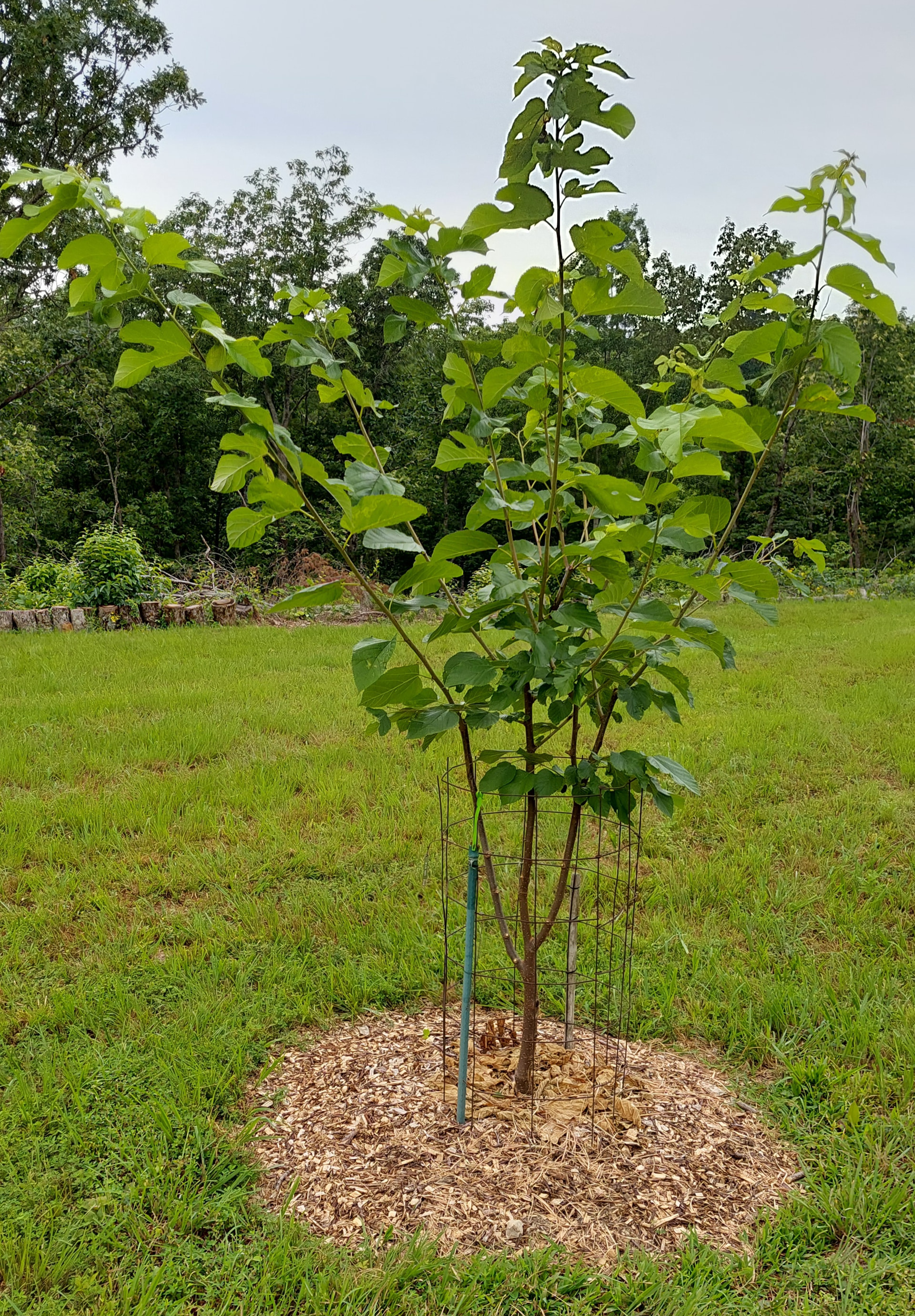
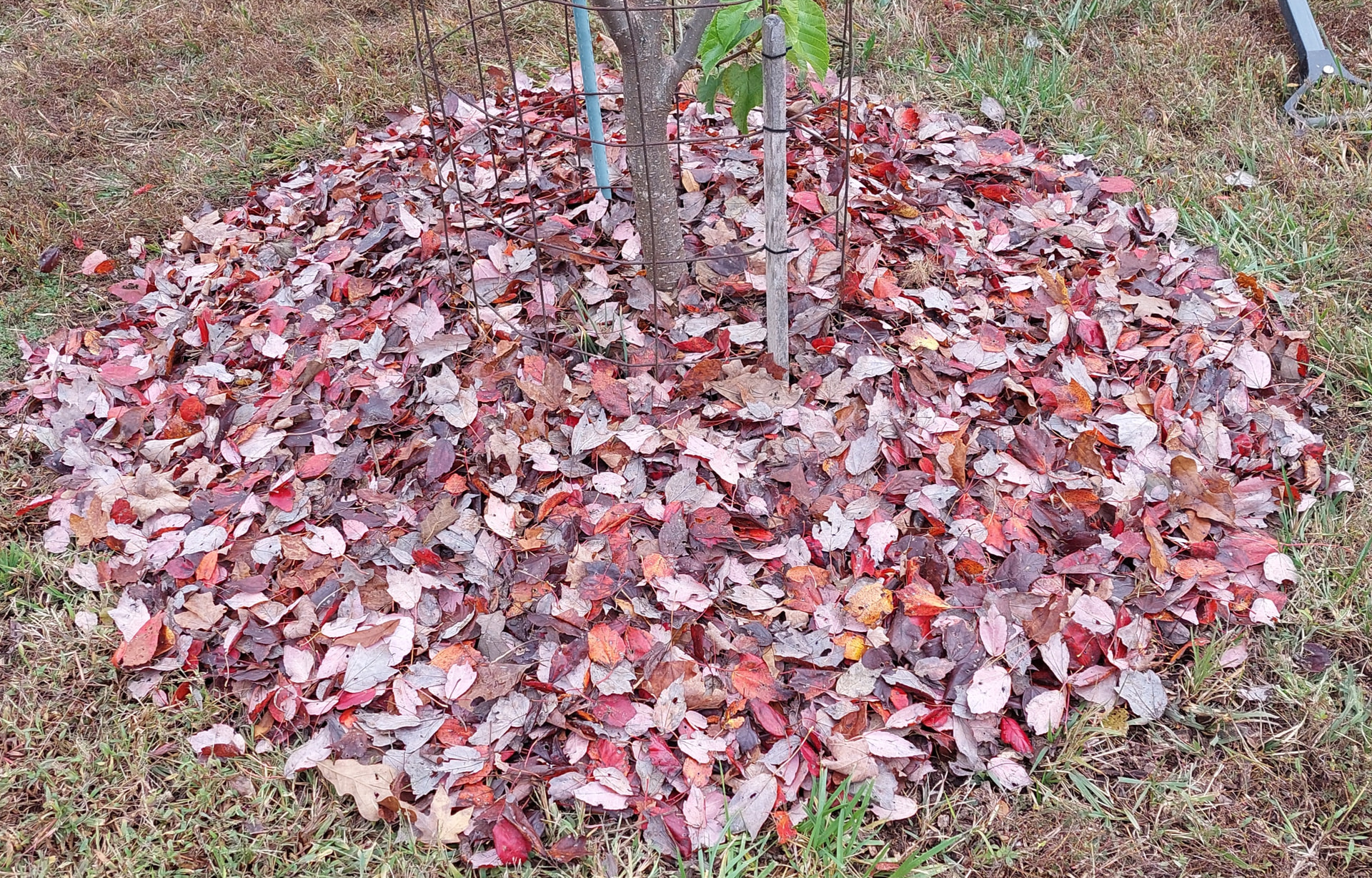
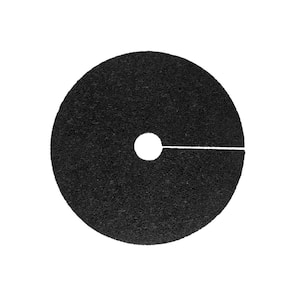
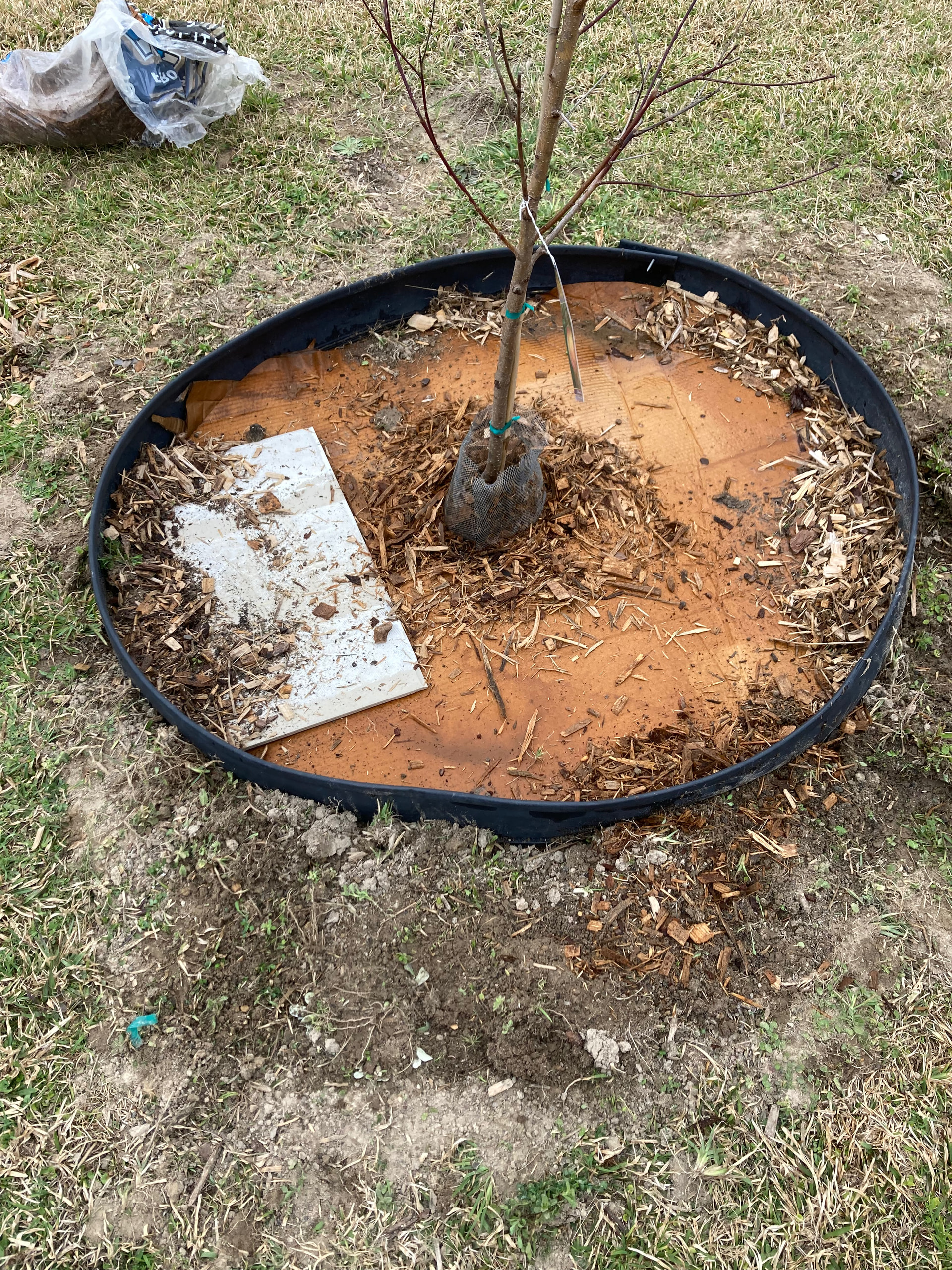
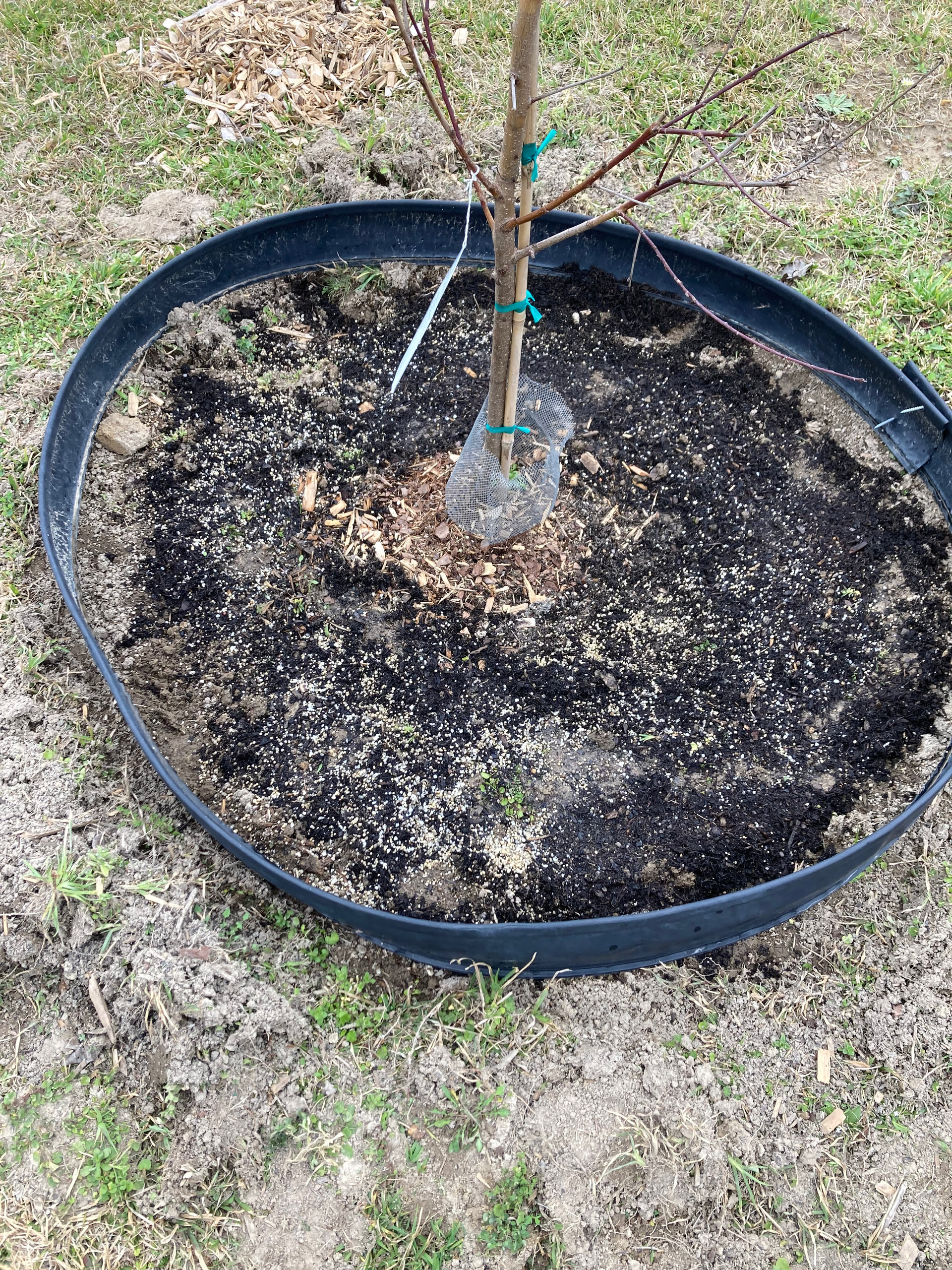
I use in my home orchard a combo of herbicide, basically glyphosate and a pre emergent. I’ve gone to using mulches to try and eliminate my herbicide usage and create a better environment for my babies. Also to get the best weed control over a longer period of time once the mulch is in place. Oh..I also use the hand and back method too…pulling and hoeing. I don’t want to spray a lot.
I ran a large tree nursery and we basically sprayed glyphosate and preemergents for years so we had a tall fescue strip between the rows and a band of bare ground 24” on both sides of the trees. We had irrigation when needed, and used drip the last 22 years.
I found some of the pre emergent herbicides I used are not labeled for fruit trees. It may be that they didn’t want to label it due to cost or possible absorption by the trees. Probably the first.
I found that Simazine or Princep, Pendimethalin (Prowl or Pendulum), and Indaziflam which is Alion are the best options for me and labeled for young fruit trees. There are some others but I don’t want to use them.
Preen is a common herbicide used in gardens and landscapes but what I bought didn’t have fruit trees on the label. I’m a by the label kind of guy.
Simazine will control mainly grasses, and a some broadleafs. It has a half life of 6 months. So you can build it up over time. It’s water solubility is high, so it will move. I wouldn’t recommend it in sandy soils. It’s a root inhibitor. It does a decent job and needs touched up after a while. It’s cheap but weeds with resistance will build up, like Pineapple weed. It may only be labeled for two year old trees. When the ground is settled due to it being water soluble.
Pendimethalin can be used. It’s most common use is controlling crabgrass in turf. You can use it at a rate that will last 6-8 months. It has a lower water solubility so it last longer and doesn’t move. It is bright yellow and will stain things pretty bad. It fades and is not noticeable after use in the field but your sprayer will take stains. It is pretty effective, has a broad range of control and will last a season. It’s relatively cheap and easy to use. The staining is a draw back. You need to read labels, as some are labeled for fruits and some aren’t. Same chemical but the labels are different. I use Pendulum Aqua cap.
Alion is labeled for fruit trees. It is the same thing as Marengo which isn’t labeled for fruit trees. We used Indaziflam (Marengo) in shade trees and it worked great. It last the full season, controls a lot of the glyphosate resistant weeds like Marestail and is pretty much stable in the environment and doesn’t move much. The draw back is that it is expensive to buy a bottle. I think you can get a more generic at Keystone called Rezelion for $380 a quart. Ouch…but you only use about 2 -4 oz per ACRE! I have a long drive and lots of non weed areas so it’s worth it to me. If I spray once a year my exposure is less than having to spray twice. I like it regardless of the cost. It’s a good product. I load a 30 gallon sprayer with about 2 oz in it. I figure my quart will last me about 3 years. I mix it with glyphosate at 2%. In gravel areas I use it stronger.
As for glyphosate you need to remove all the suckers a day or two prior to spraying. You need to avoid products which have additives like surfactants. They make it work better by penetrating leaves better but it can also penetrate the bark, especially young green bark trees. Roundup Pro is a good example. Don’t use it. I buy just gylphosate at my agra dealer. I add my AMS and a non ionic surfactant that I trust.
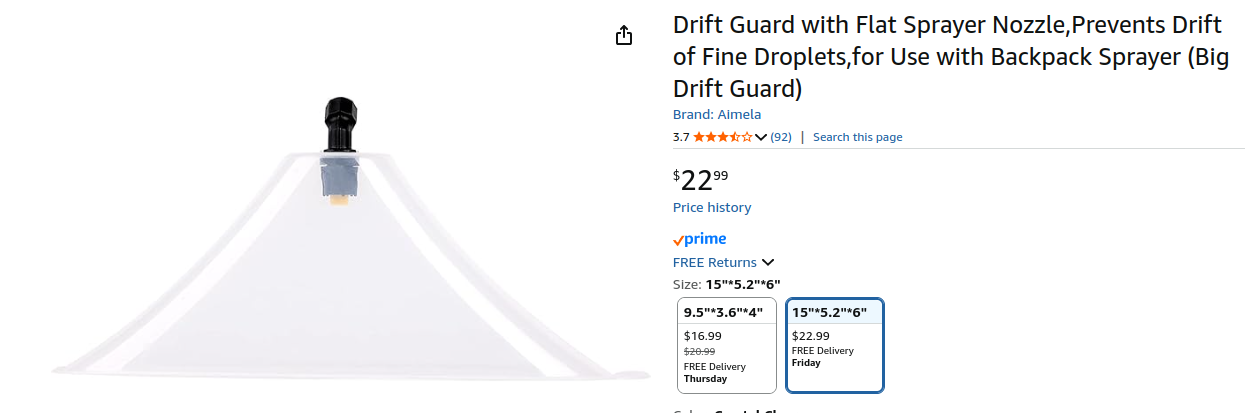
Turn your pressure low so you don’t have a lot of mist. I use a flat fan nozzle on my spray wand, not a cone, and 30 psi. I get better control. I back it down to 20 psi if I’m worried about drift. Beware not to get it on the trunk if you can, especially on young trees. If you are uncomfortable put a shield on your tree like a plastic tree protector. I don’t use a shield. If something is right up against the tree, I pull it.
In the nursery young Crabapple was a tree we were cautious around and would usually put the white plastic tree guards on prior to spraying with a tractor mounted nozzle driving at 3 mph. There was some discussion that it caused bark to split later on in the winter.
We didn’t worry about getting a little on the trunks of woody shade trees.
Read thoroughly your labels and follow them reguardless of what I’ve said here.
Some products are labeled for fruit trees, but only non bearing fruit trees. I don’t want that. It’ s for big orchard operations looking at the cost per acre early on. Read the label.
Hope this helps and might be more than you are looking for, but I have a lot of professinal experience doing it, and thought I’d share my 2 cents.