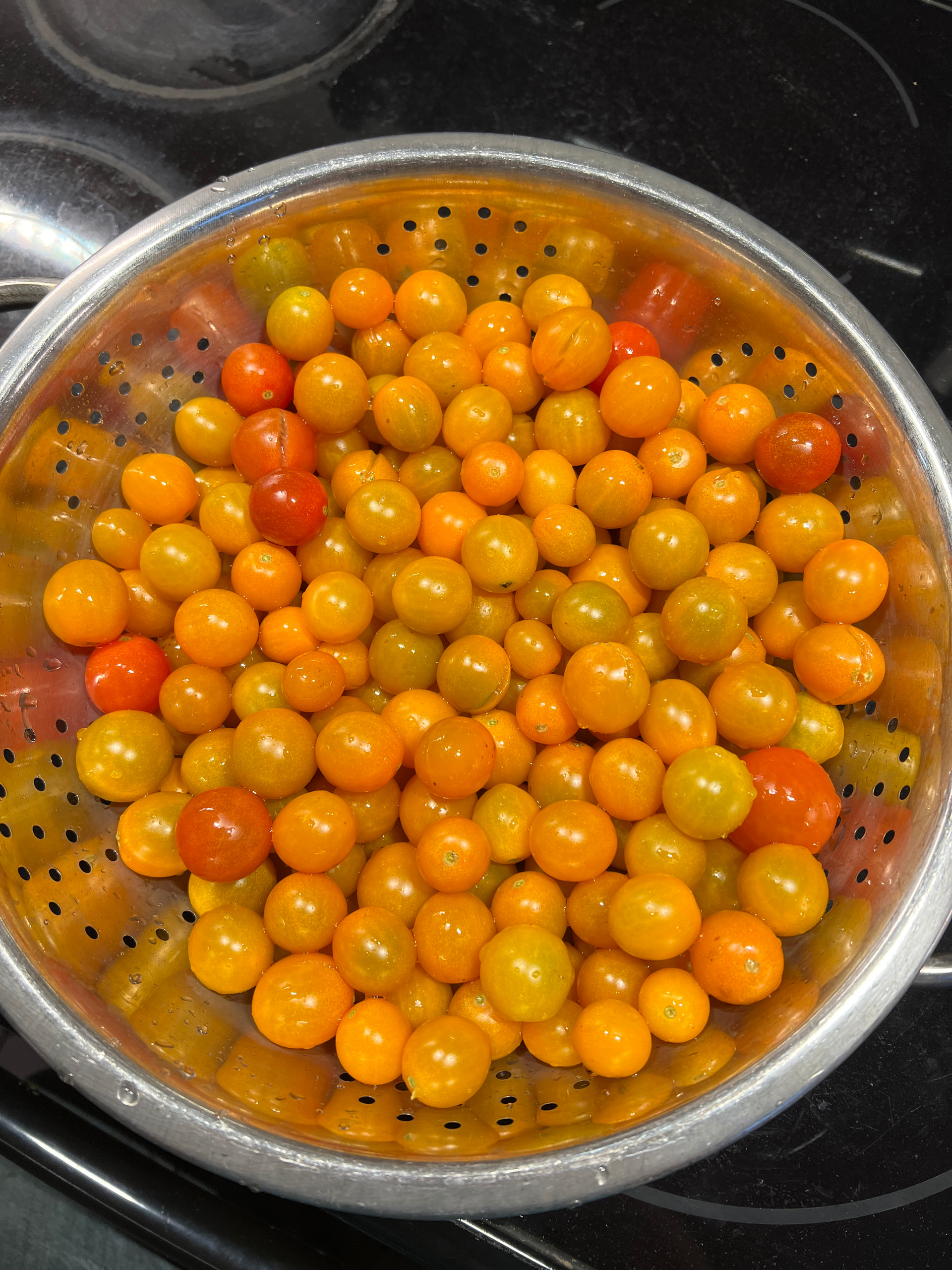
I don’t know the parentage of the very first seeds, so I don’t know about S. pimpinellifolium genetics in my plants. It could be somewhere in the unknown ancestry since it is used in modern cherry varieties. Well, go far enough back and it likely is somewhere just because domestication happened.
When I said they grow like weeds, I just mean tomatoes in general.
The biggest thing here is just that our environment is conducive to growing tomatoes. The soil has enough nutrients to support their entire life cycle year after year, and it retains water yet drains well (clay loam over schist). The growing season is 180 days long, most of it is warm, with daytime temps in the 70s and 80s. Rainfall is usually high enough to keep soil moist at all times. The compost I use is mainly a bonus and nitrogen reserve. It’s easy to grow tomatoes here in southcentral PA/northern MD. I hardly sell mine at the farm stand because many grow their own already and they don’t want more tomatoes. Some people don’t even plant, they rely 100% on volunteer cherry tomatoes. Being out in the country kinda sucks in that regard, go to the city and more people don’t grow tomatoes.
My tomatoes specifically are fairly quick to flower. I typically start in February & am plucking off flowers in April before they can go out. Some people think it’s stress from root binding but then I show them the roots and they’re like…oh, those roots are totally normal.
I wouldn’t call them a fast grower though. I’ve grown Brandywine alongside them to give to friends & Brandywine is much faster growing. But it flowers much later. Mine are starting to grow faster and faster though. I blame the wildfire smoke in 2023. That smoke and the almost complete lack of rain the whole summer cut my germination to 50%. But that 50% was really vigorous.
In the first couple months my tomatoes grow as a narrow vine that I have to stake up. Then after they go in ground with their trellis they develop the so-called ‘suckers’. The suckers (really just flowering branches) usually form at wide angles. I leave most of them to increase production. Then the plants really take off and get big. The biggest probably grow 10’ by the end of the season.
Volunteers grow like squash vines on the ground. On unamended soil they get a few feet long. In compost they’ll grow 6’ easily.
It’s a small probability. Because my tomatoes are so different from what’s common on the market virtually any cross is easy to detect. And there’s only been one faraway cross out of around a thousand plants over the years. The bulk of cross pollination is within my tomato growing space, which is only a few hundred ft2. That’s why I need more land. (I grow a lot of other things here already).
I’m much more concerned with someone taking my seeds and filing a patent of their own to steal my work.
To be clear I didn’t breed in the EB immunity, that’s just how the plants started out. I’m just confused why the original plant isn’t listed as resistant. Could be a strain thing.
Grafting is a cool idea but I grow way too many potatoes to do that.
Potato fruiting is infrequent. I save the seeds I do get and try to grow them out but I’m fairly new to it so my success rate isn’t that great.
I’m talking about longer bouts of weather where you couldn’t do that approach even if it worked.
But it doesn’t work. I’ve tasted tomatoes that have fallen off the vine prematurely and ripened on the ground and they’ve always been less sweet. I think the differences are masked in the more normal tomatoes by that sharp flavor.
‘Several metabolites were in significantly lower amounts in fruits ripened off-the-vine compared to fruits ripened on-the-vine (fructose, glucose, sucrose, formate, alanine, asparagine, aspartate, glutamate, phenylalanine, threonine, and tyrosine). Major quantitative differences (with more than 30% reduction) were observed in the contents of fructose, glucose, aspartate, and glutamate of fruit ripened off-the-vine.’
The idea that the tomato stops receiving nutrients from the plant at the breaker stage is a myth, it seems.
 in my selection process; good flavor, sweet, not sharp, but not the very best. Orange Paruche I think are just a tad below but it’s been so long I don’t remember. They aren’t sharp like the SunGold.
 “Sugar Overload not such concept” here we come!!!
 wow! Bumble bees can pollinate quite faraway… now this makes me concerned a bit about the GMO Purple Tomato people are now starting to grow in Gardens. Even tho Norfolk encourages people to make crosses with their tomatoes, they still own the patent & therefore can revoke rights whenever they feel like (Not that they will but the chance is never 0%). But I can imagine this be concerning for someone who doesn’t want potential patent infrigements or GMO plants at all.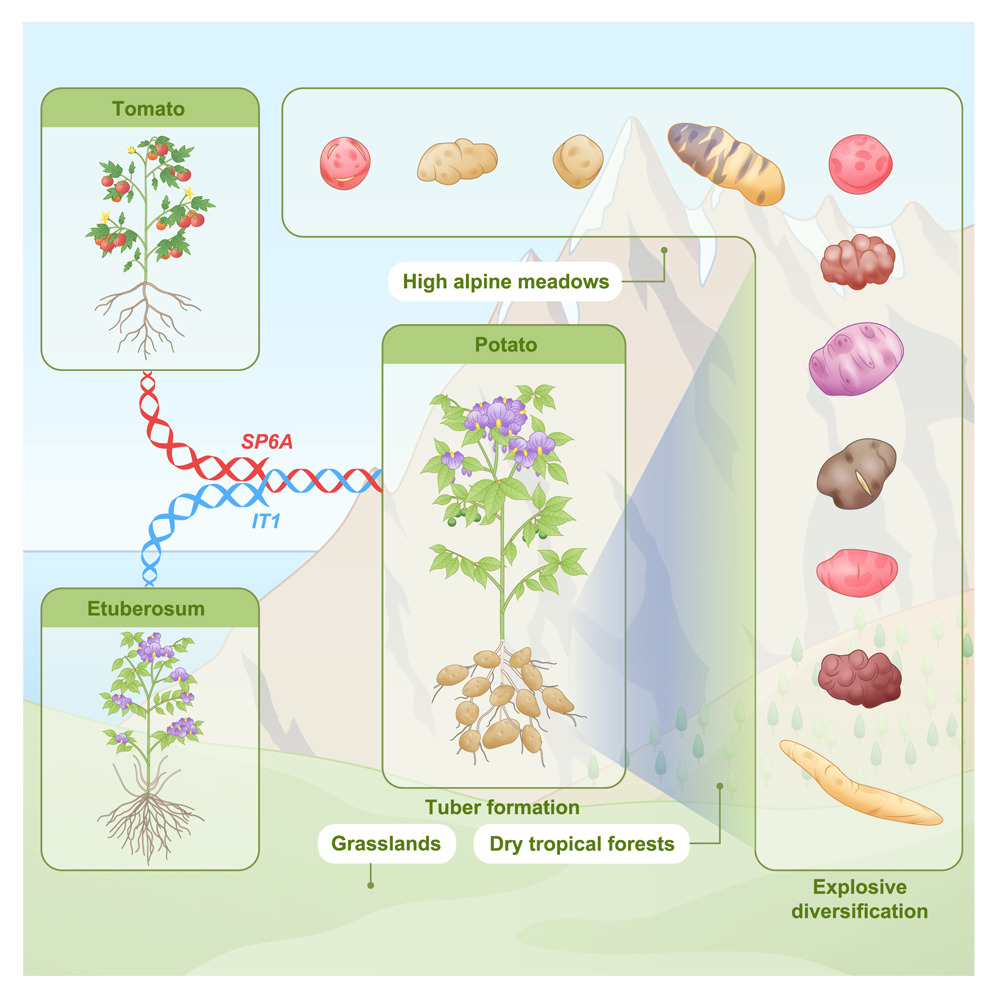
 , I live in Maryland Montgomery County. Good to know Tomatoes are easy to grow where I live too.
 yikes, shit like that actually happens??? Perhaps this is why the OSSI exists, to prevent this?
 .
.
 .
.