What Hawaiian fruit to try

Ooh! I learned this from an old local. Cut a good ripe papaya in half, scoop out the seeds and replace them with the edible seeds, juice and pulp scooped with a spoon from a lilikoi (passionfruit); then squeeze a little lime juice over it all. When I’m in Hawai’i that’s my daily breakfast.

People from the mainland who think they don’t like papayas learn otherwise in Hawai’i, where the good little papayas (unlike the big Mexican ones, which aren’t terrible, but different) have the chance to ripen properly (vs. getting moldy at one end while stlll green at the other, like the ones picked and shipped unripe). Strawberry papayas and rainbow papayas are delicious and worth trying but the abundant, inexpensive orange ones are, to me, just as good.

4 Likes

Sorry to see you’ve already left the islands, but glad to see you found the Hilo farmer’s market. I try to make that my first stop on any visit to the big Island. When you go back, be sure to try papaya with lilikoi and lime!

I’ve been back for almost a week and am just catching up with things. I switch easily to Hawaii time (5 hours behind), but going back at all is hard.

I was actually able to try papaya with lilikoi while I was still on the ship. It was pretty good, if only because lilikoi is good. Papaya is a bit of a bland medium which fills out the mouth, letting the lilikoi to supply most of the flavor.

On the way back, there was a lot of lilikoi/passionfruit offered on the ship, so it looks like I didn’t need to buy those 3. I didn’t see that many people eating it, but me and my wife ate plenty, especially since it is so small. Or rather, the usable amount is small, given the overall size of the fruit.

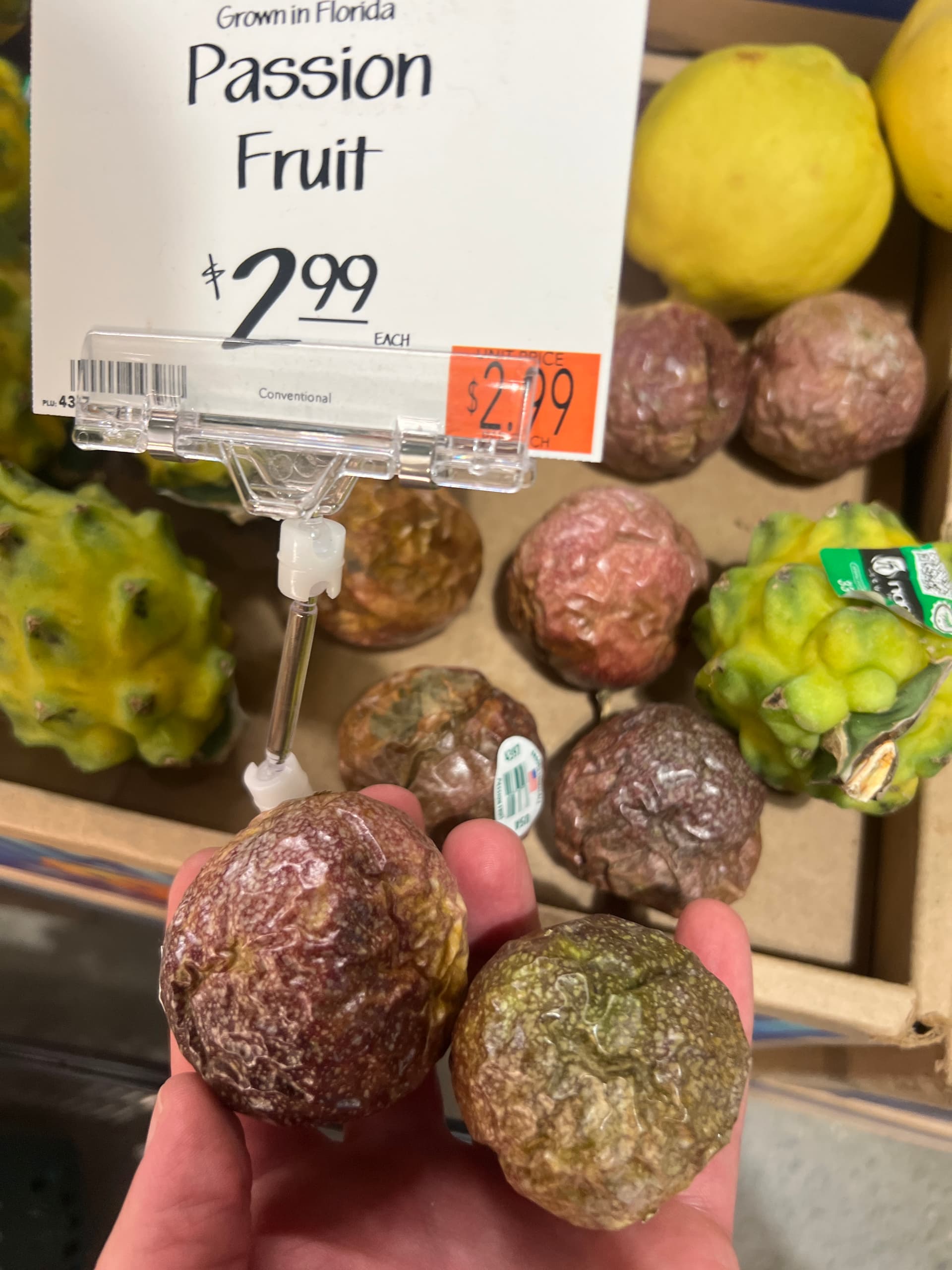
After getting back, I saw passionfruit at Whole foods and was very pleasantly surprised by them being $2.99/lb, given that they felt quite light. Regrettably, I misread the sign and ended up spending way more than I planned on them, as they were $2.99 each…Approx 0.06 lbs each for a price of $49.83 per pound! Though I only got a few, so the price wasn’t horrible, except when looking at how small they are.

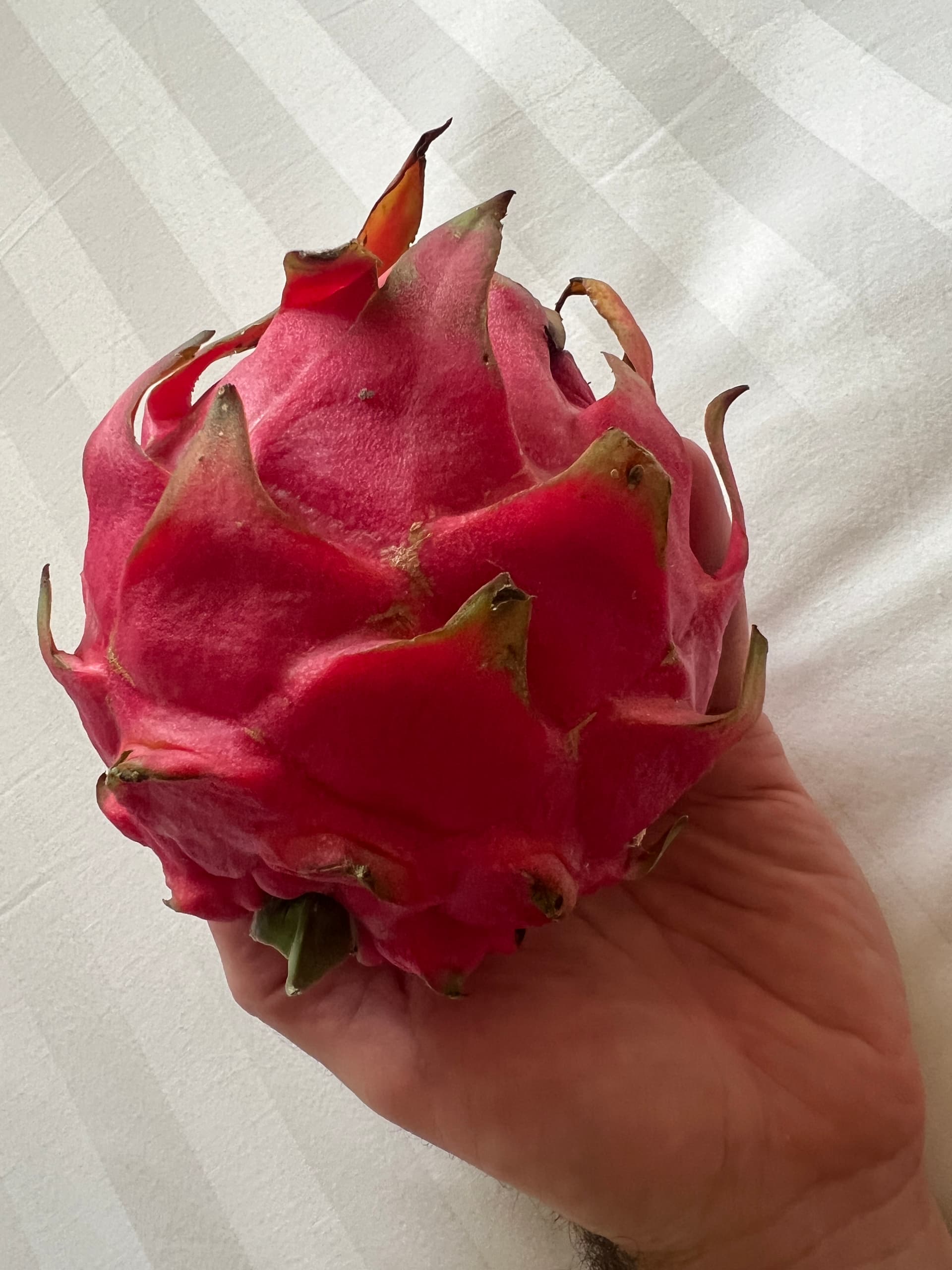
As far as overpriced fruit from the cruise, I think Dragonfruit takes the prize. It was $6 for a relatively small one and the flavor wasn’t anything special. Maybe even less flavorful than a papaya. I should really stick with yellow dragonfruit.

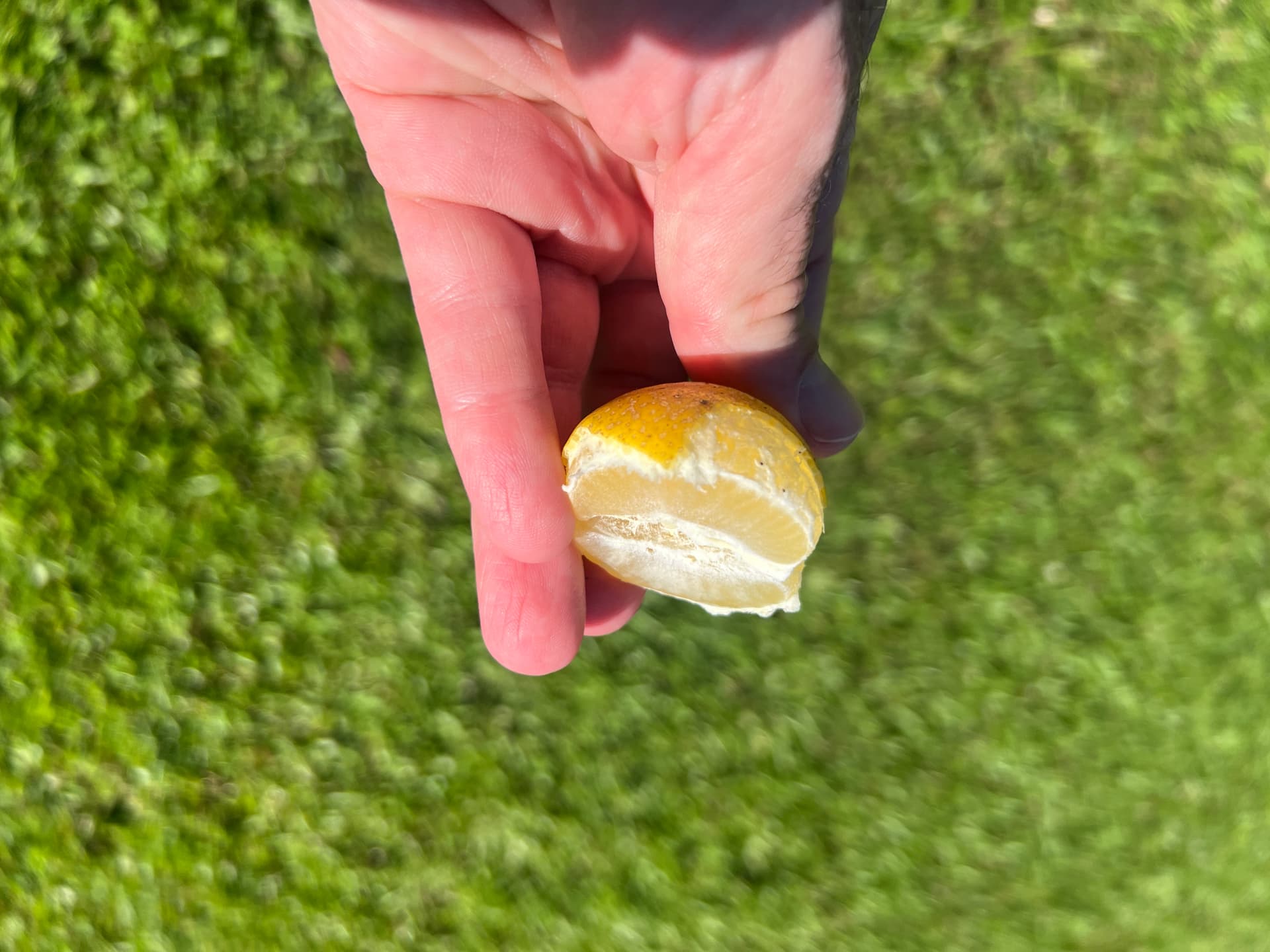
We caught the tail end of a small market in a rural area near Hilo, but of the two vendors left, they mostly sell non-fruit. The one fruit they had was lemons at 10 for $1 (wow). I told her about the last Meyers I had being too sour and she said that hers were pretty ripe and to give it a try. It was a bit sweeter than the Meyers, but still too sour to eat fresh, though I tried to give her $1 anyway. When she realized I didn’t really want any more lemons, she gave me some apple bananas (similar to the mini-bananas in stores) that another vendor had given her. I tried to say I didn’t want to take her bananas, but she said they had too much sugar for her. We ate them within 5 minutes of getting back to the car and they made a nice snack on the way back from the volcano (we hadn’t gotten to the main farmer’s market in downtown Hilo yet).

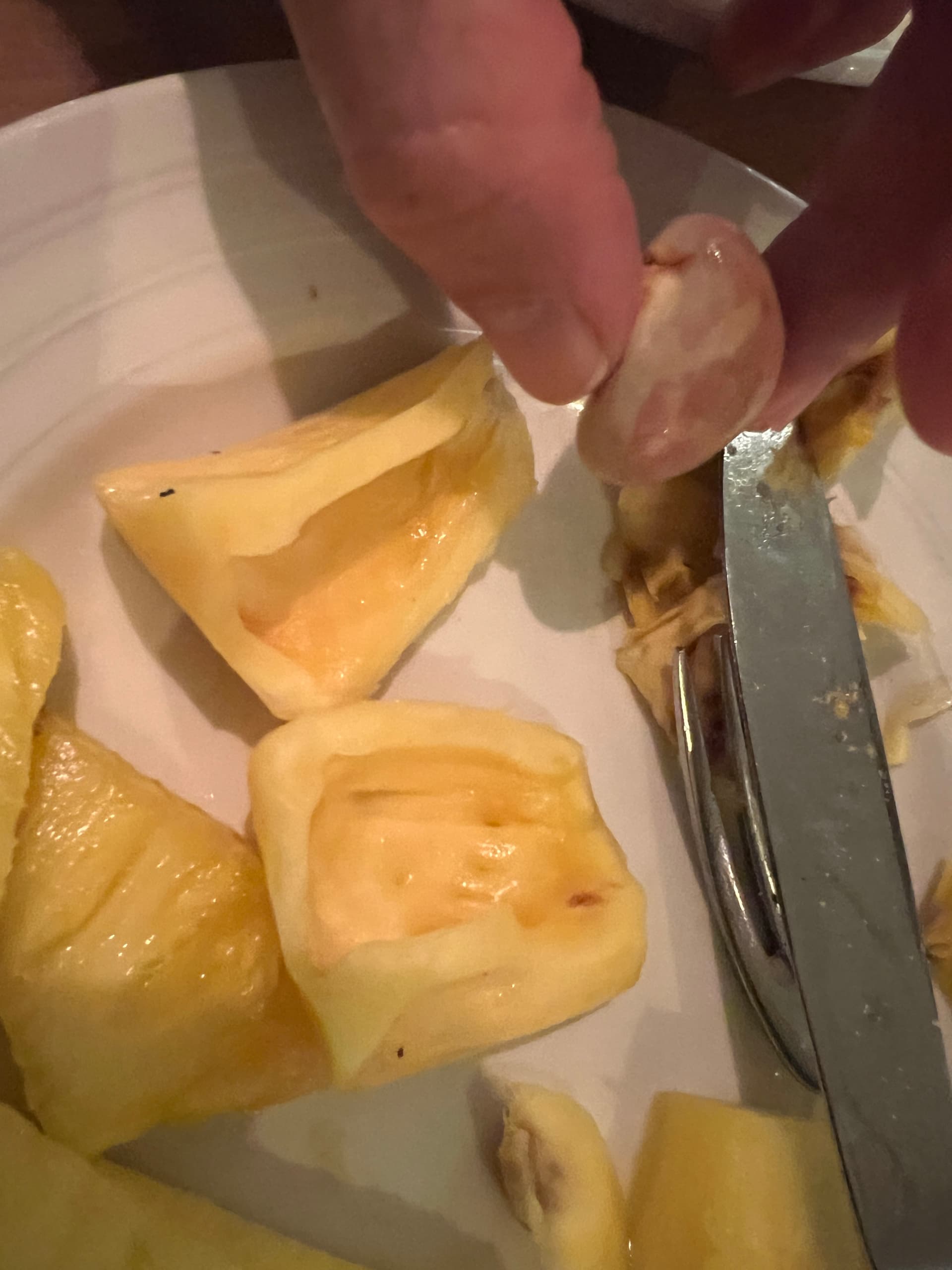
We didn’t buy any onshore, but the ship served Jackfruit. I didn’t dislike it, but I don’t see it as something I’ll search out. The texture was interesting-I think I saw somewhere it (the texture) is compared to meat, and I can kind of see that.

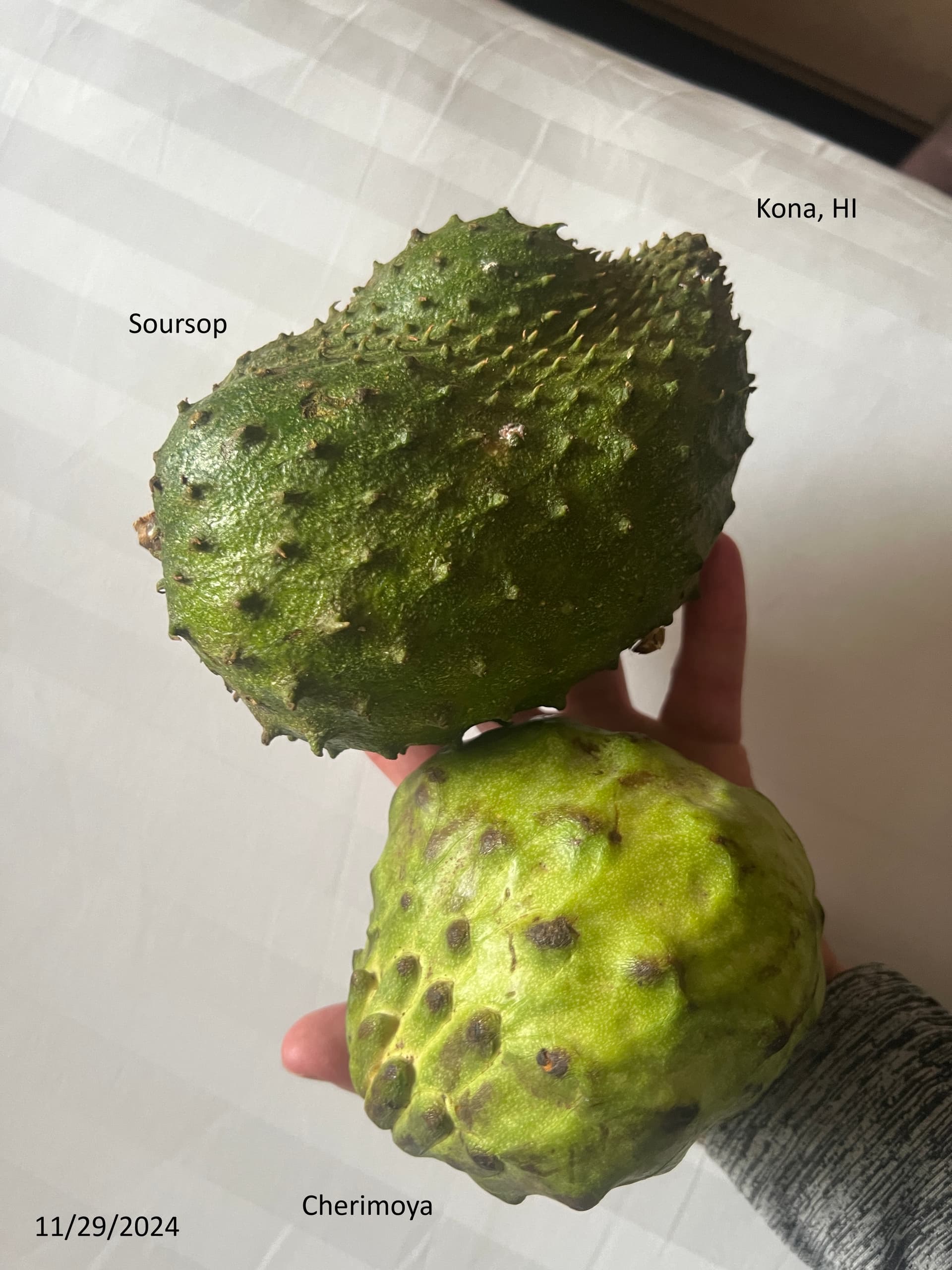
I waited a few days for the Soursop and Cherimoya to soften.

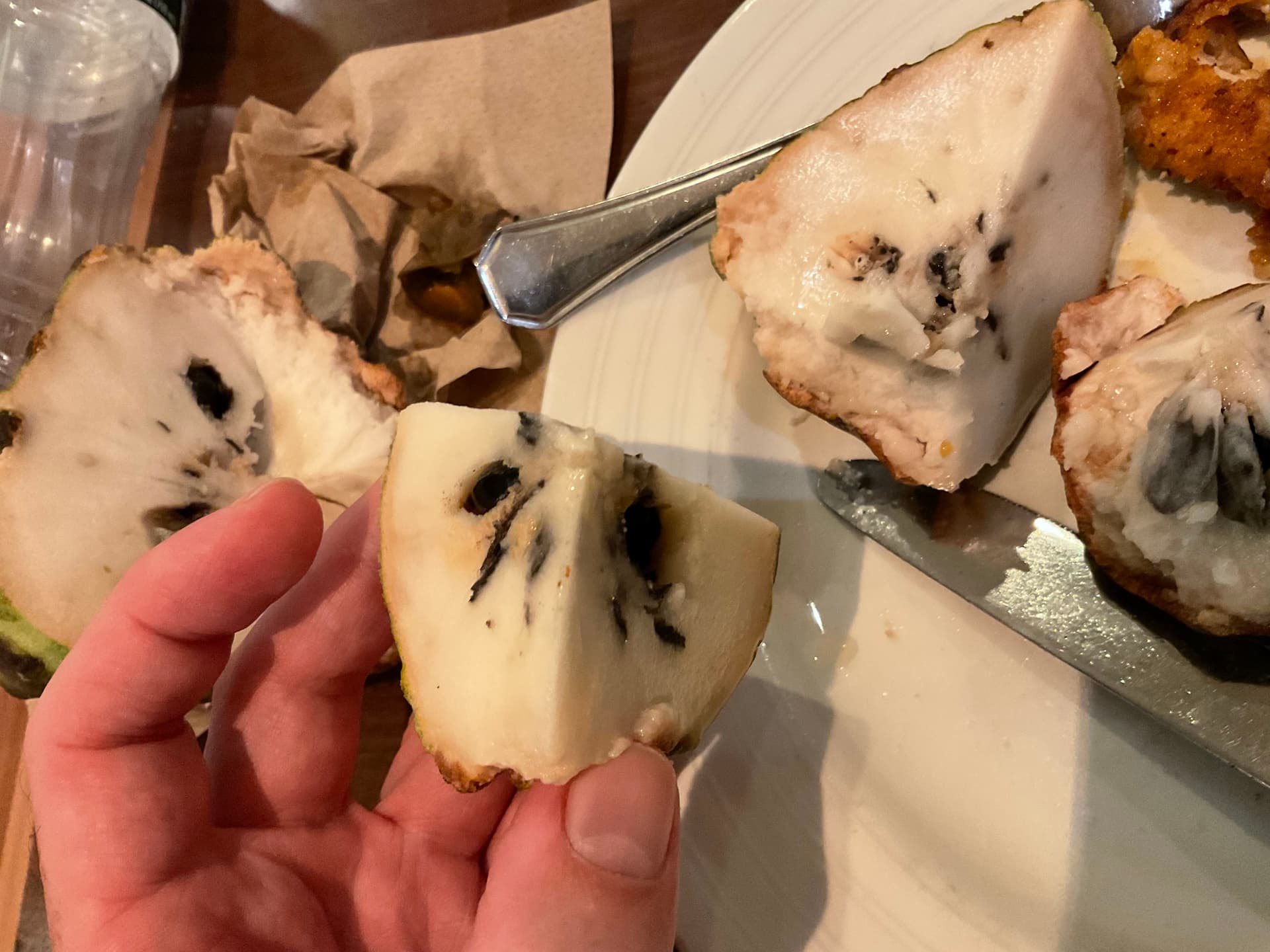
The cherimoya was sweet and pretty good, though I felt like there were a lot of tiny seeds or black spots to remove that I didn’t remember in the (distant) past when I had a cherimoya near home. But, this one had better flavor than I remember.

I have mixed feelings on the soursop. I like the flavor even better than cherimoya, as the soursop had a more balanced sweet-tart (though still plenty sweet). It was pretty annoying to eat though, with most of it consisting of fleshy sacks around seeds. I think I accidentally ate a few seeds, which I later found out is not good due to them being toxic. So, while I liked it, it was a bit of a process to eat it and I was getting pretty impatient with it by the end (it was a very large fruit…the bigger, spikier one in the above pic). I thought I had a pic of the insides, but can’t find it. It seems to me like it could be related to the cotton fruit, another sweet-tart fruit with flesh pockets around each seed.

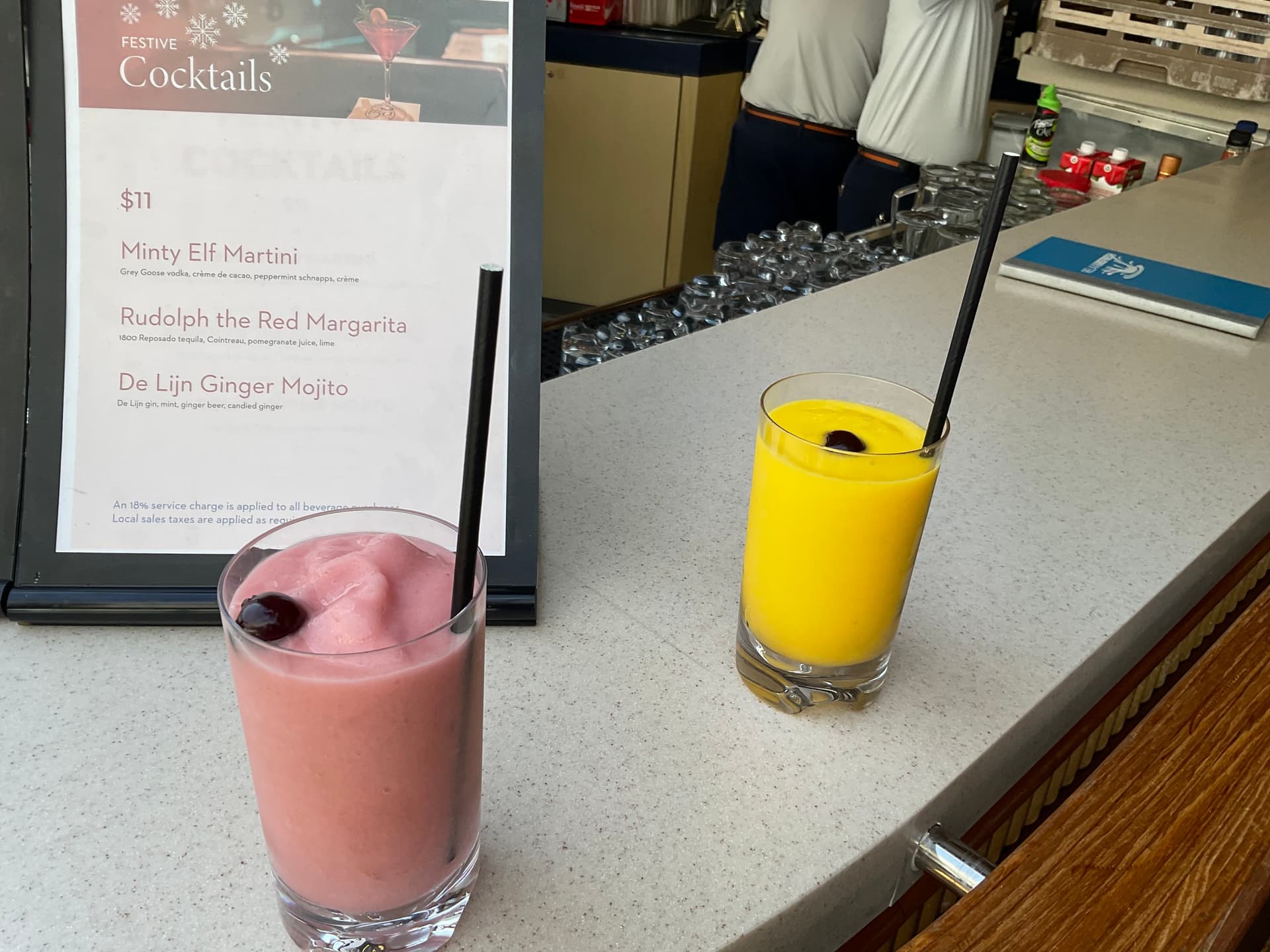
There was a pickleball tournament each sea-day (days in transit between locations). Of the 10 tournaments, my wife and I won 7 each (6 together and 1 each when they randomized teams). Each time, there was a small prize (branded cards, a pin, a plastic tulip specific to the ship, etc). The last day they guy who was running it got us drinks and we chose raspberry and mango smoothies. Pretty good, but also not something I would spend money on during a cruise where so much is free/included.

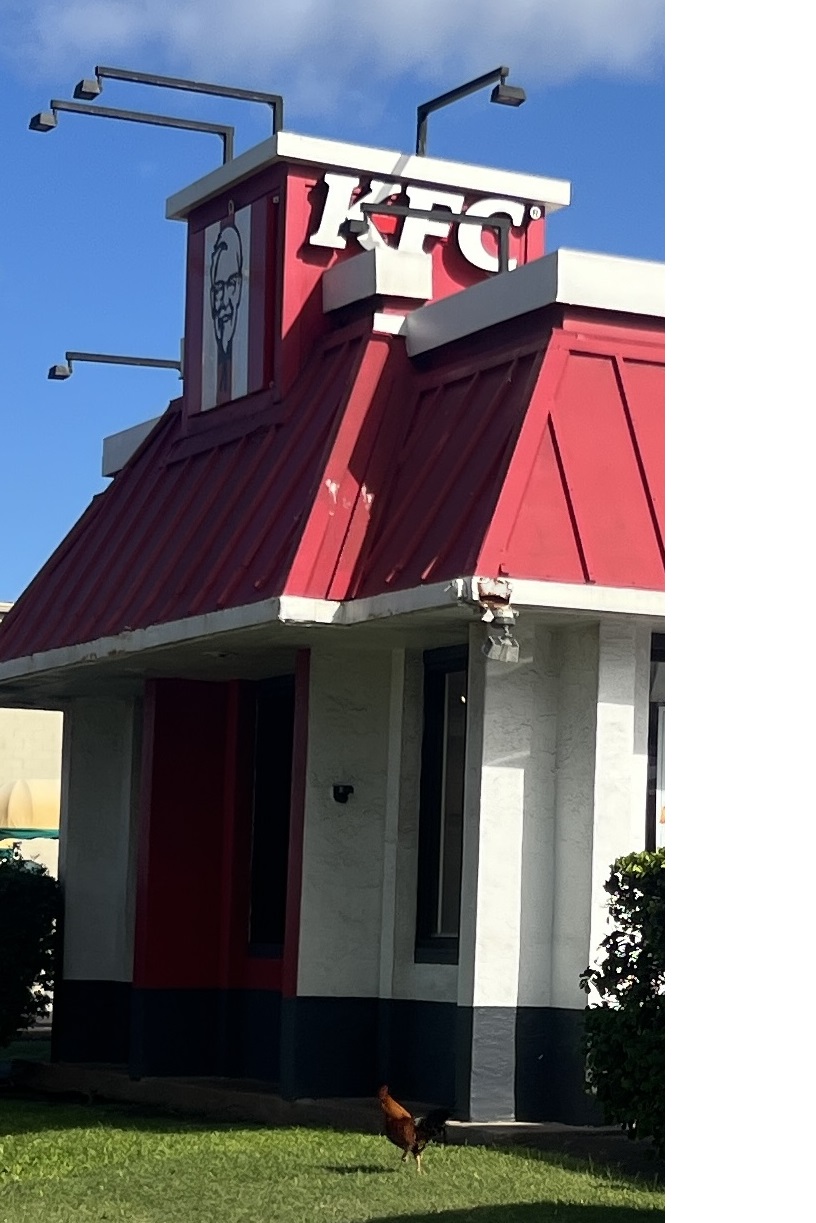
One thing we saw on all the islands was chickens running around. Evidentially, they have escaped over the years (especially when hurricanes destroy coops). Most of the islands have mongoose (other than Kauai, I think), but it doesn’t seem like the mongoose are enough to keep the chickens in check. I was surprised that nobody goes around collecting and eating them, but was told that doesn’t happen for a few reasons. There are at least some level of protections for them, but I don’t think that would be enough without the 2nd reason…they just aren’t very tasty. They are a mix of 4 different chicken type, include fighting cocks, so they make for very tough meat.

One of our guides says that he hear of a recipe for making chicken stew:

put the chicken in a pot with a rock and boil until the rock is soft

I took some pictures of them running around and sent them to my youngest.

I asked: “why did the chicken cross the road?”

Chicken_road_11-28-2024

To get to a family re-union!

Her reply was:

Dad…no.
That’s not…
NOO
Noooooooo
That’s a funeral it’s going to

I thought my joke was funny (I always do :slight_smile: ), but I laughed more at her response.

Next up is to make a post about the GreenGardenGuy from my visit to Hilo. I’ll link to it from here once it is up.
5 Likes

Bob,
Look like you and your wife had a great time in Hawaii. The fruit you showed, Cotton, looked so much like a fruit from Thailand/Southeast Asia called Santol. (กระท้อน) while the Chico looked to be a cousin of Sapodilla.

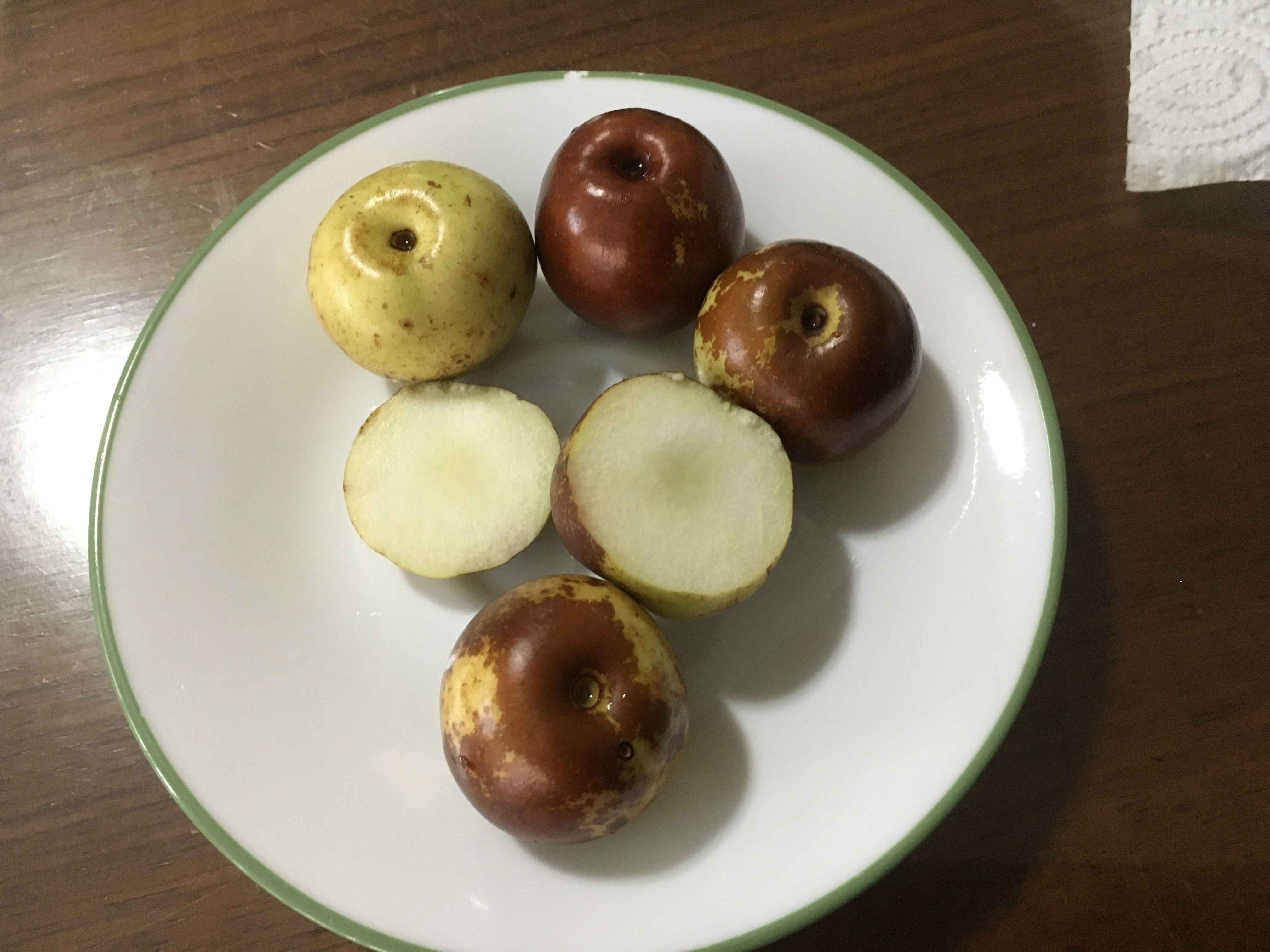
I just came back from a month in Bangkok. I ate fruit I like everyday but Nov is off season so many fruit are not available. I found jujubes (a round shape with light yellow skin) for $2 a kilo but they tasted just OK. My sister grows her own bananas so that’s a given.

I don’t know when peak season for tropical fruit in Hawaii is. In Thailand, it’s May - August but it is so hot and humid during those months.

Cotton fruit is Santol. Cotton fruit is what it is called in English. And Chico is what they call Sapodilla in Hawaii, although they look smaller then any of the ones I’ve had in Florida. So they could be a relative, like chicle (Manilkara chicle) or just a smaller growing cultivar.

Thats bigger then the ones in the grocery store at least. Pink Dragonfruit is insanely expensive for how it tastes. They are usually $6 at Publix, and smaller than any of the fruit I’ve ever had on my plant.

I was bamboozled into eatting a bbq pork sandwich that was actually jackfruit. It tasted like crappy, school cafeteria pork. The jackfruit itself was mushy with no flavor, like a poor quality meat soaked in water for too long, which I guess is a meat texture. Maybe it could have been better with a better bbq sauce.

The family soursop and cherimoyas are in (Annona) are very very seedy. Some of the fruits are small and barely have any flesh in them. So they can be pretty annoying. I found cherimoya to be pretty easy to peel the flesh from the seed. Never had a soursop. They are more closely related to a pawpaw then a Cotton fruit, and the Florida native Pond Apple is in the same family.

1 Like

My wife and I went there in 1990 for our honeymoon. We split our stay between the Hyatt Regency on Waikiki beach… and Weston Hotel on Maui.

We did no fruit searching… but it seemed like every meal we had there… breakfast lunch or dinner… they served pineapple with it some way.

Back then there were lots of small Japanese ladies over there and they would ask us to stop so they could take a picture of my wife. She had very long curly red hair… evidently something not so common in Japan.

That was the first place I ever paid for water.

It was a great honeymoon.

TNHunter

I never like Cherimoya. I prefer sugar apples for its texture, taste and aroma. Seedy, yes but we made use of those seeds (used in children games growing up.

The most recent sugar apples I had were dessicated and mostly dry. That was a big turn off. They were also tiny. The one I had before that was much larger (still smaller than a cherimoya though) and was pretty bland. I think it was still underripe (vendor said to eat it when it starts to turn purple but failed to mention how purple it would get). Despite having a bunch of annonas growing and a big interest in the family as a whole, so far every one I’ve had has been a B-tier borderline C-tier fruit (small sample size). Love the custard texture though.

There may be some varieties that could turn reddish purple. The ones in Thailand are mostly green. Light green are riper than dark green. When picked close to ripe, they will continue to ripe. Once ripe, they are softer and fragrant. You can just smell them. Never had dry sugar apples.

1 Like

Yes, I took a look at the receipt and the cotton fruit showed up as “Santol” there.

There were a couple different kinds that I tried, but they tasted about the same. Too soft, almost gritty and sickeningly sweet for me.

Yeah, I don’t think I’d like it in place of meat. But on it’s own, the one I had was relatively pleasant, but not something to search out. Mild sweet flavor, firm, interesting texture.

I ate a lot of pineapple on the ship. I like it quite a bit, but am a bit lazy about cutting it up, so it isn’t something I eat much on my own. But, when it was pre-cut on the ship I probably averaged two bowls a day.

When I was there, the highs ranged from 70-80, depending on island, so it wasn’t like nothing could ripen. But it still wasn’t peak season. I think pineapples had just ended, but there were still a lot of longan in stores (probably my favorite).

Sounds like you found the tropical jujubes. I was on the lookout, but didn’t see either the tropical, nor the Chinese kind.

No, these were Chinese jujubes, not Indian ones. I bought and ate both. Indian jujubes were juicy and mildly sweet but that’s what was expected.

Indian jujbes. Fresh Milk varieties. Picked too soon.

Chinese jujubes. Not tasty. Had a hint of what could have been.

2 Likes

There are many kinds of fruit that are available all year round including, mangoes, bananas, guavas, oranges. However, there are a lot more varieties in-season and they taste much better.

I missed a durian season. I had some but they were not quite ripe. I love jackfruit, both yellow and orange colors. Good jackfruit are sweet and firm.

There is a kind of jackfruit-like in southern Thailand called Champeden or Champedak. They look like jackfruit but the texture was very soft and it is sickening sweet.

1 Like

There is a hybrid of the two called Champejack I believe. They supposedly have the taste of jackfruit but the texture of Champedak.

1 Like

Ha! I like your chicken joke (and your daughter’s reaction).

Some Filipino friend’s of mine love champedak, both of them like sweet with no tart.