I already mentioned Big Mistake #1: Insufficient attention to diseases, which should dictate choices of crops and cultivars. For example, I can’t grow Apricots or Asian Plums due to various fungal diseases. And I should grow only disease-resistant varieties of apples. Ands I should use anti-fungal sprays on apples and peaches.
And I think I mentioned Big Mistake #2: Insufficient attention to insect pests. I can get away with no spray on pears and persimmons and berries, but not apples.
Here’s Big Mistake #3: Insufficient attention to animal pests, including both birds and mammals. If you don’t have a strategy to keep birds off your blueberries you might as well forget about growing them. And if you don’t have a strategy for keeping deer out of your apples or raccoons out of you peaches, ditto.
And Big Mistake #4: Insufficient attention to tree size.
Tree size for sure. While I did plan on the specific strategy of backyard orchard culture/high density planting, I would’ve benefited from a couple more feet between trees in almost all cases (especially peaches). Hard to keep them from both getting wide and tall (never want to use a ladder to pick). It requires some serious pruning. Also some of my fruiting bushes or plants underneath my trees are too shaded this year and they need to be relocated (something I really didn’t see the long view on when planning). My strategy has changed slightly now, as I find trees that I don’t like or they die, I can just let the others grow into the space of the removed variety and prune accordingly.
What size spacing or plots did you use? I still have most things in planters because I’m scared to make a mistake.
I don’t mind having a little extra unused space in corners since I will simply use them for growing native flower plugs or groundcovers like Lingonberry etc.
Incidentally when I asked as a newbie, the Savanna Institute recommended against attempting 50% humidity California backyard orchard culture practice in 80% humidity Minnesota due to fungal disease. I’ve lived in both states and there is a big difference in humidity.
Well, I’m still not an expert, but since I started this thread almost 6 years ago, I can say for sure some things I would have done differently if I could go back in time. In no particular order:
I wish I would have completely skipped Bud 9 when grafting apples. I would have done all M111/Bud9 interstellar trees. The ones I did do interstem are doing much better than the same cultivars on Bud 9.
I would have had the goal of breeding persimmons rather than breeding apples. Apples are just hard here, especially attempting no spray. Persimmons are just easier all the way around, with the exceptions of harvesting and storage time after harvest.
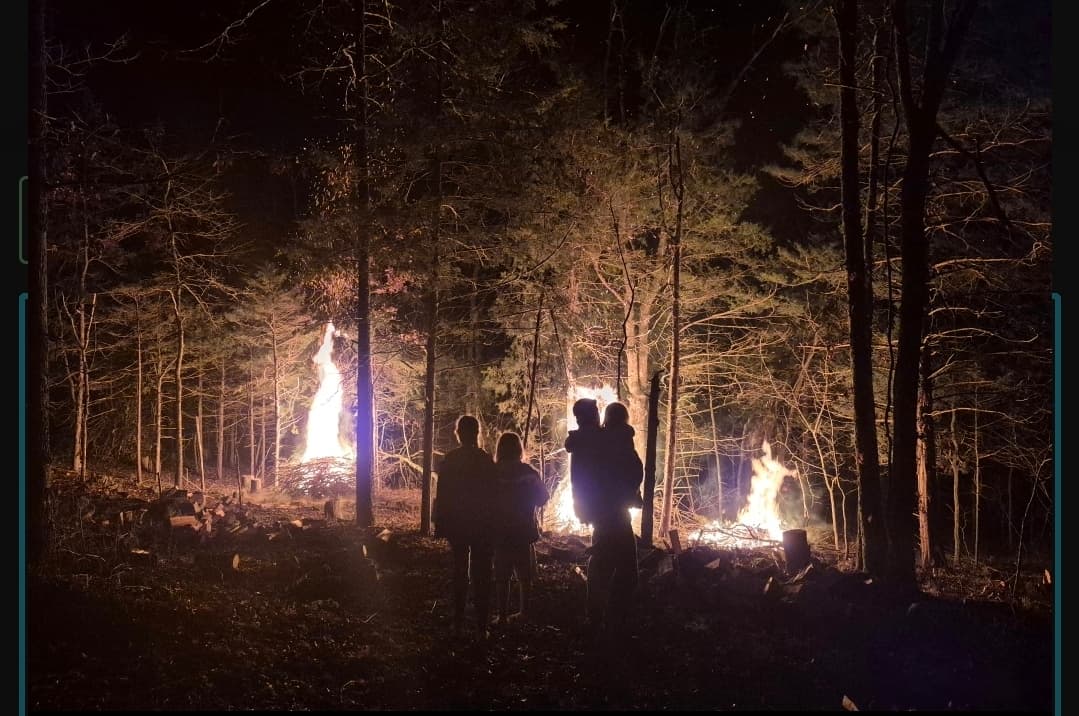
I would have started clearing my land in a different spot. I started higher on the ridge and then emerald ash borers showed up and decimated dozens of larger ash trees lower on the slope. So I’ve had to shift my clearing efforts to utilize the ash trees for firewood to use and sell before they rot. There was no way to anticipate EAB showing up when they did.
I would have had an oak savannah land management goal outside of my main orchard area. This would have slightly changed my land clearing approach.
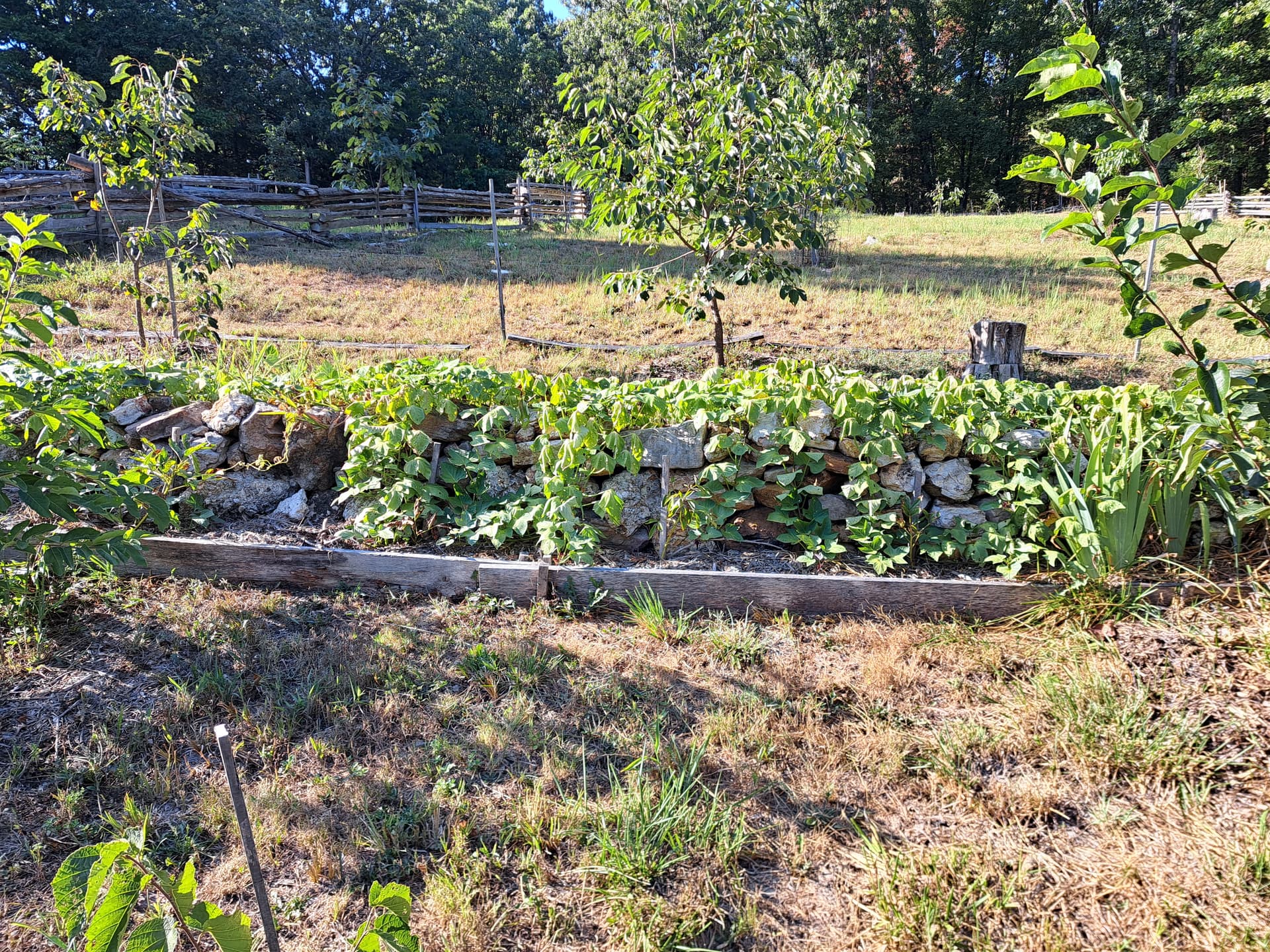
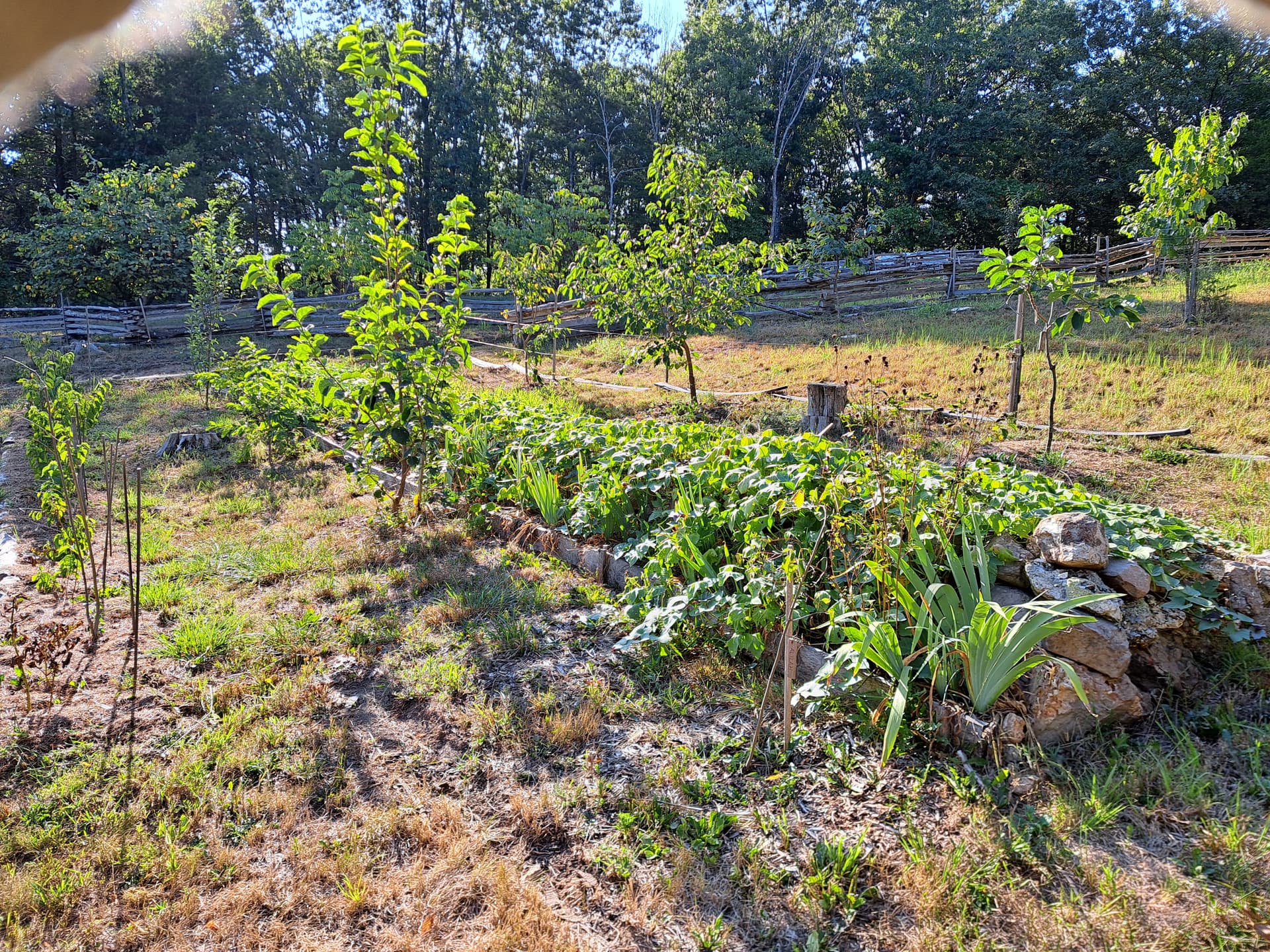
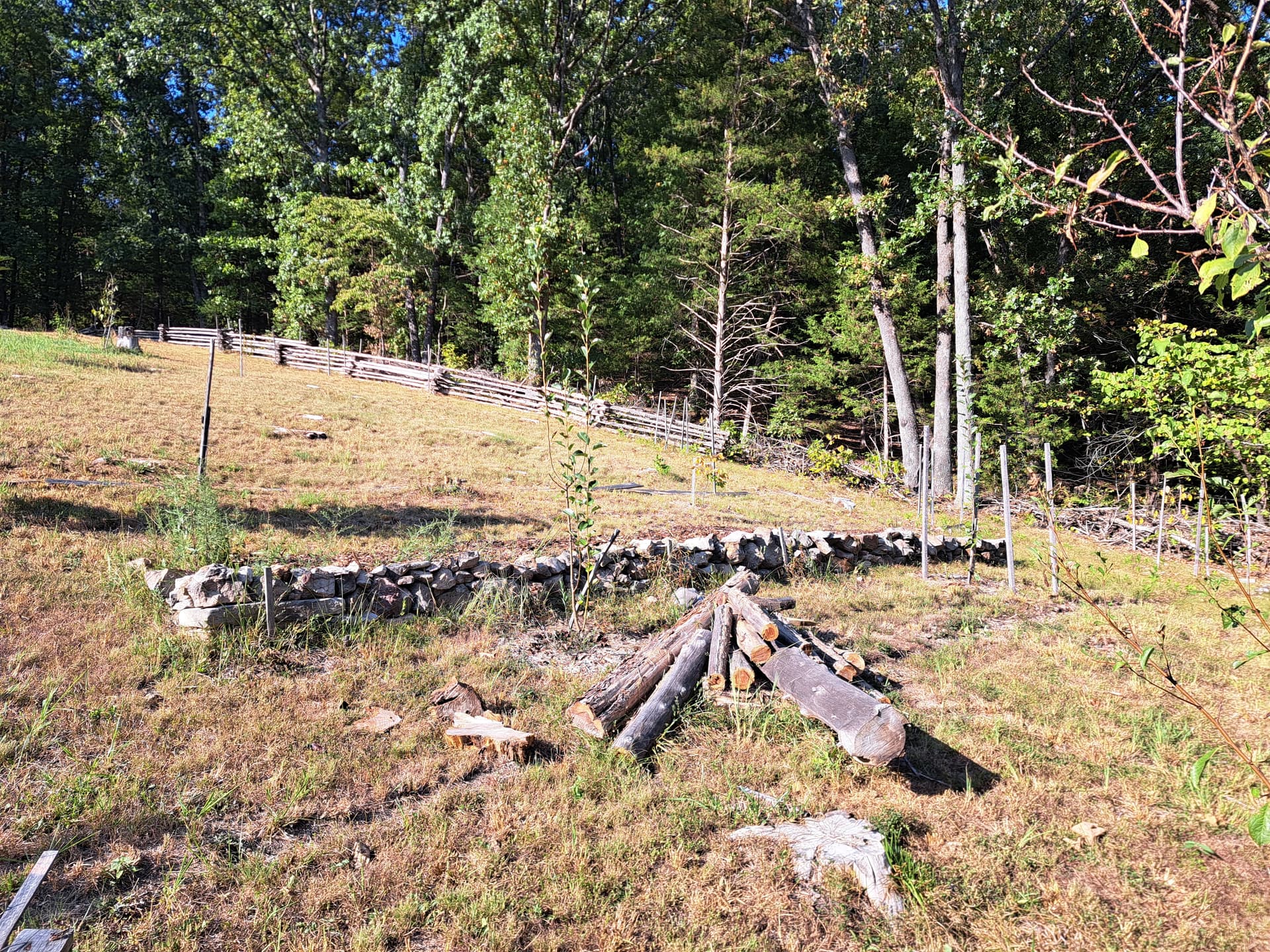
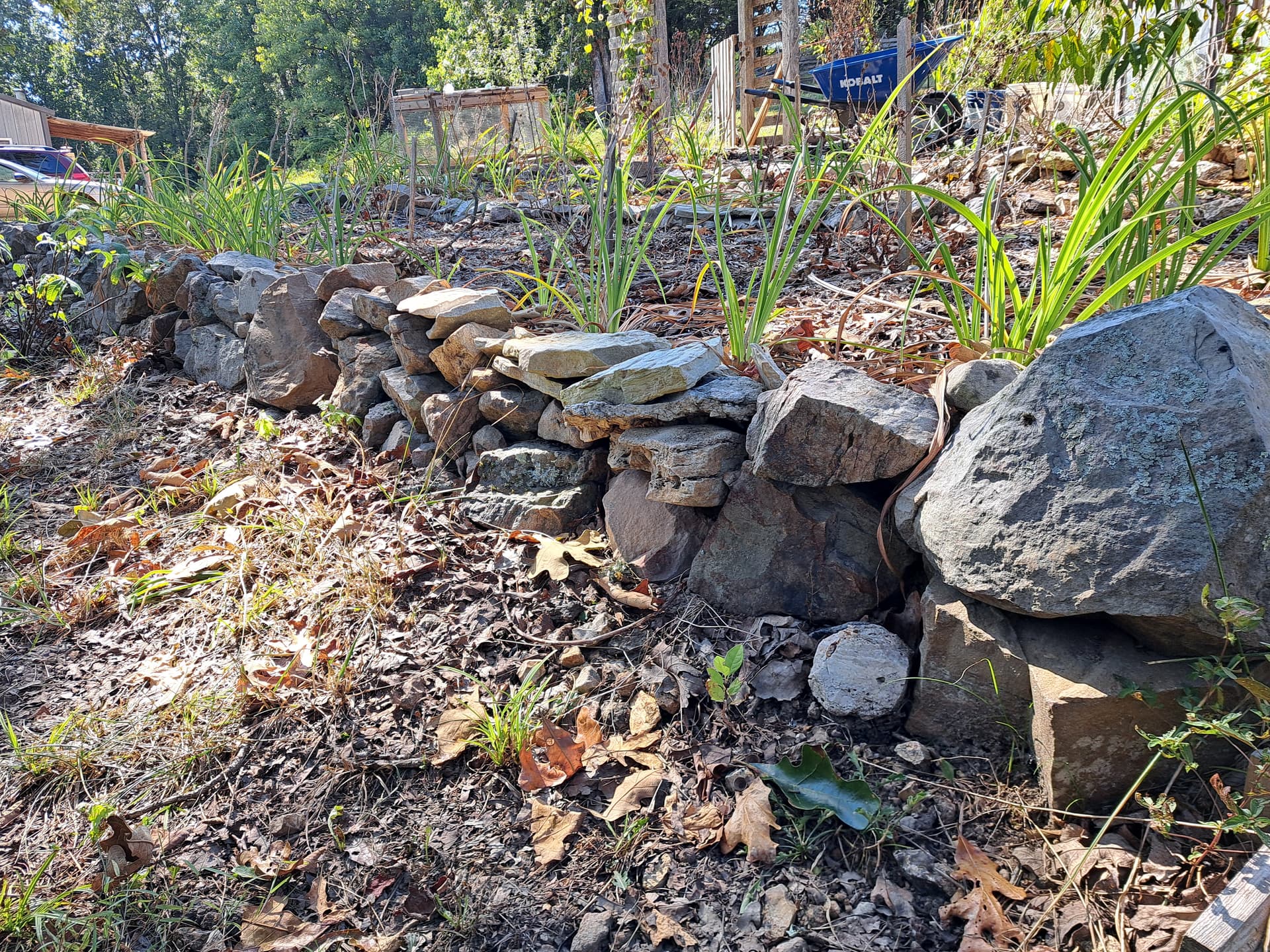
I would have started building natural stone terraces sooner. There’s a lot of time and effort that goes into them, but I love them.
I would change some spacing of some trees slightly, but overall I’m happy with my choices.
I would also have been slightly less ambitious on the amount of land I clear each year. Seems like the first few years I was always scrambling to get everything I wanted cleaned up in time.
Mine was not accurately documenting what I planted, i.e root stock, supplier, date. Bigger issue was listening to “experts” at the nursery, such as, “your cherry tree has sun scald”…no it was canker. “Plant your young Avocado tree in the sunniest , hottest spot in the year.” Killed about 6 of them until I figured out they need lots of protection when young. Best decision - getting a trail camera to see what was getting my fruit - raccoons and rats!
8ft on most stone fruit. I planted a couple trees side by side and prune them in the middle hard. Apples closer (most on dwarf) anywhere from 2 ft in groups of 3 and to 6 ft. between single trees. I could’ve doubled that easily for all fruits. I was over zealous with how many varieties I wanted to try my first few years. It’s thinned out a tad from trees getting removed or dying but I have to prune pretty heavily still. I’m learning a lot through the process, one day I hope to have a larger chunk of land to retire on and hopefully my mistakes prove to be lessons learned when I get there. I’ll do a few things different but I think I’ll still want a lot of variety. That’s the problem with limited space for me.
For a 50’ x 50’ backyard orchard in zone 4b… I can choose either 11’ or 12’ N-S and either 12’ or 13’ E-W for plot size. Do you have any recommendations on that? I was going to keep most of my trees pruned in the 8’ to 9’ height range, so I don’t have to go up more than 3 steps to harvest or spray.
My American Plums were planted years ago at 9’ spacing, so I’m stuck with that for stone fruit. I will be creating variety by branch grafting instead of planting many trees. When the wind settles down I’ll go back out and re-insert spacers and festooning lines that I’m using this week to shape them into an open vase.
11’ x 12’ is the minimum to fit 2 bush cherry sized things and 2-3 blueberry sized things in a plot.
If they’re peaches, go wider. They grow so fast and they seem to care most about the full sun. Also the way people prune them (open vase) seems to make them so much wider than my apple or pear trees (which are either neglected and horrible or Christmas tree shaped). I did mine on 18’x18’ and I’m already imagining how tight it will feel in a year or two.
The pears, left to their own, grow straight up and it’s hard to get them to do much else. You’d have to tie or espalier them or something to get the branches down. So for them, if you’re going to go “low”, then you might as well plant them tighter and plan for effort in training.
I can’t comment much on apples except to say they are not as fast growing as the peaches and seem easier to keep in a shape (except that I tend to neglect them more).
What other things are you putting in?
Also, I’d love to hear from others about their thoughts on this. I want to try putting in some more trees in a tighter spacing and trained to be cute in an area closer to my house.
These are shorter (in height and length) than my bigger ones. I have three of them that were dedicated to gooseberries and such with one peach tree in the mix. I’m going to add another one below these and add a 6’ by 10’ garden pond in it. That should be an interesting adventure, lol.
My terraces are pretty rough and ready compared to the beautiful ones constructed by pro stone masons using fairly uniform flat stones. I’m just using Ozark hills field rocks in all their ugly shapes and sizes. If time and health permits, by the time I’m an old feller I’ll have short terraces kind of all over the hillside in strategic places to slow down erosion and increase water retention when it rains.
Thank you so much for your feedback. You mentioned 18’x18’ which I think is your plot size. What height are you letting your peaches grow to? You’re on a hobby farm with large enough sample sizes to employ the central limit theorem, but I’m only filling in an approx. 50’ x 50’ backyard orchard where I have a sample size of N = 3 wild American plums of which only 1 will be top-worked into peach. (That means my sample distribution will never fulfill normality criteria, ruling out parametric tests.) They were planted 9’ apart on centers before I decided to build a backyard orchard. That suggests I should keep their height at 9 - 2 = 7 feet. The rest of my orchard gets the bigger 11 or 12 ft N-S by 12 or 13 ft E-W plots.
Last week I was asked to compare an Intervention Group with a Control Group in regard to their post-test vs pre-test scores. I could not use pair-matched statistics because the professor neglected to record the data on a per-individual basis. You’d be proud, I had to write the equations to calculate a pooled standard deviation to calculate z-scores, p-values, and confidence intervals.
LOL - you are ridiculous! I’m not sure how much of what you said was joking, but I’m now more curious about your setup and plans!
You have 50’x50’ and about 15 trees?
What are they? I think certain trees are happier/less happy at close spacing. Also, for some rootstock matters.
It is also important the amount of work you are willing to put in pruning and spraying.
I feel like reading through this thread some common themes are:
wishing for more spacing to get equipment through and avoid disease (especially in humid places)
people wishing they’d planned for critter invasion/ fruit stealing/fencing/baffles/weeds
wishing they’d kept trees shorter to avoid ladders
picking/trying the wrong things for their area (or not trying enough things!) I’ve read both!
I wanted to be able to drive my riding mower between my trees; I use it to pull a cart. That is part of why my spacing is as wide as it is.
If you had similar aims you could make wide aisles and then plant the trees closer the other way. I almost did this, and actually plan to add some trees between trees for now (could be removed later) so some are 9’ between and 18’ between rows.
Also check out the pictures of @scottfsmith 's orchard here: New trunk baffle design for squirrels etc (I don’t know if there are better pics of it somewhere) but I think he’s got a lot of experience packing a bunch of things into a smaller plot.
I planted half mine at 12’ spacing and half at 14’. 12’ was what worked for my landscape design in that area, but after watching them grow for two seasons I’m already nervous about keeping them to that size over the long run. And that’s semi-dwarf rootstock and a cold Z5 climate. I think it will be fine for somewhere between five and ten years but pretty sure I will be pruning the width heavily to keep them from growing into each other. I’m keeping the heights <10 ft.
my biggest mistake was not getting started sooner.
I have high anxiety and I got stuck in analysis paralysis for years.
With growing fruit it is important to do your research but there is a point where you just need to give something a try and see if it works. what works for one person might not work for you and vice versa.
Growing fruit is a hands on learning experience. don’t be so afraid to make a mistake that you put off trying for too long.
Too true. I also feel that sometimes you can be overwhelmed with information. I can’t think of particular examples at the moment, but I feel like there are a few things I did a better job of raising before information was so easily accessed.
I overestimated how tall the wall needed to be to level out the ground to where I desired it. Since the wall was too tall, I either needed to use way more fill to level the ground out higher than I initially wanted it, or just have extra wall above the soil line. I opted for just leaving the extra wall above the soil height I wanted. The extra wall sticking up is wasted time and stones, but it’s not that big of a deal. It taught me a lot and gave me practice eyeballing what I really needed.