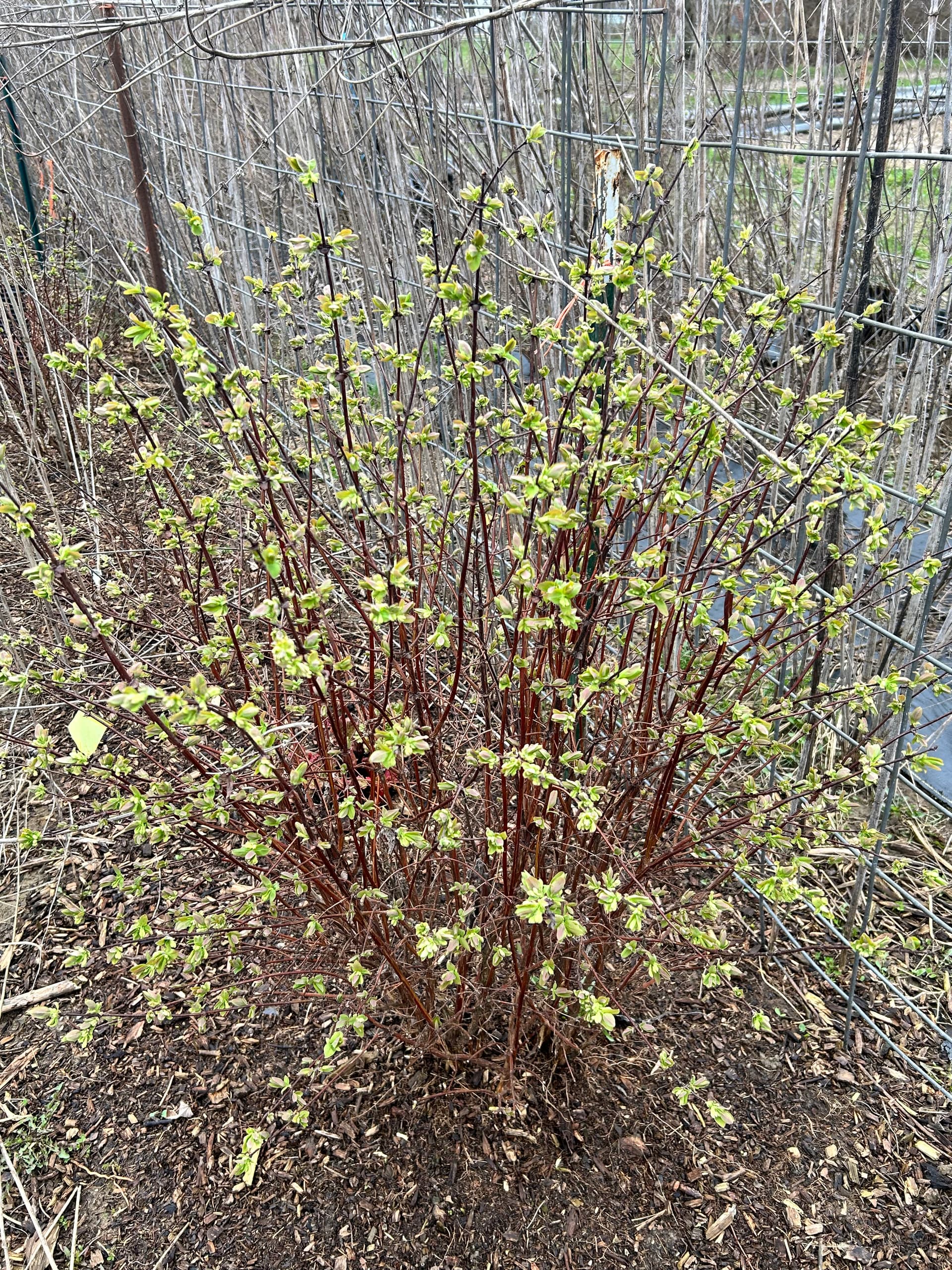
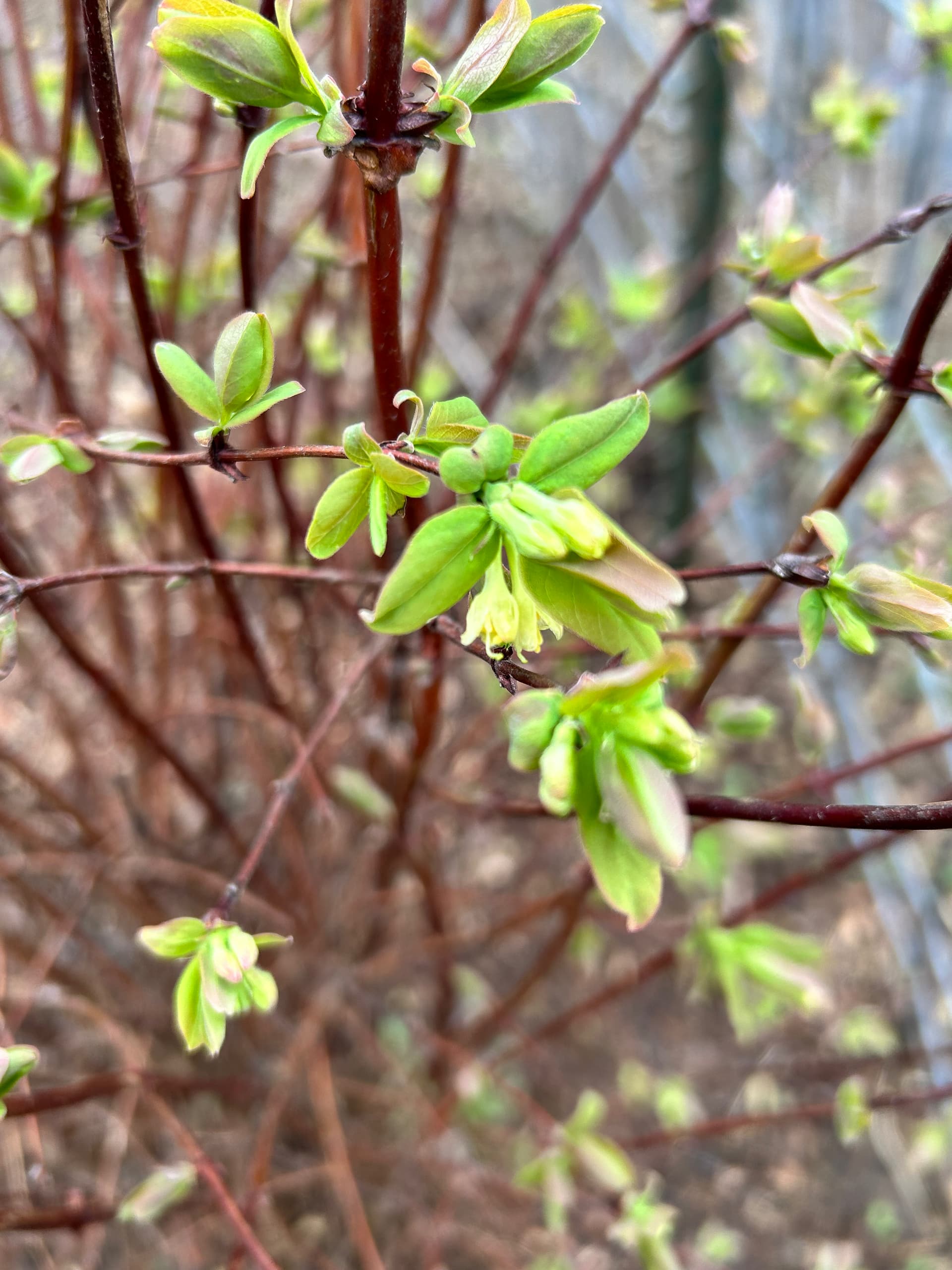
My honeyberries are waking and flowering in zone 6a. These pictures of one of my Aurora’s are from today:
4 Likes
I’m pretty sure the UoS Haskap page has research, and pictures of the results, of a controlled soil pH study if somebody who doesn’t have to go to work in ten minutes can pull it up. The plant that out grew it’s container, by a lot, had blueberry-like pH.
3 Likes
1 Like
It doesn’t seem to me that growing Haskap on a layer of ash beneath the roots would drastically change the pH of the compost where the plant is planted. If I mix ash into the compost, I do so very cautiously and in very small amounts. So, there’s a continuous layer of ash below the plant roots, separated by a layer of compost. If this planting method significantly altered the pH of the compost, the plants wouldn’t thrive in my testing, and they would gradually stop growing.
I believe it’s more about easier access to minerals that ash allows, and the sterility of ash may play a crucial role against decay processes and various pathogens under the roots, preventing access to nutrients. Although the plant grows in compost with a pH of 5-6, it has easier access to minerals from the continuous layer of ash beneath its roots, despite the alkaline pH of the ash. When propagating with green cuttings, I place a thin layer of ash at the bottom of the palette. Rooting is successful in peat with a pH of 5.5-6. Snow is dusted with ash around the shrubs every year, and the plants yield well.
In 90 L containers, the contrast in pH doesn’t bother the plants; in fact, it benefits them. The alkaline leachate flows downward during watering into the sawdust. In the containers, they grow in compost with a pH of 4.5-6, with a 3-5 cm layer of ash under the roots separated by a layer of compost. Under the ash is a 40 cm layer of sawdust. The opening is on the side of the container, not at the bottom.
It occurred to me that in nature, it’s sometimes similar. During volcanic activity, ash settles, followed over time by a layer of organic material. Plants grow in this more acidic layer, drawing minerals from the ash. As we know, many plants thrive on ash layers, so why not for Haskap? I tried it, and it works.
2 Likes
This is the full thesis this write up mentions, which has the full experiment details as well as field studies. pH does indeed seem to matter, but these plants can tolerate a lot it seems.
LKHAGVASUREN-DISSERTATION-2022-1.pdf (3.2 MB)
2 Likes
The beginning of flowering for earlier varieties in my area is shifted 21 days earlier than last year. I am in a similar Zone 6a, and February was exceptionally warm. Aurora takes one to two weeks to start opening its flowers. I haven’t seen any bumblebees flying around the bushes yet.
Here is an earlier variety, Violet, on which I already see some flowers open.

2 Likes
It seems that nitrogen fertilization in the spring adversely affects fertility and fruit quality, which I don’t do. I fertilize shrubs only during the dormant period, usually on snow, and it works great for me.
During the growing season, I don’t fertilize, but I want to experiment with early varieties by intensively watering and fertilizing with nitrogen after harvesting to extend the shrubs’ vegetation, preventing them from entering dormancy and avoiding secondary flowering in the fall for early varieties.
4 Likes
Mine are growing in a moderately heavy clay soil with a pH of 8.1. They grow slowly, but they are healthy.
3 Likes
Do you have them planted in the same soil, or have you dug a hole with compost or different soil?
Nothing added.
same soil with alot of fist sized rocks. ph of 5.5 to 6.5. depends on where you’re at on the property. from what I’ve read honeyberries aren’t picky about ph. what you’re saying proves it. they grow just as well as the blues do here. seems they prefer it slightly acidic like most berries as they are fast growers here.
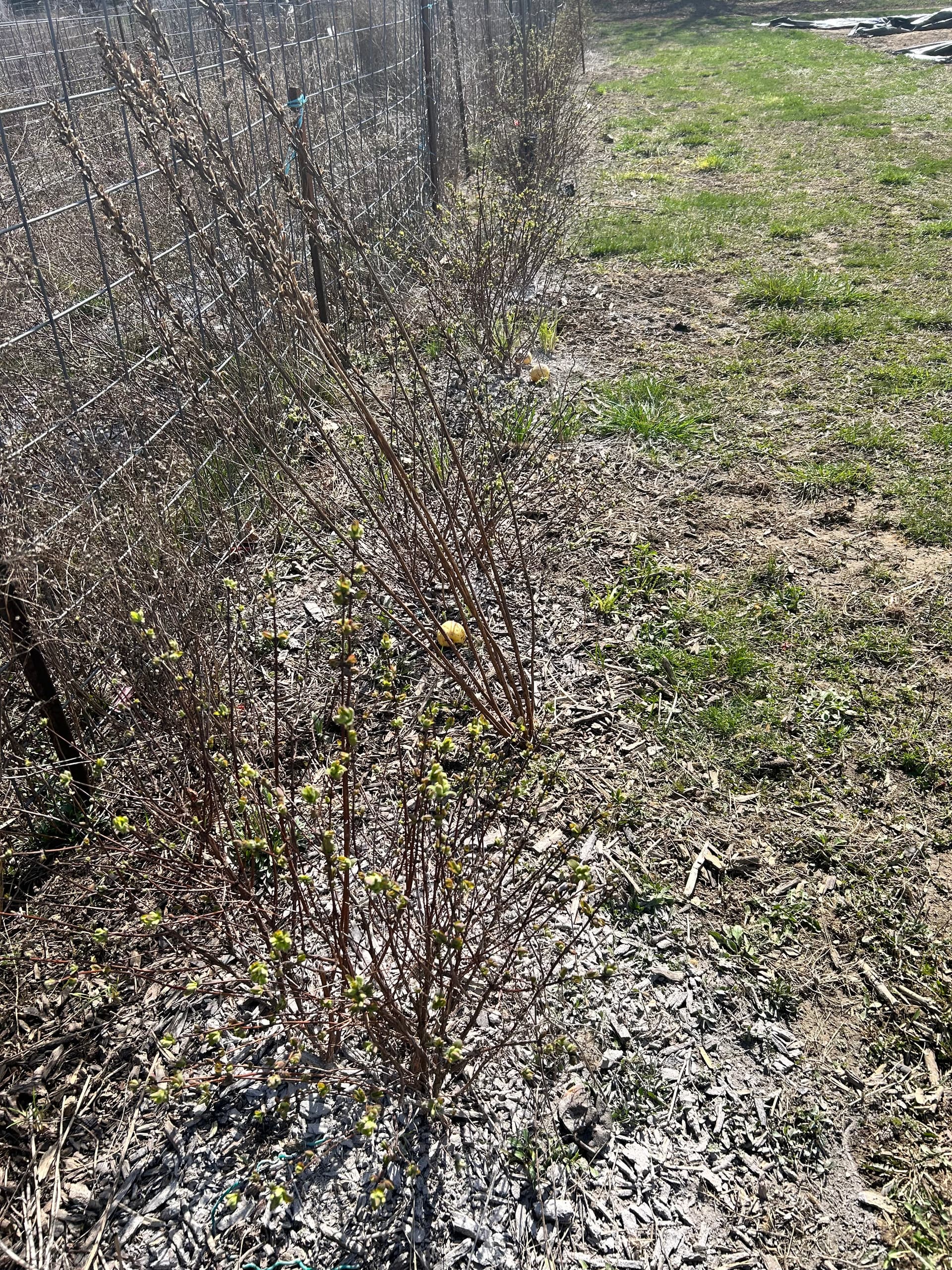
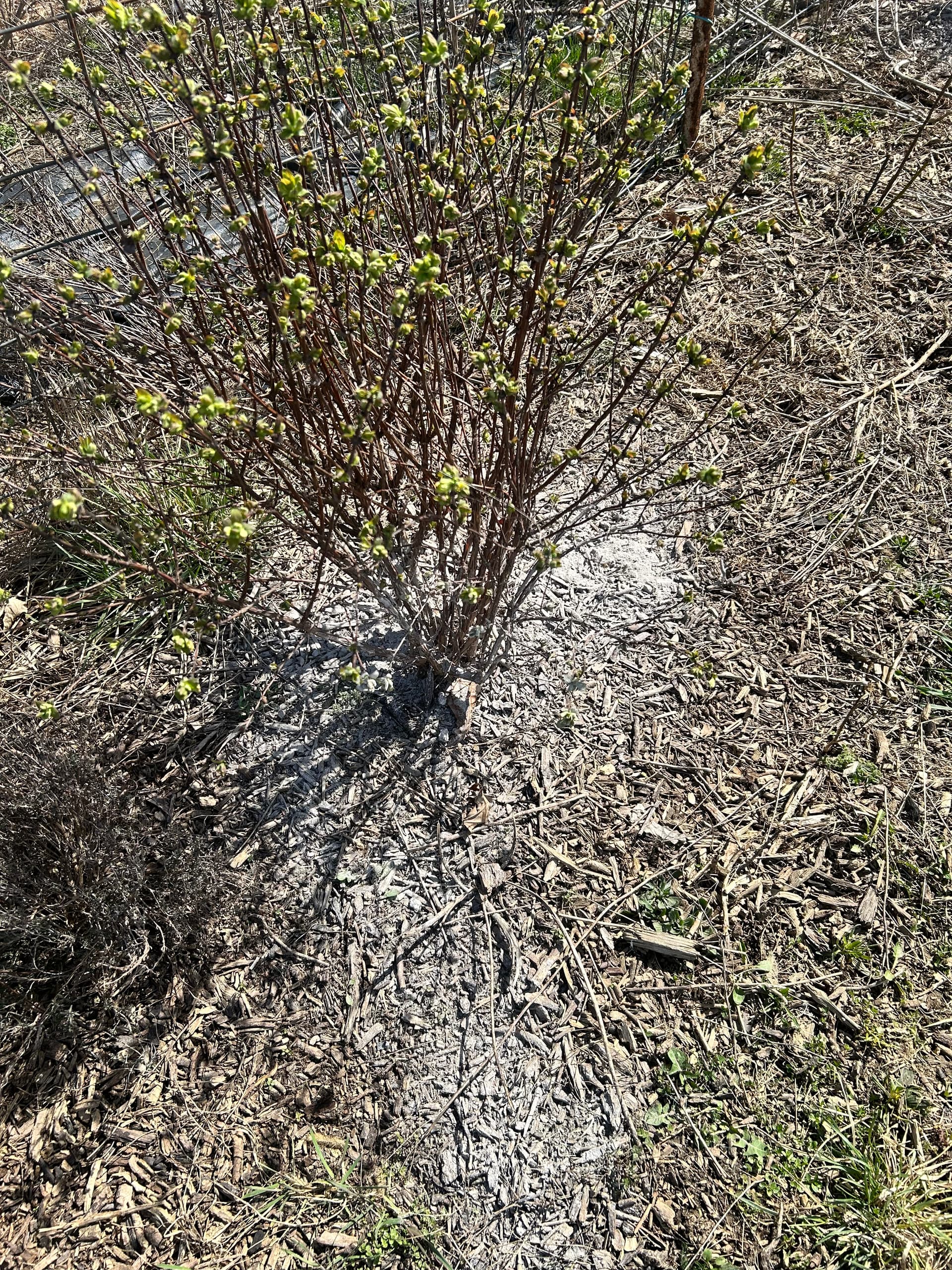
I decided to try the wood ash on one row with about 10 Aurora and 10 Tundra planted. I just tossed two hand fulls on top of the mulch of each shurb.
4 Likes
interested to hear about your results. I need to find some wood to burn and Ill put some down also. I think Ill be able to snag a stack of scrap from a hardwood flooring place near me. Wood isnt a common fuel around my area.
2 Likes
if shipping wasnt so expensive, id send you some. still alot of older folks that burn hardwood for heat that would be happy i would take their ash from them.
1 Like
With ash sprinkled on the surface above the roots, one must be careful and apply it in small quantities because the runoff tends towards the roots. I do it on the snow during dormancy, and minerals gradually pass through the agricultural textile. A handful of ash under the bushes is enough for them. I evenly dirty the snow with ash.
3 Likes
Same! This one is Boreal Blizzard, but all of the varieties I have are awake and ready to flower soon.
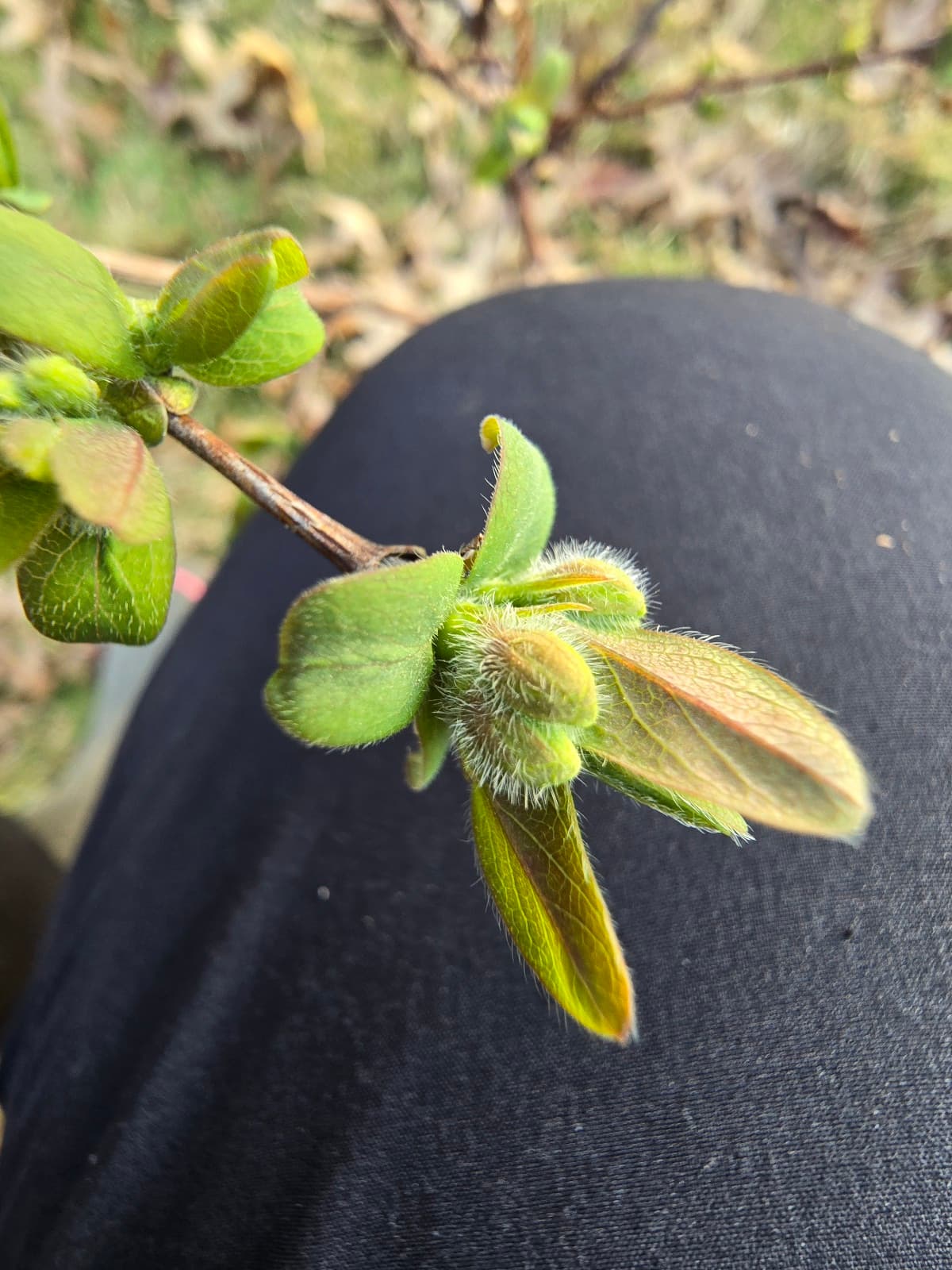
2 Likes
Thanks for your input, really appreciate it.  This is on top of wood mulch. I don’t think I applied it to thickly… well, at least I hope not. We will see. I didn’t apply it to my best shrubs.
1 Like
My indigo gem started flowering I think 2 weeks ago. I was shocked (I thought it got fried last year in the heat) will be in the ground 1 year soon.
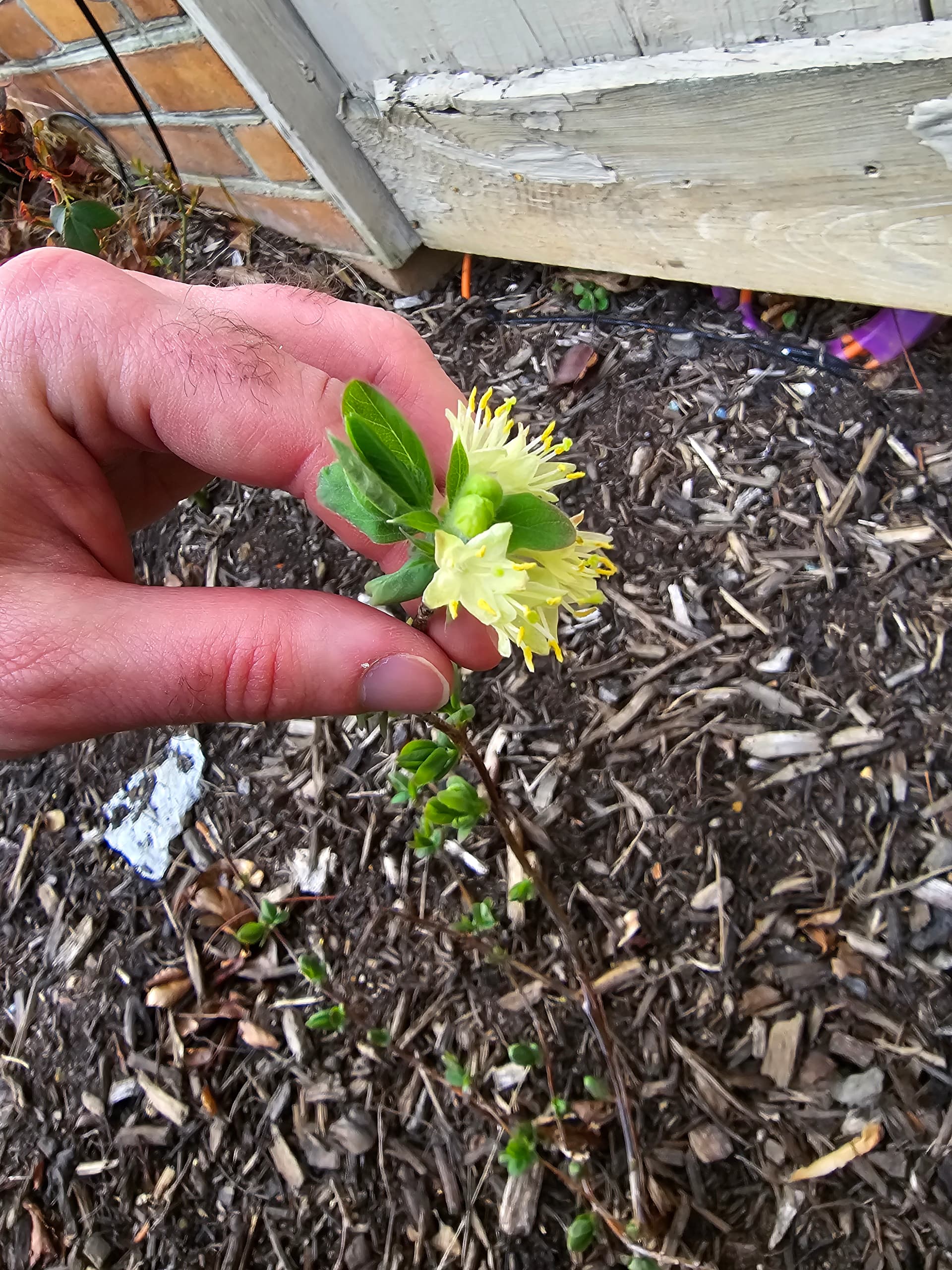
5 Likes
Ooo purdy flowers!!!
1 Like
