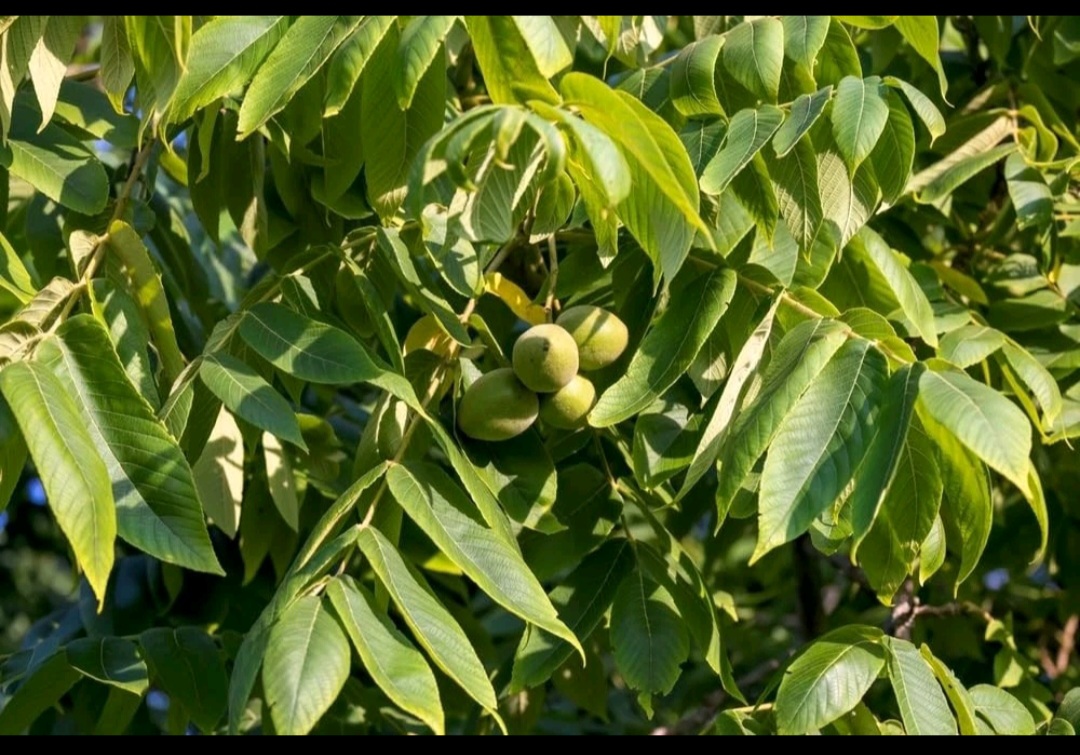
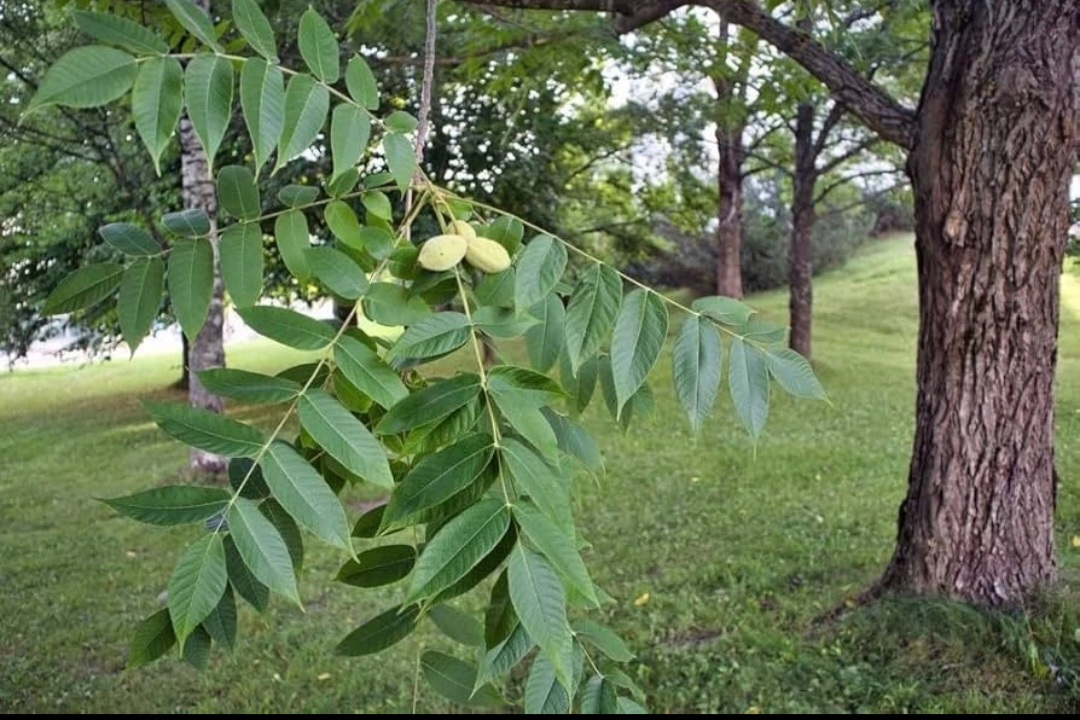
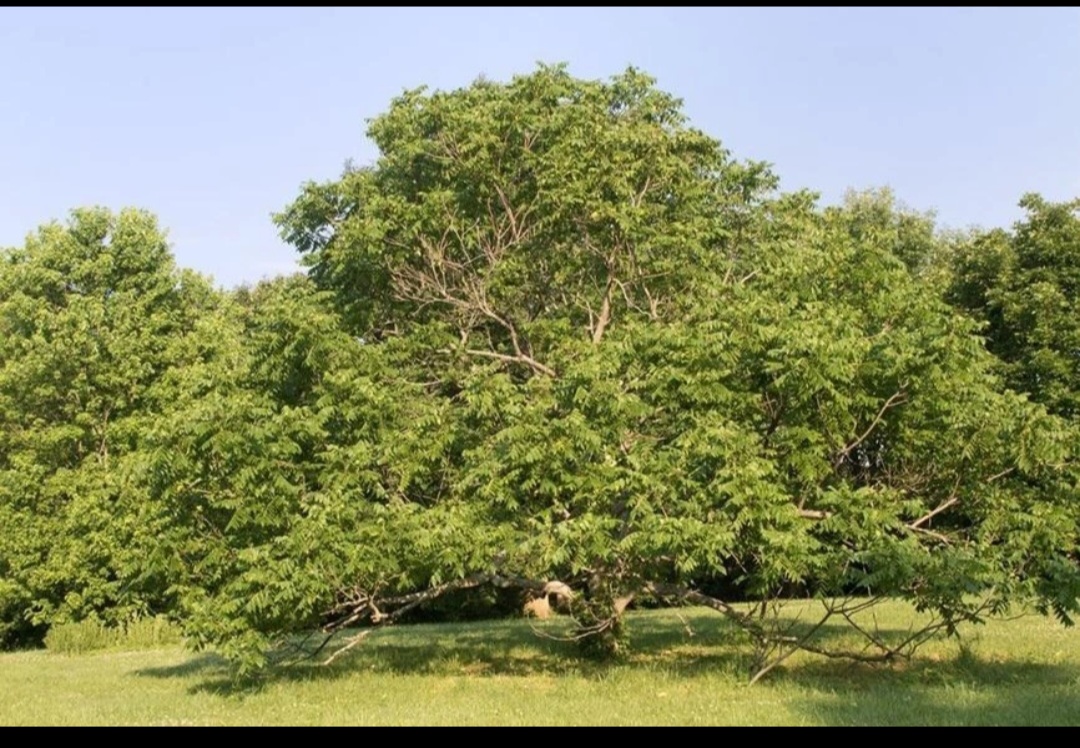
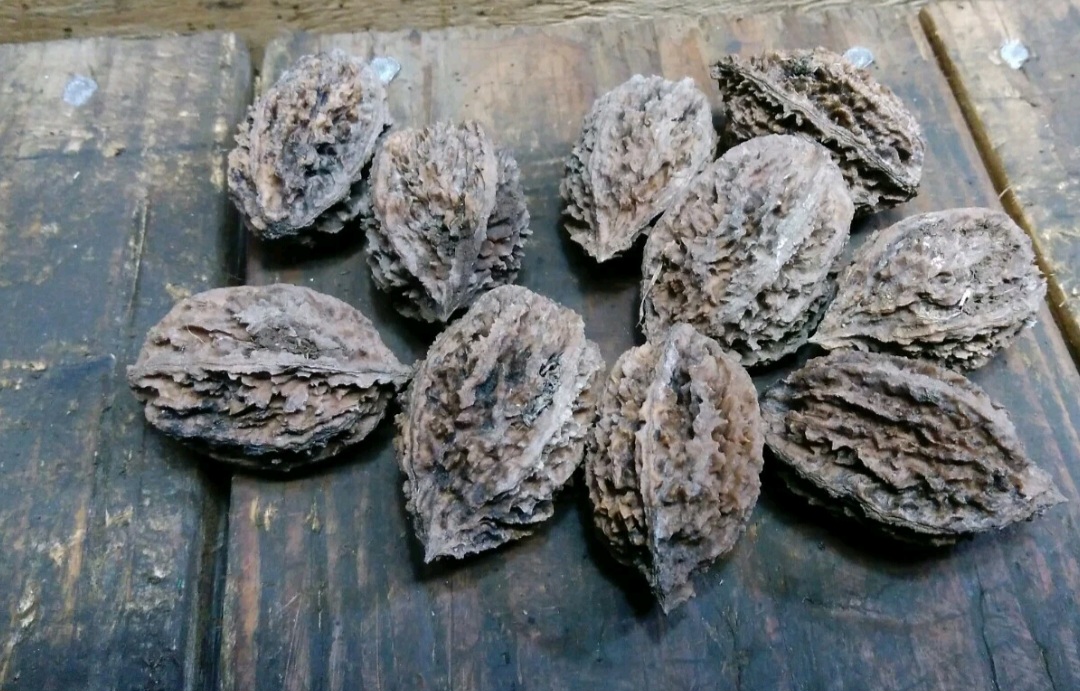
This is not to be confused with the common Black Walnut aka Juglans nigra American. Butternut began to dissappear from Southern Missouri when i.was still a child. My grandfather was perplexed and concerned about the loss of these trees. I fear trying to grow it now after watching many perish throughout the old growth forests of Missouri where I spent some of my childhood. When a wild thing begins to lose in its native range I could only sit by and watch wishing I understood why it was happening. I doubt I will ever do more than admire them.at a distance going forward. These are not my photos.

2 Likes
Butternut canker has decimated wild butternut across much of its native range. There are a few trees still found near where I live. I’ve debated trying get some growing but the simple fact is that the species is highly susceptible to the disease. Hybrids between butternut and Japanese walnut are resistant. At this point in time, it looks like the hybrids may be the only way to save the butternut.
The first time I saw a butternut was in 1982 when staying at a Tusing’s family campground near Harrisonburg Virginia. I went walking up a nearby branch and found a tree growing and producing nuts. I knew it looked kind of like a walnut but had no idea otherwise. I carried a few nuts back to the owner of the campground and asked. He told me they were butternuts.
6 Likes
Butternut canker is wiping these trees out. I have a few seedlings here that I started from seed. I’ve been meaning to plant them out in the edge of the woods this spring. Maybe this thread is a sign for me to do it tomorrow.
2 Likes
There are some in the woods around me. I love the taste of butternut. It’s a shame they they didn’t take on the black walnuts almost invasive trait.
2 Likes
Black walnuts are in trouble too. See walnut dieback for info.
Walnut as a family is comprised of three clades. Black walnut clade make up most of the species with eastern black walnut (Juglans nigra) as a good example. Butternut, Japanese Walnut, and a few other species make up the second clade. Persian walnut is the third clade. Interestingly, black walnut and butternut can’t cross but Persian walnut can cross with either black walnut or butternut.
4 Likes
Huh, I wonder if thats why a butternut tree near me was cut down a few years ago
2 Likes
I’d love to get a bunch of complex hybrids of them all having the specific nut qualities of each individual one seperate, but have disease resistances of everything in it.
2 Likes
Les Wilmoth had several hybrid butternut/heartnut trees at his place (5960 Bacon Creek road Elizabethtown KY) about 25 years ago. He passed away in 2010.
3 Likes
The NH state nursery offers hybrid bare root seedlings every spring.
3 Likes
We planted out Butternut on a prior property in the area and they made it 4-5 years before canker got them.
3 Likes
Grimo has some that supposedly have better resistance.
3 Likes
Wild American chestnuts are all but dead. The trunks were all that was left on our family properties by the time I came along. They will gmo it but I wish they wouldn’t. I’m not sure there every many heartnuts. I don’t know where they came from.
So why did the white walnut and american chestnut survive thousands of years only to die off in the last hundred?
1 Like
Both were attacked by exotic diseases imported from the old world. Chestnut blight originated thousands of years ago on Chinese chestnut. American chestnut had never been exposed to the disease therefore had little or no resistance.
Butternut is basically the same story of an old world disease that decimates a new world species.
2 Likes
These people sell heartnut/persian, heartnut/black, and heartnut/white crosses.
3 Likes
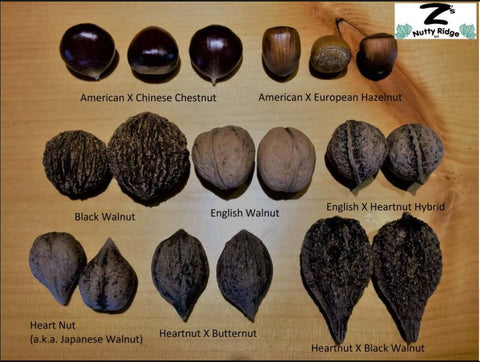
There’s a lot of them out there still. I have an unplanted one on the property about 35ft tall in the woods. I have another dozen I’ve planted. They’ve been hand pollinating large survivors state to state for decades. Many have grown out orchards from those seeds and had many survive to produce nuts and new generations with slightly better resistance.
John Rosenfeld from Go Native Trees has been doing this since 2000. He’s on 3rd generation seedlings now if you check the price list from his site. I have some trees from him from 2018. One got blight last year, but is still hanging on.
Bill Deeter has done a lot of work with pure dentata as well. He has a few locations with only dentata trees. He sometimes makes his seeds available to Tree Pro and they sell the seedlings online. I have some from them as well.
There’s still a lot of original trees in the higher elevations in the Apps as well…especially 3kft+.
1 Like
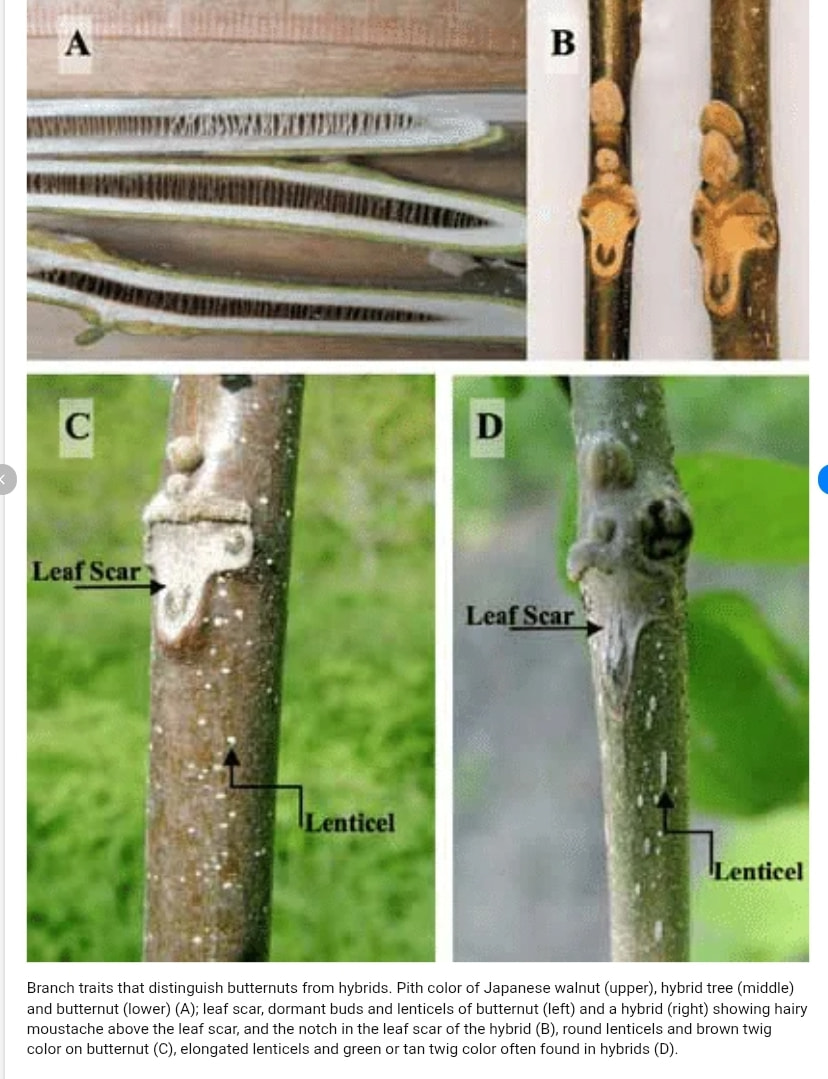
I had saved some more pictures of butternut hybrids and how to tell the apart.
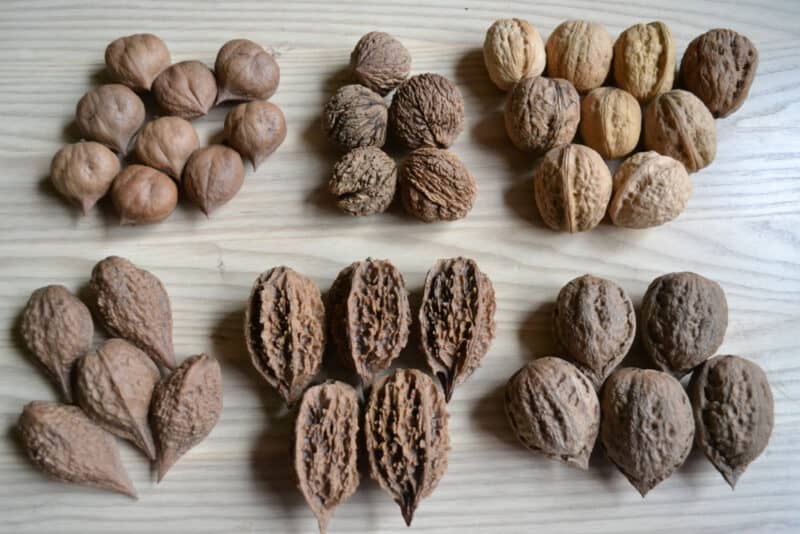
How to tell butternuts from hybrids.

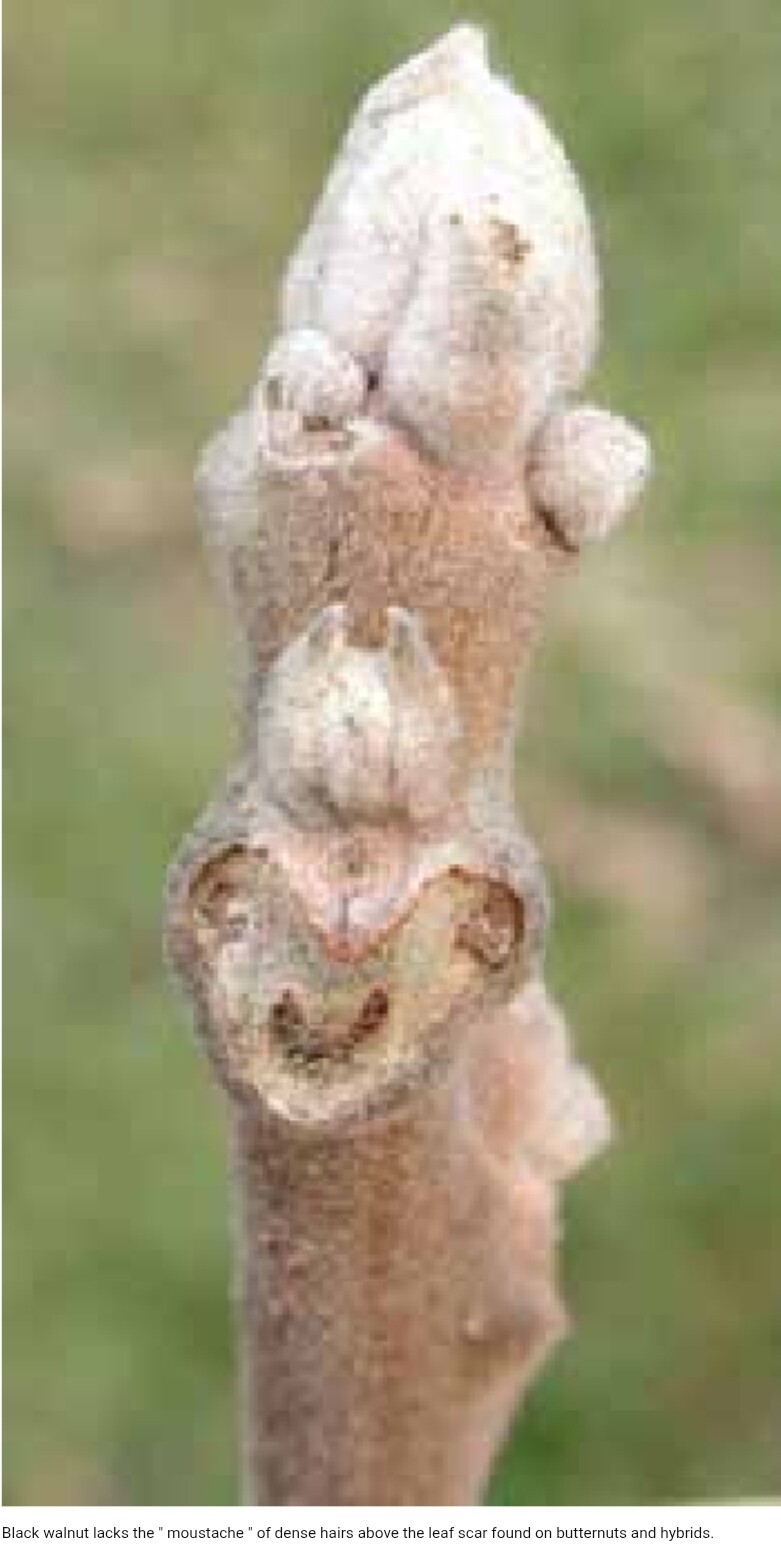
And also just a black walnut twig.
2 Likes
Heh…didn’t even check to see what else Tree Pro had for seedlings. Looks like they have some pure butternuts available. There’s hybrids too.
2 Likes
Just picked up 6 seedlings…can’t go wrong with $2.25 each. Shipping was $20 here.
2 Likes